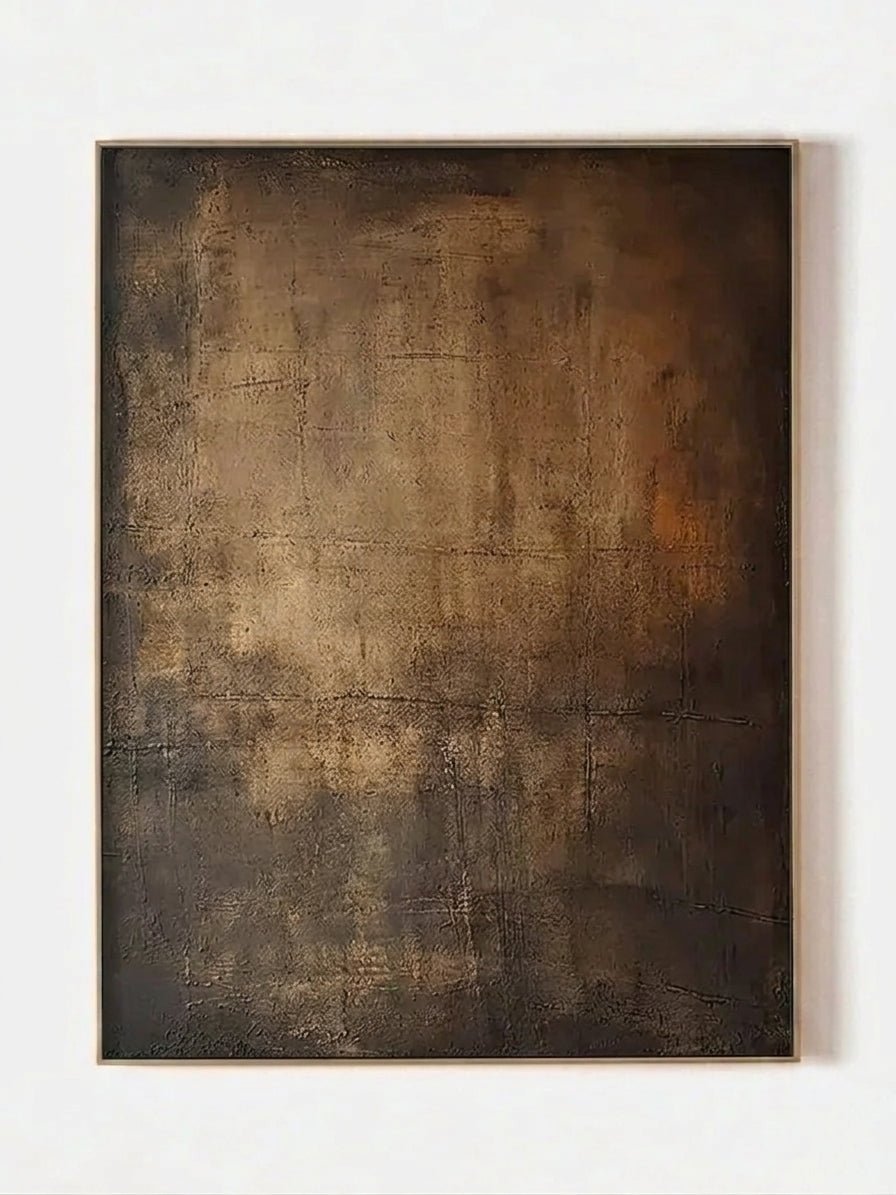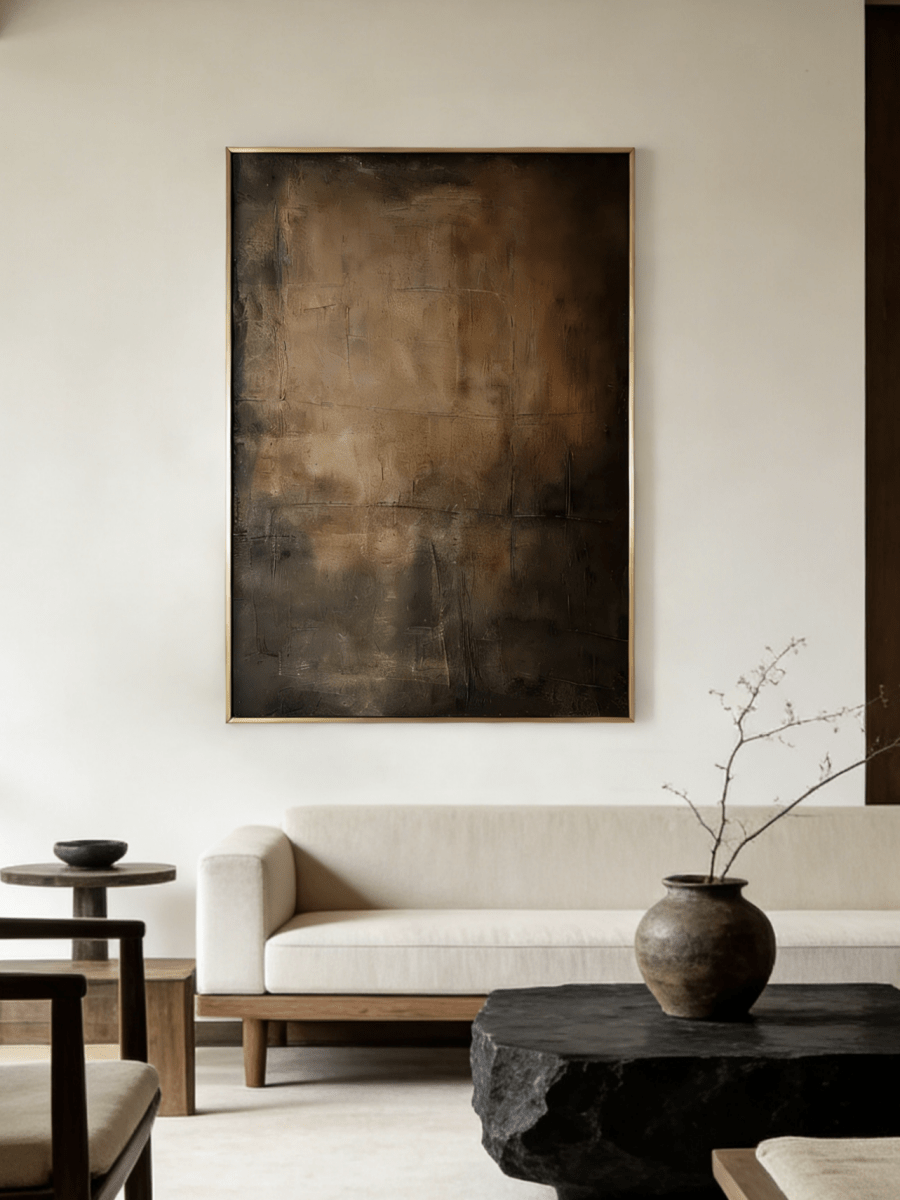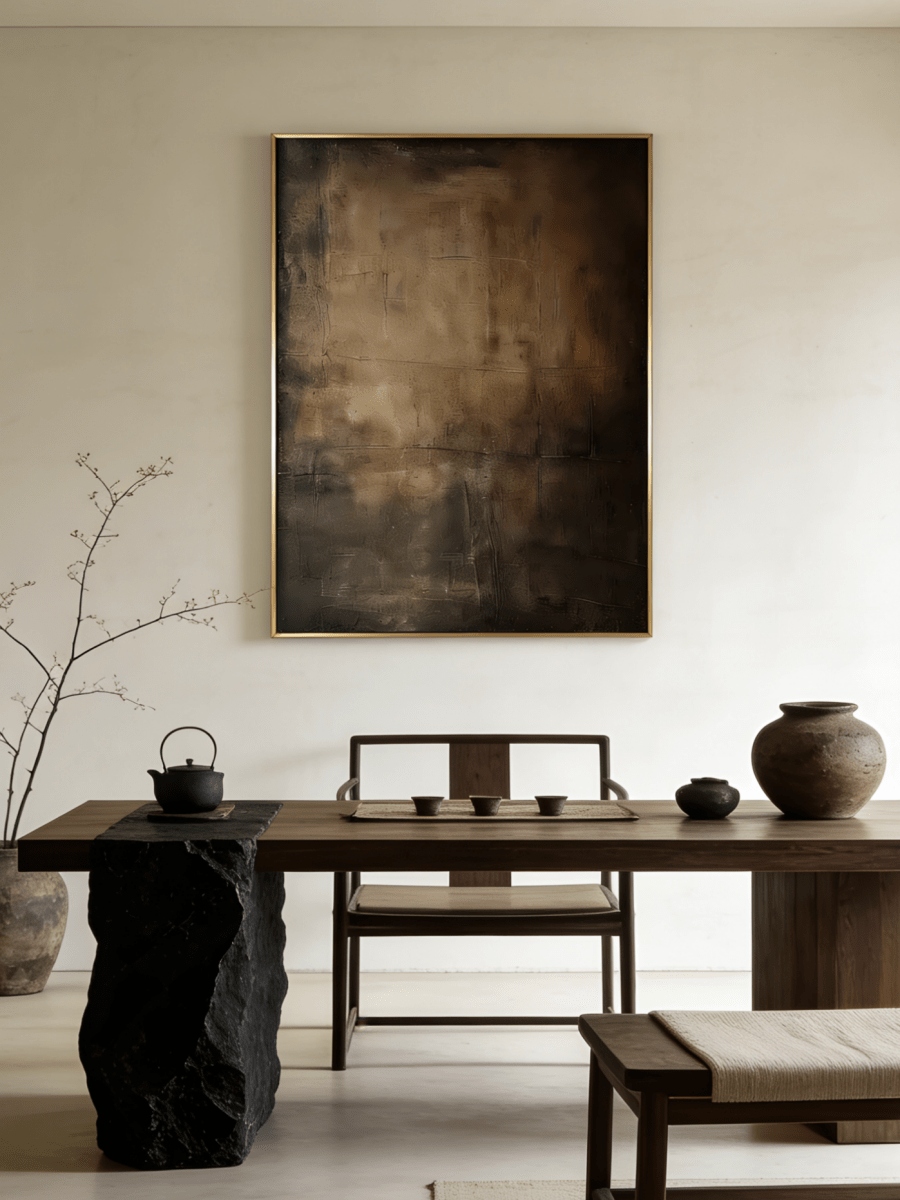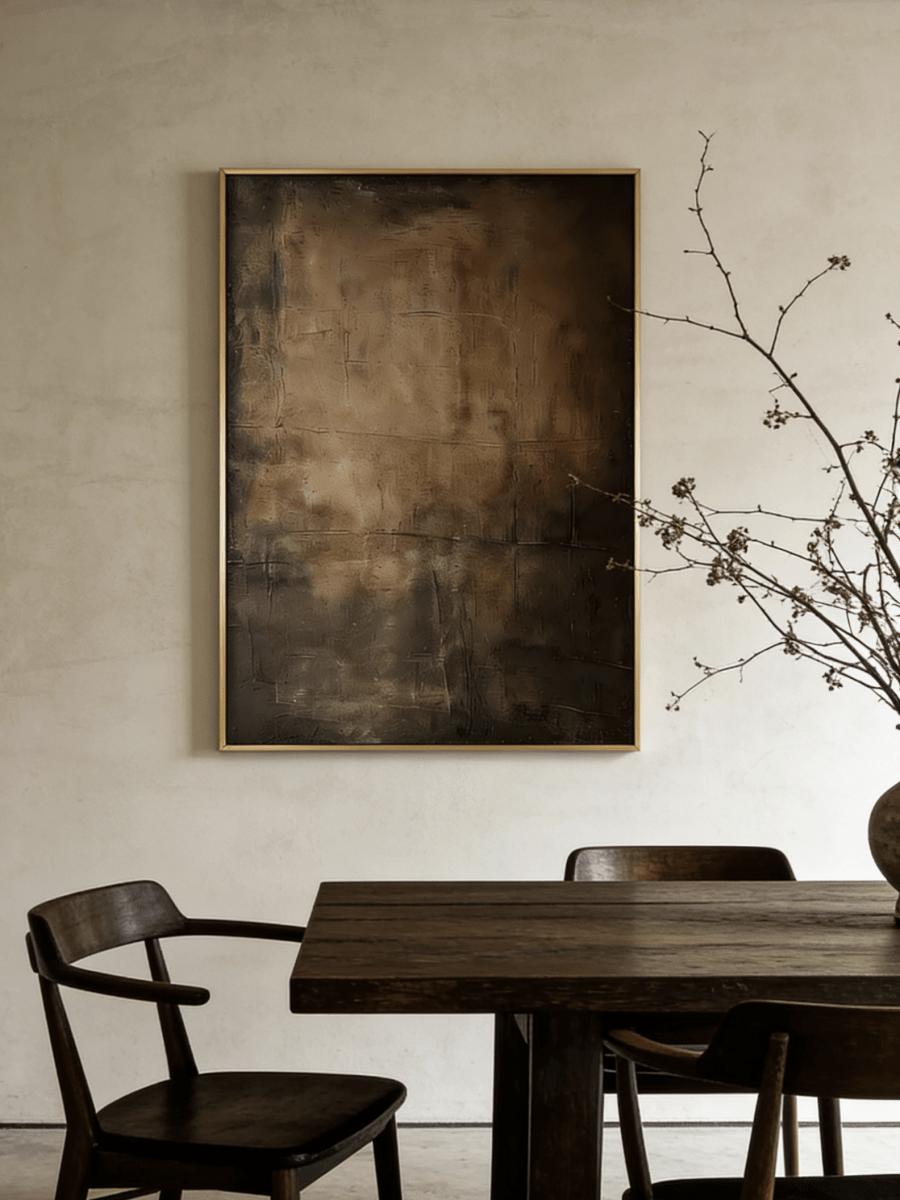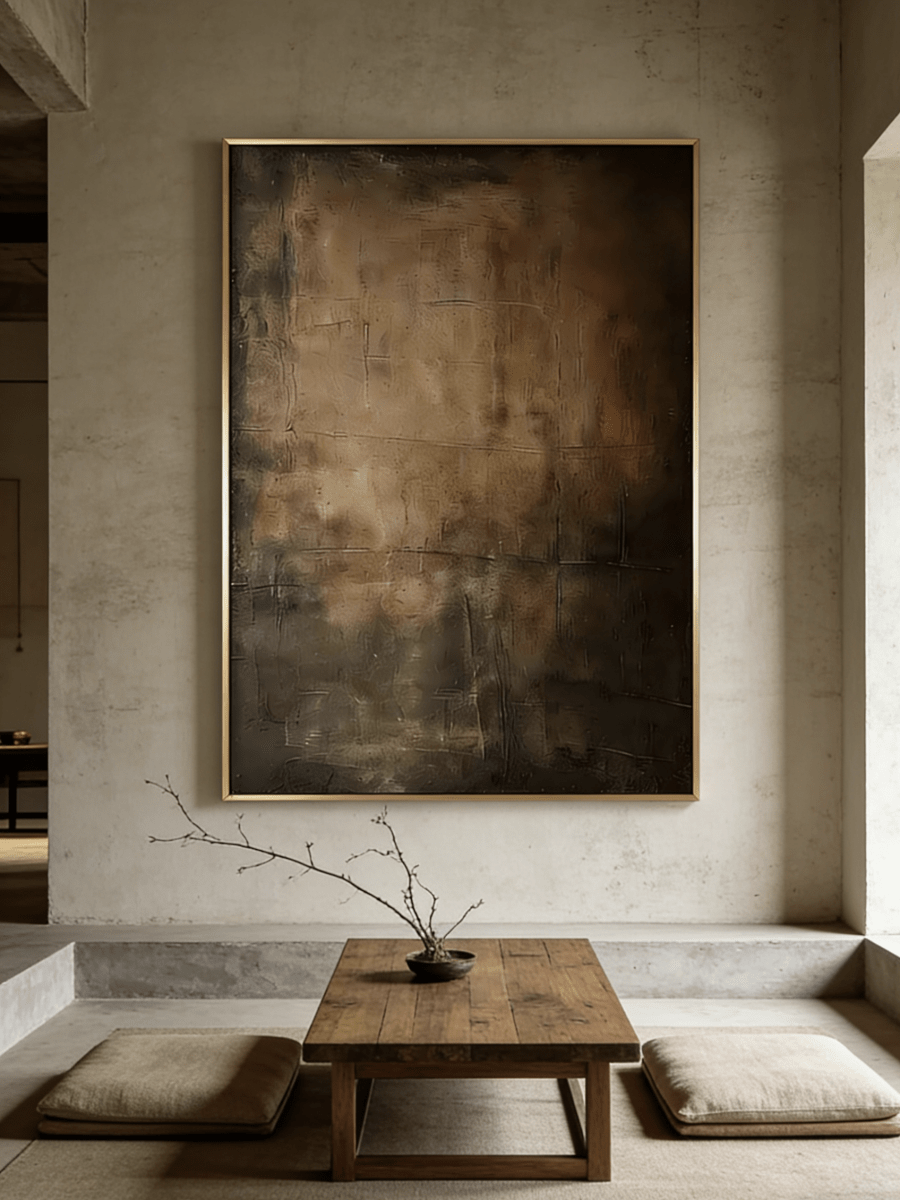


Wabi Sabi Textured Floral Still Life Painting – EV#0453

Descrizione
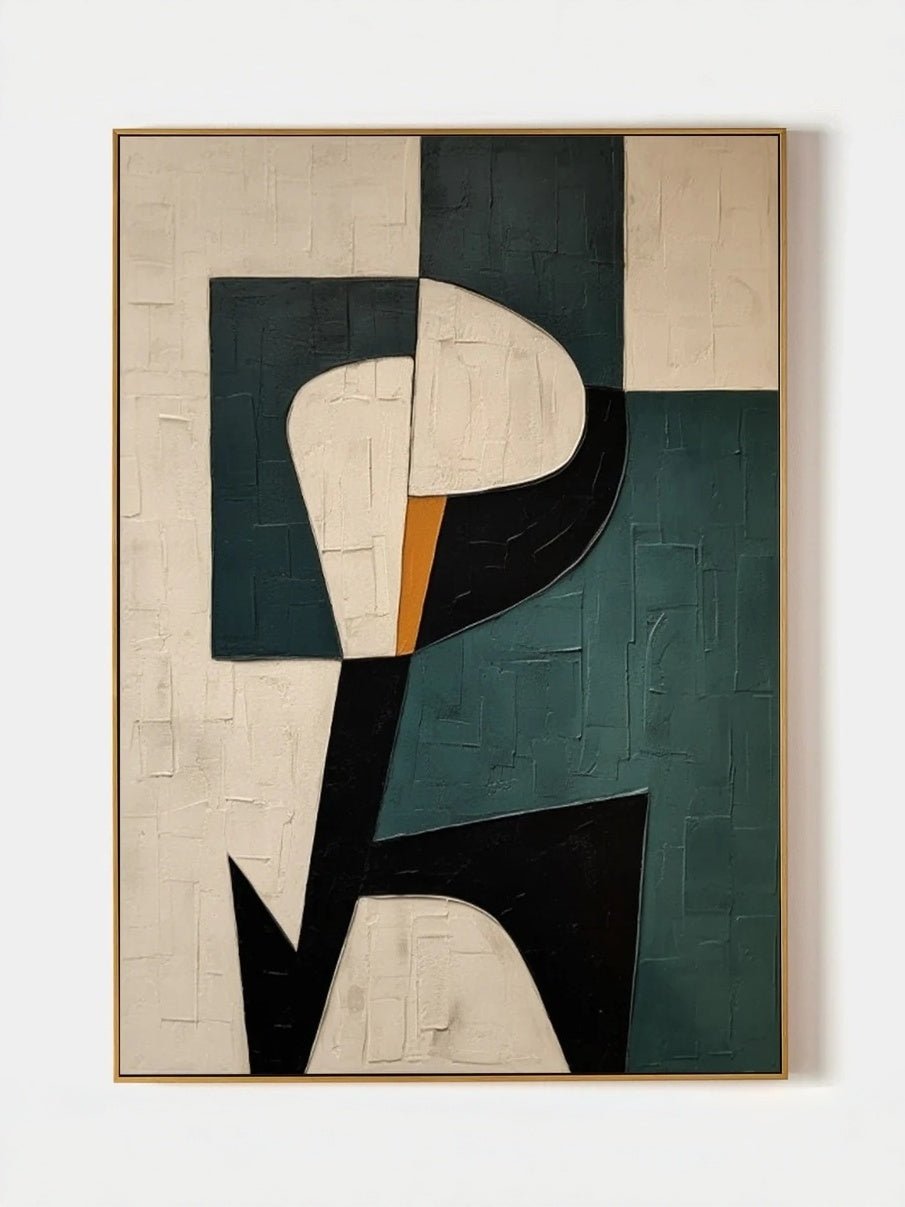
Wabi Sabi Textured Floral Still Life Painting
Quiet Beauty in Bloom
Created by Eliot Vermeer, this hand-painted floral still life brings together delicate botanical forms, sculptural texture and the quiet imperfection of Wabi-Sabi design.
A rounded ceramic vase rests gently against a layered background of individually textured squares. From the vessel, slender branches extend naturally across the composition, carrying soft white blossoms and muted buds.
Rather than using bright floral colors, Eliot keeps the palette restrained and atmospheric.
Ivory, cream, stone beige, warm gray and soft taupe allow texture, light and shadow to become part of the composition itself.
The result is a textured floral still life painting that feels botanical without becoming overly decorative—calm, tactile and quietly sophisticated.
A Soft Neutral Color Palette
The artwork features a refined palette of:
- Ivory
- Cream
- Warm white
- Stone beige
- Greige
- Soft taupe
- Warm gray
- Deep brown accents
The muted colors allow the flowers and vase to blend naturally into the surrounding surface.
Rather than relying on strong color contrast, the painting creates depth through subtle tonal variation and physical texture.
This makes it especially easy to pair with cream upholstery, natural oak, walnut, linen, boucle, travertine and stone.
Texture & Style
This artwork combines elements of:
Wabi Sabi · Textured Floral Art · Botanical Still Life · Japandi · Contemporary Minimalism
The background is structured from repeated rectangular forms, each with visible surface variation.
Some sections appear smoother and plaster-like, while others contain pronounced palette-knife marks, ridges and irregular edges.
The vase and flowers continue this tactile language, allowing the entire composition to feel unified rather than appearing as a floral subject simply placed over a background.
Current neutral botanical and floral listings similarly emphasize beige or ivory palettes, tactile texture, minimalist composition and Japandi or contemporary interiors.
The Story Behind the Painting
Eliot Vermeer approached this work as a study of stillness.
Instead of painting an elaborate bouquet, the composition begins with a simple vessel and a small arrangement of branches.
The branches are intentionally uneven.
Some extend upward, while others lean gently across the textured surface.
This asymmetry gives the painting a natural rhythm and reflects the Wabi-Sabi idea that beauty often comes from forms that are imperfect, temporary and unforced.
The grid-like background introduces structure, while the flowers soften it.
The contrast between these two elements creates the central idea of the work:
order and nature, structure and spontaneity, surface and life.
Perfect Spaces For This Artwork
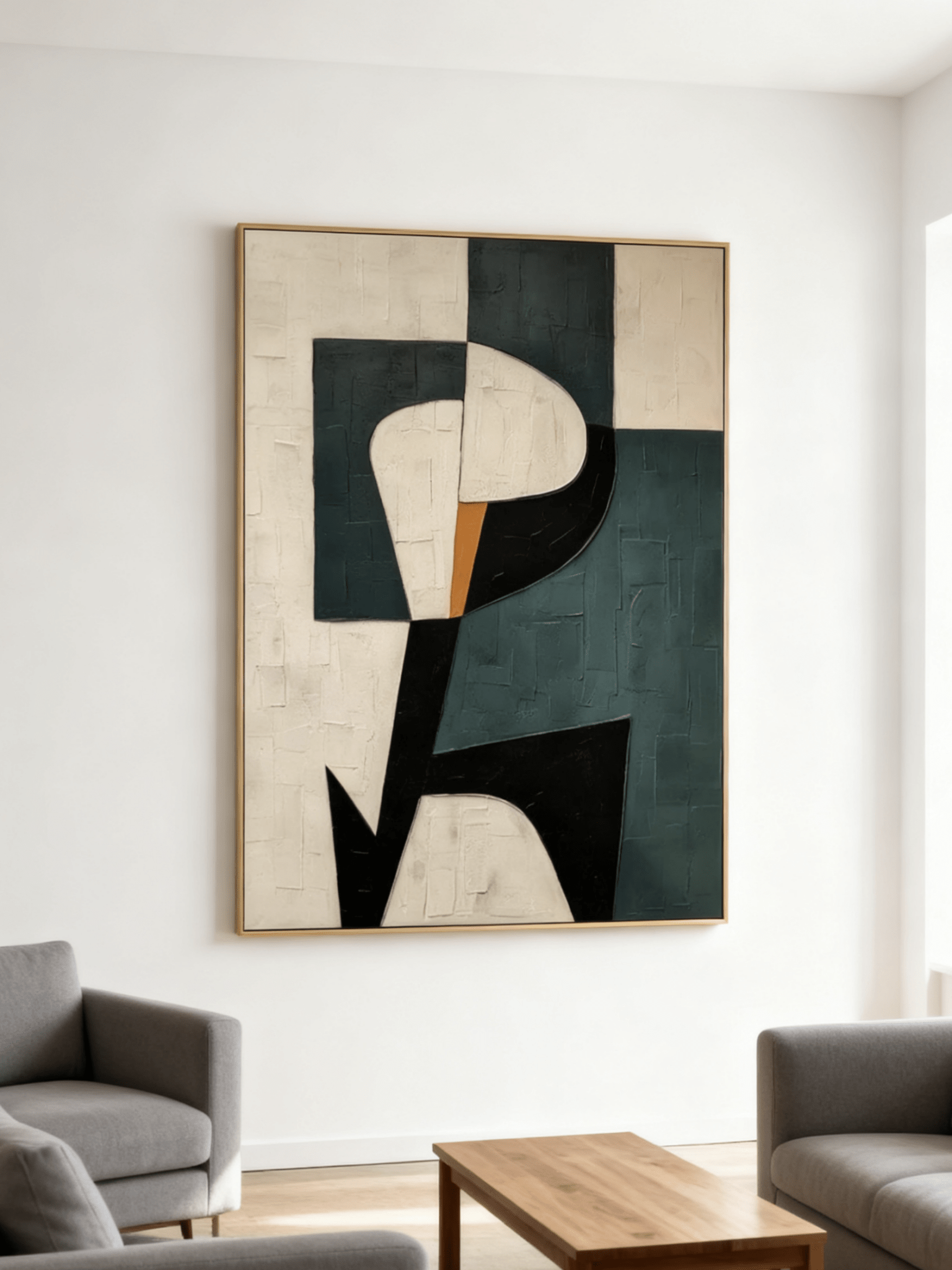
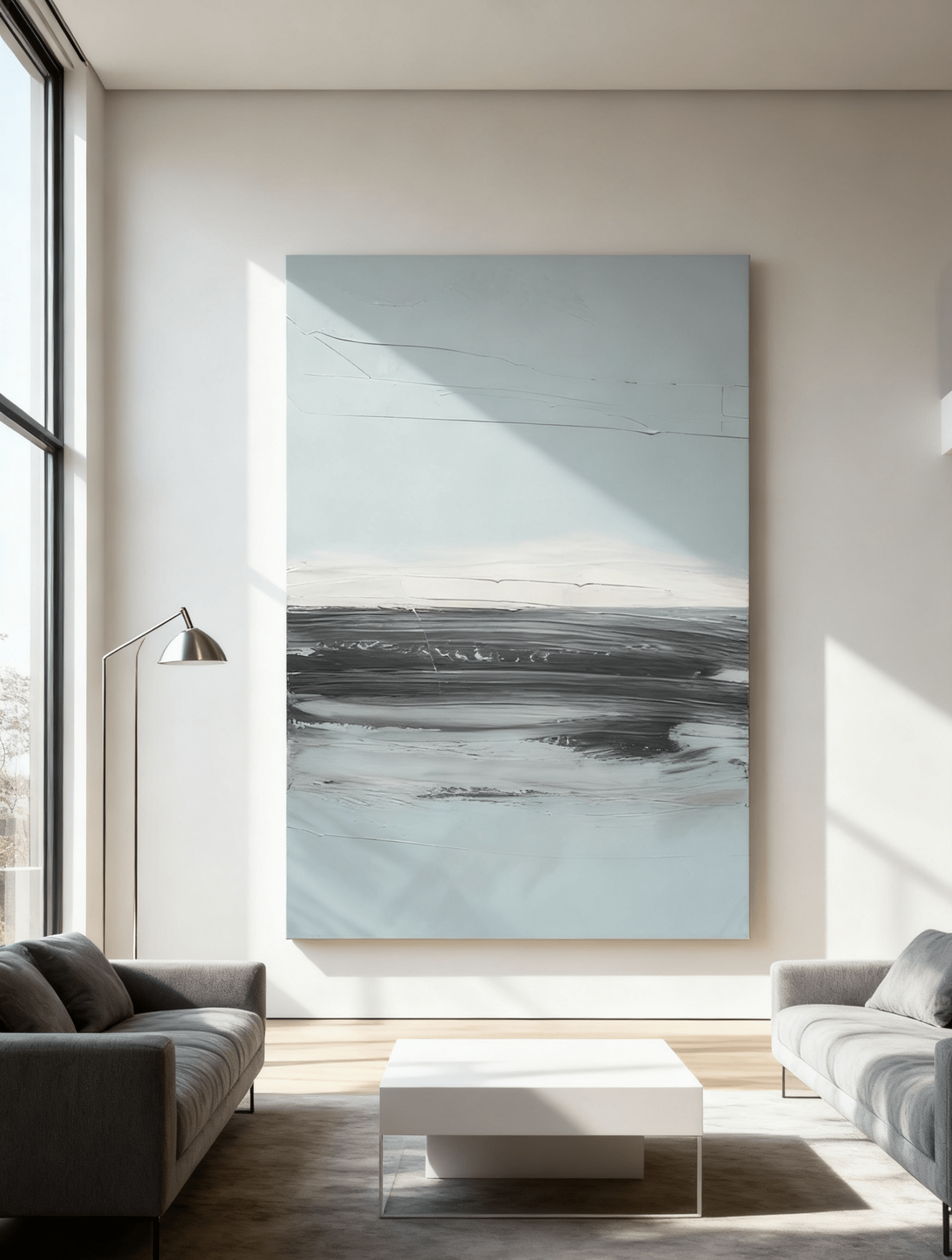
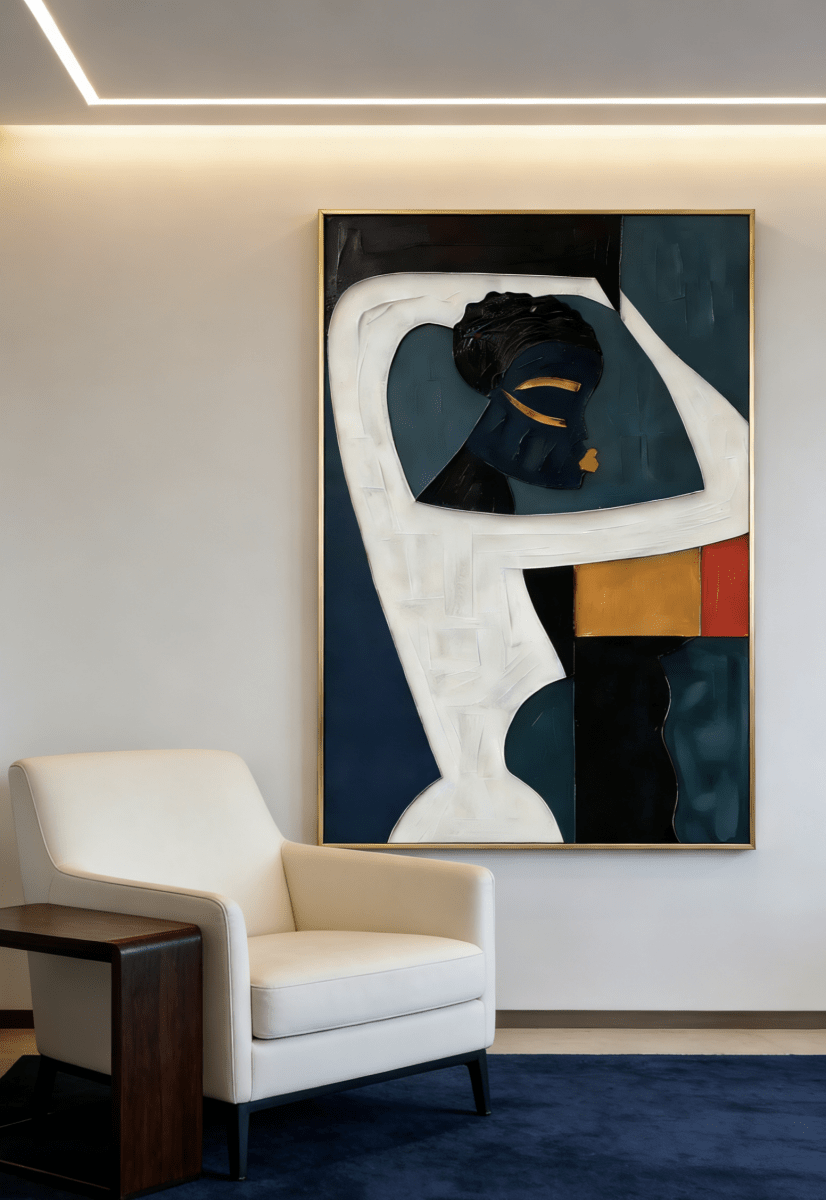
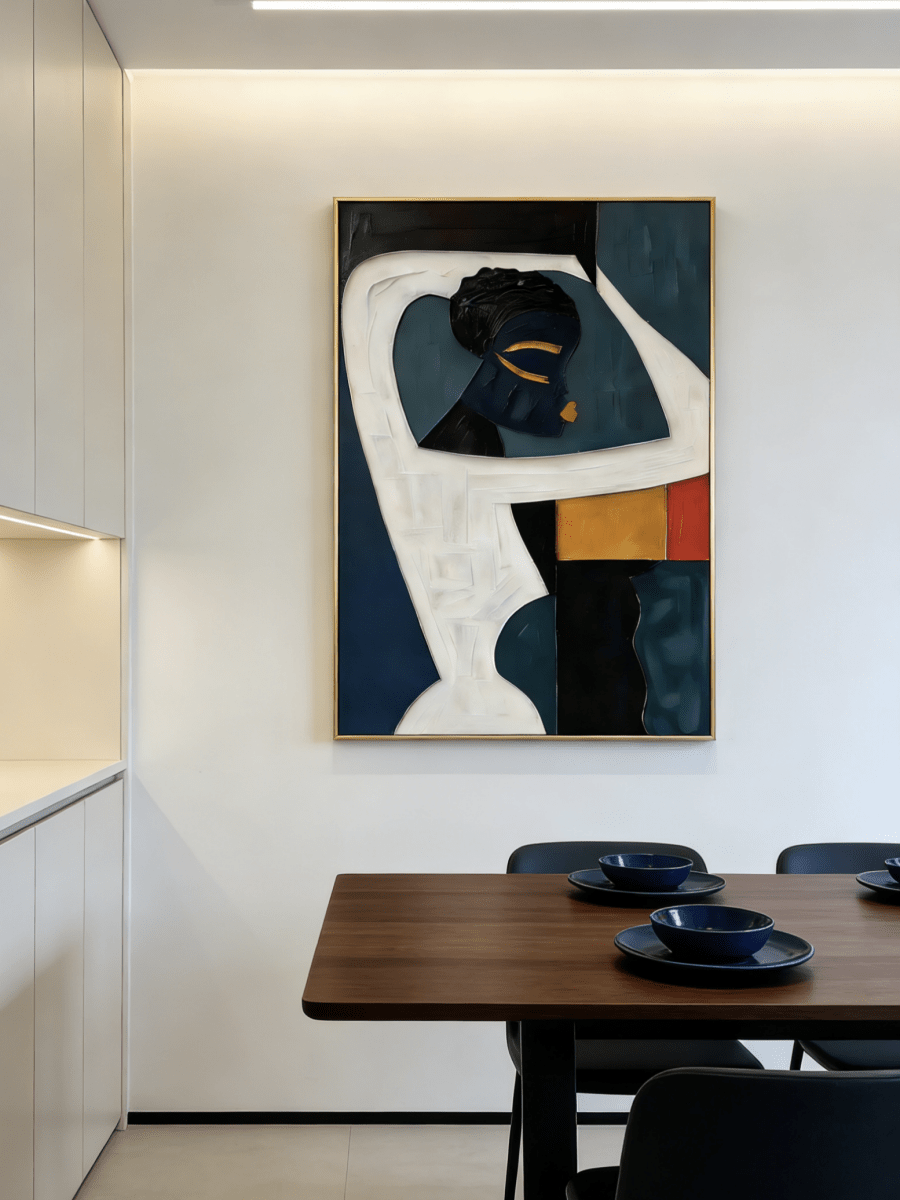
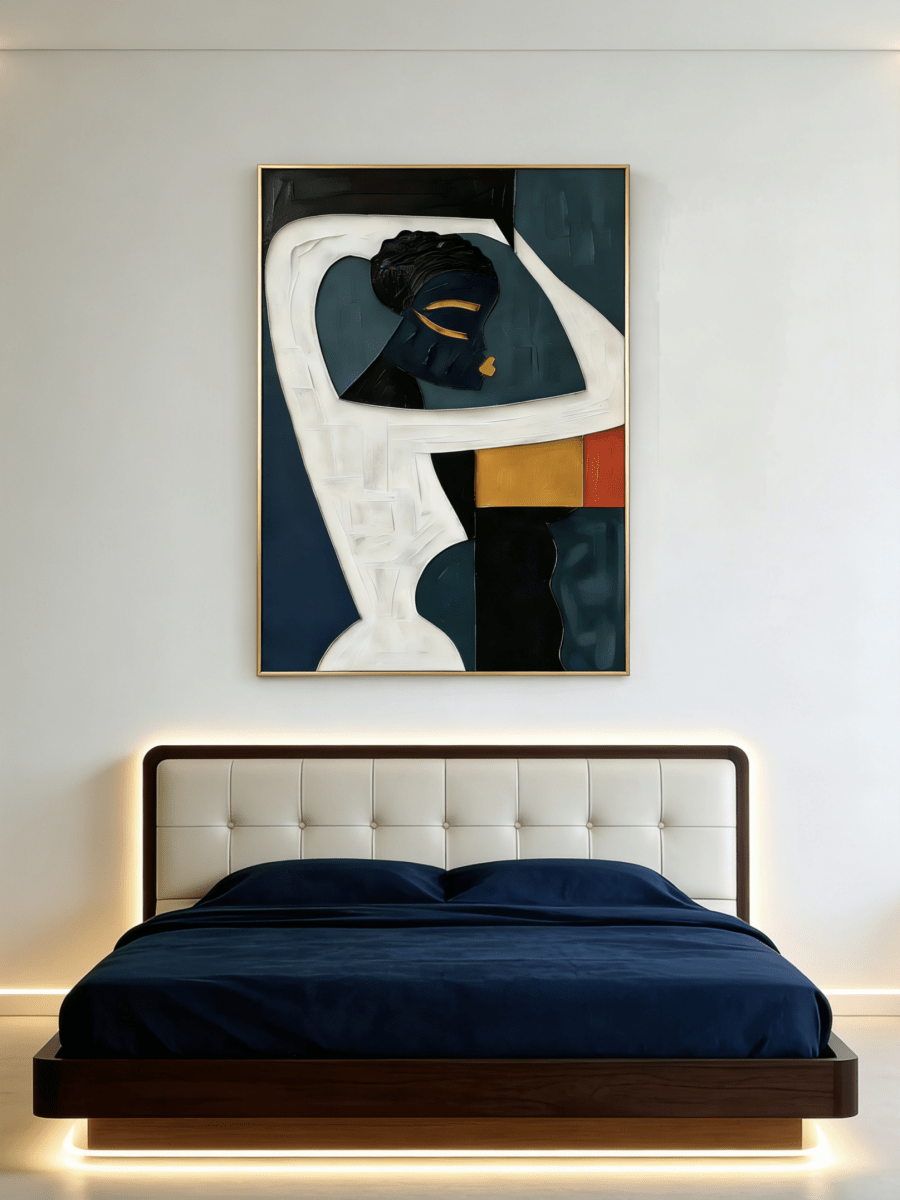
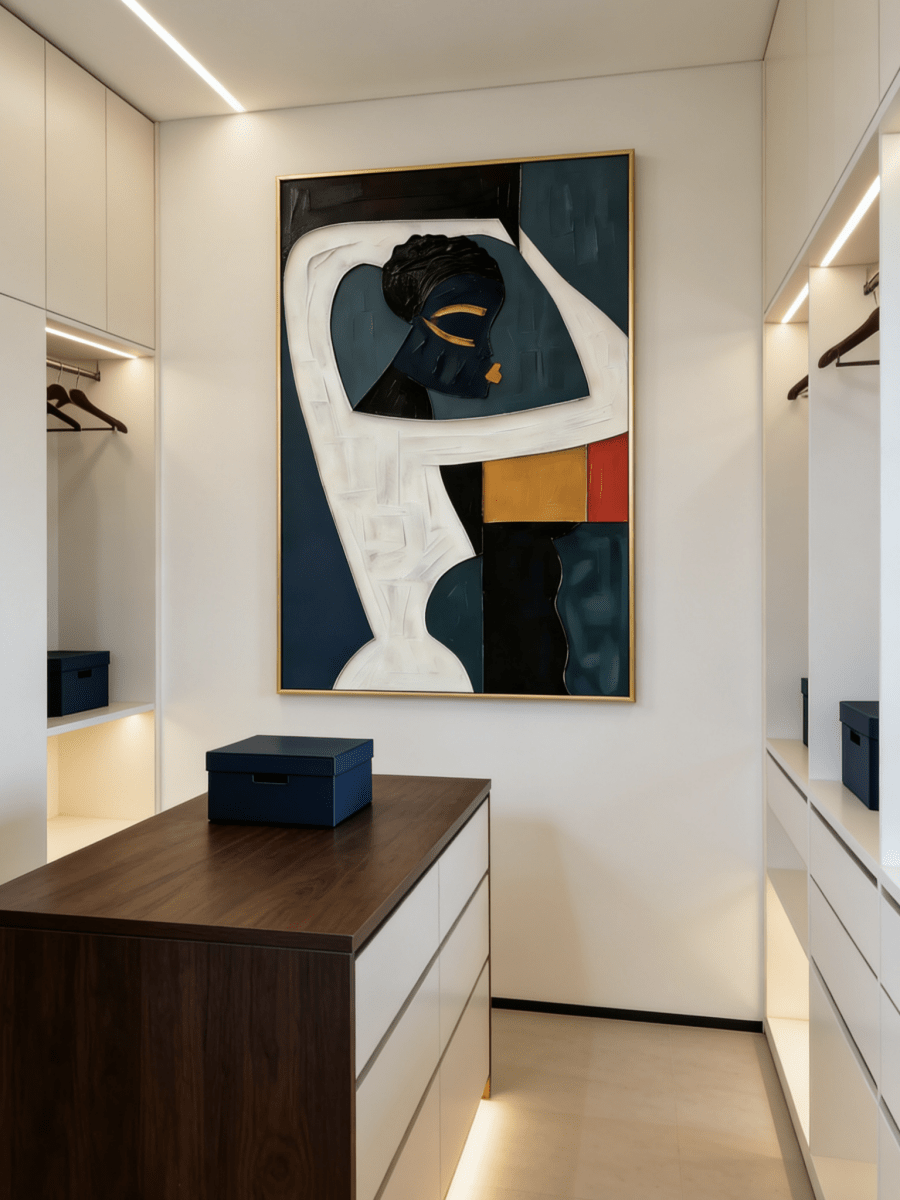
- Living Room: Hang it above a sofa, console, or fireplace to create a refined visual anchor.
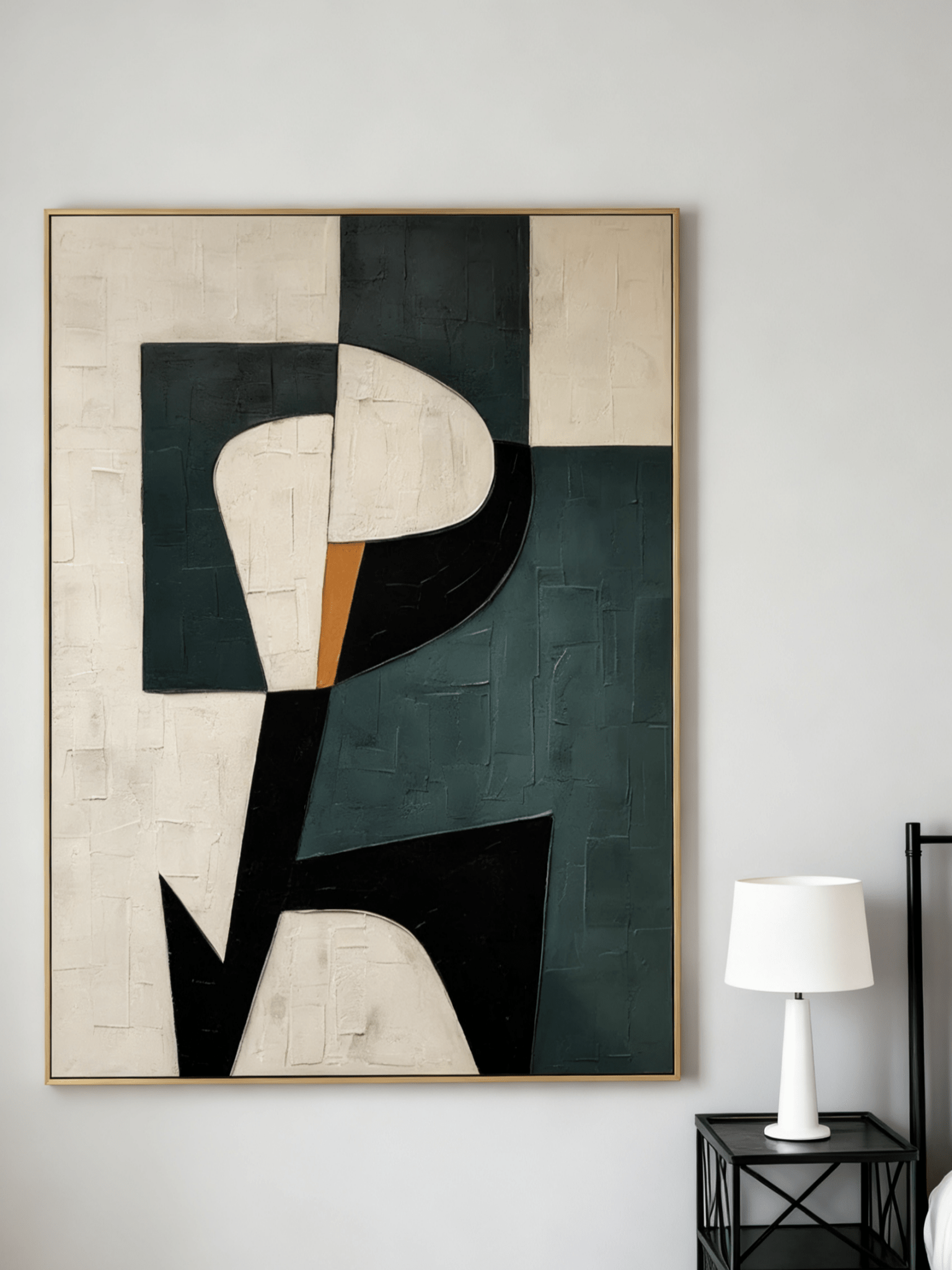
- Bedroom: Its considered palette supports a composed, restful atmosphere.
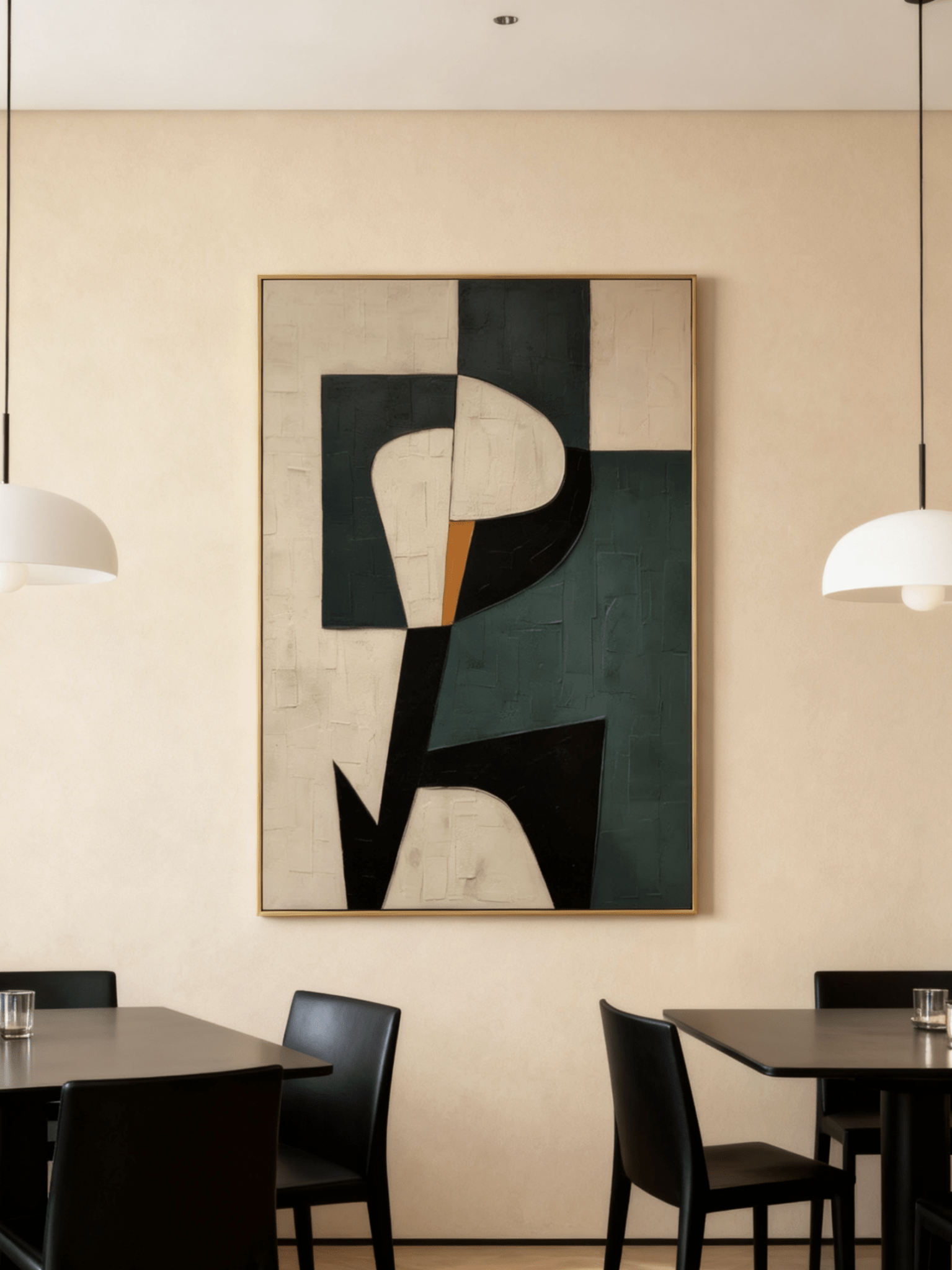
- Dining Room: The hand-painted surface adds depth and interest under changing ambient light.
- Entryway: The composition creates an immediate, polished first impression.
- Home Office: Its clear composition brings focus and visual balance to a workspace.
- Luxury Apartment: Its handcrafted finish gives compact contemporary spaces the presence of original art.
Frequently Asked Questions
Is this painting handmade?
Yes. This is hand painted wall art rather than a printed reproduction. Each canvas is individually created by artists using layered paint and hand-worked details.
What style of interior does this artwork match?
This wabi-sabi art piece suits wabi-sabi, Japandi, organic-modern, and warm-minimalist rooms. Its palette and handmade surface also pair naturally with wood, linen, stone, and simple modern furniture.
Where should I hang this wall art?
It works well in a living room, bedroom, dining room, entryway, home office, or luxury apartment. Position it where natural or side lighting can reveal the brushwork and texture.
How do I choose the right size artwork?
For placement above furniture, choose large canvas wall art measuring roughly two-thirds to three-quarters of the furniture width. Use painter's tape to preview the selected dimensions before ordering.
Does this artwork come ready to hang?
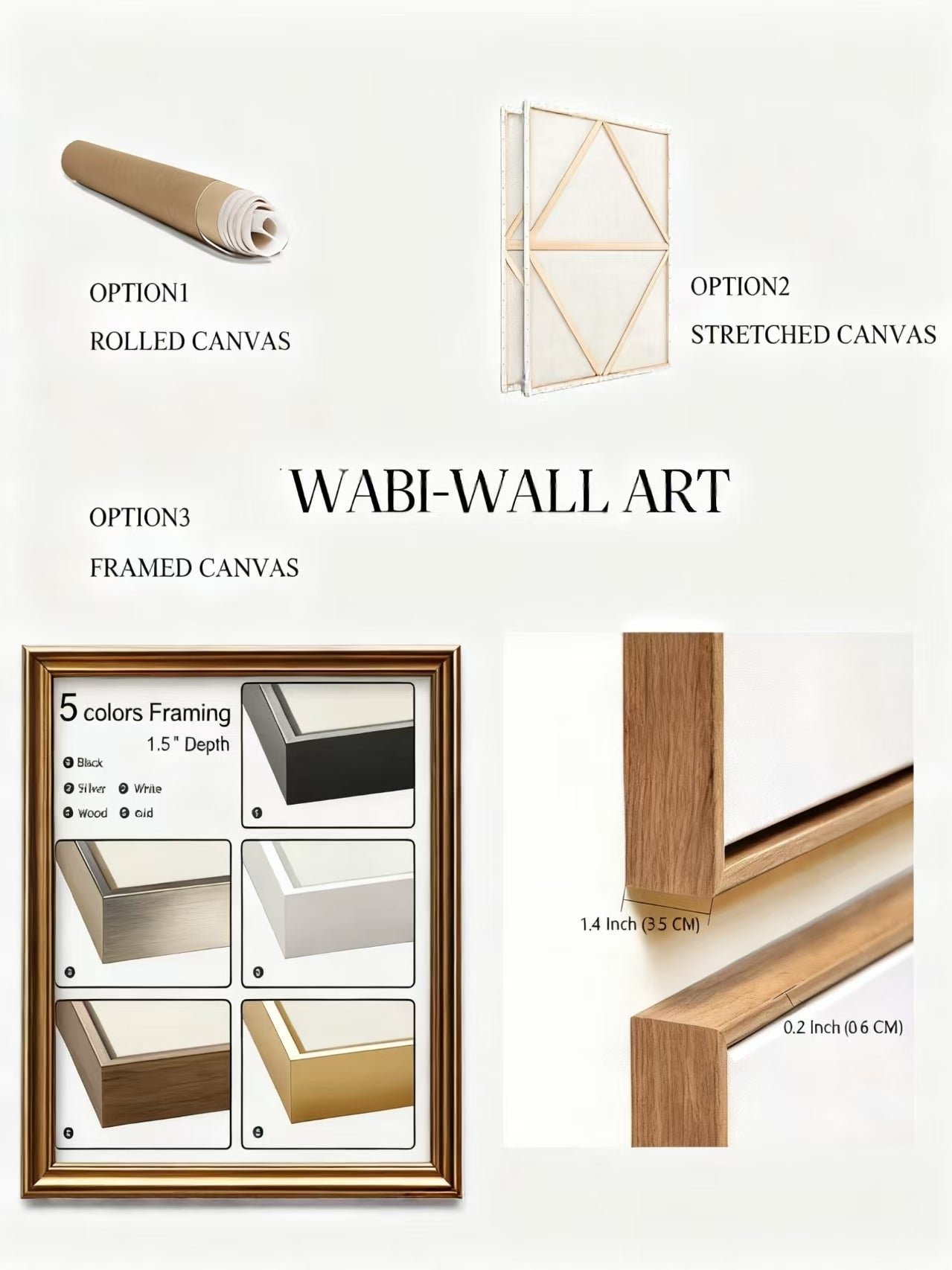
Rolled canvas is supplied unstretched. Stretched-canvas and framed options are finished display formats; review the configuration selected on the product page before checkout.
How long does it take to create this painting?
Each original canvas painting is made to order, so production time varies with size, framing, and customization. Refer to the current ordering estimate or contact WABI Wall Art for timing.
How is the artwork shipped?
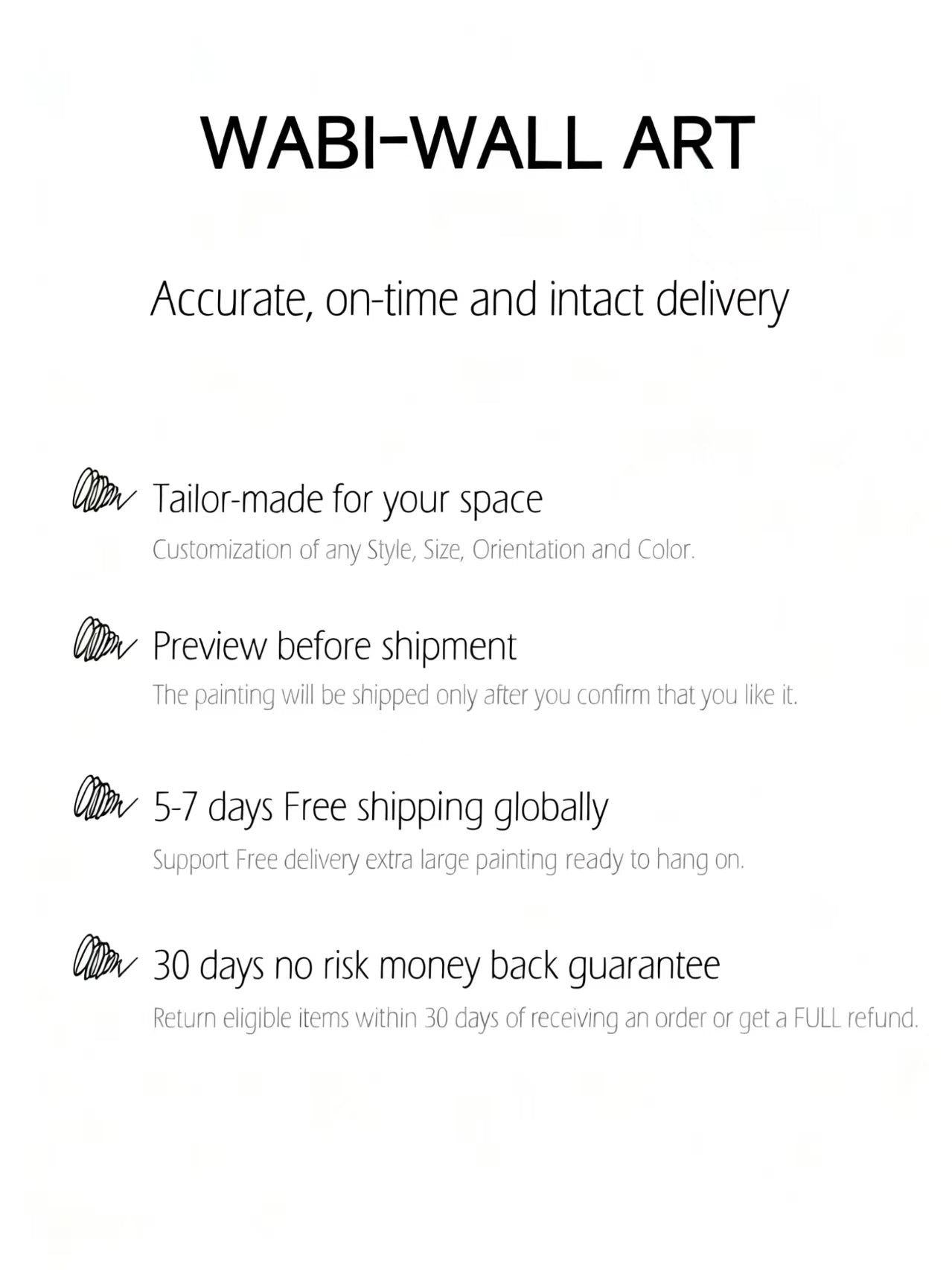
The artwork is carefully protected and packed for transit. Shipping time depends on the destination, size, and selected format; the latest delivery information is shown during ordering.
Can I request a custom size?
Custom dimensions may be available. Contact the WABI Wall Art team before ordering to confirm the size, orientation, color direction, and framing options possible for this design.
How do I care for my canvas artwork?
Dust gently with a clean, soft, dry cloth or soft brush. Avoid water, chemical cleaners, prolonged direct sunlight, and high humidity, and handle the artwork by its edges or frame.
Is every artwork unique?
Yes. Small variations in brush movement, color blending, and surface texture are natural features of a handmade painting and make every finished piece unique.
Artwork Details
Artwork Style: Wabi-Sabi Art
Artwork Theme: Abstract
Artist: Eliot Vermeer
Ogni opera è realizzata su ordinazione. La lavorazione richiede in genere 1–2 settimane prima della spedizione.
Dopo il completamento dell’opera, la consegna richiede in genere circa 5–7 giorni lavorativi con DHL o FedEx.
Per alcuni soggetti possono essere disponibili misure o variazioni cromatiche. Contatta info@wabiwallart.com prima dell’ordine per confermare.


L’artista
Eliot Vermeer, nato a Xi’an nel 1987 e attivo a Shanghai, crea astrazioni wabi sabi che collegano l’estetica orientale all’espressionismo occidentale. La sua opera indaga materia, tracce e spazio.