
By WABI Wall Art Editorial Team
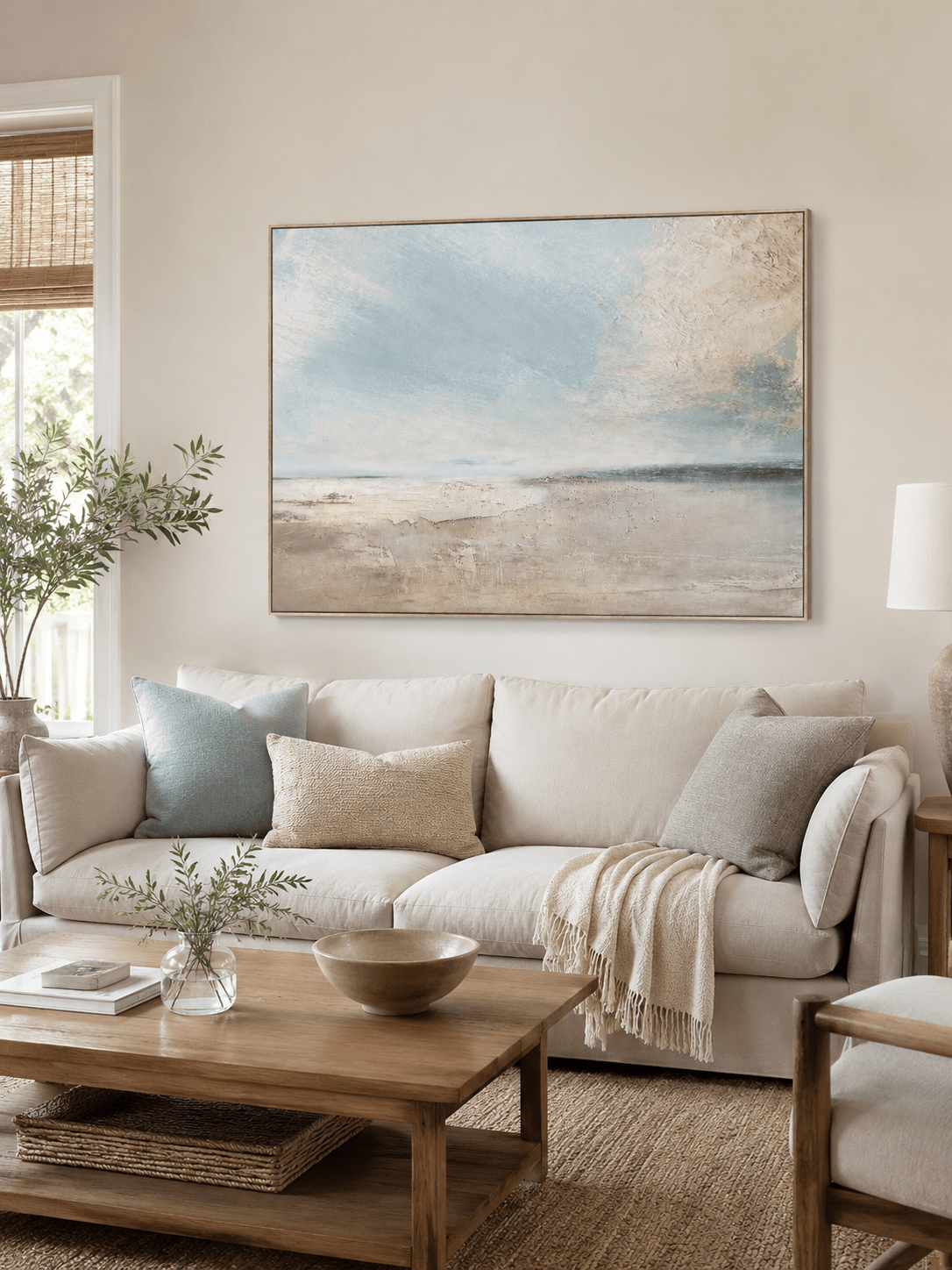
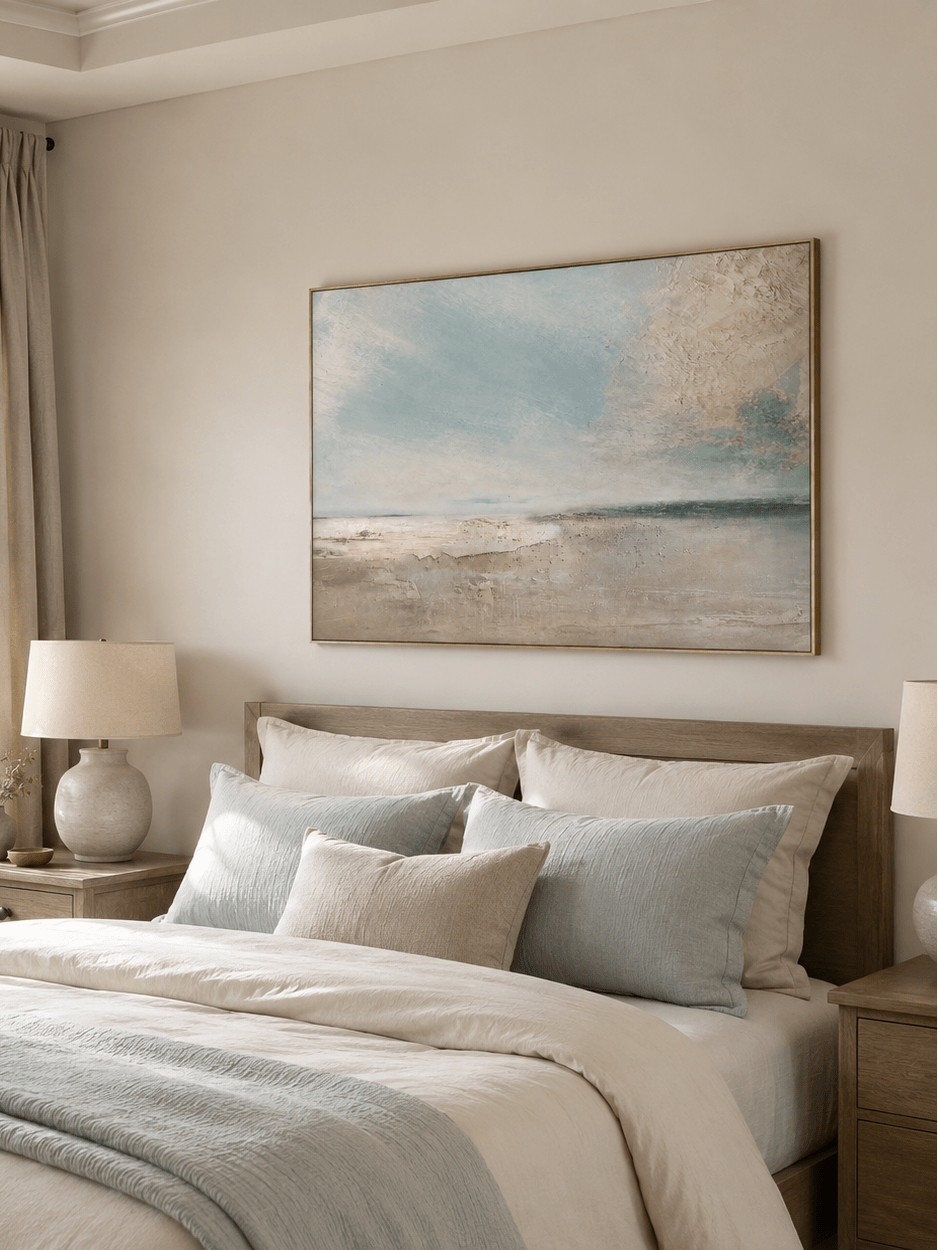
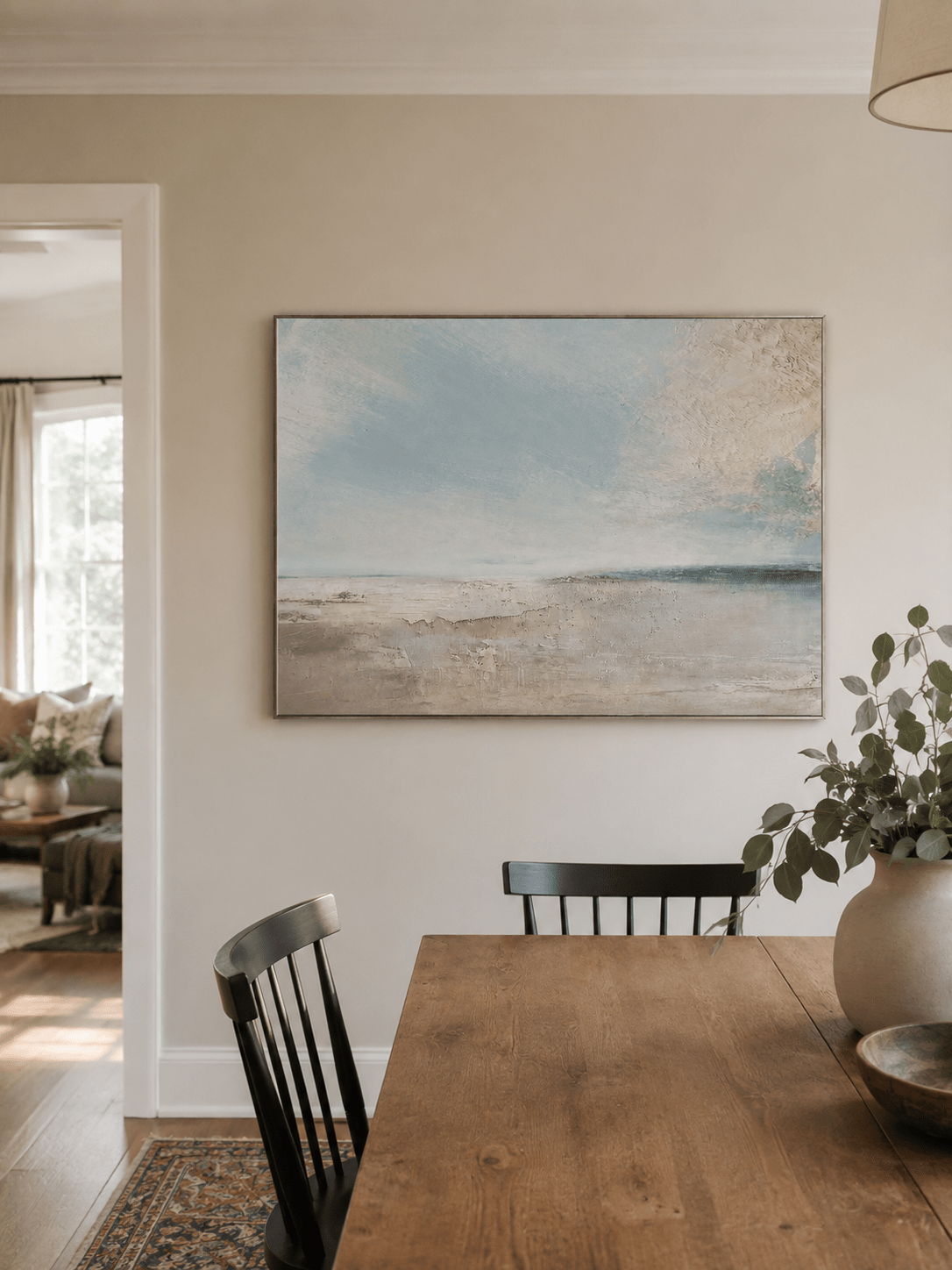
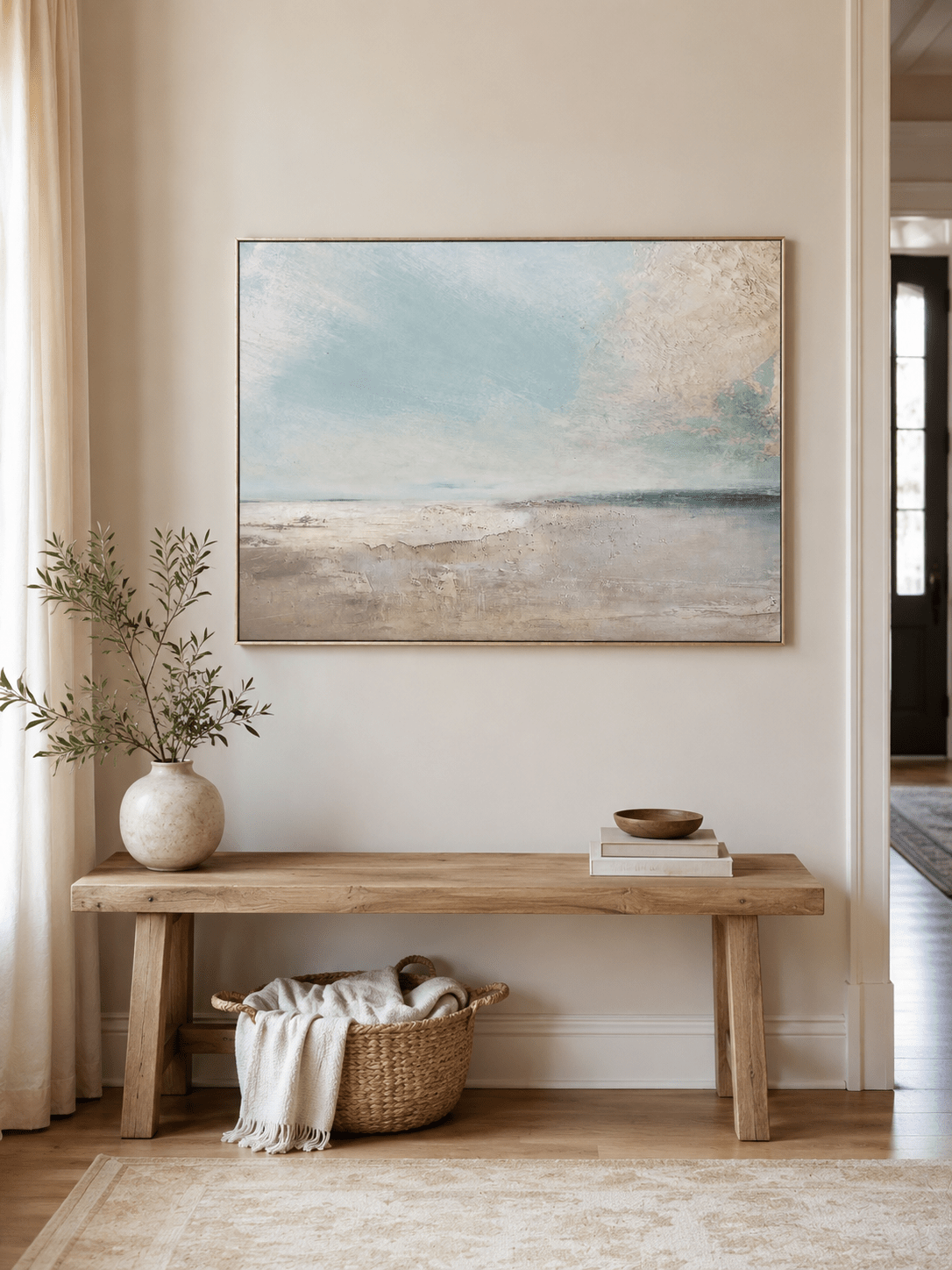
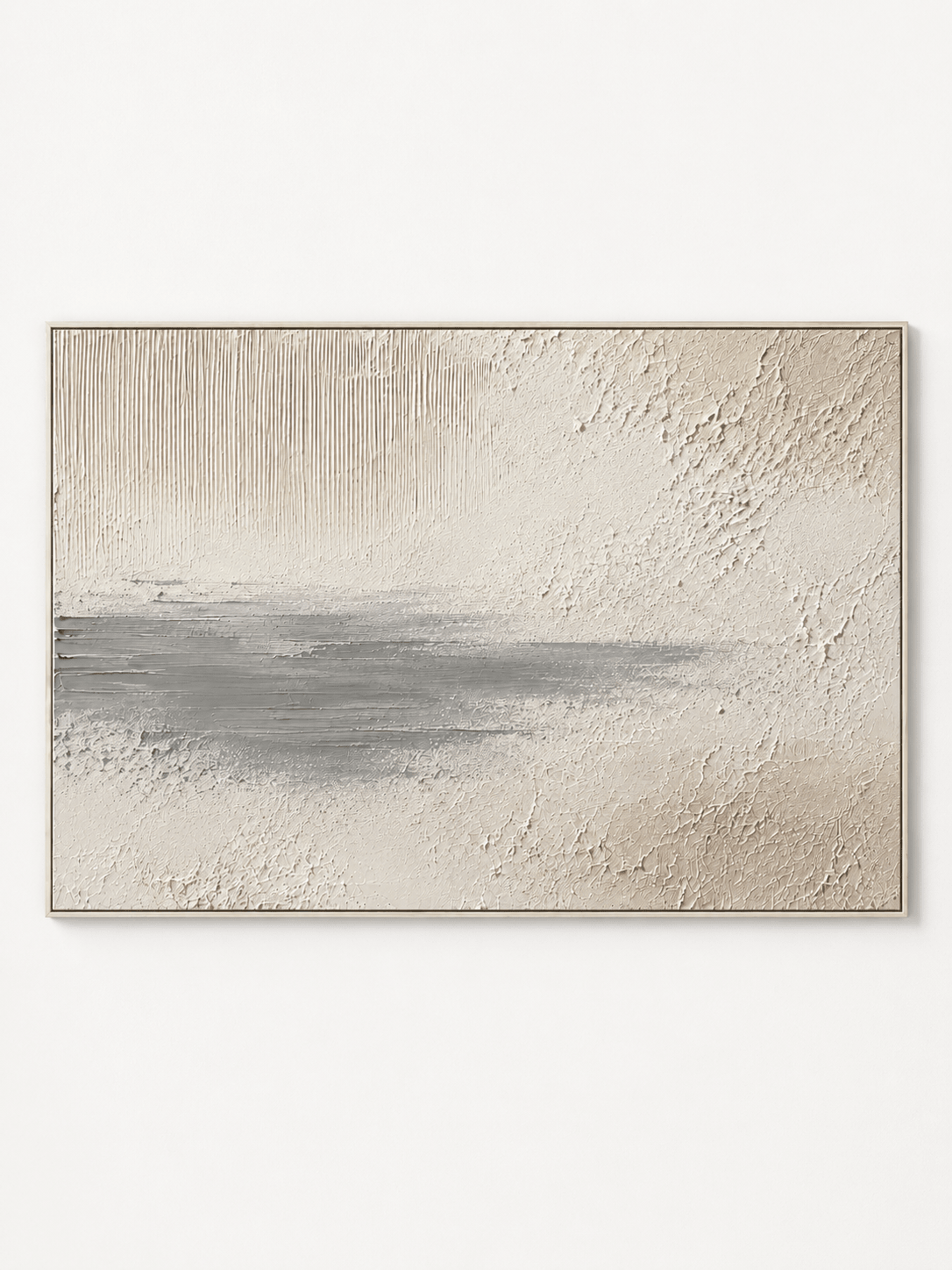
There is a specific moment in almost every search for textured wall art when the question shifts. At first, you are browsing for color, scale, or subject matter. Then, you notice the surface itself. One painting features deep, dramatic ridges that catch light from across the room; another looks quietly refined head-on, revealing delicate scraped marks only when you step closer.
Both are hand-painted textured art, yet they perform entirely different roles in a living space. Deciding between heavy textured wall art and a subtle textured surface isn't just about personal taste—it depends on your room's scale, available lighting, surrounding furniture, and viewing distance.

1. Understanding the Physical Difference: Heavy vs. Subtle Relief
What Is Heavy Textured Wall Art?
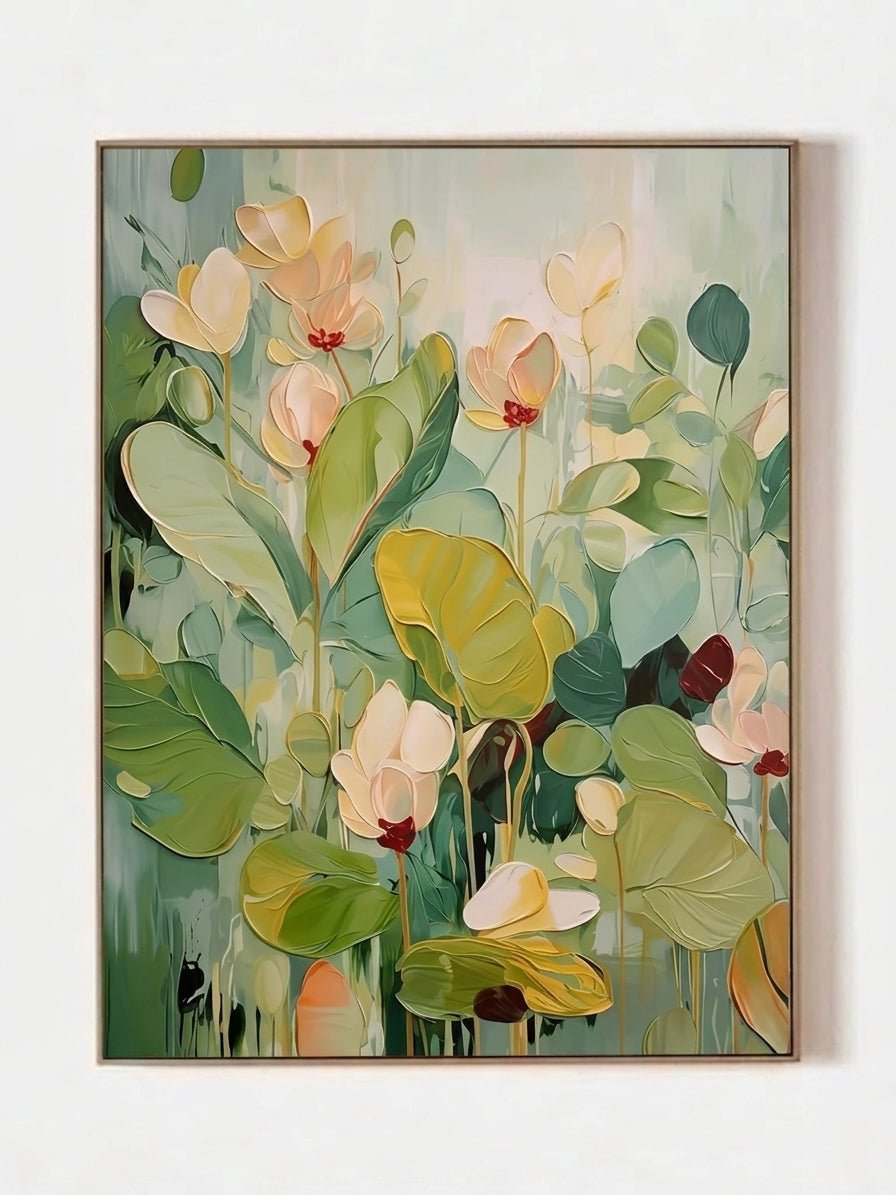
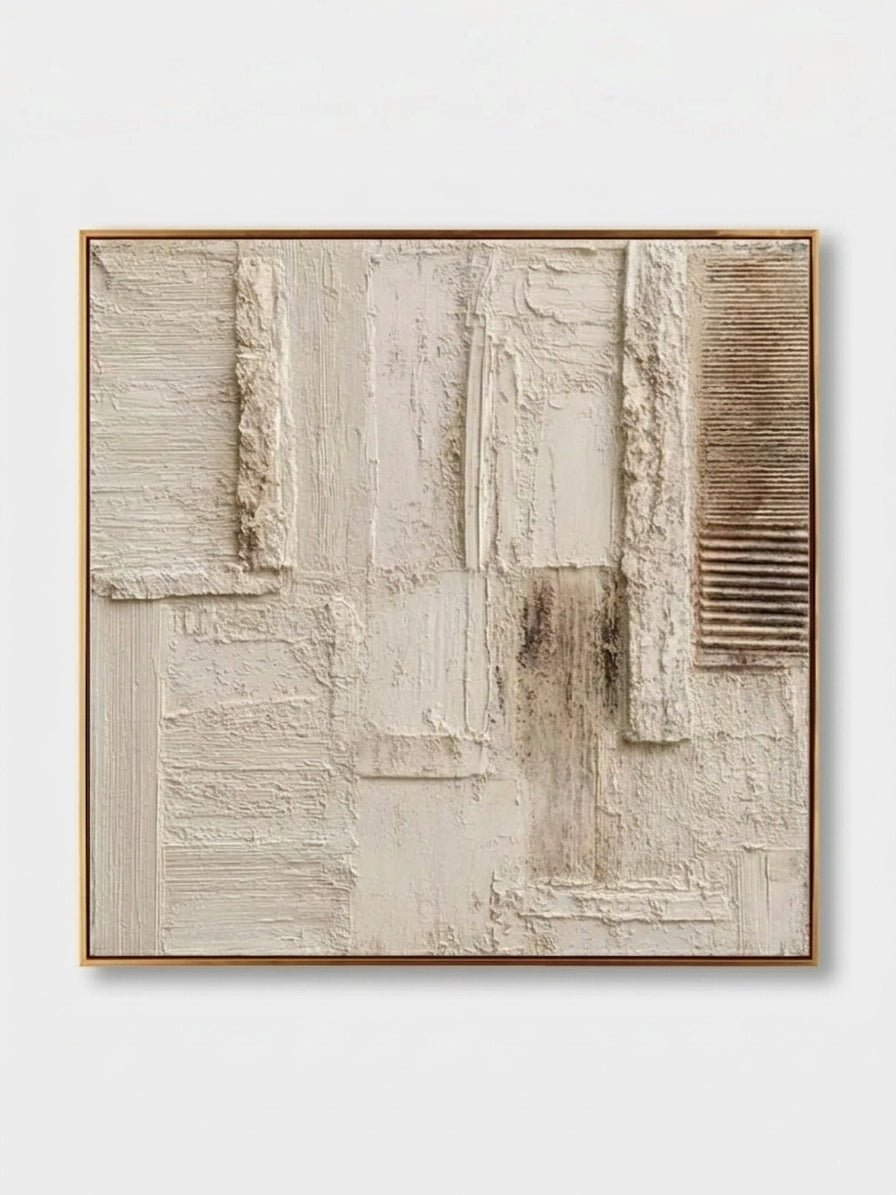
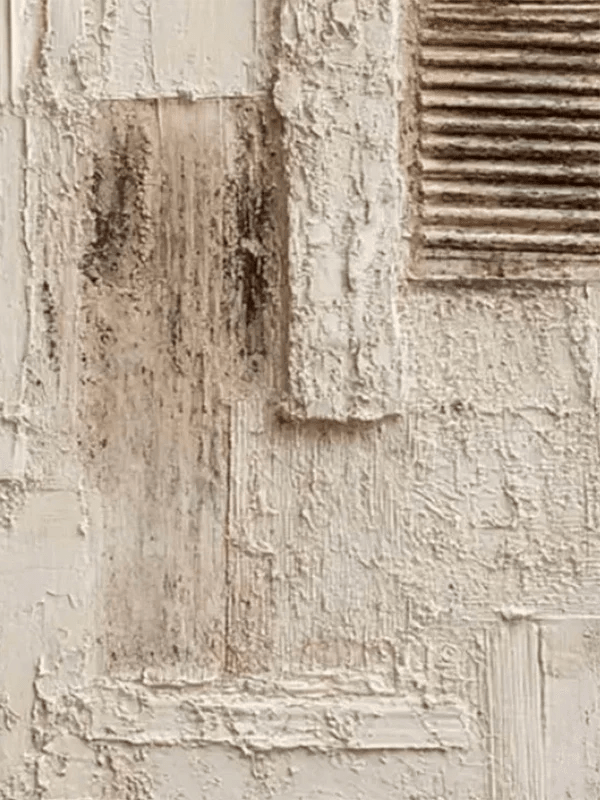
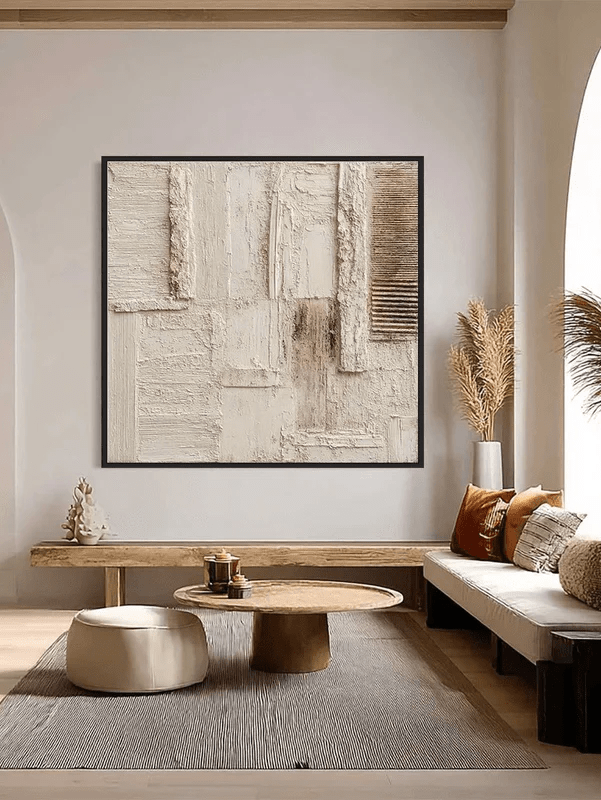
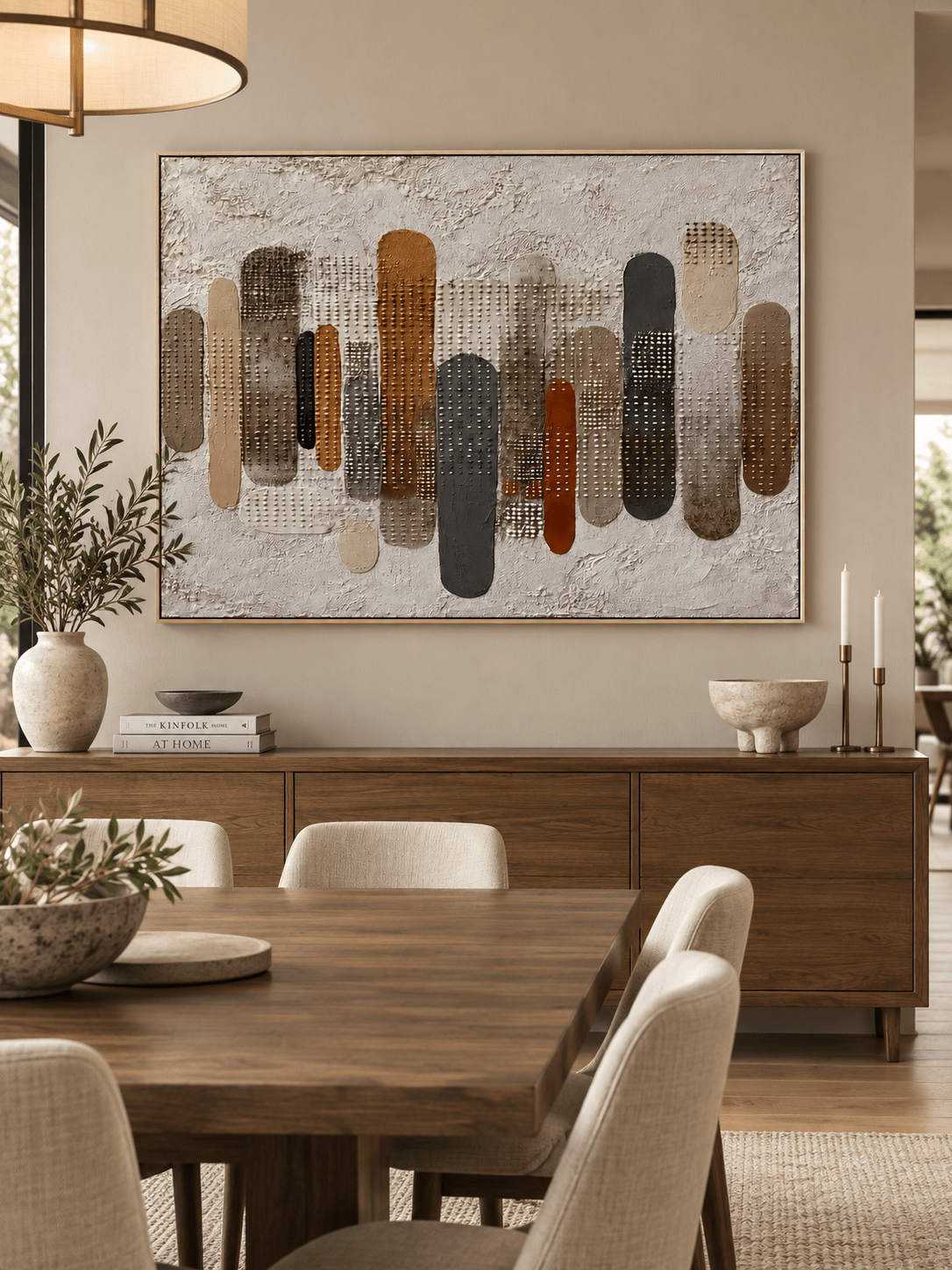
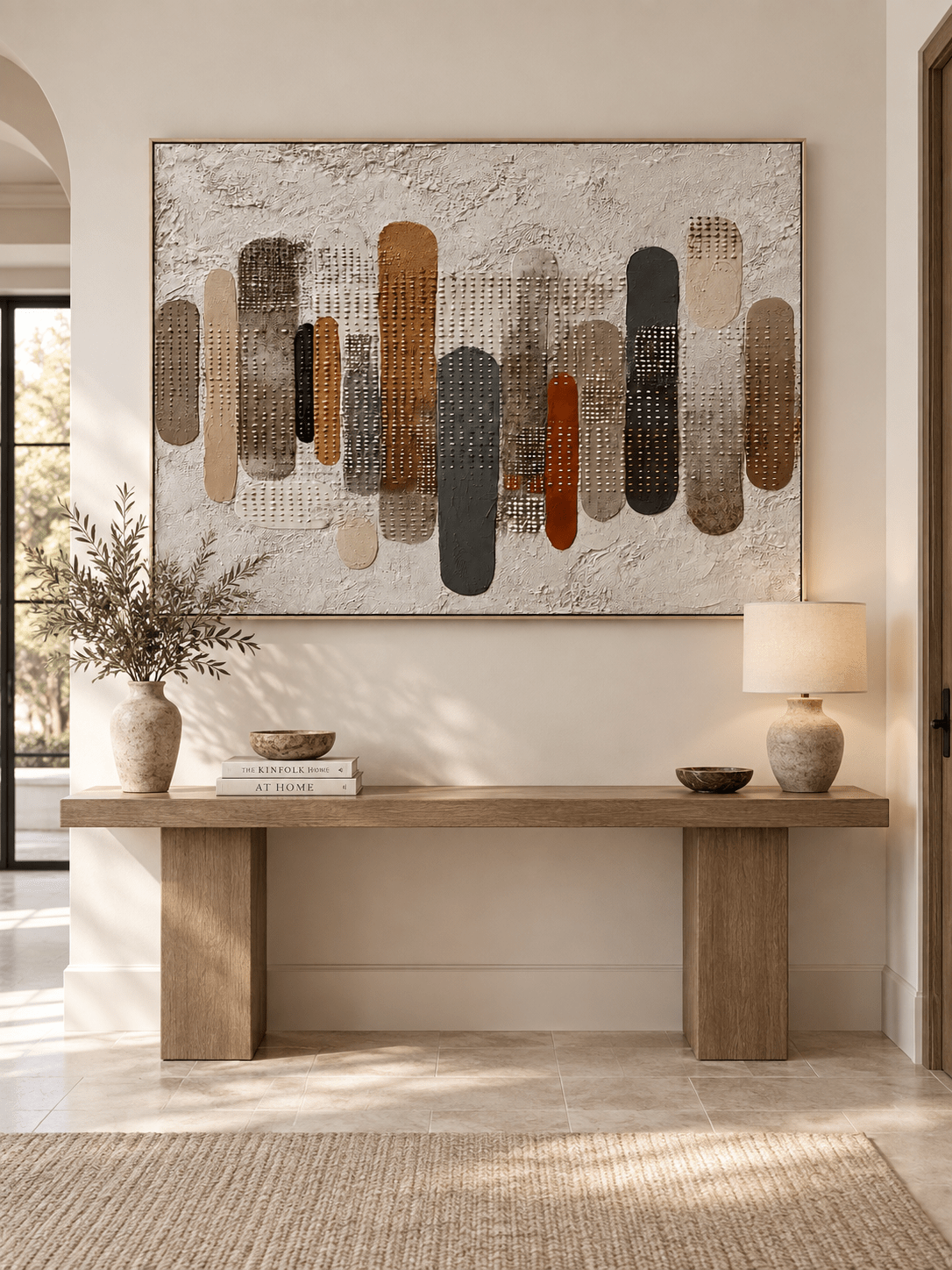
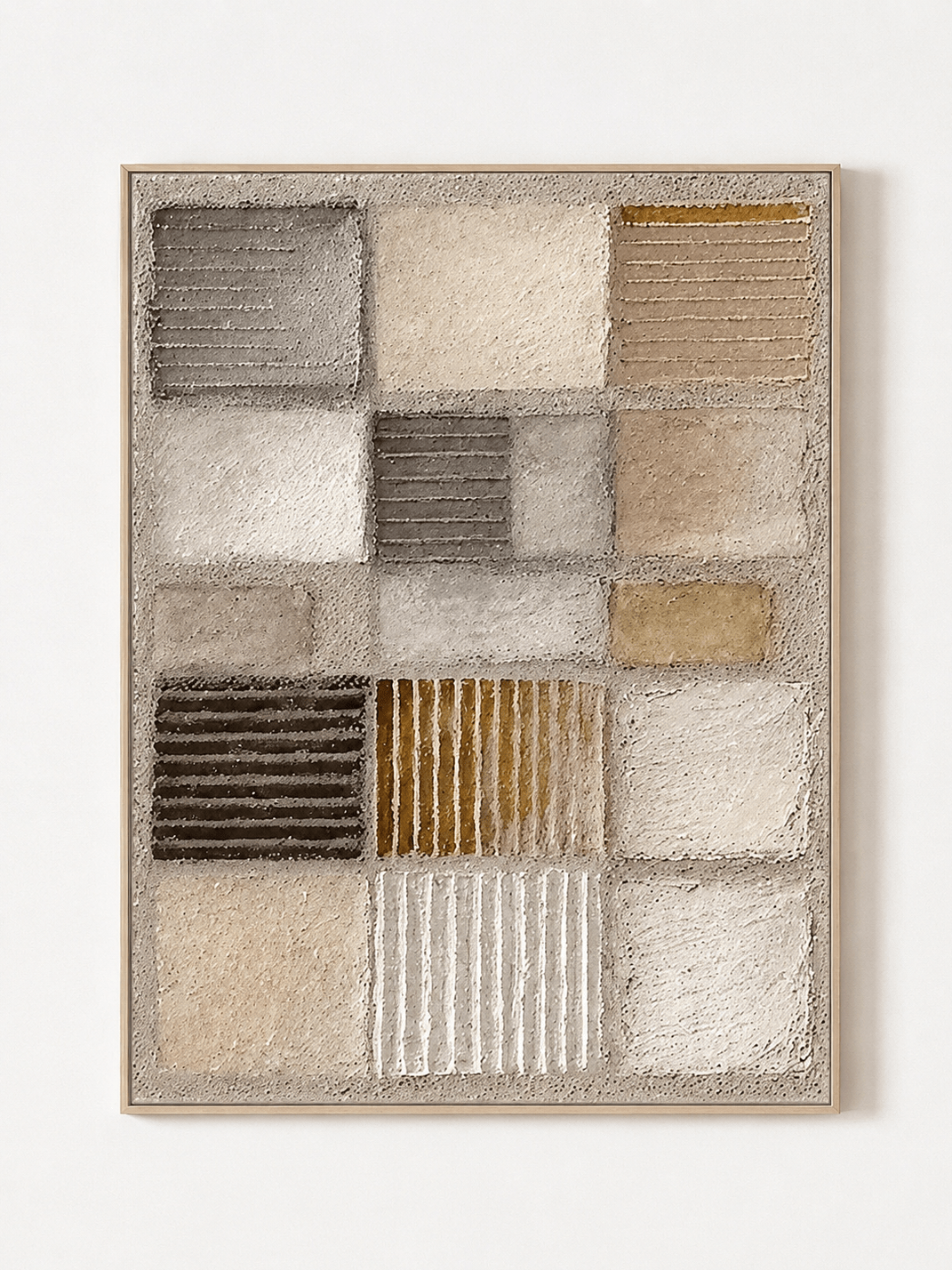
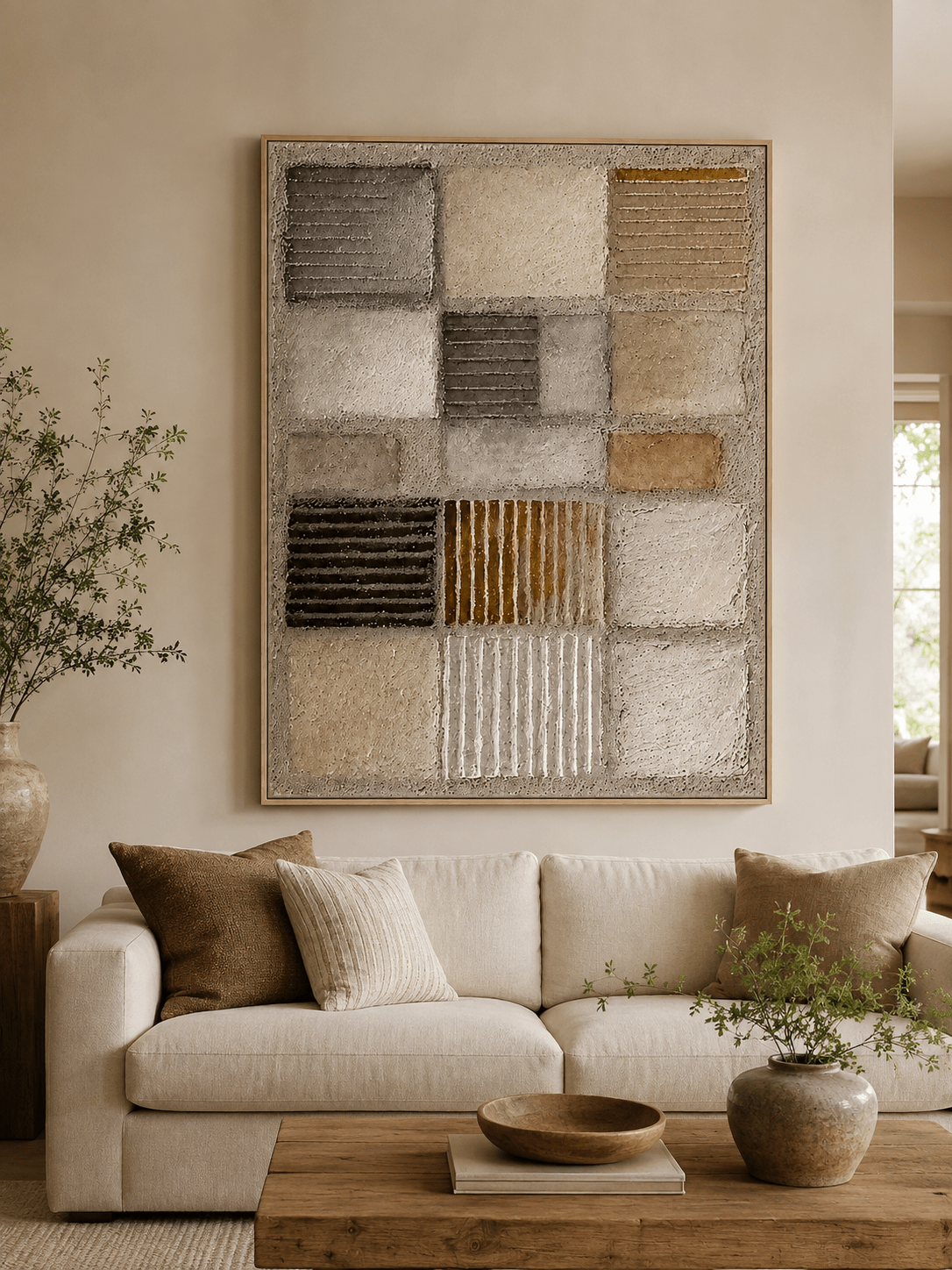
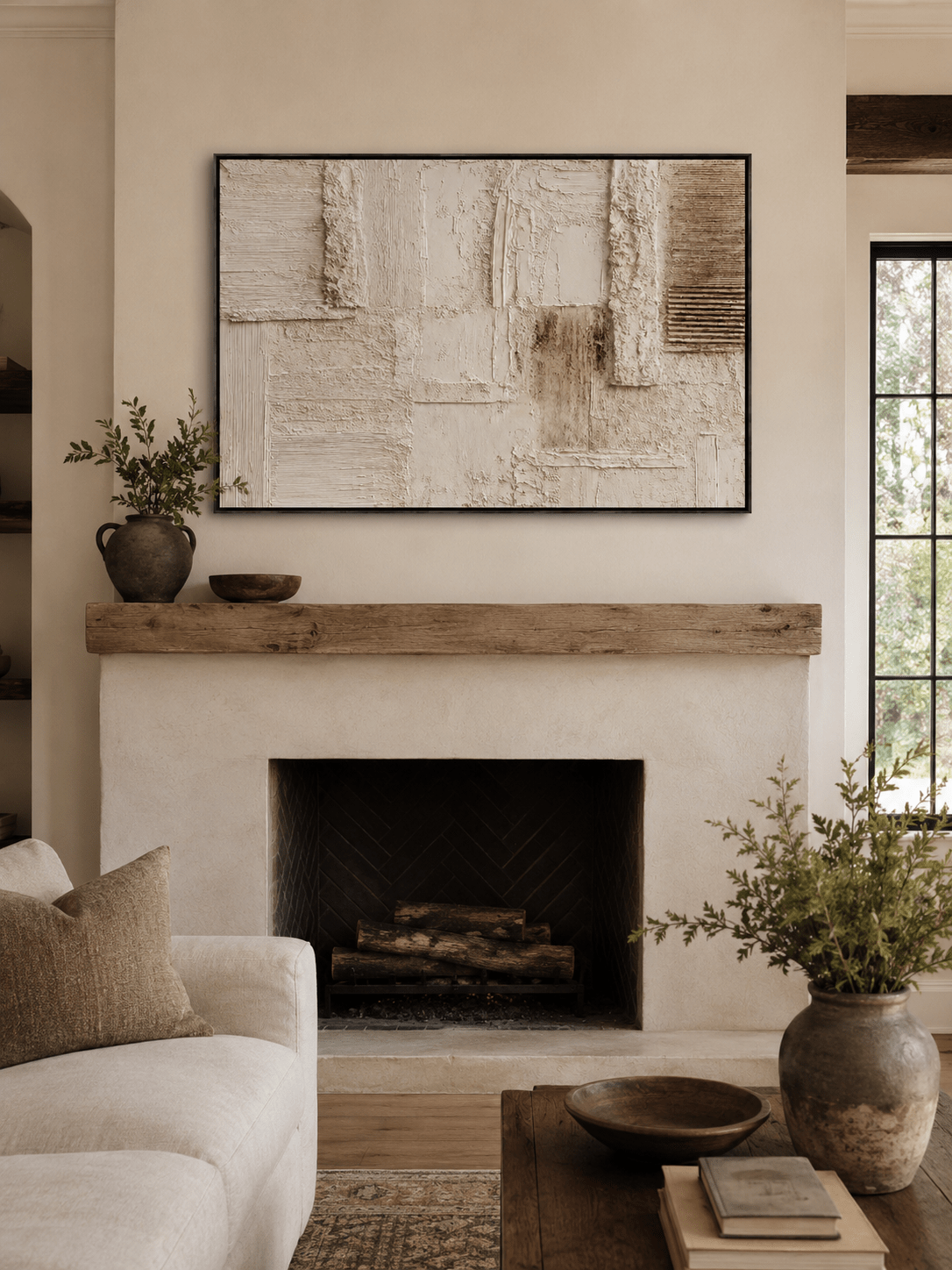
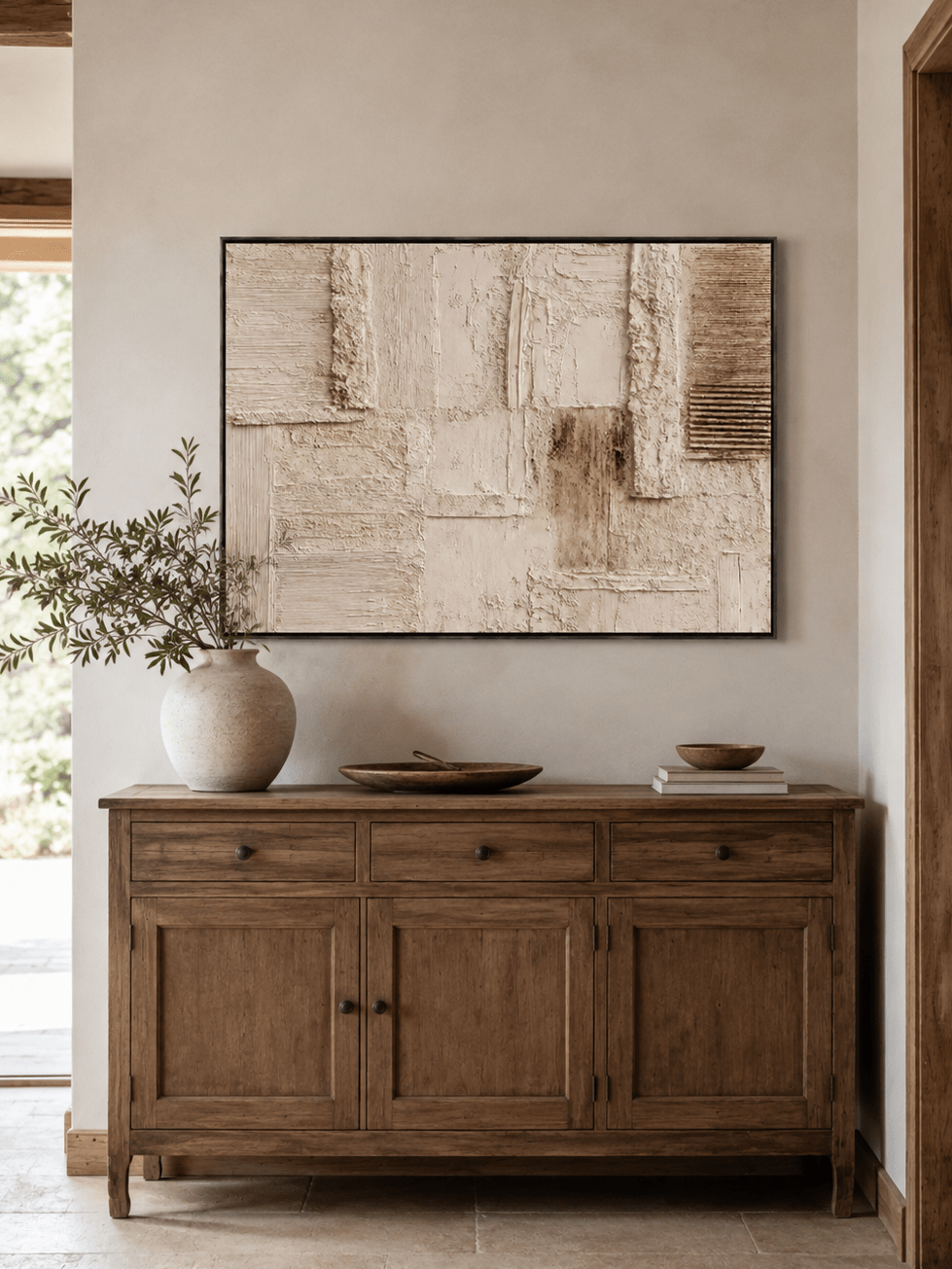
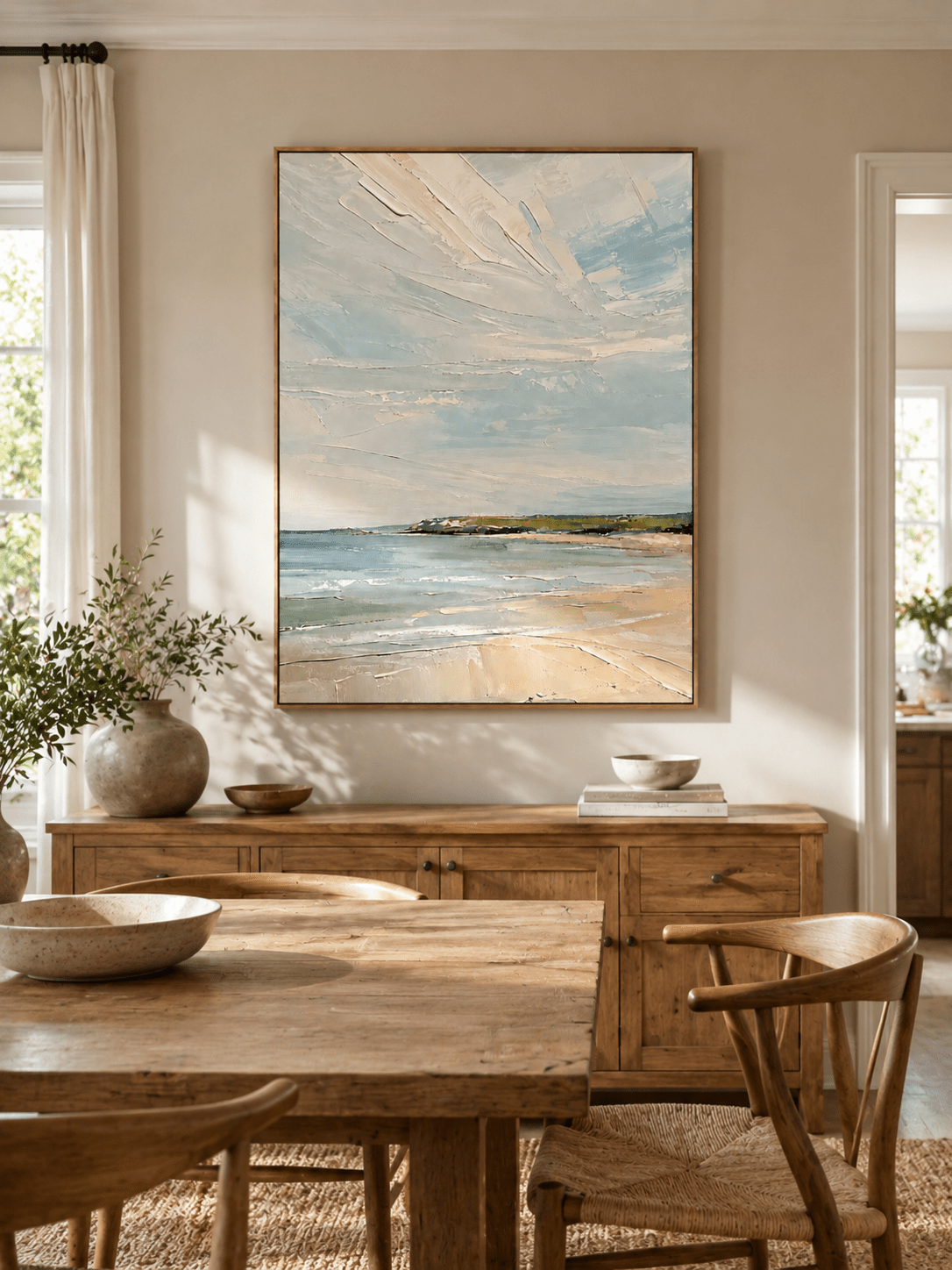
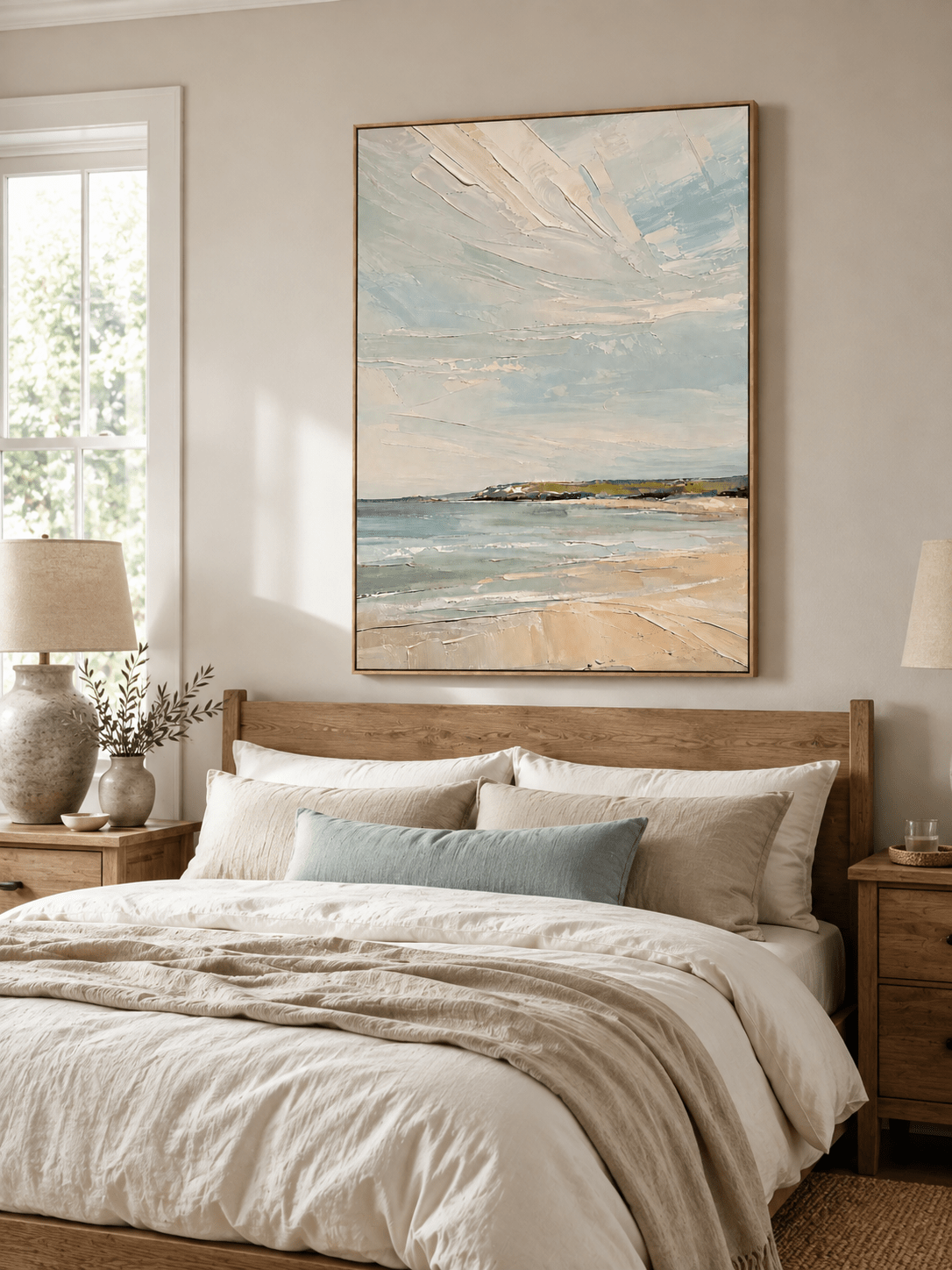
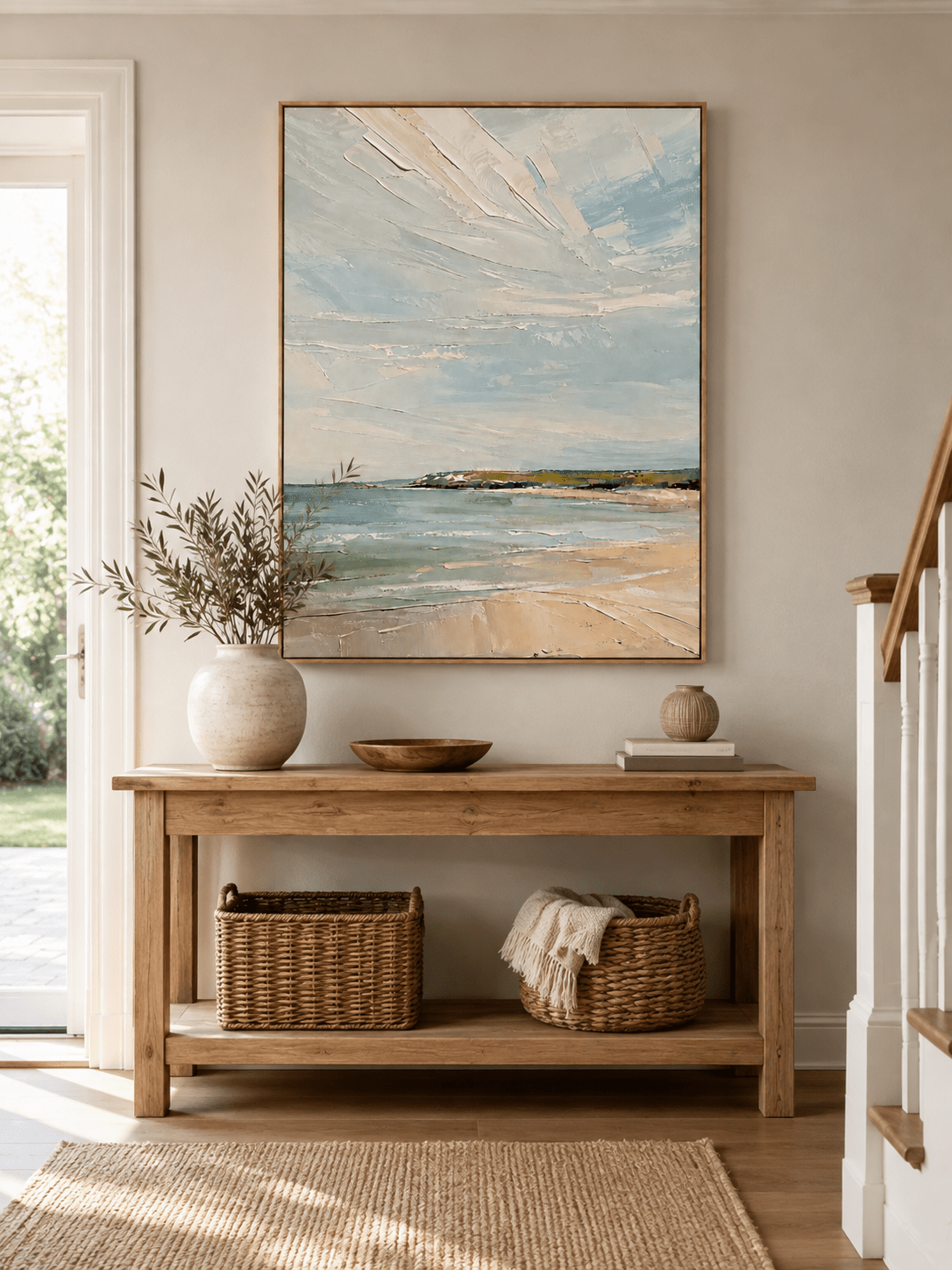
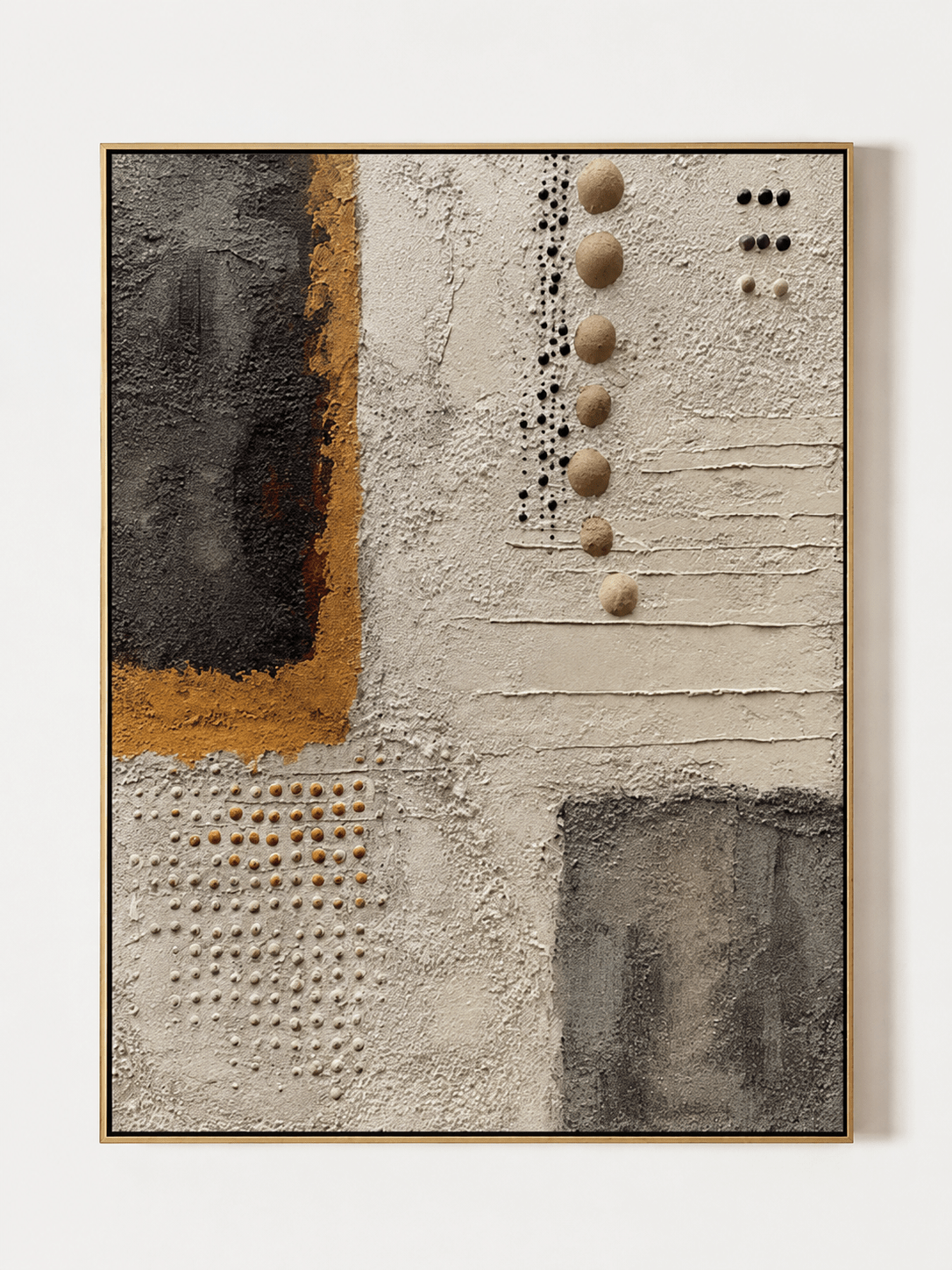
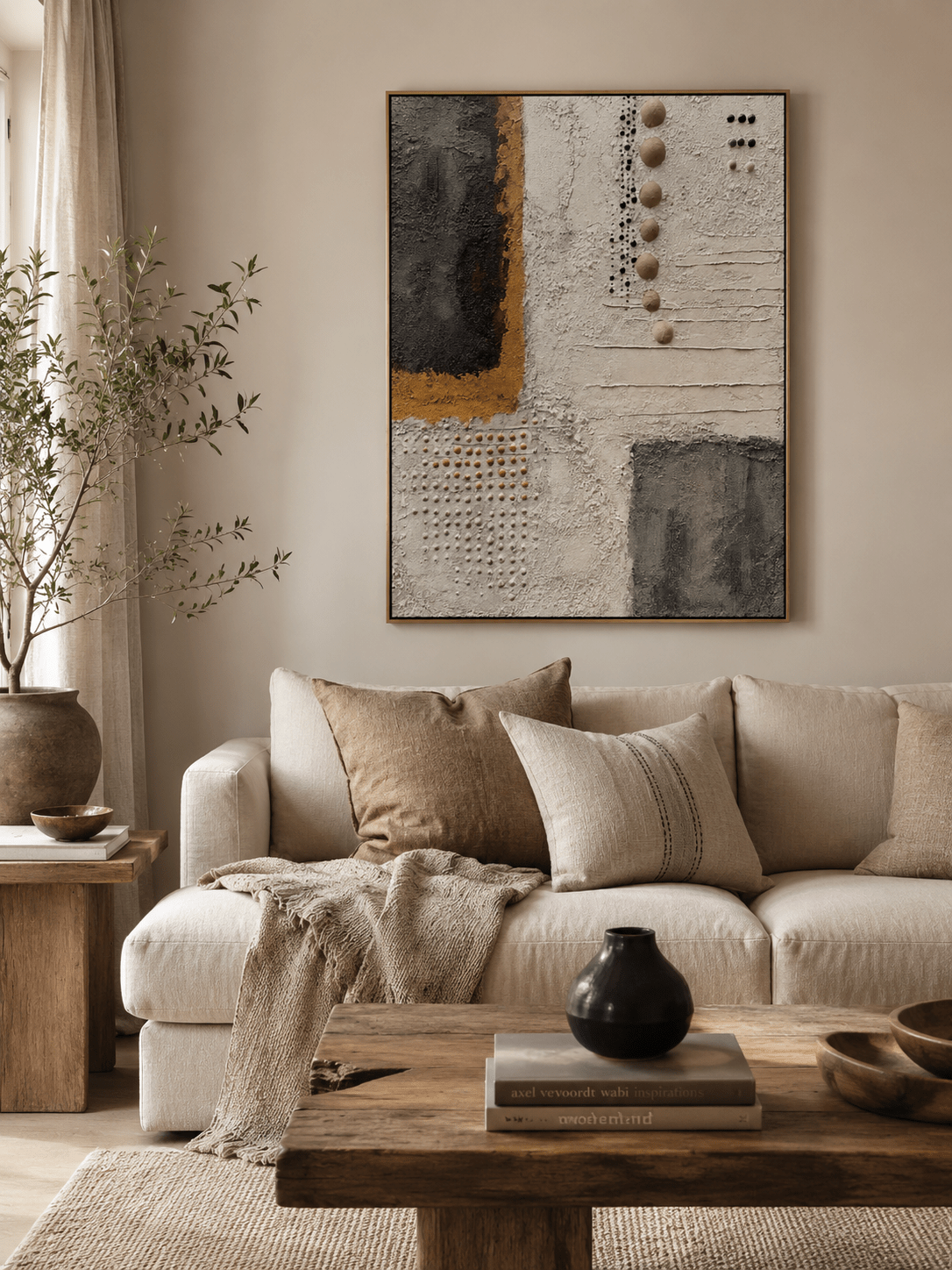
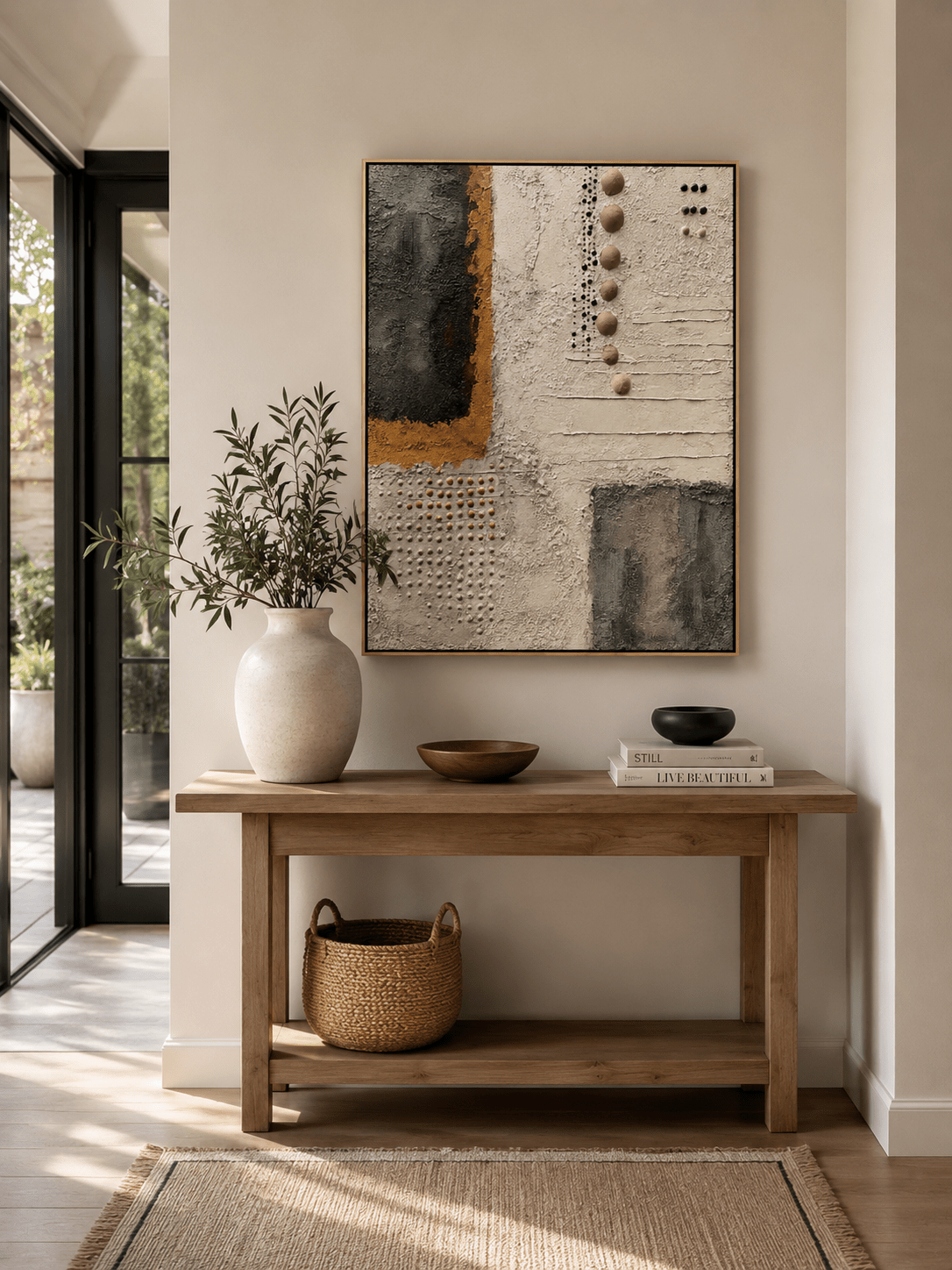
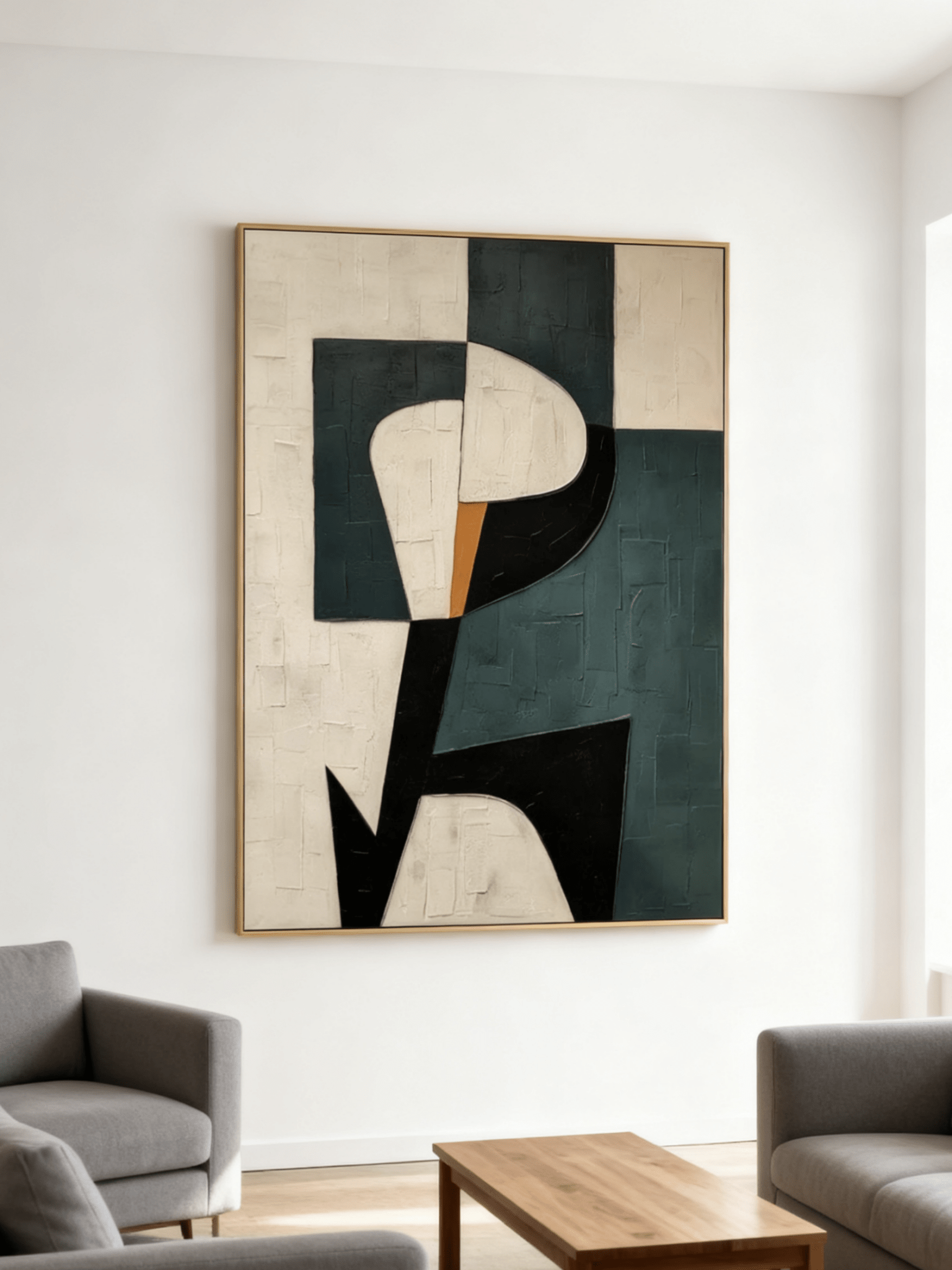
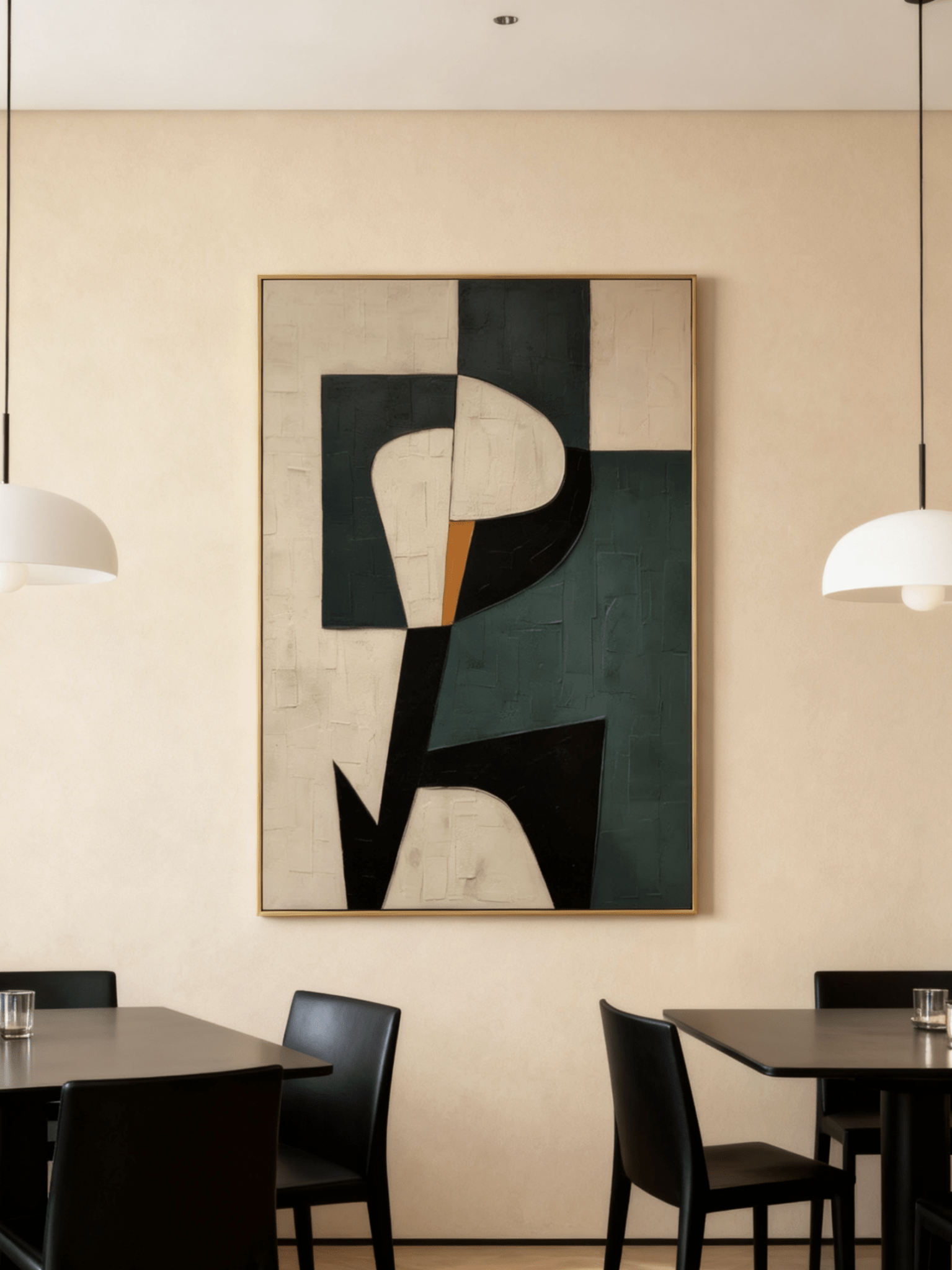
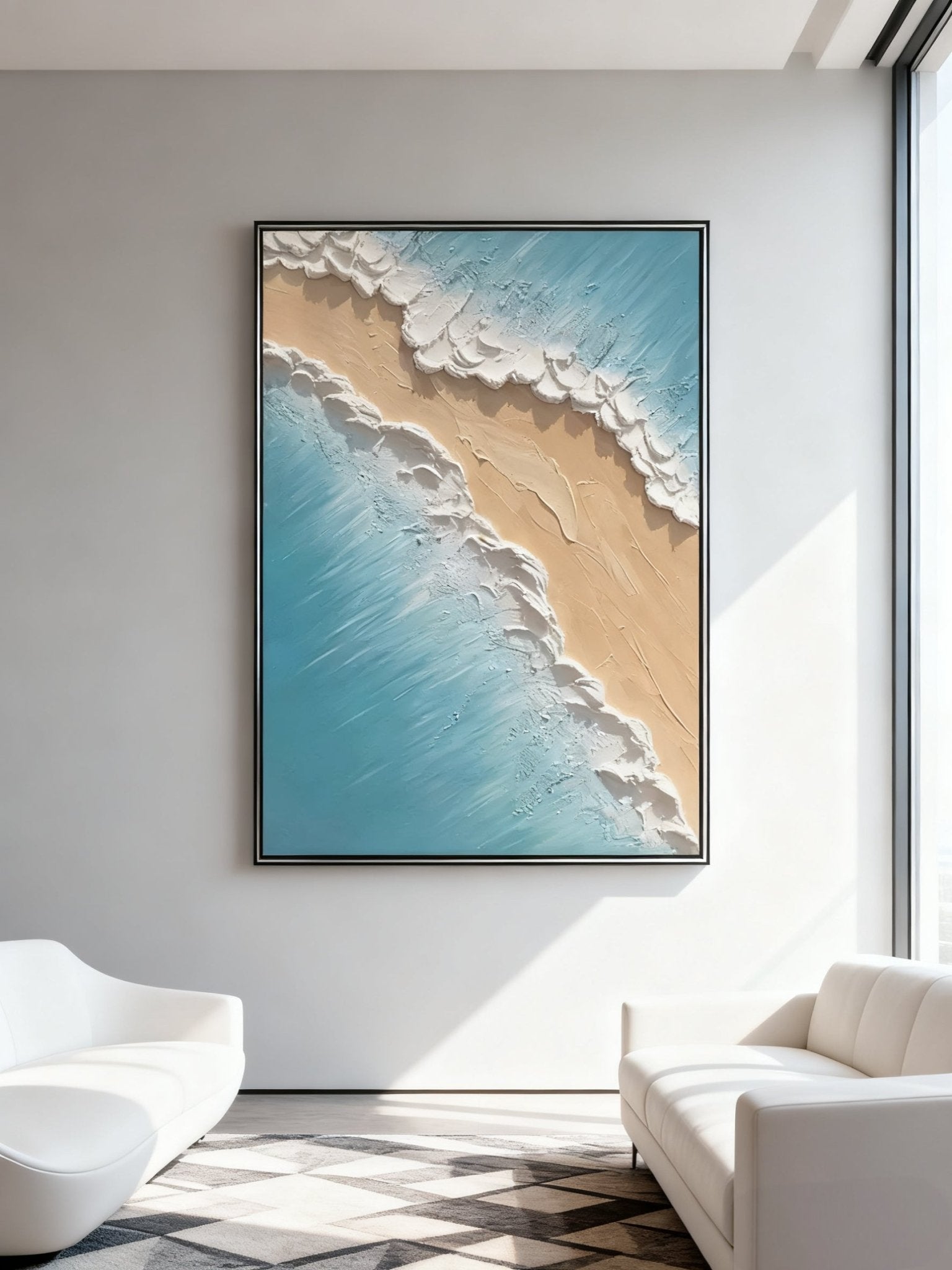
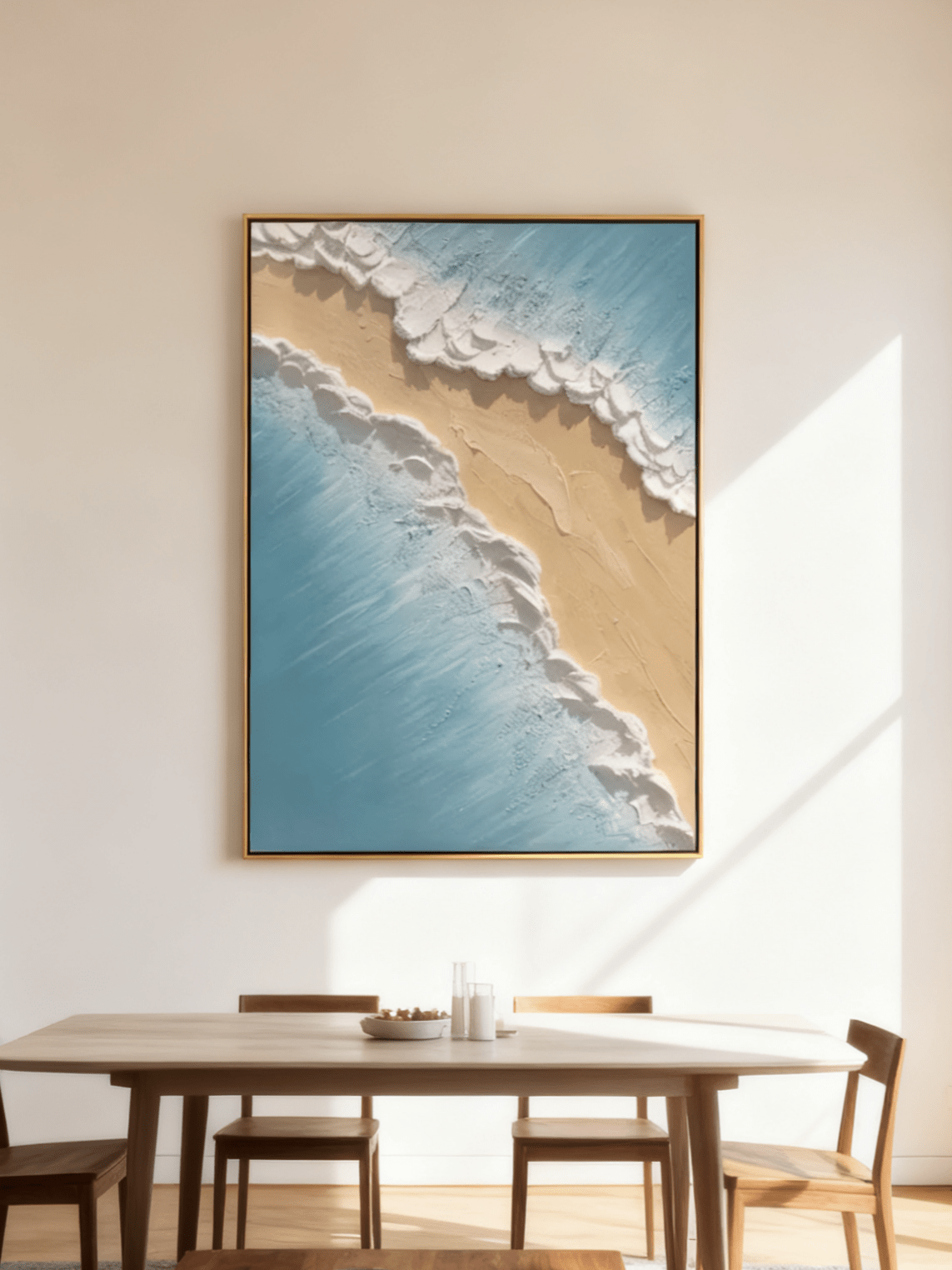
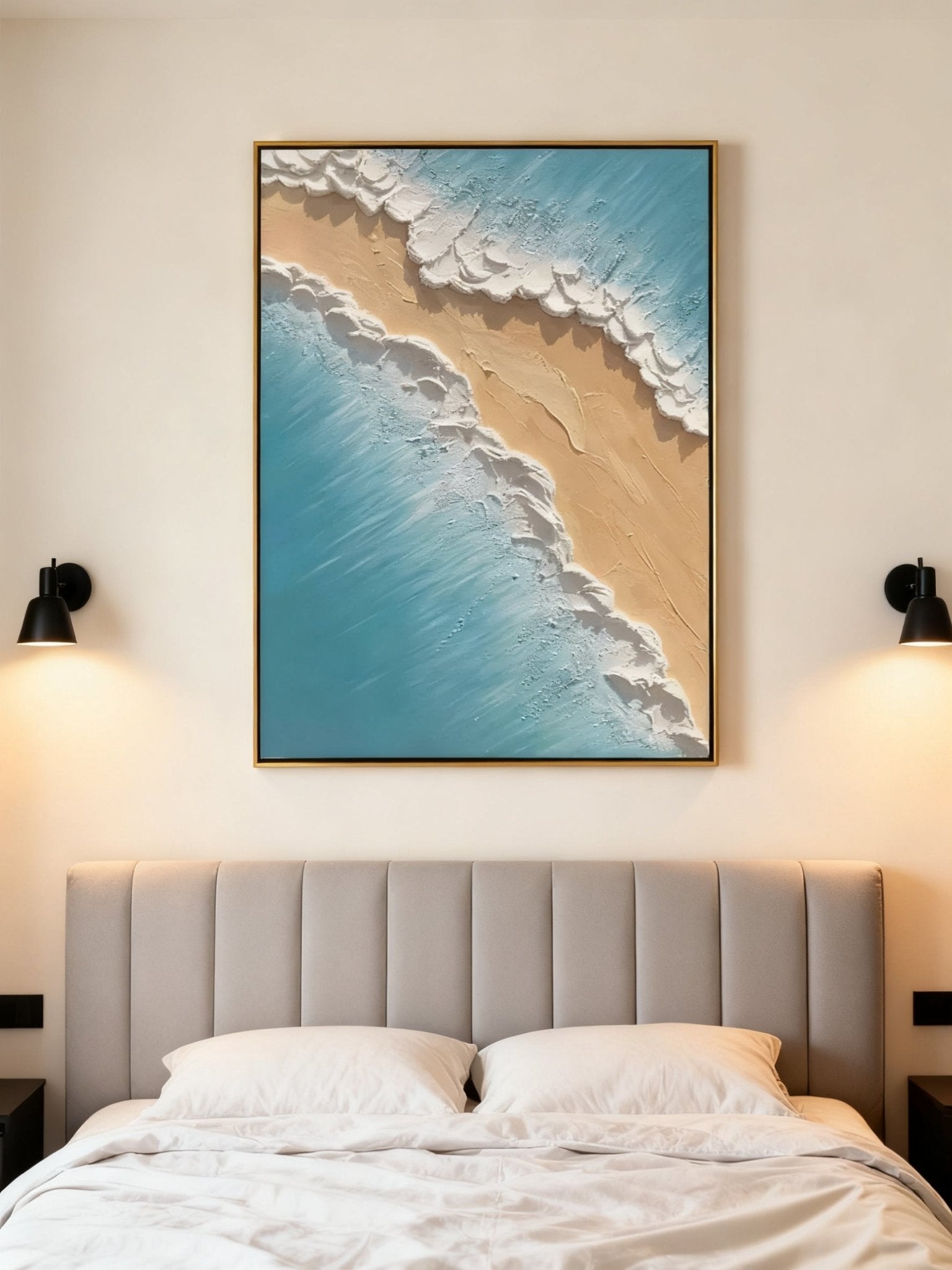
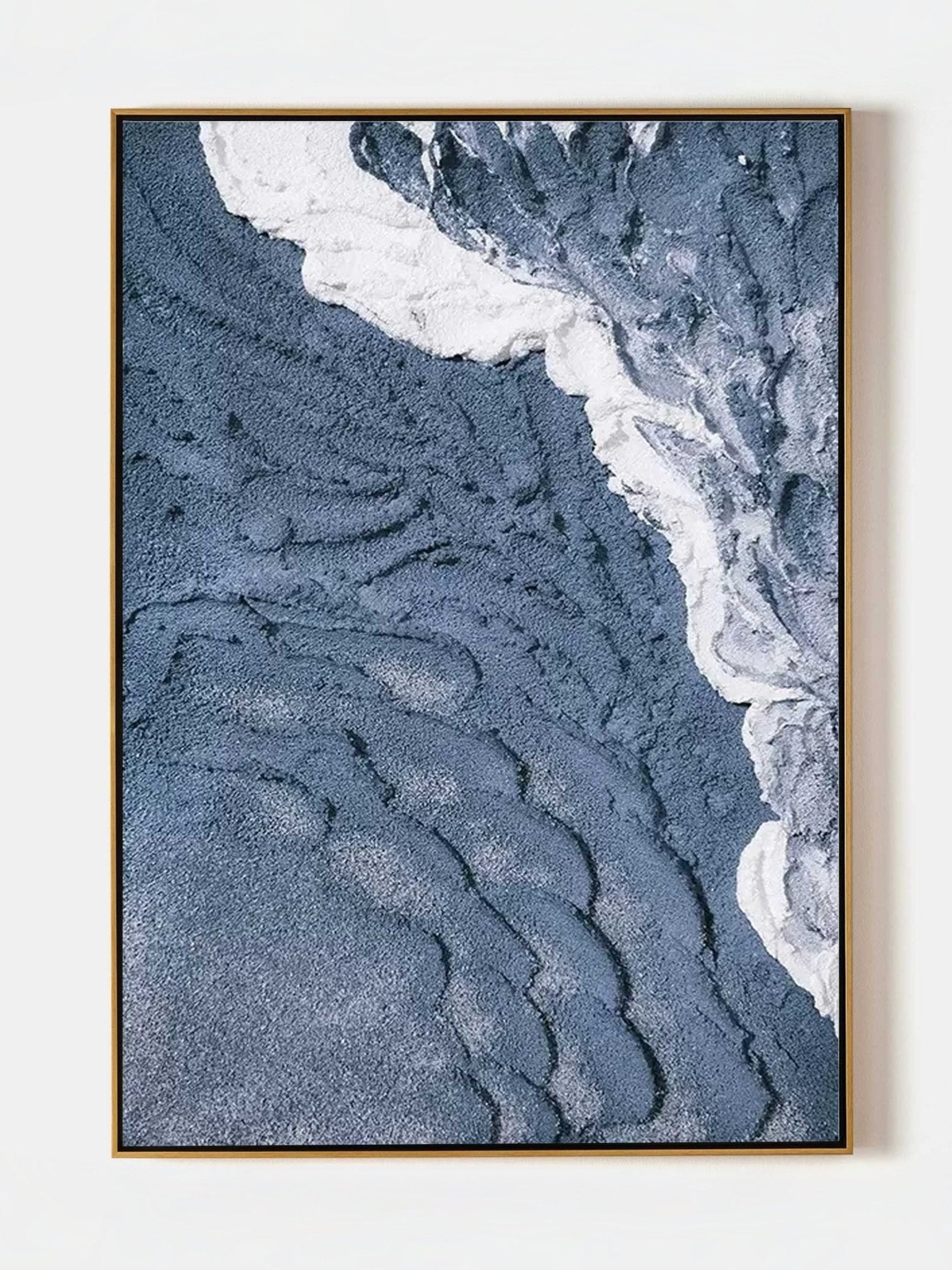
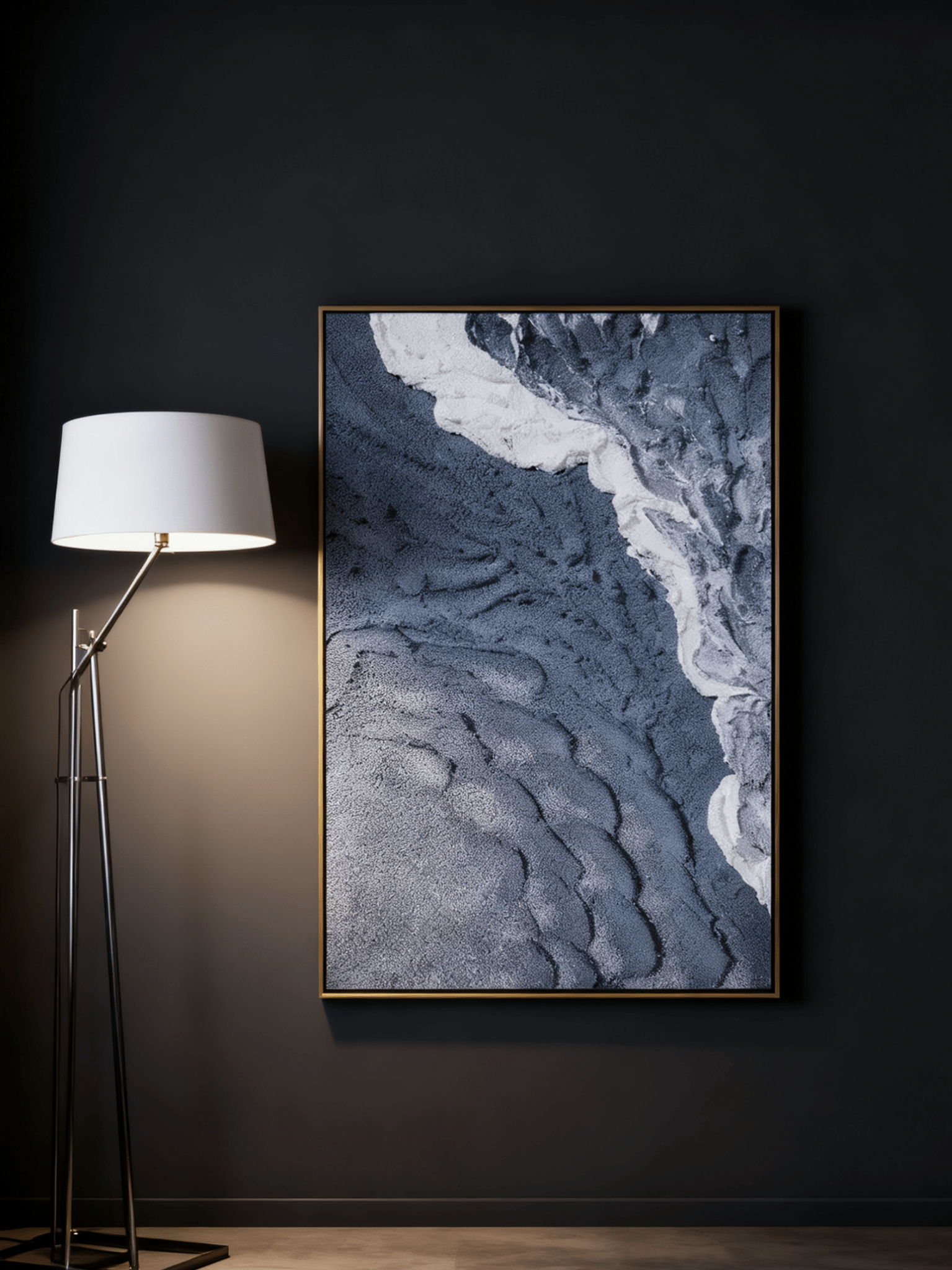
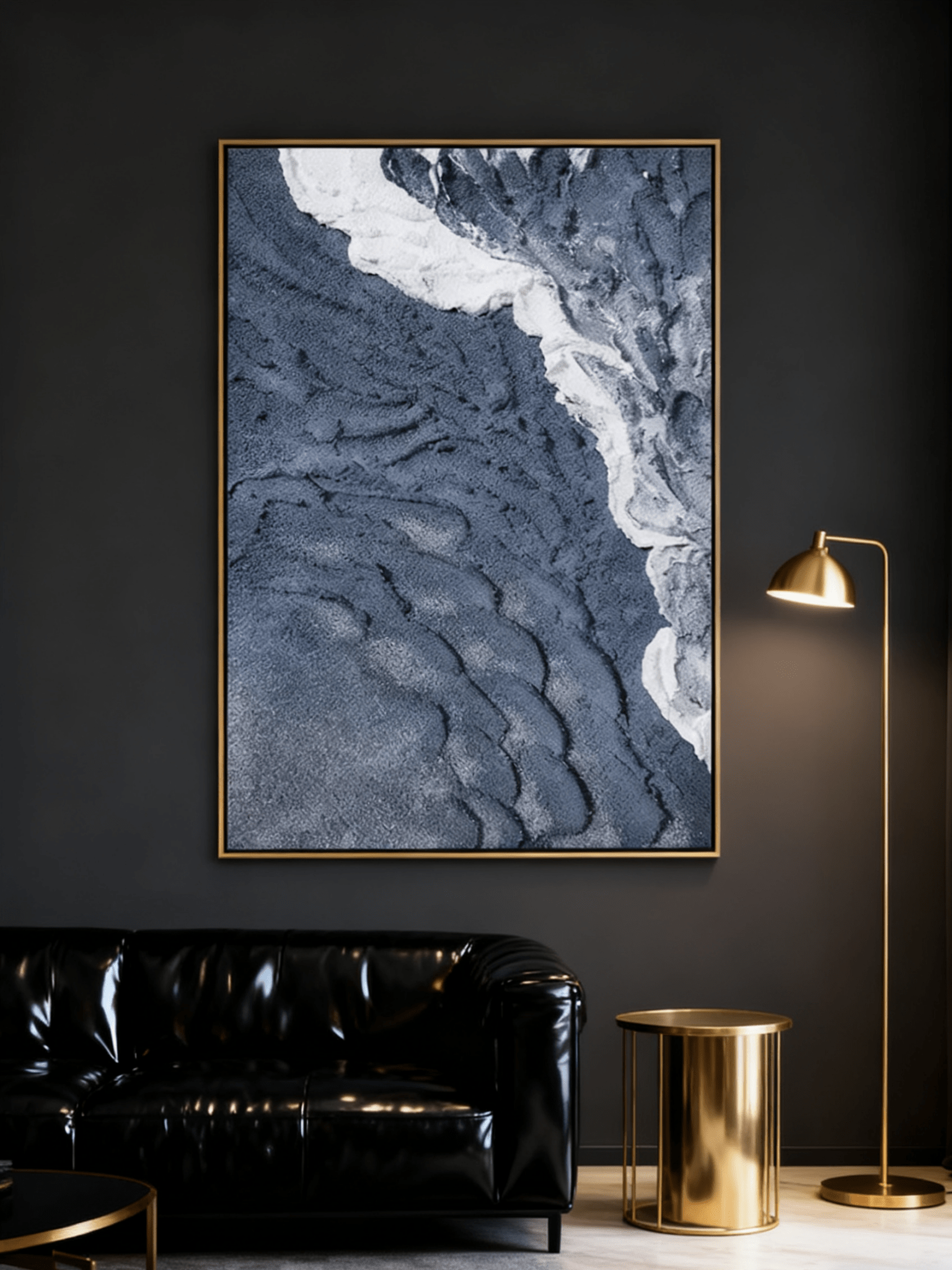
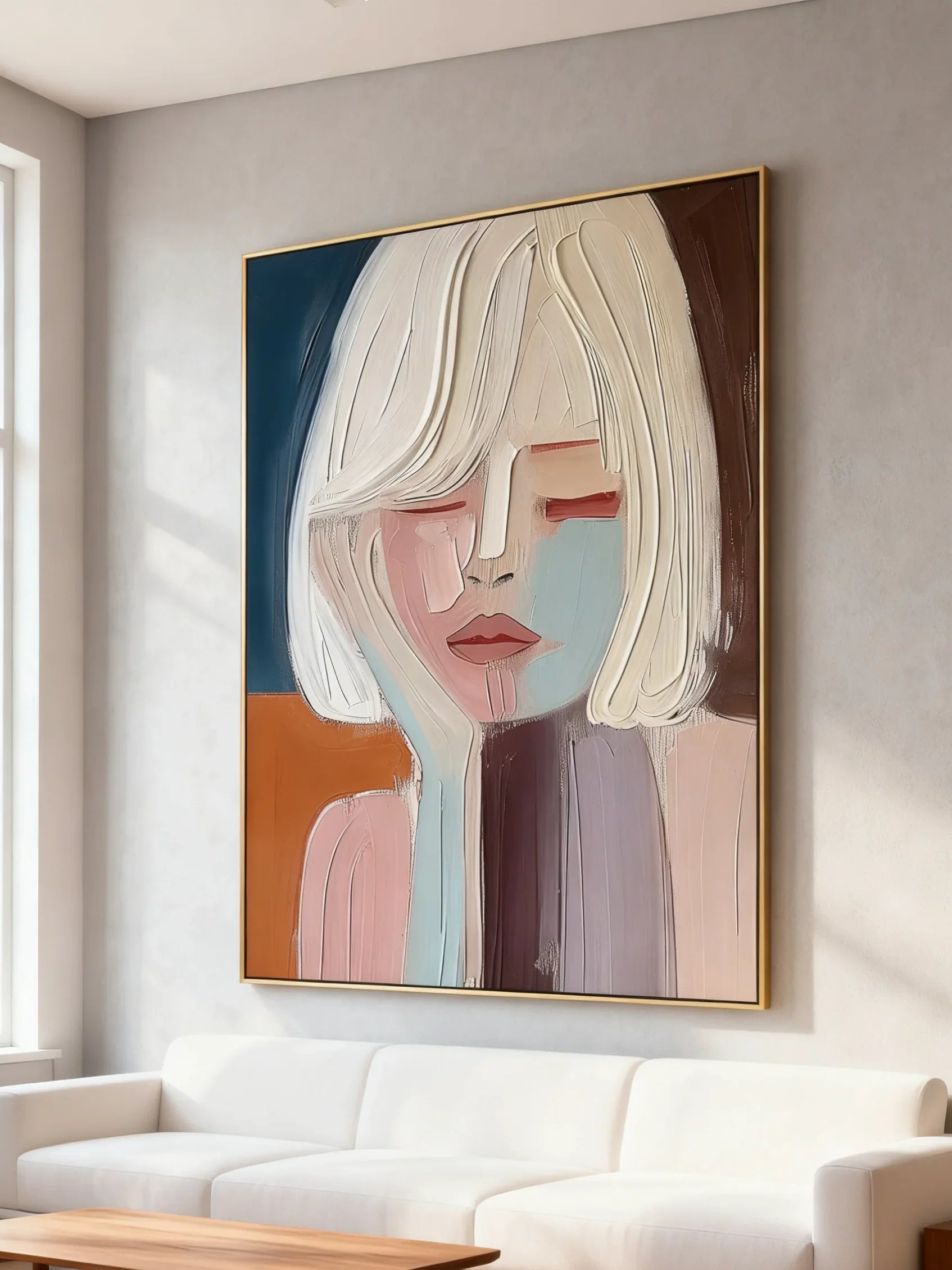
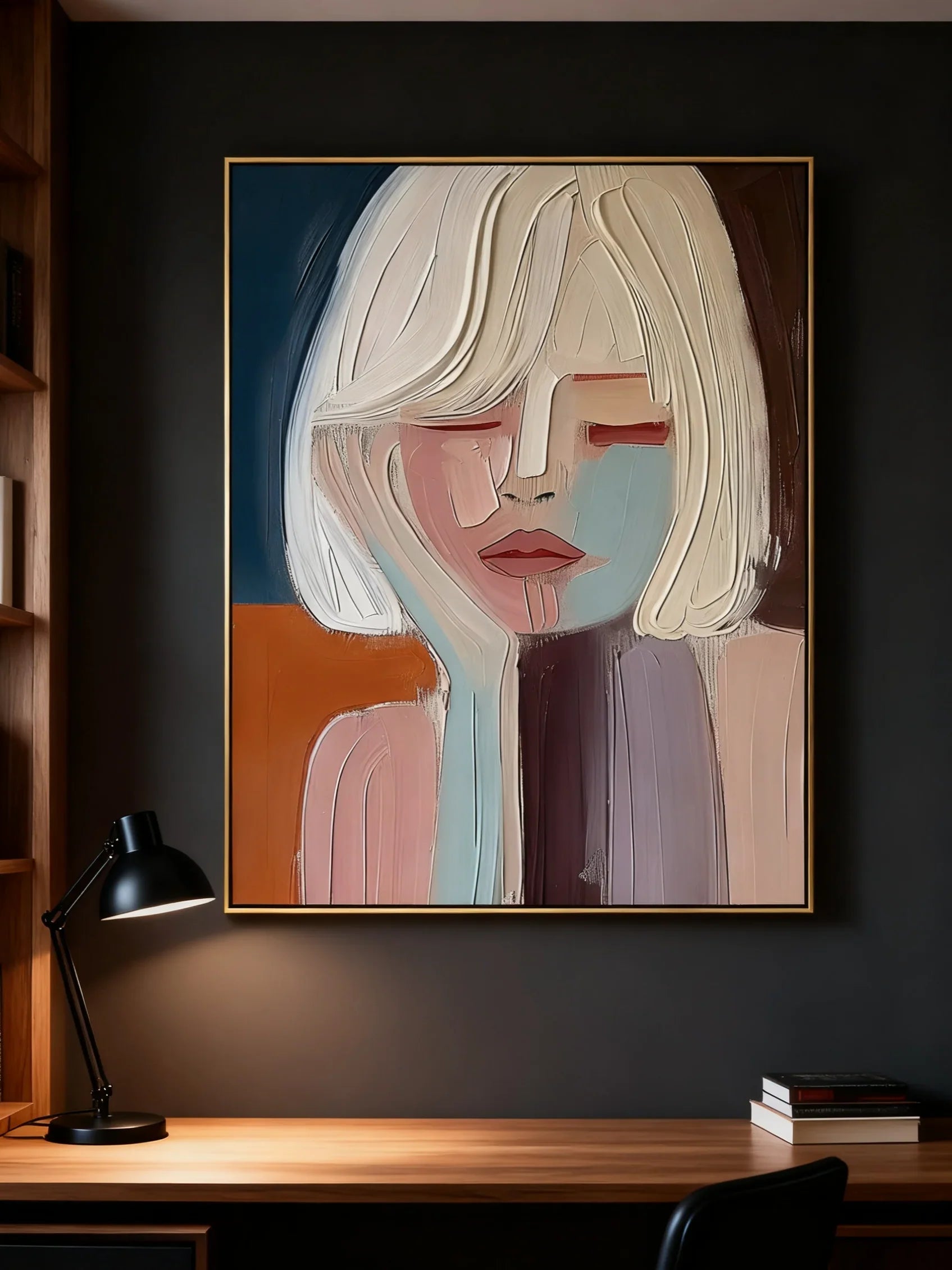
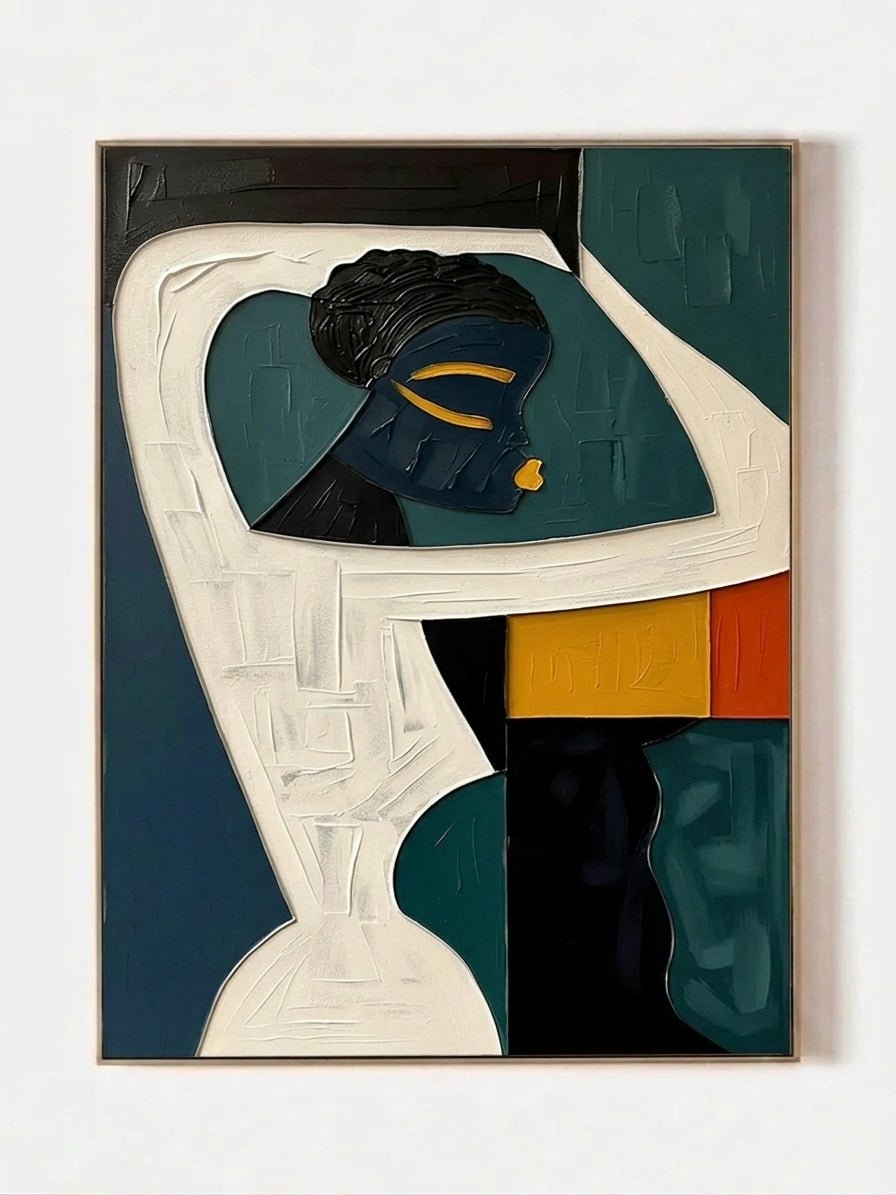
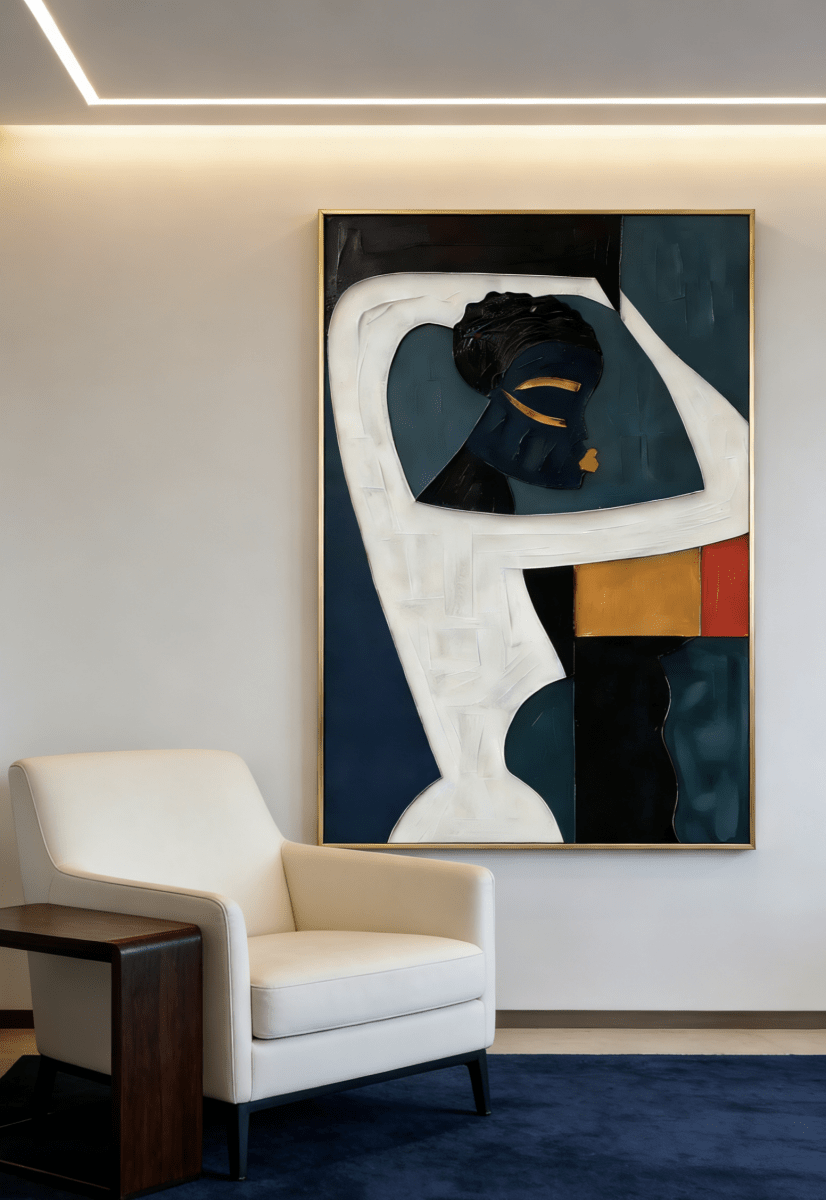
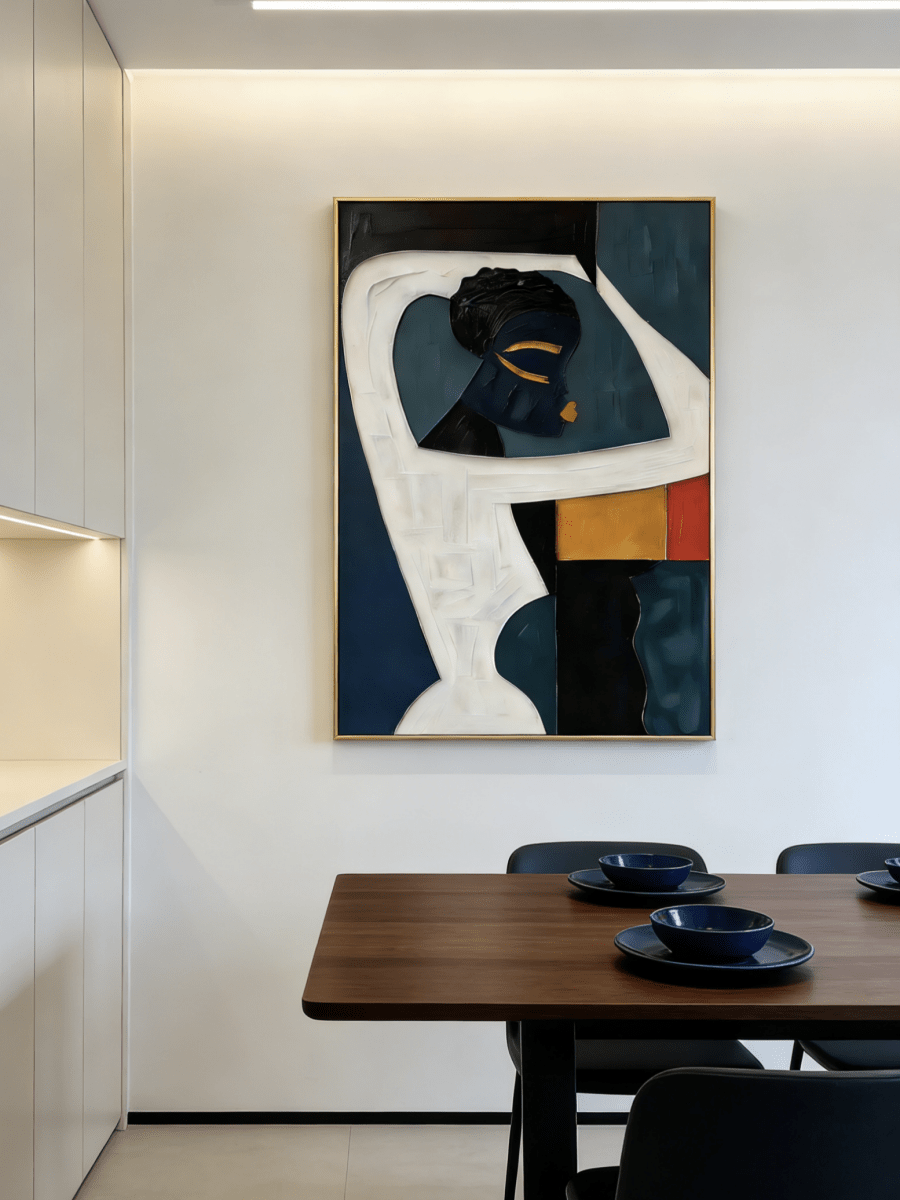
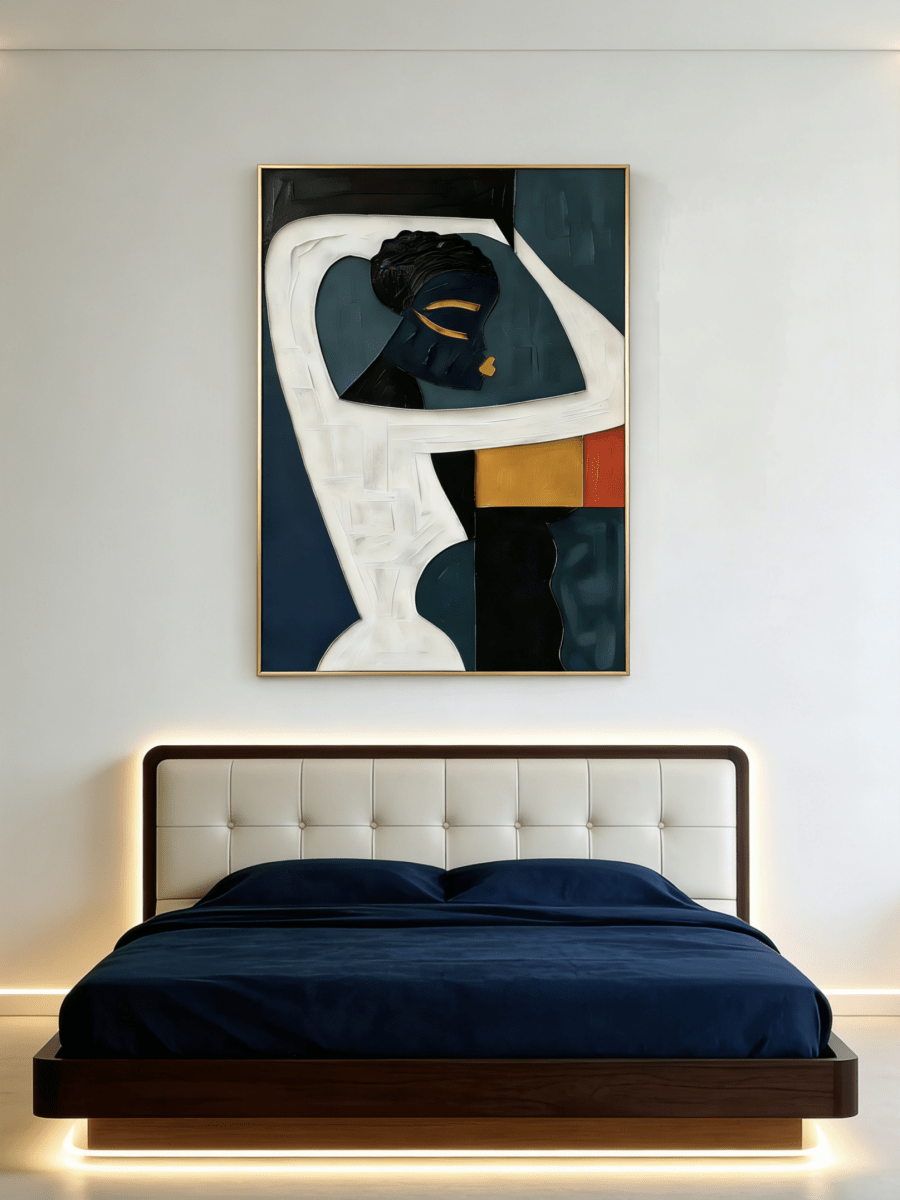
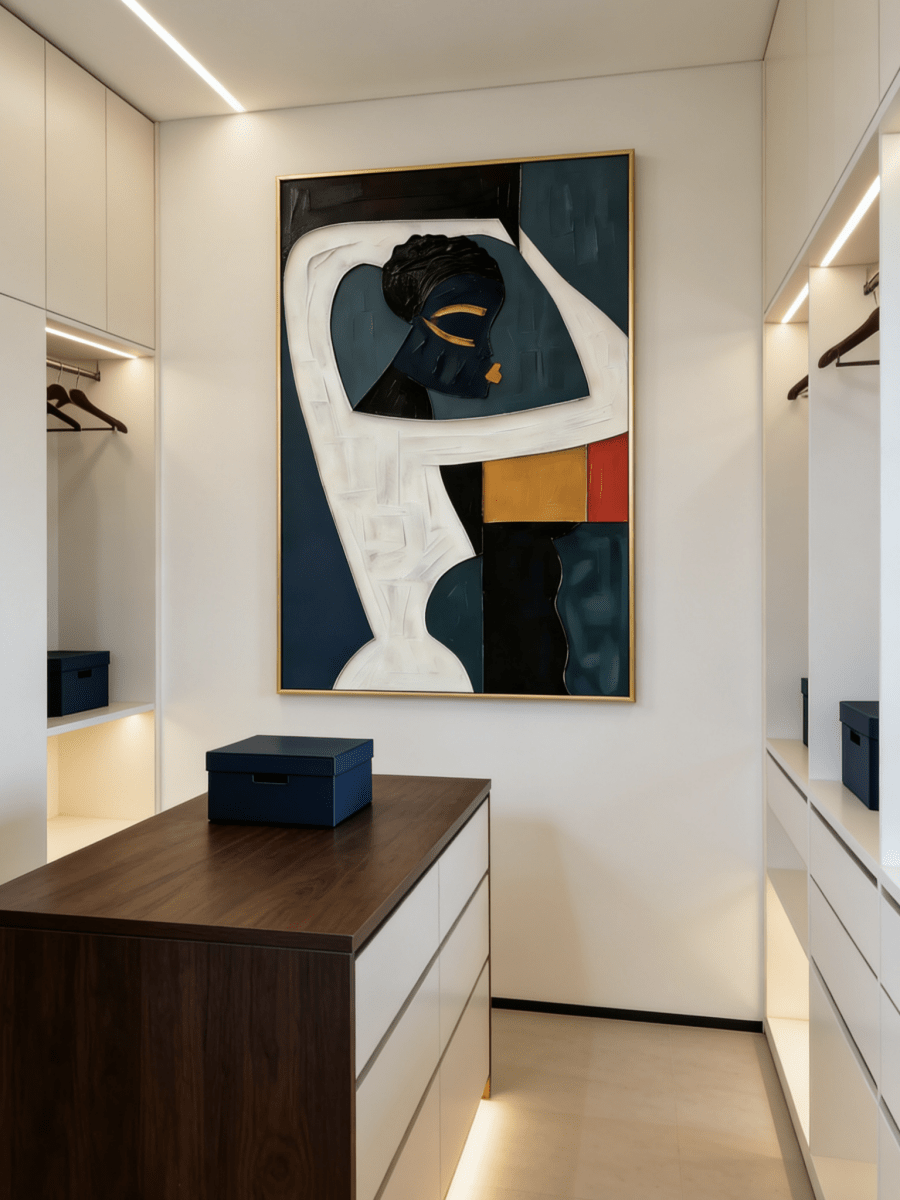
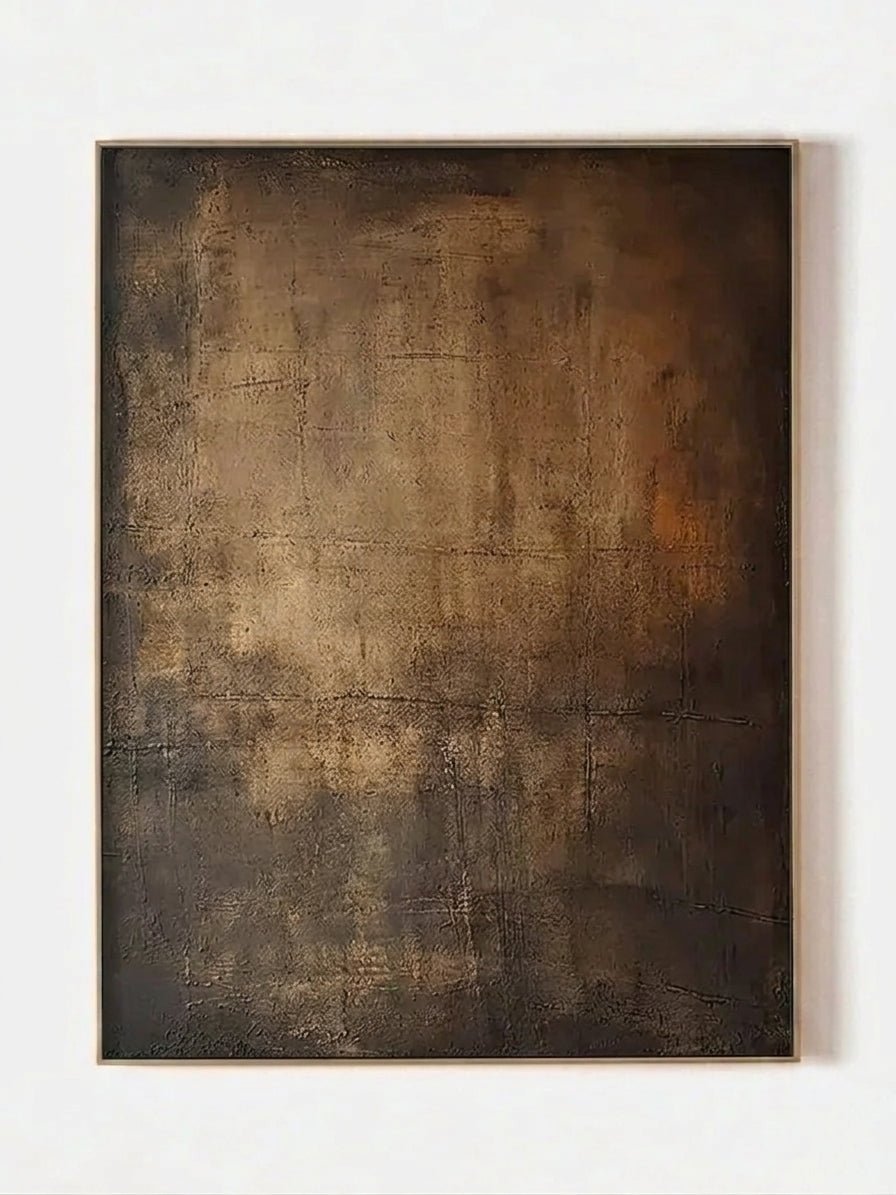
Heavy texture is a physical surface treatment that projects significantly from the canvas, creating distinct highlights and physical cast shadows. Achieved through thick impasto, modeling paste, plaster-like compounds, or sculpted layers, the depth exists physically on the canvas rather than as a flat printed illusion.
Because of its pronounced 3D dimensionality, heavy textured artwork commands visual weight even in monochrome or neutral tones.
What Is Subtle Textured Wall Art?
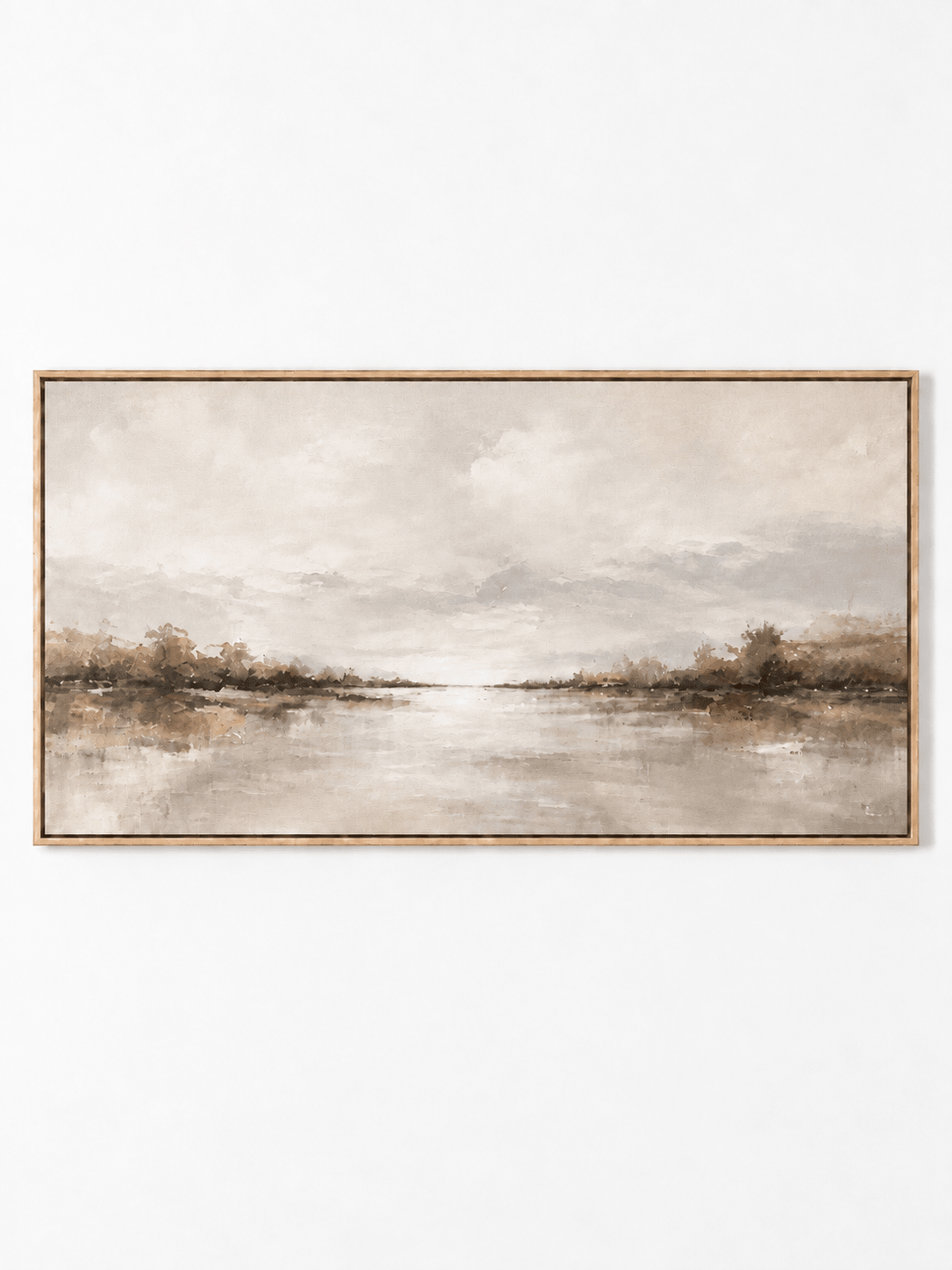
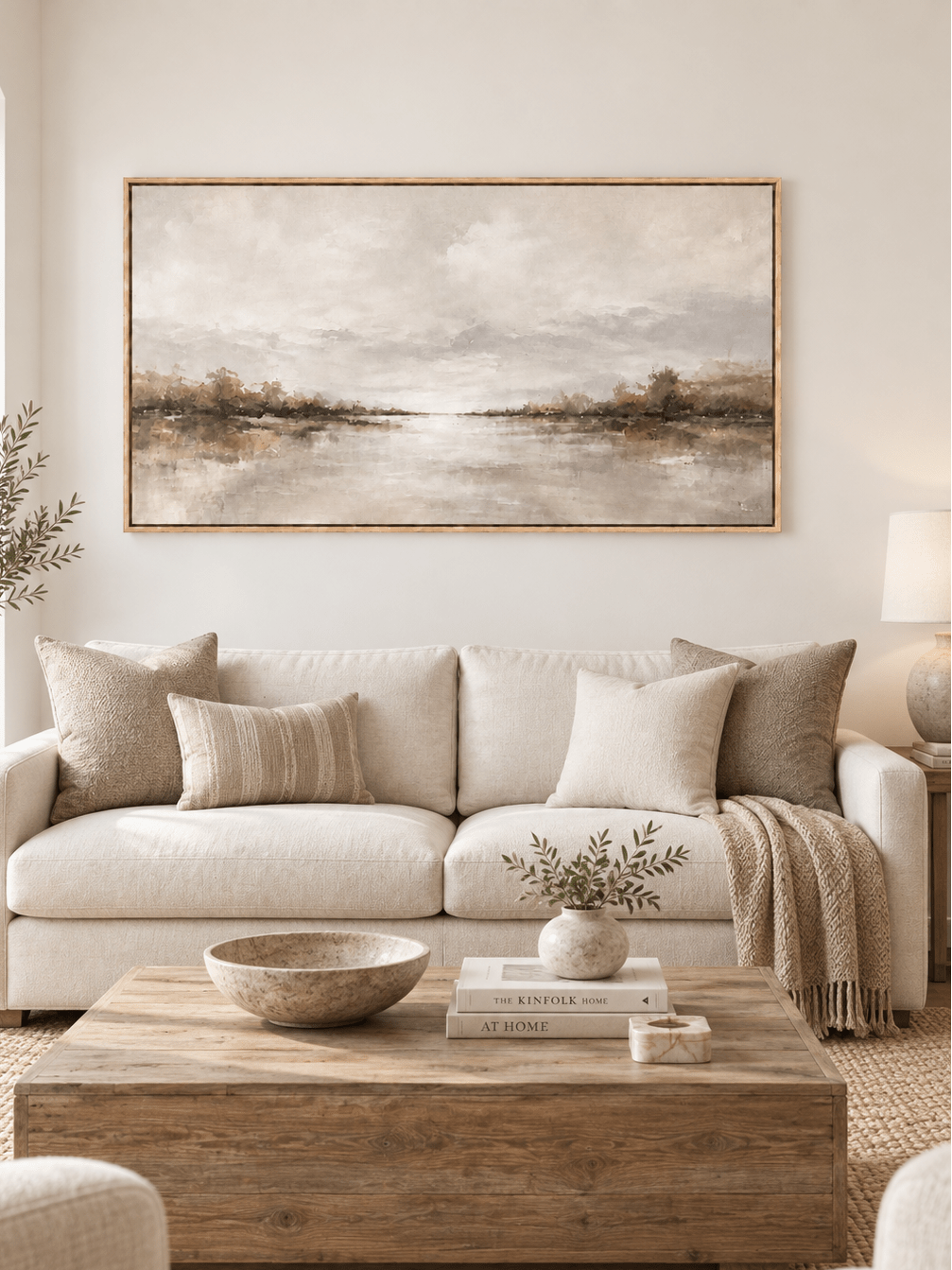
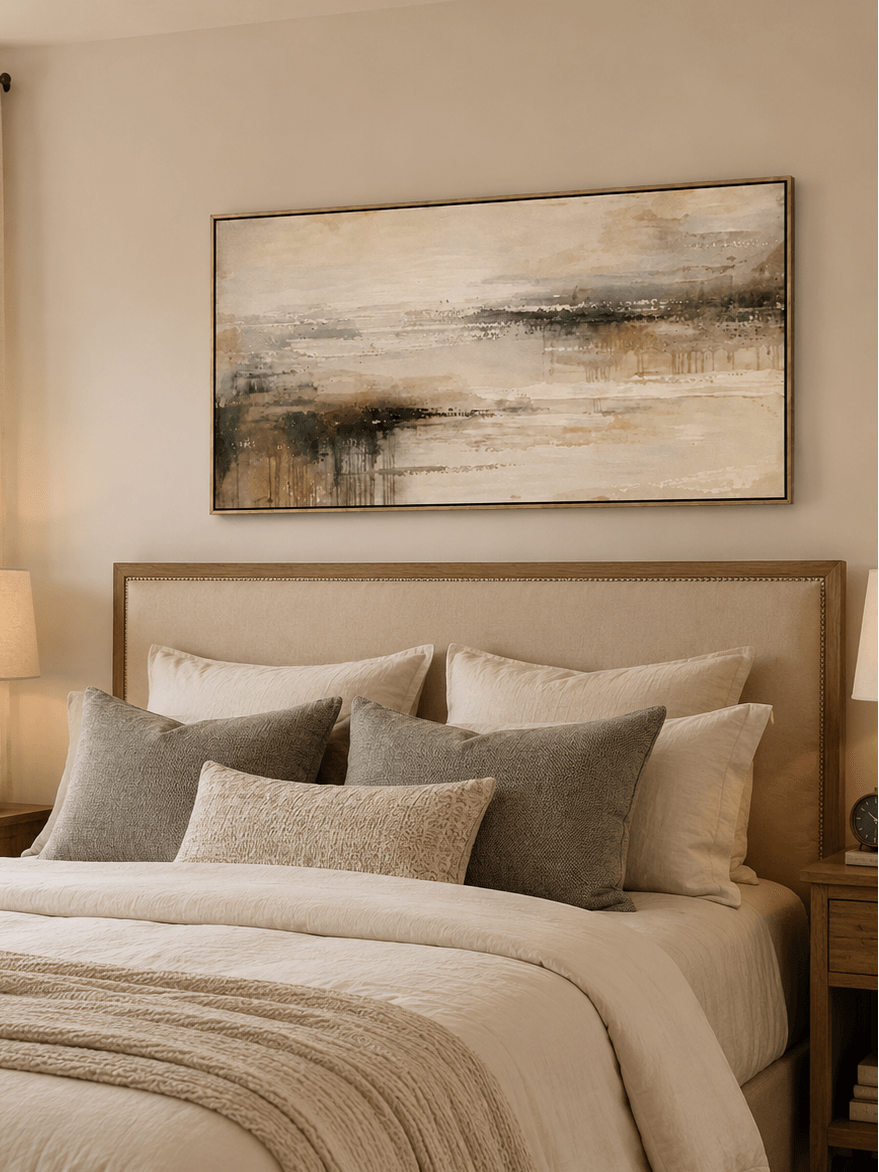
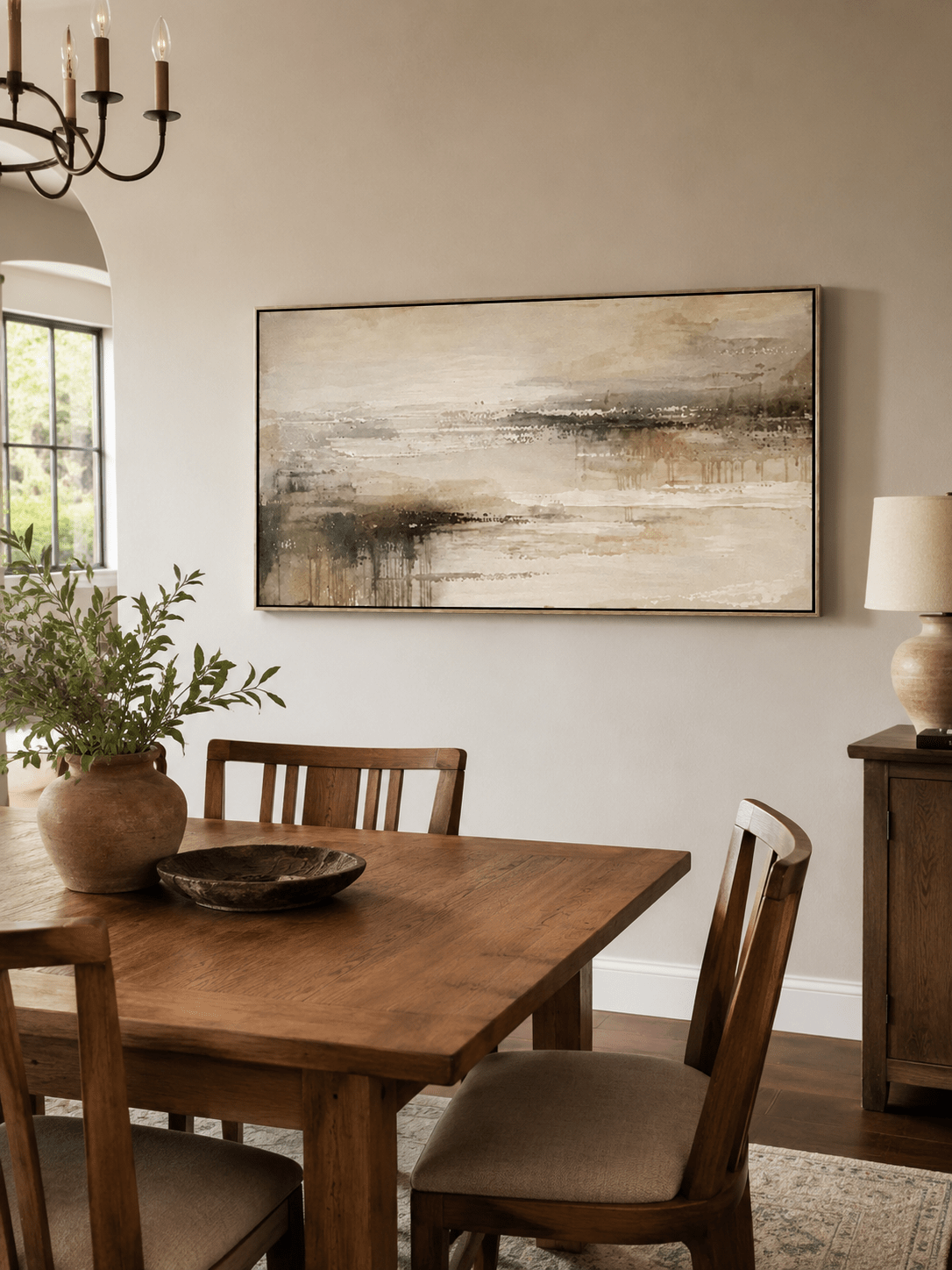
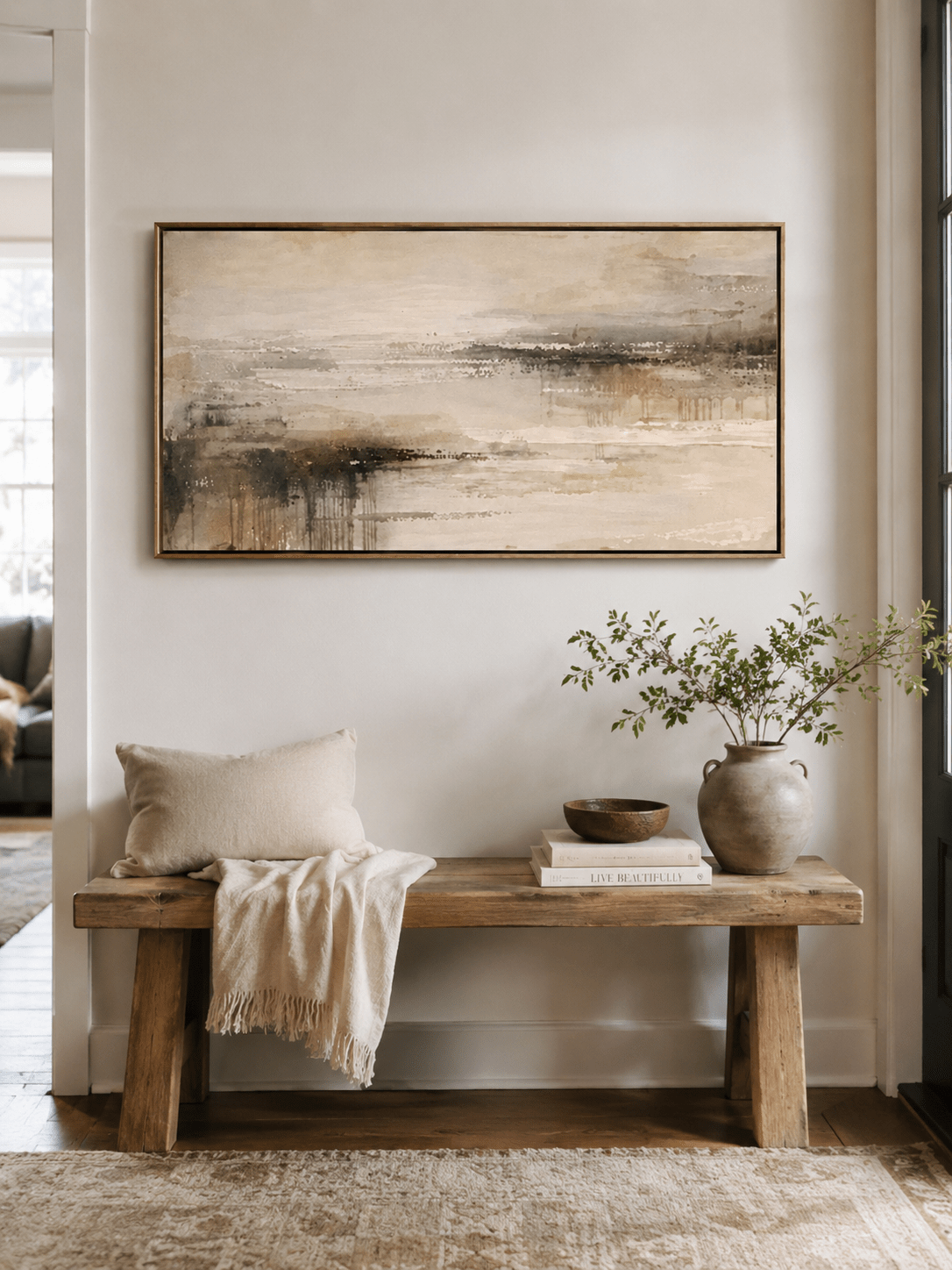
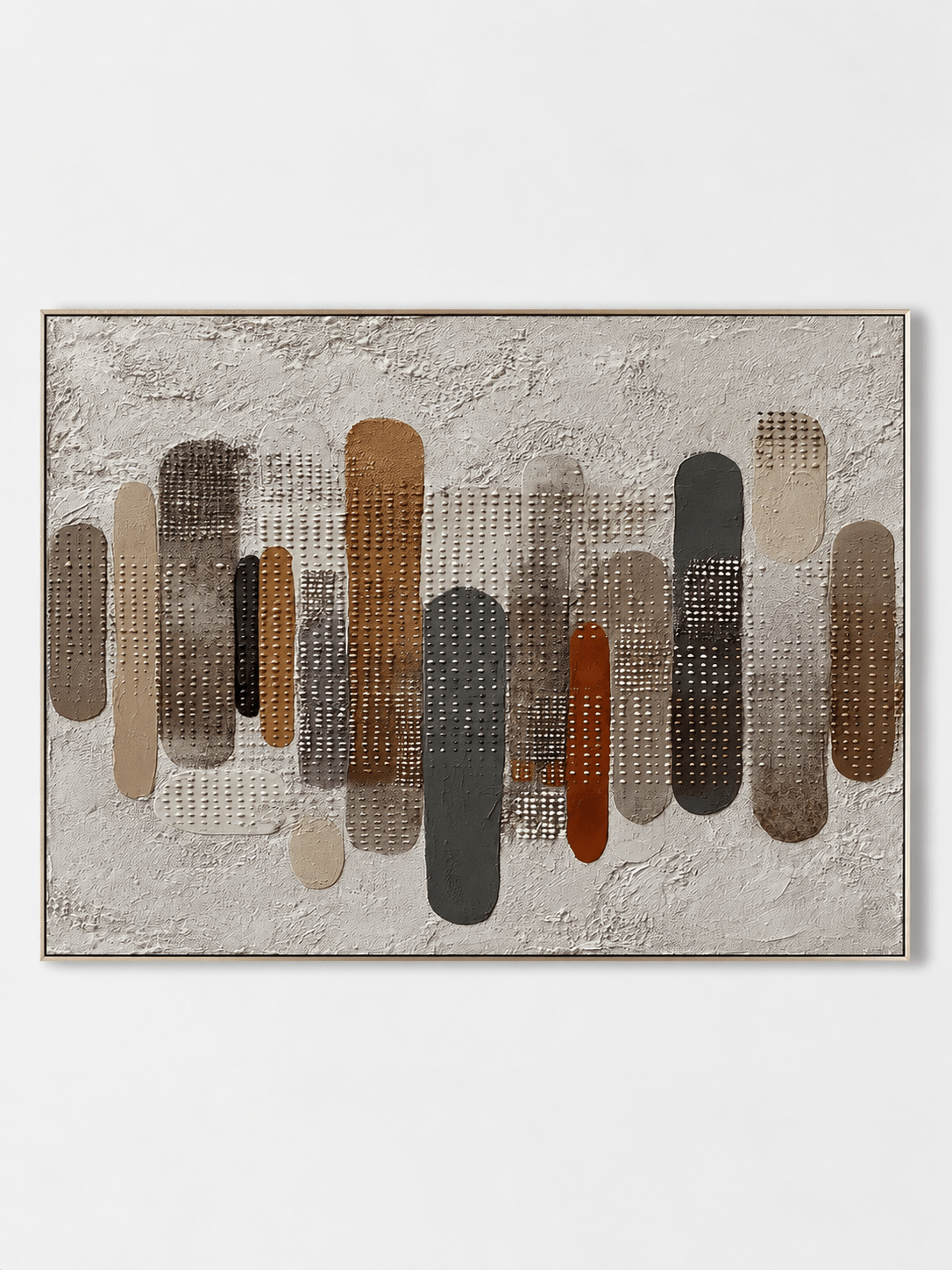
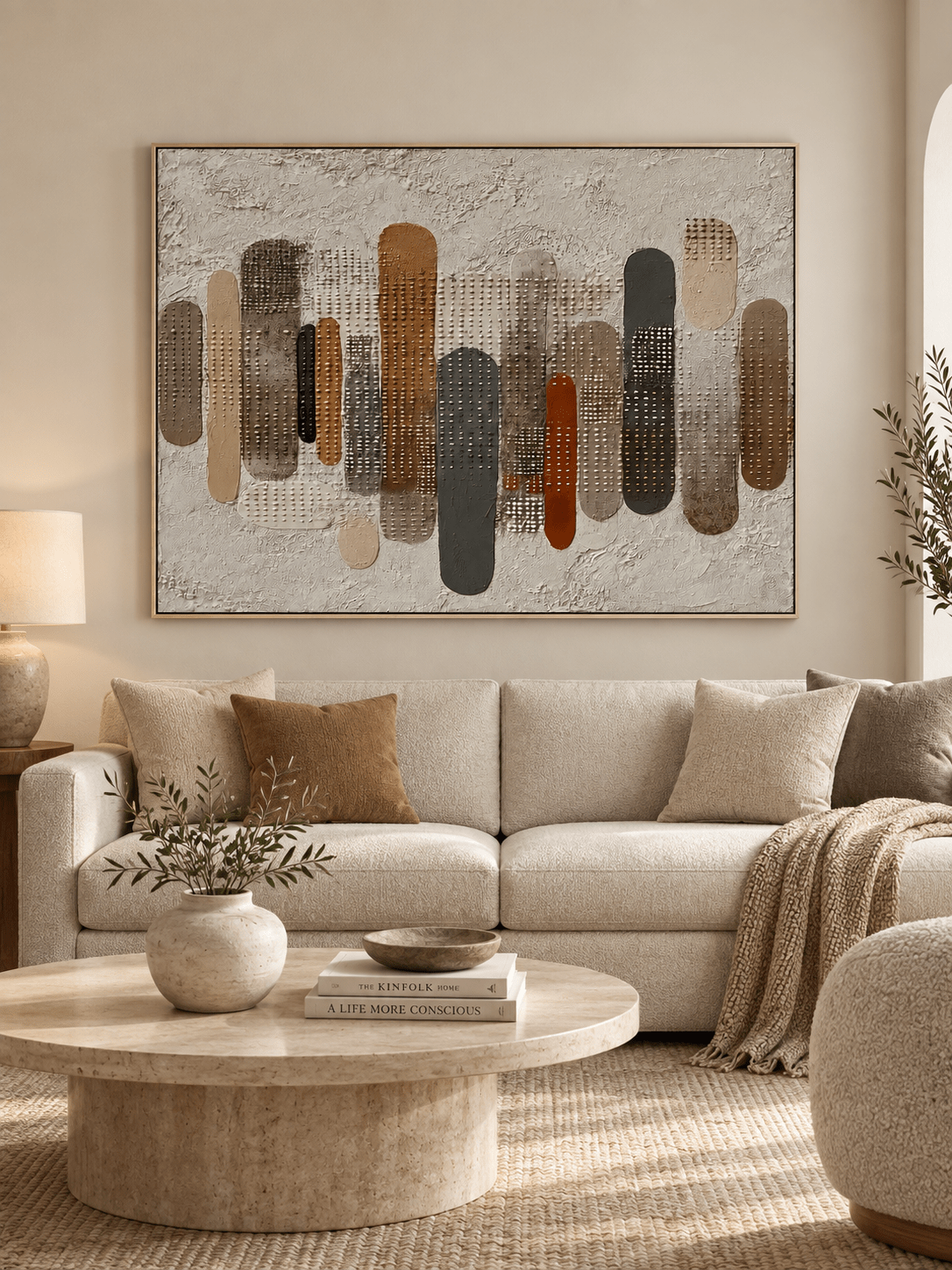
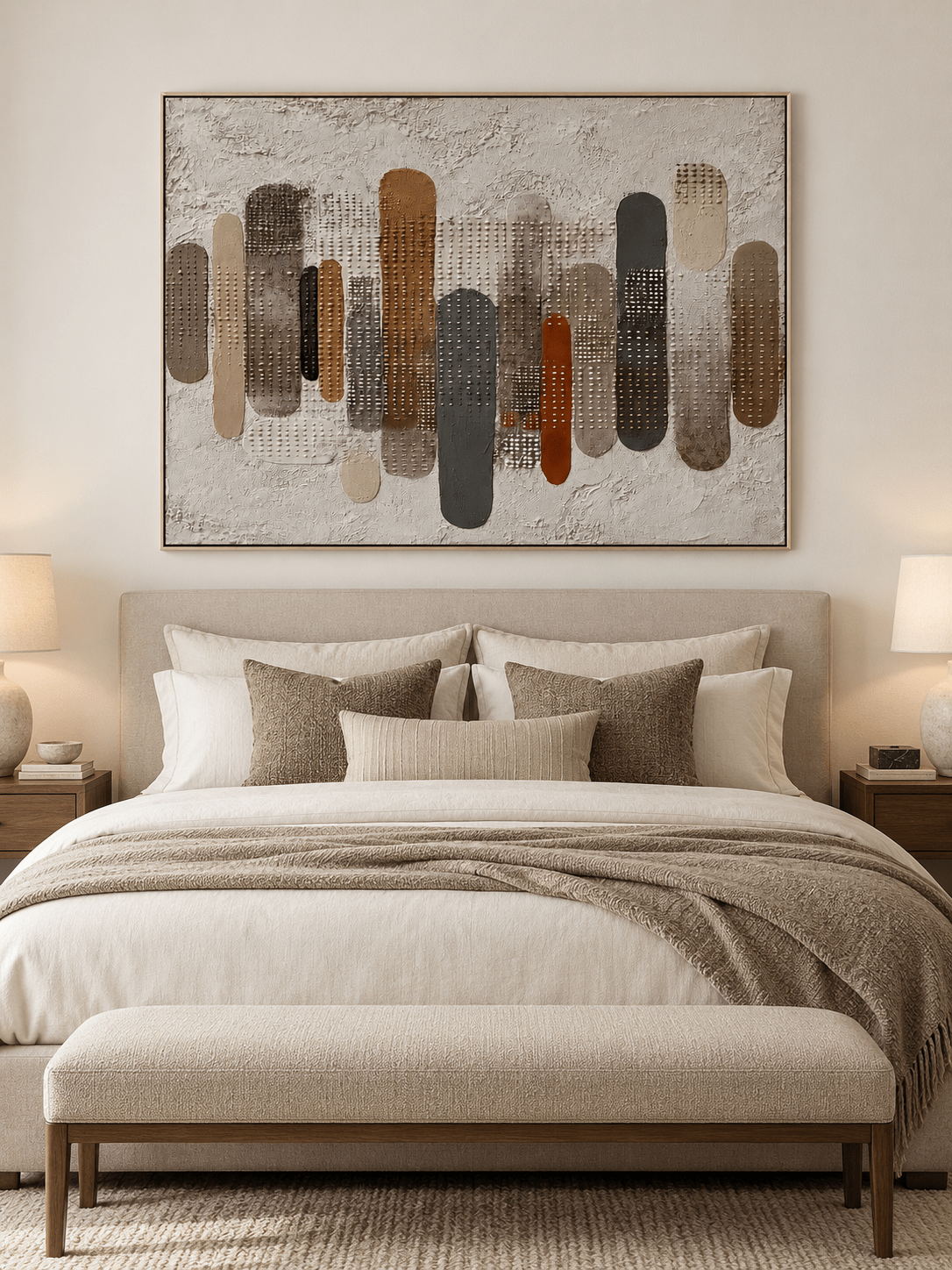
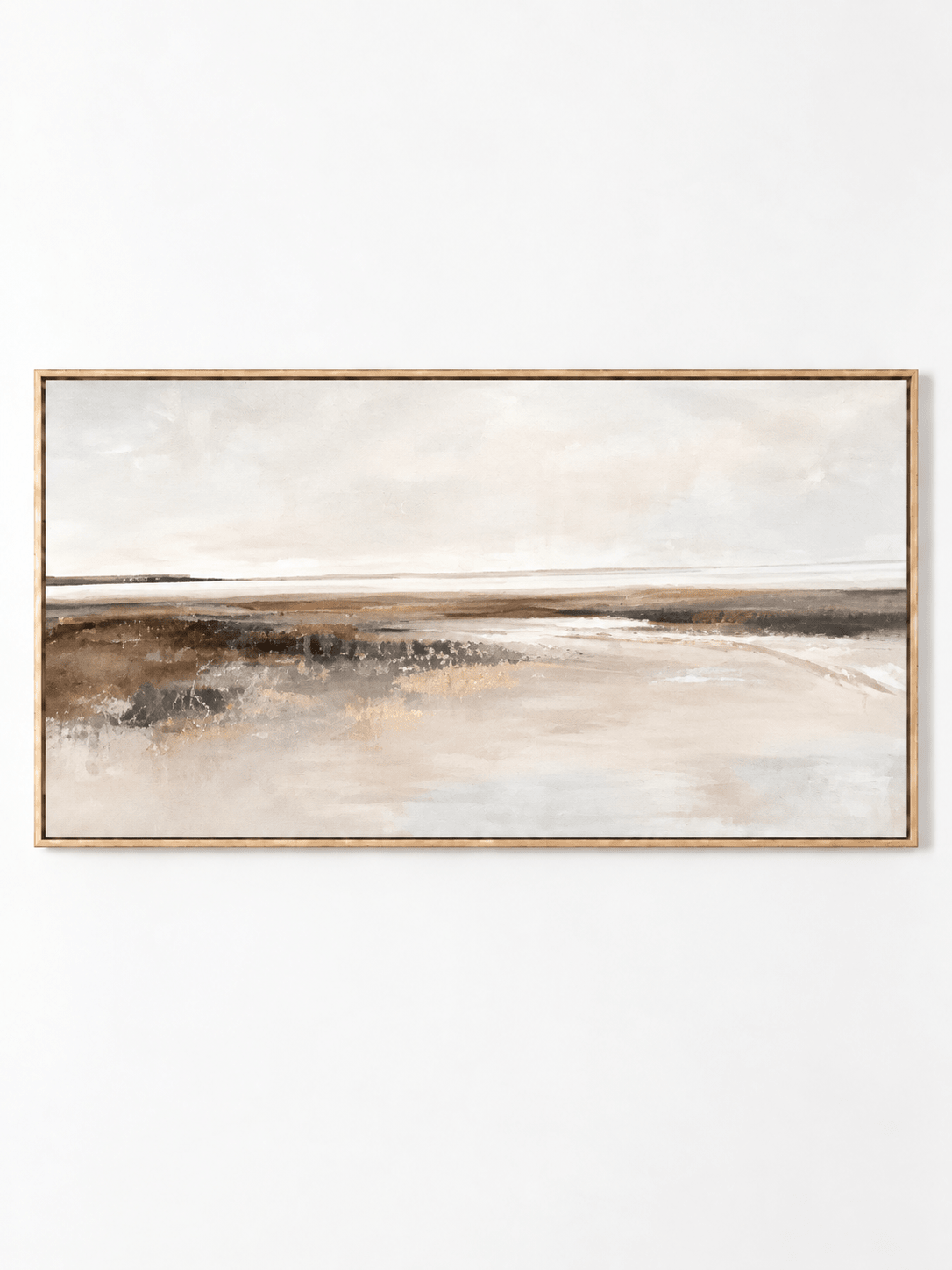
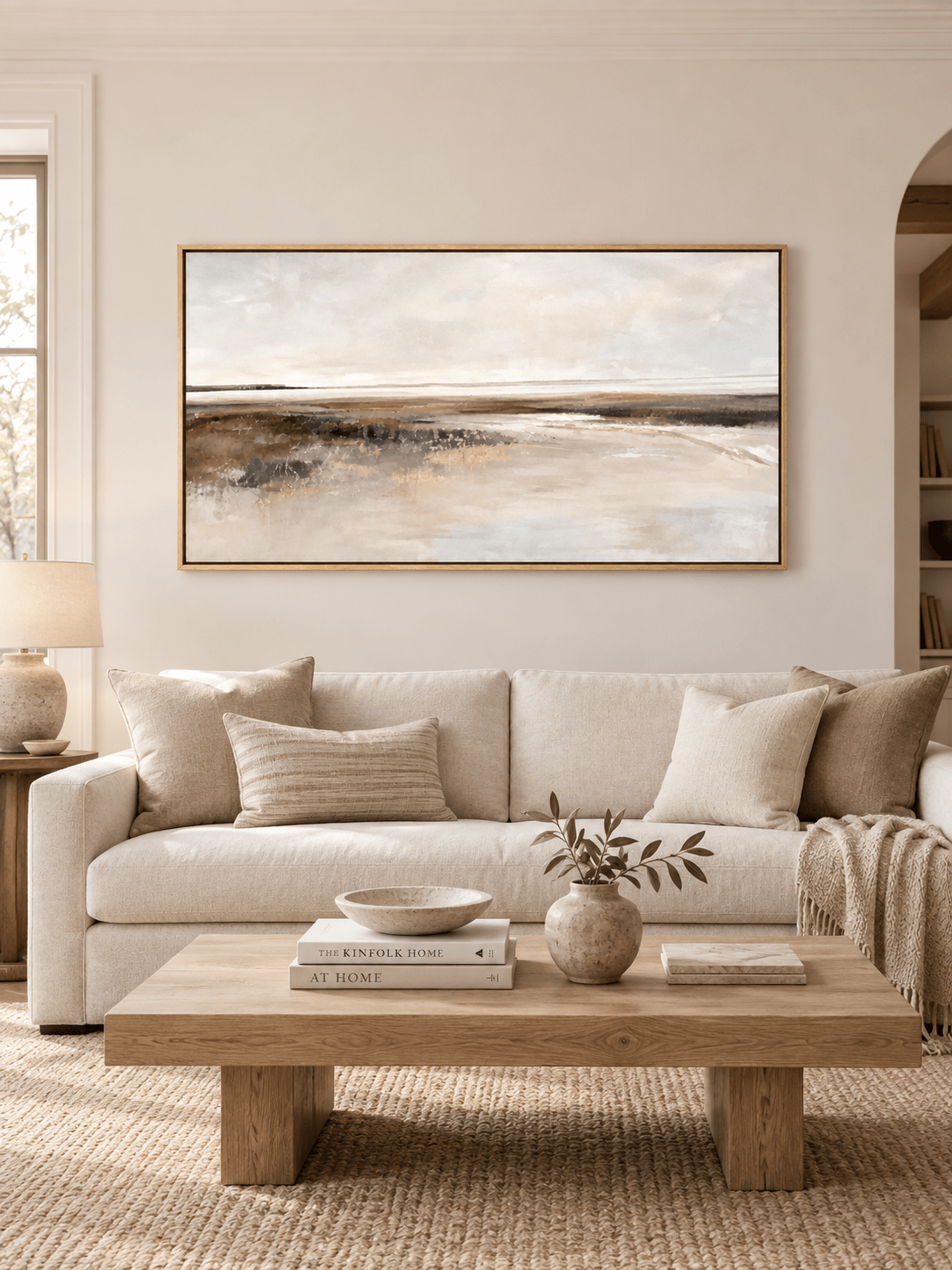
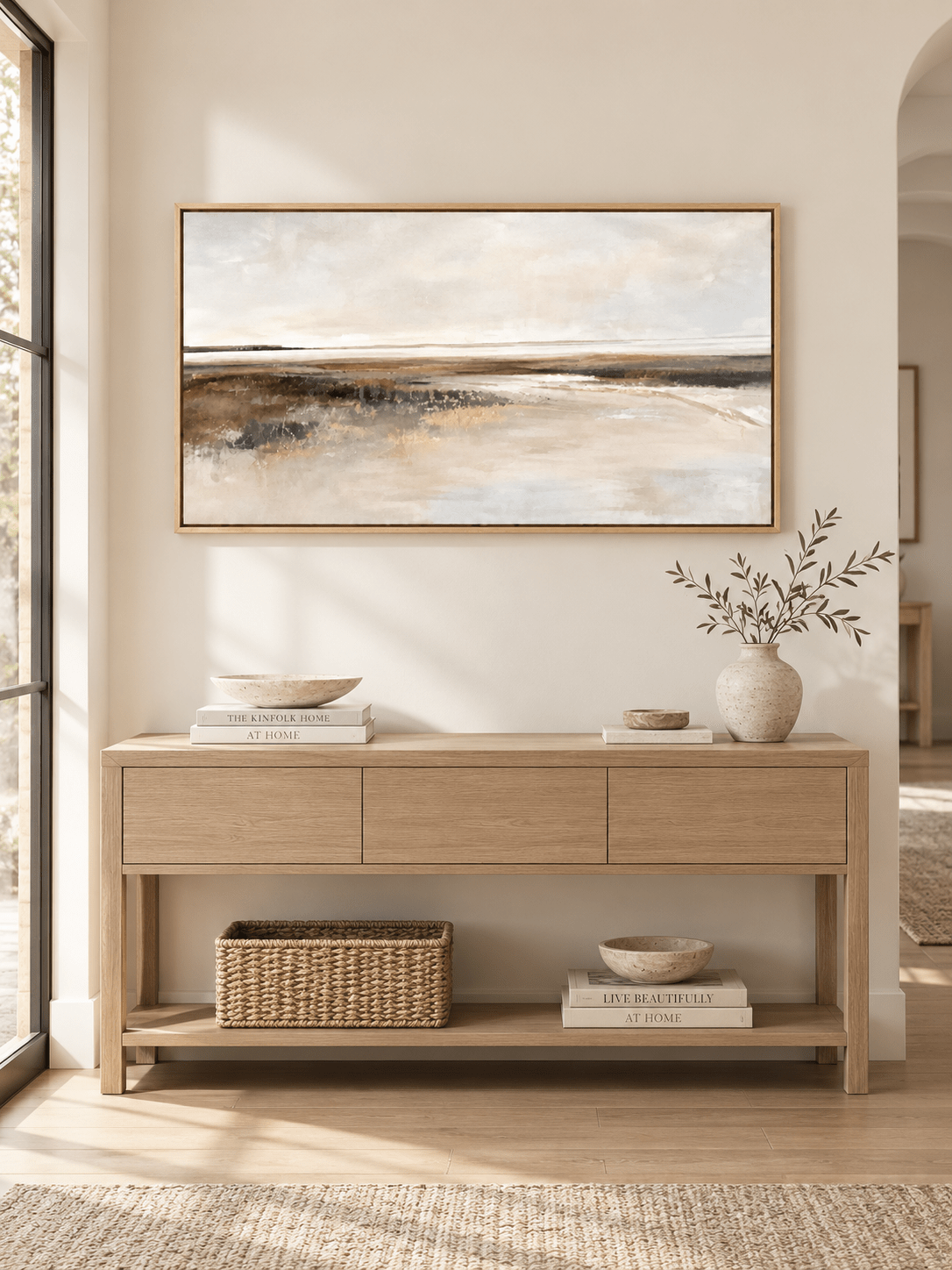
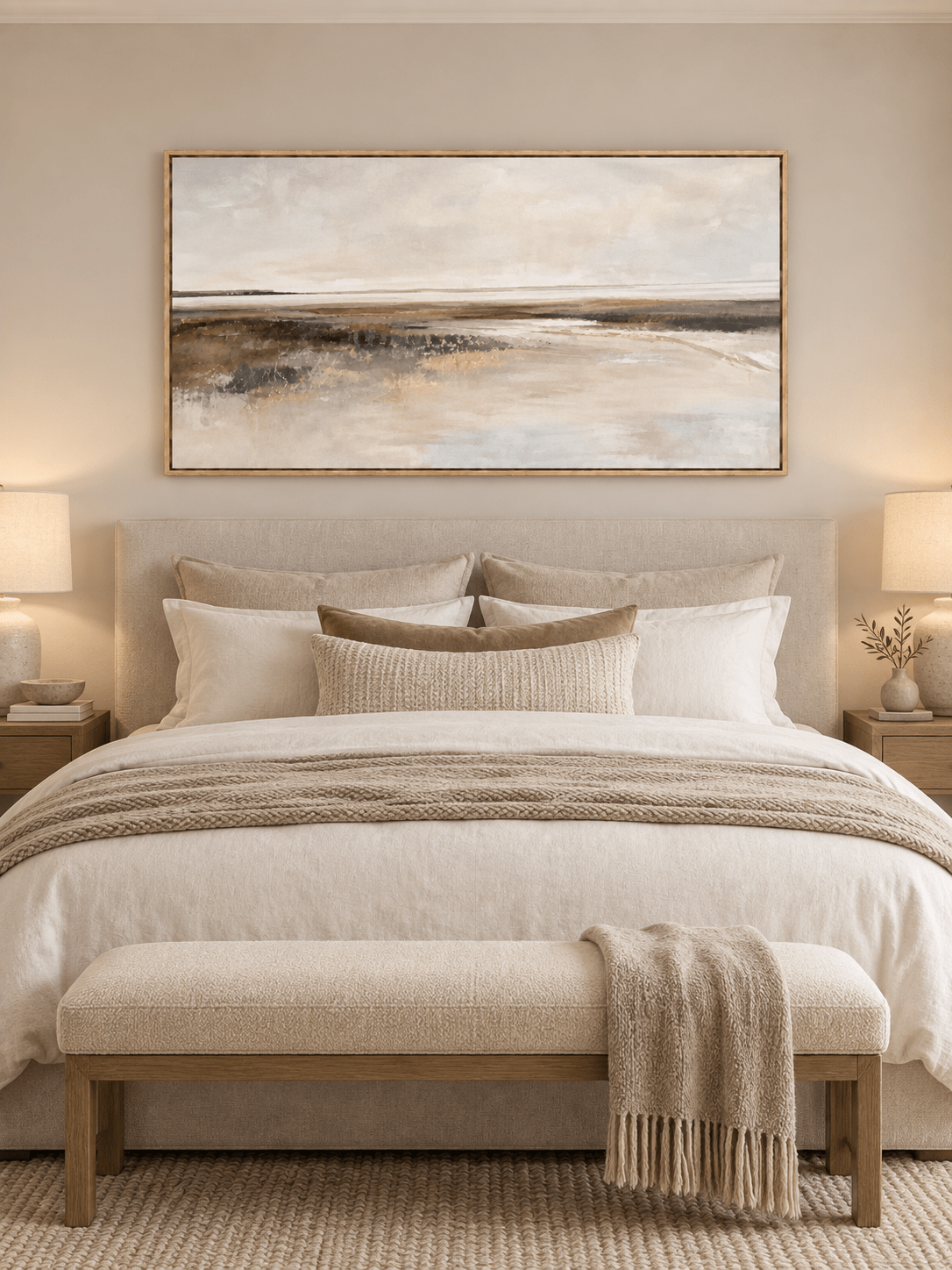
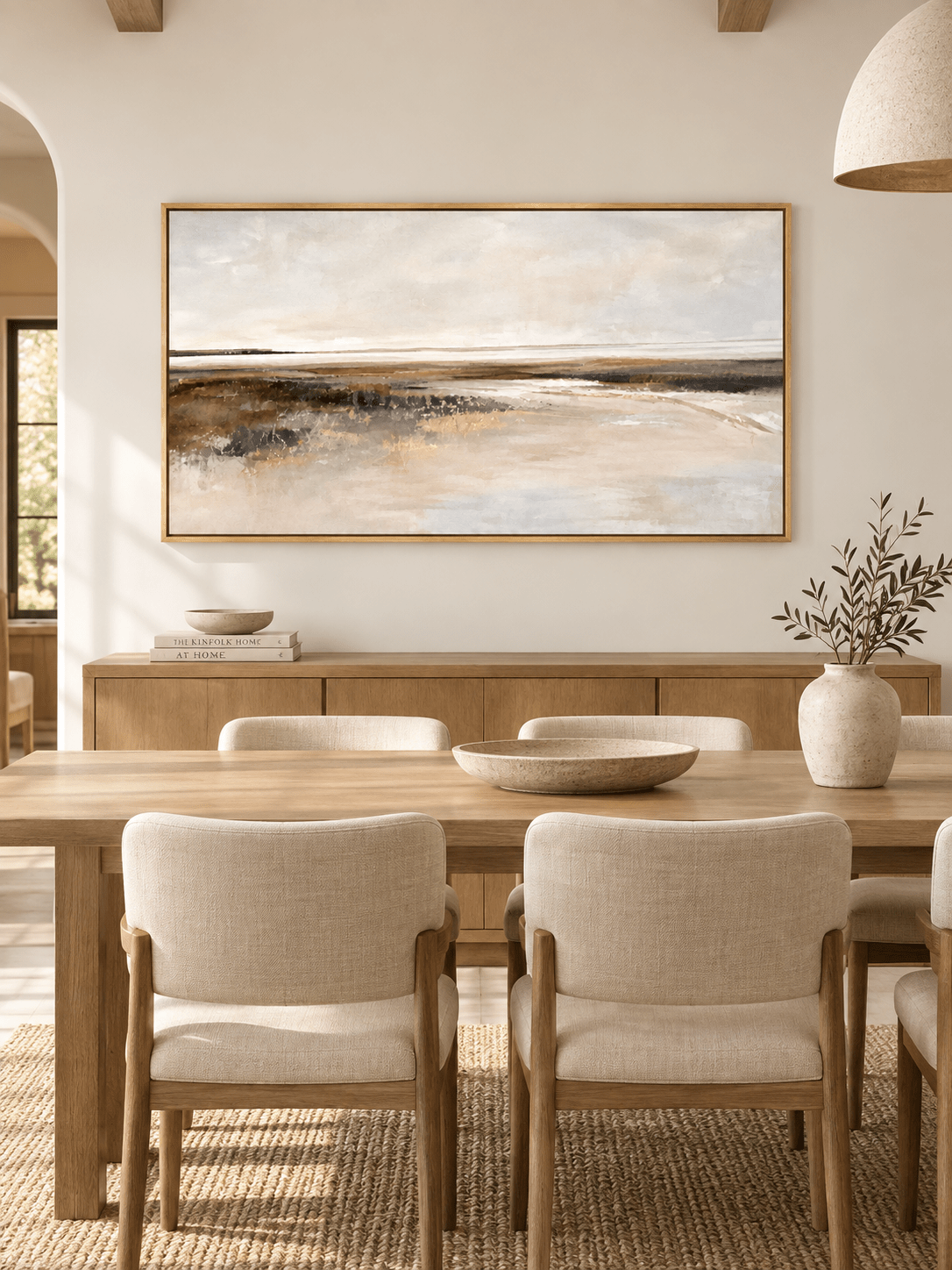
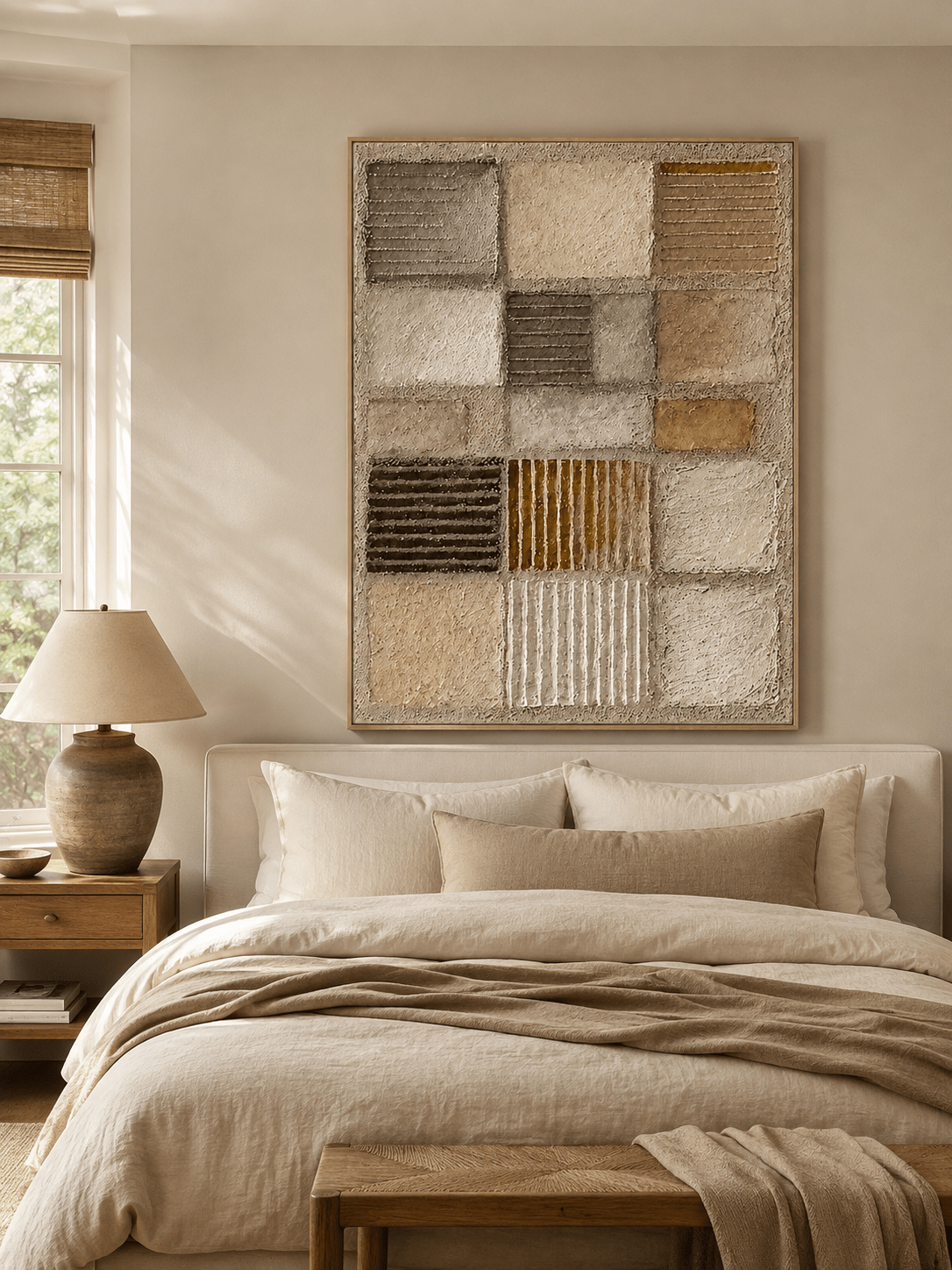
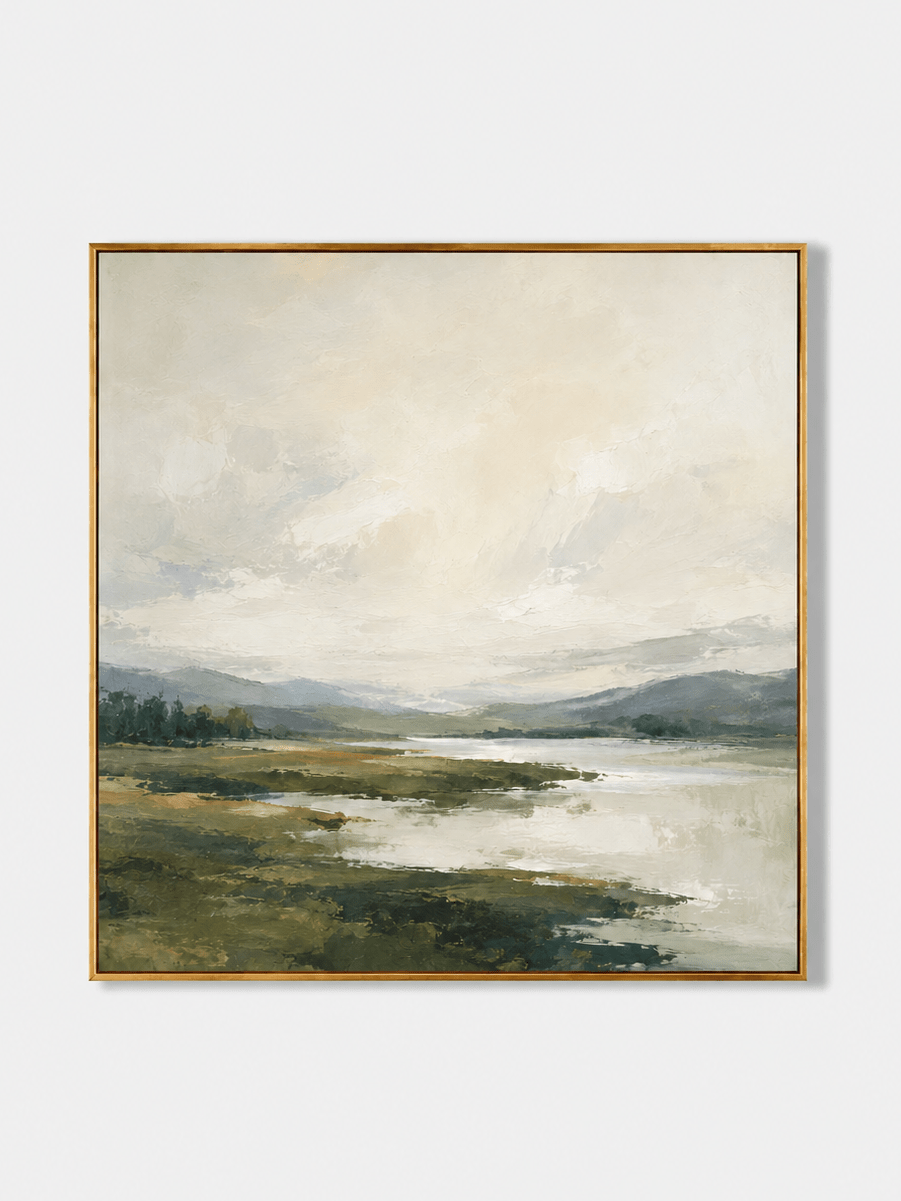
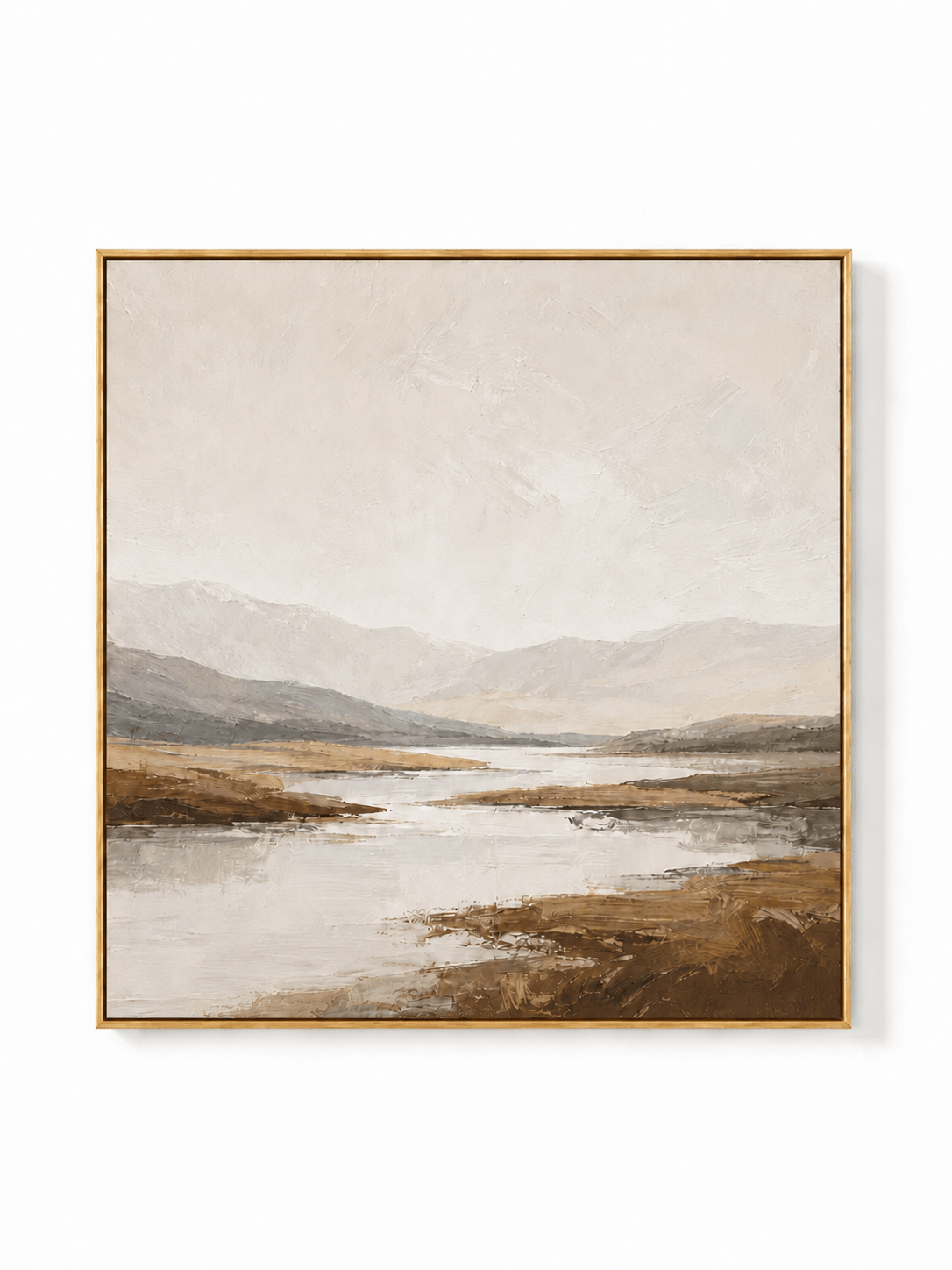
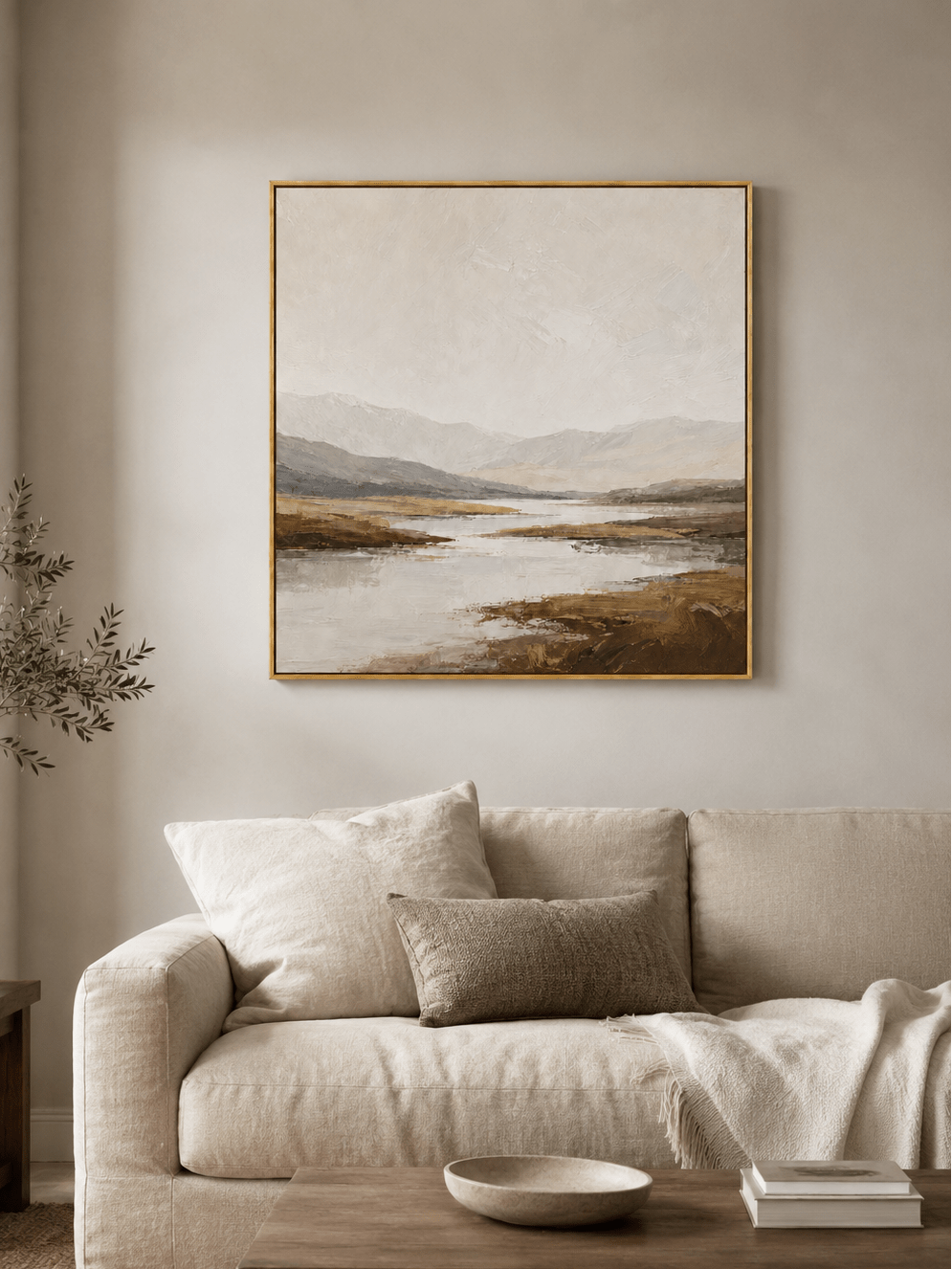
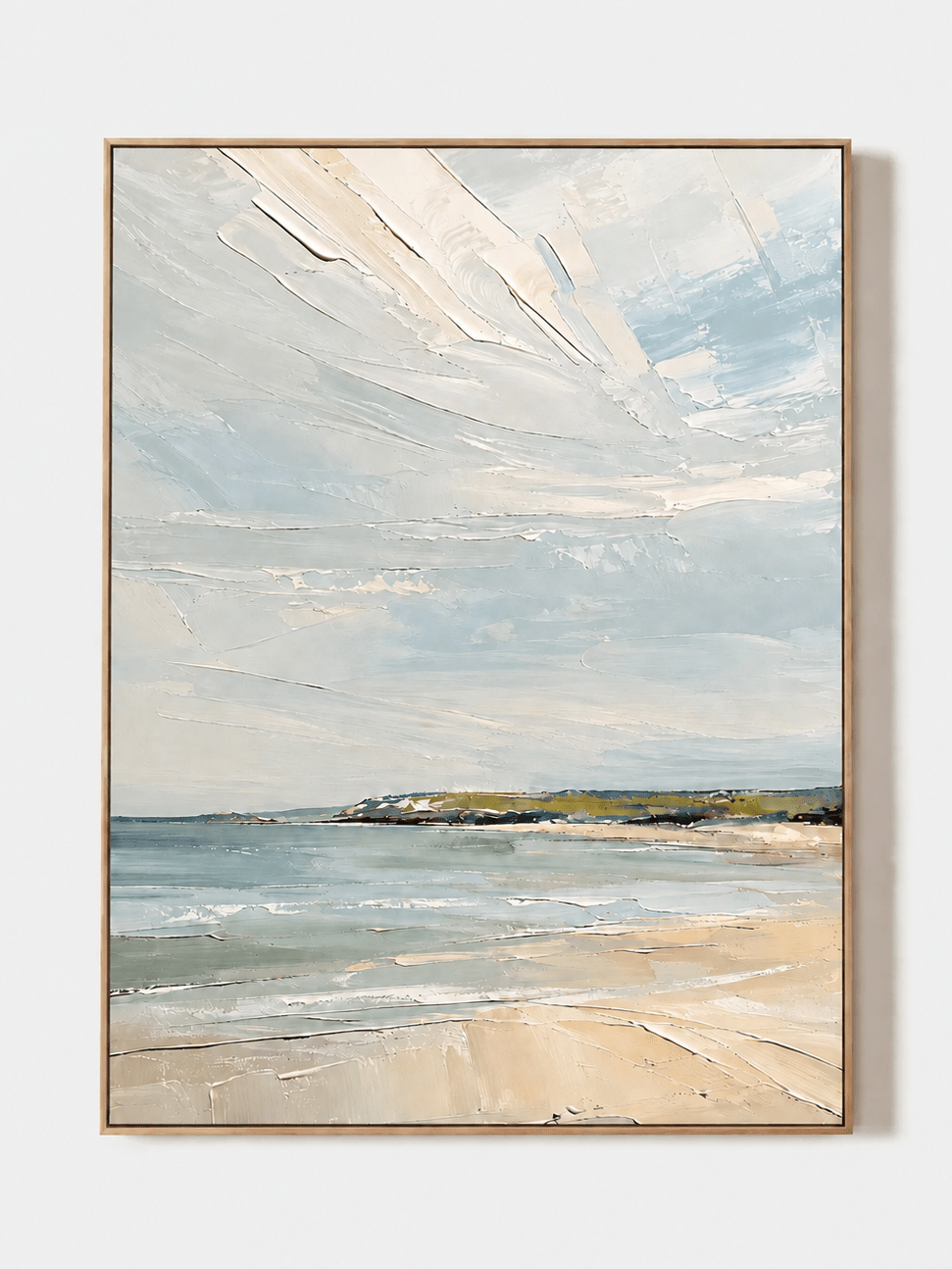
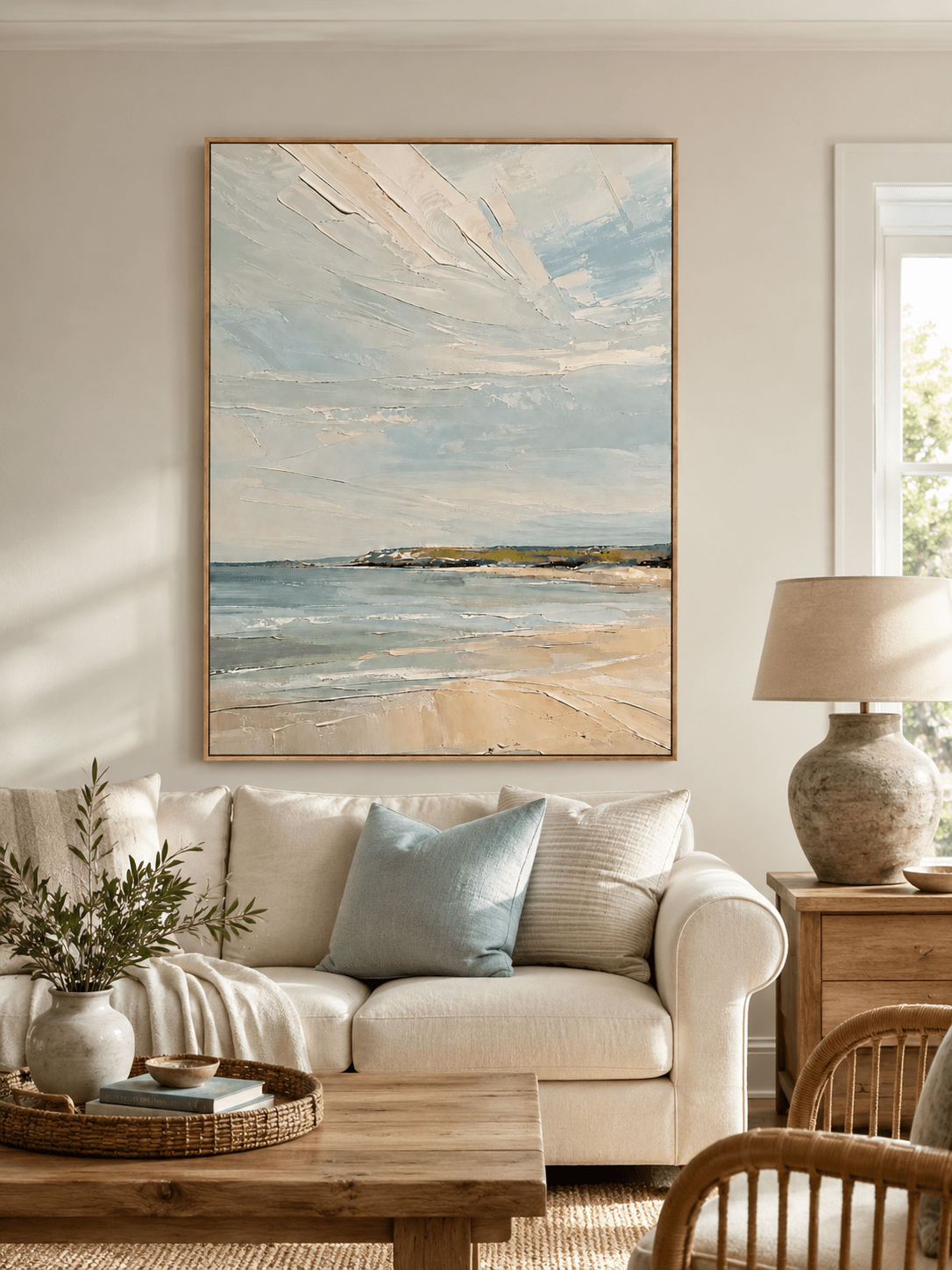
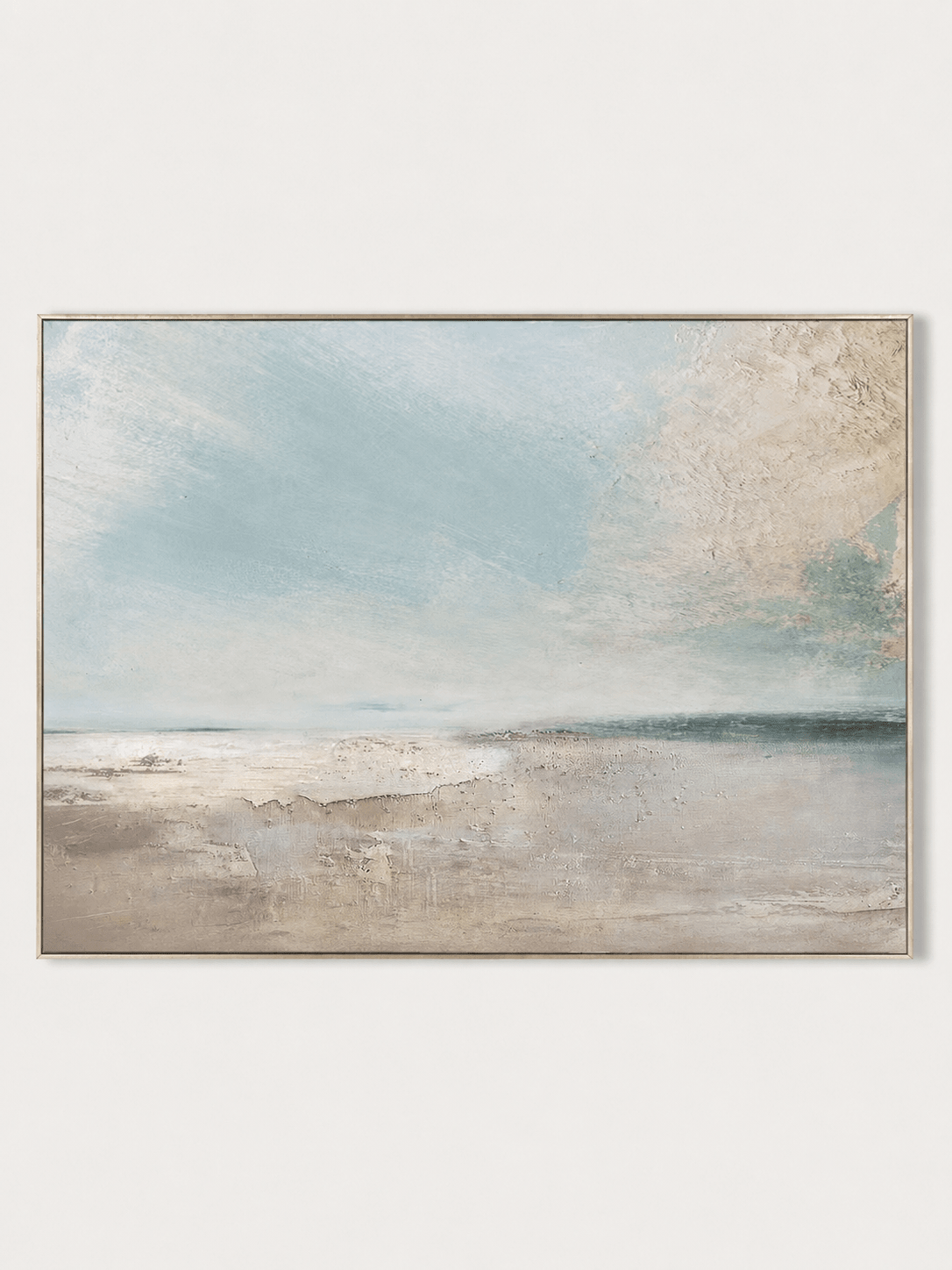
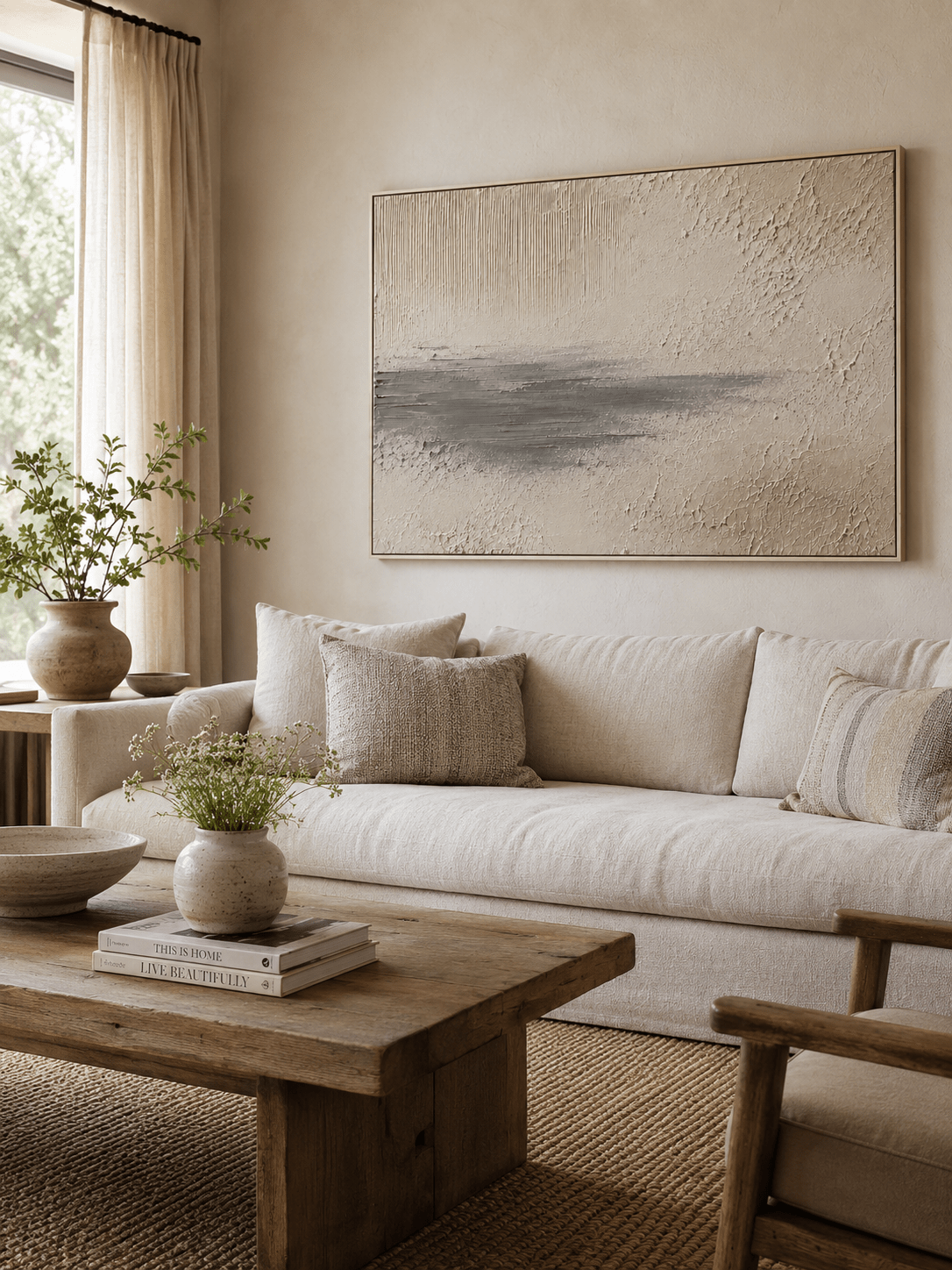
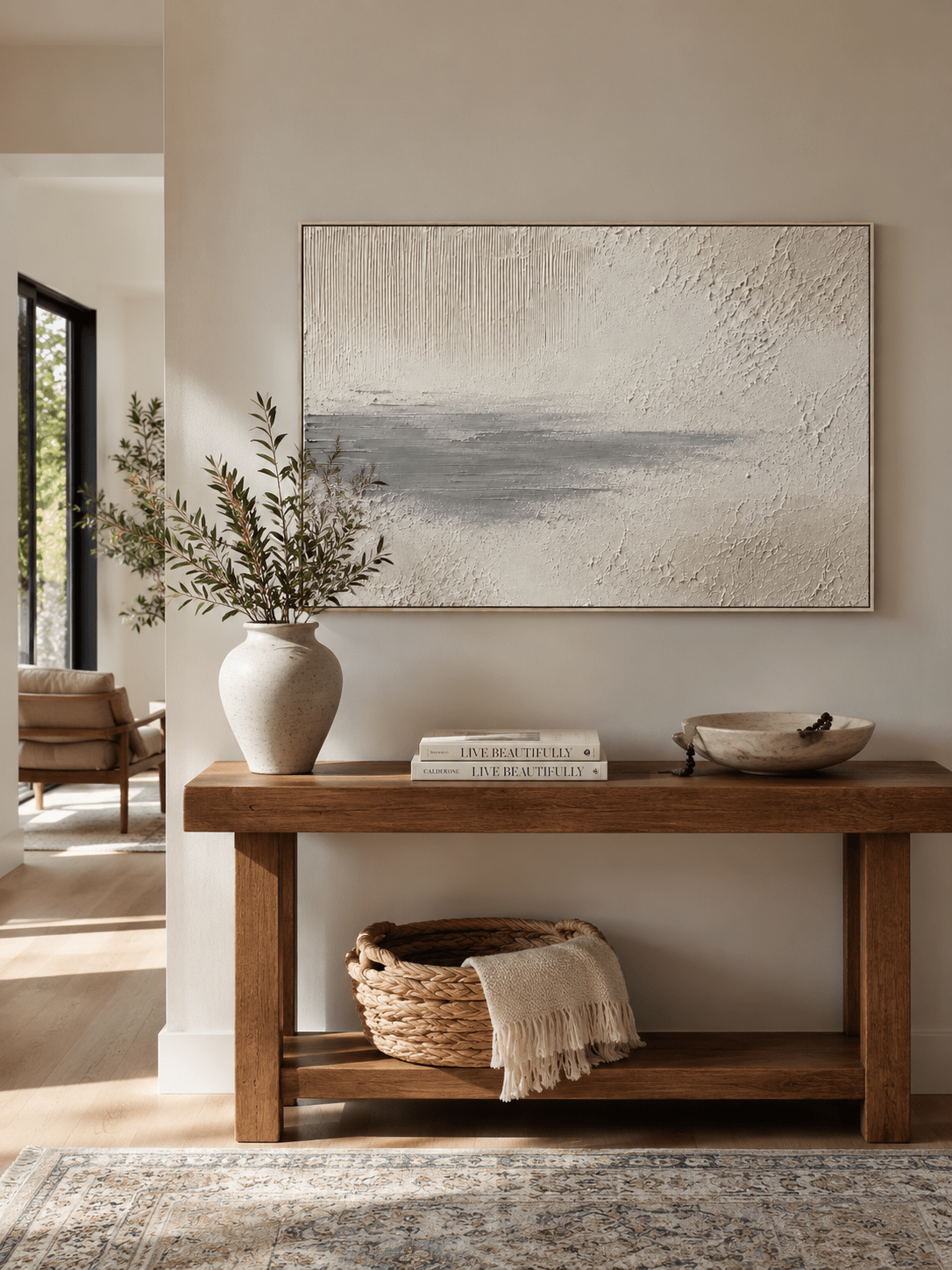
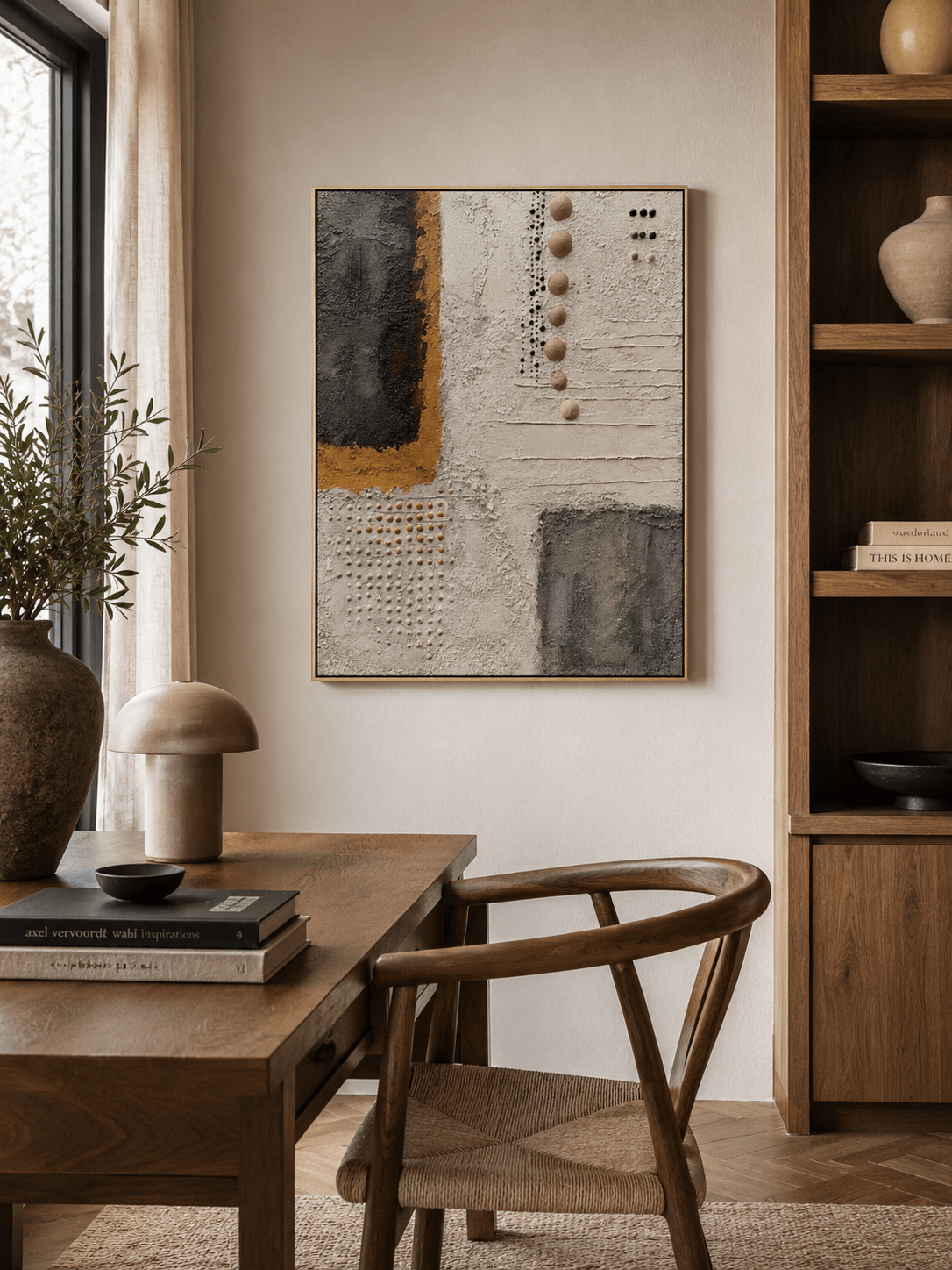
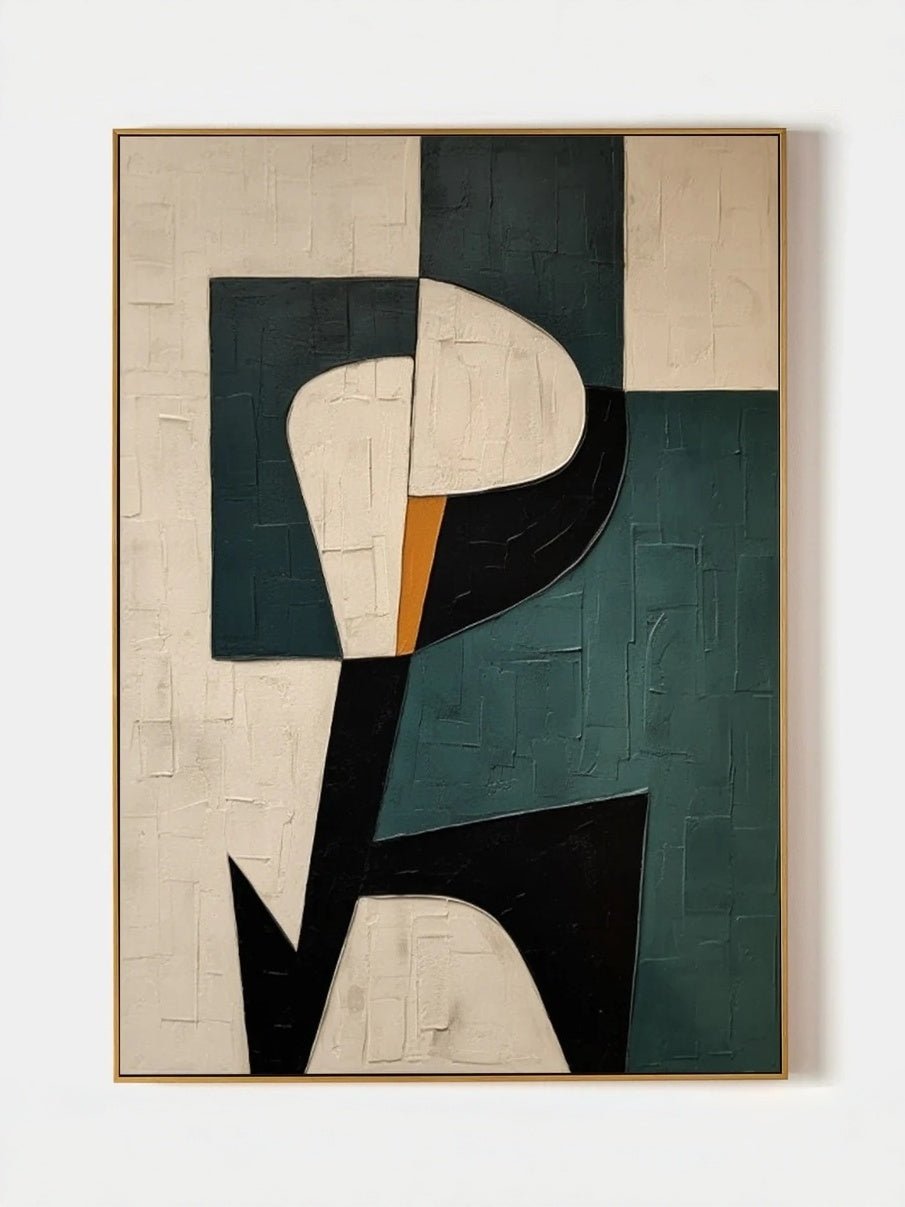
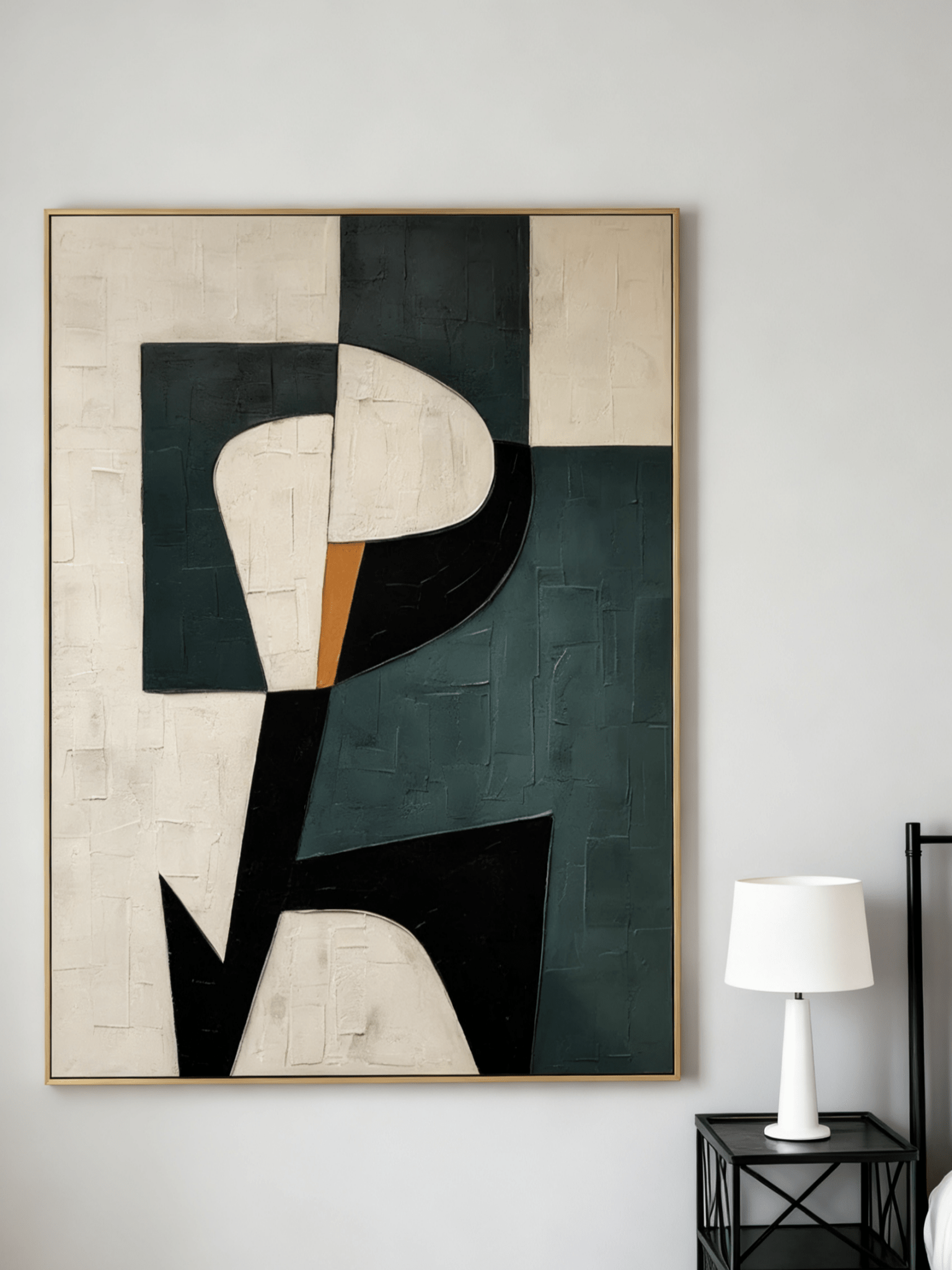
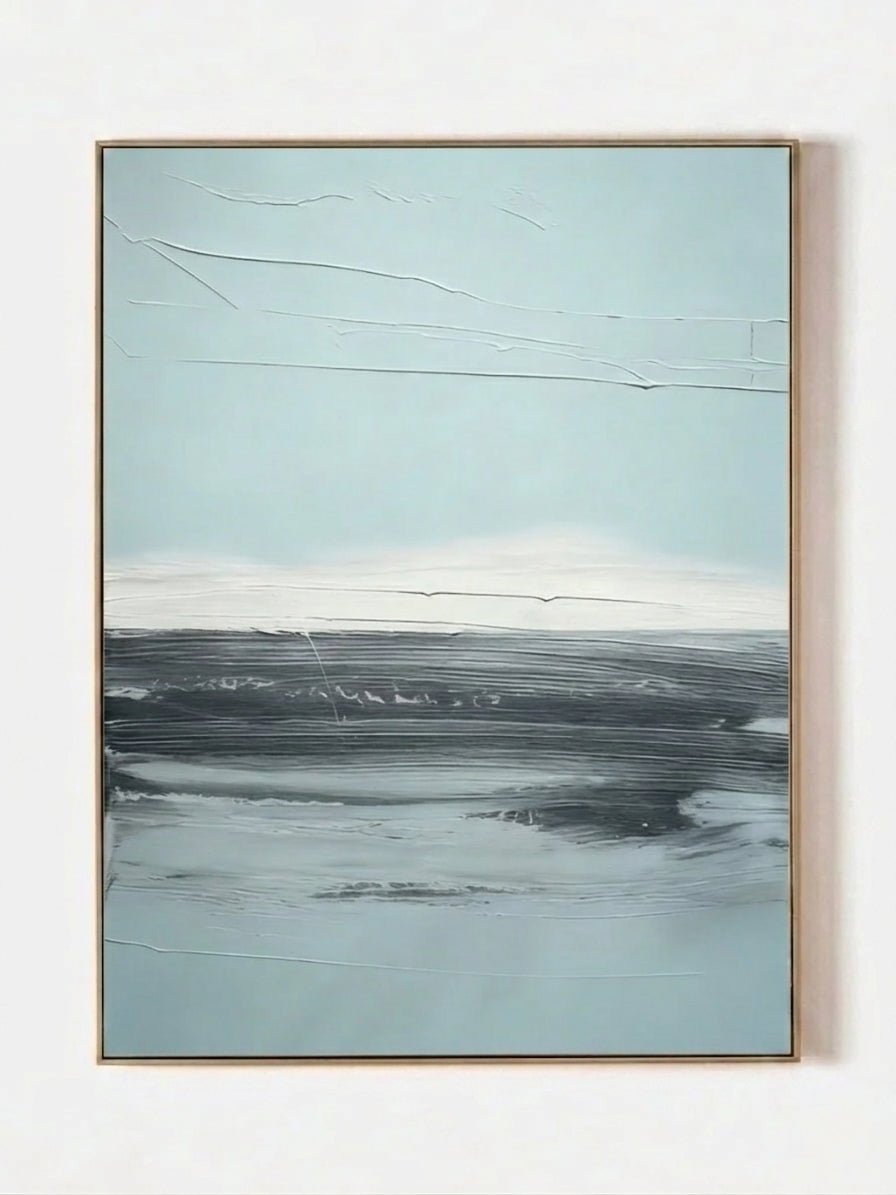
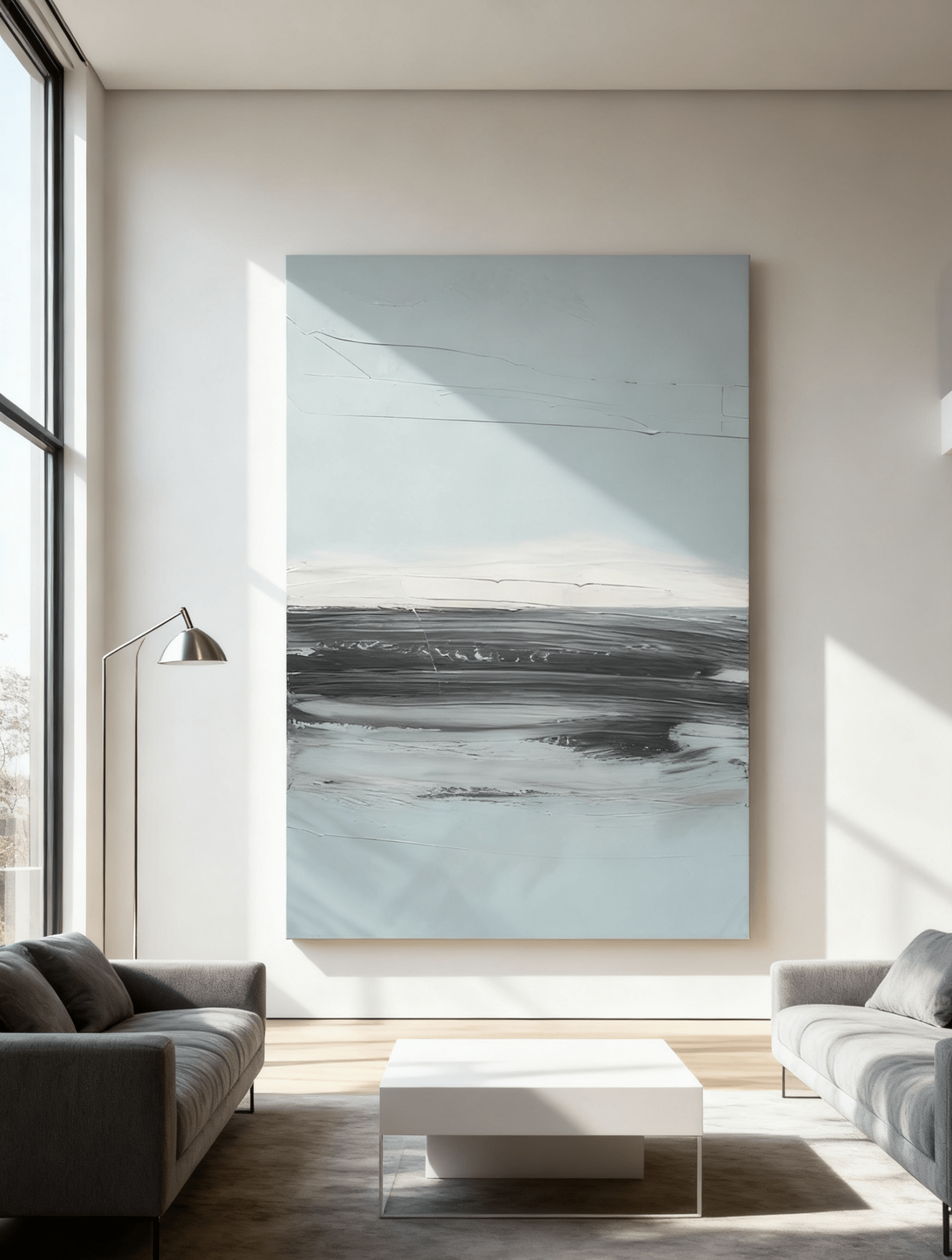
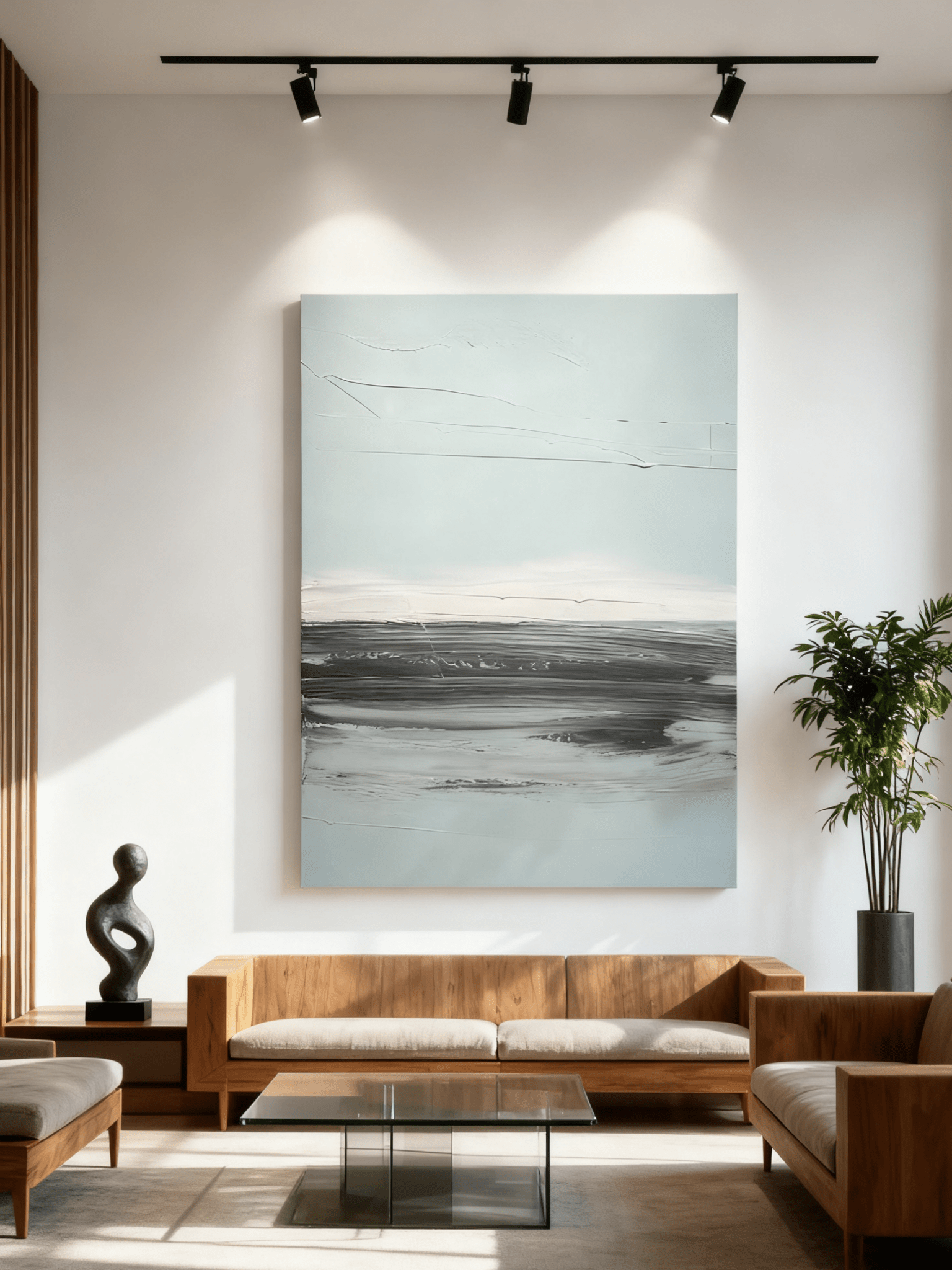
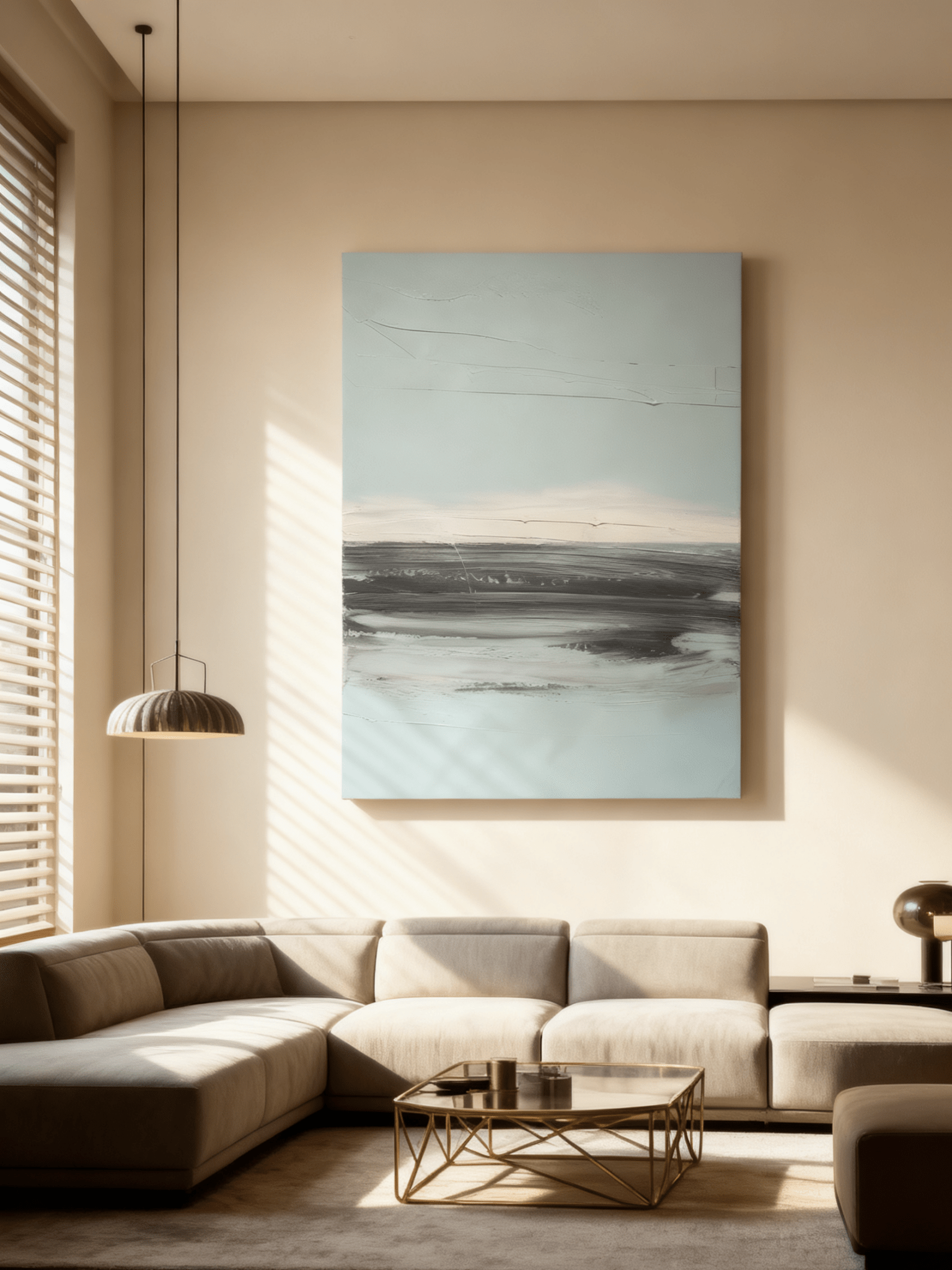
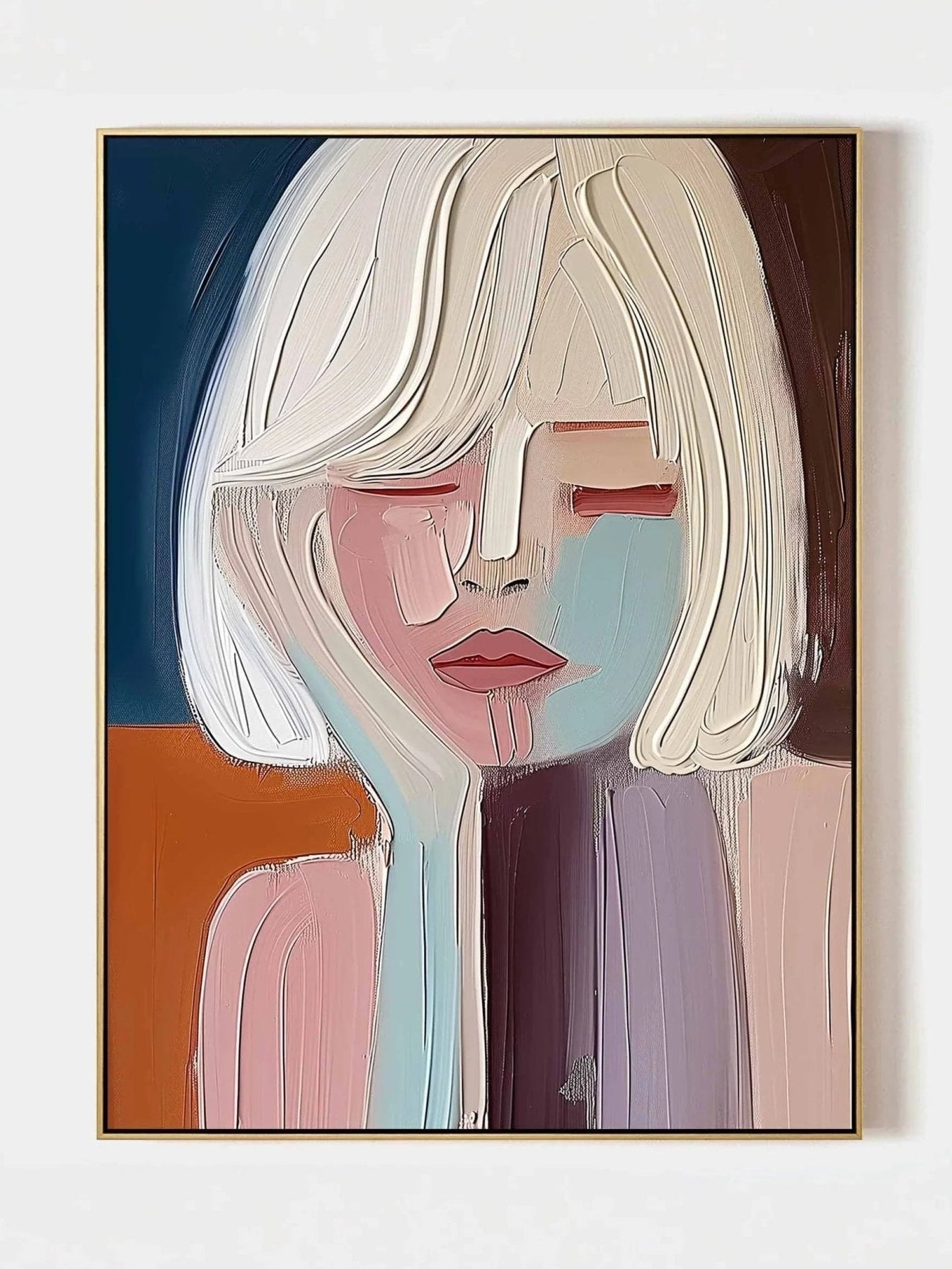
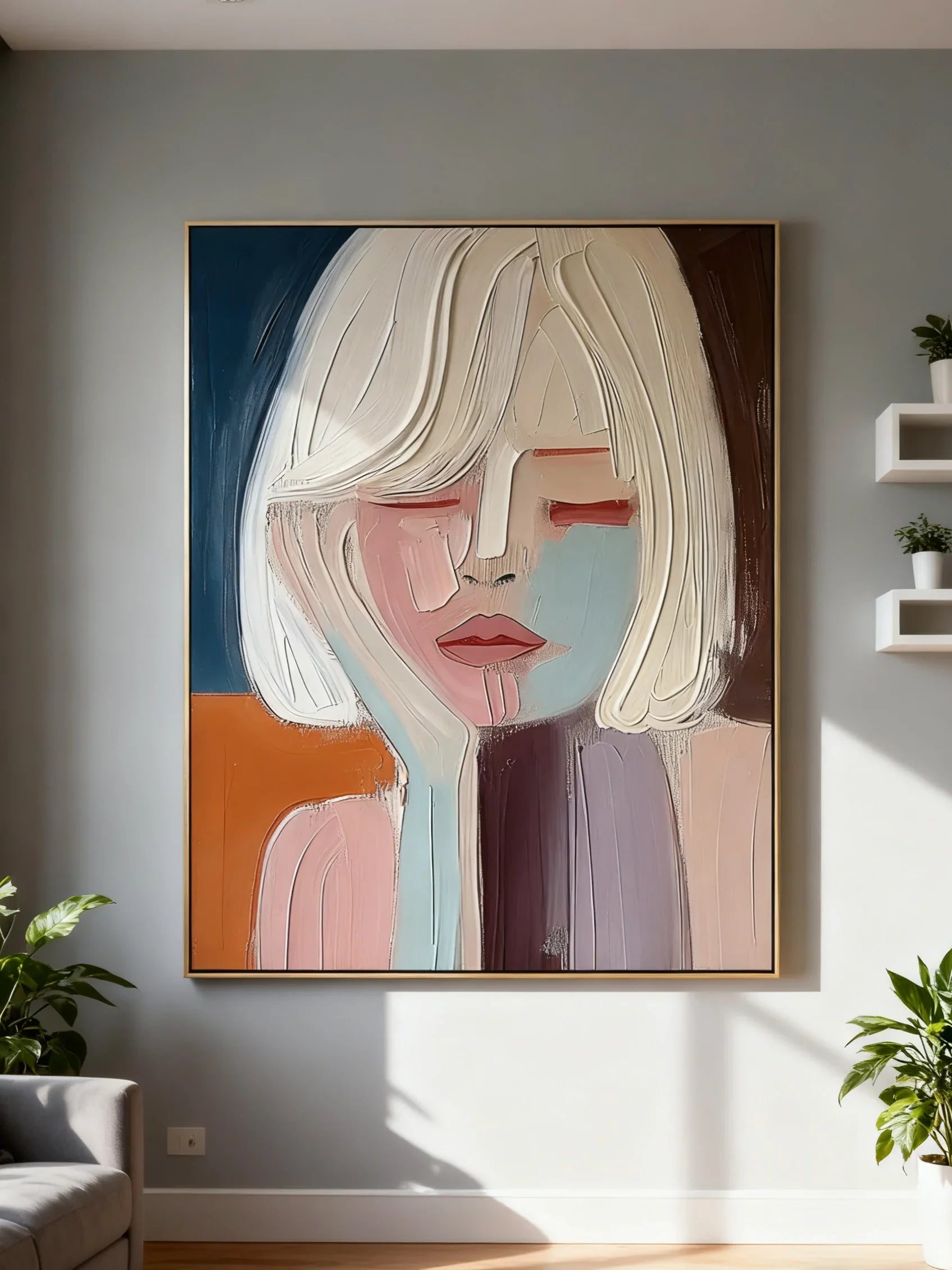
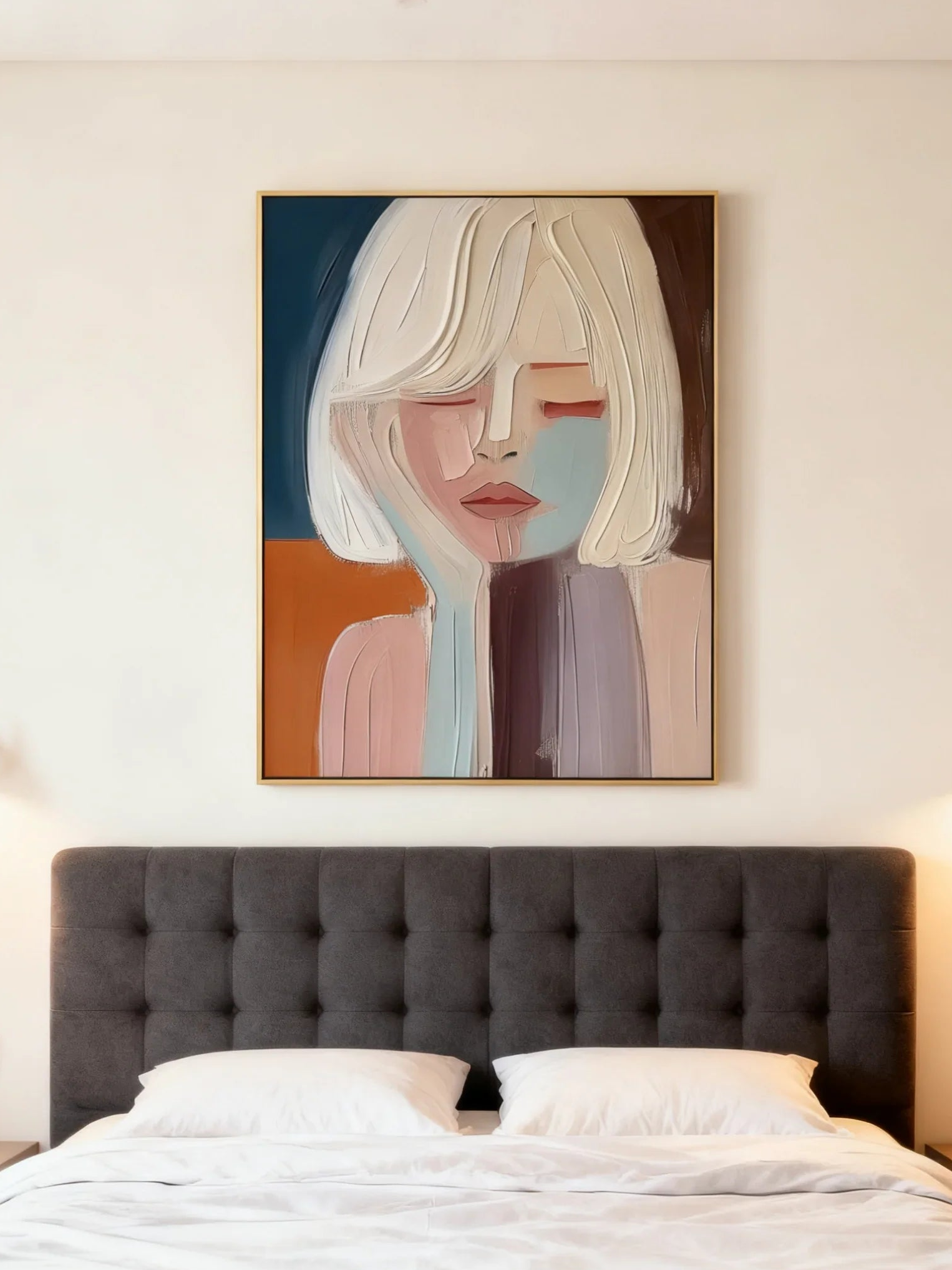
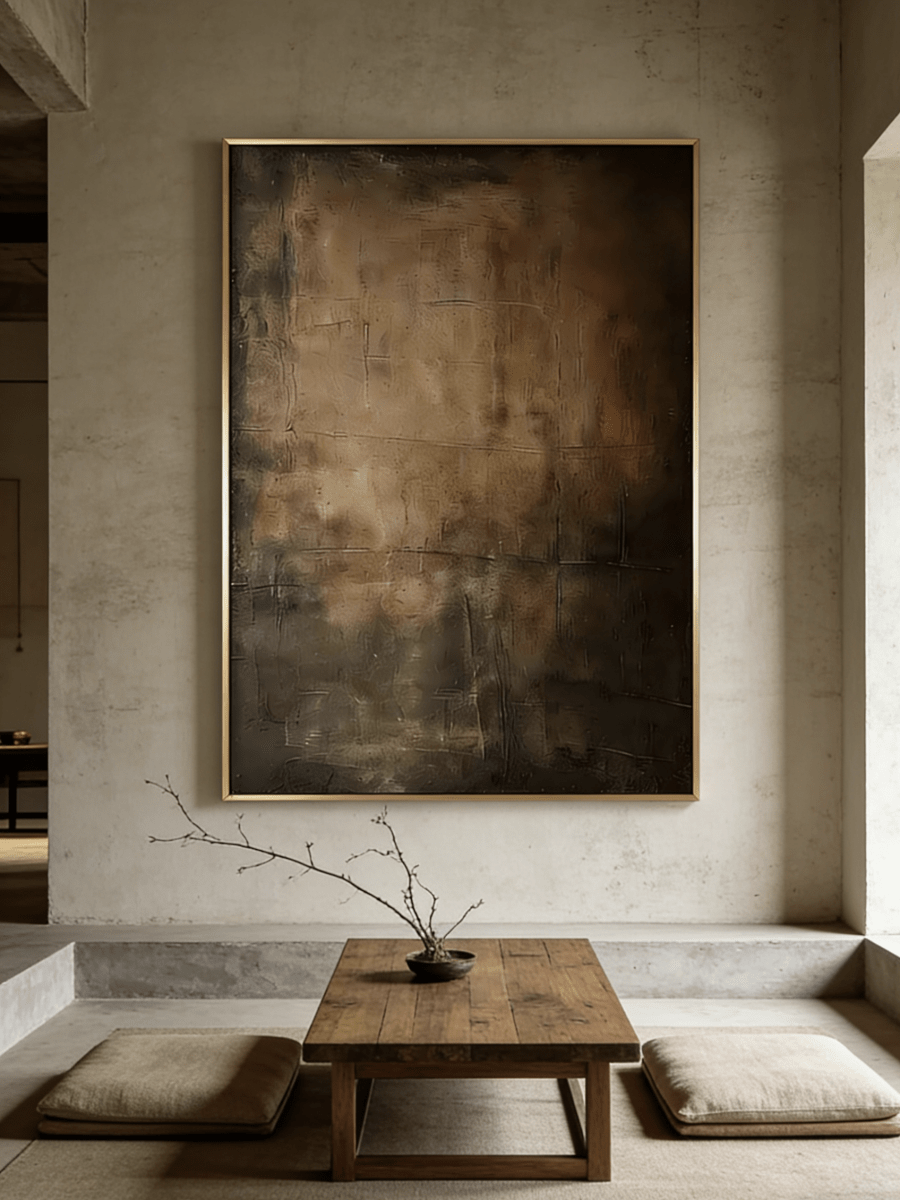
Subtle textured wall art utilizes shallow relief—fine palette-knife passes, scraped plaster fields, brushed lines, or soft organic variations. From across a room, subtle art reads as a serene tonal composition; as you approach, the hand-worked tactile details gradually reveal themselves.

2. Heavy vs Subtle Texture at a Glance
| Decision Factor | Heavy Textured Wall Art | Subtle Textured Wall Art |
|---|---|---|
| Visual Impact | Dominant sculptural focal point; anchors the room | Quiet, supporting layer; creates subtle atmosphere |
| Best Viewing Distance | Medium to long distance (8+ feet) | Close to medium distance (3–8 feet) |
| Lighting Requirements | Thrives in strong directional or side lighting | Works beautifully in soft, ambient, or diffuse light |
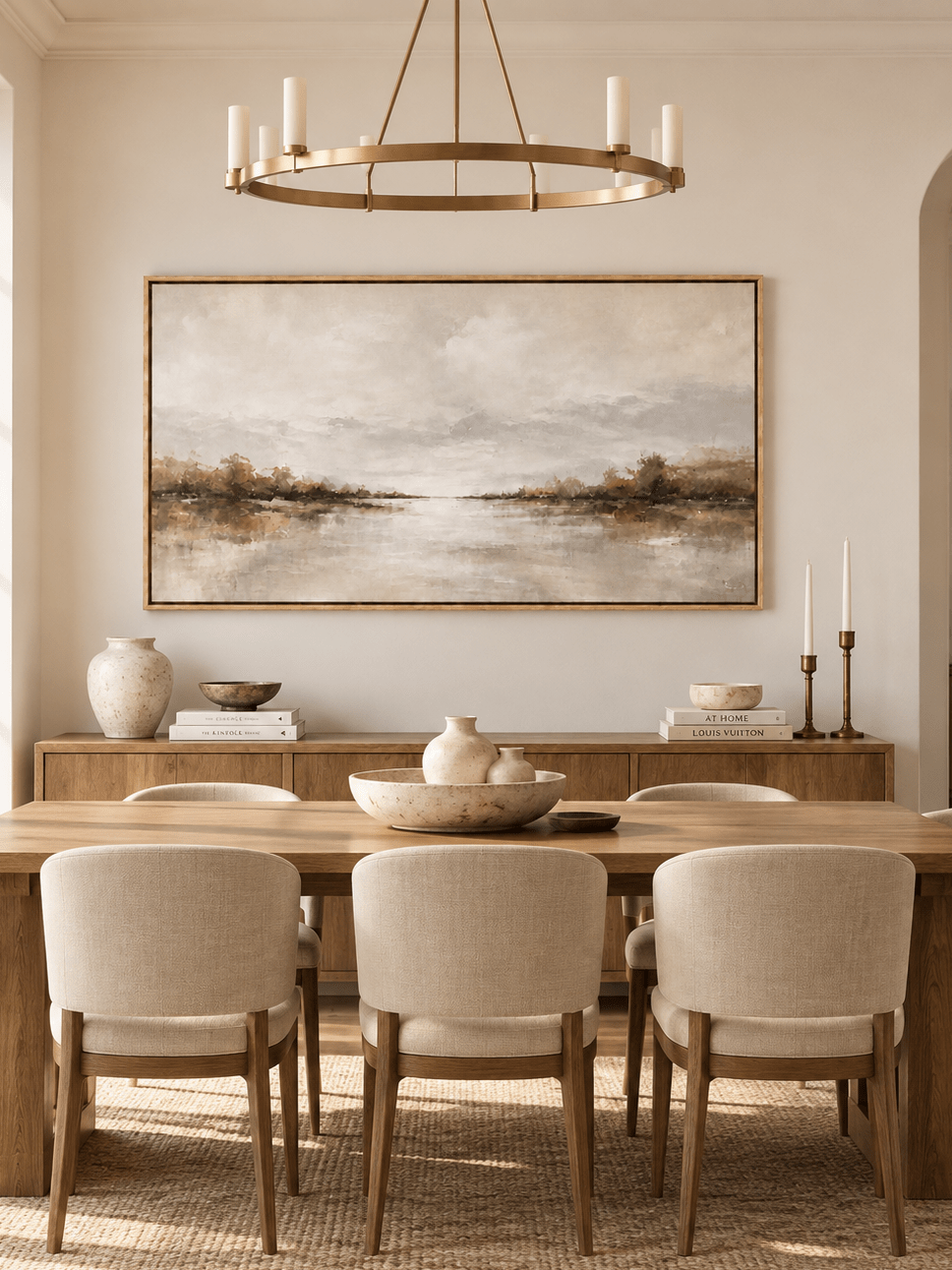
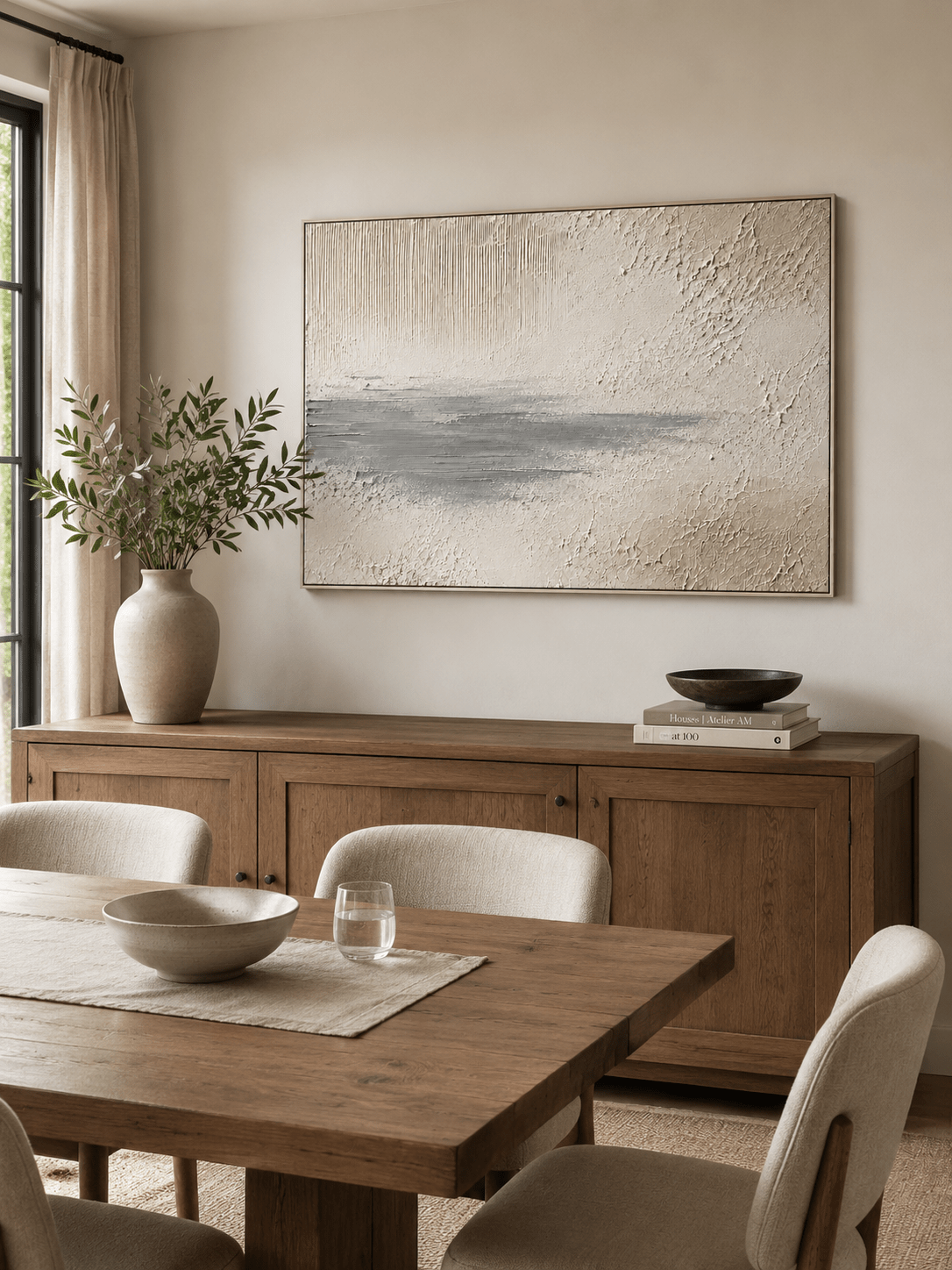
| Best Room Types | Large living rooms, foyers, double-height walls | Bedrooms, home offices, hallways, dining nooks |
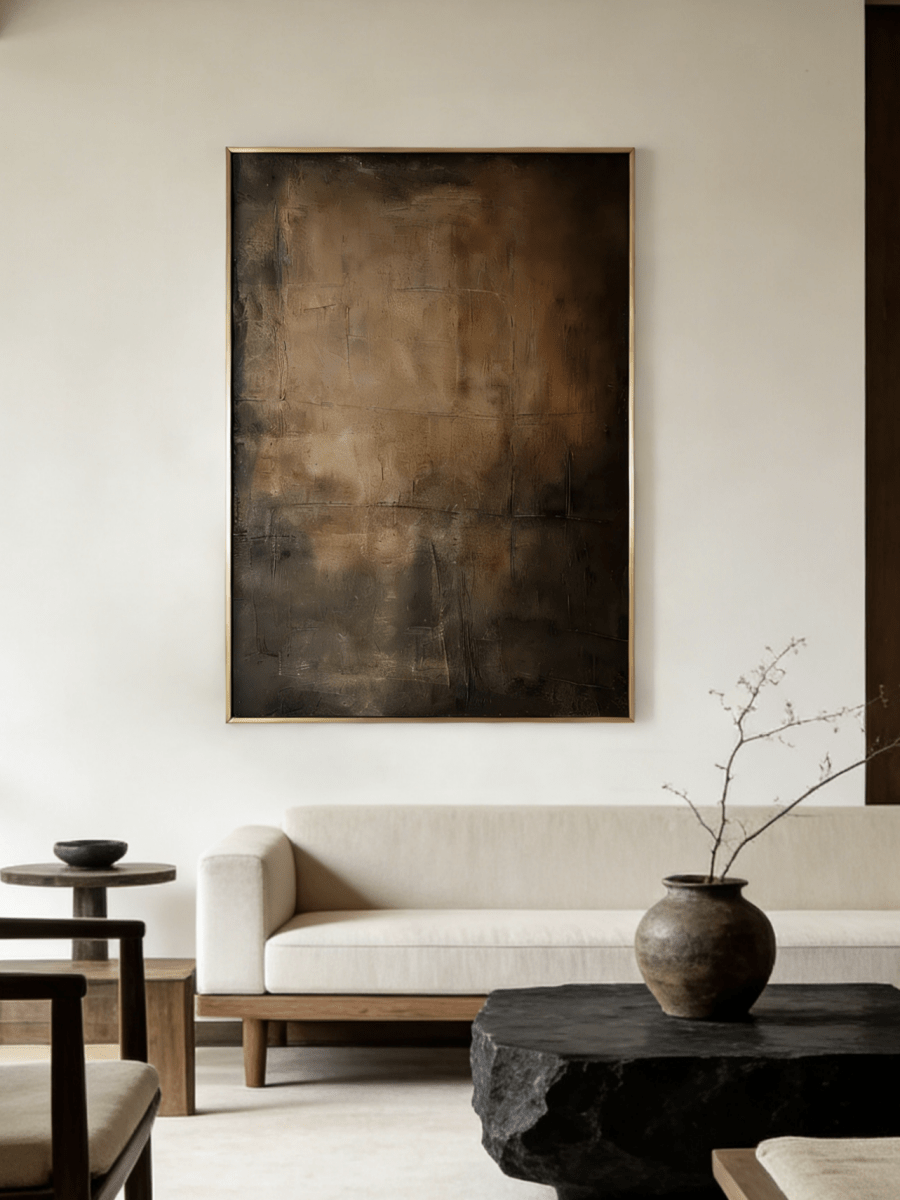
| Surrounding Decor | Pairs best with minimalist, edited furnishings | Pairs easily with complex textures (bouclé, stone) |
| Maintenance | Requires gentle dusting in deep ridges | Easy, low-maintenance surface cleaning |

3. Matching Texture Depth to Room Size & Viewing Distance
Texture is fundamentally tied to human scale and distance. A shallow scraped canvas can feel captivating at a conversational distance of four feet, but may appear completely flat from fifteen feet away. Conversely, deep 3D impasto maintains its visual structure even from across an open-concept living area.
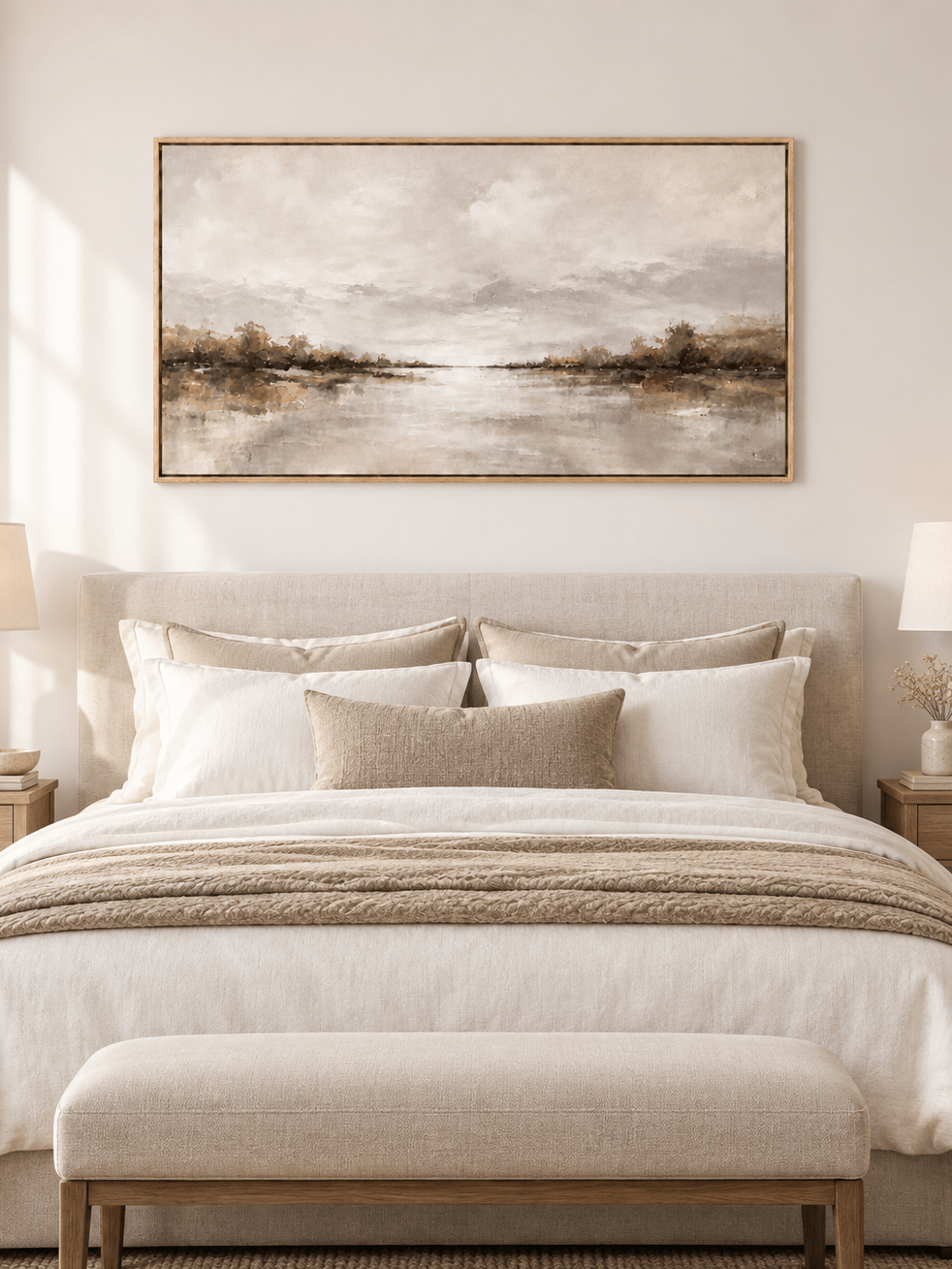
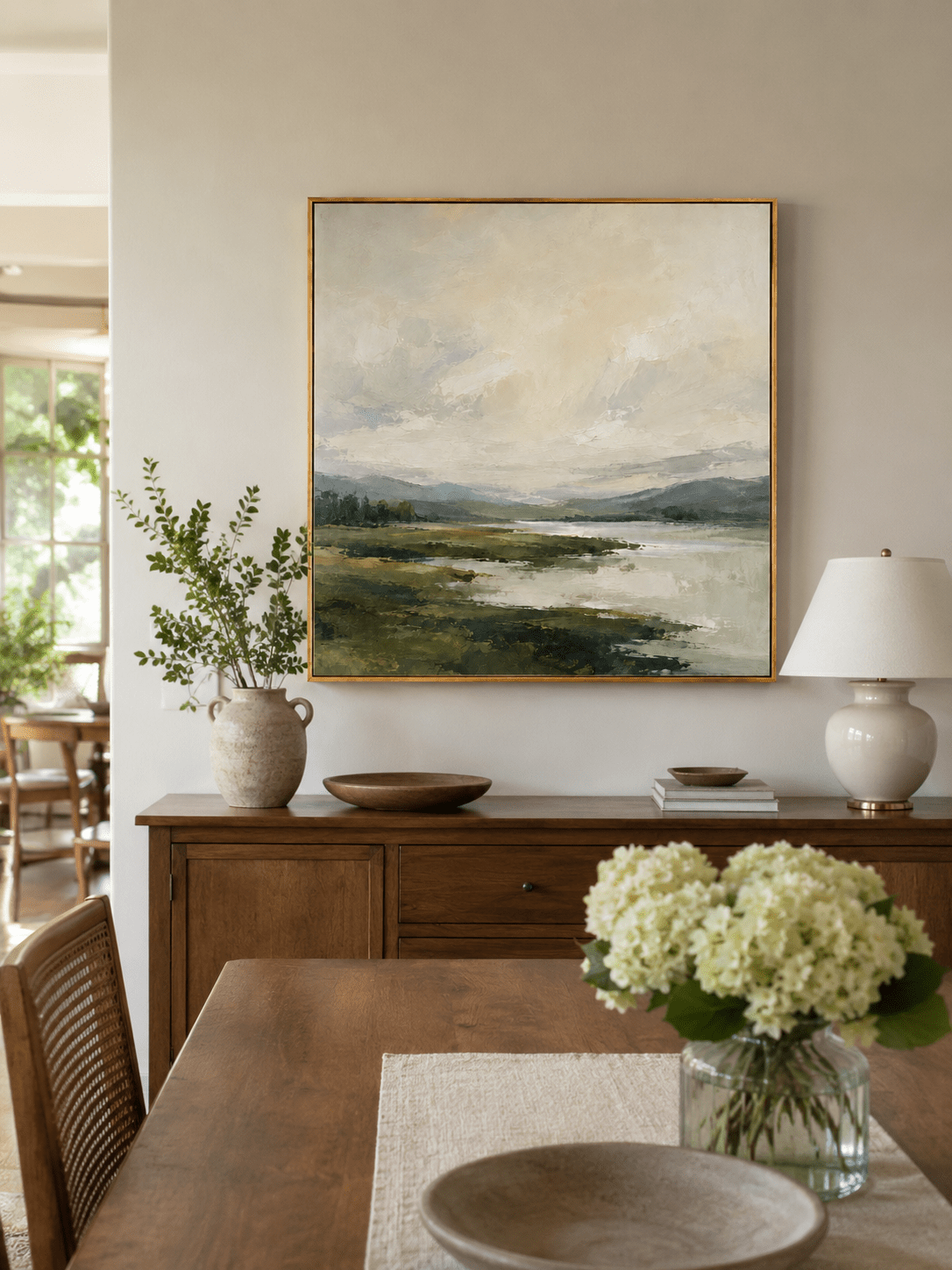
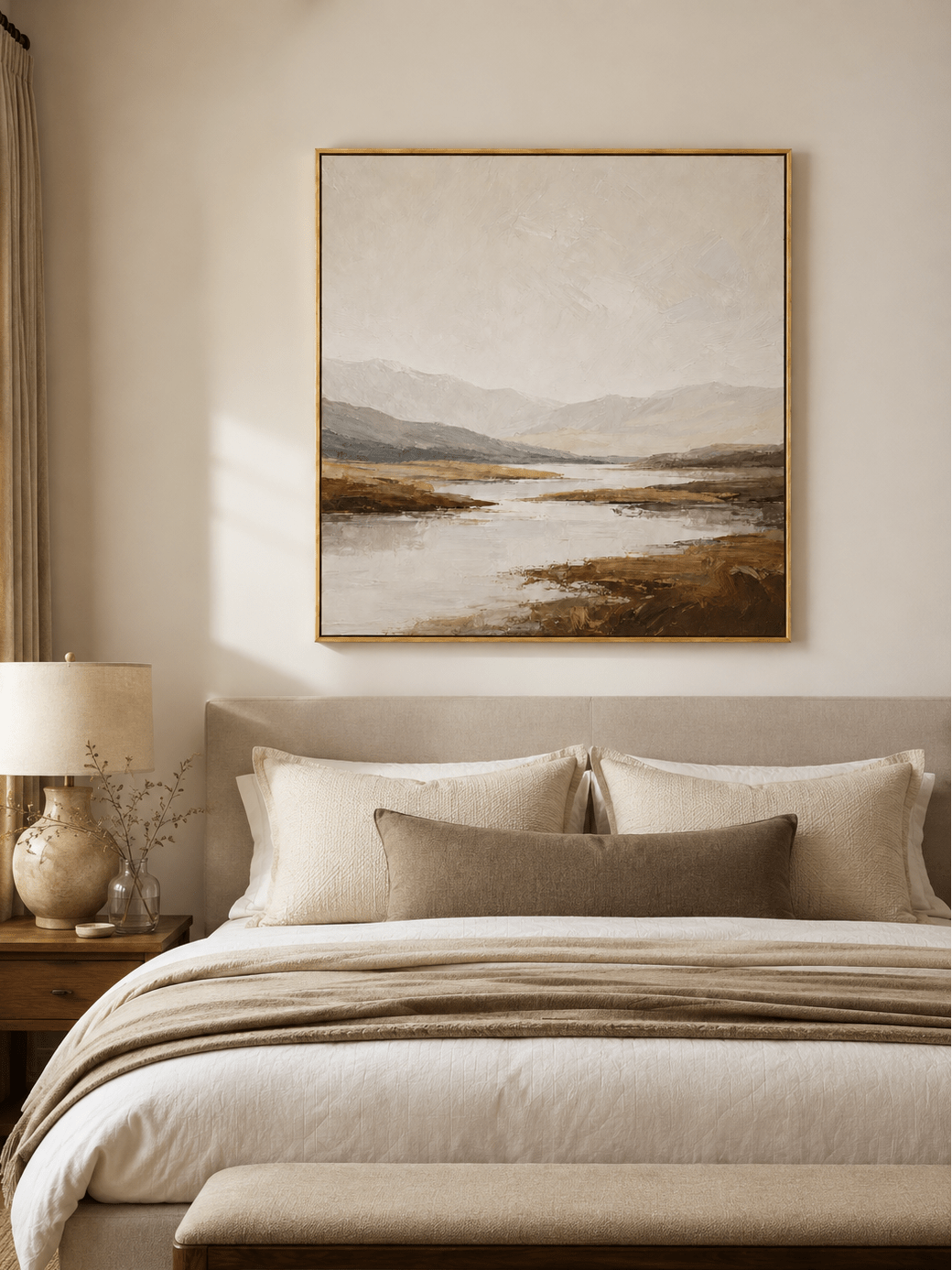
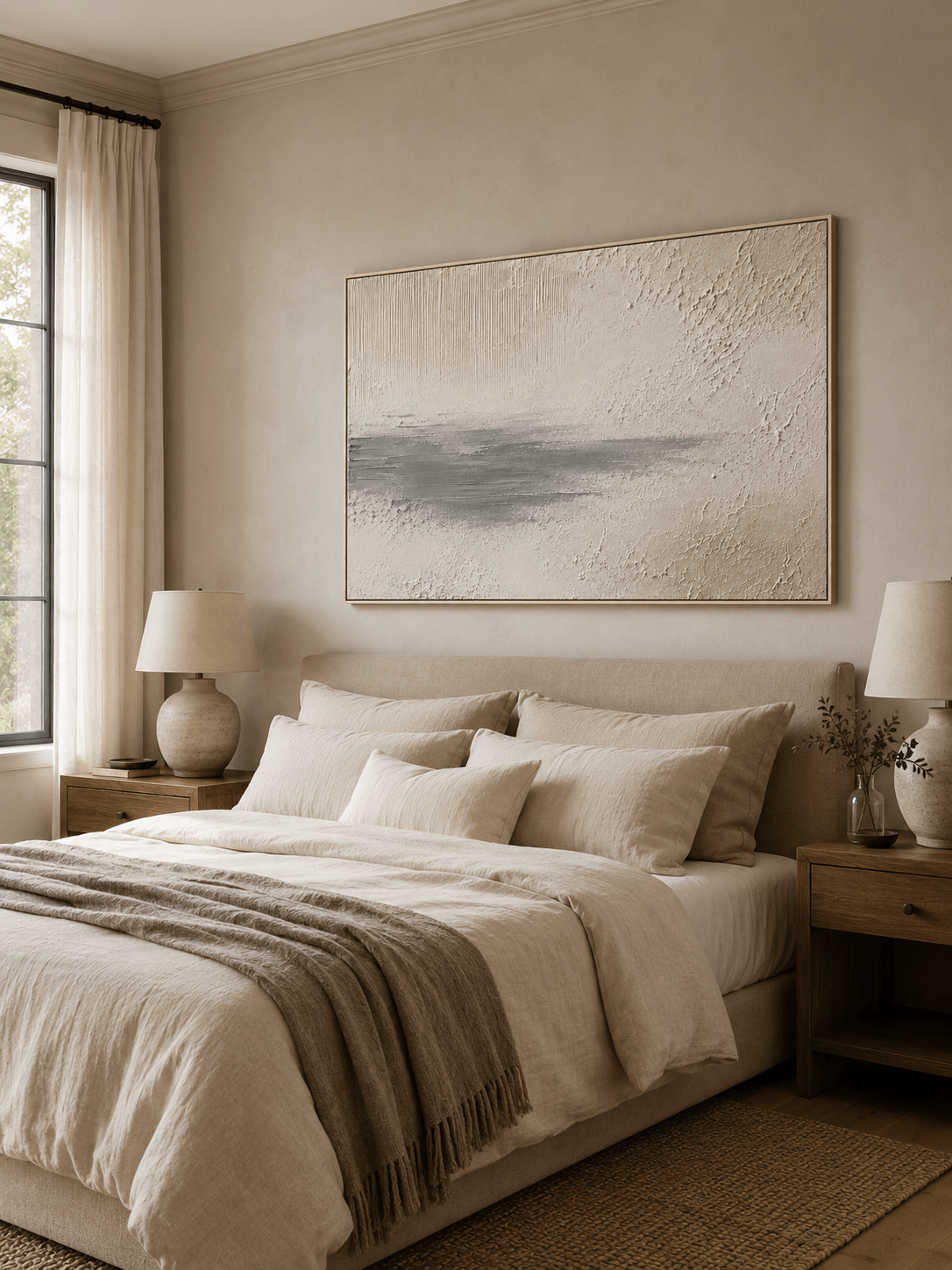
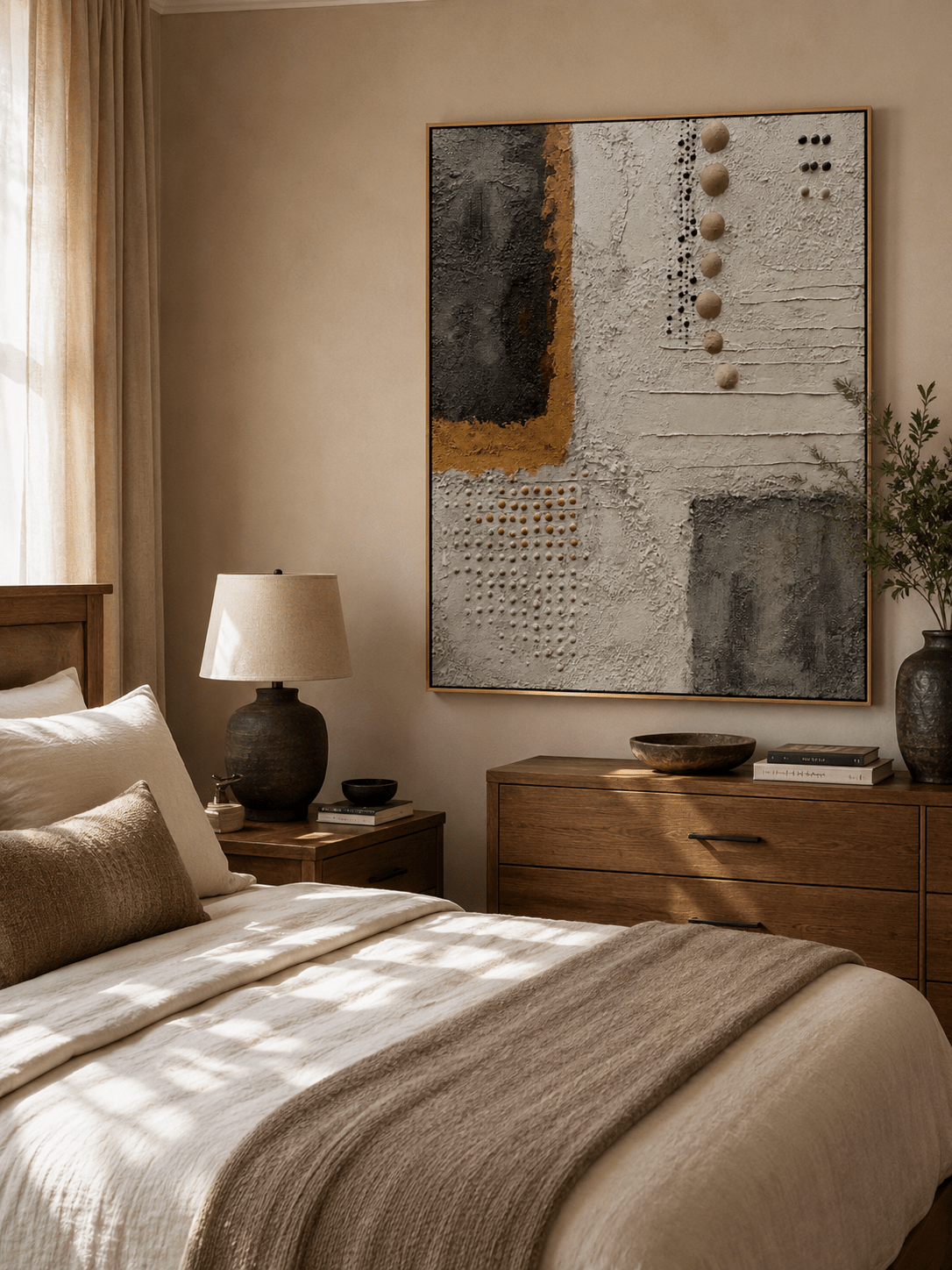
- Compact Spaces (Bedrooms, Offices, Narrow Hallways): Opt for subtle texture. In smaller spaces, heavy relief can feel visually intrusive or overcrowded.
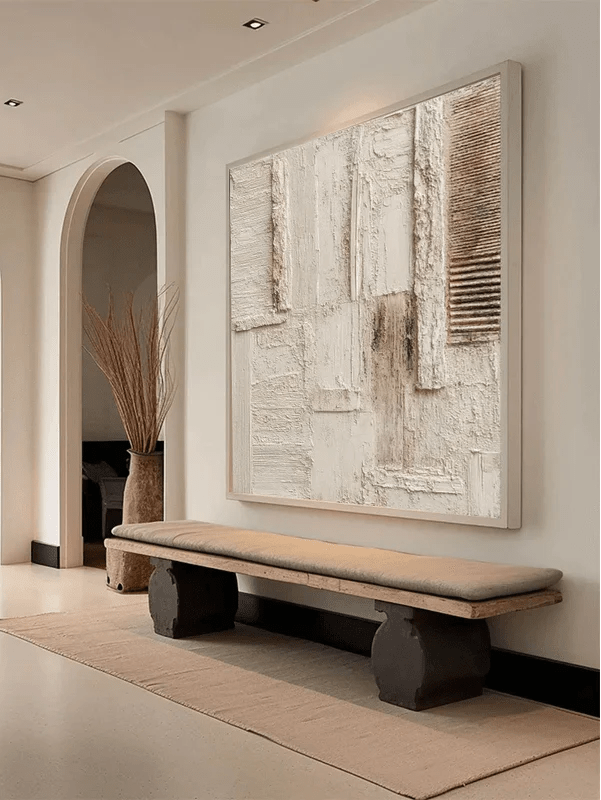
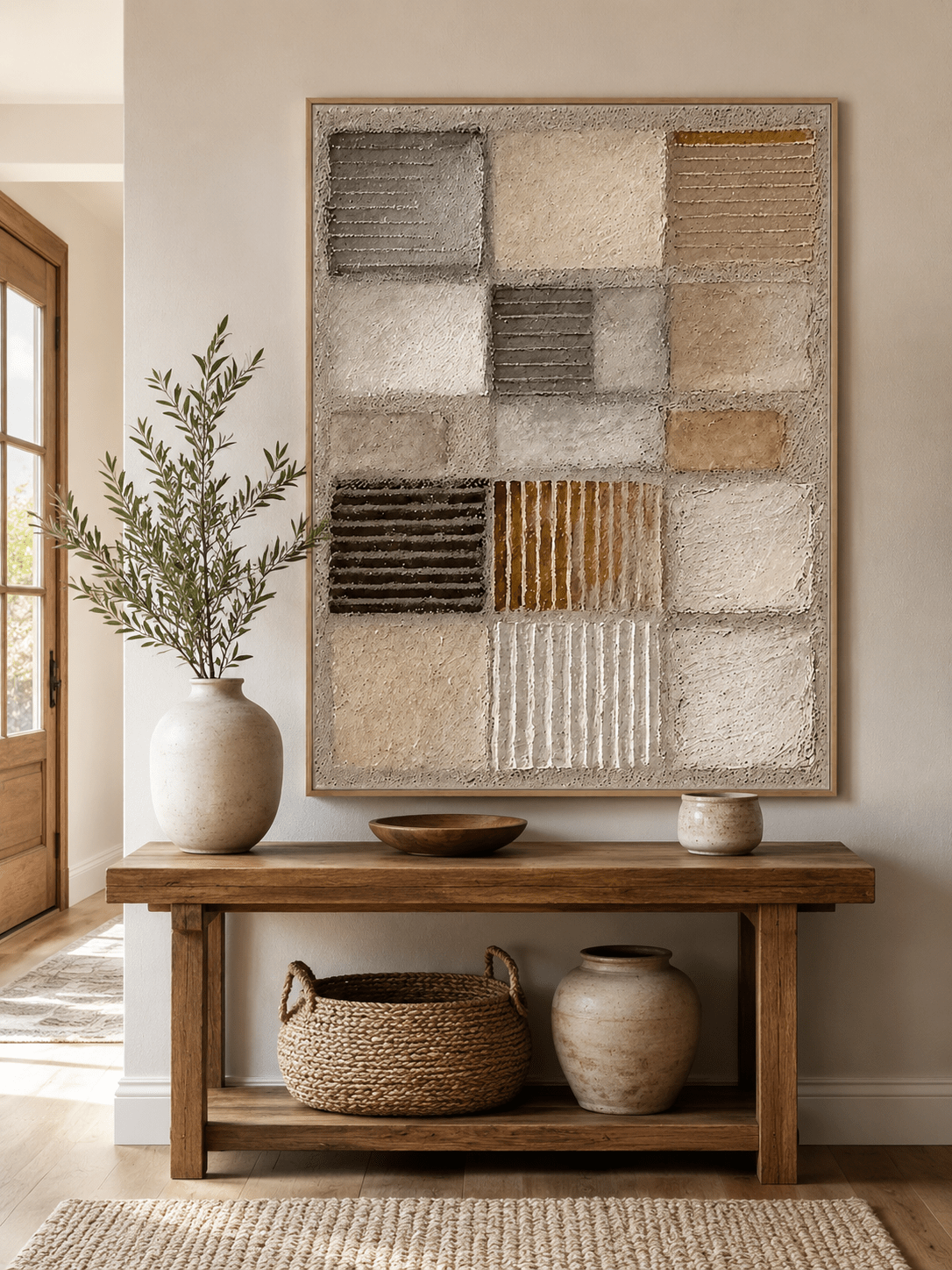
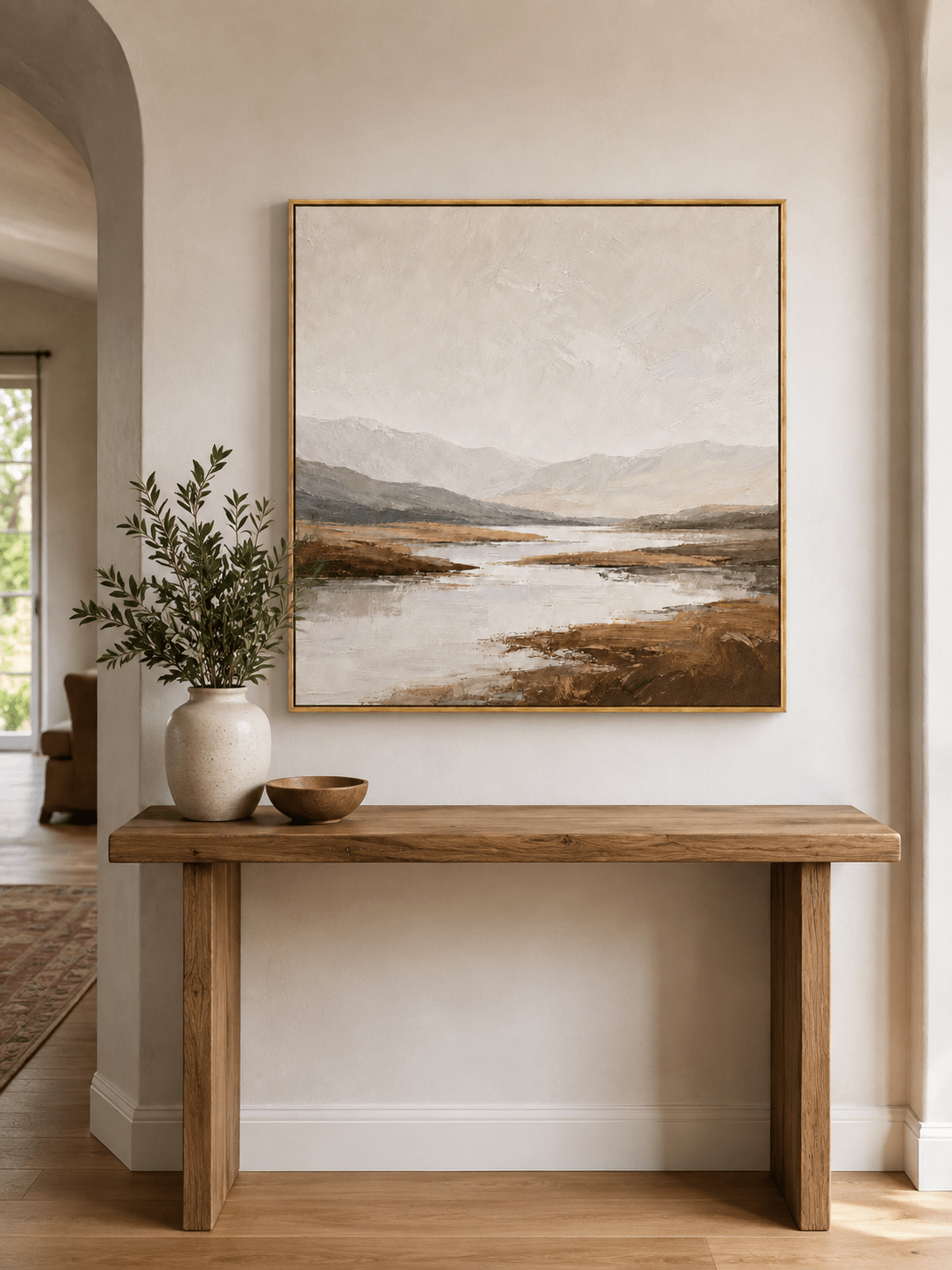
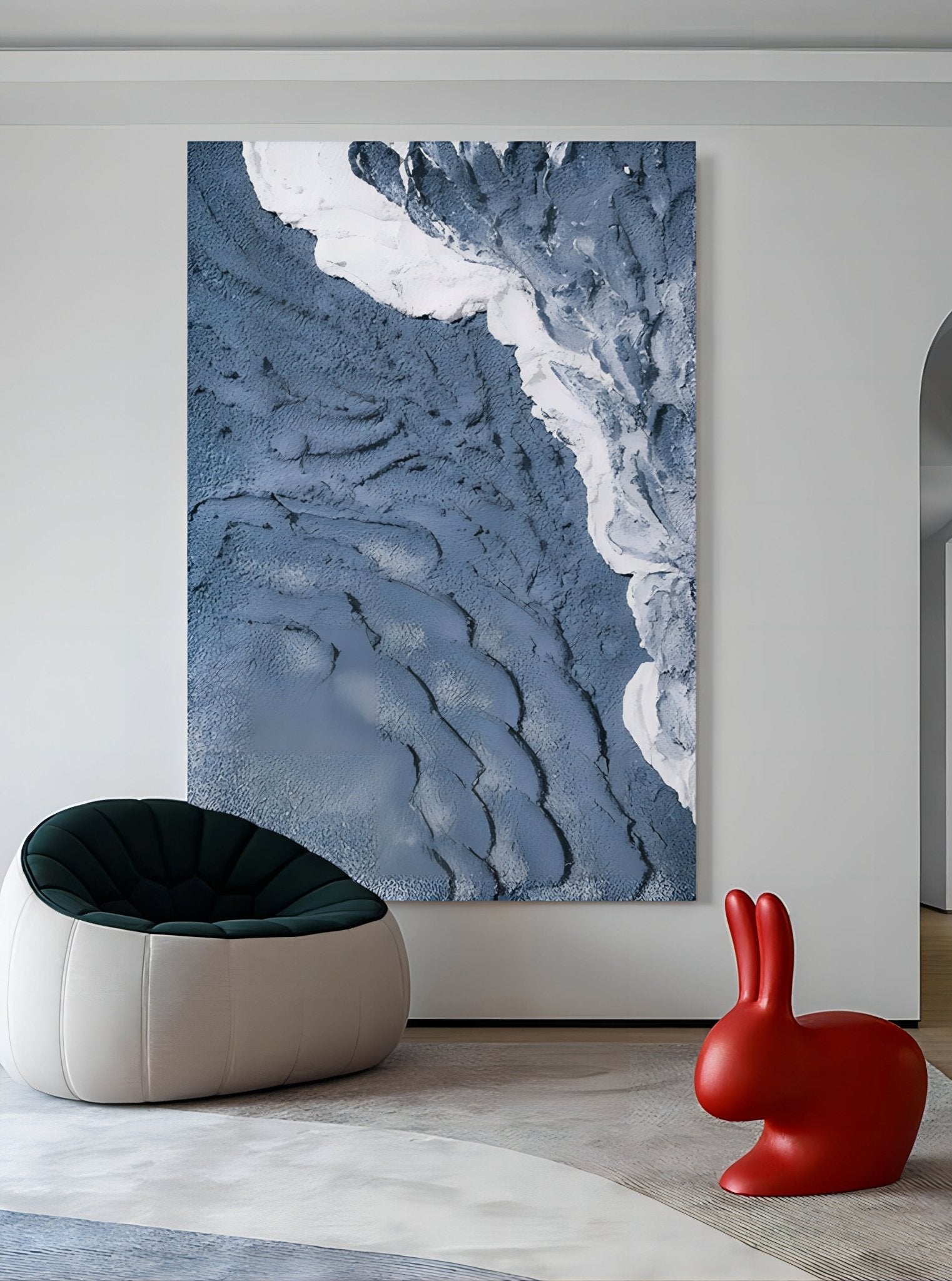
- Spacious Areas (Great Rooms, Open-Plan Living, Entryways): Opt for heavy texture. Bold 3D relief keeps large walls from looking cold or empty.
4. How Lighting Dictates Texture Selection
Light is what breathes life into textured art. Because physical relief relies on highlights and shadow cast, your room's lighting plays a crucial role in your choice:
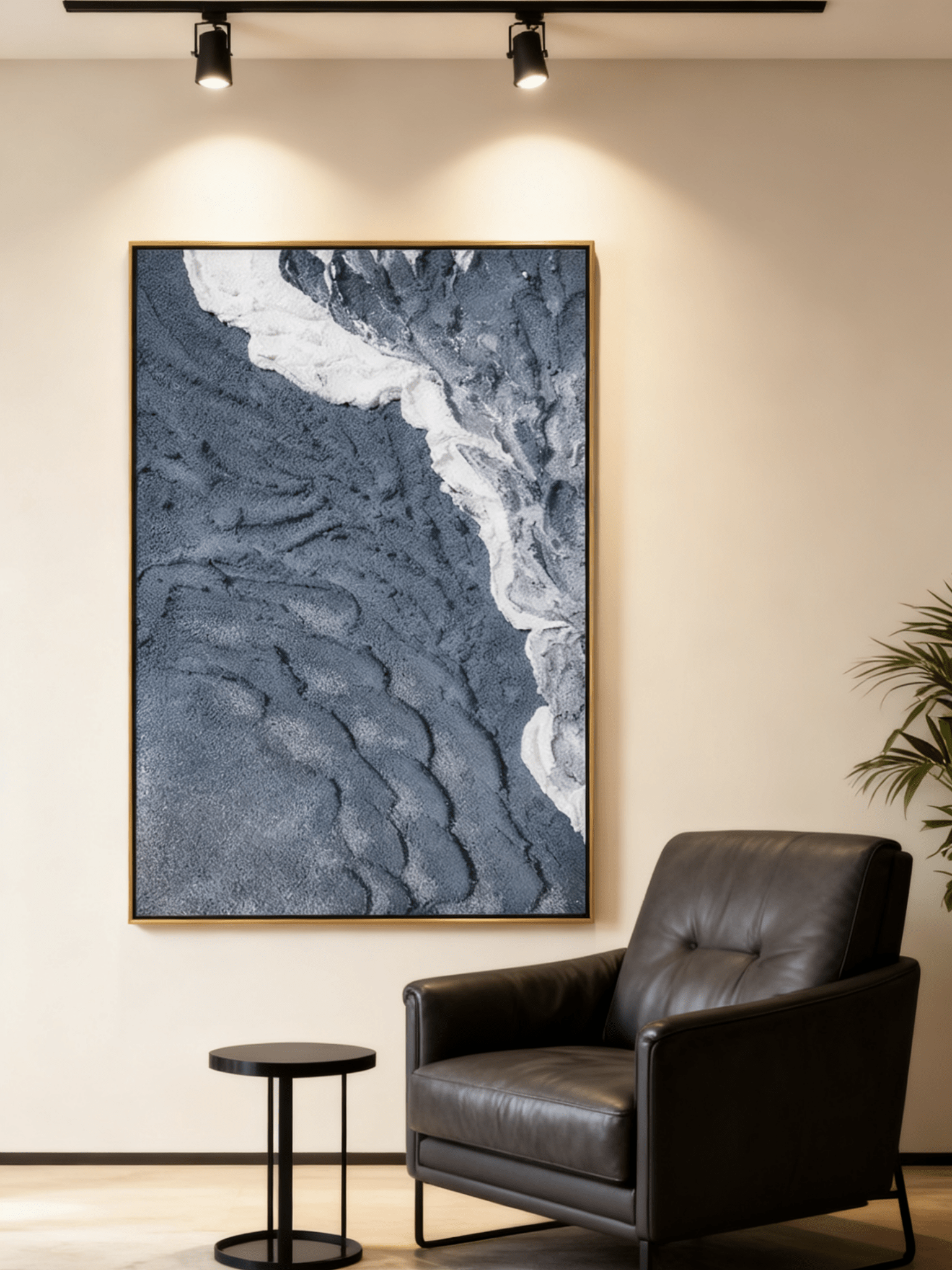
- Natural Side Light & Accent Lighting: If your wall receives strong side daylight or has installed picture lights/ceiling spotlights, heavy texture will flourish, creating dynamic shadow shifts throughout the day. (Read our guide: How to Light Textured Wall Art Without Flattening It).
- Soft Ambient Light: If your room relies on indirect overhead lighting or soft lamps, subtle texture is more forgiving and avoids harsh, unintended shadow blotches.

5. Pairing Texture with Natural Materials
| Interior Material Palette | Recommended Texture Level | Styling Rationale |
|---|---|---|
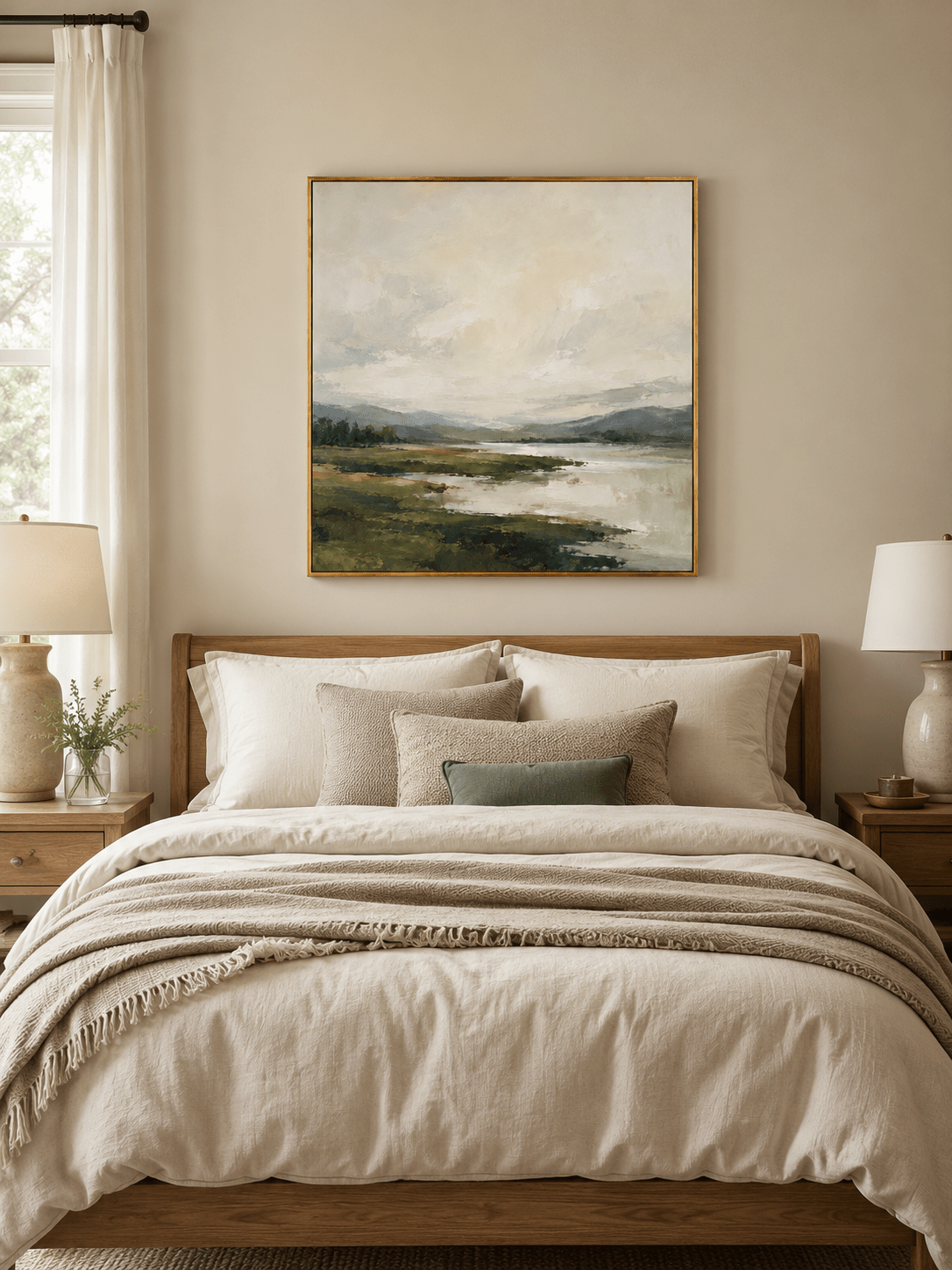
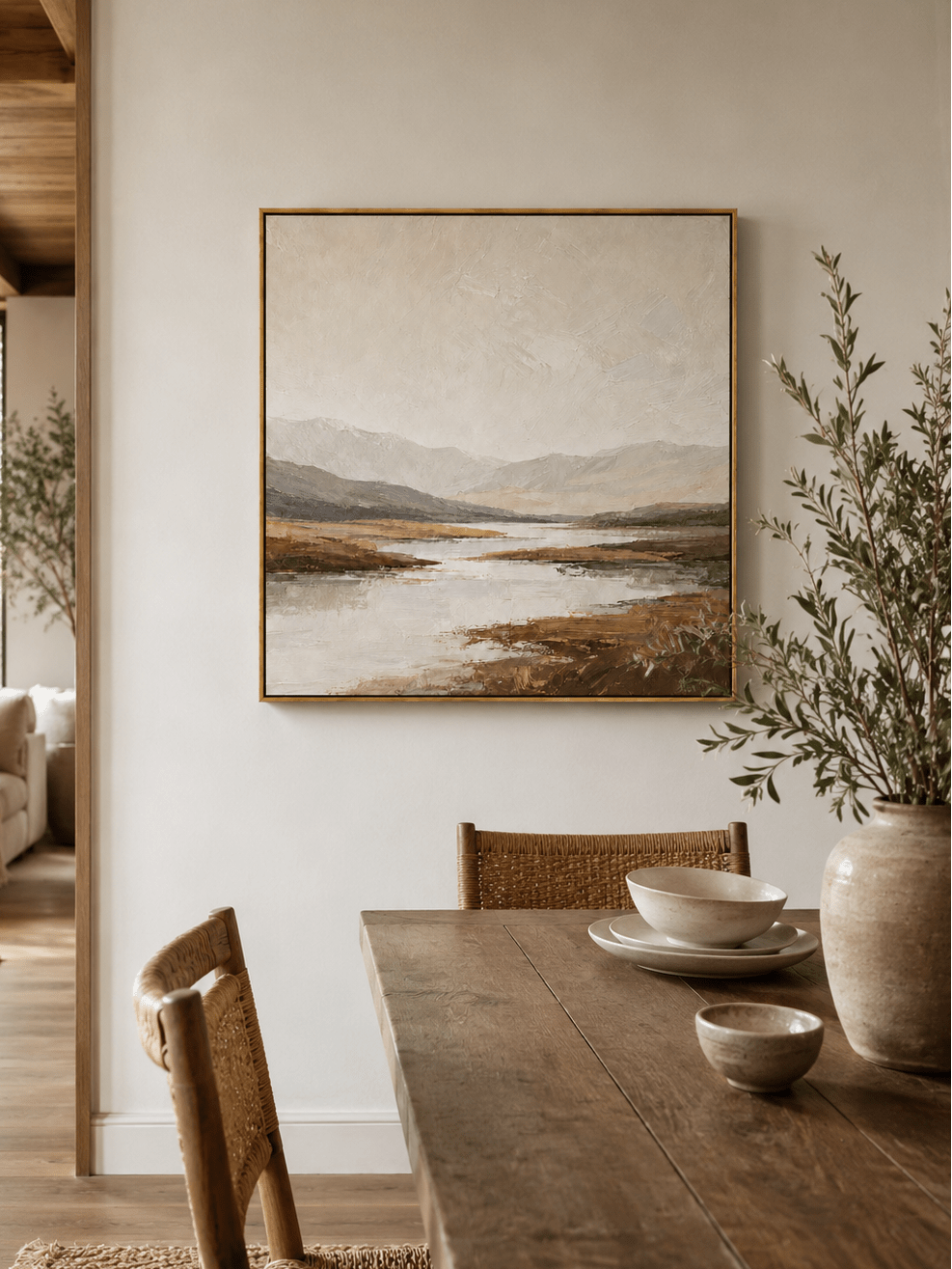
| Light Oak + Linen Textiles | Subtle to Medium | Maintains an airy, organic minimalist vibe without overwhelming soft fibers. |
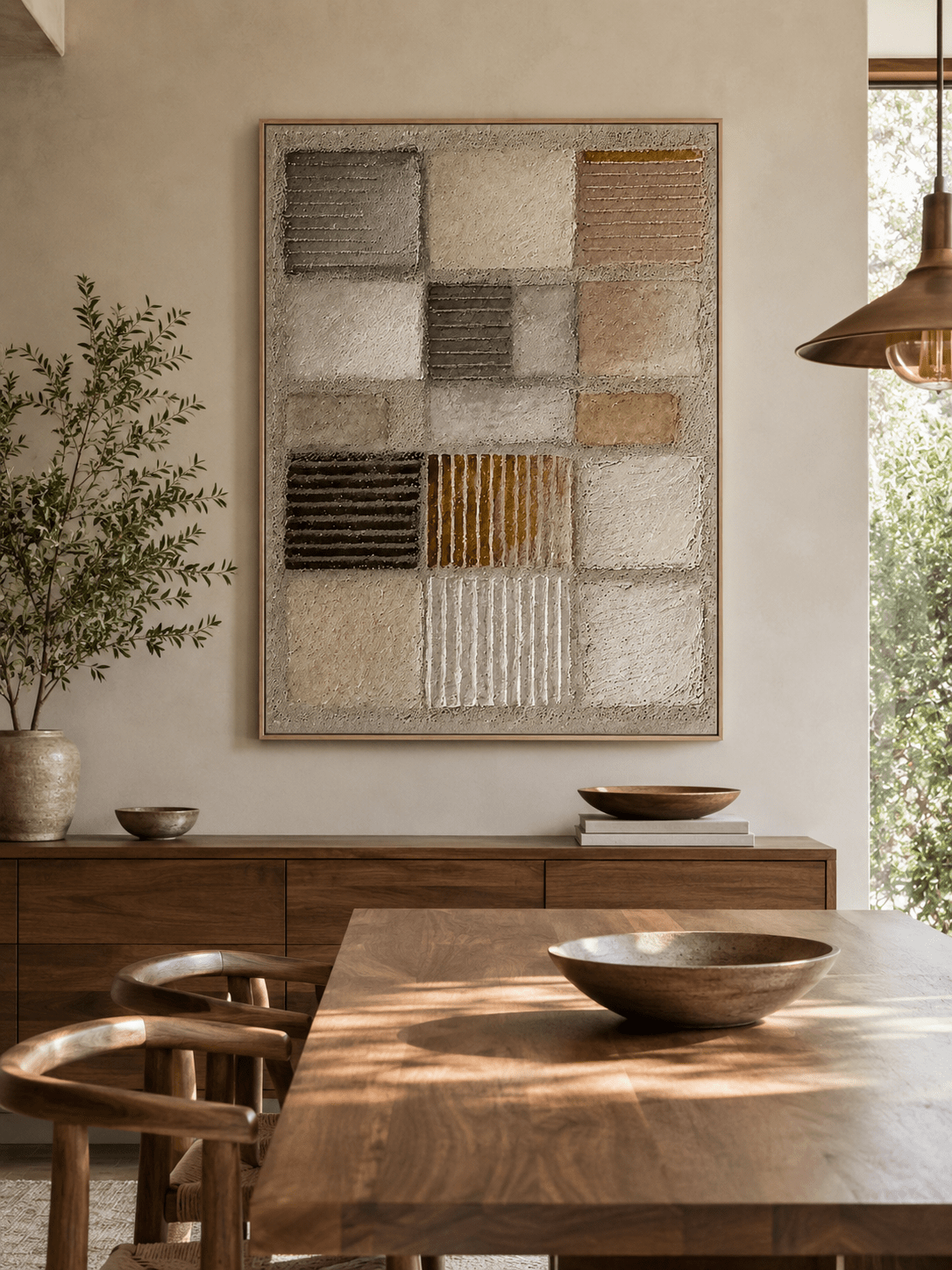
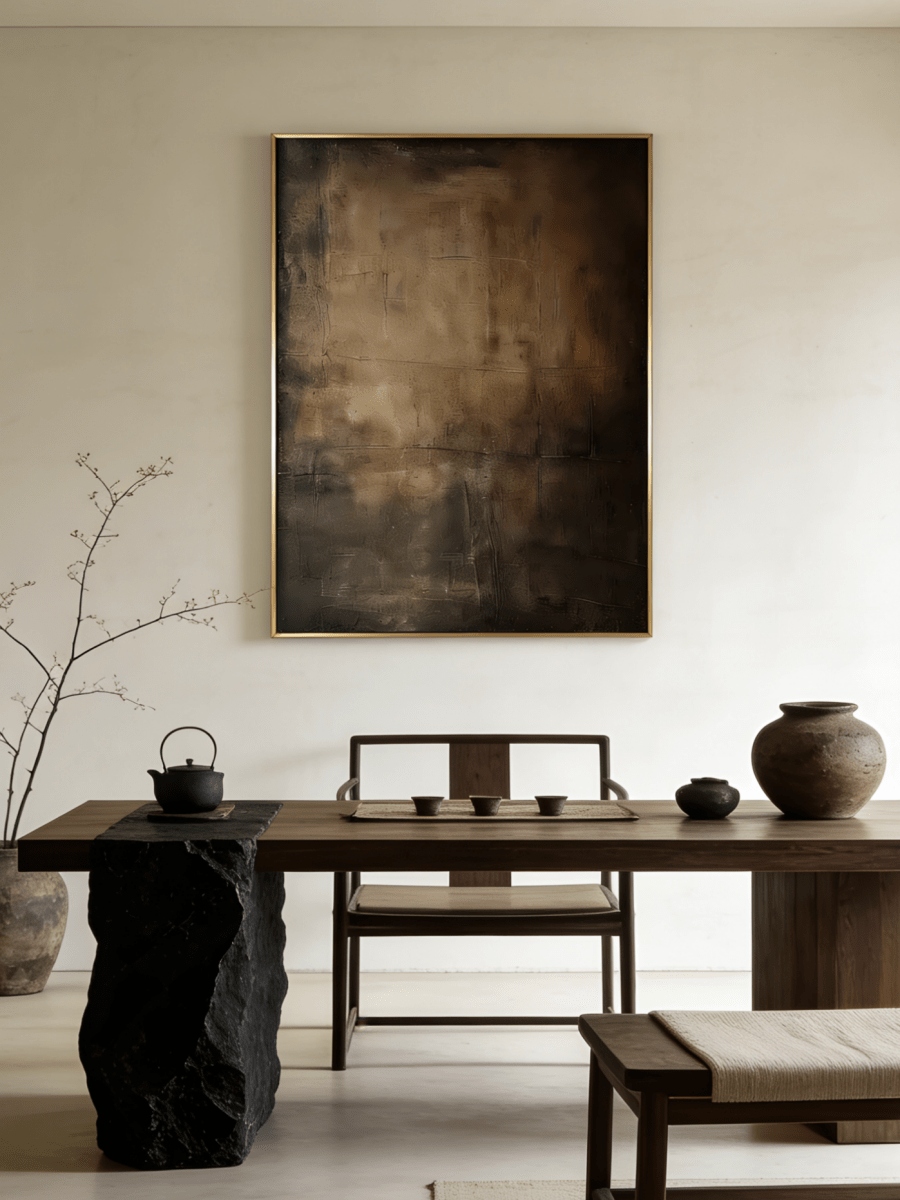
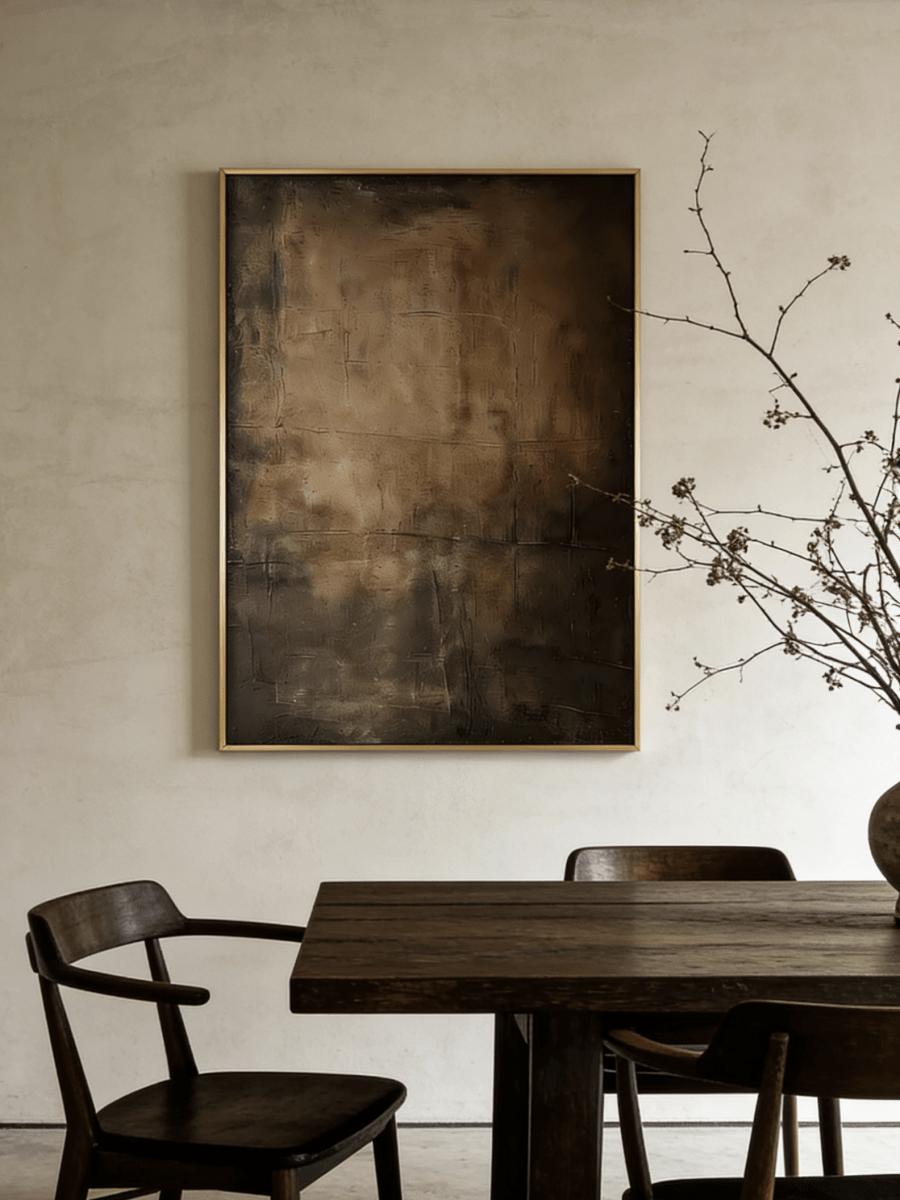
| Walnut Wood + Leather Upholstery | Medium to Heavy | Balances the rich visual weight and warmth of dark wood and structured leather. |
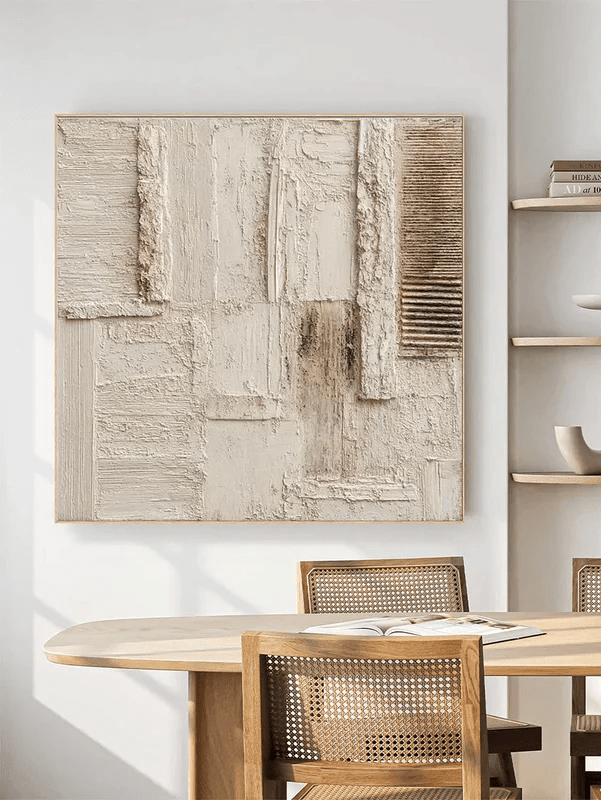
| Travertine Stone + Bouclé Fabric | Subtle | Prevents texture fatigue; subtle art bridges existing tactile materials harmoniously. |
| Smooth Painted Drywall + Low Sofa | Heavy 3D Texture | Introduces necessary architectural contrast and physical depth to flat surfaces. |

6. Frequently Asked Questions (People Also Ask)
Is heavy textured wall art better than subtle textured wall art?
No, neither is inherently better—it depends on your room's needs. Heavy texture excels as a bold sculptural centerpiece on large walls with side lighting. Subtle texture is superior for adding quiet warmth in intimate spaces or rooms with already tactile decor.
Does heavy textured wall art make a room look smaller?
It can if styled incorrectly in tight spaces. Highly dimensional 3D artwork adds visual weight. In compact rooms, choose subtle-to-medium relief with light neutral tones (cream, taupe, soft gray) to keep the room feeling open.
Is plaster wall art the same as textured wall art?
Plaster art is a specific category within textured wall art. While plaster art utilizes gypsum or modeling compounds to achieve matte, stone-like relief, general textured art may also use heavy acrylic impasto, mixed media, or structured canvas folds. For full details, explore our guide on What Is Plaster Wall Art?
How do you clean and maintain heavy textured canvas art?
Use a clean, dry, soft-bristled brush or microfiber duster. Gently sweep away dust from raised crevices. Never use water, liquid cleaners, or damp cloths on hand-painted textured canvas, as moisture can compromise the medium.
Ready to find the ideal texture depth for your space? Explore WABI Wall Art’s Textured Wall Art Collection to discover original, hand-painted 3D canvases crafted for modern minimalist homes.