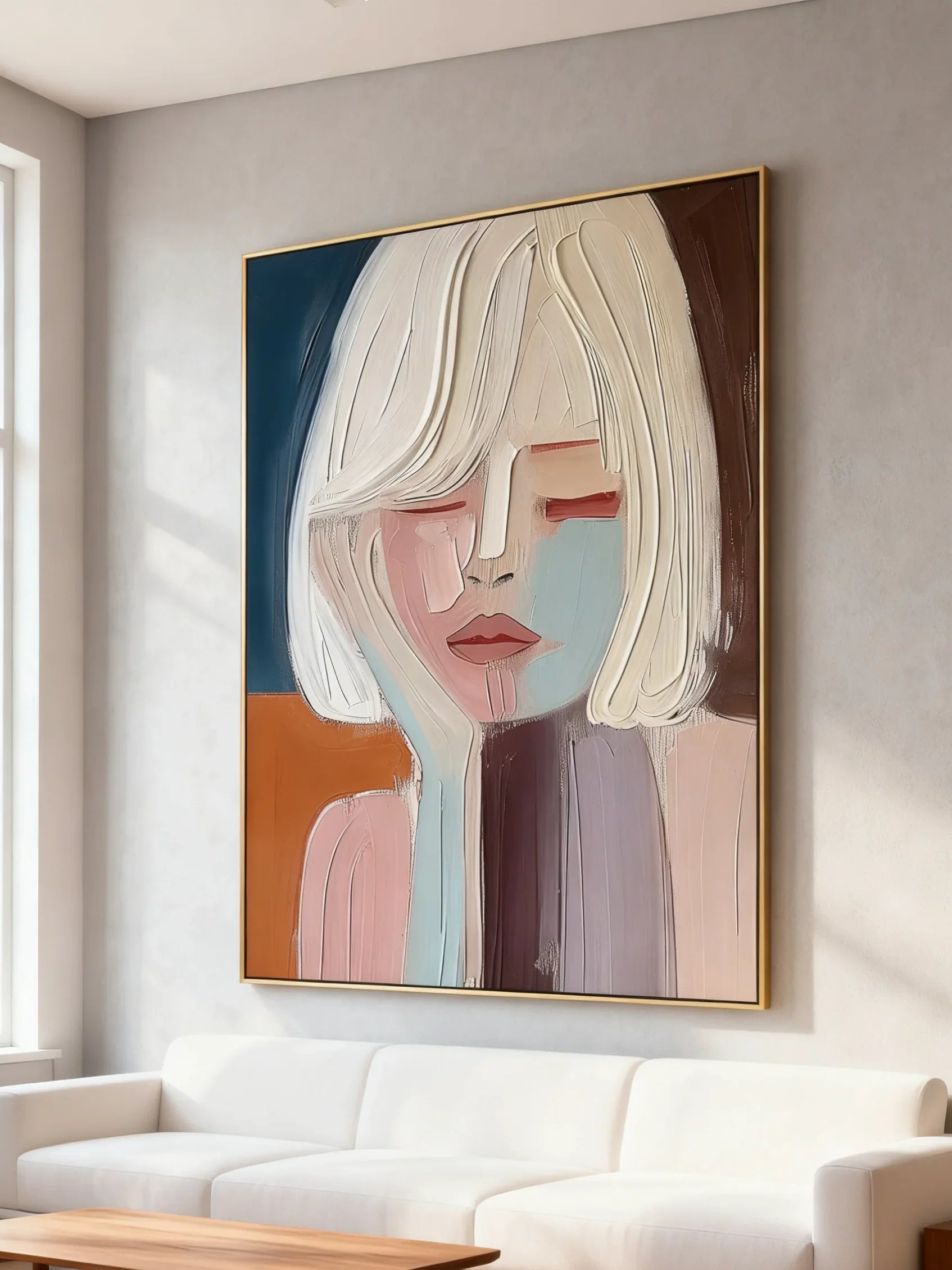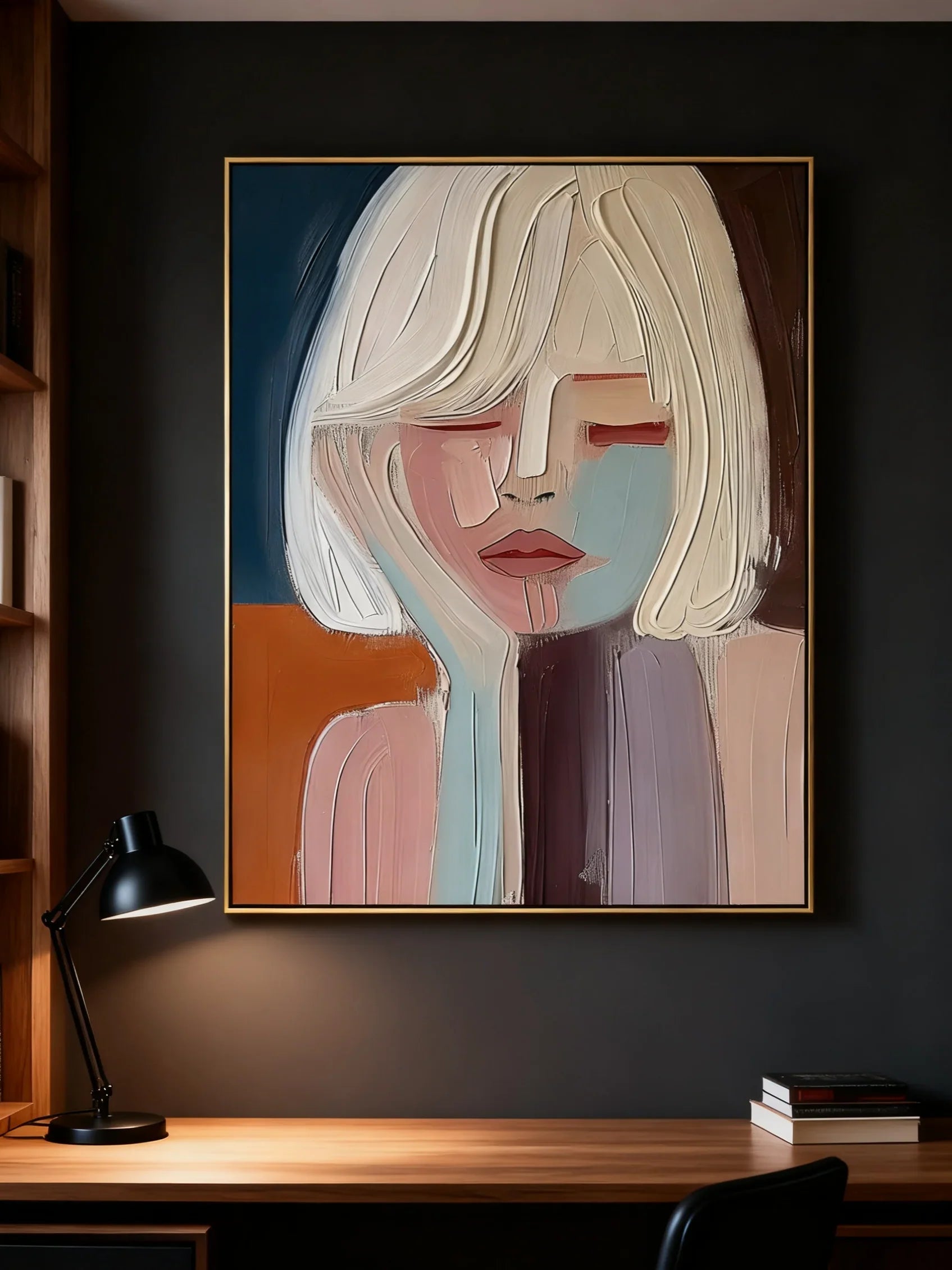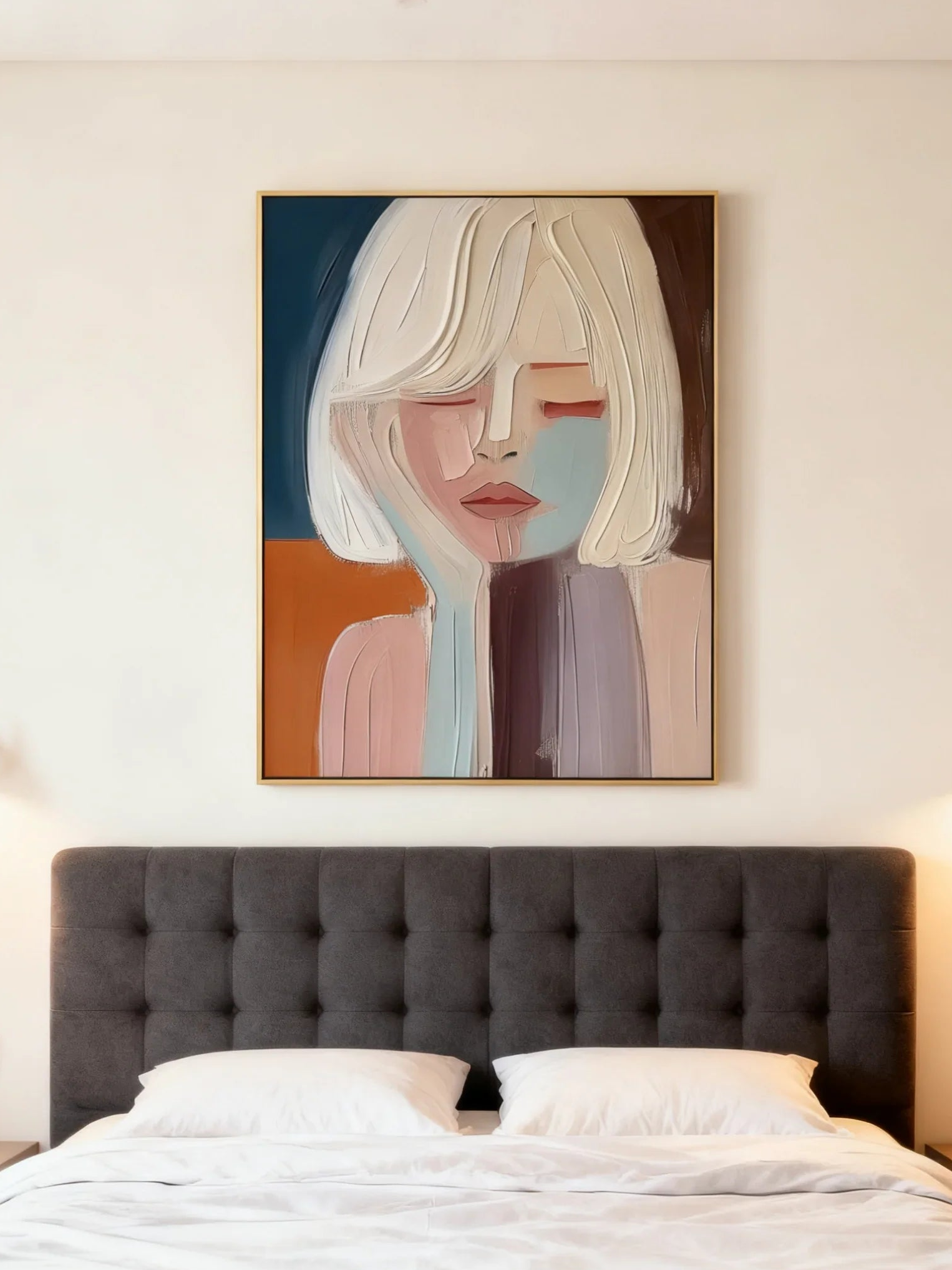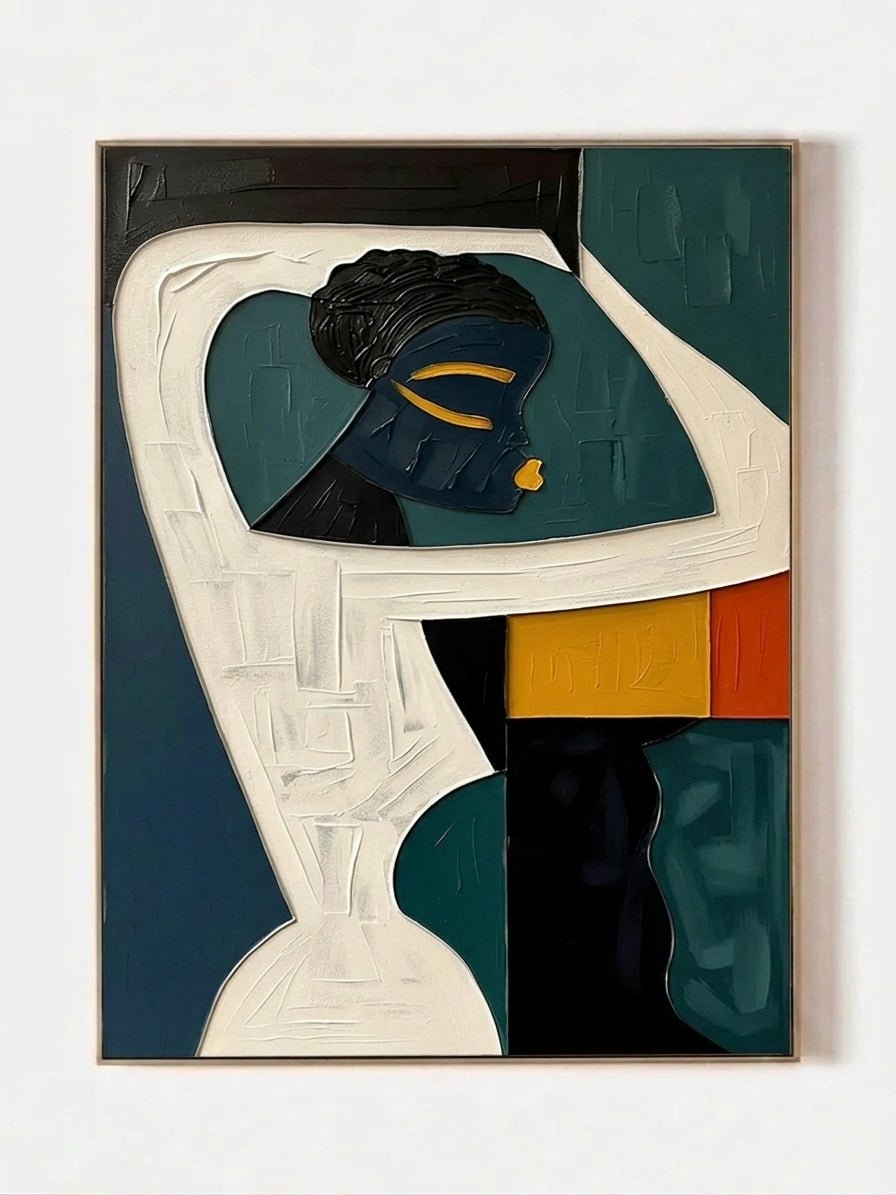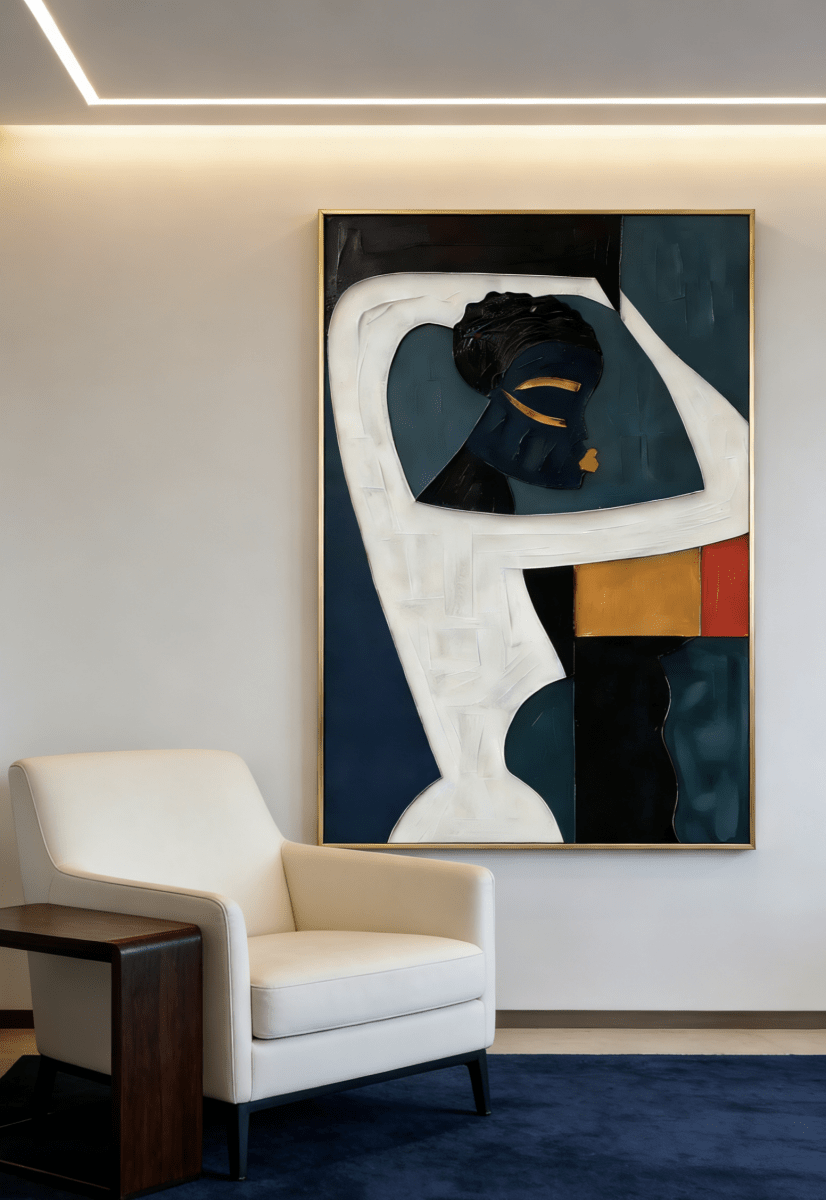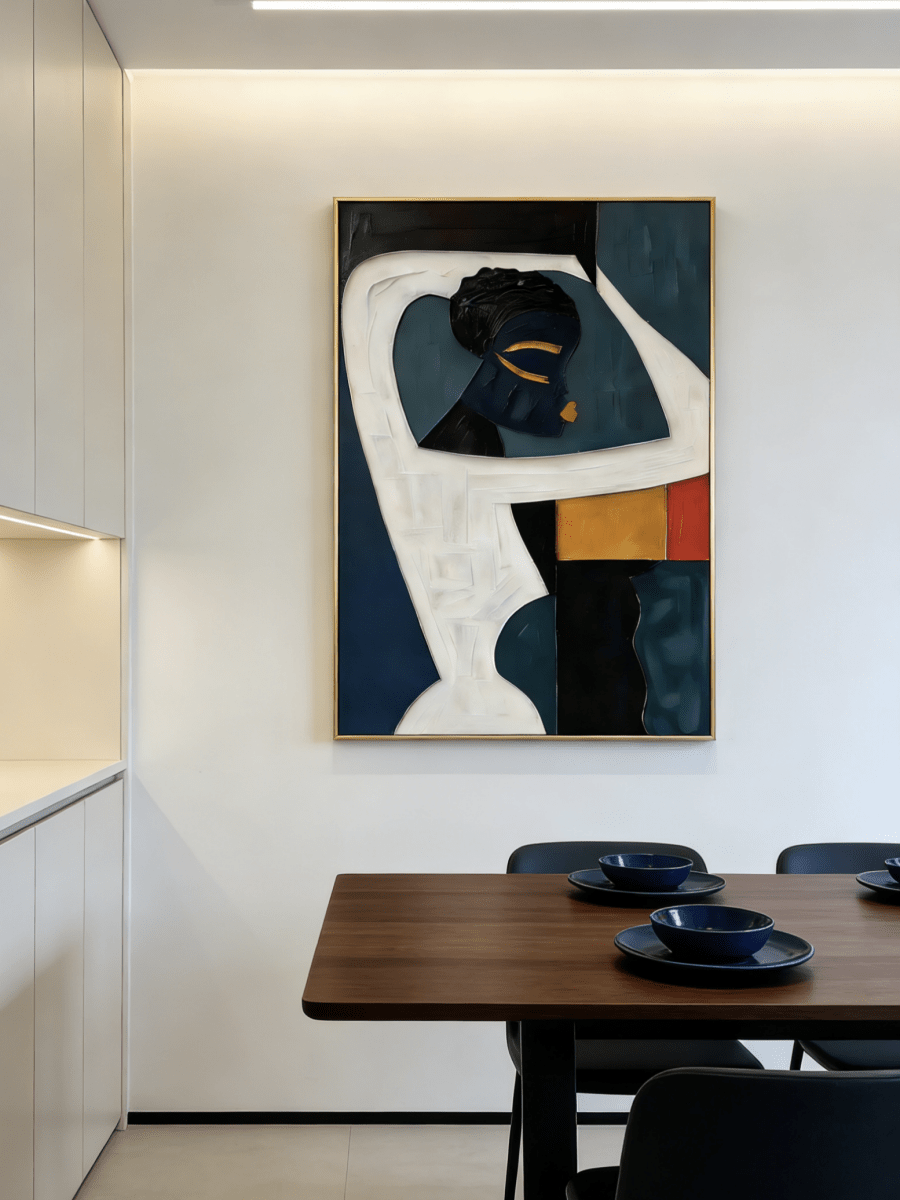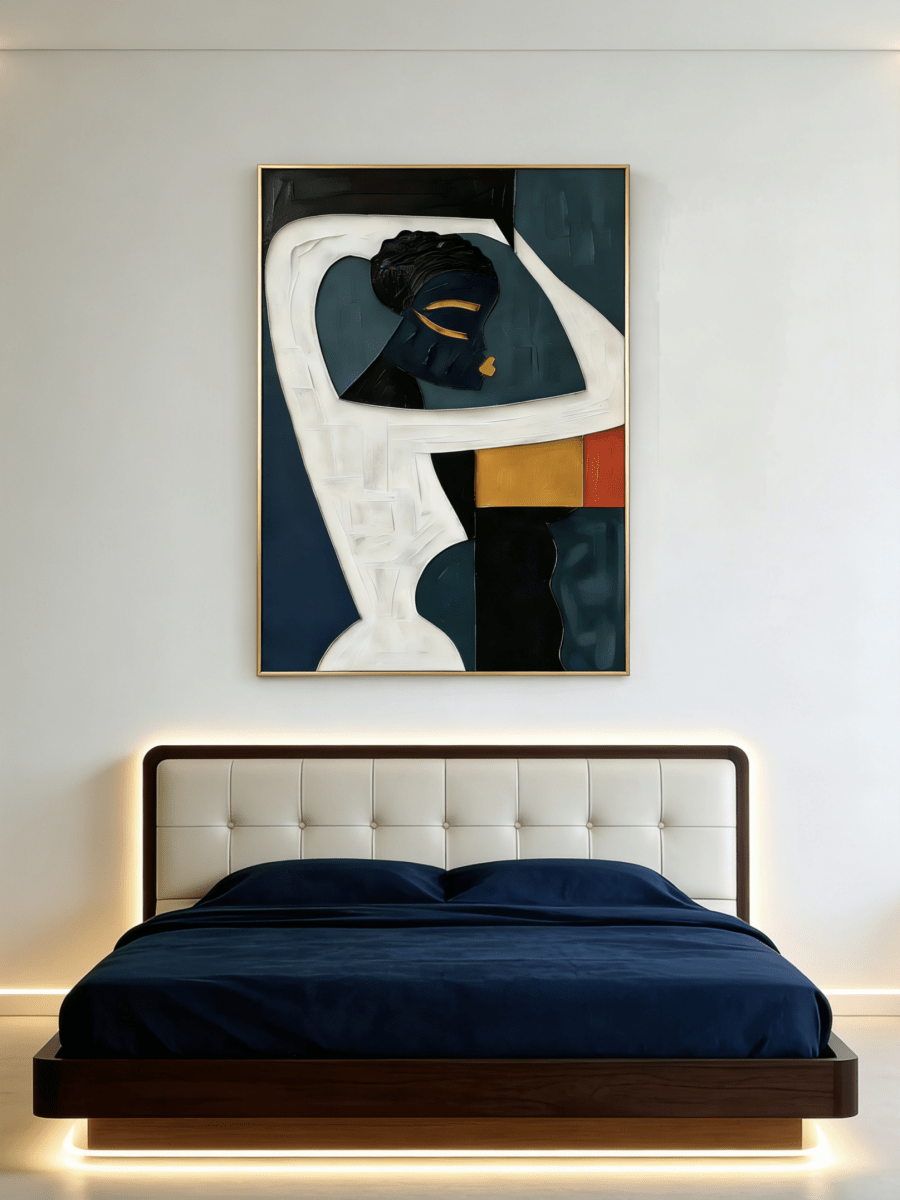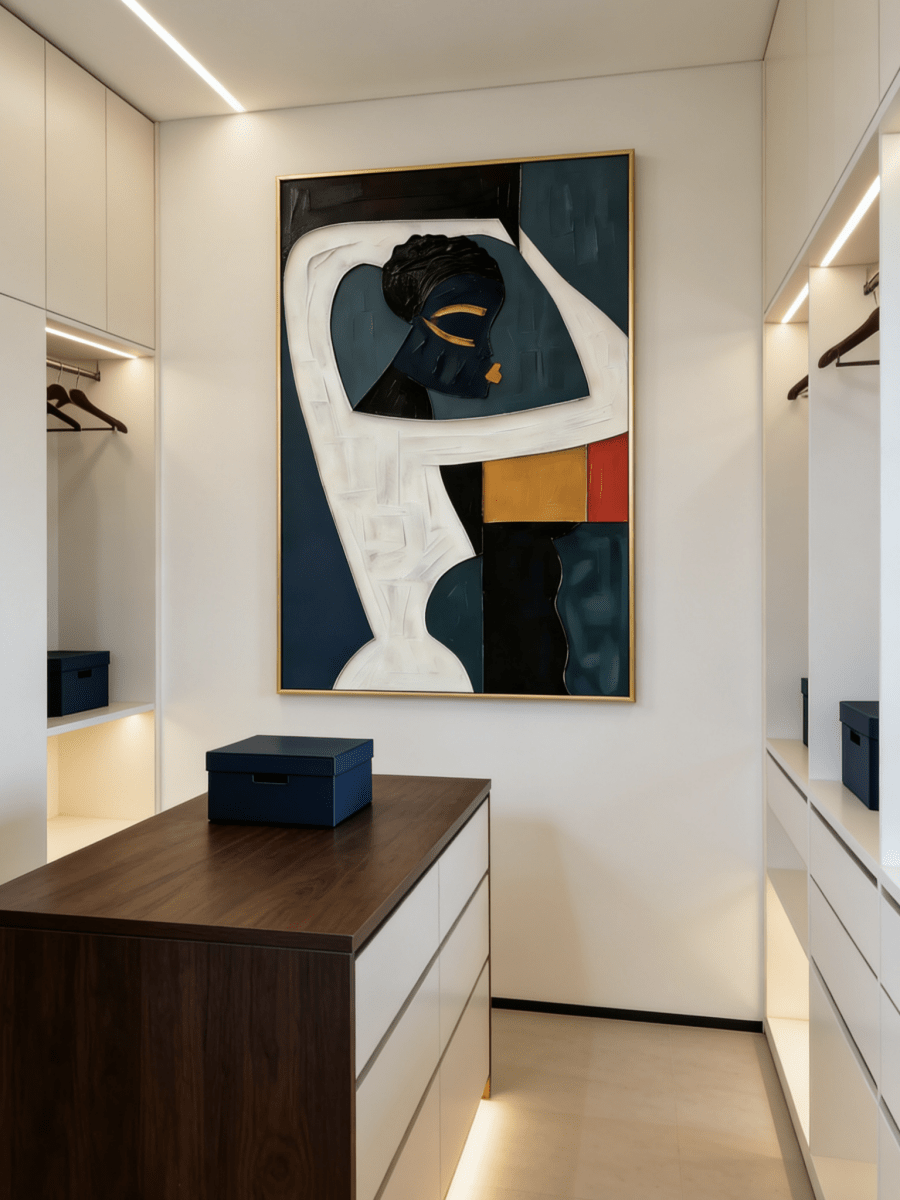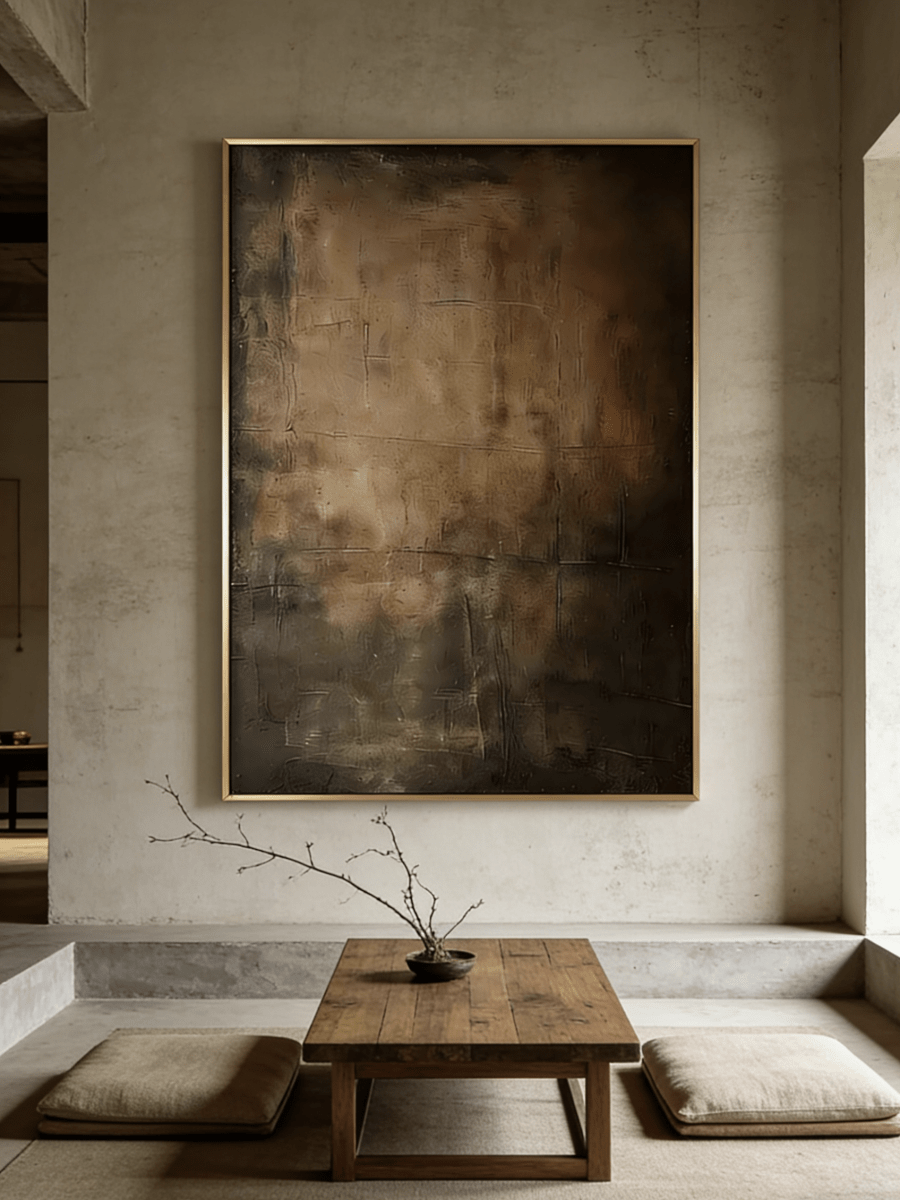


Minimalist Textured Geometric Abstract Painting – EV#0449

Description
Minimalist Textured Geometric Abstract Painting
Quiet Rhythm in Texture
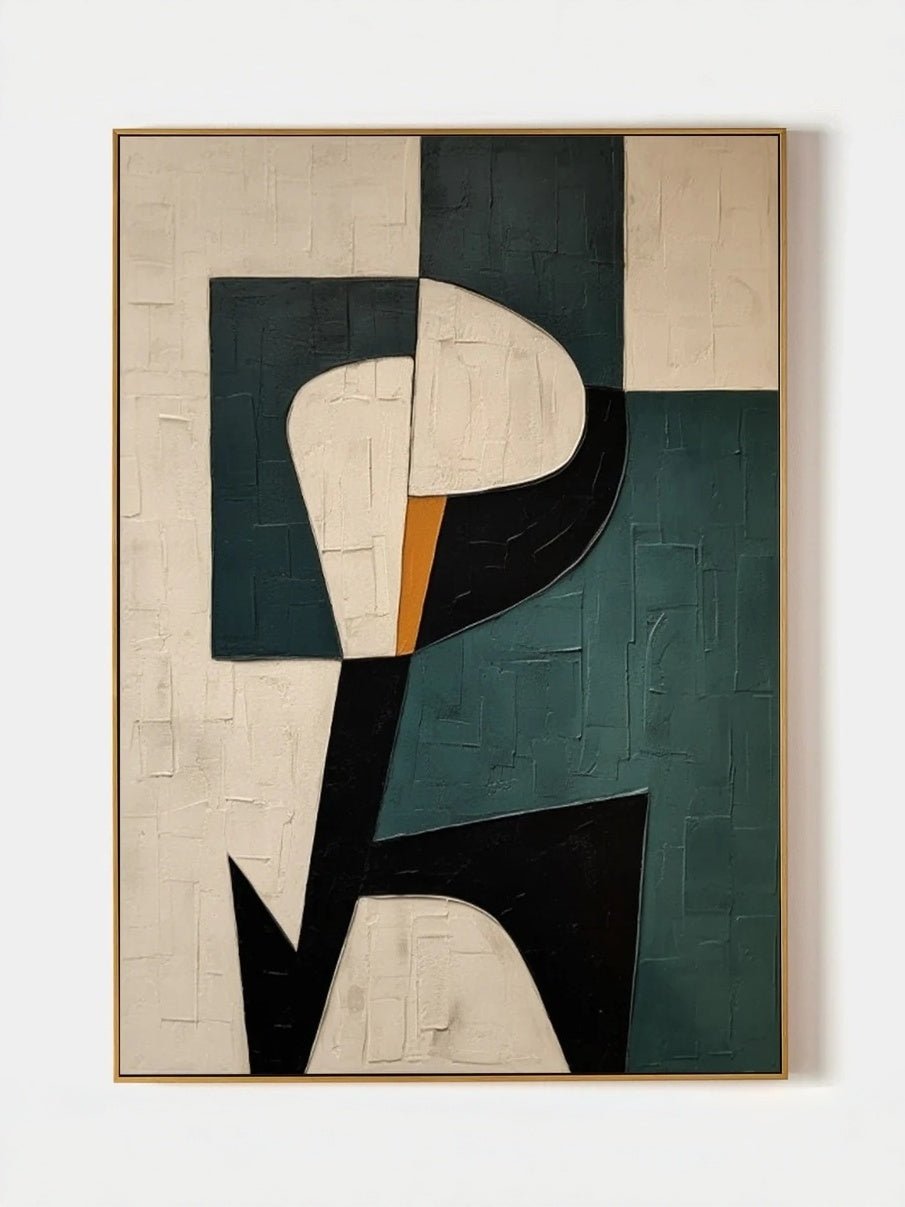
Created by Eliot Vermeer, this hand-painted abstract artwork explores how repetition, texture and subtle contrast can transform a simple composition into something quietly expressive.
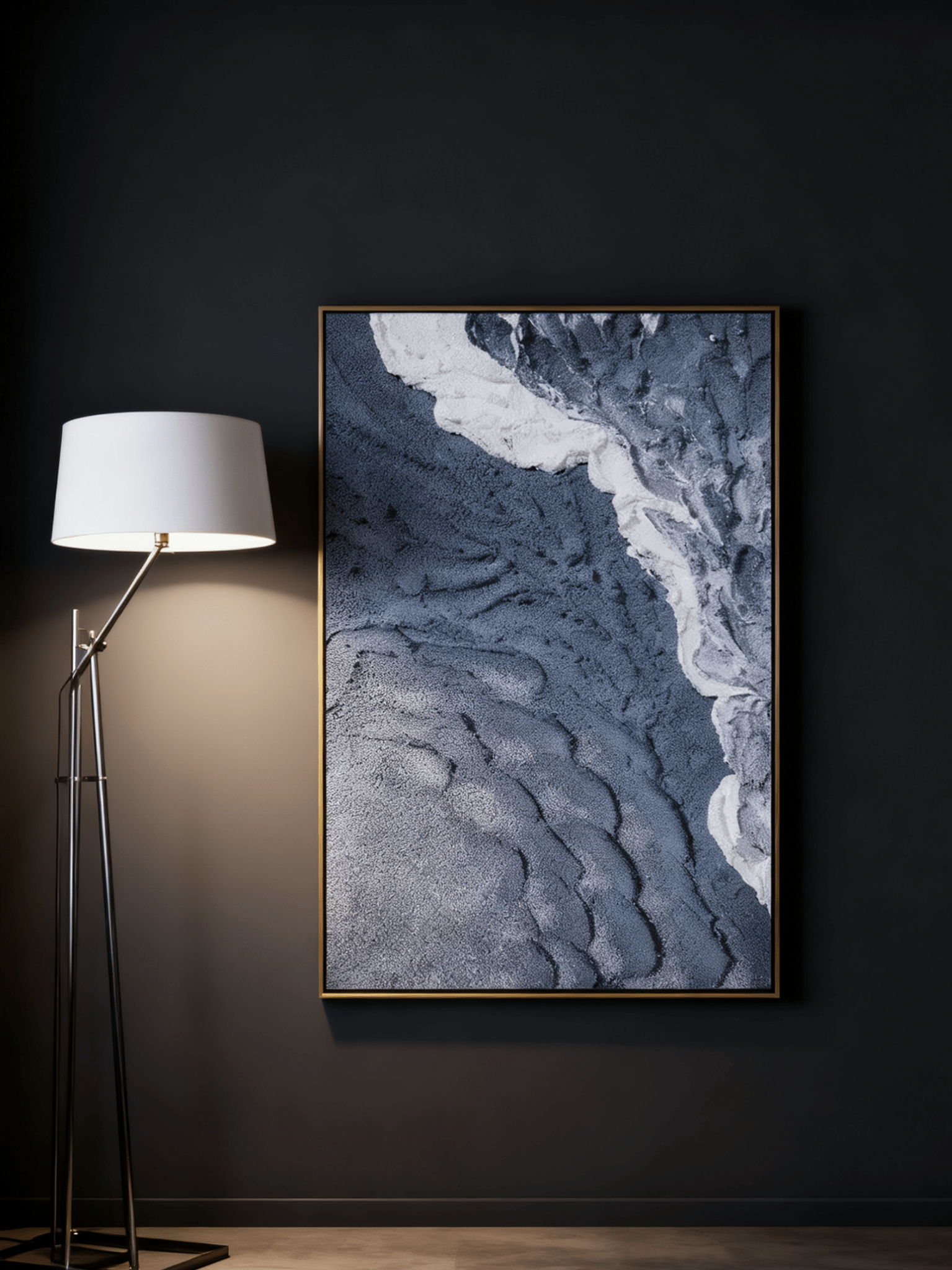
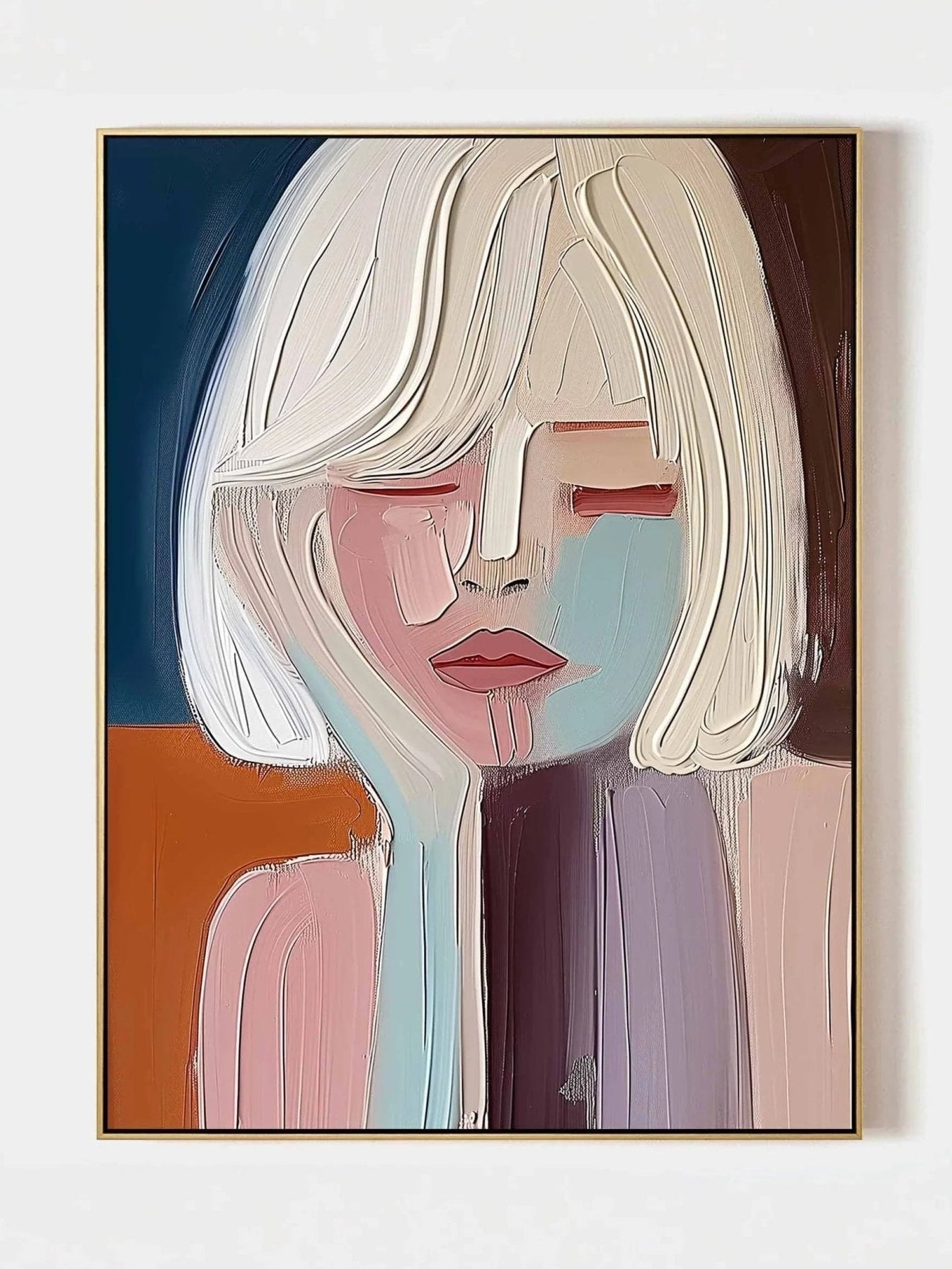
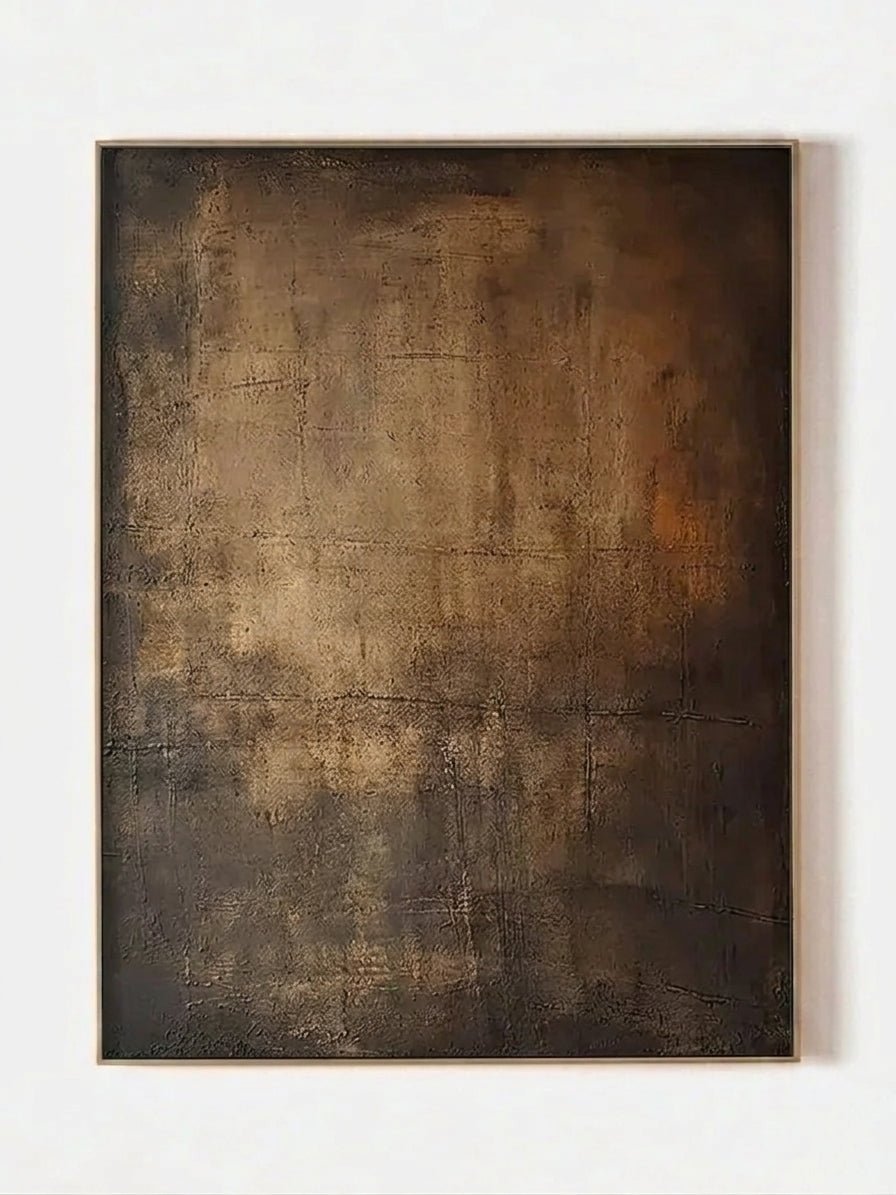
The canvas is constructed from a rhythmic arrangement of elongated rectangular forms, each individually shaped by visible texture and hand-worked surfaces. Warm ivory, cream and stone beige dominate the composition, creating a calm architectural grid.
At the center-left, a single deep brown rectangular accent interrupts the pale surface—a deliberate moment of contrast that draws the eye without disturbing the overall sense of balance.
From across the room, the painting feels restrained and minimal. Viewed closely, every individual section reveals its own ridges, irregular marks and subtle variations.
The result is a minimalist textured geometric painting that feels both structured and organic.
Color Palette
The artwork features a sophisticated neutral palette of:
- Ivory
- Cream
- Warm white
- Stone beige
- Soft greige
- Warm taupe
- Walnut brown
Rather than relying on multiple colors, the painting uses subtle differences in surface and tone to create depth.
The single brown accent adds warmth and contrast while preserving the artwork's calm, minimalist character.
Style & Texture
This painting combines elements of:
Minimalism · Textured Geometric Abstract · Wabi-Sabi · Contemporary Art · Architectural Abstraction
The repeated rectangular forms introduce order and rhythm, while the individually worked surfaces prevent the composition from feeling mechanical.
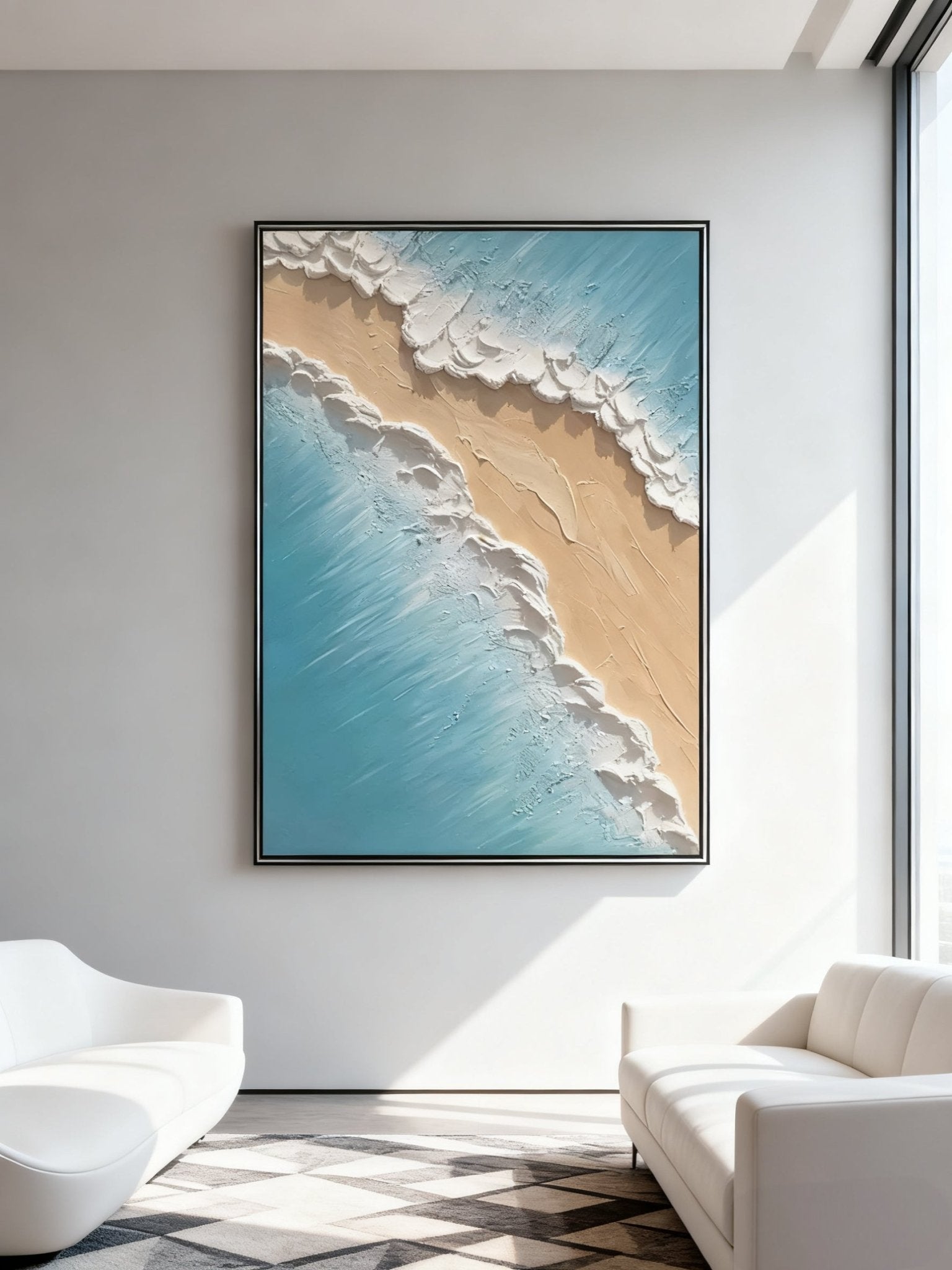
Raised texture, uneven ridges and subtle handmade marks allow light to move differently across each section of the canvas.
This balance between structured geometry and natural imperfection makes the artwork especially suitable for understated contemporary interiors.
Similar neutral geometric artworks are currently marketed around clean grids, tactile textures, warm neutrals, minimalism and Wabi-Sabi/Japandi interiors.
The Story Behind the Painting
Eliot Vermeer drew inspiration from architecture built through repetition—stone walls, plaster panels, aged tiles and modular structures whose surfaces change slowly with time.
Instead of creating a perfectly uniform grid, each section is treated individually.
Some appear smoother.
Others show stronger ridges and irregular texture.
The lone brown form acts almost like a doorway, window or fragment of another material embedded within the pale architectural surface.
The composition reflects a simple idea:
even within repetition, no two surfaces are exactly alike.
It is an exploration of order, individuality and the quiet beauty found in subtle imperfection.
Where to Display This Painting
Living Room
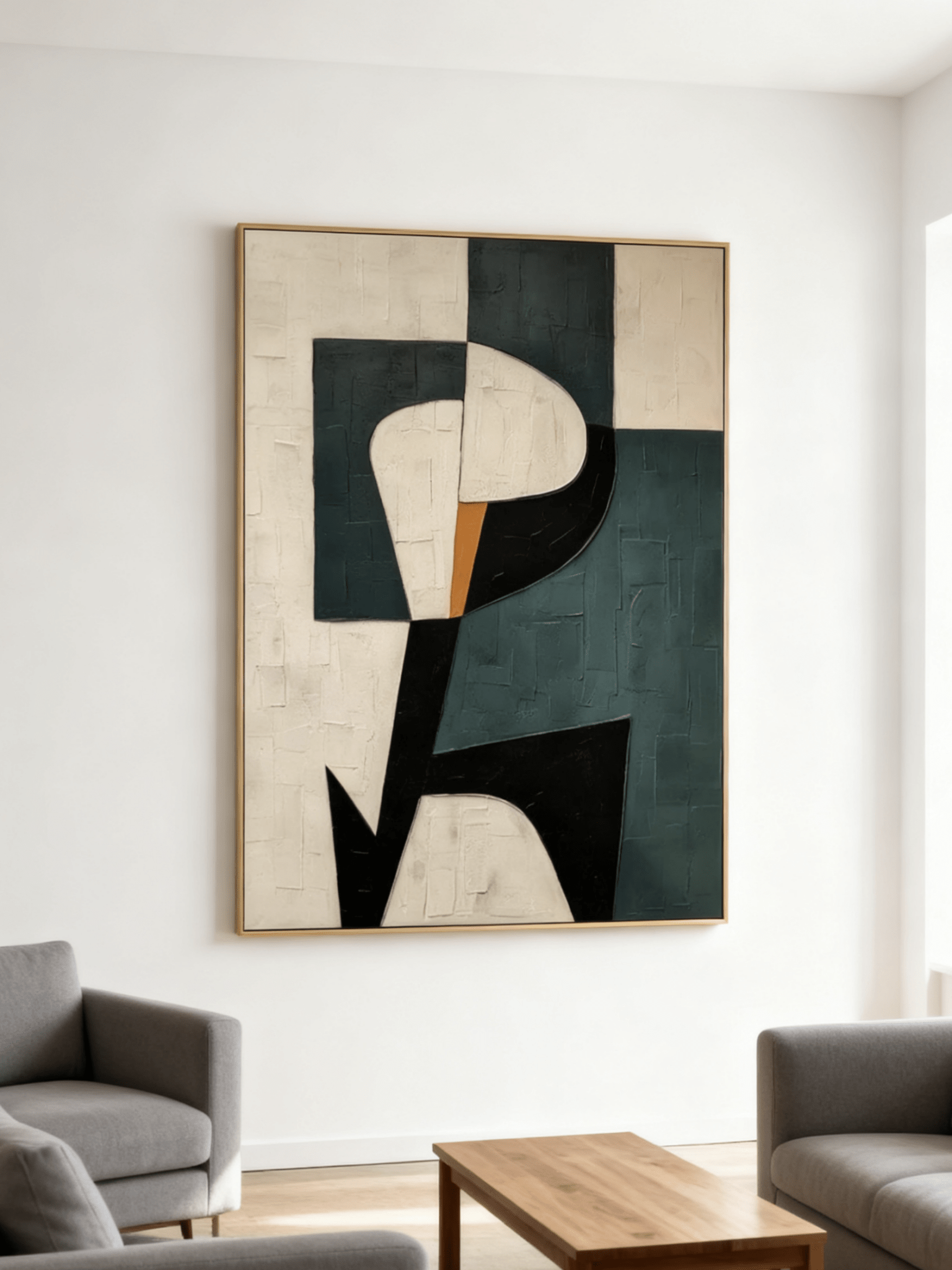
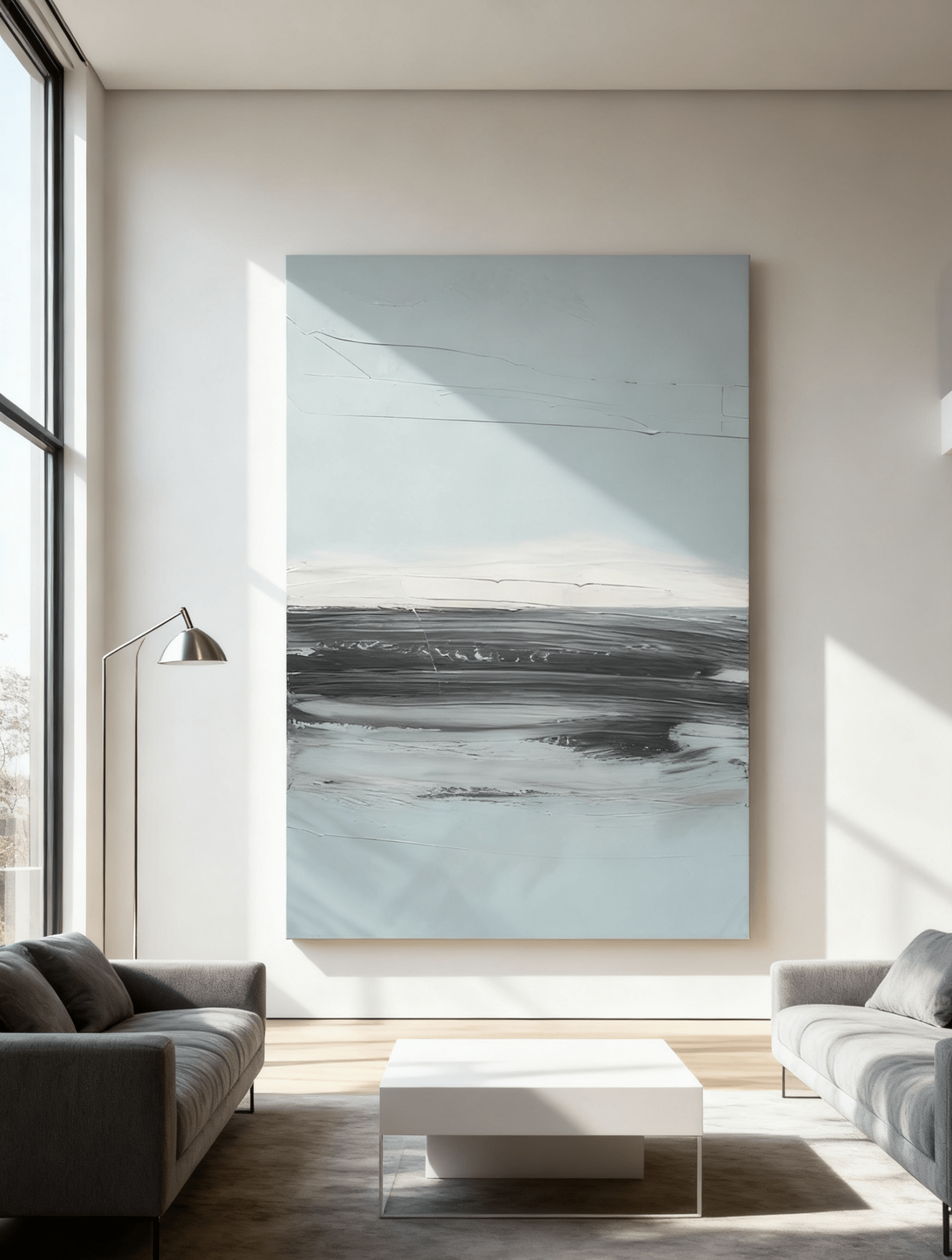
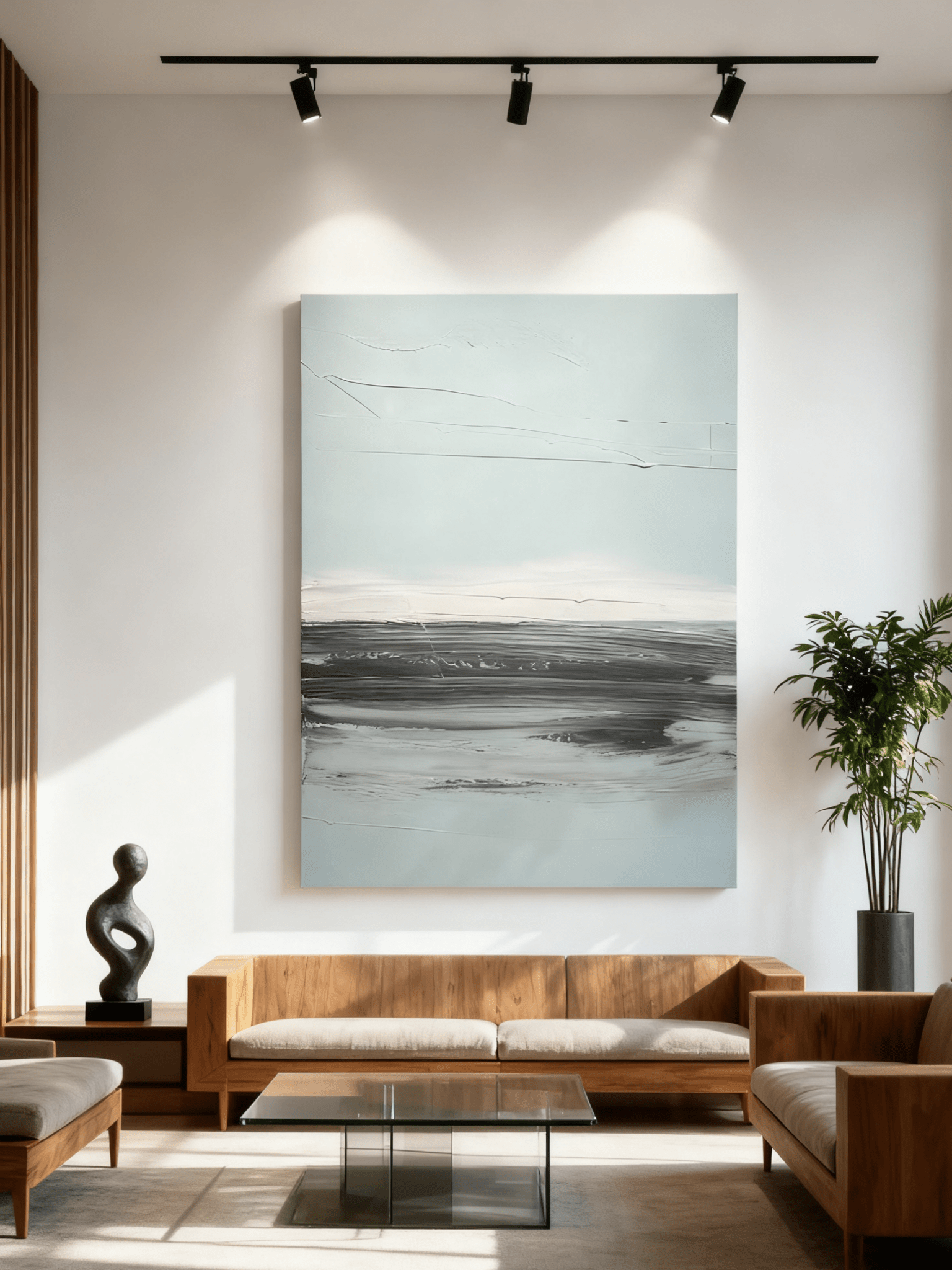
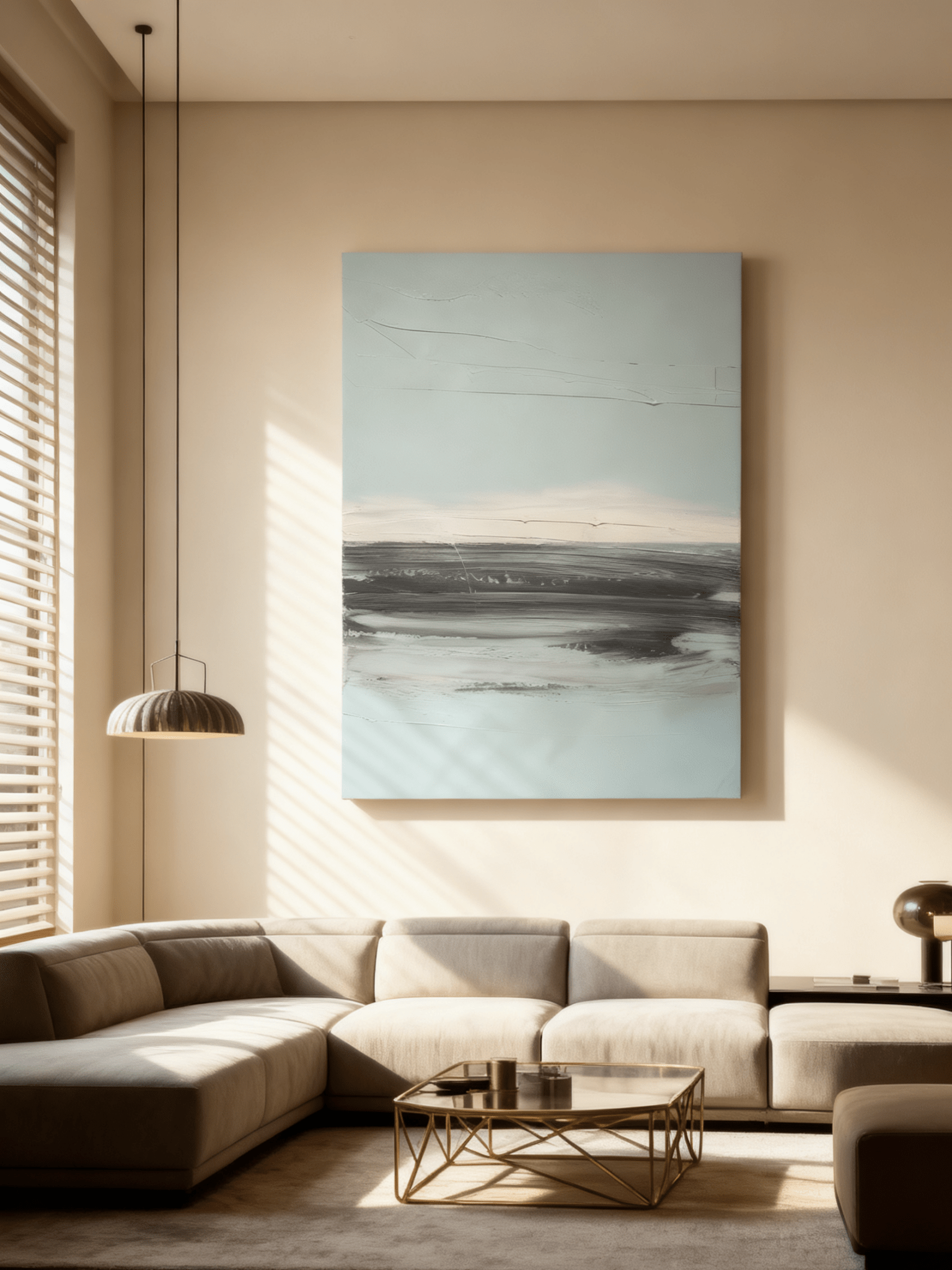
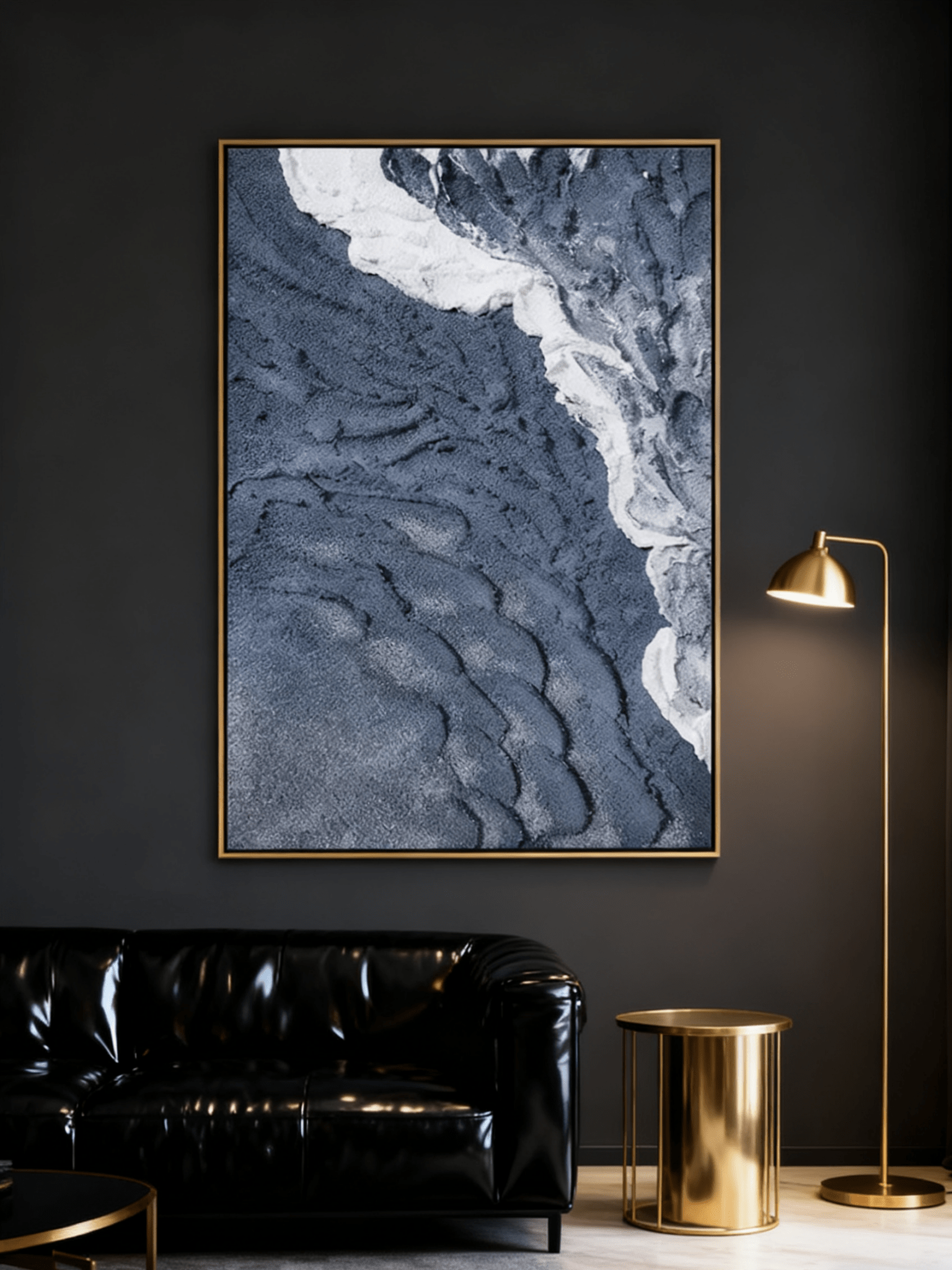
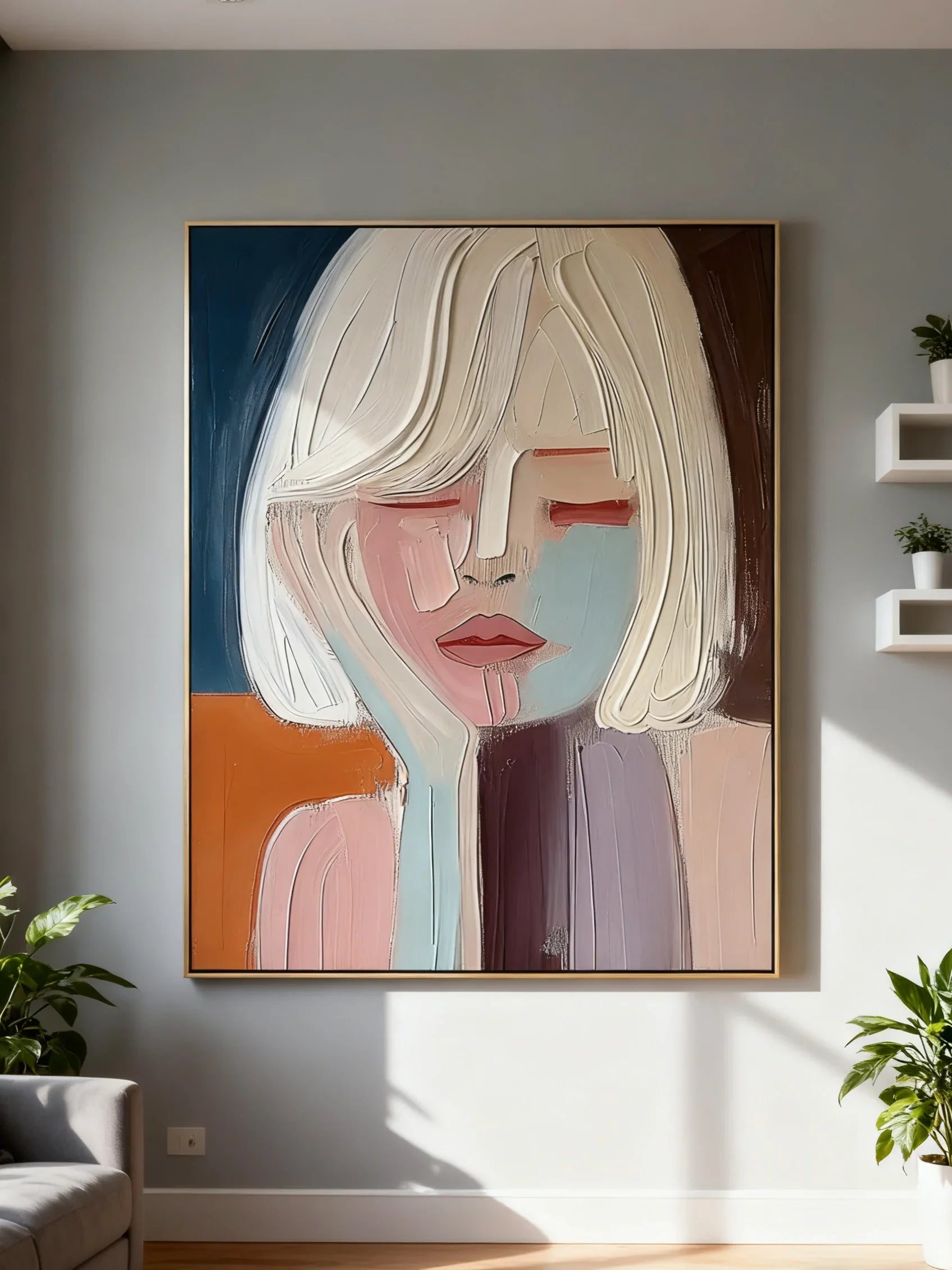
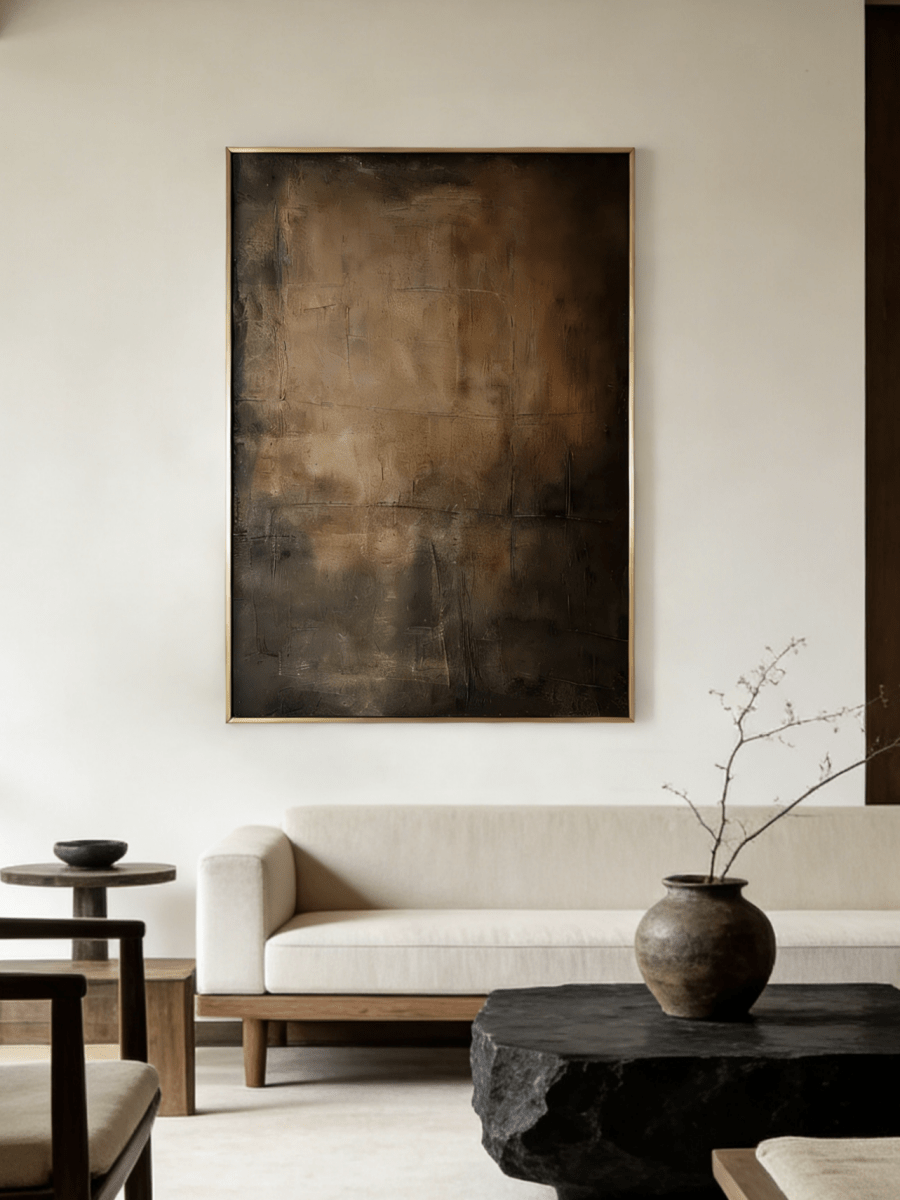
A large version makes an elegant focal point above a sofa, fireplace or console.
Because the palette is predominantly cream and ivory, it works particularly well in neutral rooms where texture is needed without adding excessive color.
Bedroom
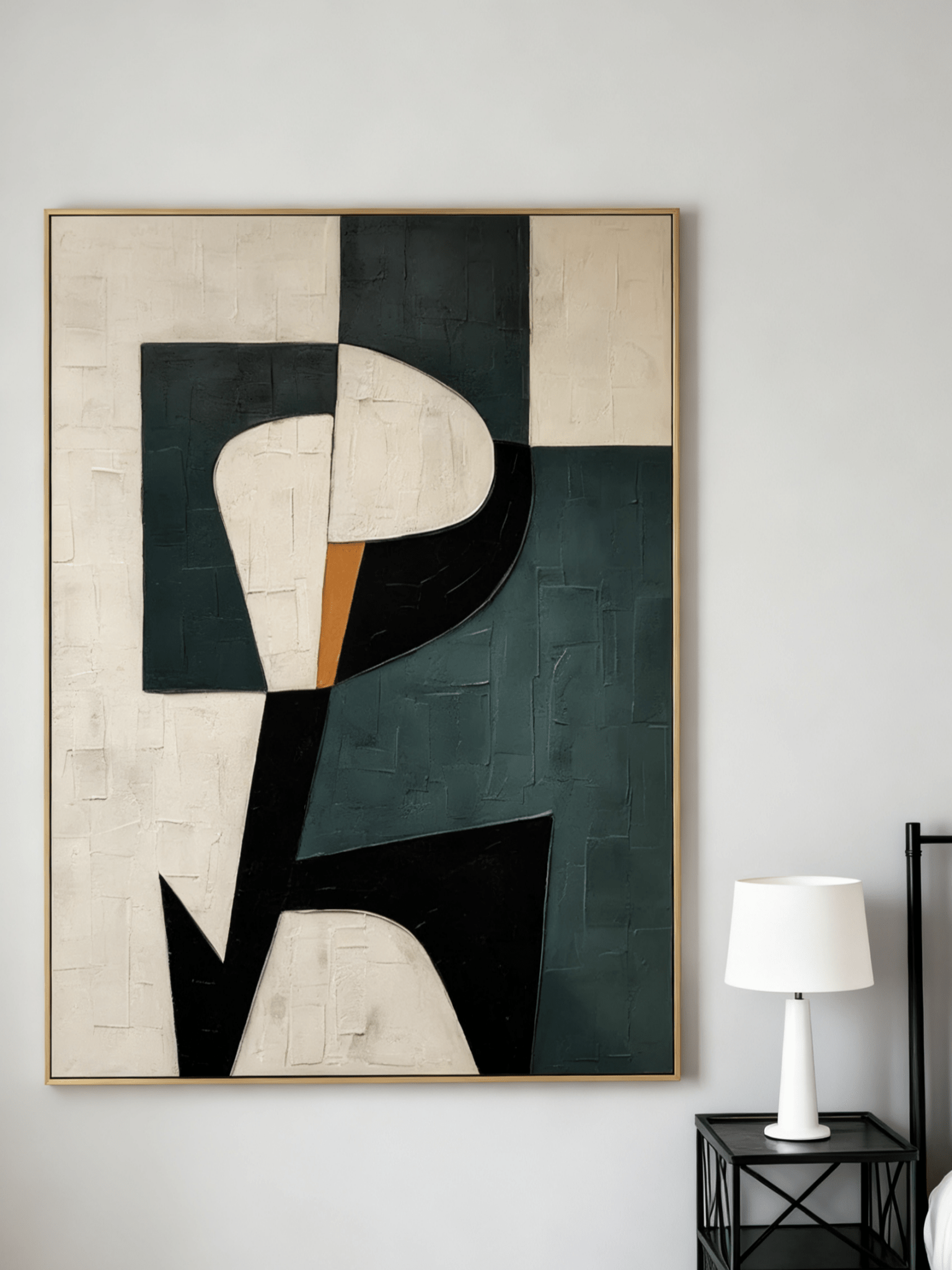
Displayed above a bed, the repetitive geometry creates visual structure while the warm neutral palette maintains a calm atmosphere.
Open-Plan Dining Room
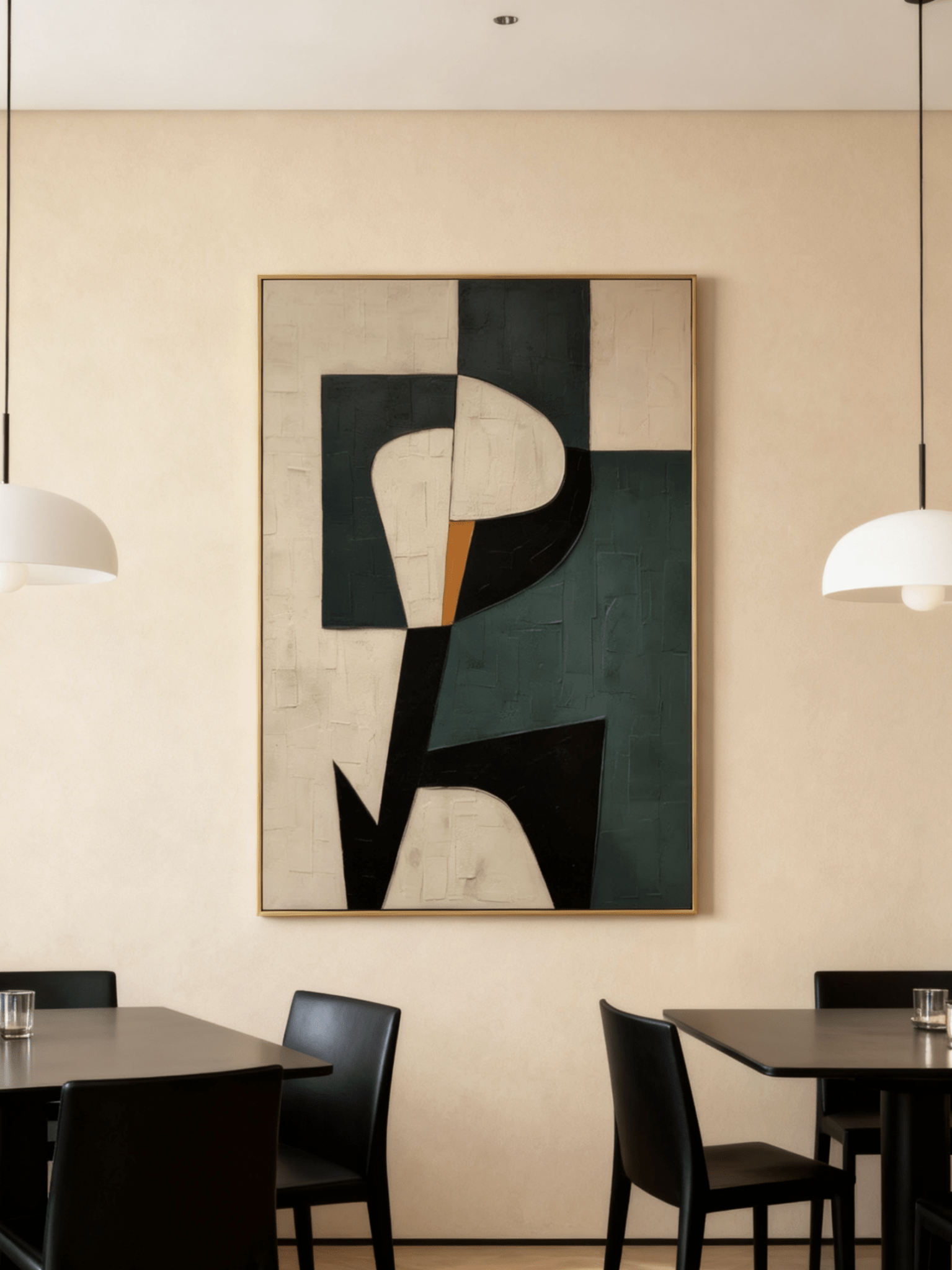
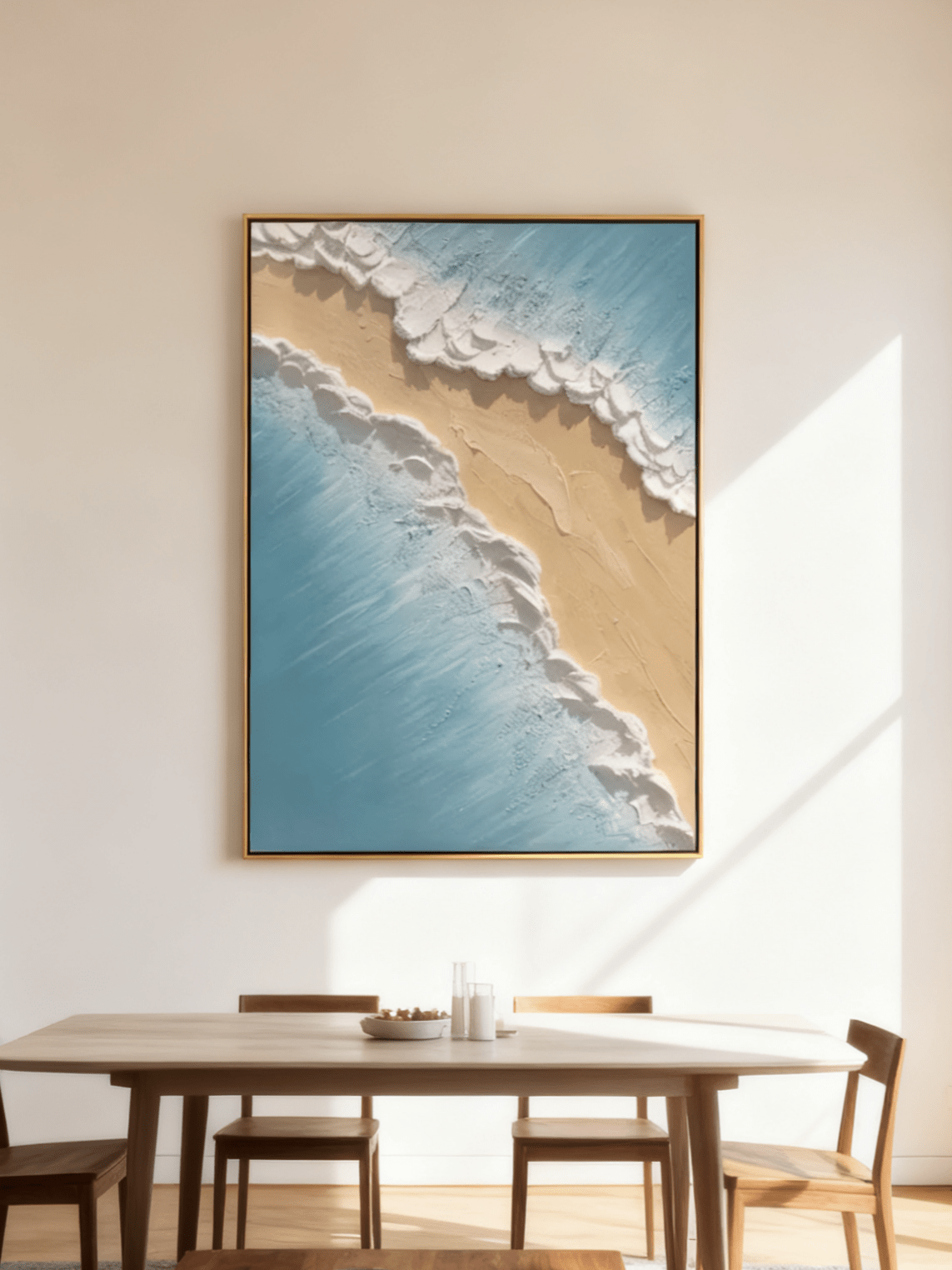
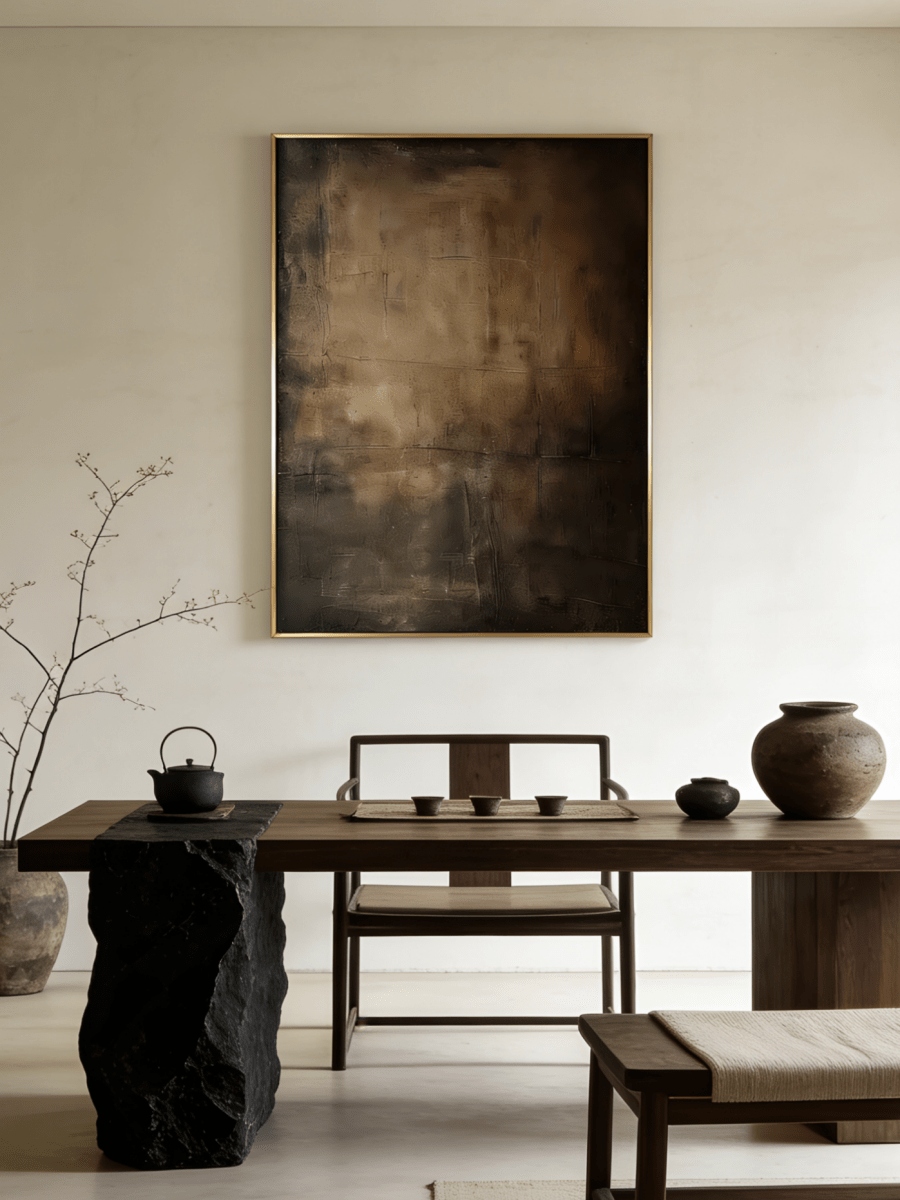
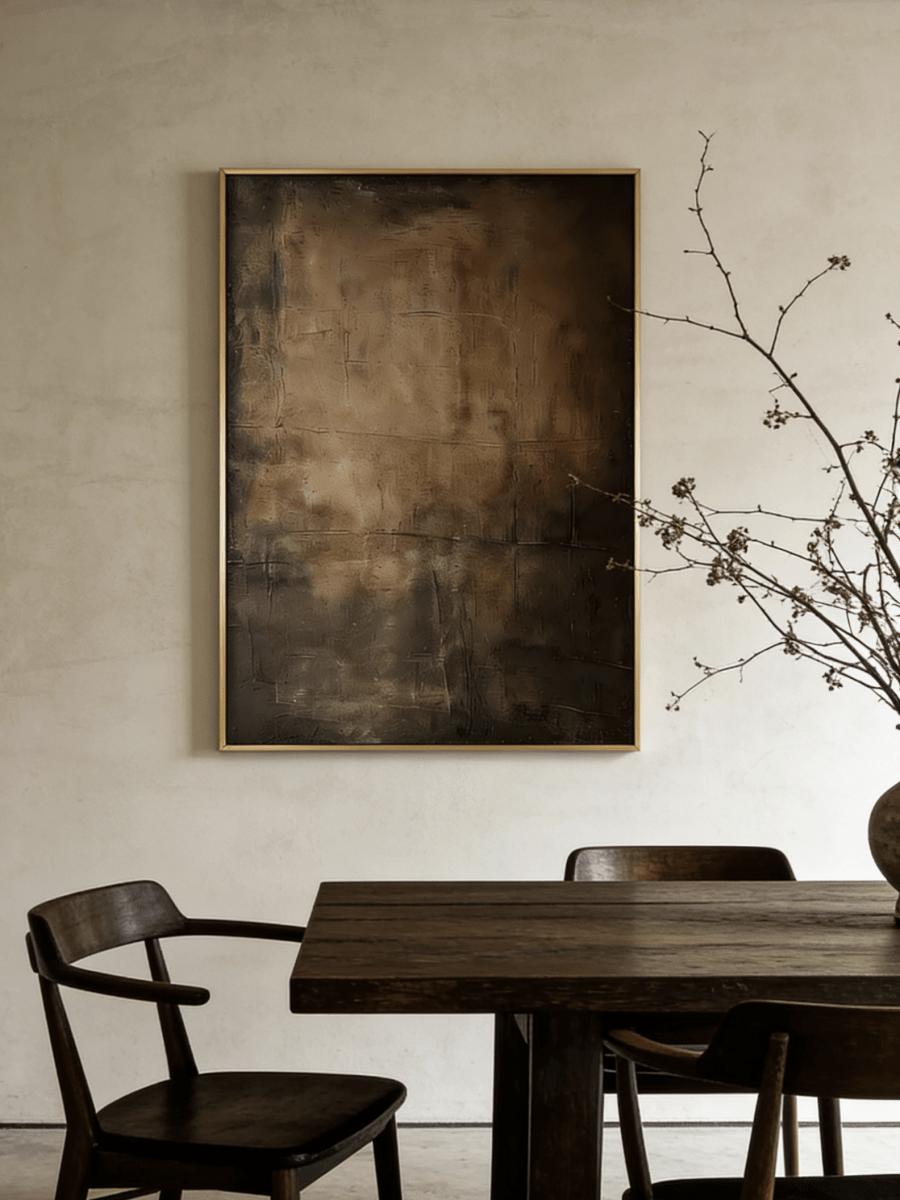
The architectural character pairs beautifully with oak, walnut, travertine or stone dining furniture.
Entryway
Its vertical proportions make it an excellent choice above a console or on a tall entryway wall.
Home Office
The clean geometry adds sophistication and order without becoming visually distracting.
It works especially well with:
Minimalist, Japandi, Wabi-Sabi, Modern Organic, Scandinavian and Contemporary interiors.
Frequently Asked Questions
1. Is this artwork hand-painted or a print?
This artwork is hand-painted, not digitally printed.
The raised surface, geometric forms and subtle textural variations are physically created by the artist.
2. Does this painting have real texture?
Yes.
The artwork features genuine raised texture throughout the geometric grid.
Light naturally creates small highlights and shadows across the surface, allowing the painting to look slightly different throughout the day.
3. What colors are used in the painting?
The palette consists mainly of ivory, cream, warm white, stone beige and soft greige, with one rich brown accent.
The overall appearance is warm, neutral and understated.
4. What style is this artwork?
The painting blends Minimalist, Geometric Abstract, Wabi-Sabi, Contemporary and Architectural influences.
Its structured grid keeps the composition clean, while the irregular handmade texture softens the geometry.
5. What interior styles work best with this painting?
It works particularly well with:
Minimalist, Japandi, Wabi-Sabi, Modern Organic, Scandinavian and Contemporary interiors.
It pairs naturally with light oak, walnut, limestone, travertine, linen and boucle.
6. Where should I hang this vertical abstract painting?
This vertical composition works beautifully:
- Above an entryway console
- Above a bedroom dresser
- On a tall living room wall
- Beside a fireplace
- In an office
- On a dining room feature wall
Large versions can also make a strong statement above appropriately sized furniture.
7. What size wall art should I choose above a sofa?
A practical starting point is artwork measuring approximately two-thirds to three-quarters of the sofa's width.
For large furniture or spacious walls, choosing a larger painting generally creates better visual balance.
8. How high should the artwork be hung?
On an open wall, the visual center of the artwork should generally sit near eye level.
When displayed above furniture, approximately 6–10 inches / 15–25 cm between the bottom of the artwork and the furniture usually creates comfortable spacing.
9. Will my painting look exactly like the product image?
Because each piece is painted by hand, small differences in texture, surface marks and tonal variation may occur.
These differences are part of the character of handmade artwork rather than defects.
Room lighting and screen settings may also slightly affect how neutral colors appear.
10. How long will it take to receive my painting?
Creation normally takes approximately 1–2 weeks.
After dispatch, delivery by FedEx or DHL typically takes approximately 5–7 days.
Worldwide shipping is free.
• Style: Wabi-Sabi Art
•Artist: Eliot Vermeer
•Orientation: Vertical
Each artwork is made to order. Creation normally takes 1–2 weeks before dispatch.
After the artwork is completed, delivery normally takes approximately 5–7 business days by DHL or FedEx.
Custom dimensions and palette adjustments may be available. Contact info@wabiwallart.com before ordering to confirm the request.
Find Your Perfect Artwork Size
See how each artwork size fits your space.
Available range: 24–240 inches


About Artist
Eliot Vermeer is a contemporary artist born in Xi'an, China in 1987, and currently living and working in Shanghai. With his unique abstract wabi-sabi style, he has established a profound personal connection between Eastern aesthetics and Western expressionism.
His work abandons complex narratives, instead exploring the spirituality of materials, traces, and space themselves. Eliot Vermeer's artistic practice is like a silent retreat, inviting viewers to feel the traces of time's passage and the silent power of all things within his minimalist yet rich canvases.