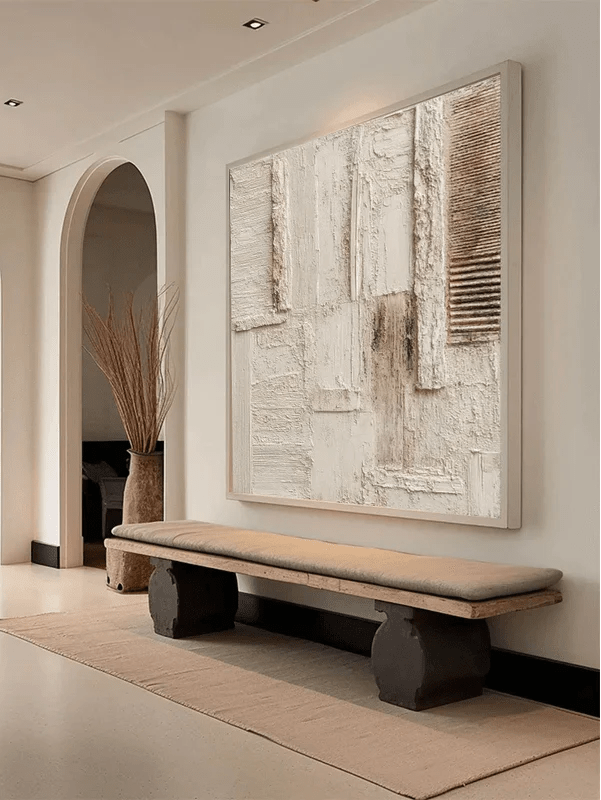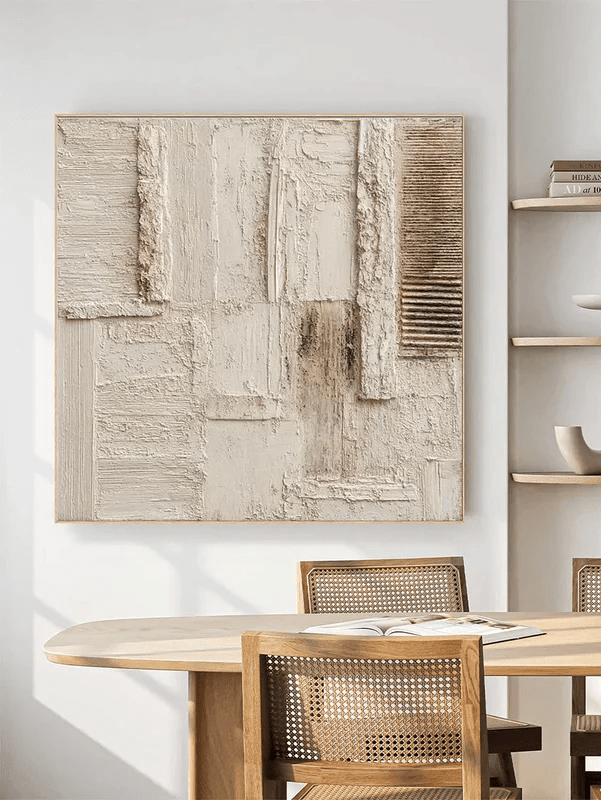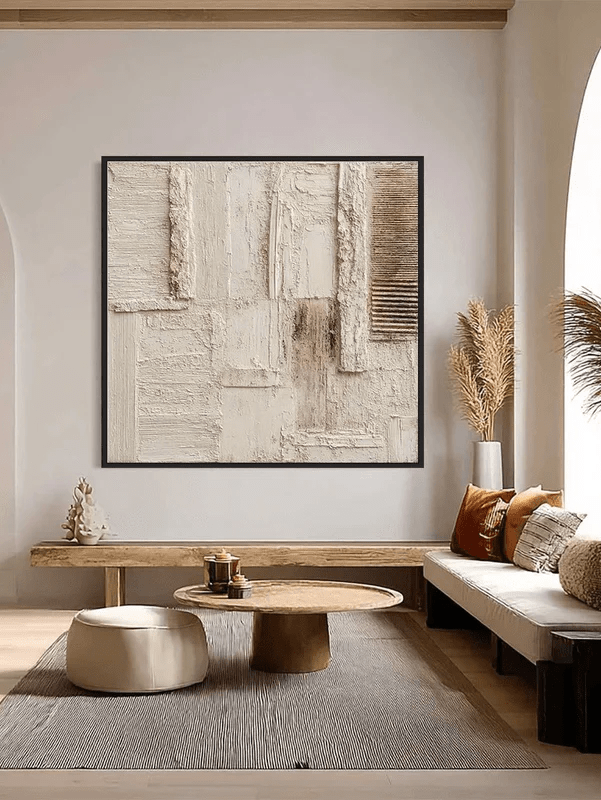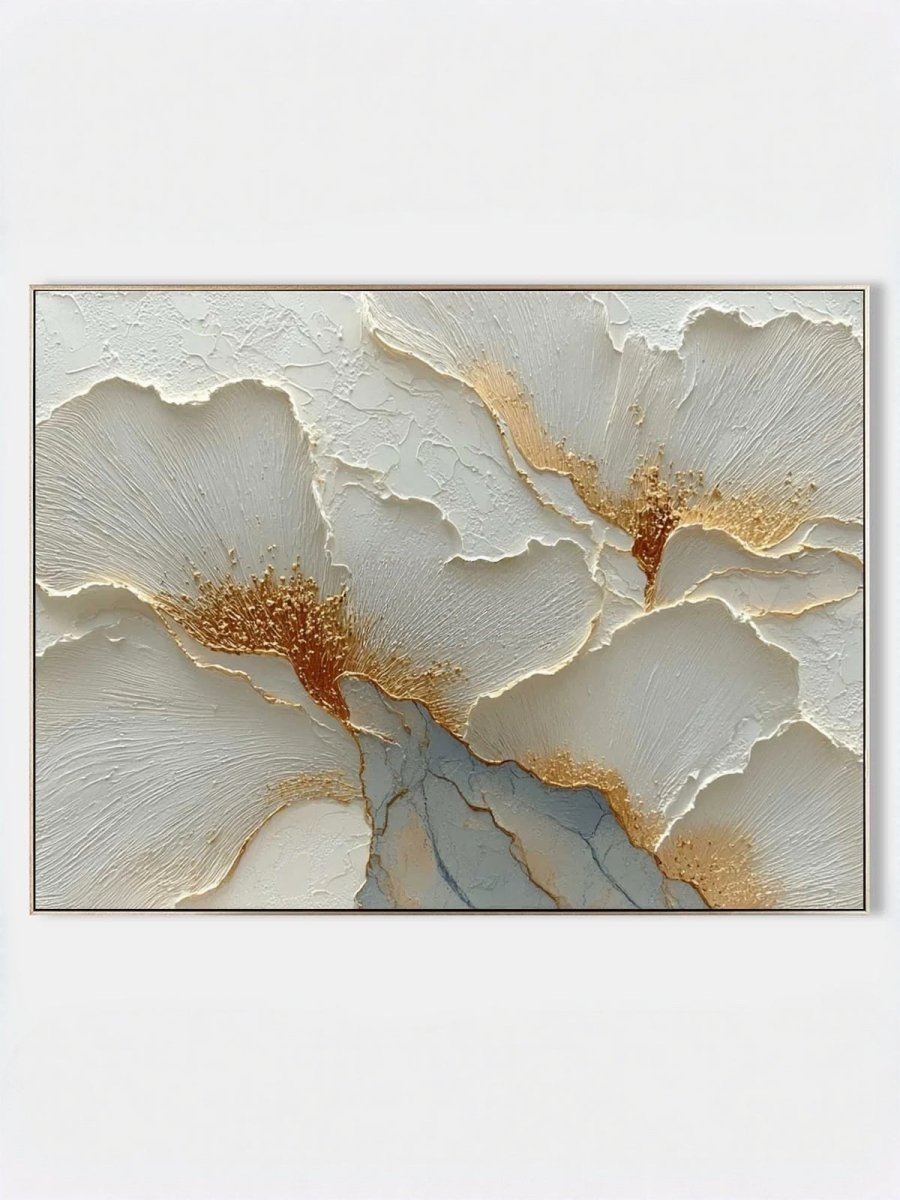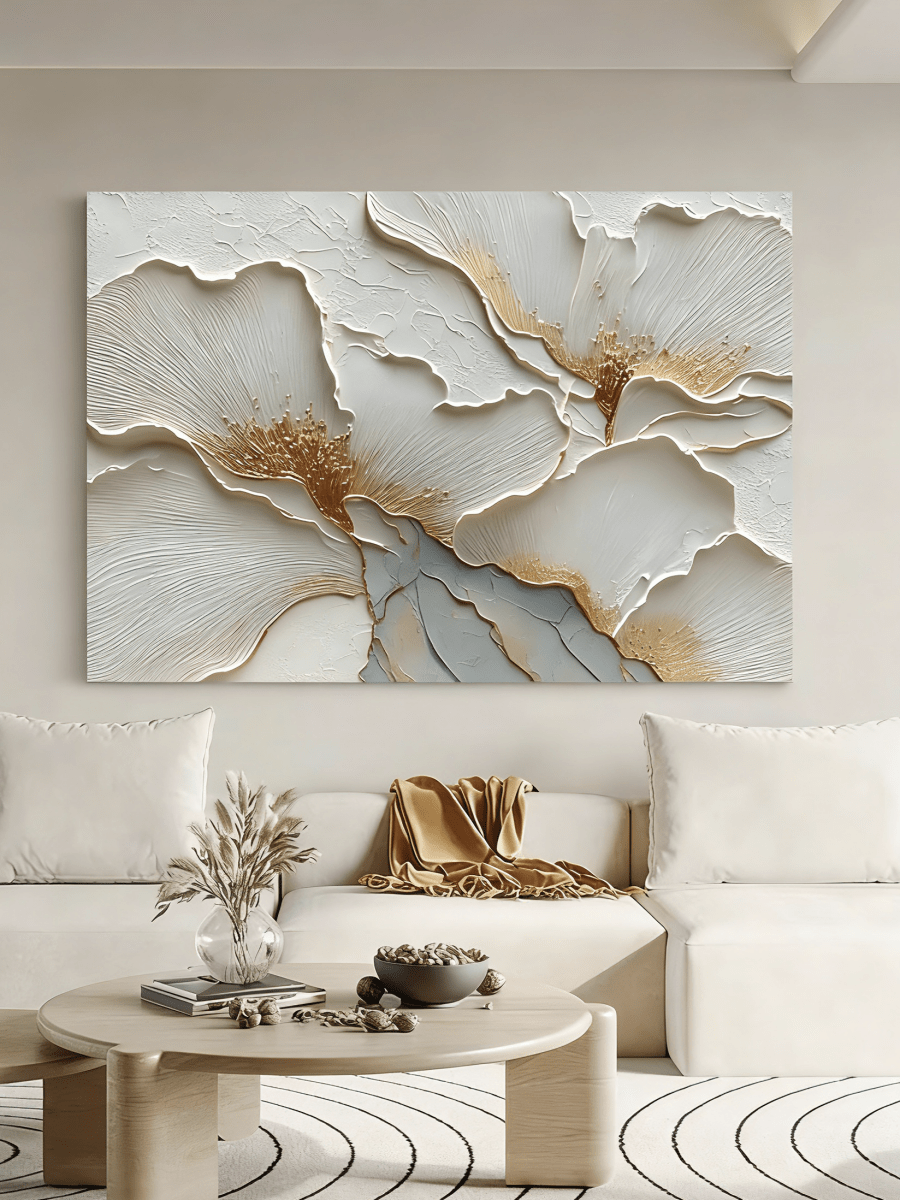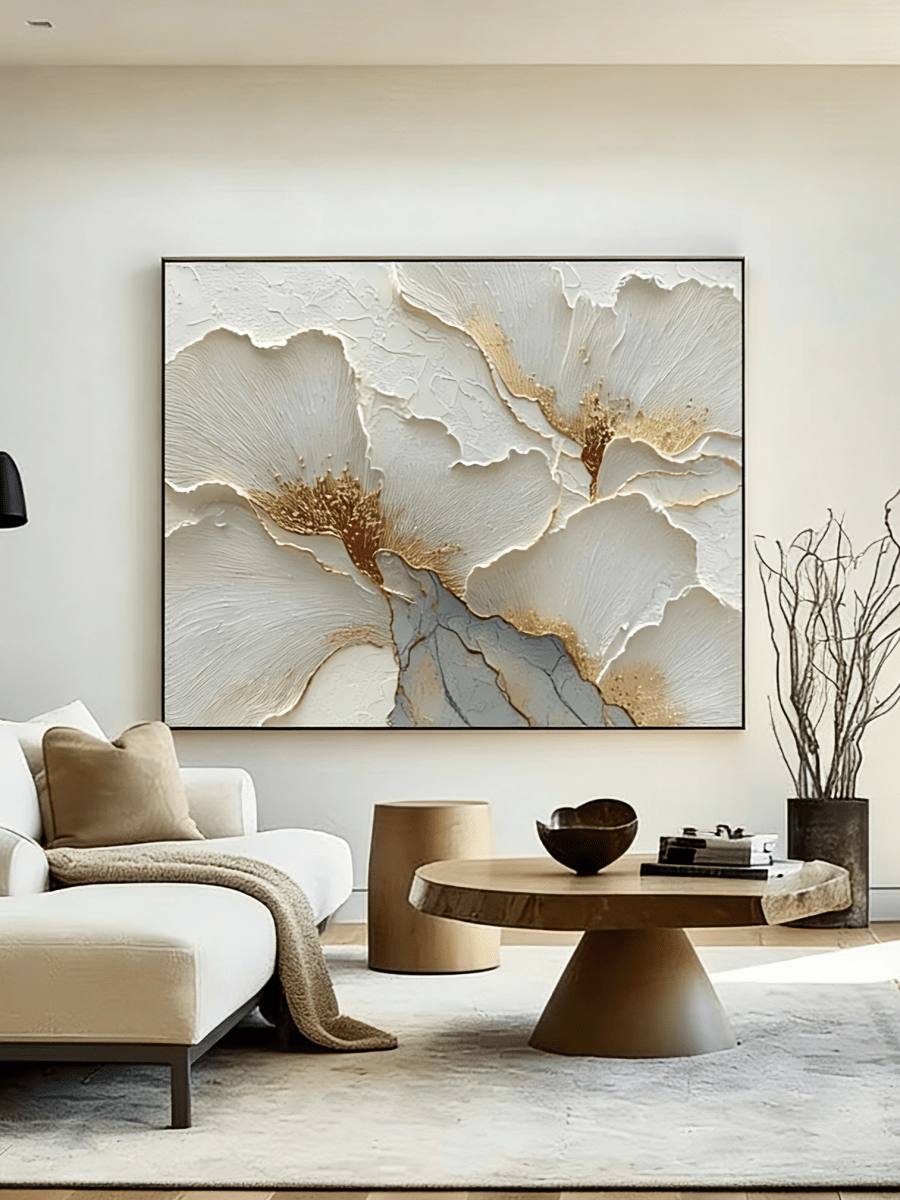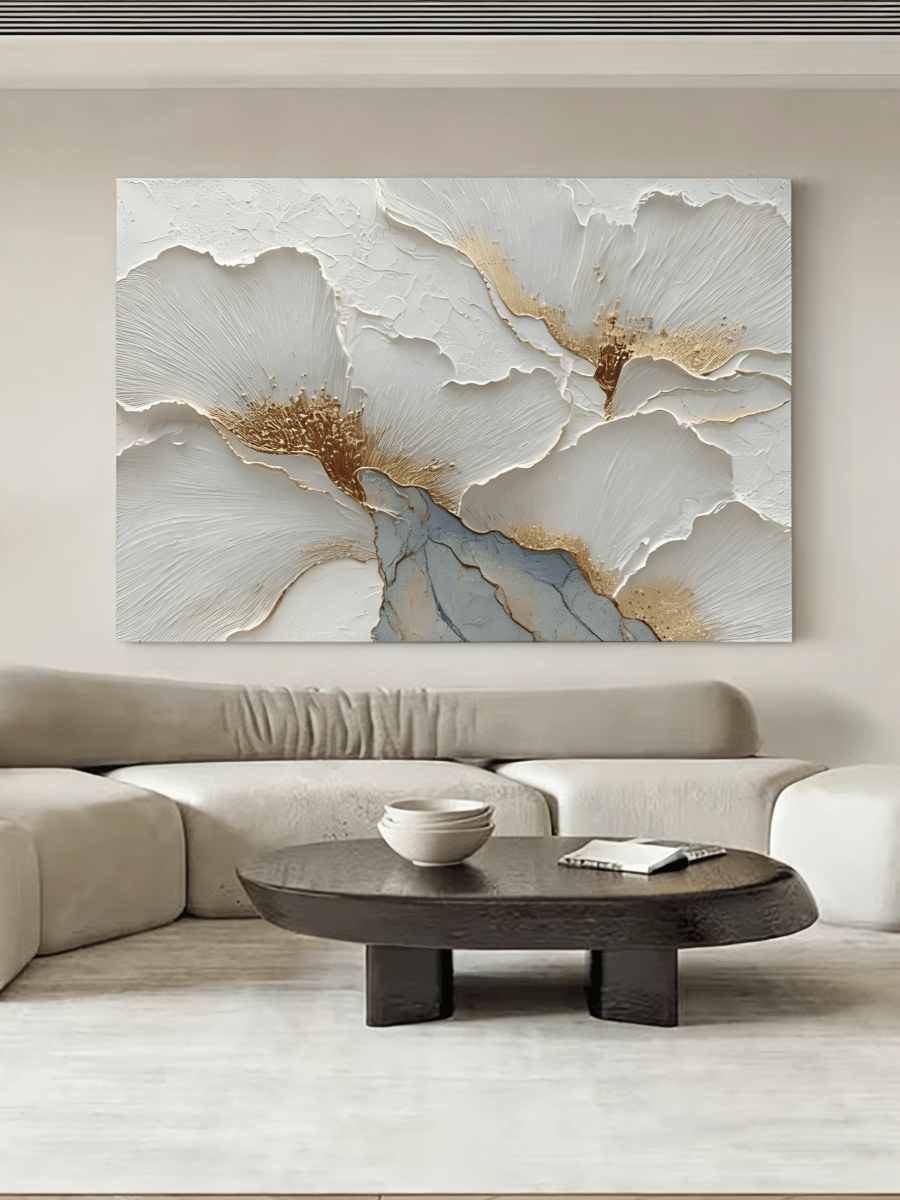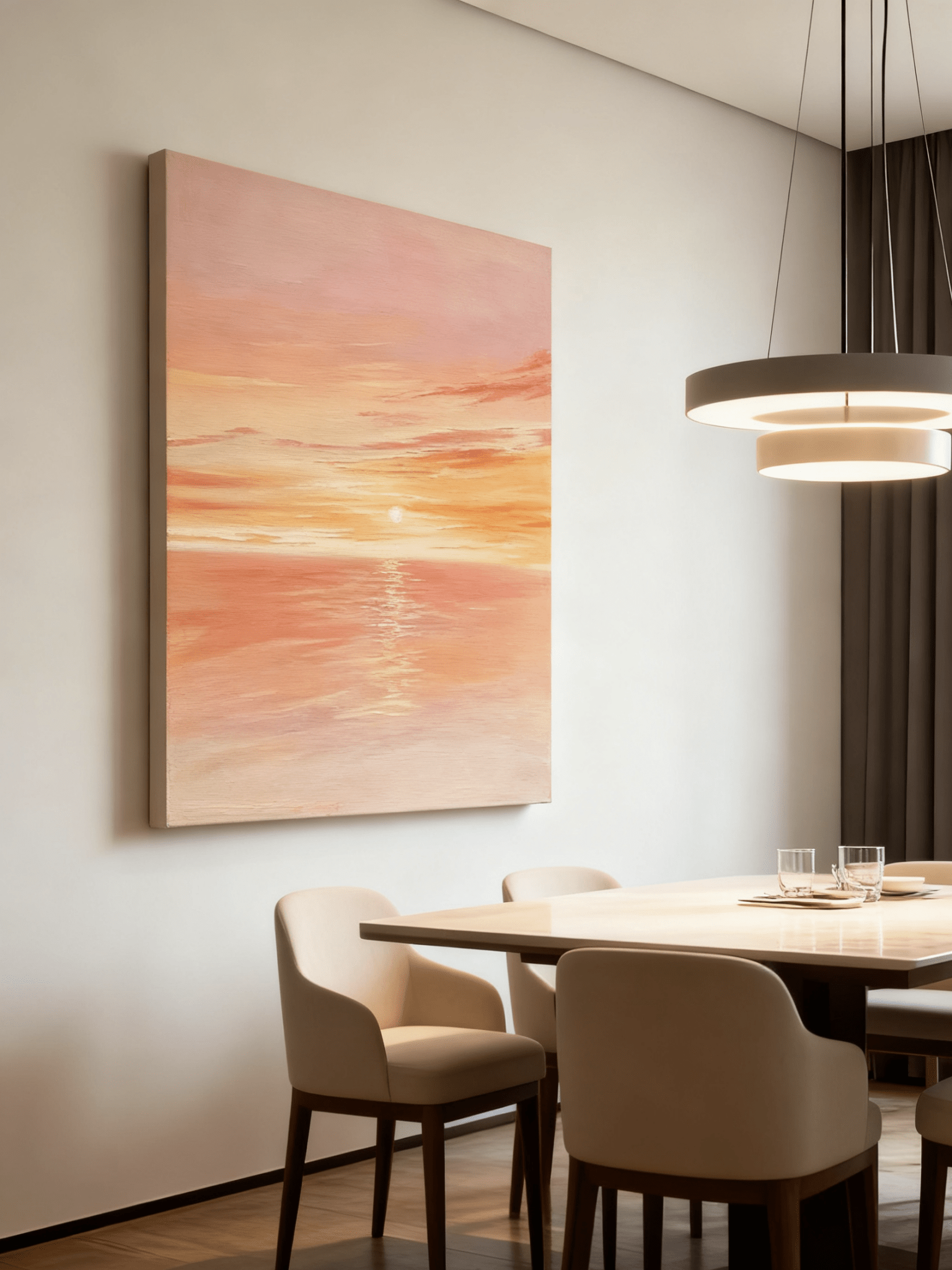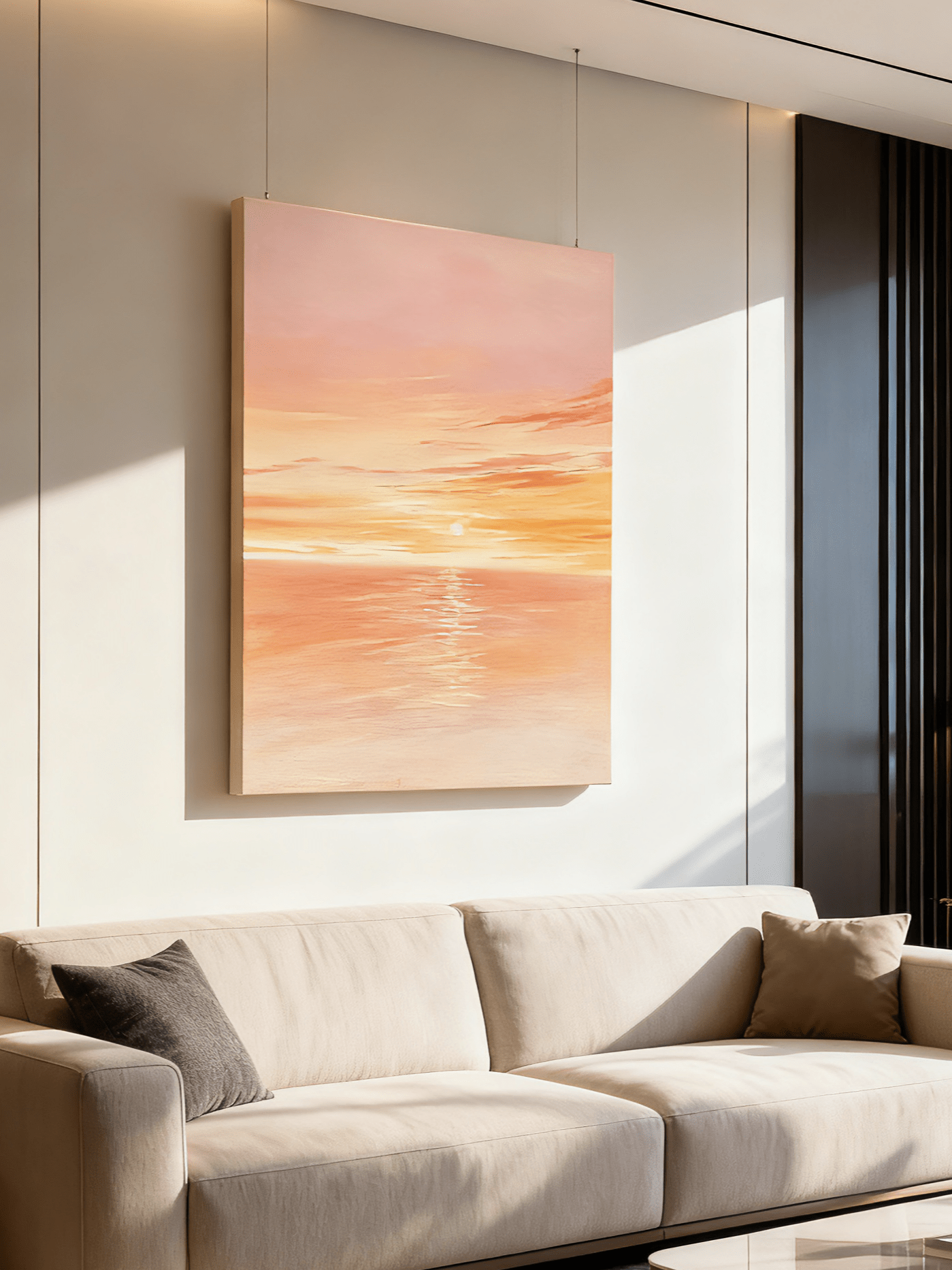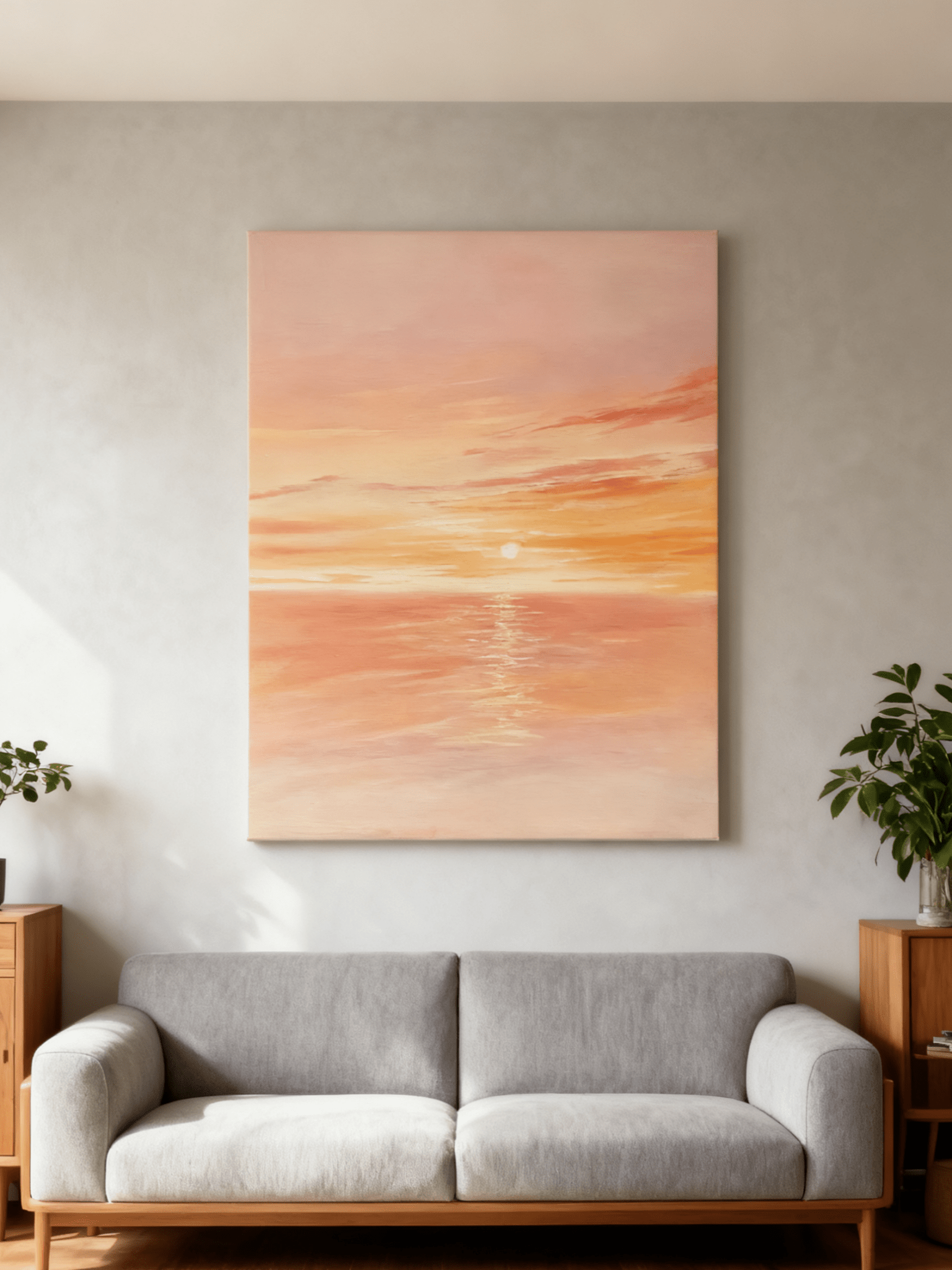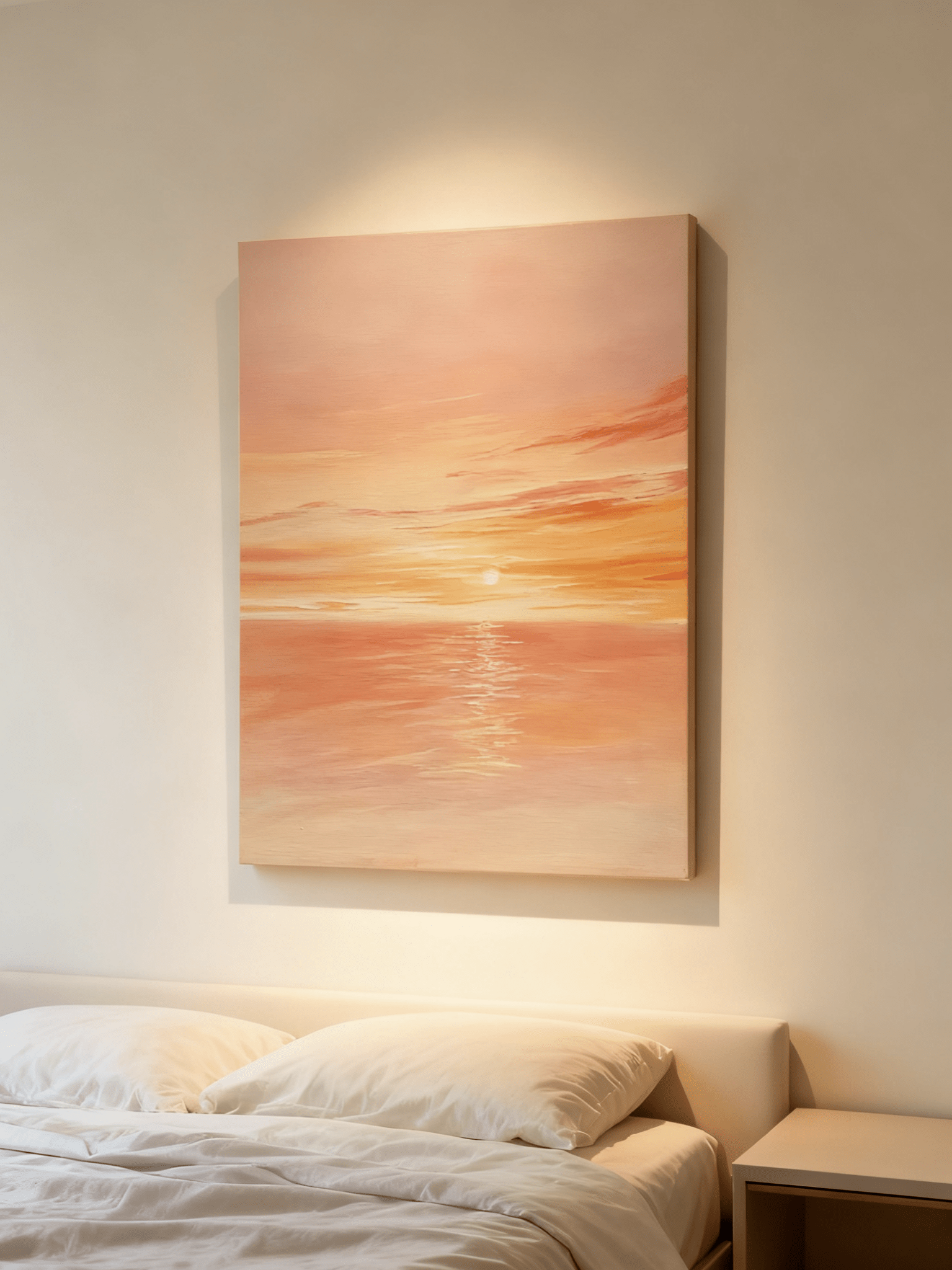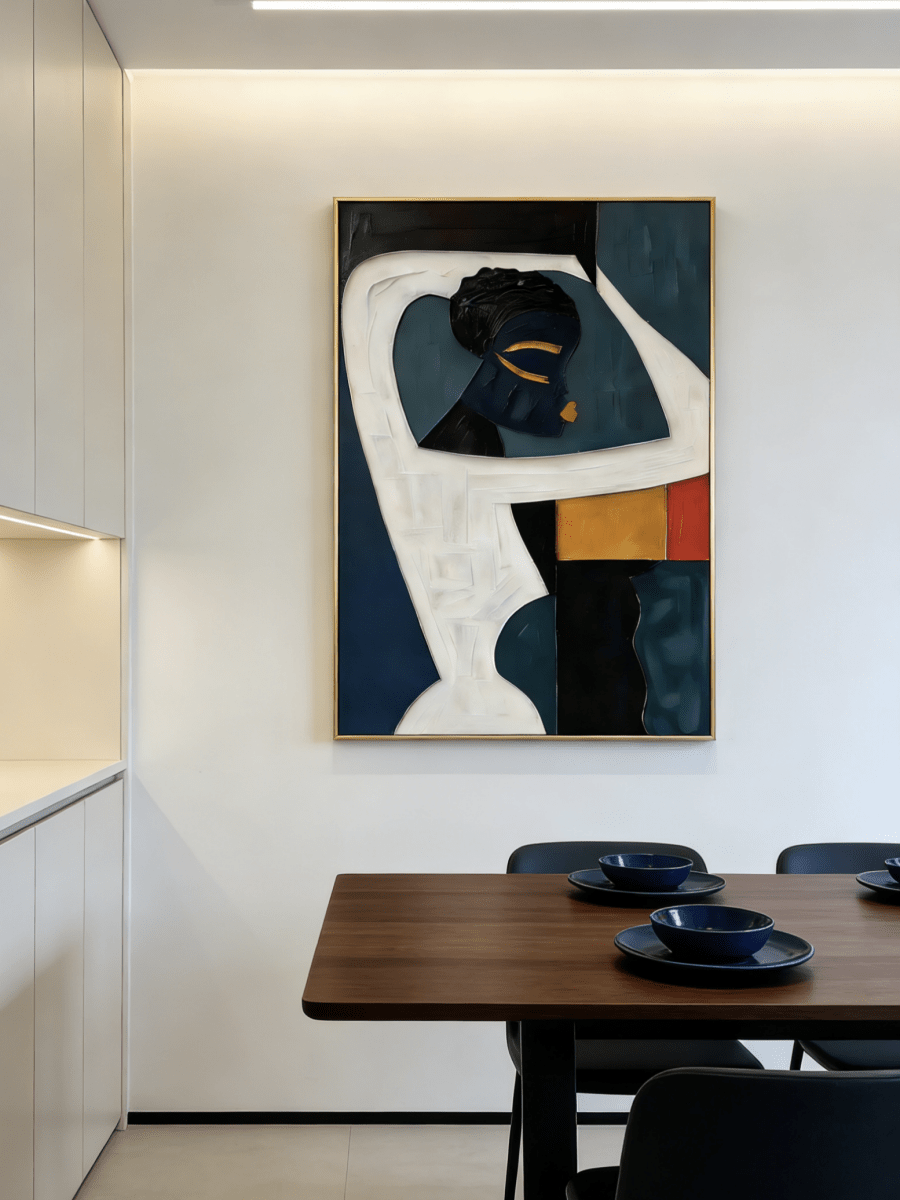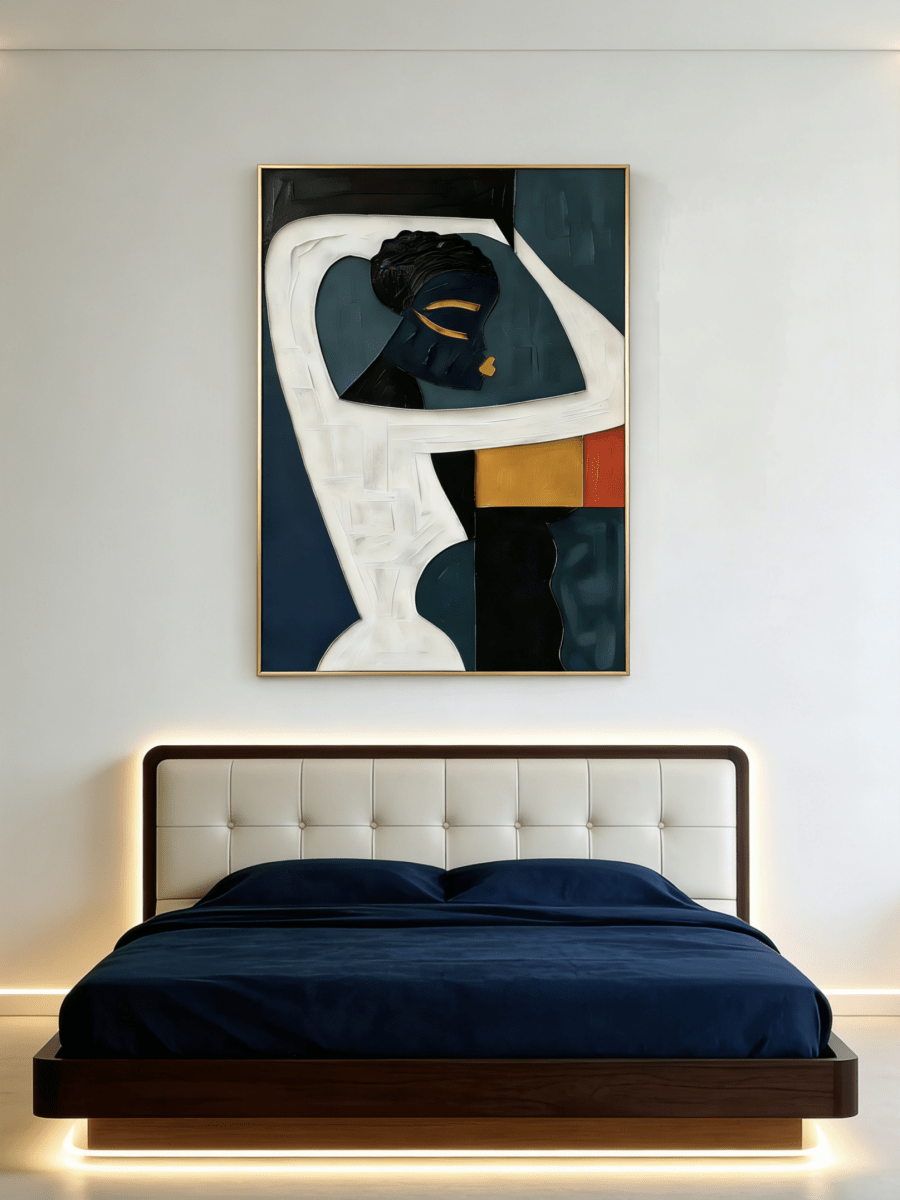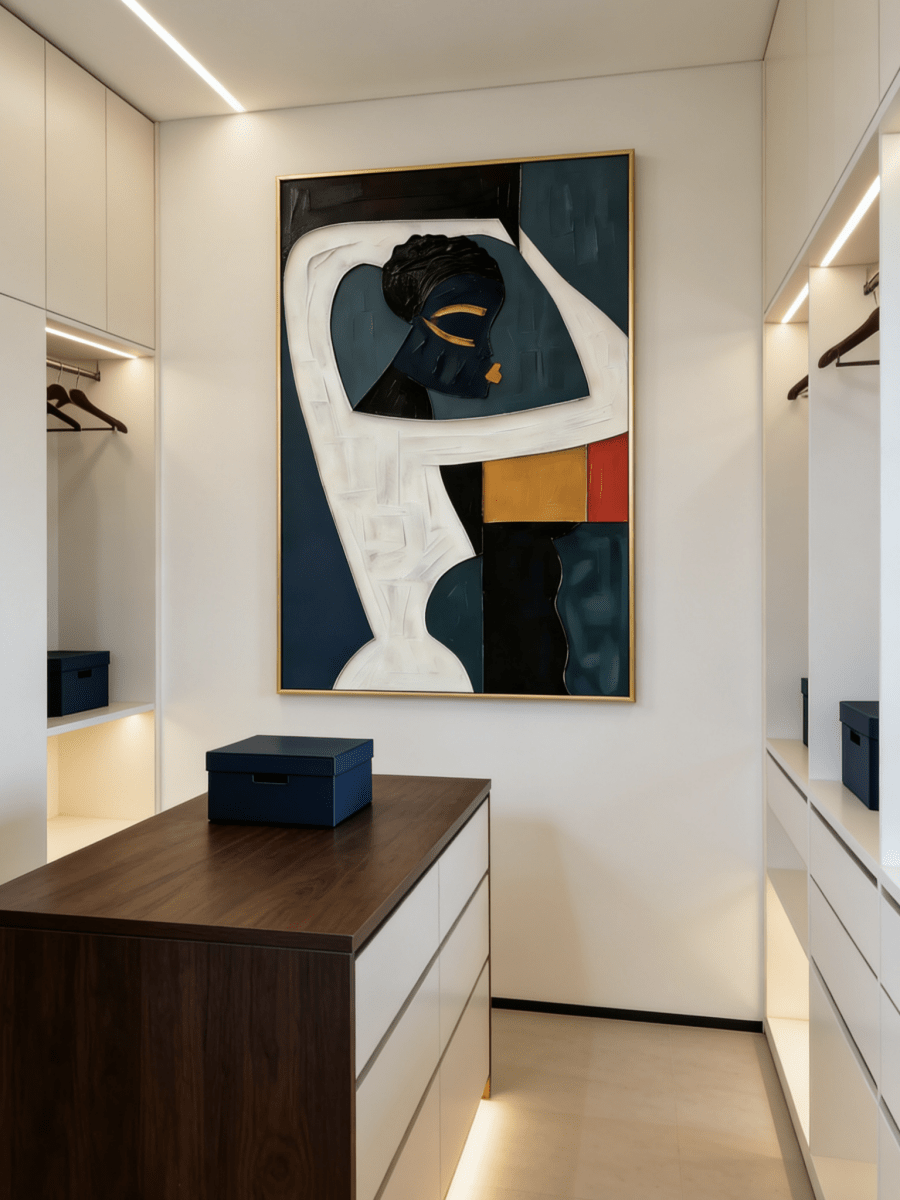

You find a painting whose gold details look warm and dimensional in daylight, then wonder what you are actually seeing. Is the surface made with thin metal leaf, metallic paint, or a printed gold effect? Will it feel refined in a modern home, or make the room look overly formal? And if the finish is delicate, can it be maintained without specialist care?
Those are sensible questions to ask before buying. Understanding what is gold leaf wall art requires looking at the material, the way it is applied, and how it behaves after the artwork is installed. This guide explains the difference between leaf and other metallic finishes, how artists combine reflective areas with paint and texture, and how to choose, style, light, and care for a piece in a real home. You can also compare the techniques discussed here in WABI Wall Art’s Metallic & Gold Leaf Wall Art collection.

What Is Gold Leaf Wall Art?
Gold leaf wall art is artwork in which an artist applies extremely thin sheets of gold or gold-colored metal to selected areas of a painted or textured surface. The leaf is usually placed by hand over a prepared adhesive layer. Because the material is much thinner than foil used for household wrapping, it settles into brush marks, ridges, and small irregularities, creating a surface that responds to light differently from ordinary paint.
The phrase needs one important qualification. Genuine gold leaf is made from gold beaten into very thin sheets. Imitation gold leaf—sometimes called composition leaf—is generally made from other metals, often copper and zinc, to produce a gold appearance. Artists may also use gold-colored foil, mica-based metallic paint, or metallic pigment. These materials can all create beautiful results, but they are not chemically or visually identical. A trustworthy product description should state the actual material rather than relying on a generic “gold” label.
A printed gold effect is different again. A print reproduces the color and shape of a metallic passage as ink on a flat surface. It may suggest gold in a product photograph, but it cannot reproduce the changing reflection, minute wrinkles, raised edges, or individual variations of hand-applied leaf. When evaluating gold leaf wall art, review close-up photography, read the medium description, and ask whether the metallic area is genuine leaf, imitation leaf, foil, pigment, or a gold-toned painted finish. The handmade gold leaf and metallic wall art selection at WABI Wall Art includes different reflective treatments, so the individual product page remains the final source for materials.
How Gold Leaf Is Used in Contemporary Wall Art
Historic gilding often covered frames, architectural ornament, icons, and decorative objects. Contemporary artists use leaf more selectively. A small broken edge can trace a horizon; an irregular band can divide two color fields; scattered fragments can interrupt a matte background; and a thin metallic line can emphasize the contour of a sculpted flower. The reflective material becomes part of the composition rather than a uniform coating.
Gold leaf can be combined with acrylic or oil paint, modeling paste, plaster-like texture, charcoal, sanded grounds, and palette-knife marks. In mixed-media paintings with metallic leaf, contrast is often the point: smooth versus rough, opaque versus reflective, controlled geometry versus torn edges. Leaf adheres to high and low areas differently, so an imperfect textured ground produces highlights that change as the viewer moves.
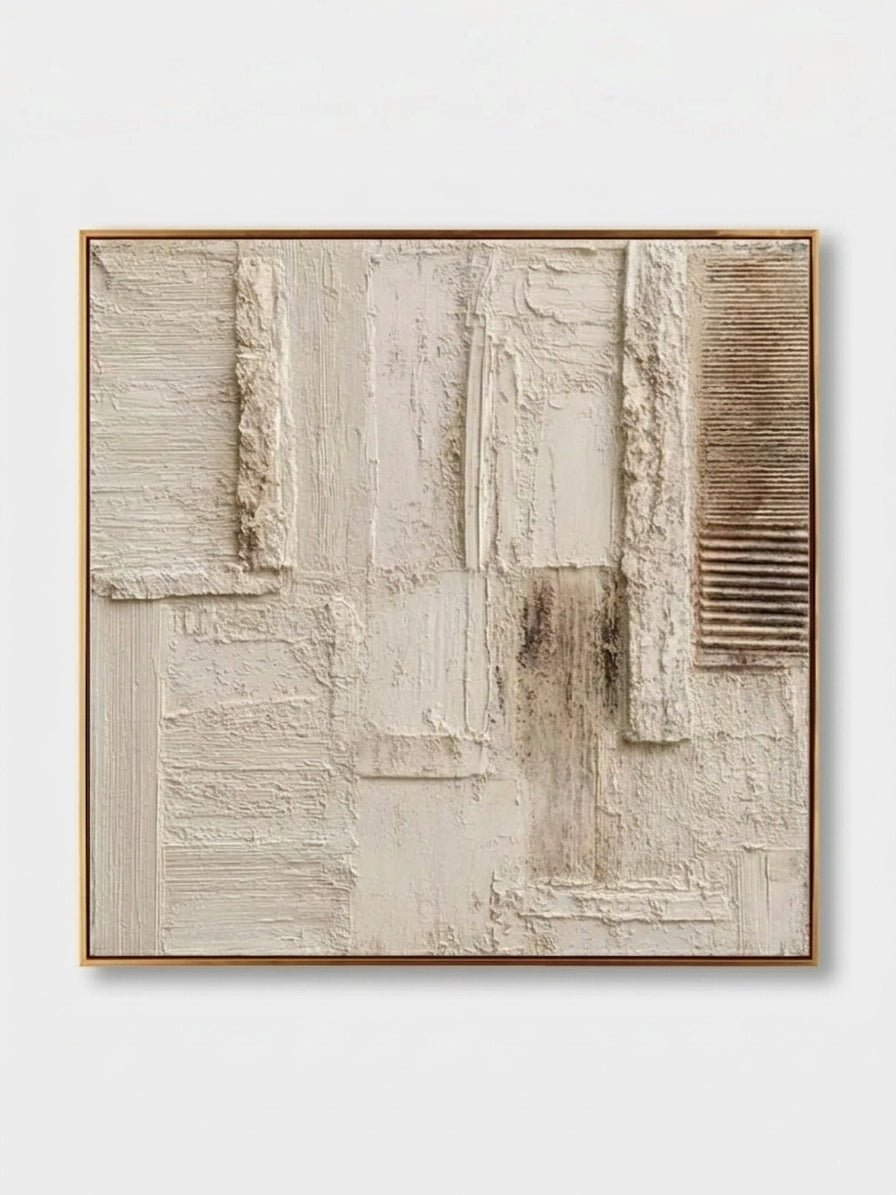
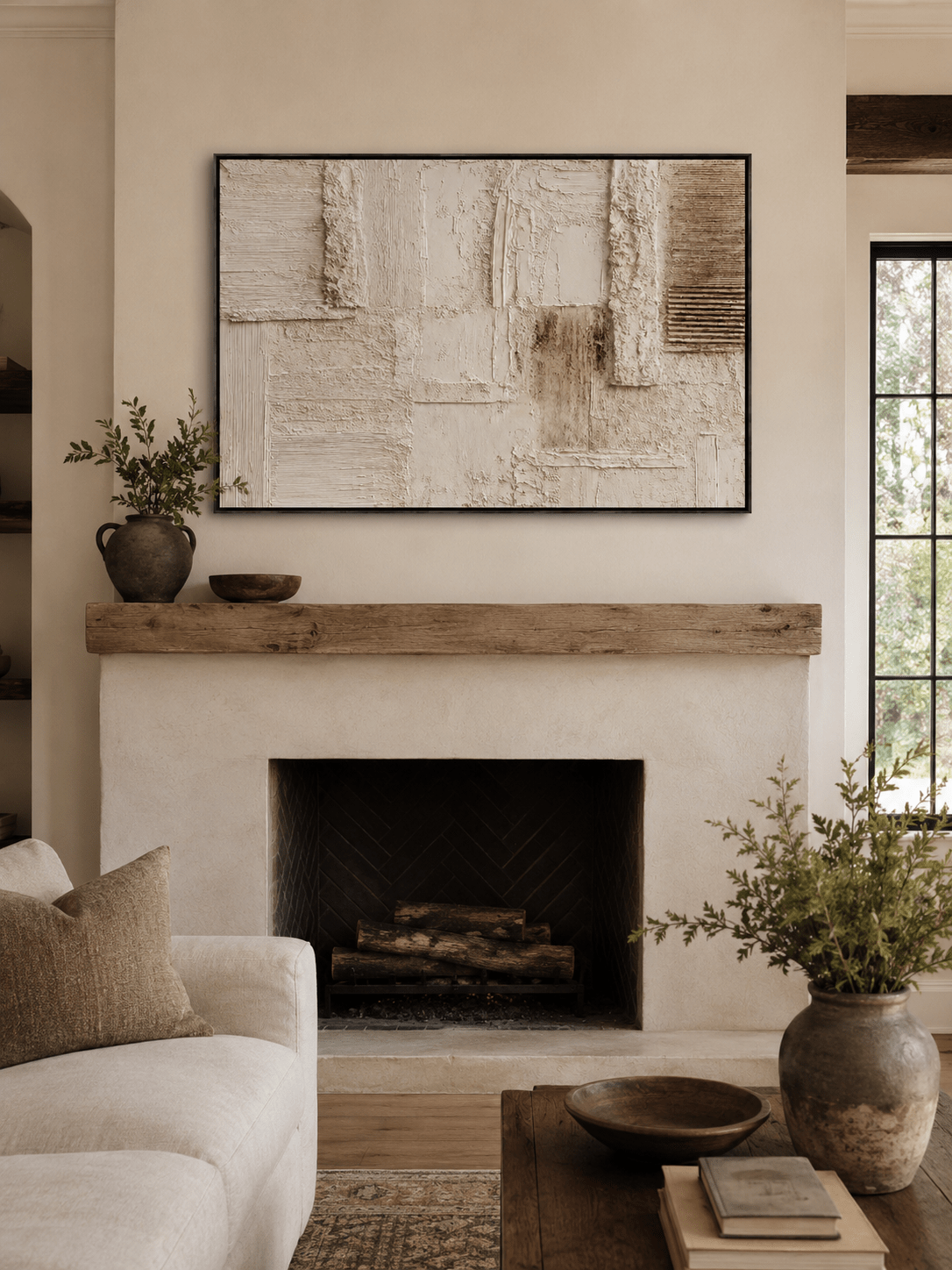
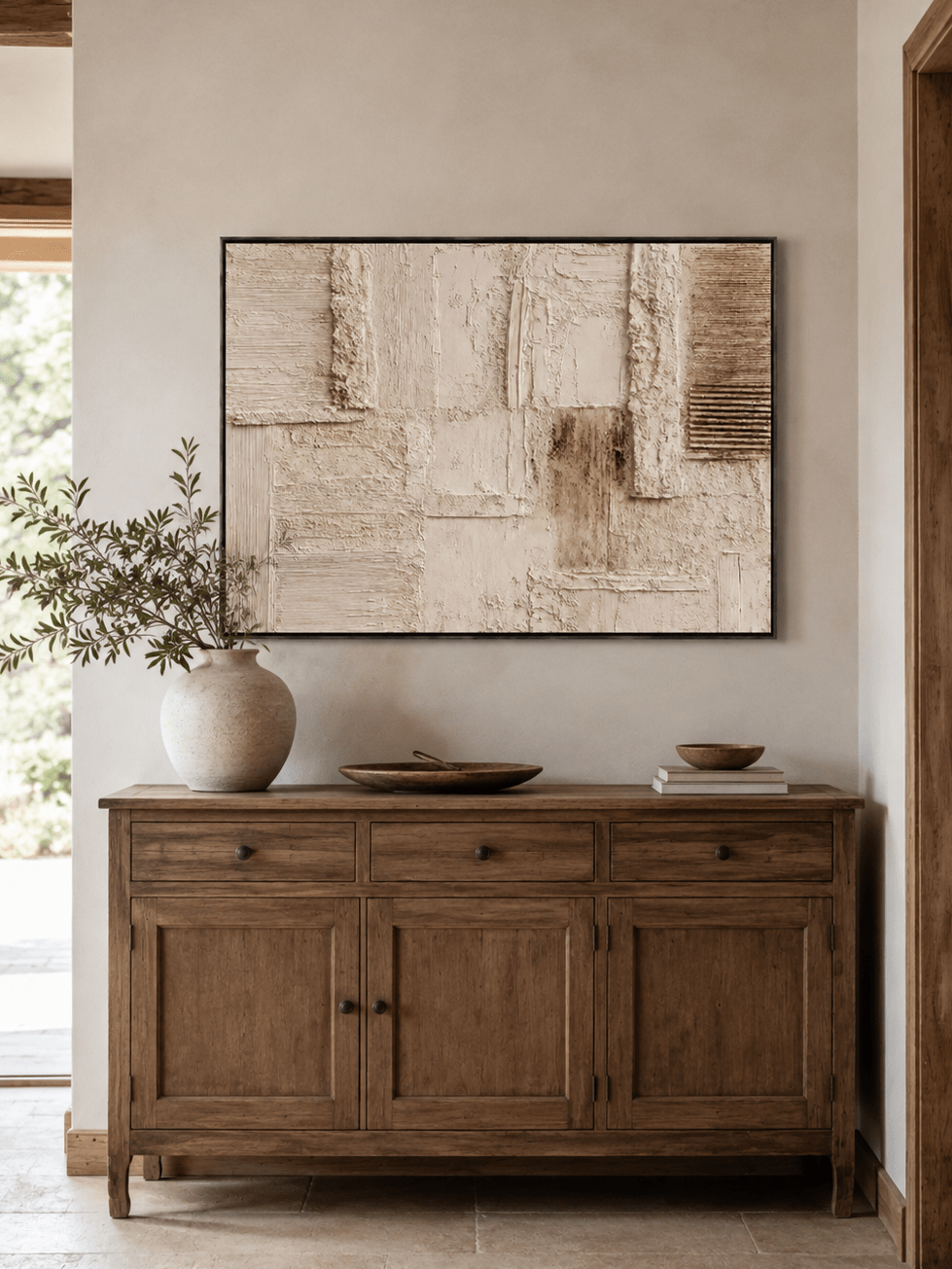
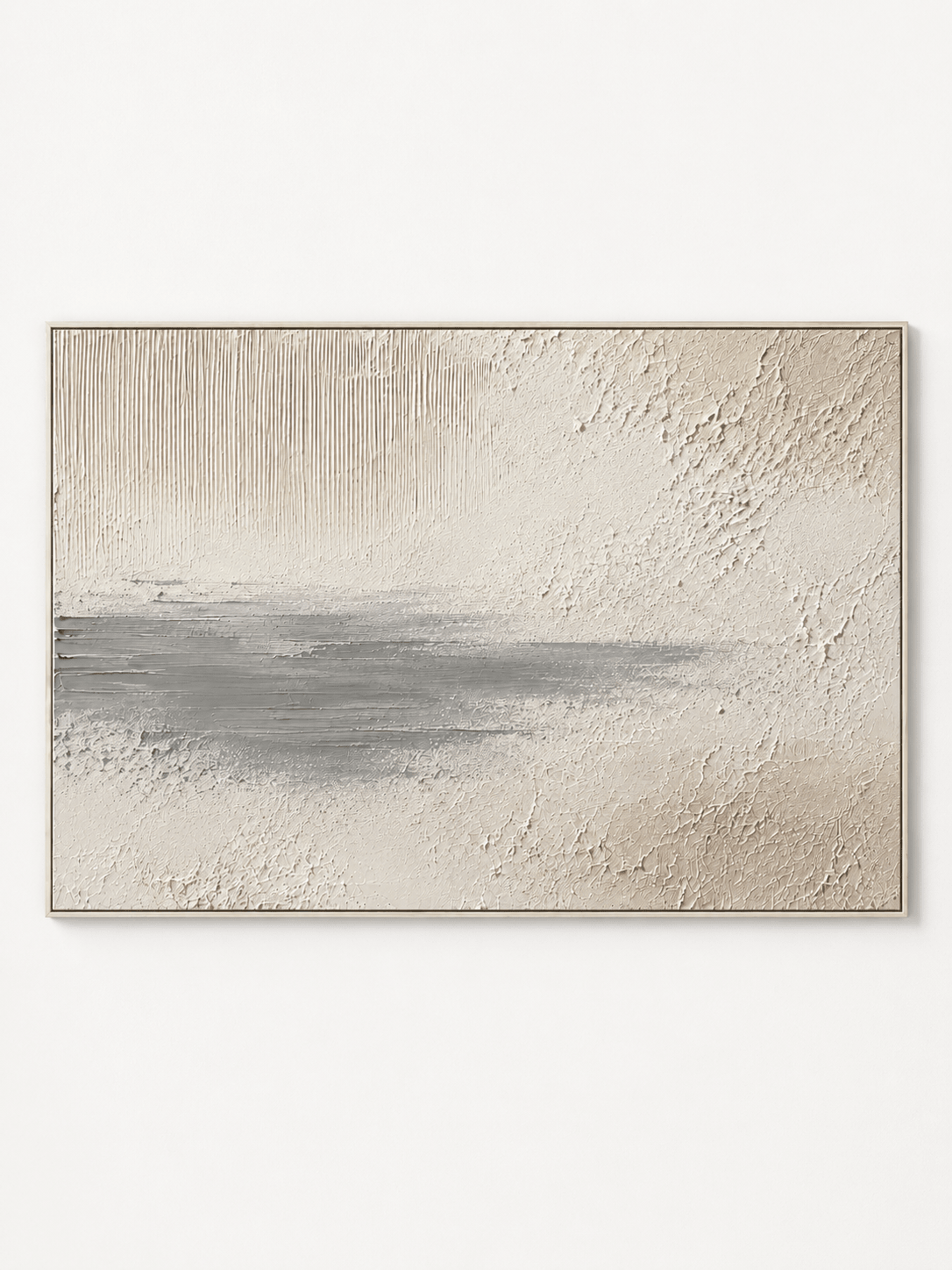
This relationship explains why metallic leaf appears so often in abstract and textured work. Abstract compositions do not need gold to imitate a literal object. Instead, the artist can use it as light, rhythm, interruption, or visual weight. On a heavily textured canvas, a metallic passage also reveals the surface relief. WABI’s 3D Sculptural White and Gold Floral Wall Art – LX#0249, for example, pairs hand-built ivory petals with hand-applied leaf accents, while Textured Abstract Wall Art – EV#0088 uses restrained gold-toned rectangles within a hand-painted relief. Comparing the two shows why “metallic art” describes a visual family, not one universal material.
Gold Leaf Painting on Canvas: Materials and Techniques
A gold leaf painting on canvas is built in layers. Exact methods vary by artist and product, but the basic sequence includes a stable support, a prepared surface, an adhesive or size, the leaf itself, and—when appropriate—a protective finish. Handmade work will show small variations in placement, texture, and reflection. Those variations are evidence of process, not necessarily defects.
Canvas
Cotton, linen, or another prepared artist canvas provides a flexible support. The fabric is normally stretched or mounted and sealed with a ground so paint and adhesive do not soak unpredictably into the fibers. Texture paste or modeling medium may be added before gilding to create ridges, petals, blocks, or weathered areas. Because a thick relief carries more weight and has more vulnerable peaks, the support and stretcher must be appropriate for the finished piece.
Adhesive Layer
Leaf does not simply stick to dry paint. The artist applies a gilding adhesive, traditionally called size, to the intended areas. Different sizes reach the correct tack at different speeds. If the surface is too wet, the leaf can sink or shift; if it is too dry, adhesion may be incomplete. The artist therefore controls both timing and shape. Torn borders, narrow lines, and scattered fragments may be deliberate outcomes rather than careless application.
Gold Leaf Application
The thin sheets are transferred with specialized tools, tissue, or a soft brush, then gently pressed onto the tacky area. Loose overlaps are brushed away after adhesion. Genuine gold leaf is highly malleable and resists tarnish well at higher purity, while imitation leaf can produce a similar warm visual effect at a different price and may require more protection from oxidation. Product terminology differs, so ask for the exact material when it matters to your purchase.
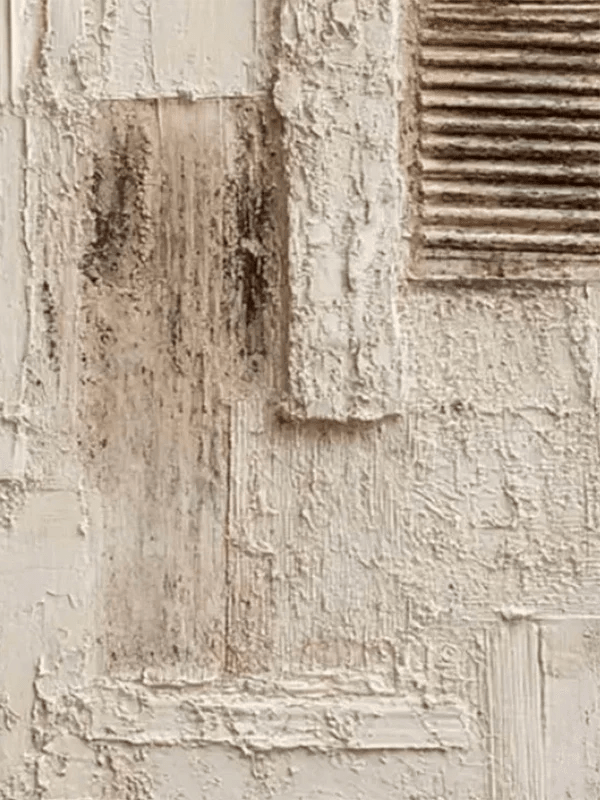
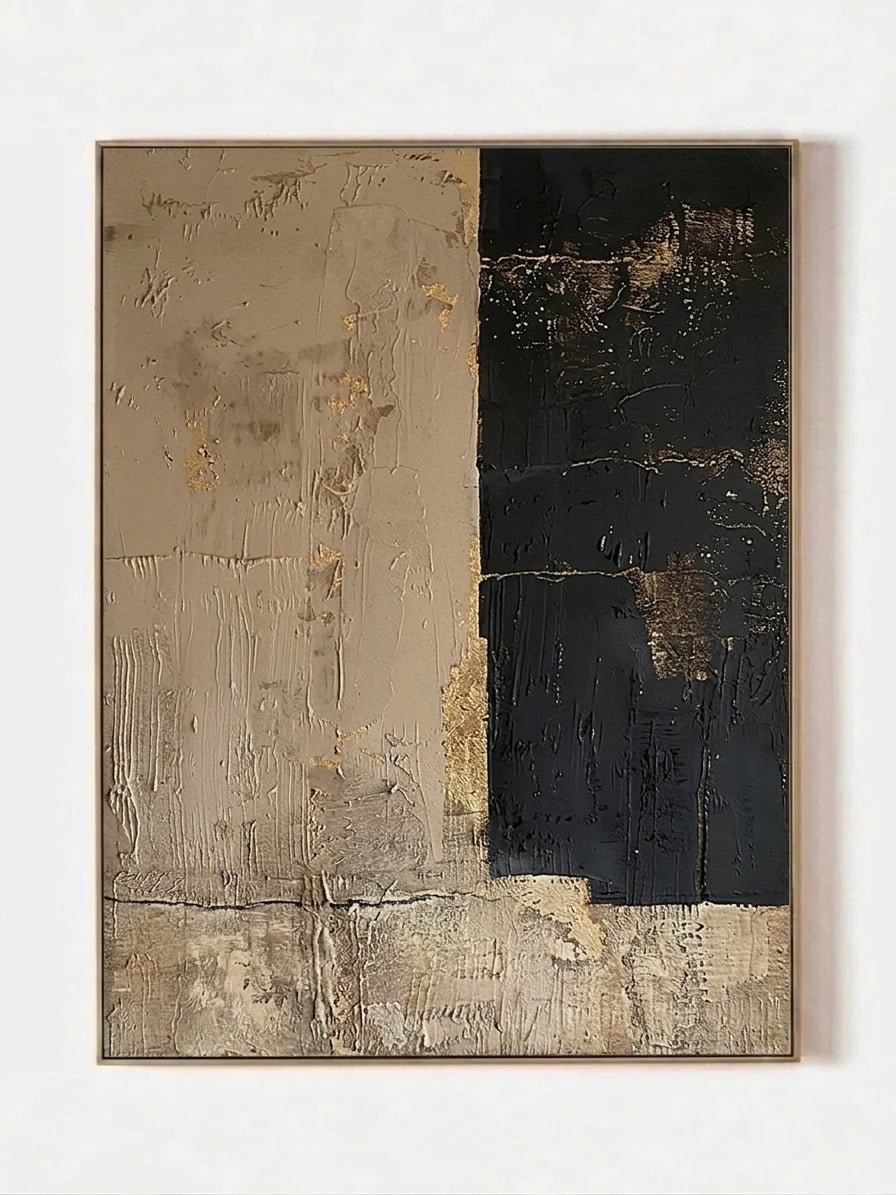
The close-up below shows why leaf is visually distinct from flat gold color: tiny wrinkles and broken edges catch light in multiple directions.

Protective Finish
A protective coating may be used to stabilize the metallic surface, especially when imitation leaf or mixed media is involved. The finish must be compatible with the leaf, paint, and texture; it can also change gloss and color. Not every genuine-gold surface is sealed in the same way, and some artists leave selected passages uncoated for a particular appearance. Do not assume that every gold-colored painting uses the same varnish. Follow the care instructions for the specific artwork.
Gold Leaf vs Metallic Wall Art: What Is the Difference?
Metallic wall art is the broader category. It can include genuine metal leaf, imitation leaf, metallic foil, mica or metal pigments, metallic acrylic, embedded metal, or even a printed metallic-looking effect. Gold leaf art is one technique within that category. The distinction matters because material, reflectivity, surface character, care, and price can differ.
| Dimension | Gold Leaf Art | Metallic Wall Art |
|---|---|---|
| Material | Thin sheets of genuine gold or imitation gold-colored metal applied to a prepared surface | May use leaf, foil, metallic paint, mica pigment, metal elements, or printed effects |
| Appearance | Fine wrinkles, overlaps, broken edges, and localized variation | Ranges from soft shimmer to smooth, uniform color or mirror-like metal |
| Light reflection | Changes distinctly with angle and grazing light | Depends on pigment size, gloss, foil, or metal finish |
| Handmade feeling | Often visible in irregular placement and individual leaf fragments | Can be strongly handmade or highly uniform, depending on the process |
| Price positioning | Often higher when materials, preparation, and hand application are more demanding | Very broad, from mass-produced prints to original mixed-media work |
| Best interior styles | Quiet luxury, contemporary, art deco, organic modern, wabi-sabi | Contemporary, industrial, glam, minimalist, eclectic, hospitality spaces |
Neither category is automatically “better.” Choose according to the effect you want and the product’s documented materials. If you value irregular hand application and shifting reflection, examine leaf-based pieces closely. If you prefer a muted, consistent shimmer, a metallic pigment may suit the room better. Use WABI’s metallic and gold artwork collection to compare both approaches side by side.
How Gold Leaf Wall Art Changes Light in a Room
Matte paint absorbs and scatters light; a metallic surface returns more of it toward the viewer. That does not mean a gold-leaf painting illuminates a dark room like a mirror. The effect is more localized. As daylight moves, different fragments brighten and recede, revealing texture that was less visible from another angle.
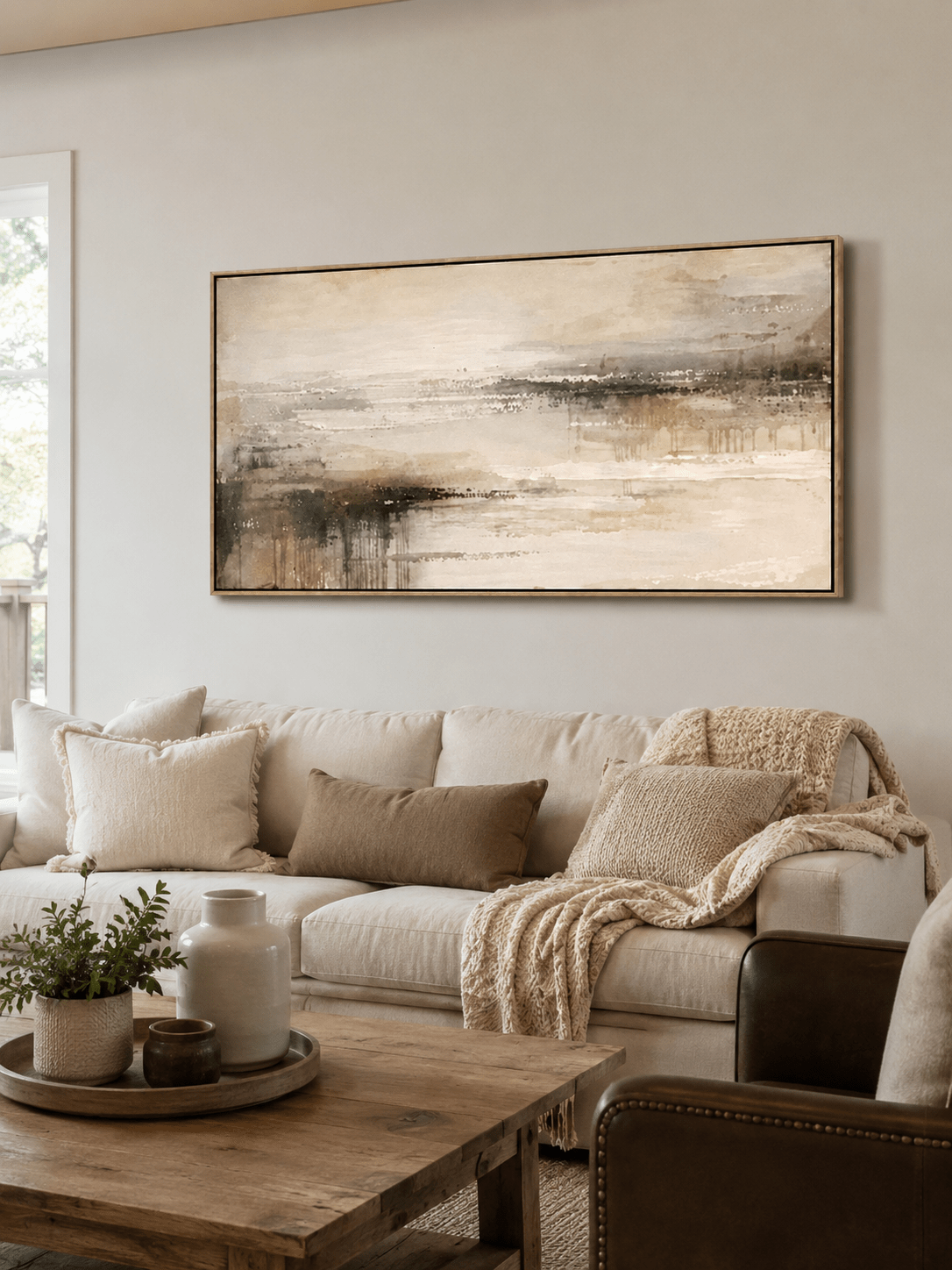
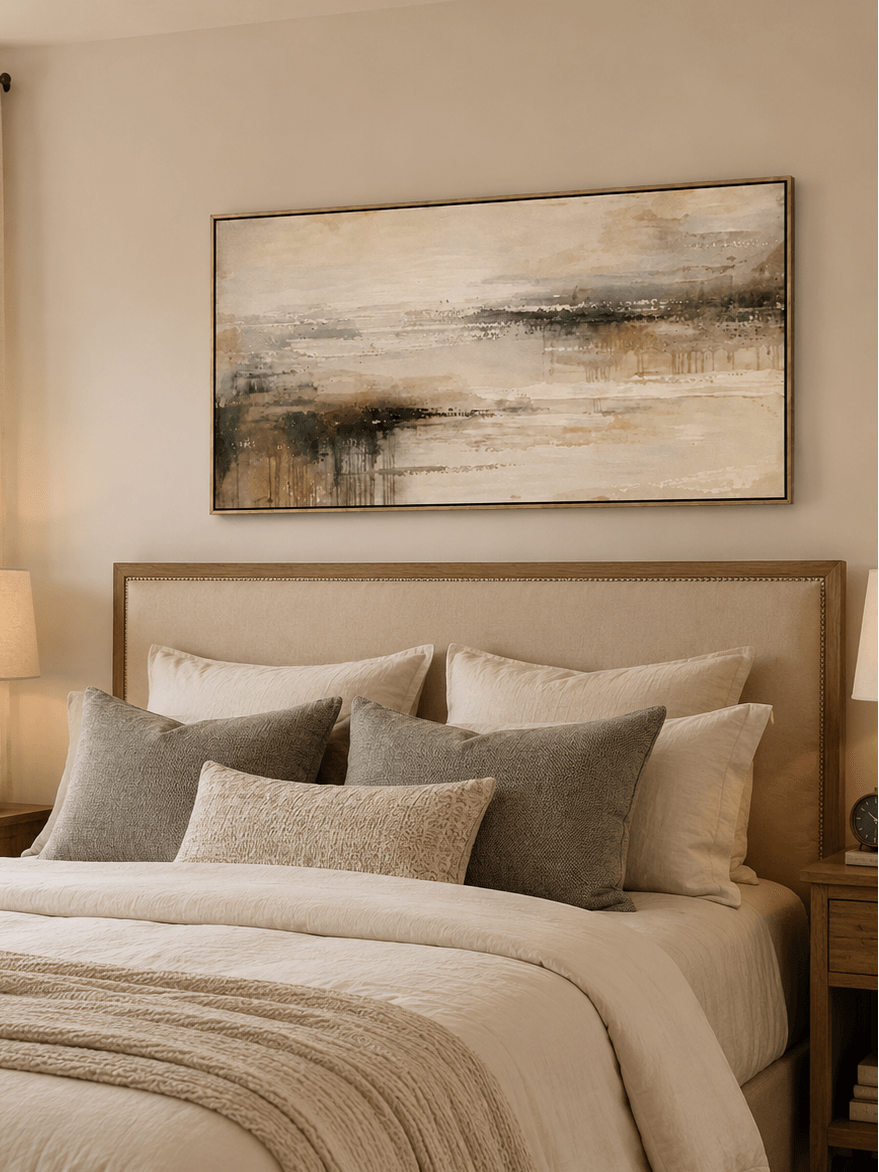
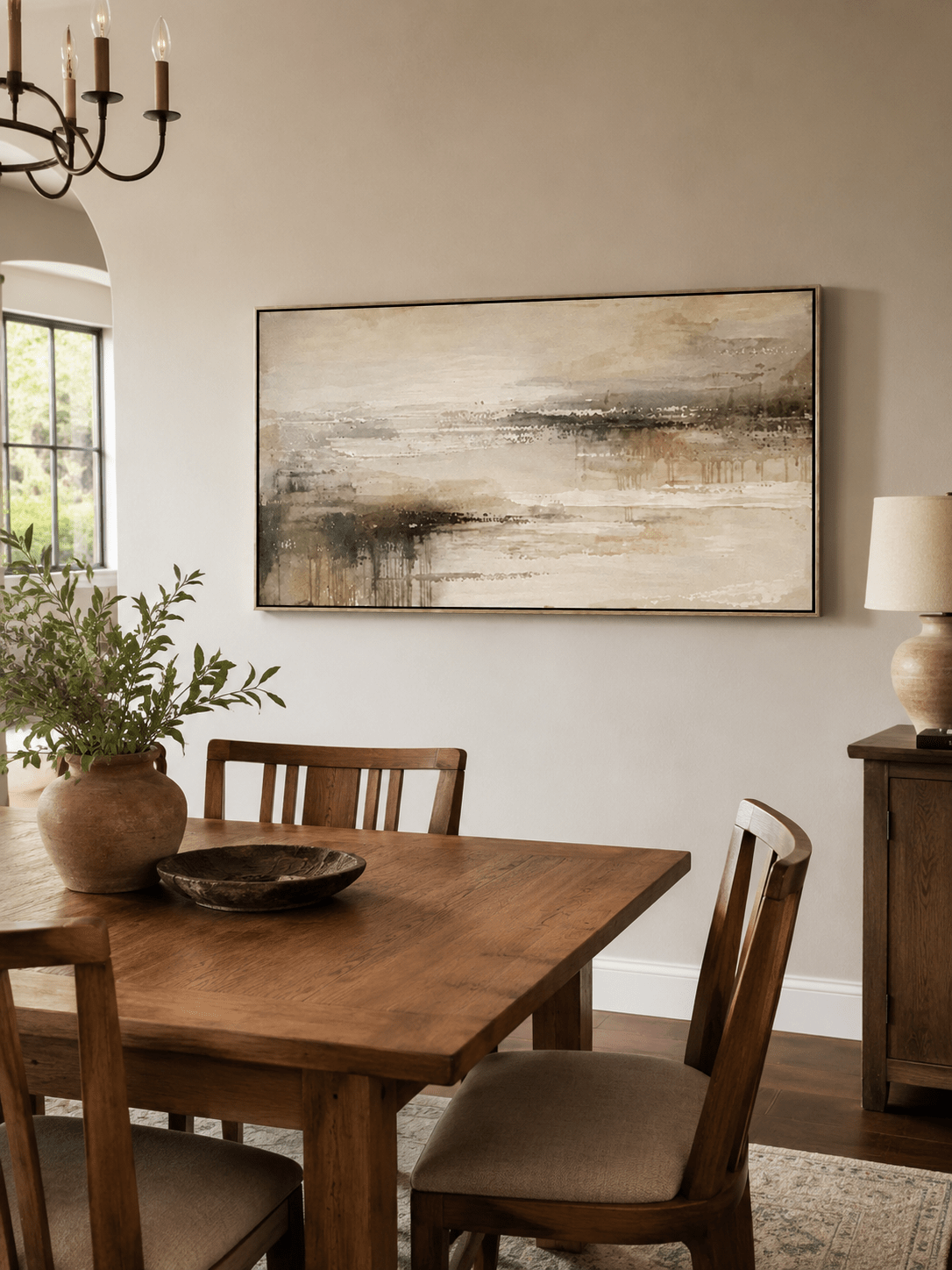
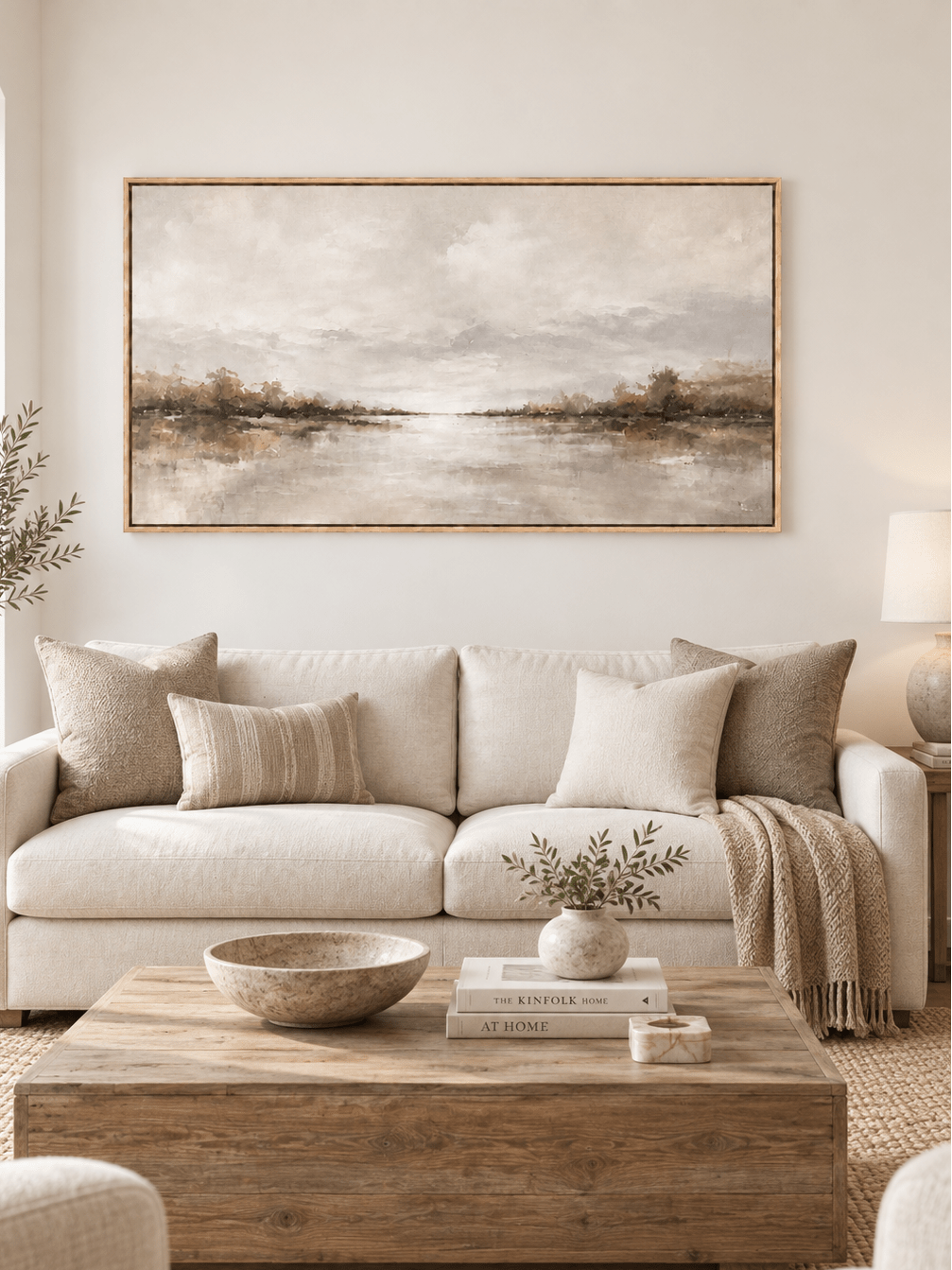
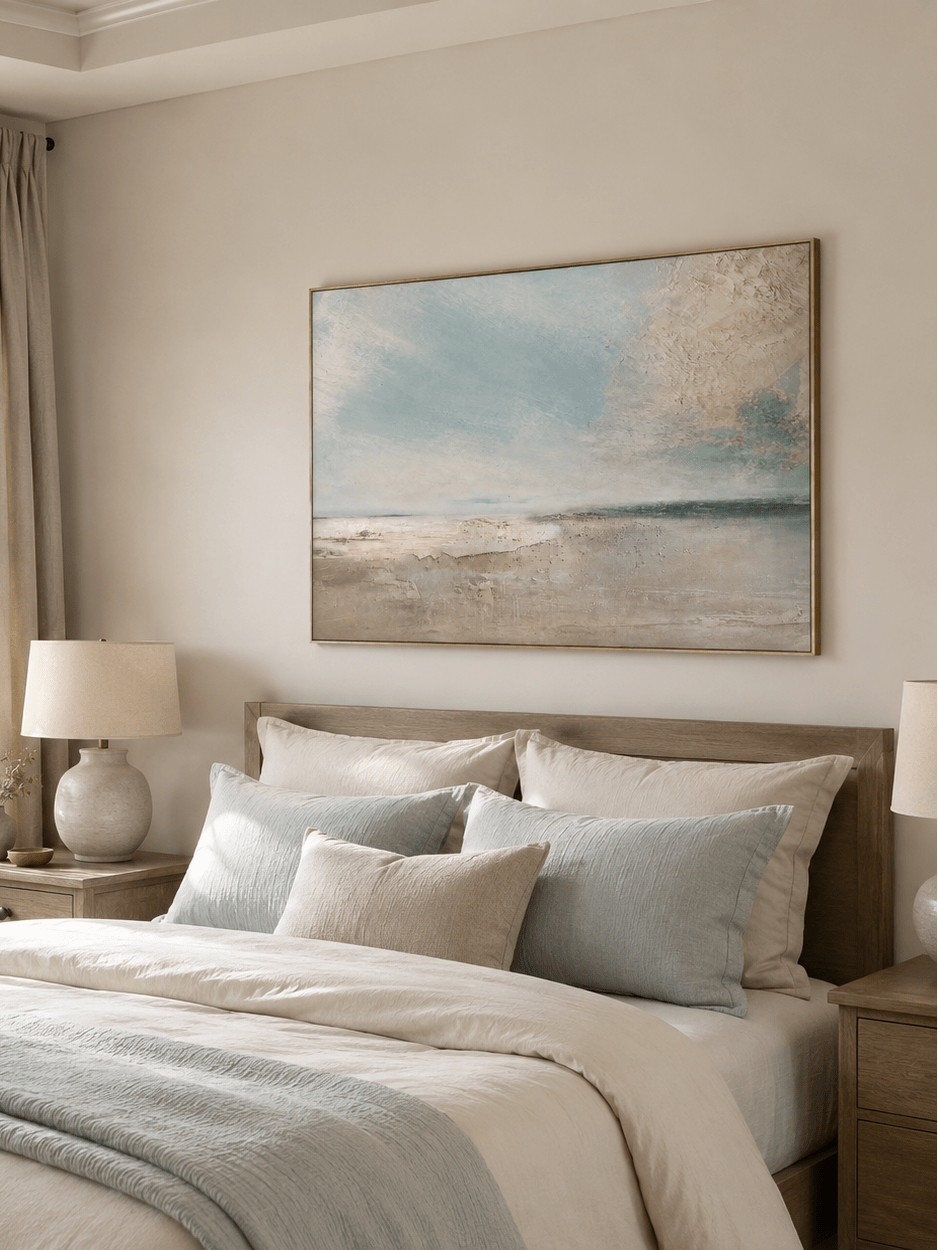
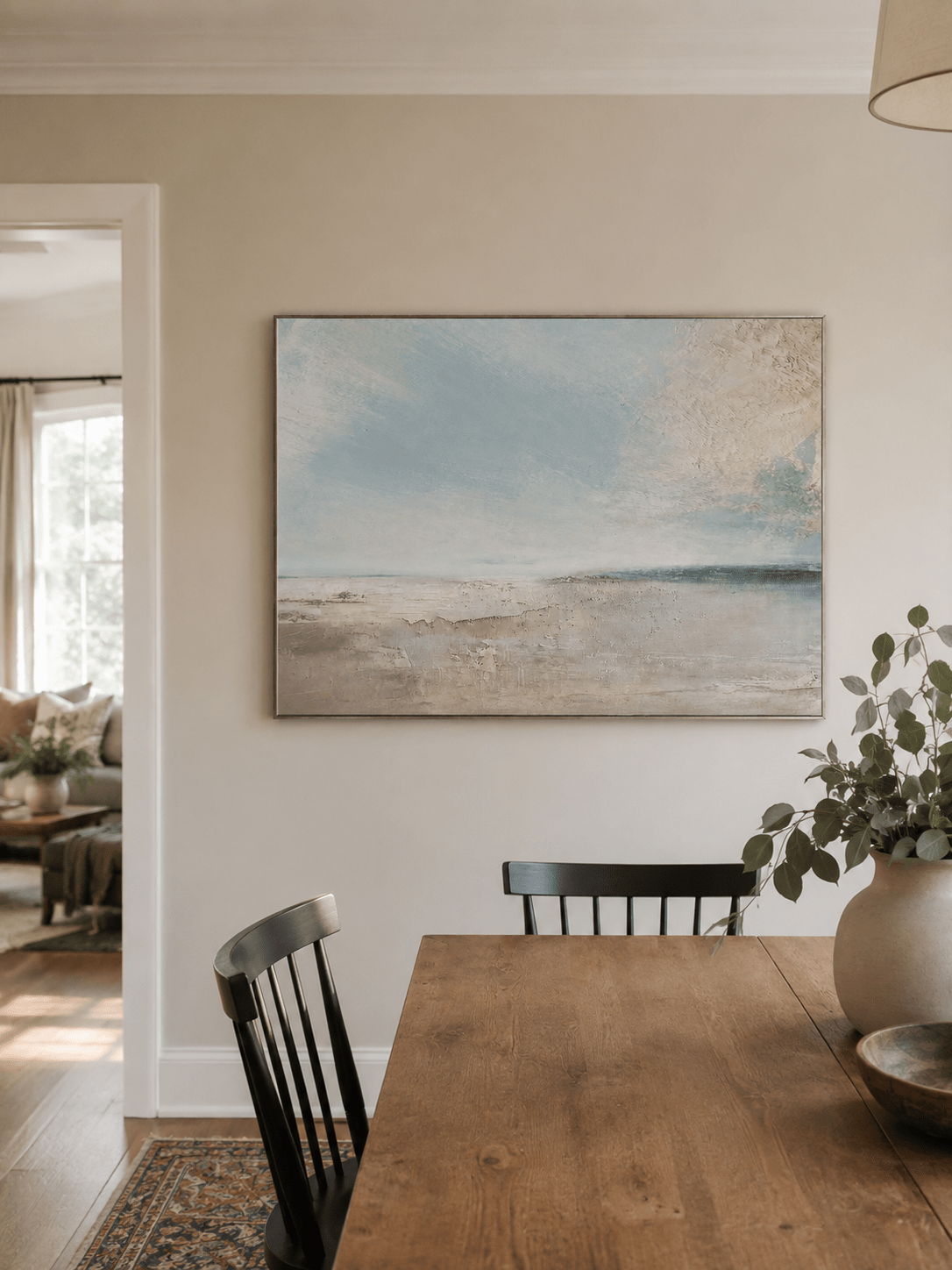
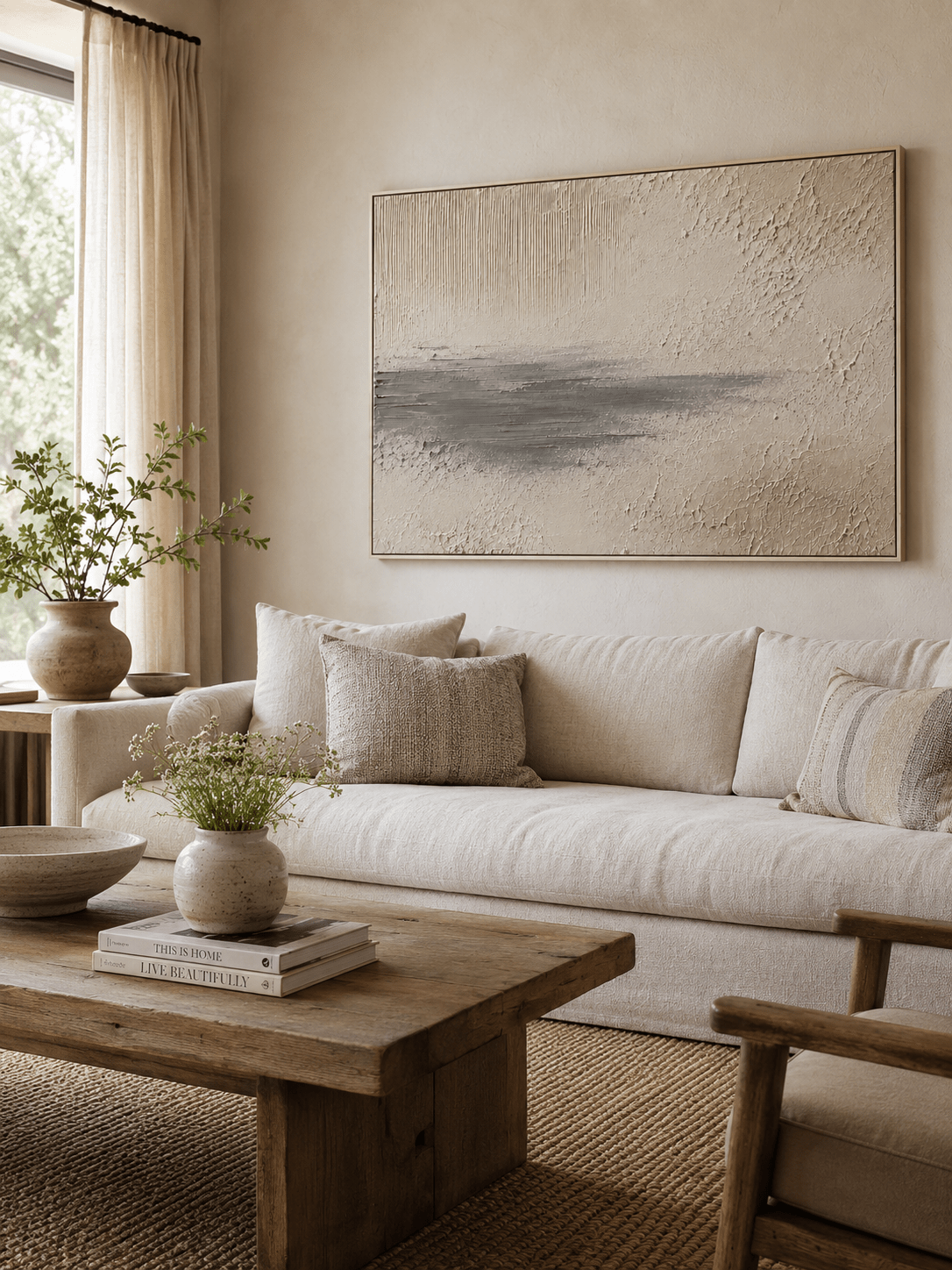
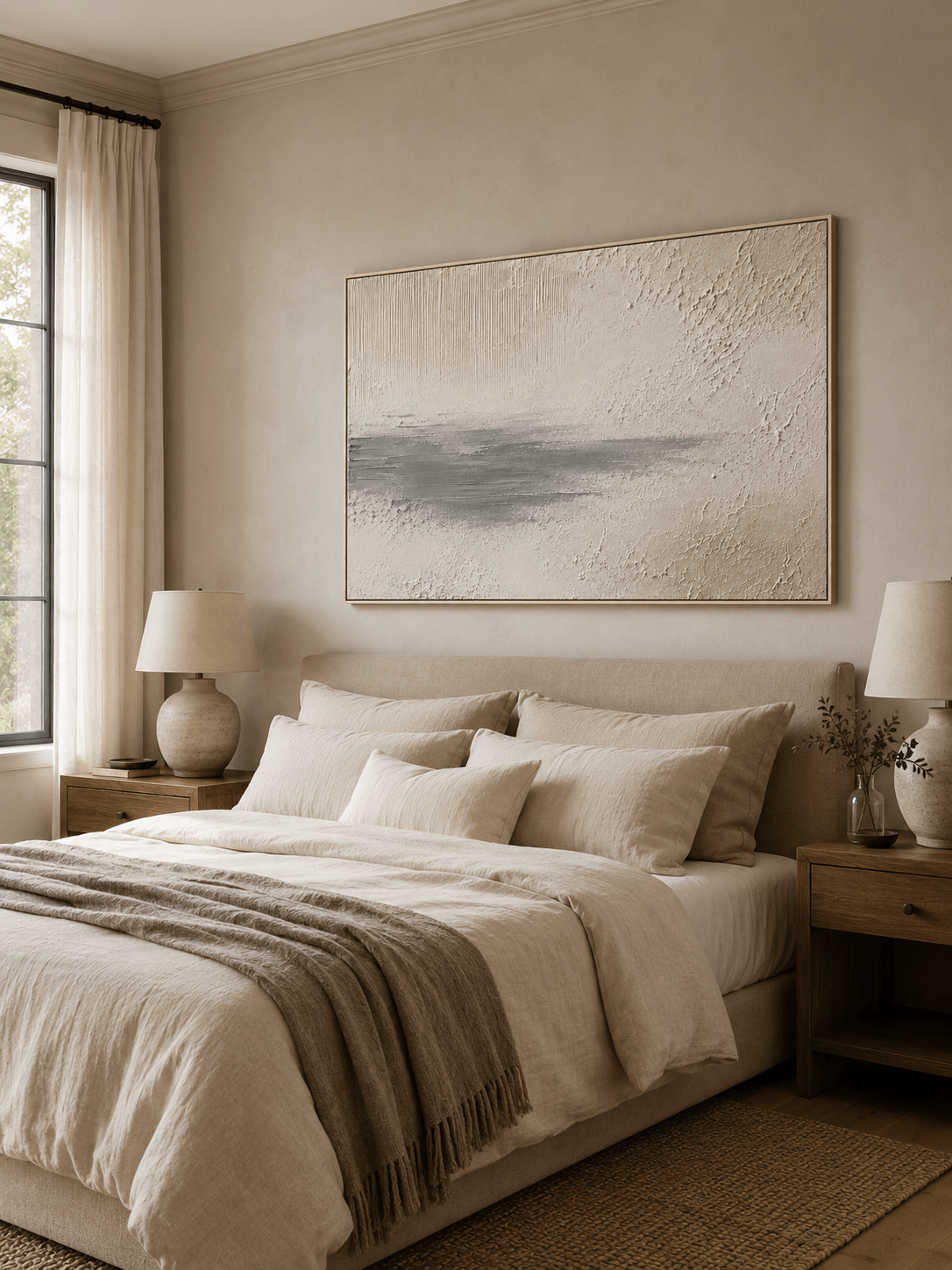
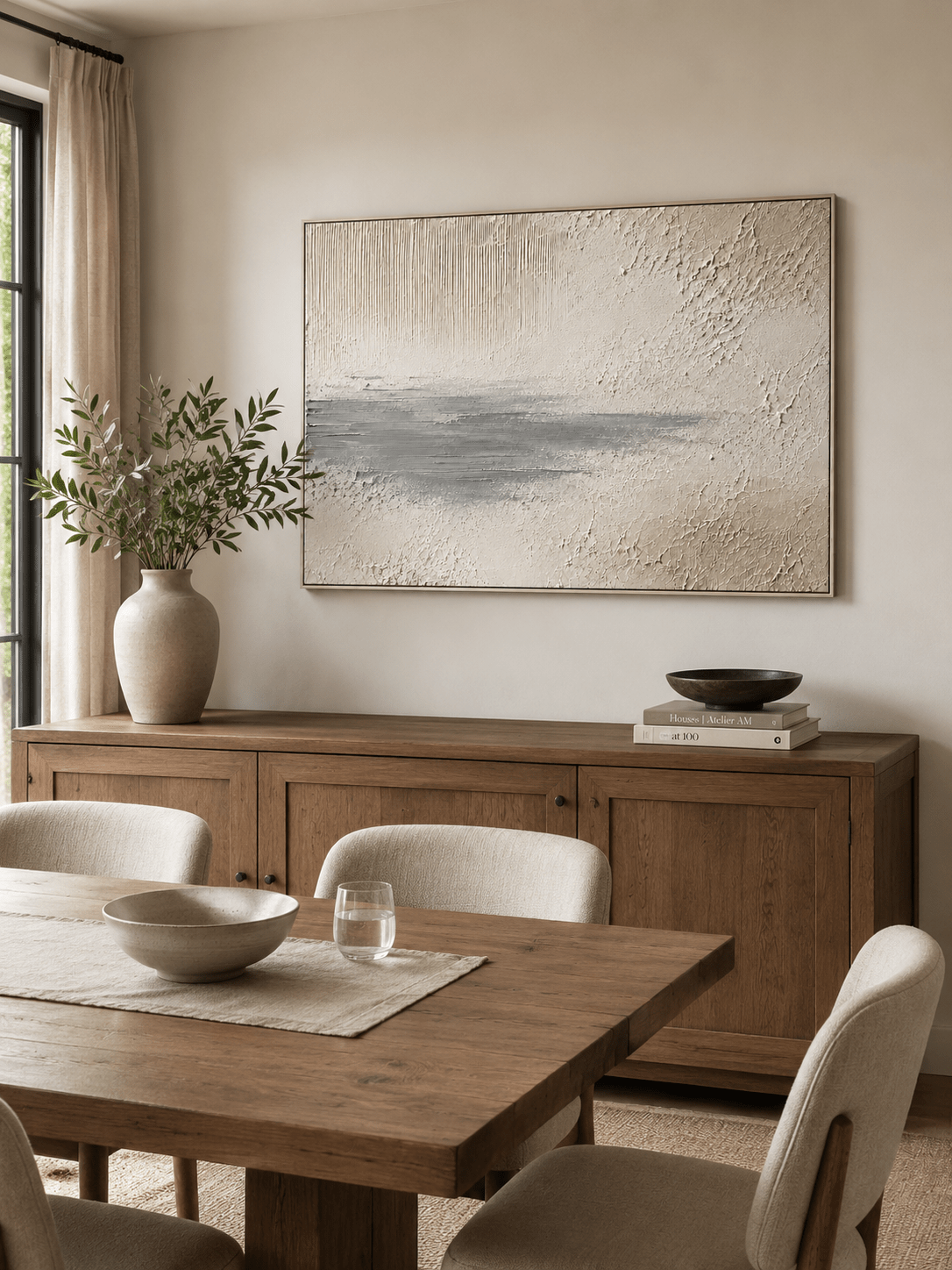
In a living room, side light from a window can animate an over-sofa piece through the day. In a dining room, warm ambient light can make small gold passages feel more intimate after sunset. In a bedroom, scattered leaf can add depth without introducing a strong new color, provided the rest of the palette stays calm. Direction matters more than brightness: a wall perpendicular to a window often produces clearer variation than a wall blasted by direct sun.
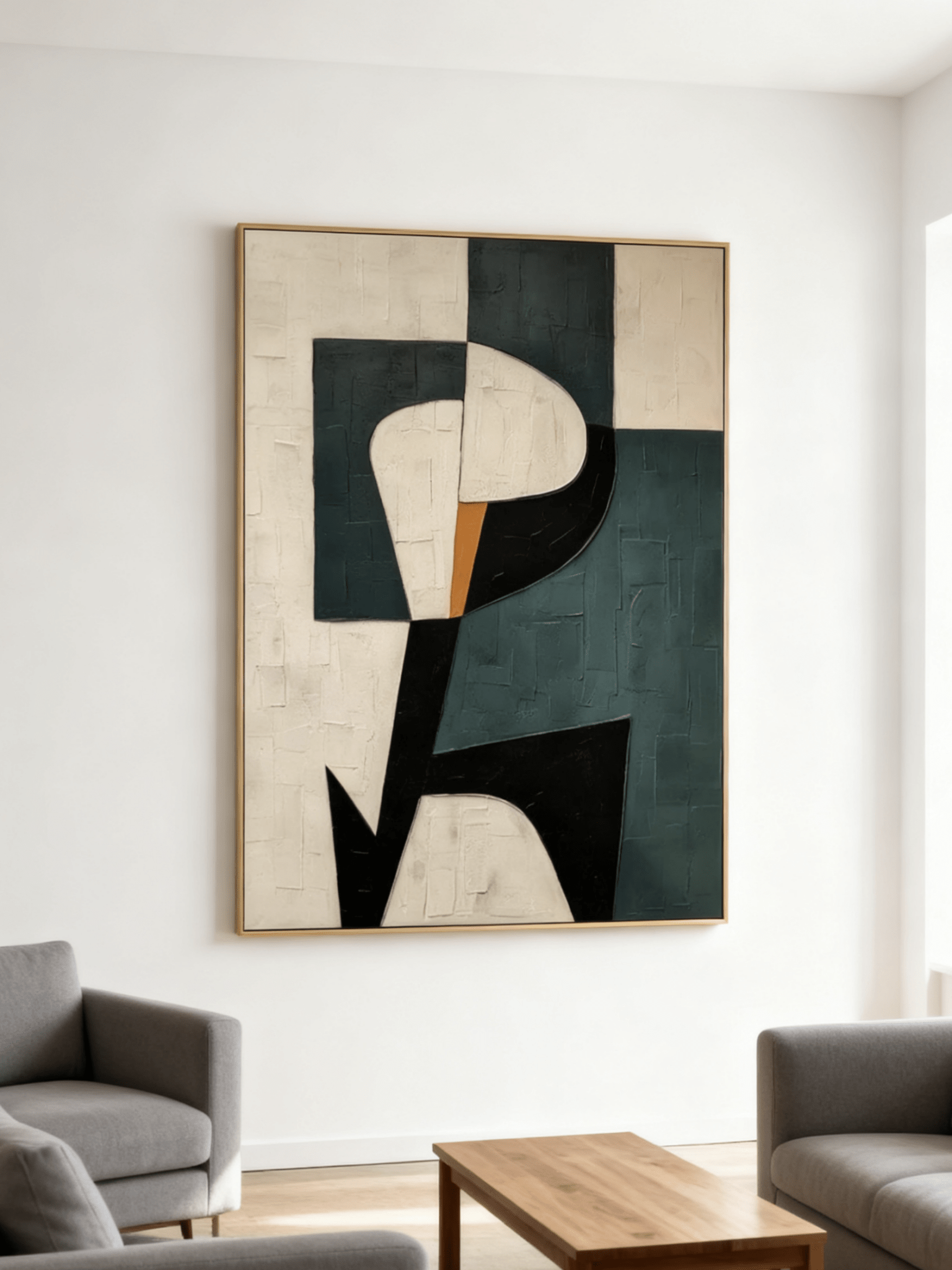
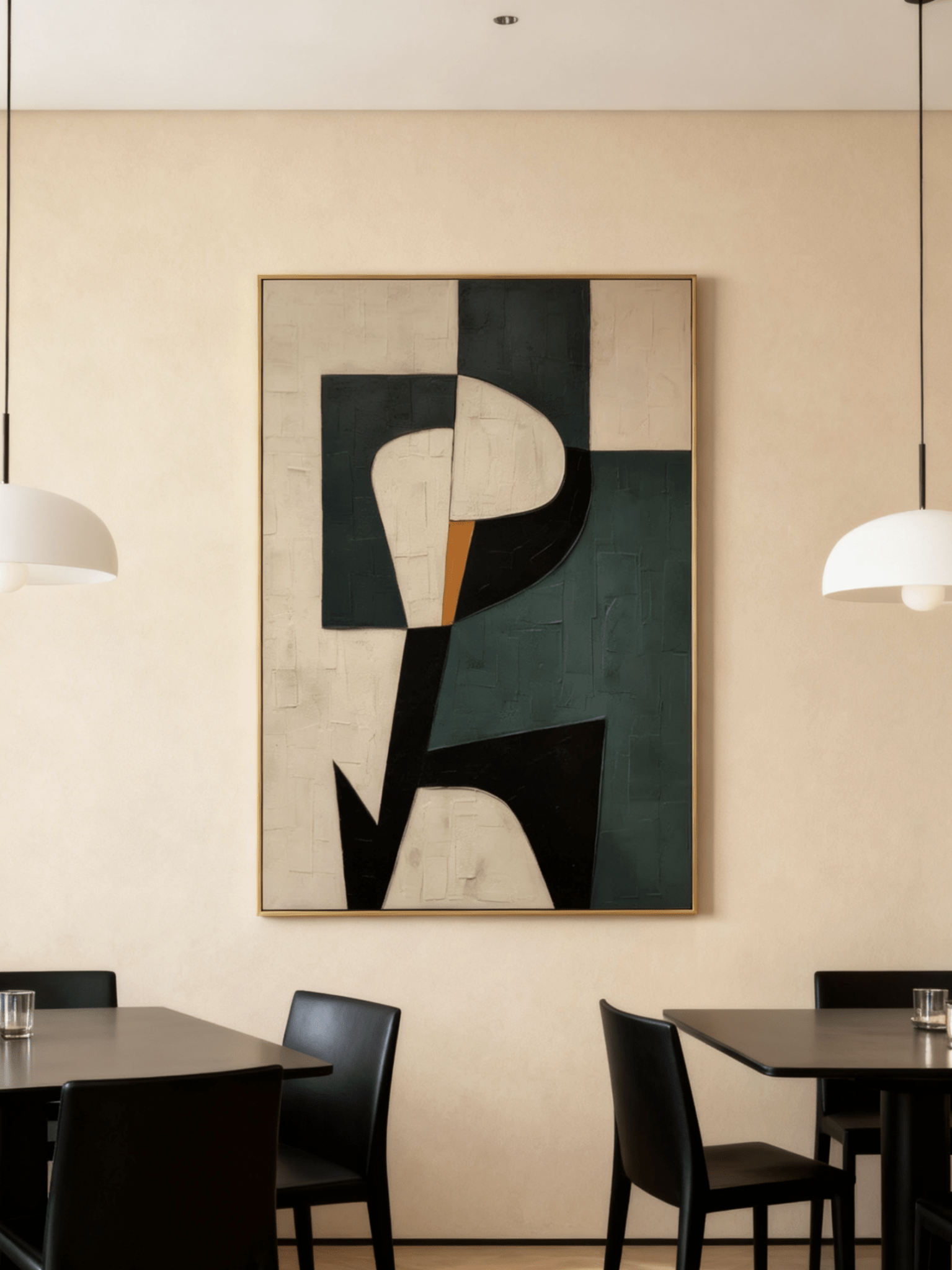
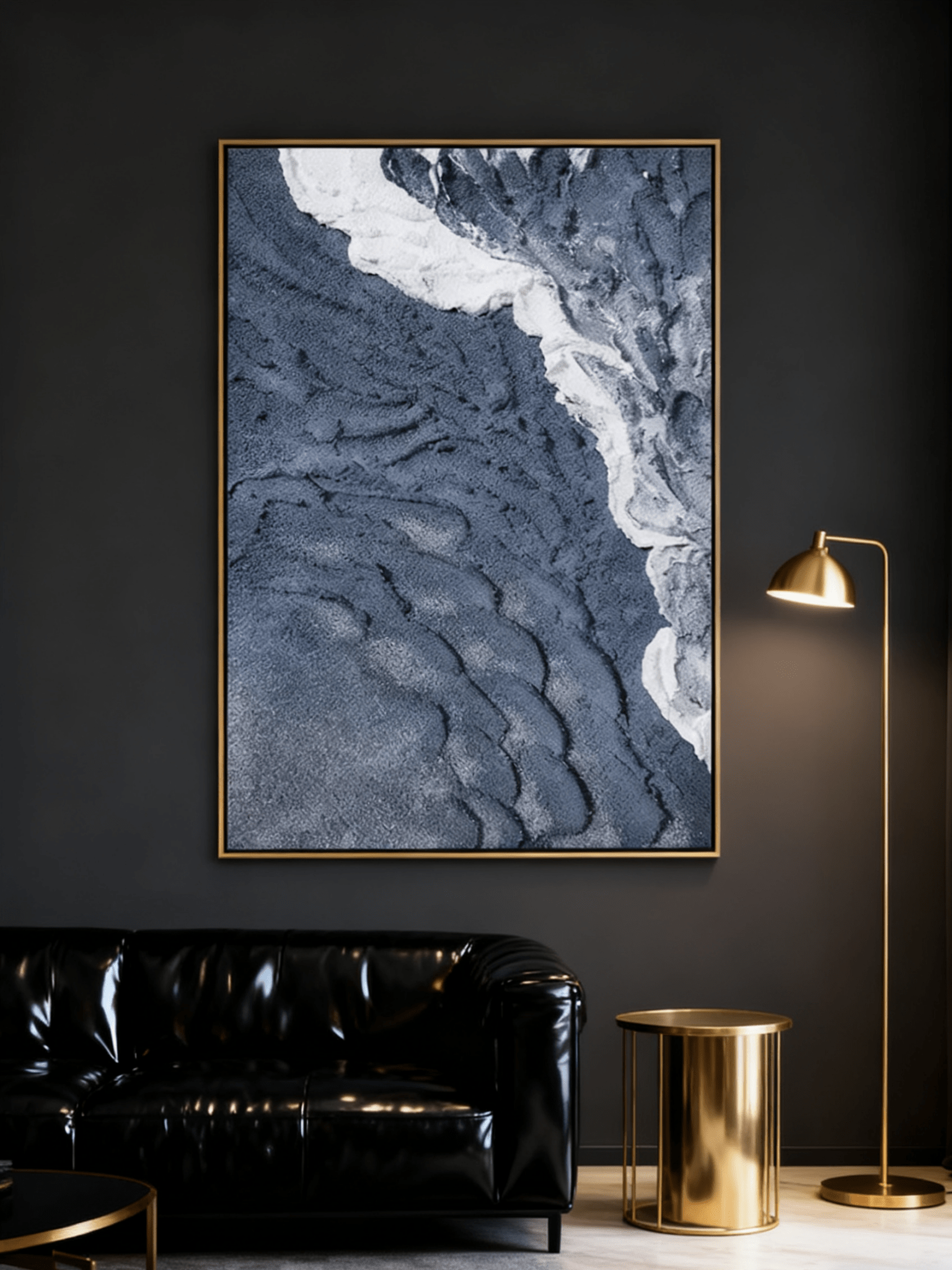
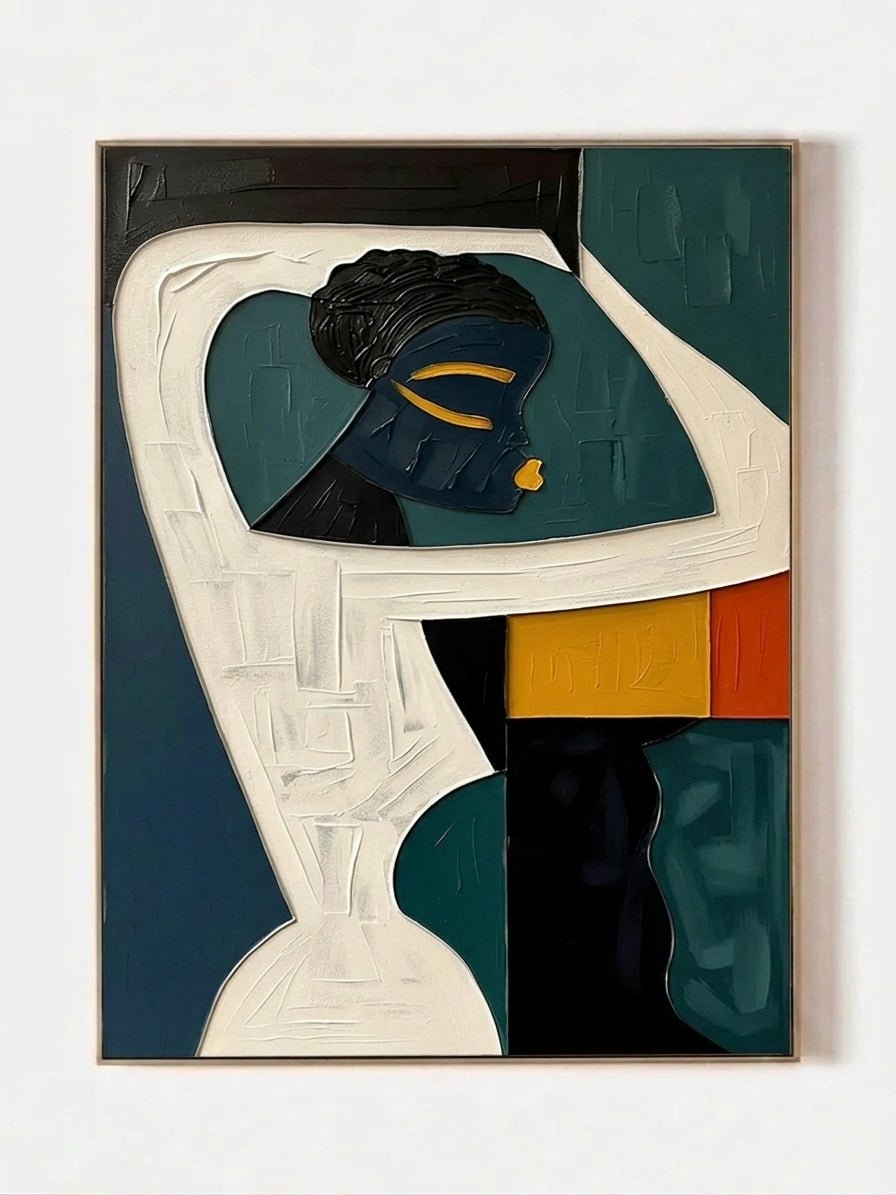
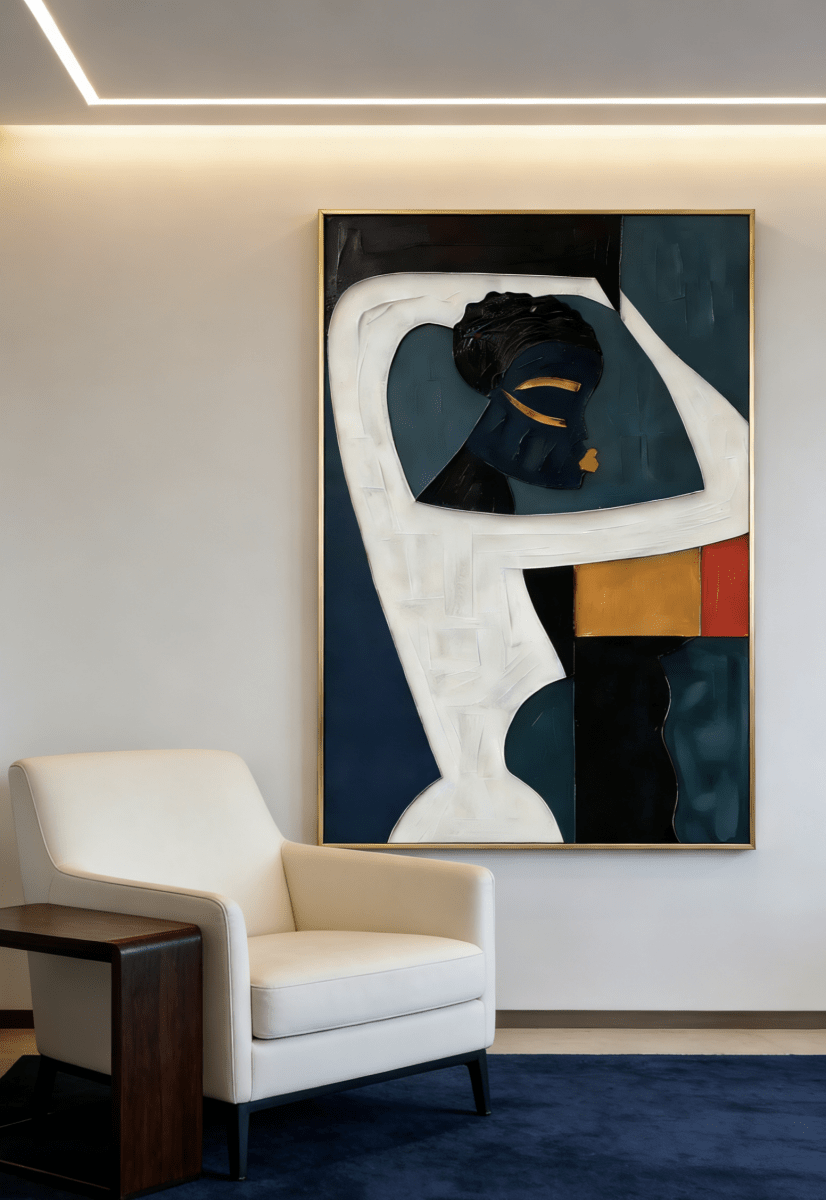
Artificial lighting should graze the surface gently rather than create a hot spot. A dimmable picture light or adjustable ceiling light with good color rendering can reveal texture, but place it far enough away to avoid glare and heat concentration. The emerald and gold accents in Modern Abstract Figures Emerald Green Wall Art – EH#0195 become a focal point against a dark wall because the reflective marks are limited rather than continuous.

How to Style Gold Wall Art in Your Home
The most reliable answer to how to style gold wall art is to treat gold as an accent, not a room theme. Begin with the artwork’s dominant matte colors, then let the metallic areas connect to one or two existing materials. The connection can be subtle: a brass lamp, warm wood grain, a caramel leather detail, or cream fabric under warm light.
Gold Wall Art with Neutral Interiors
Beige, white, cream, and gray give reflective passages room to register. For a warm neutral room, choose ivory, sand, blush, taupe, or soft gray artwork with limited gold. Vary texture so the space does not become flat: linen, boucle, oak, plaster, and a raised canvas can all remain neutral while reflecting light differently. Modern Blush Pink and Gold Leaf Abstract Painting – EL#0163 is especially suited to a bedroom because its pale field keeps the room quiet while the irregular leaf band supplies definition.

Gold Wall Art with Dark Walls
Charcoal, navy, black, and deep green increase the apparent contrast of metallic details. The result can feel dramatic, so balance it with matte finishes and simple furniture. Avoid repeating polished gold on every lamp, handle, frame, and accessory. One pendant or frame may be enough. Strongly colored paintings work best when the wall color relates to the artwork rather than merely making the gold brighter.
Gold Wall Art with Natural Materials
Wood, marble, travertine, linen, wool, and handmade ceramics soften the formality associated with gold. Warm walnut reinforces amber tones; pale oak keeps the composition airy; stone introduces quiet variation; and linen absorbs light beside the reflective surface. For a simpler room, the Minimalist Wall Art collection offers compositions with more negative space and restrained color.
Best Rooms for Gold Leaf Wall Art
Living Room
A living room often provides the widest viewing distance and the most changing daylight. Above a sofa, choose a piece broad enough to relate to the seating rather than floating like a small object. A gold-leaf focal wall works best when nearby accessories remain quiet. LX#0249 suits a wide wall because its horizontal sculptural flowers distribute the reflective accents across a larger field.
Bedroom
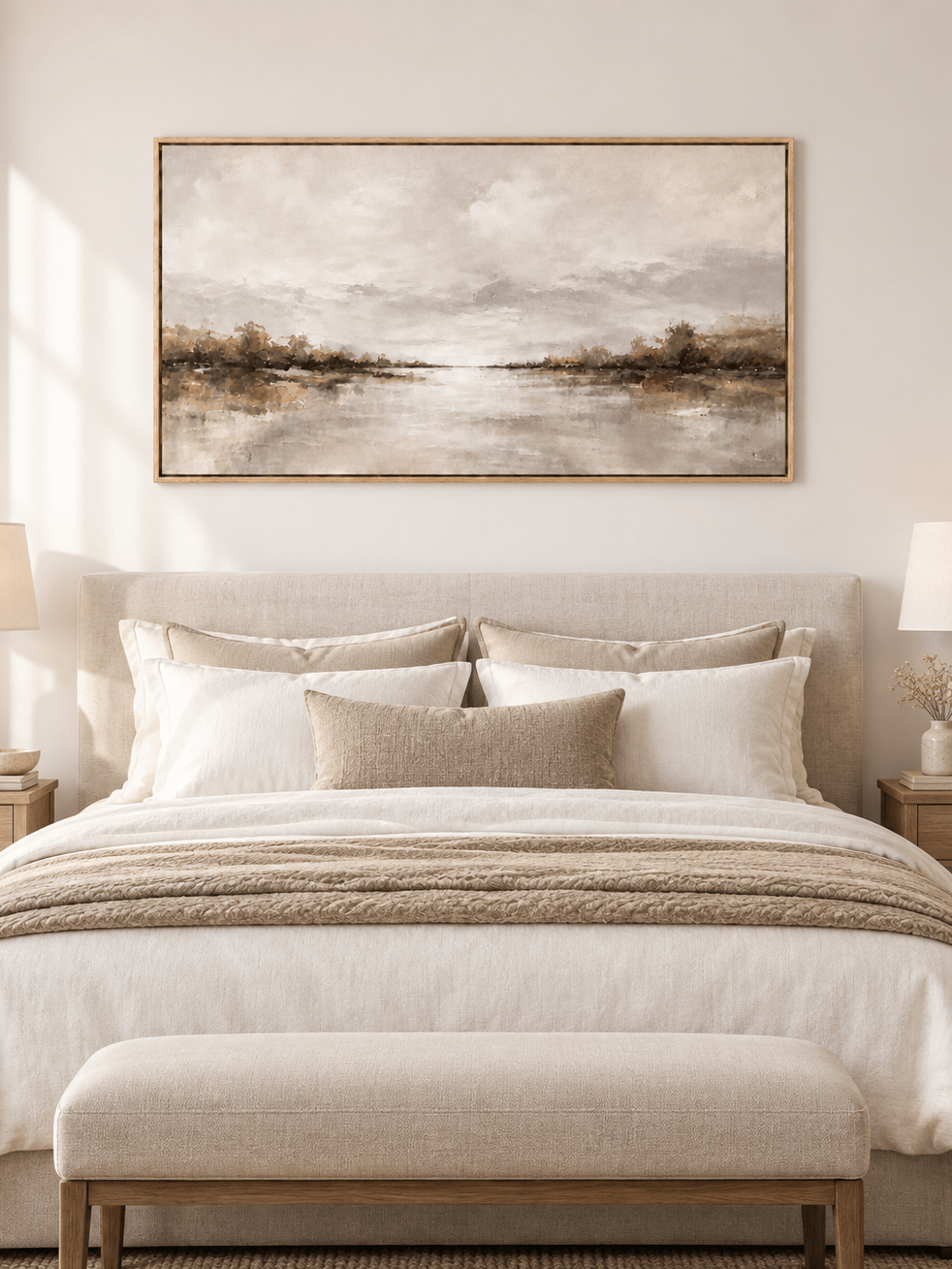
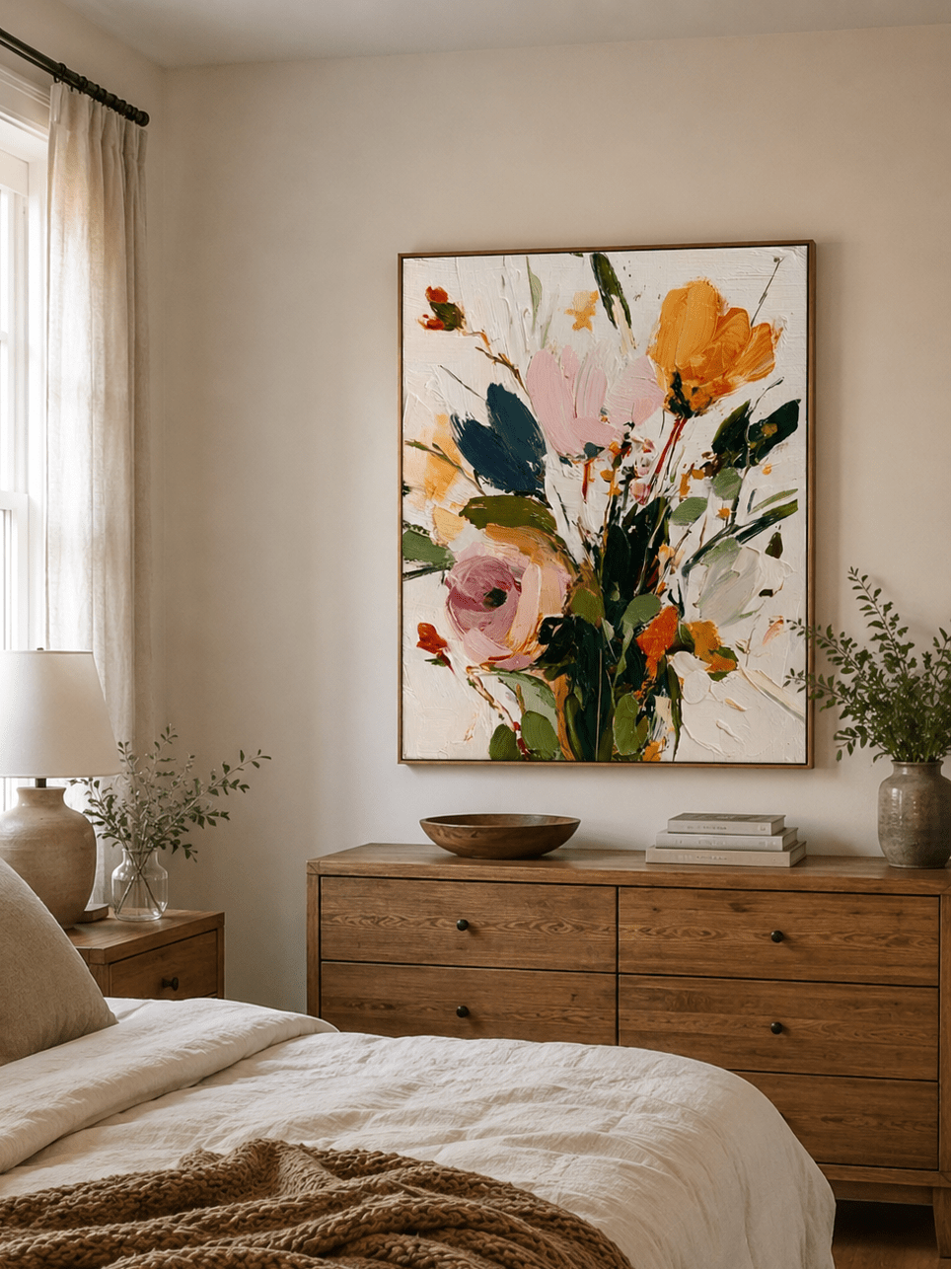
For calm elegance, favor lower contrast, softer colors, and selective metallic areas. Hang the artwork securely above the headboard with enough visual clearance. Square floral relief such as 3D Textured Floral Gold Leaf Abstract Wall Art – LX#0262 can create a centered, restful composition, while a vertical piece works well when the headboard leaves adequate width on both sides.
Dining Room
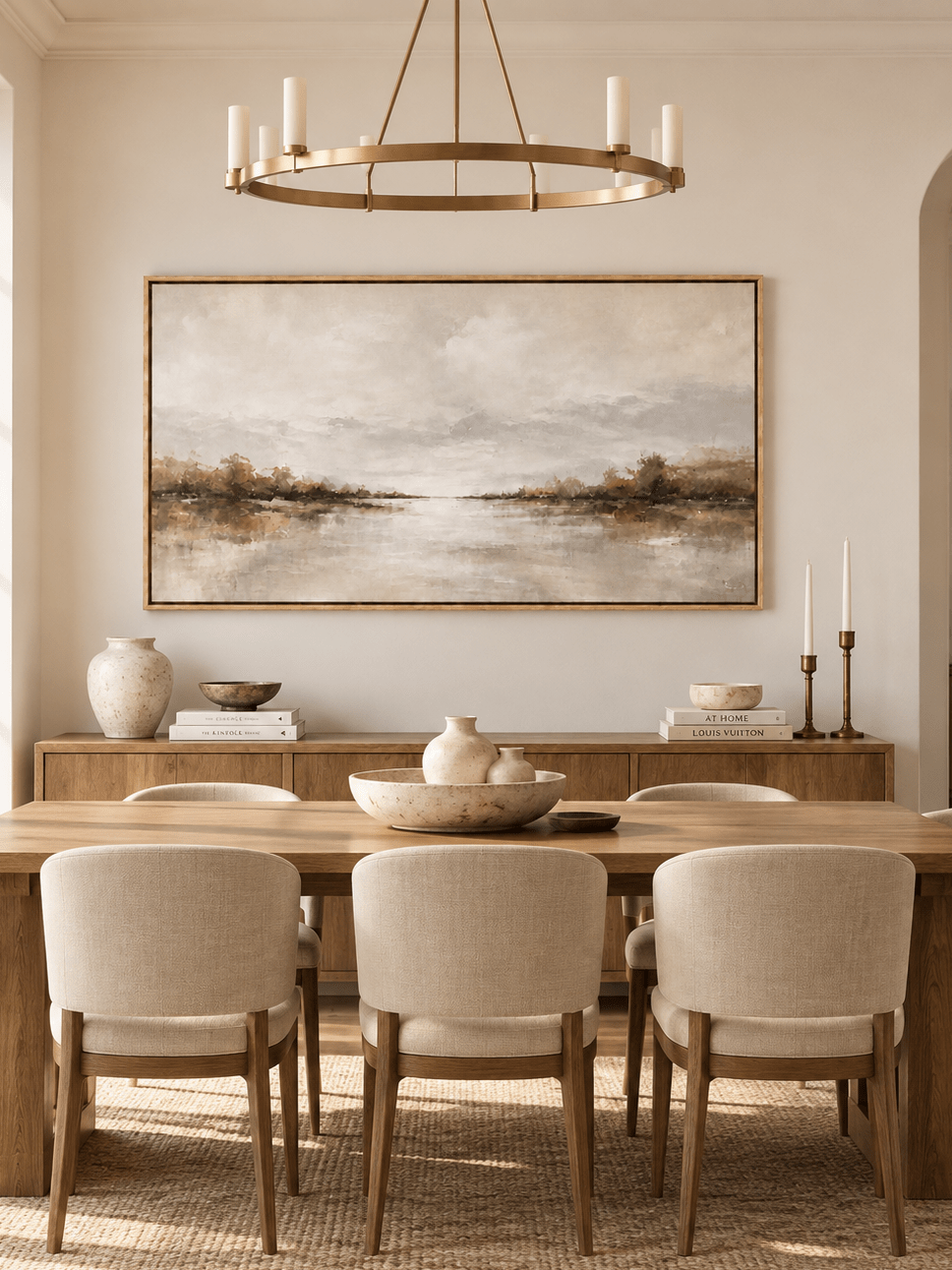
A dining room can support a bolder palette and more directional evening light. The artwork becomes a conversation piece, but it should not compete with a highly reflective table, chandelier, and metallic wallpaper at once. Place a dimmable light so guests see surface variation without glare.
Entryway
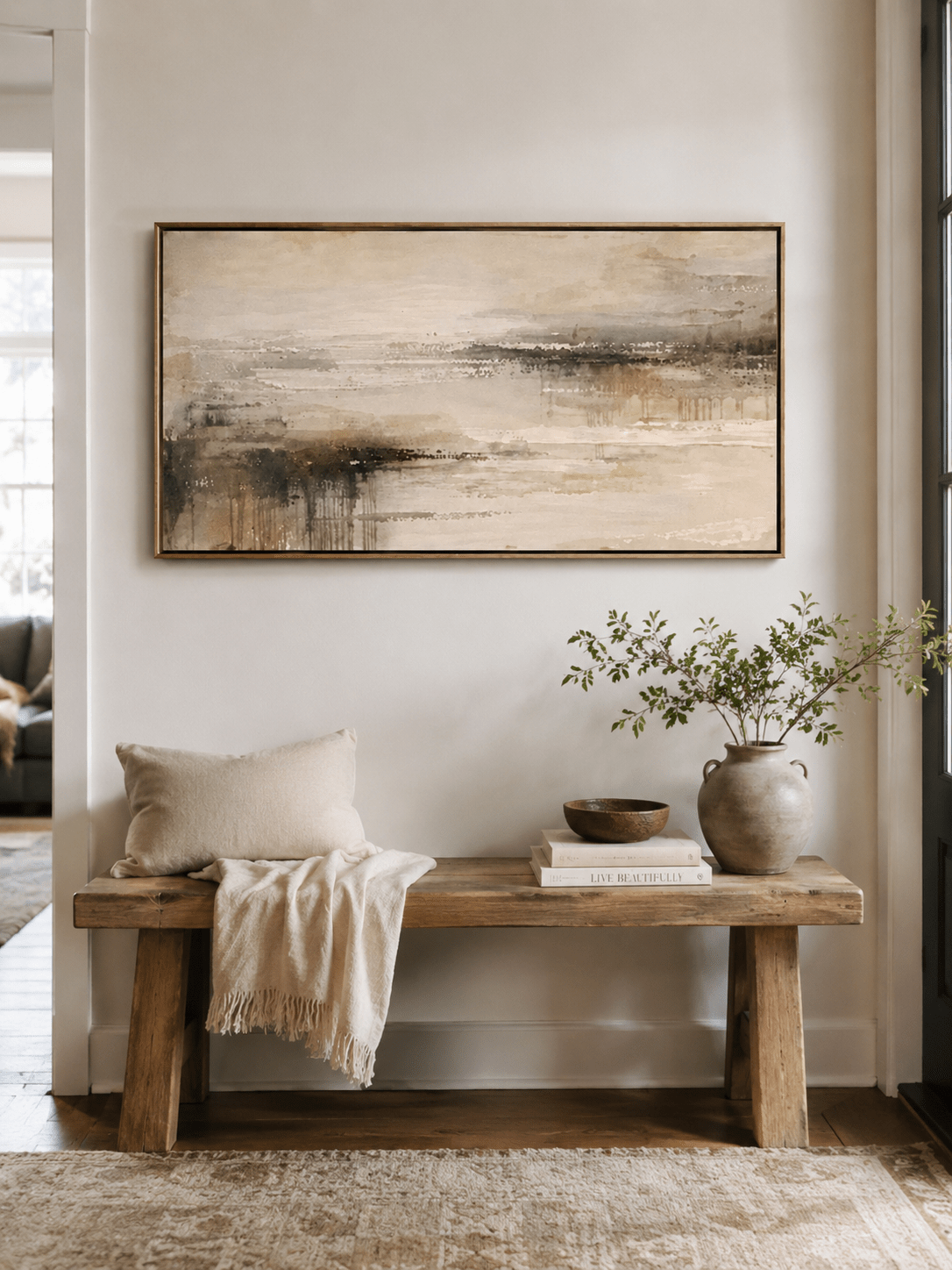
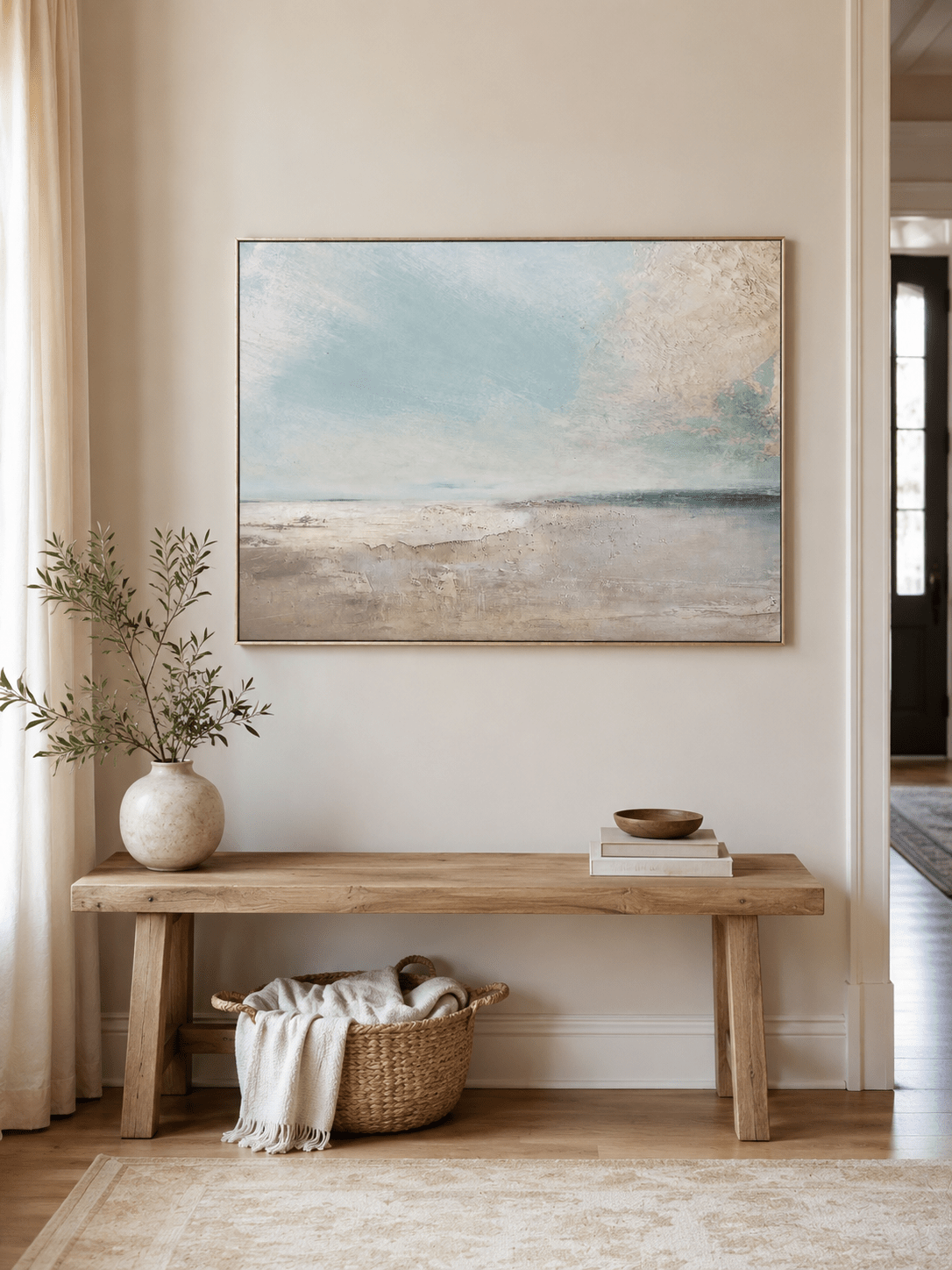
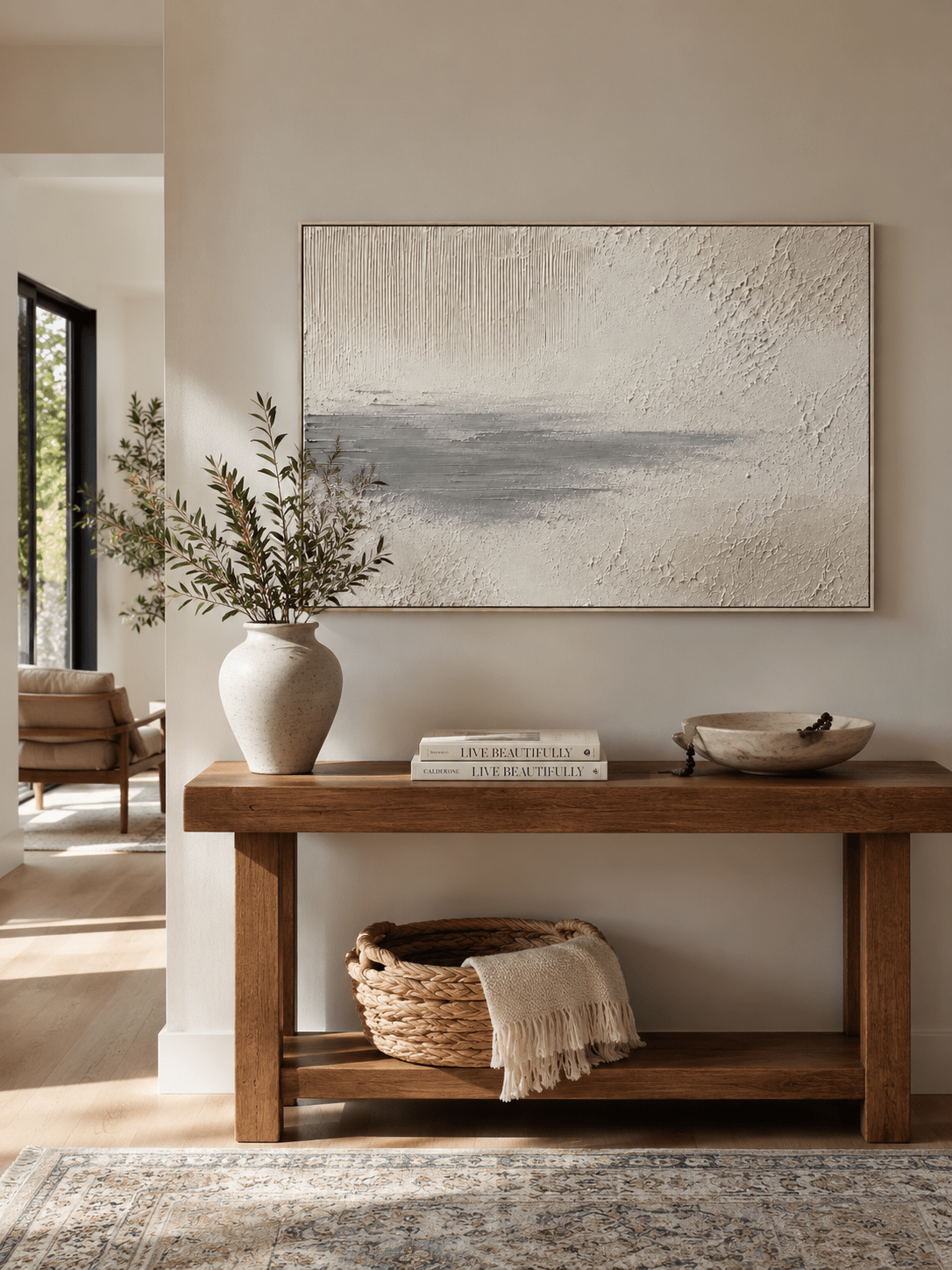
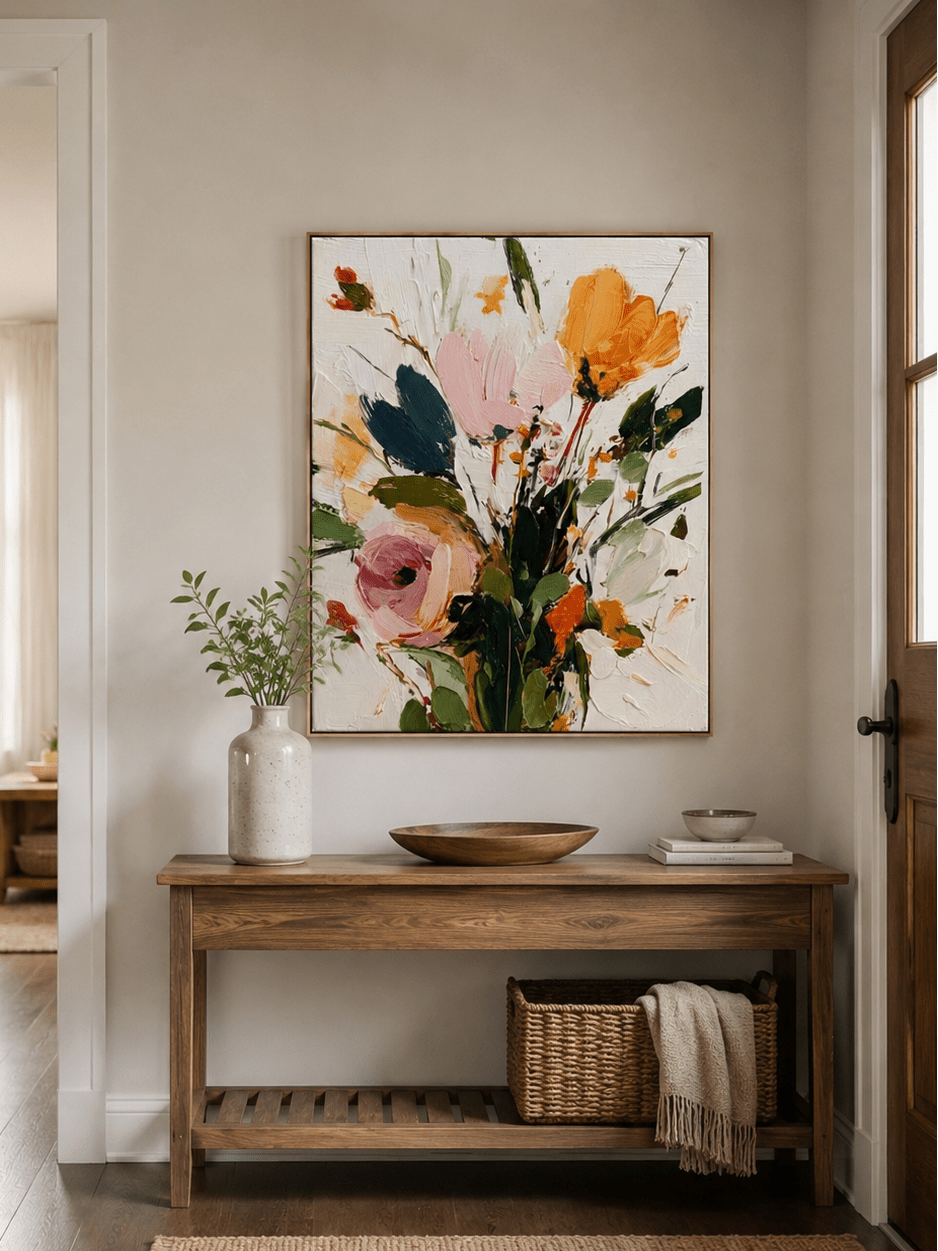
An entryway benefits from a clear first impression. A vertical artwork above a console can add height in a narrow foyer; a wide piece can anchor a longer hall. Check the path of doors, bags, and foot traffic. Highly textured or delicate leaf surfaces should not sit where they are likely to be brushed by coats or hands.
How to Choose the Right Gold Leaf Artwork Size
Measure the furniture and the available wall rather than choosing from the product image alone. Above a sofa, a useful starting point is an artwork width of approximately two-thirds to three-quarters of the sofa width. A 90-inch sofa, for example, often supports a total artwork width around 60–68 inches. This is a guideline, not a structural rule; wall openings, lamps, side tables, and the composition’s visual weight also matter.
Above a console, keep the artwork narrower than the furniture in most arrangements. A width around two-thirds to three-quarters of the console creates a stable relationship, while the center of the artwork can align with the center of the furniture. Leave enough space for lamps or objects without crowding the lower edge.
On a large blank wall, oversized art is usually more convincing than several undersized metallic pieces. Preview the exact outer dimensions with painter’s tape, then view the outline from the room entrance and primary seat. Confirm whether the listed size refers to canvas only or includes the frame. Also check orientation: a horizontal composition emphasizes width, while a vertical one draws the eye upward.
How to Care for Gold Leaf Art
Good care is gentle and preventive. Because techniques and coatings vary, follow the product-specific instructions first. For most hand-painted metallic or leaf artwork:
- Dust lightly. Use a clean, dry, very soft artist’s brush or makeup brush. Support the work securely and avoid pressing raised edges.
- Avoid liquids and harsh chemicals. Do not use water, household spray, polish, alcohol, solvent, or a damp cloth on the painted or gilded surface.
- Limit prolonged direct sunlight. Strong UV exposure can affect pigments, binders, varnishes, and some imitation metals even when genuine high-purity gold itself is stable.
- Control humidity. Avoid bathrooms, damp basements, and walls with condensation. Repeated moisture changes can stress canvas, grounds, adhesives, and frames.
- Handle by the frame or stretcher. Keep fingers away from leaf and texture. Clean hands or gloves reduce oils and accidental abrasion.
- Frame appropriately. A floating frame can protect outer edges without glazing the textured face. If glazing is used for a suitable flat work, it should never press against the surface.
If leaf lifts, tarnishes, or becomes stained, do not attempt a DIY repair with craft adhesive or metallic paint. Photograph the area and consult the seller, artist, or a qualified conservator. That is the safest approach to how to care for gold leaf art over the long term.
Common Mistakes When Decorating With Gold Wall Art
- Using too much gold. Repeating shiny gold across the painting, lighting, furniture, mirror, and accessories can flatten the hierarchy. Let one element lead.
- Ignoring room color balance. Gold has a warm visual temperature. Pair it thoughtfully with undertones already present in paint, stone, wood, and upholstery.
- Choosing the wrong size. A small metallic canvas on a large wall looks incidental; an oversized relief in a tight passage can feel physically intrusive.
- Matching gold with an unsuitable style. The issue is rarely the style label itself. It is the finish. Bright polished glam details may conflict with a quiet matte room, while broken leaf and texture can work beautifully there.
- Treating handmade art like mass-produced decor. Expect small variations, review the medium and care notes, and judge the work from close-ups as well as staged room images.
Why Gold Leaf and Wabi-Sabi Art Work Beautifully Together
Wabi-sabi values impermanence, irregularity, material honesty, and the beauty of surfaces shaped by hand and time. Gold leaf can appear formal when perfectly smooth and symmetrical, but torn fragments, worn-looking edges, uneven relief, and changing highlights tell a different story. The metal does not erase imperfection; it makes the surface easier to notice.
That combination supports quiet luxury: the value comes from material, touch, and restraint rather than conspicuous decoration. A rough plaster field beside a small metallic passage allows each material to remain legible. Natural variation also means the work changes with both daylight and viewing position. Browse the Wabi-Sabi Wall Art collection for surfaces that emphasize handmade irregularity, or compare neutral relief and gold-toned details in WABI’s luxury gold and metallic artwork collection.

Final Thoughts
Gold leaf artwork is more than a gold-colored surface. At its best, it is a handcrafted statement in which thin metal, paint, texture, and light work together. The most informed purchase begins with a material check: determine whether the piece uses genuine gold leaf, imitation leaf, foil, metallic pigment, or a gold-toned finish. Then evaluate the composition, scale, room light, and care requirements.
Choose gold as a controlled accent, give the work enough wall space, and use natural materials or matte color to balance its reflection. To compare hand-painted floral relief, abstract leaf passages, and restrained metallic texture, explore WABI Wall Art’s Metallic & Gold Leaf collection.
Frequently Asked Questions
What is gold leaf wall art?
Gold leaf wall art is artwork with extremely thin sheets of genuine gold or gold-colored imitation metal applied by hand to selected areas of a painted or textured surface.
Is gold leaf real gold?
Genuine gold leaf is real gold beaten into thin sheets. Some artworks use imitation metal leaf, foil, or metallic pigment instead, so verify the material on the individual product page.
How is gold leaf applied to canvas?
The artist prepares the canvas, applies gilding adhesive to selected areas, places the thin leaf over the tacky surface, presses it gently, and brushes away loose overlaps.
What is the difference between gold leaf and metallic wall art?
Gold leaf describes a specific sheet-metal application. Metallic wall art is broader and may use leaf, foil, metallic paint, mica pigment, metal elements, or printed effects.
Does gold leaf wall art work in modern homes?
Yes. Selective gold leaf works well in modern interiors when balanced with matte walls, simple furniture, neutral textiles, wood, stone, or a controlled dark color.
How do you style gold wall art?
Use gold as an accent, repeat it only once or twice in the room, and coordinate the artwork’s dominant matte colors with existing upholstery, wood, stone, and wall undertones.
Where should gold leaf artwork be placed?
Living rooms, bedrooms, dining rooms, and entryways can all work. Choose a wall with indirect or grazing light and keep the surface away from moisture, prolonged direct sun, and frequent contact.
How do you clean gold leaf artwork?
Dust it gently with a clean, dry, soft artist’s brush. Do not use water, damp cloths, household cleaners, polish, or harsh chemicals on the painted or gilded surface.
Can gold leaf paintings fade?
High-purity gold is chemically stable, but surrounding pigments, varnishes, adhesives, and imitation metals can change with UV exposure, humidity, or unsuitable cleaning. Preventive care is still important.
Where can I buy handmade gold leaf wall art?
WABI Wall Art offers hand-painted pieces with leaf, foil, metallic pigment, and gold-toned accents in its Metallic & Gold Leaf Wall Art collection. Check each product’s material description before ordering.