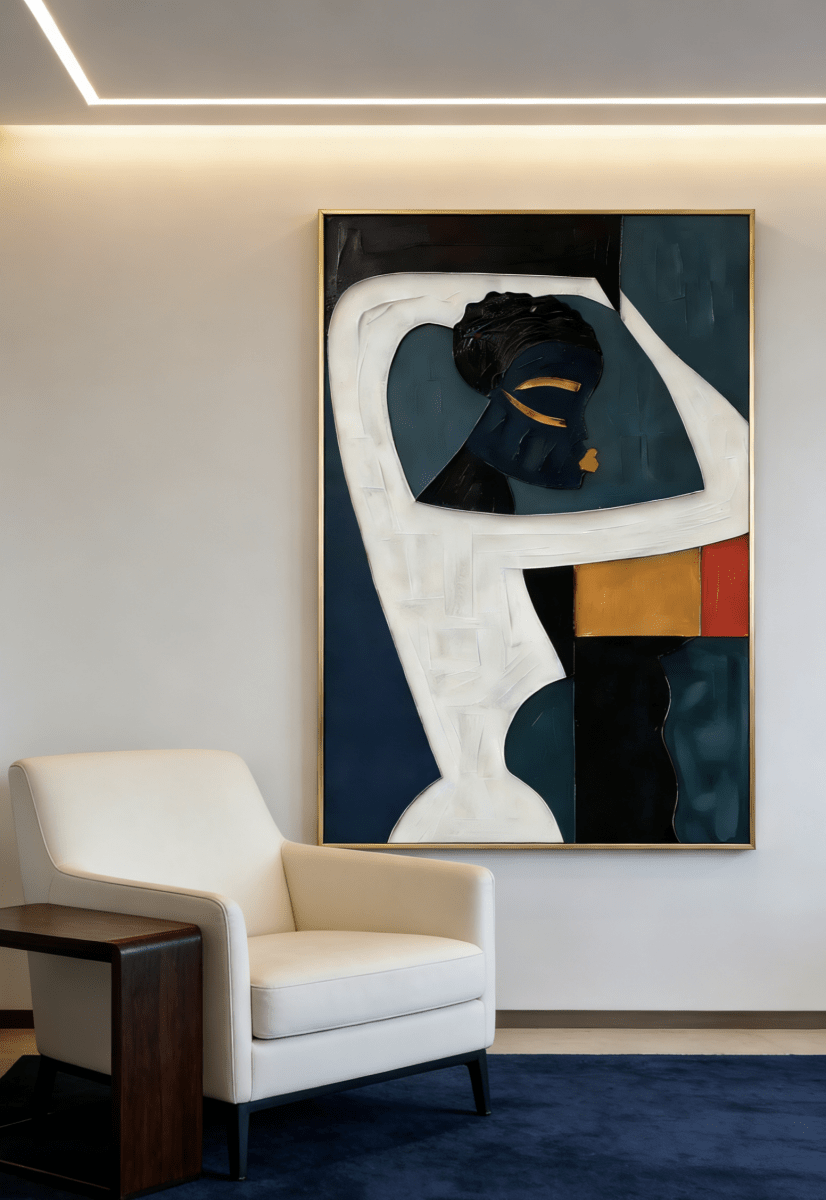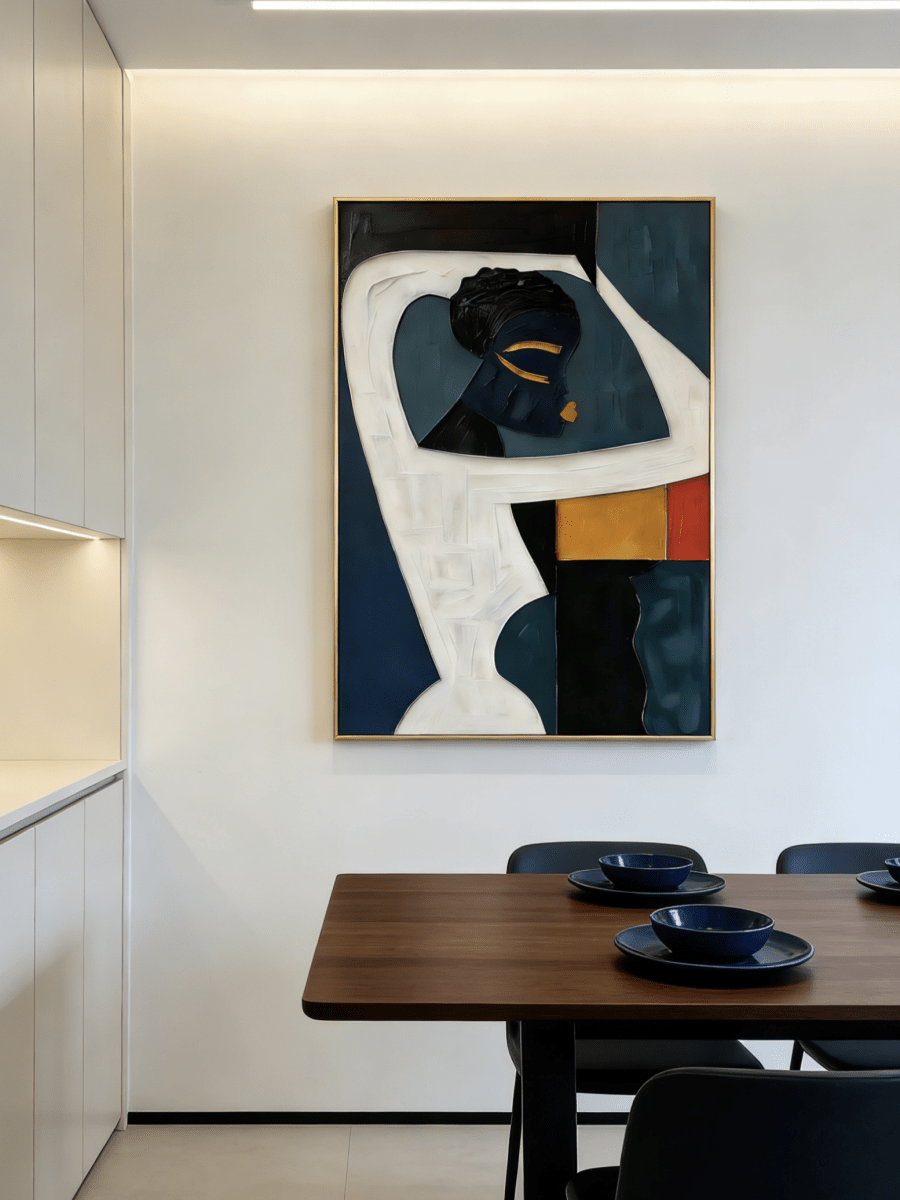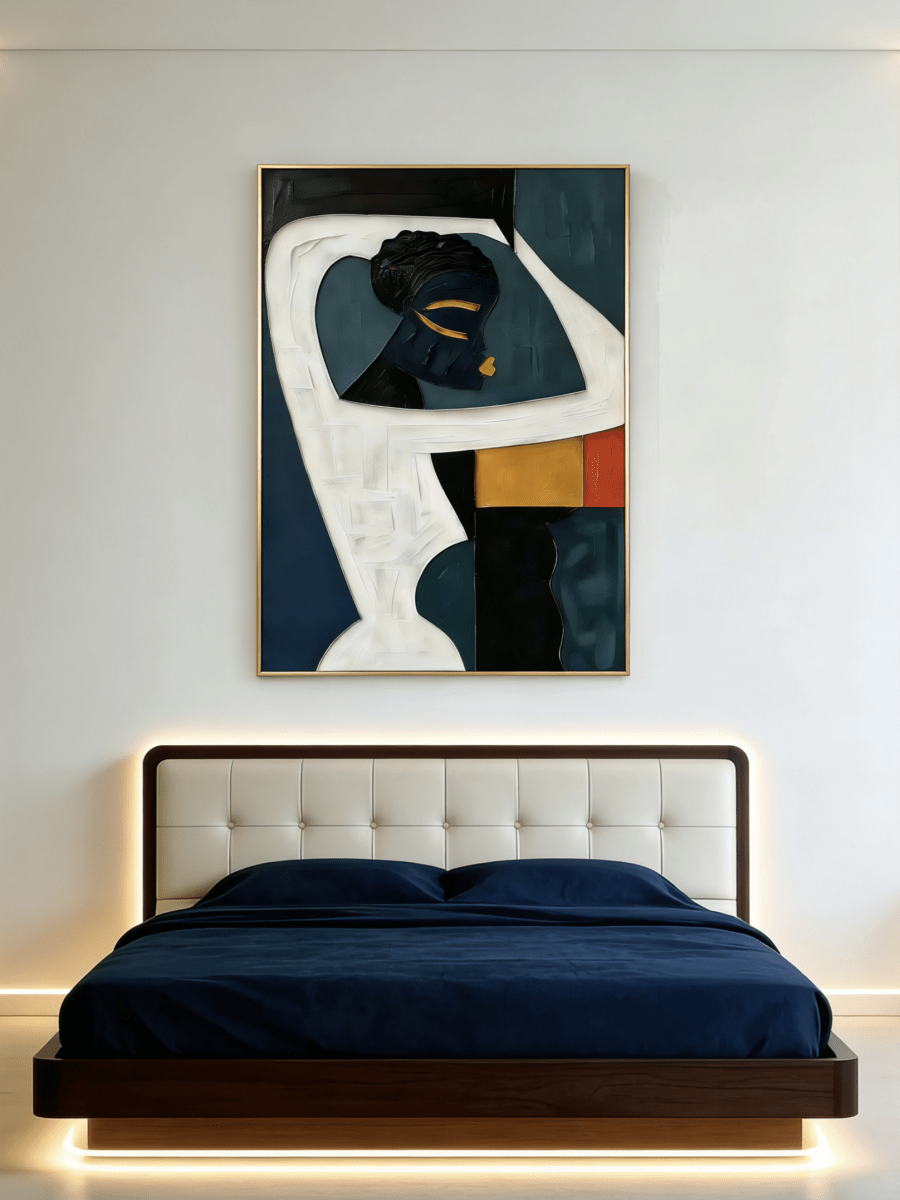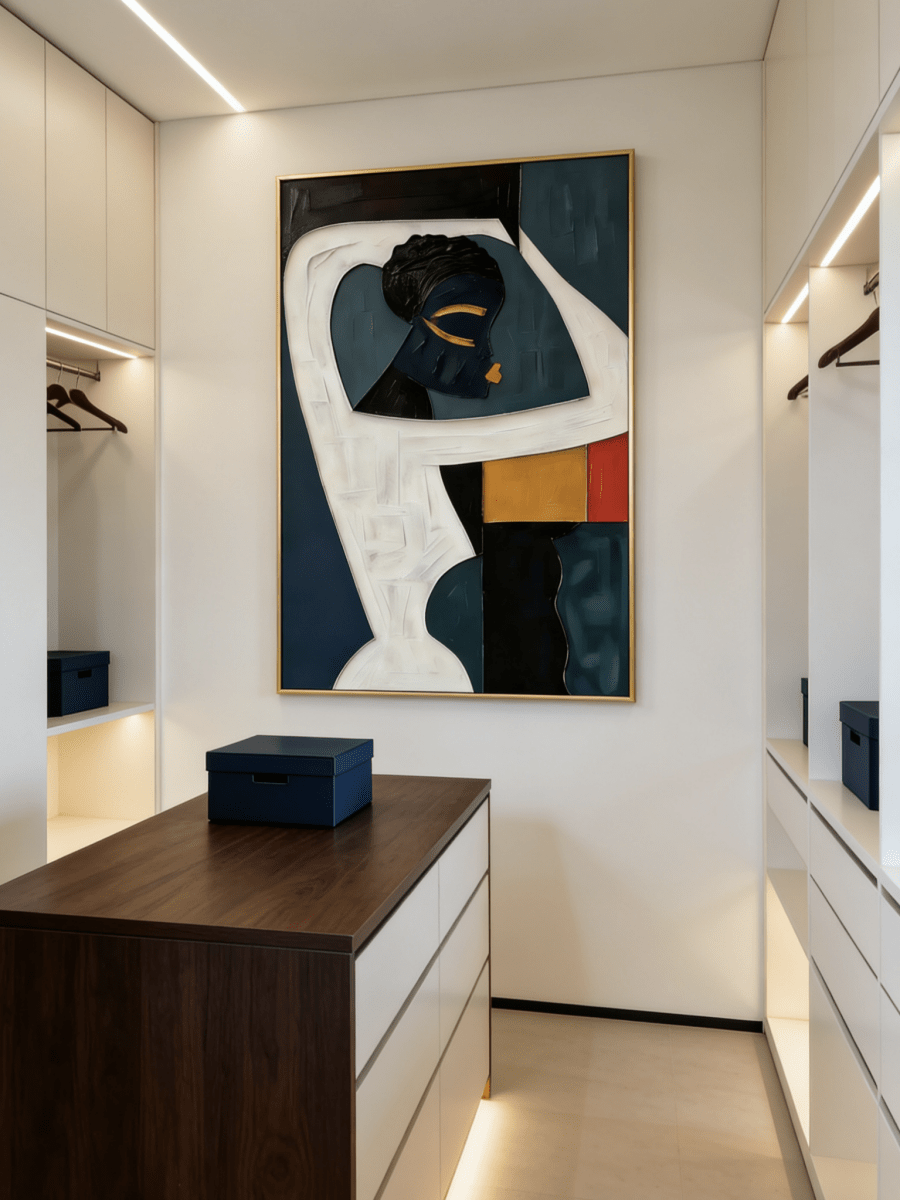


I love love love this wall arr. I will post pictures soon!!


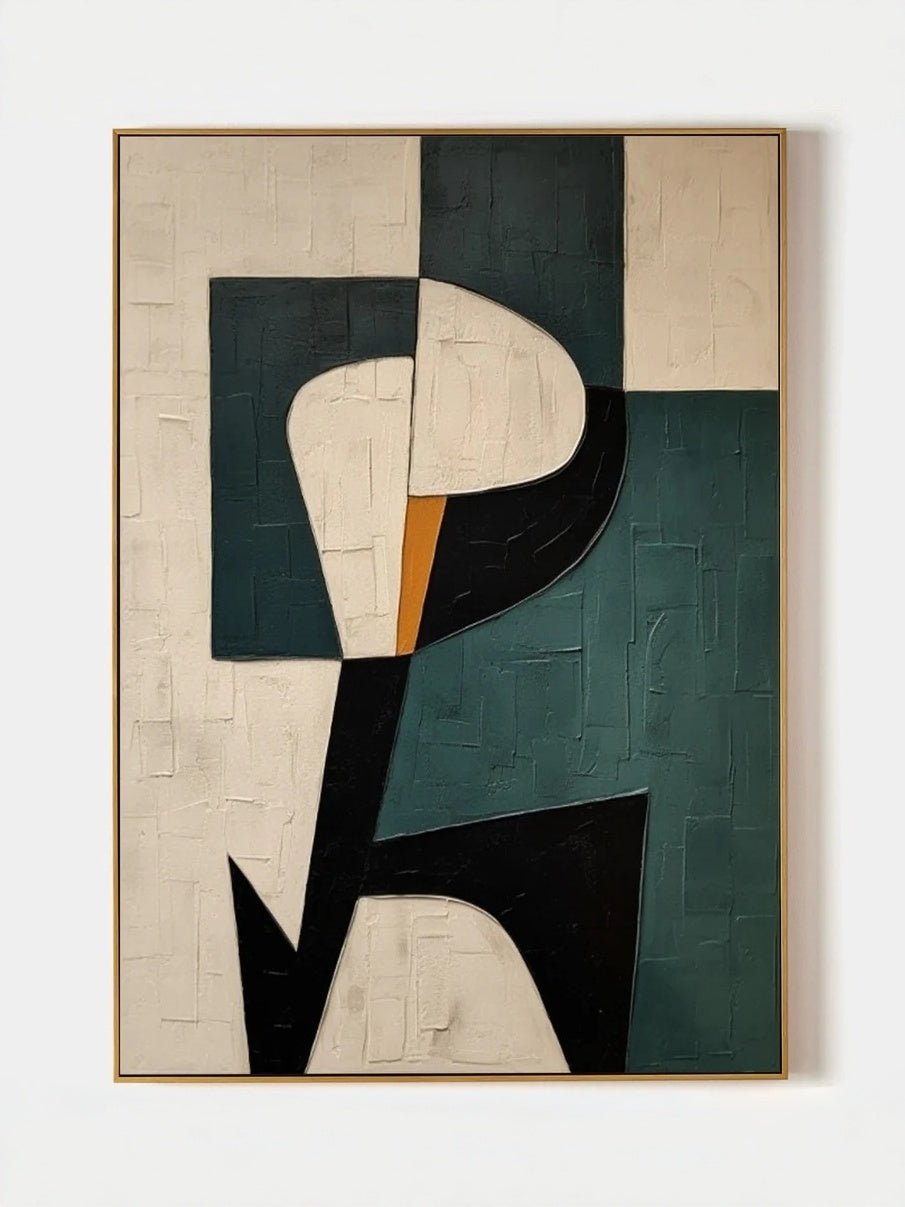
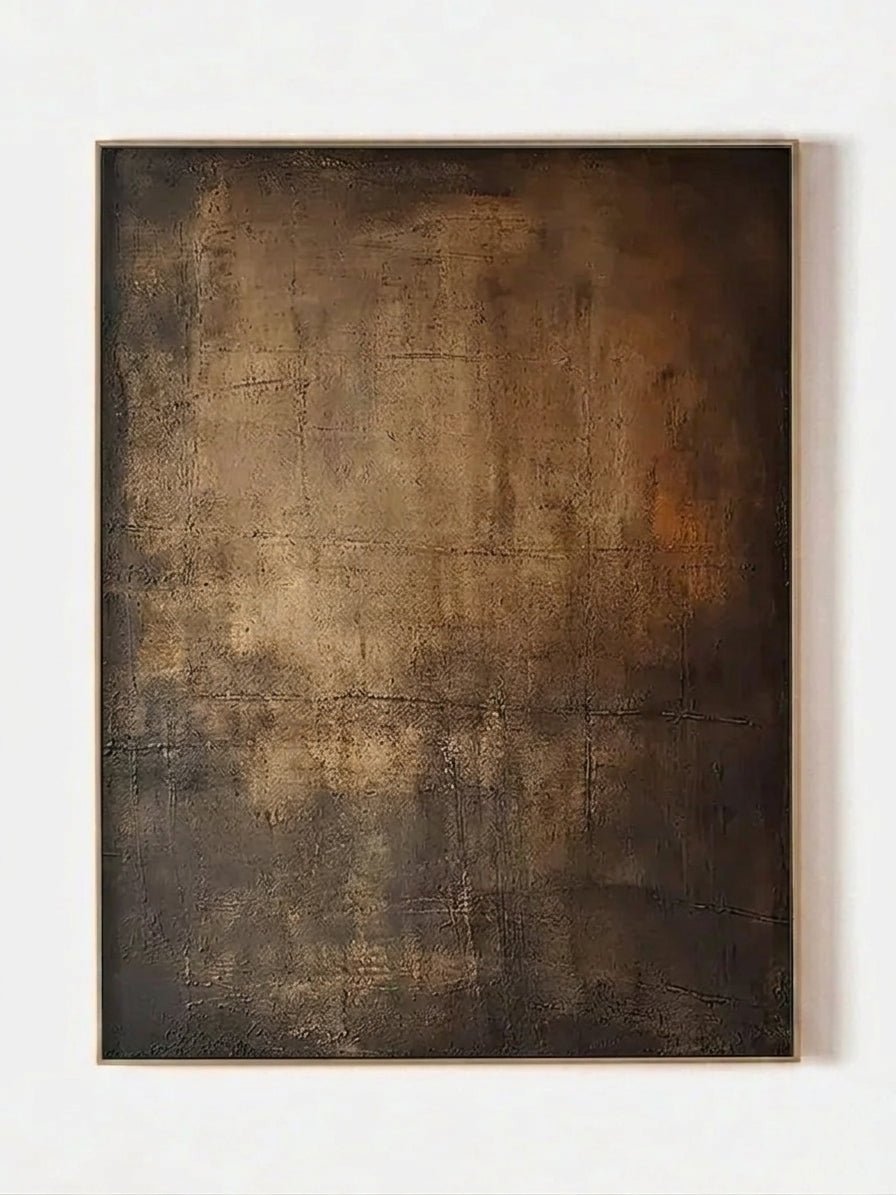
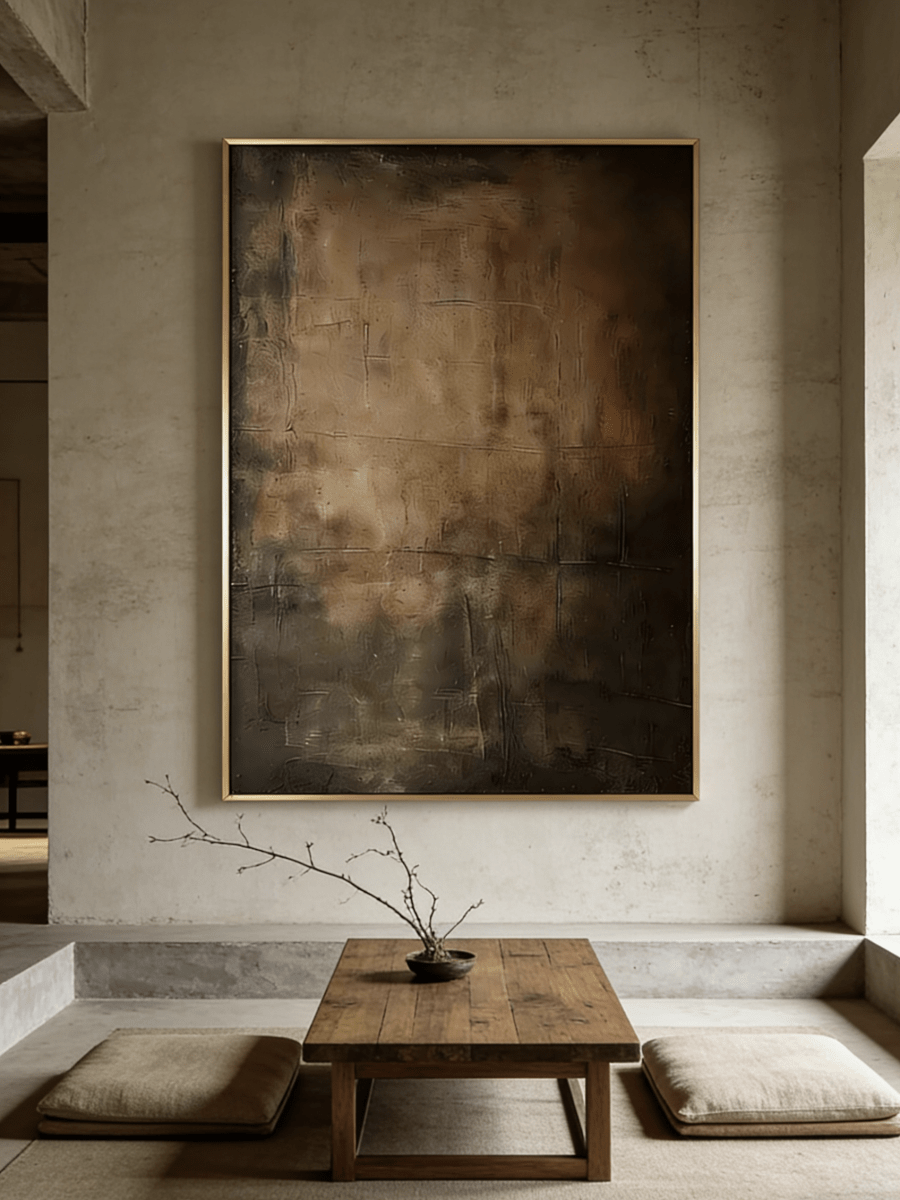
Neutral Wabi-Sabi Textured Grid Canvas Painting – EV#0555
Regular price
€431,95

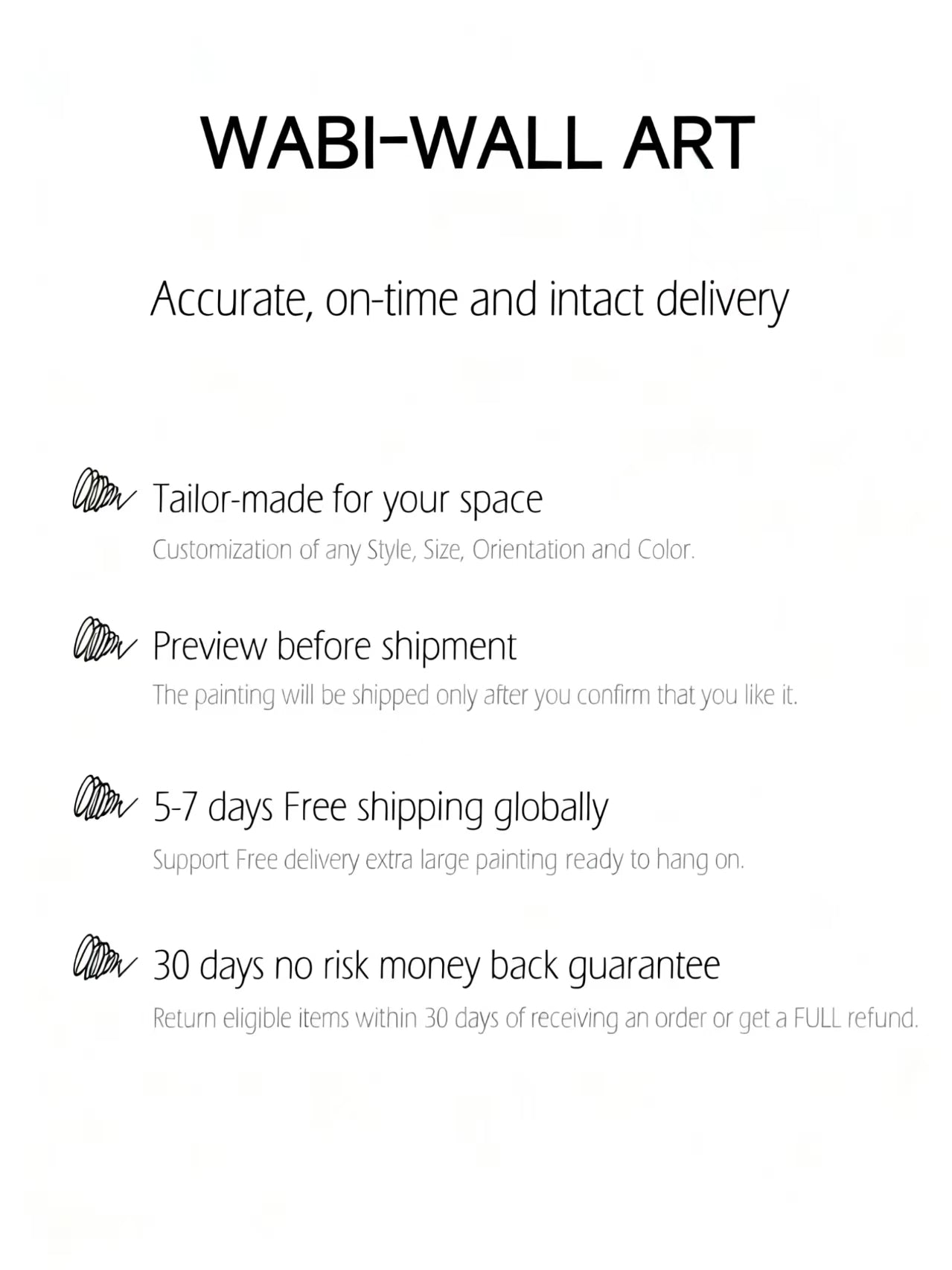
Free Shipping on All Orders
30 Days Easy Returns
Ship After You Are Satisfied
Estimated delivery
Made to order / Worldwide shipping
Ordered
Ships
Delivered
Description
Product Introduction
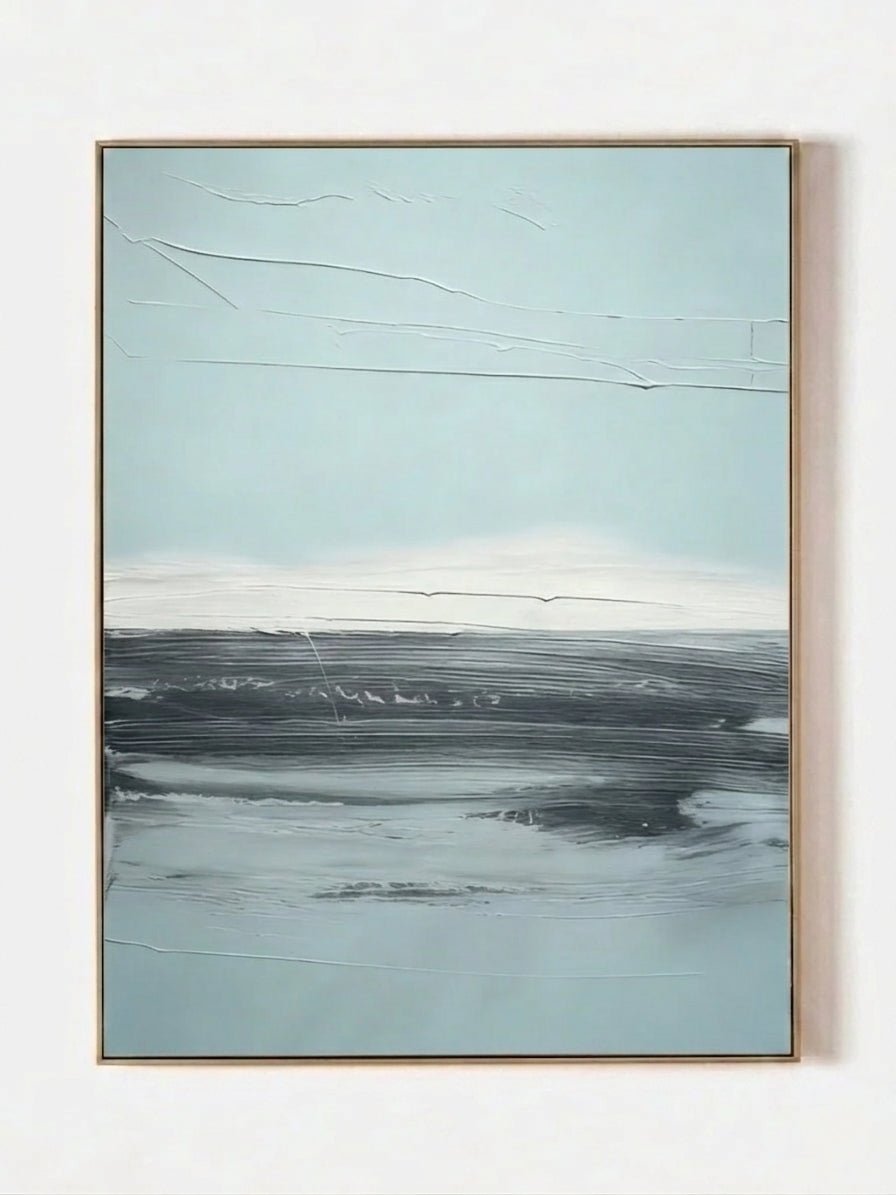
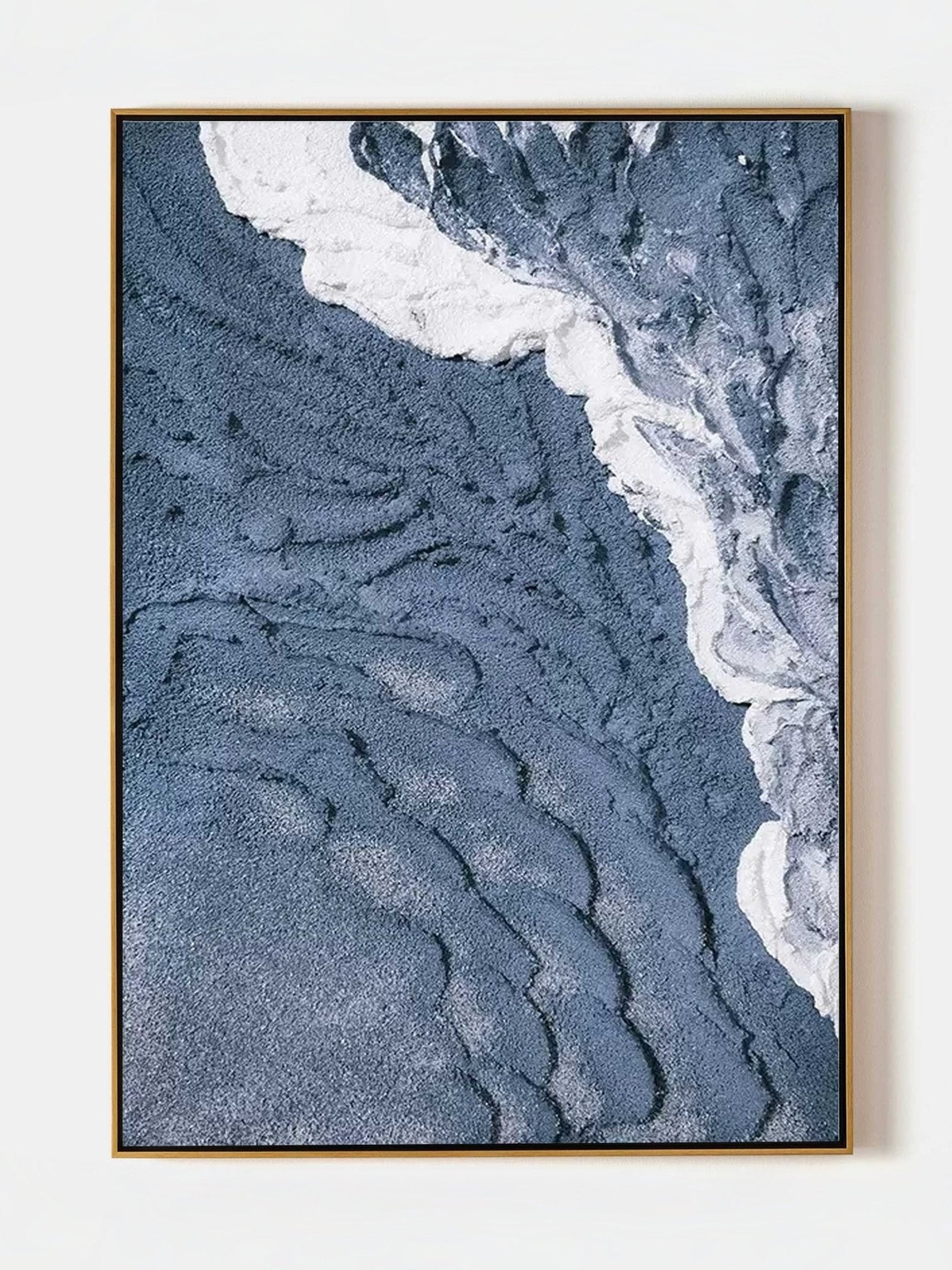
Bring a sense of understated elegance and architectural character into your home with this hand-painted neutral textured abstract canvas painting by artist Eliot Vermeer.
Featuring a subtle geometric grid surrounded by richly layered, weathered textures, this artwork combines warm beige, soft taupe, sandy brown, and earthy stone tones to create a beautifully understated composition.
The central arrangement of delicate horizontal and vertical lines introduces a quiet architectural structure, while the surrounding irregular brushstrokes, distressed details, and raised surface textures create a natural sense of depth and dimension.
Inspired by aged plaster walls, weathered stone surfaces, and the beauty of imperfect architectural forms, this painting balances geometric simplicity with organic expression.
Its muted neutral palette and tactile surface make it an elegant addition to contemporary interiors, particularly spaces that embrace Wabi-Sabi, Japandi, organic modern, and minimalist aesthetics.
Rather than relying on bold colors or decorative details, this piece celebrates subtle contrasts, natural imperfections, and the quiet beauty of texture.
Artist: Eliot Vermeer
Product Story
Inspired by the character of aged architectural surfaces, this artwork explores the relationship between structure, time, and imperfection.
At the center of the composition, a delicate grid pattern emerges through layers of warm neutral paint, resembling the faint traces of an old architectural window or a weathered wall structure.
As the eye moves outward, the orderly lines gradually give way to irregular marks, textured layers, and softly distressed surfaces.
The contrast between the structured central grid and the surrounding organic textures creates a subtle visual rhythm. Some areas appear softly worn and faded, while others reveal expressive raised details and natural variations in tone.
The warm beige and taupe palette evokes aged limestone, natural plaster, and sun-washed architectural walls.
These understated colors create a sense of warmth and quiet sophistication, allowing the artwork to blend naturally into a variety of interior styles.
The painting reflects the philosophy of Wabi-Sabi, finding beauty in imperfection, natural aging, and the character of handmade surfaces.
It is an exploration of how simple lines, layered textures, and subtle tonal differences can transform an abstract composition into something deeply atmospheric.
More than a decorative accent, this artwork brings a sense of history, materiality, and visual calm into modern living spaces.
Where to Display It
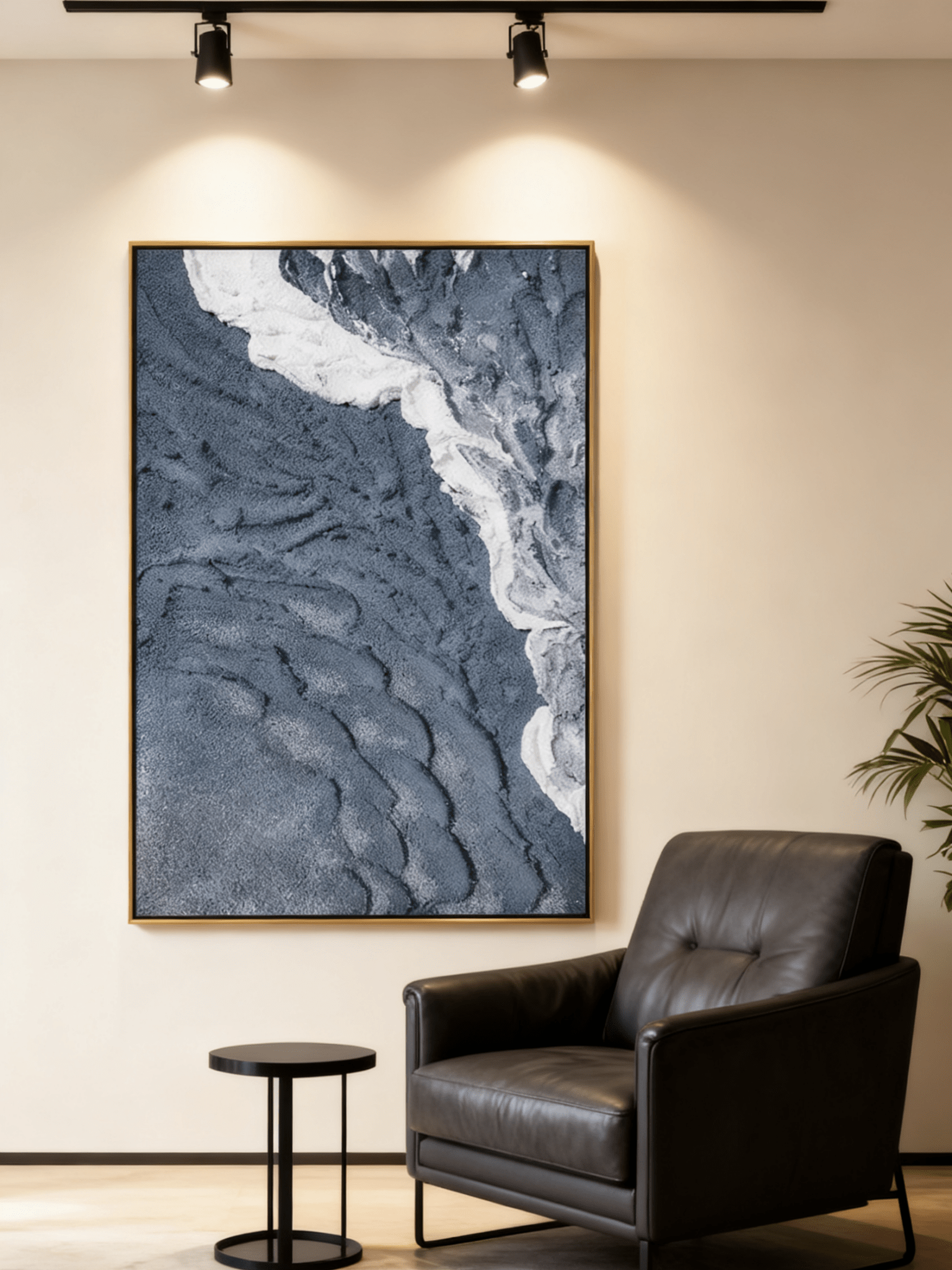
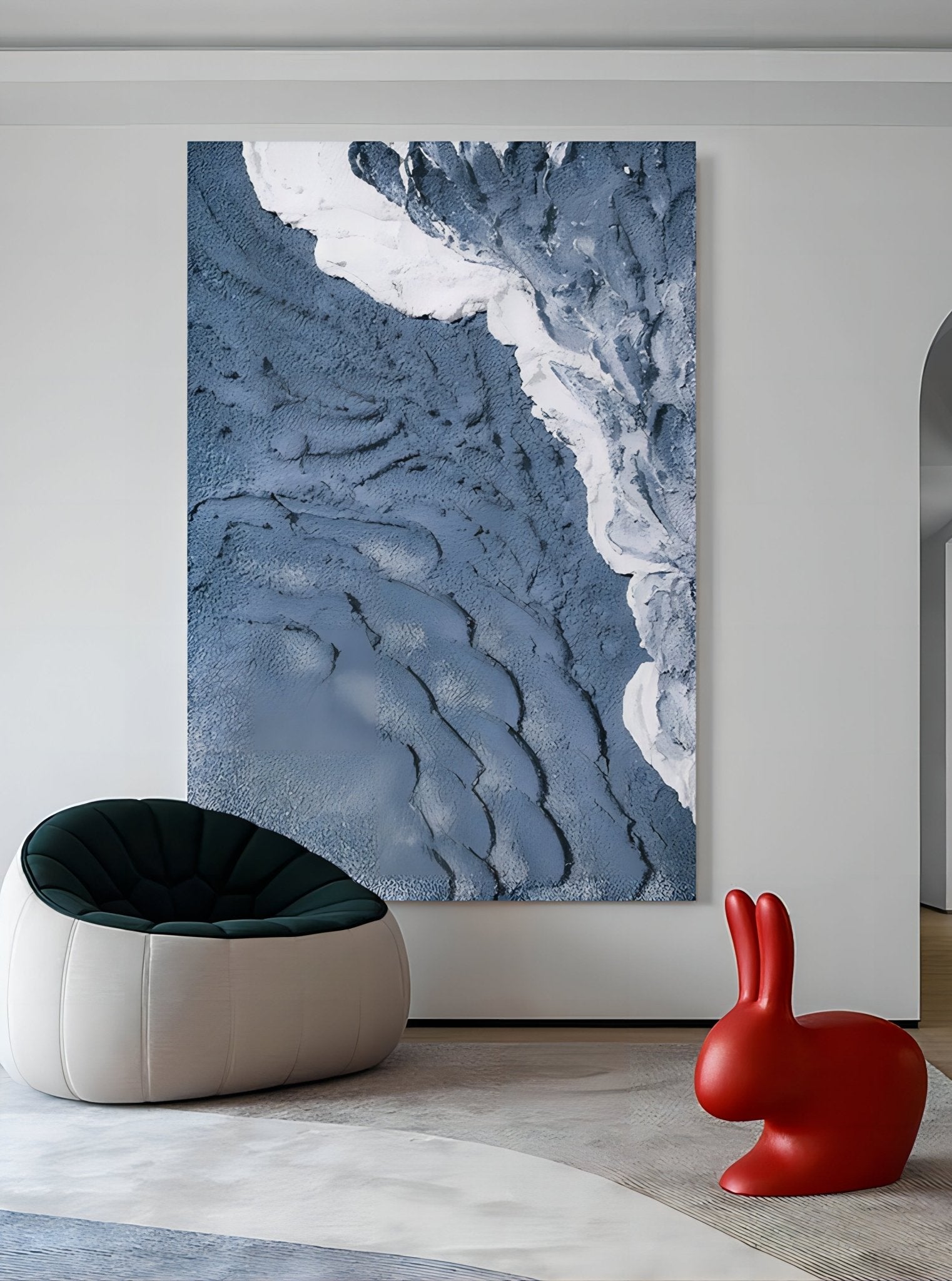
With its warm neutral tones and architectural-inspired composition, this textured abstract painting is designed to complement interiors that value natural materials, understated colors, and thoughtful design.
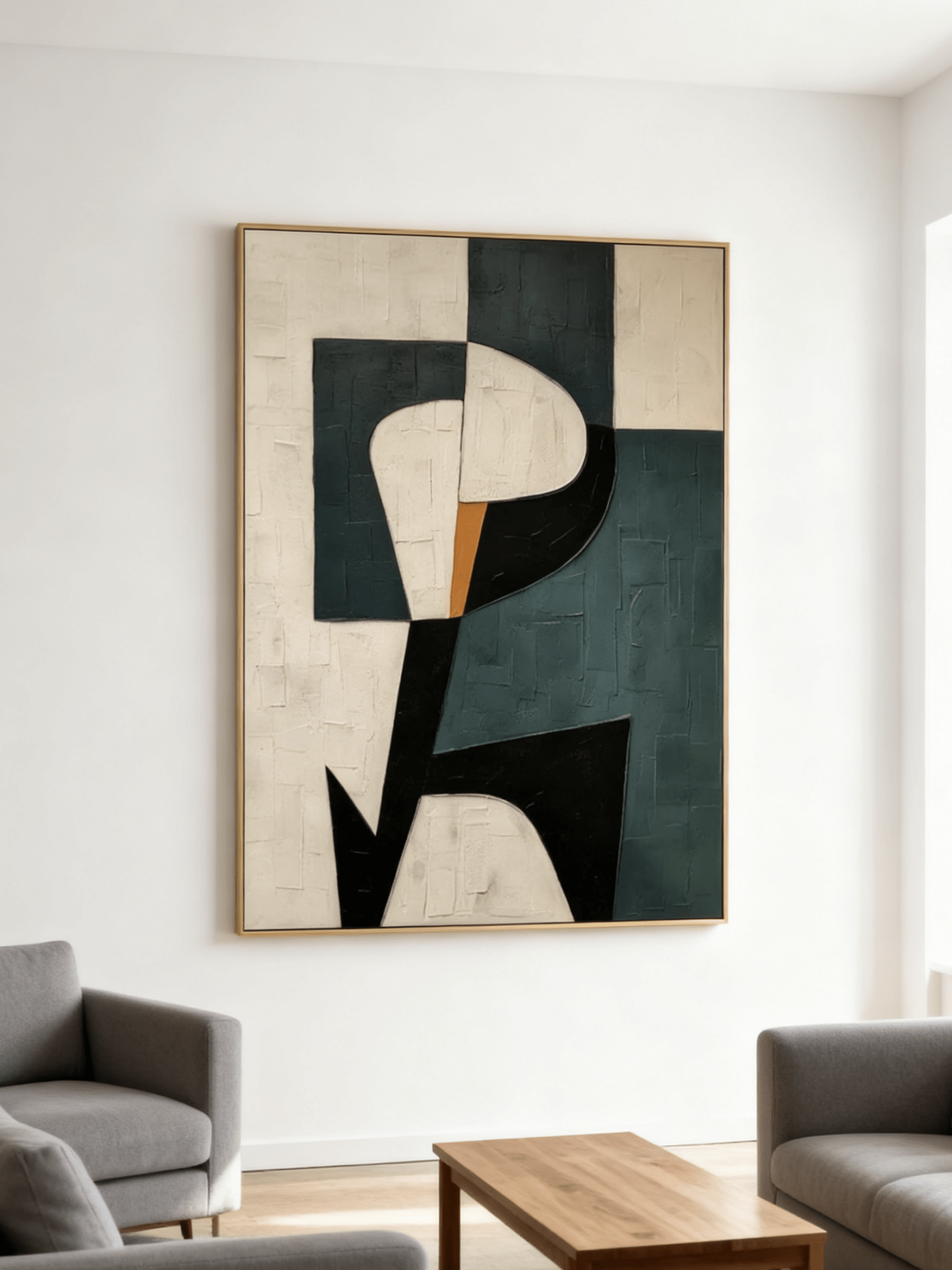
Living Room
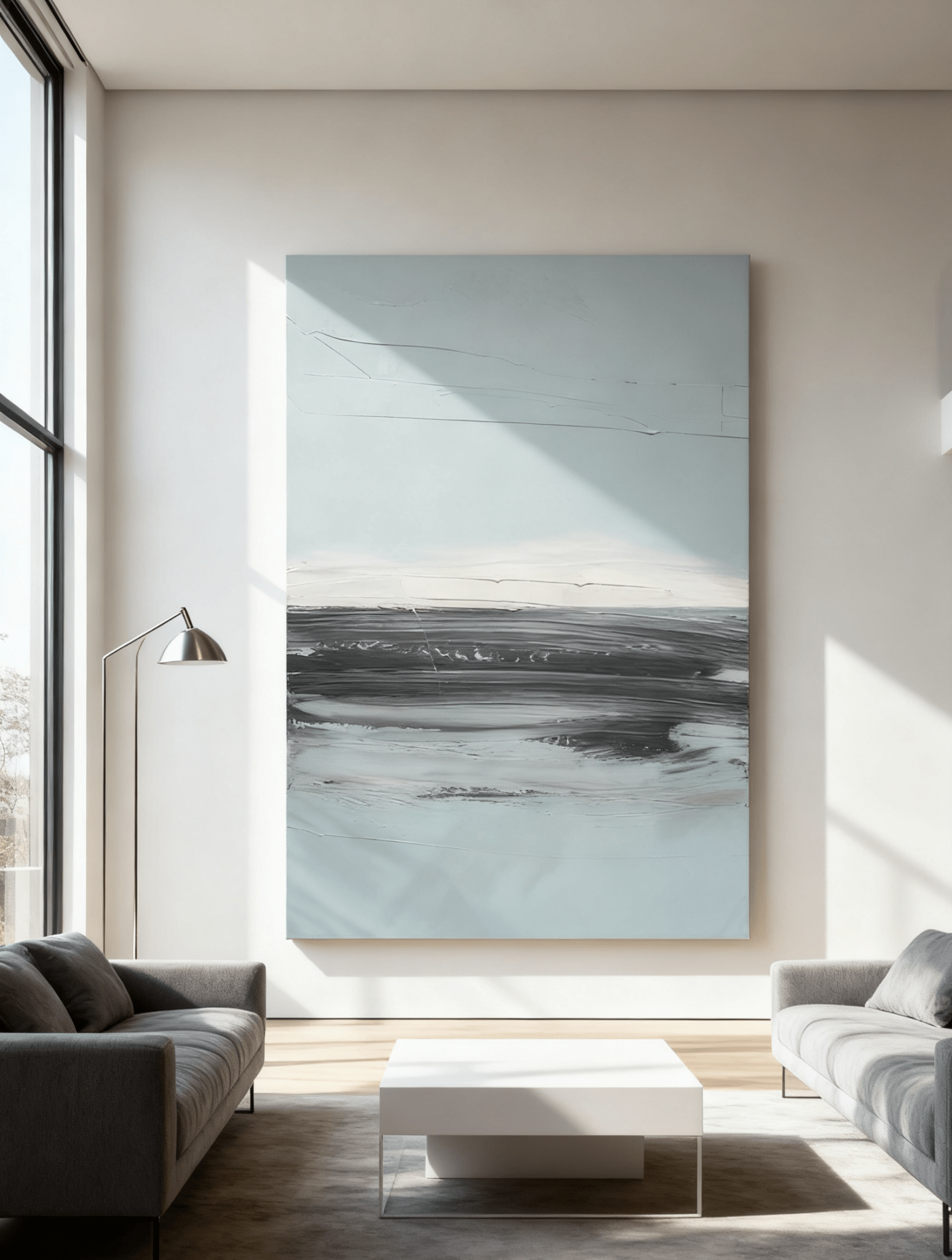
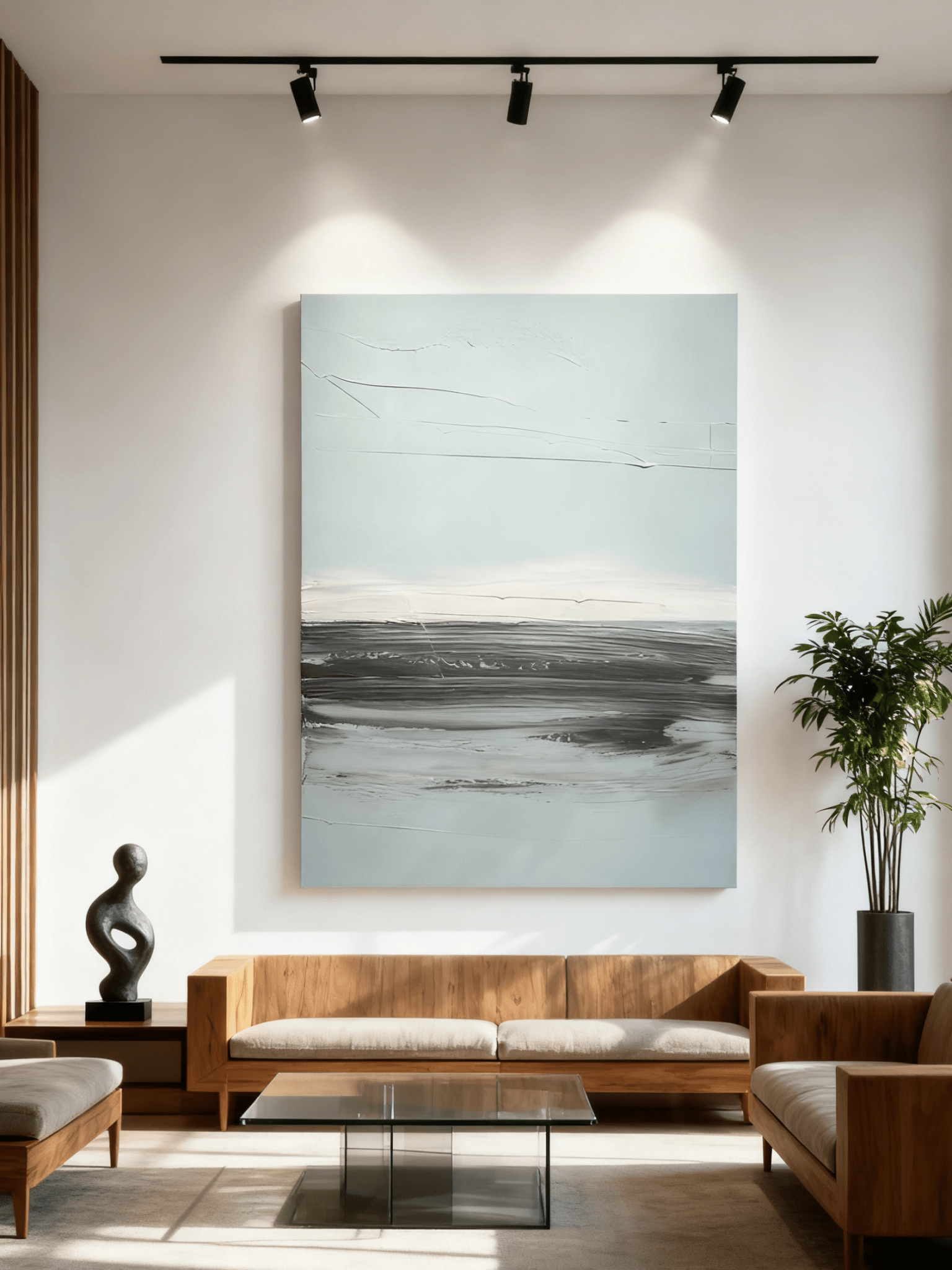
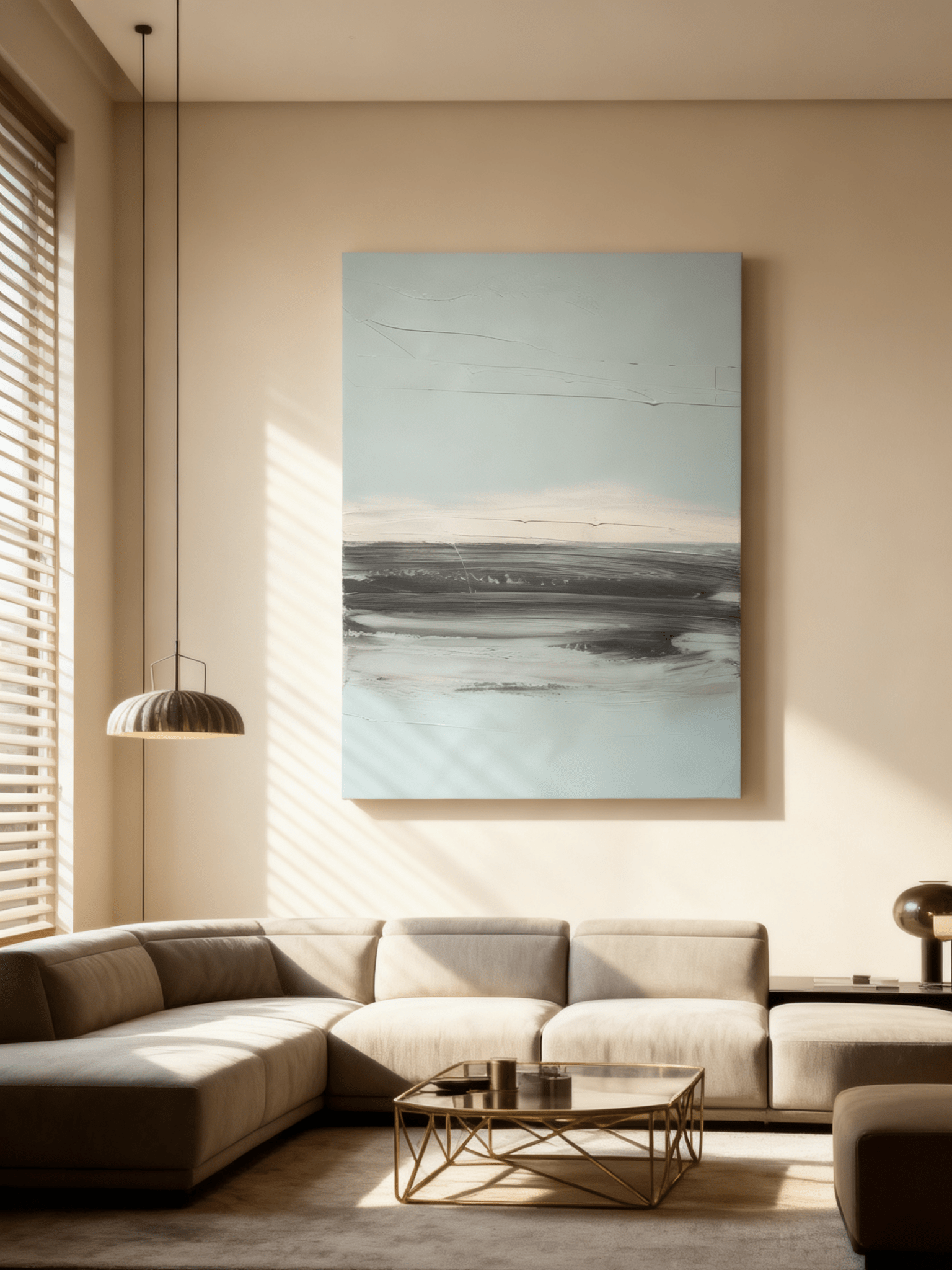
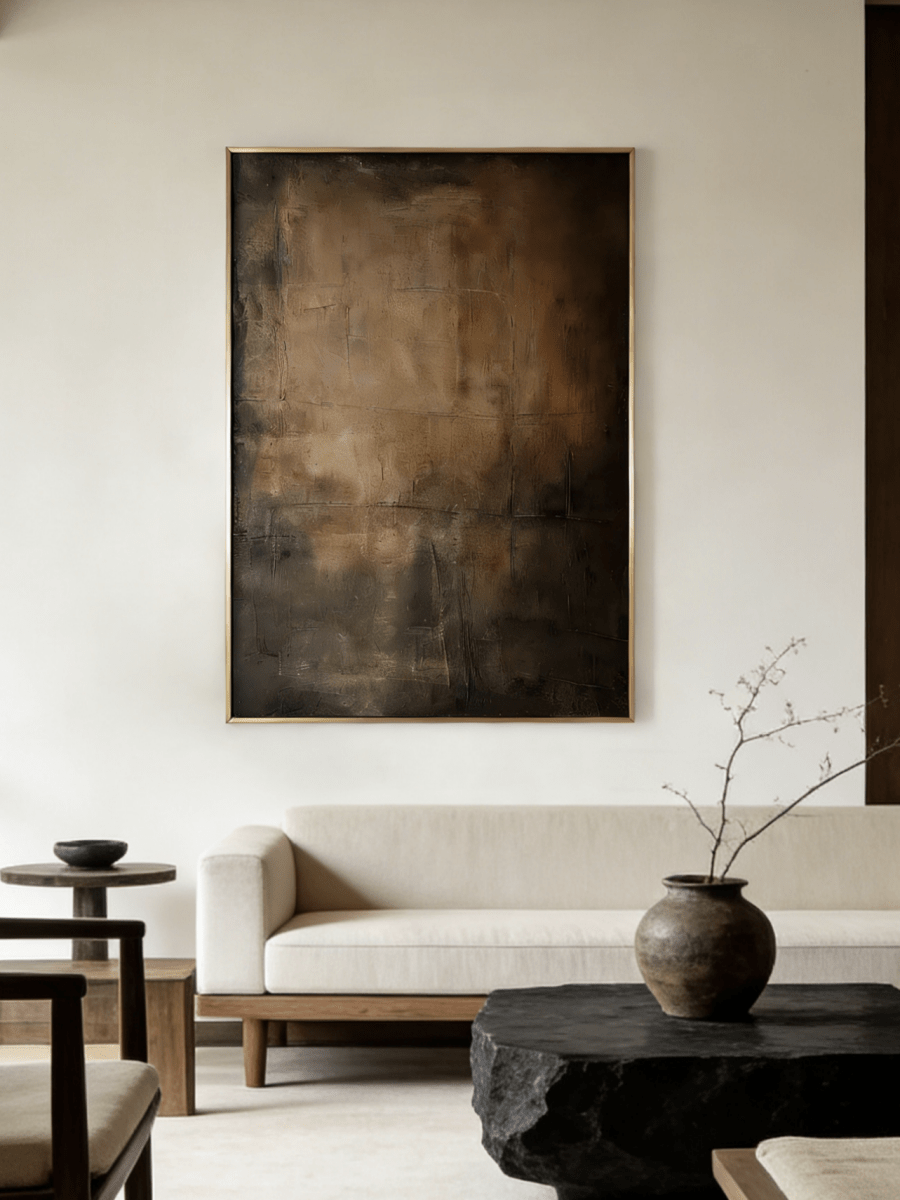
Hang this artwork above a sofa, fireplace, or console table to create a sophisticated focal point.
Its beige and taupe tones work beautifully with cream upholstery, linen cushions, natural wood furniture, travertine coffee tables, and warm neutral accessories.
The subtle grid structure adds architectural interest, while the distressed texture brings depth and character to minimalist living spaces.
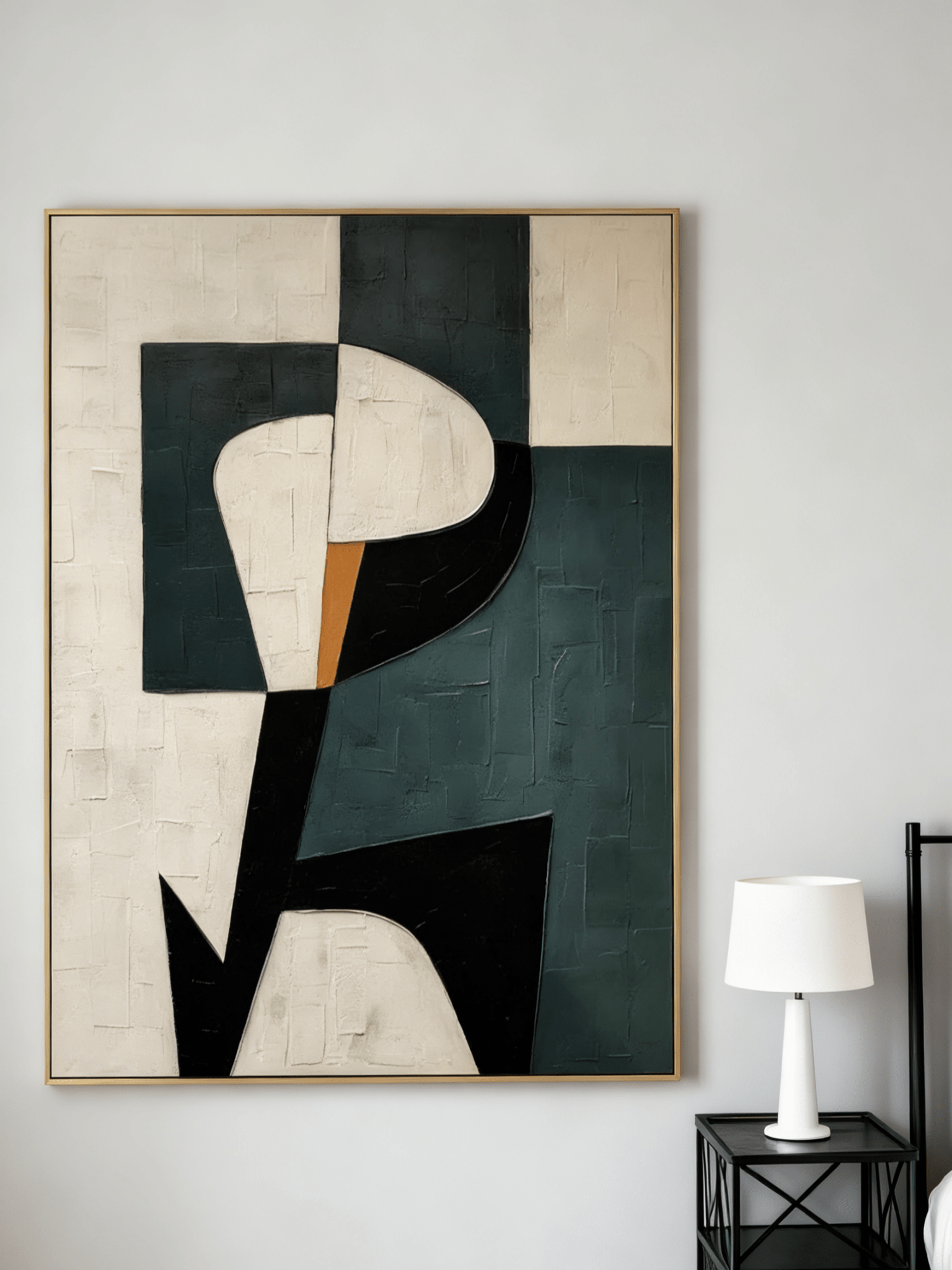
Bedroom
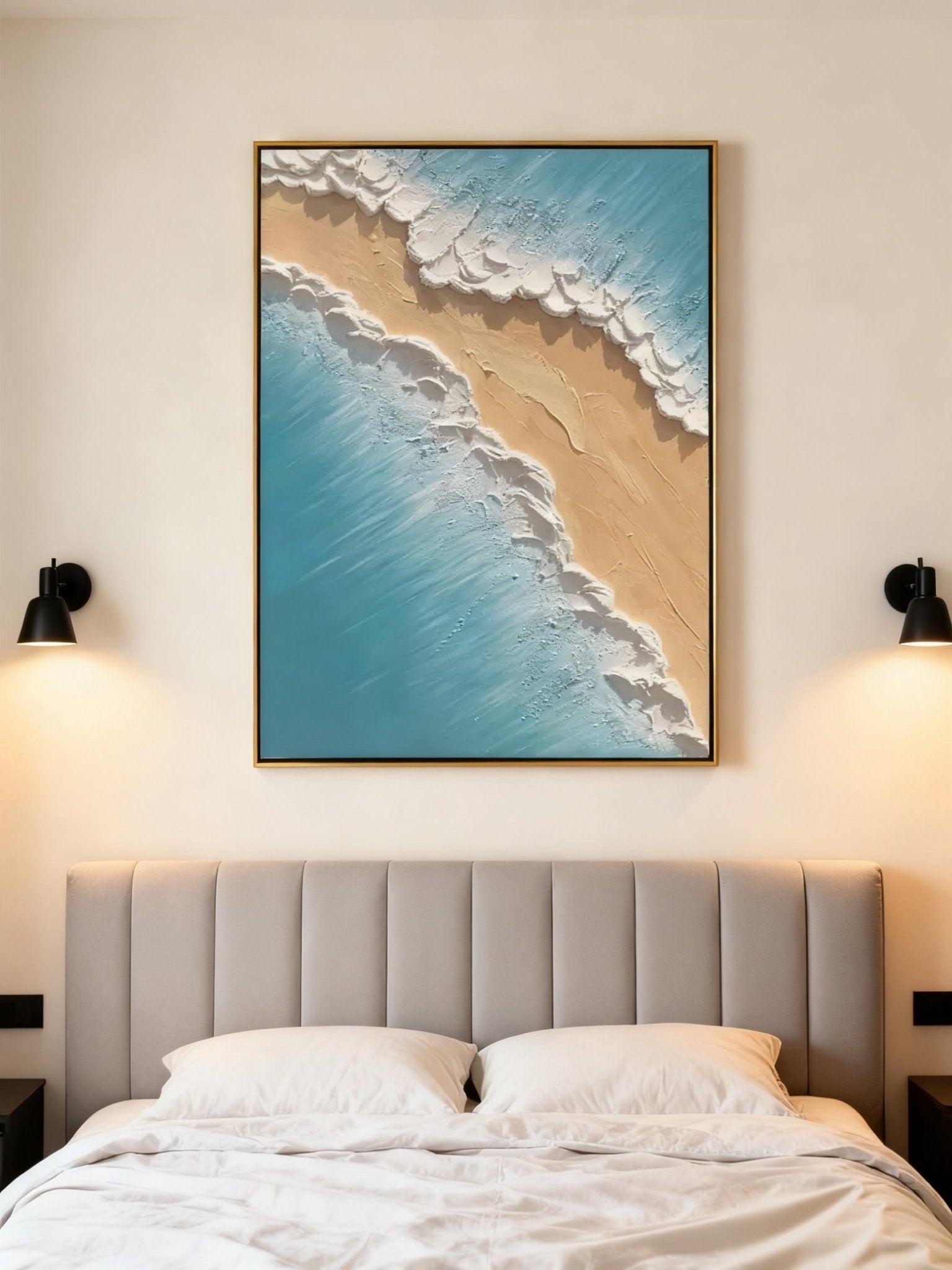
Create a peaceful and inviting atmosphere by displaying this painting above your bed or bedroom dresser.
Its soft earthy palette pairs naturally with linen bedding, warm white walls, textured fabrics, and natural wood furnishings.
The understated composition introduces visual interest without making the bedroom feel busy or overwhelming.
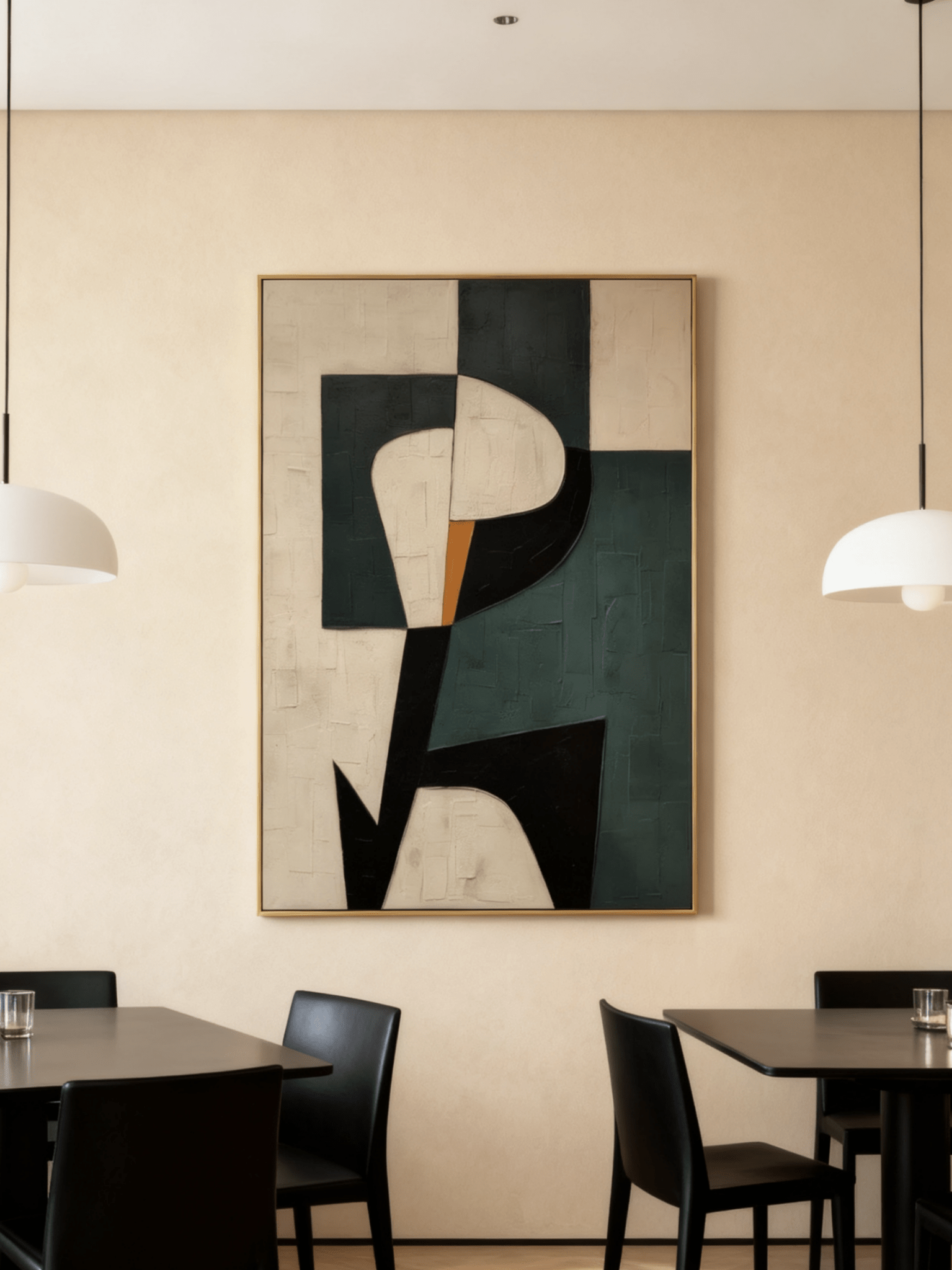
Open Dining Room
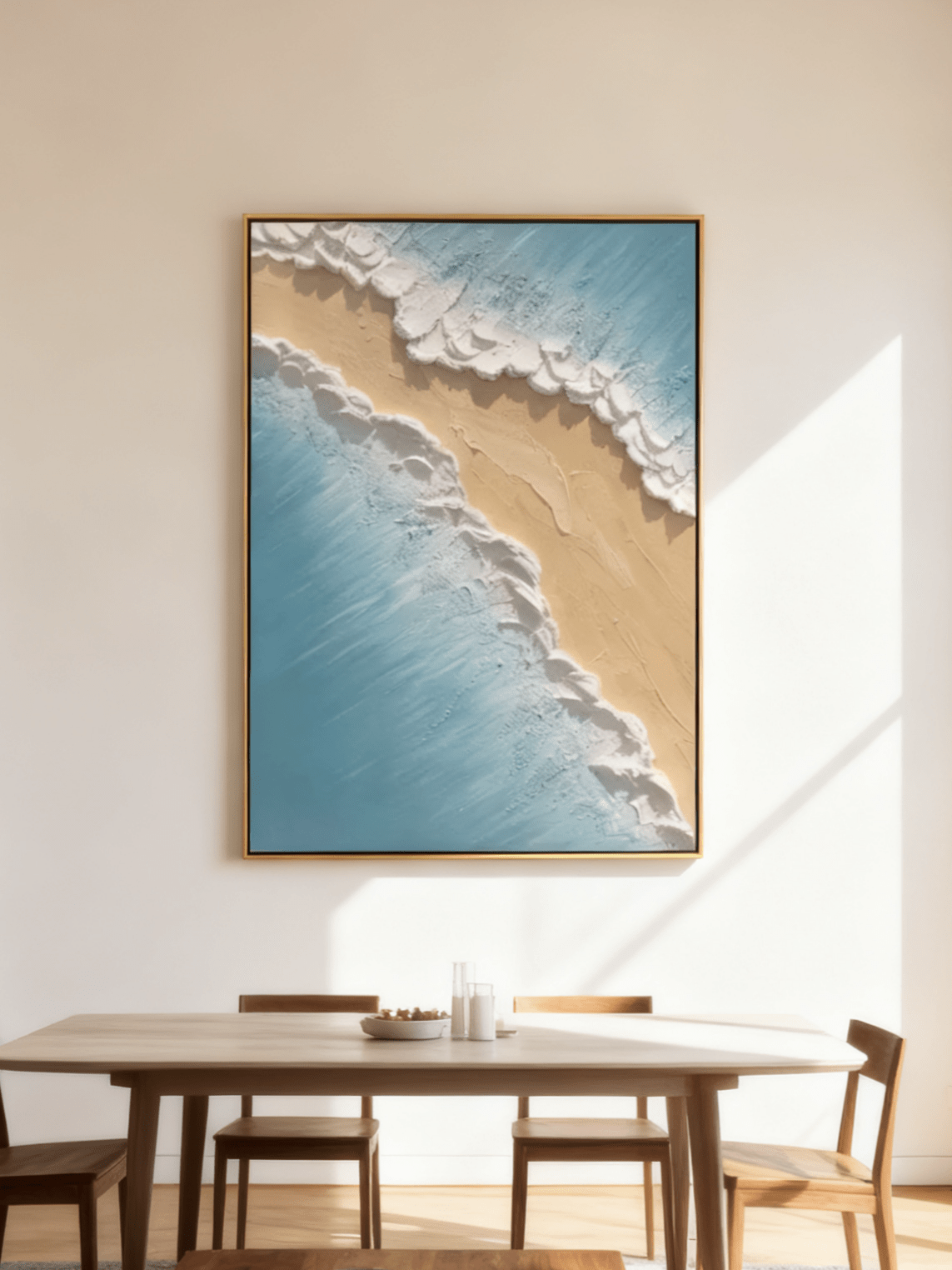
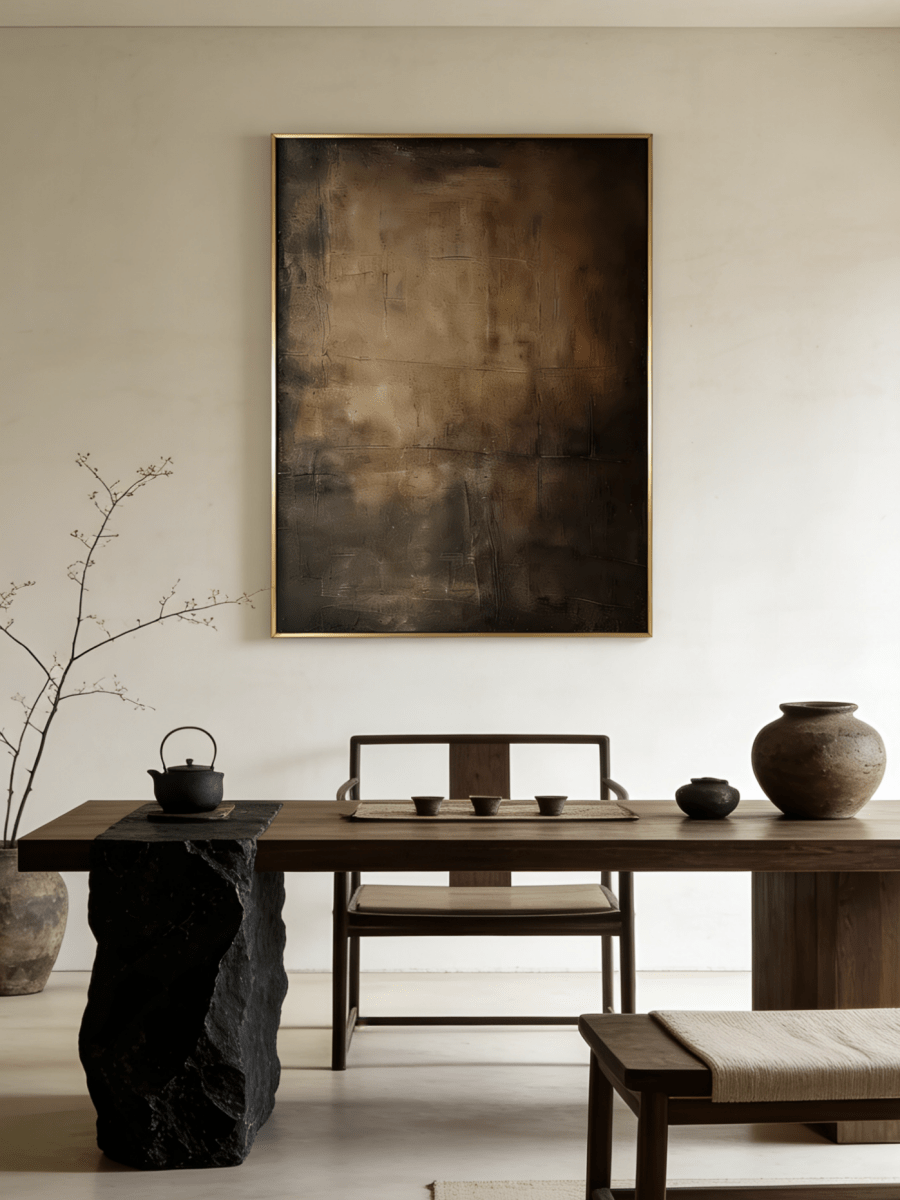
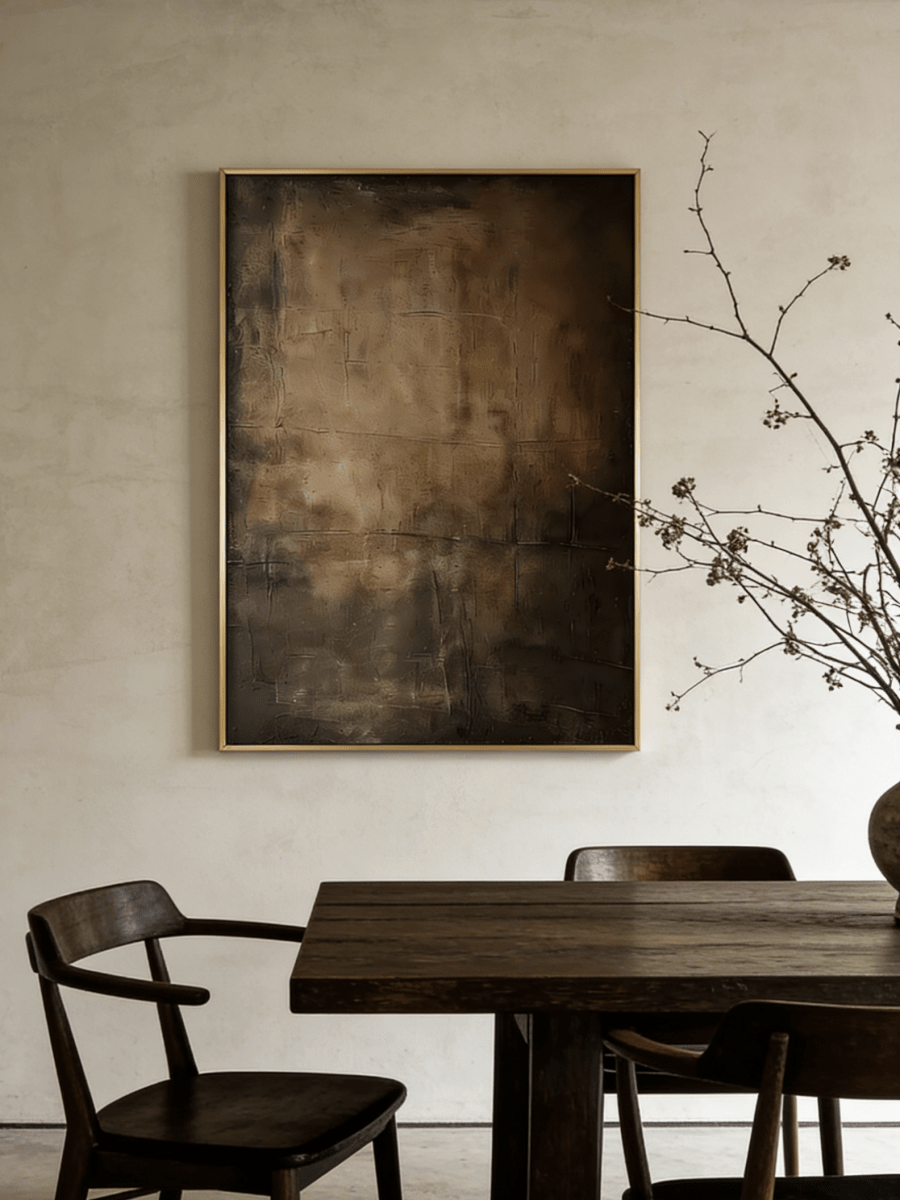
Display this artwork above a dining sideboard or on a feature wall in an open dining area.
Its architectural details and natural stone-inspired colors complement wooden dining tables, ceramic tableware, stone surfaces, and warm ambient lighting.
The textured surface adds an artistic dimension to dining spaces while maintaining an elegant and relaxed atmosphere.
Entryway or Foyer
Make a welcoming first impression by placing this painting above an entryway console or against a softly textured feature wall.
Its weathered neutral appearance adds warmth and artistic character to the entrance without competing with other decorative elements.
Pair it with a natural wood console, sculptural ceramics, and understated accessories for a refined organic modern look.
Home Office or Study
This artwork also works beautifully in a home office, reading room, or creative workspace.
Its restrained color palette and balanced geometric composition create a calm visual environment, while the architectural textures introduce a distinctive artistic element.
Interior Styling
This neutral textured painting pairs especially well with:
-
Warm white and ivory
-
Sand beige and soft taupe
-
Natural oak and walnut
-
Travertine and limestone
-
Linen and boucle fabrics
-
Handmade ceramics and stone accessories
It is particularly suitable for:
-
Wabi-Sabi interiors
-
Japandi home decor
-
Organic modern interiors
-
Contemporary minimalist spaces
-
Scandinavian-inspired interiors
-
Rustic contemporary homes
-
Quiet luxury interiors
A timeless hand-painted abstract artwork for those who appreciate architectural inspiration, natural textures, and the understated beauty of imperfect surfaces.
Frequently Asked Questions
Is this painting handmade?
Yes. This is hand painted wall art rather than a printed reproduction. Each canvas is individually created by artists using layered paint and hand-worked details.
What style of interior does this artwork match?
This wabi-sabi art piece suits wabi-sabi, Japandi, organic-modern, and warm-minimalist rooms. Its palette and handmade surface also pair naturally with wood, linen, stone, and simple modern furniture.
Where should I hang this wall art?
It works well in a living room, bedroom, dining room, entryway, home office, or luxury apartment. Position it where natural or side lighting can reveal the brushwork and texture.
How do I choose the right size artwork?
For placement above furniture, choose large canvas wall art measuring roughly two-thirds to three-quarters of the furniture width. Use painter's tape to preview the selected dimensions before ordering.
Does this artwork come ready to hang?
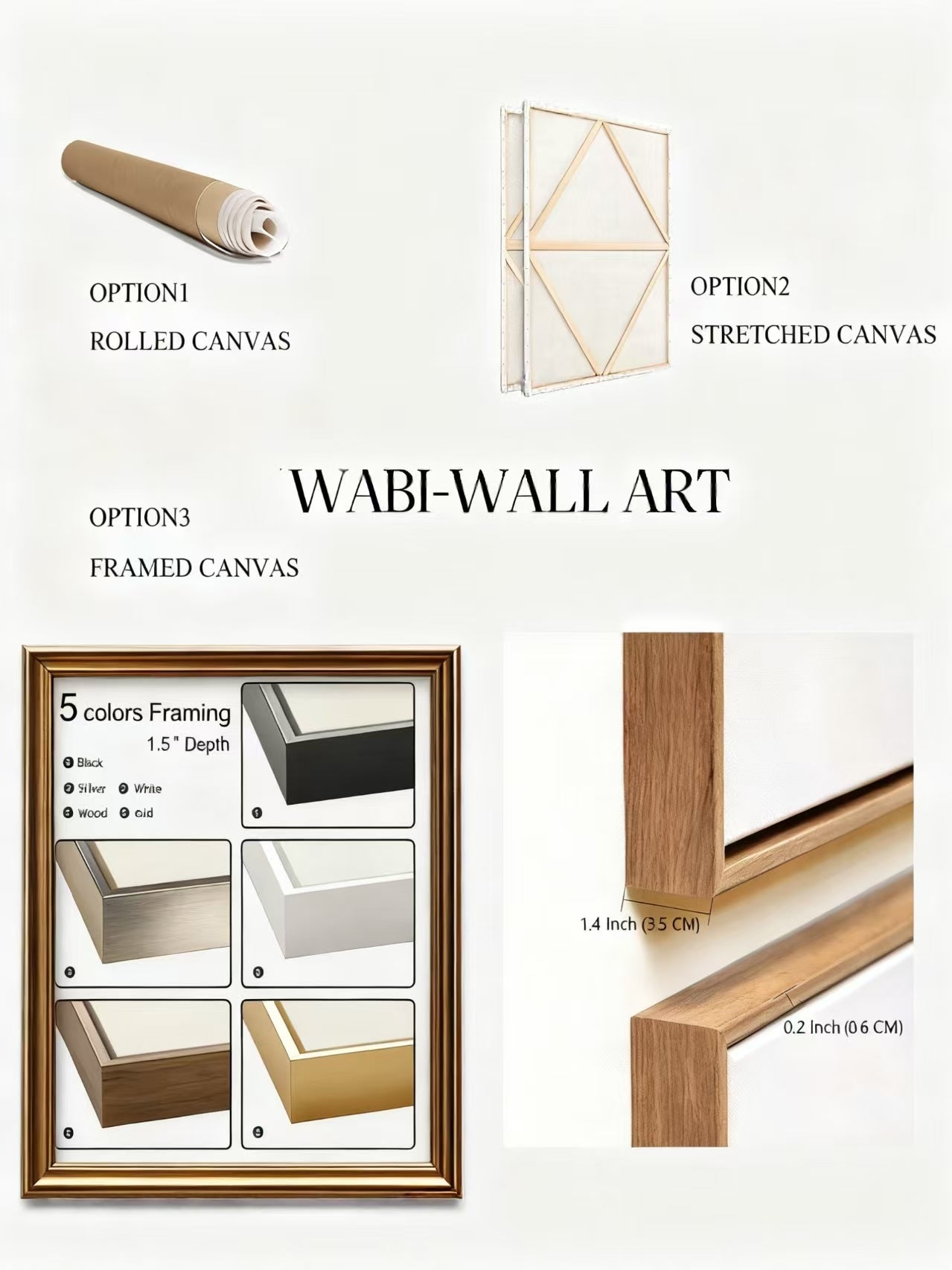
Rolled canvas is supplied unstretched. Stretched-canvas and framed options are finished display formats; review the configuration selected on the product page before checkout.
How long does it take to create this painting?
Each original canvas painting is made to order, so production time varies with size, framing, and customization. Refer to the current ordering estimate or contact WABI Wall Art for timing.
How is the artwork shipped?
The artwork is carefully protected and packed for transit. Shipping time depends on the destination, size, and selected format; the latest delivery information is shown during ordering.
Can I request a custom size?
Custom dimensions may be available. Contact the WABI Wall Art team before ordering to confirm the size, orientation, color direction, and framing options possible for this design.
How do I care for my canvas artwork?
Dust gently with a clean, soft, dry cloth or soft brush. Avoid water, chemical cleaners, prolonged direct sunlight, and high humidity, and handle the artwork by its edges or frame.
Is every artwork unique?
Yes. Small variations in brush movement, color blending, and surface texture are natural features of a handmade painting and make every finished piece unique.
Artwork Details
Artwork Style: Wabi-Sabi Art
Artwork Theme: Abstract
Artist: Eliot Vermeer
Each artwork is made to order. Creation normally takes 1–2 weeks before dispatch.
After the artwork is completed, delivery normally takes approximately 5–7 business days by DHL or FedEx.
Custom dimensions and palette adjustments may be available. Contact info@wabiwallart.com before ordering to confirm the request.
Find Your Perfect Artwork Size
See how each artwork size fits your space.
Adjust to match your furniture
Available range: 24–240 inches
Size Recommendation
Recommended for your space
Neutral Wabi-Sabi Textured Grid Canvas Painting – EV#0555


About Artist
Eliot Vermeer is a contemporary artist born in Xi'an, China in 1987, and currently living and working in Shanghai. With his unique abstract wabi-sabi style, he has established a profound personal connection between Eastern aesthetics and Western expressionism.
His work abandons complex narratives, instead exploring the spirituality of materials, traces, and space themselves. Eliot Vermeer's artistic practice is like a silent retreat, inviting viewers to feel the traces of time's passage and the silent power of all things within his minimalist yet rich canvases.