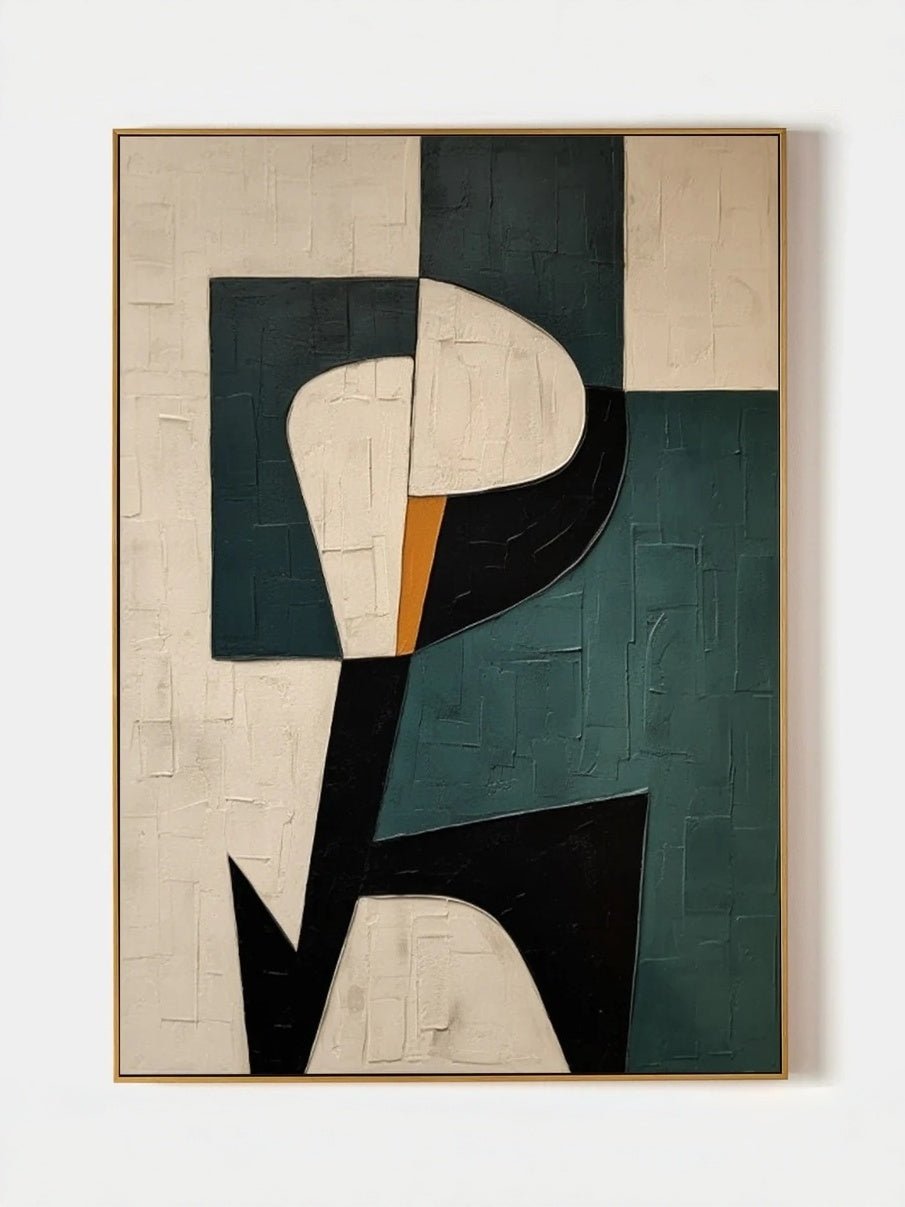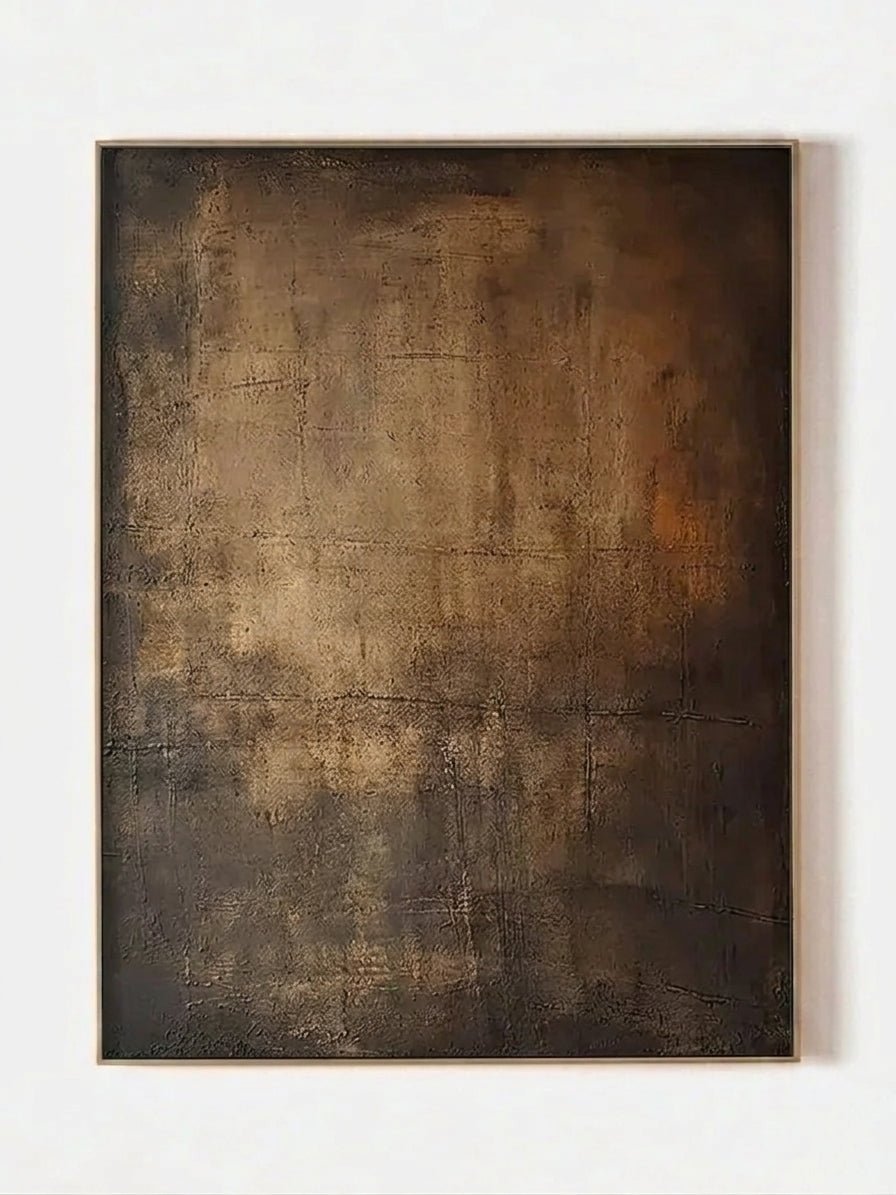


Minimalist Textured Sage Green Beach Wave Wall Art – LL#0381

Description
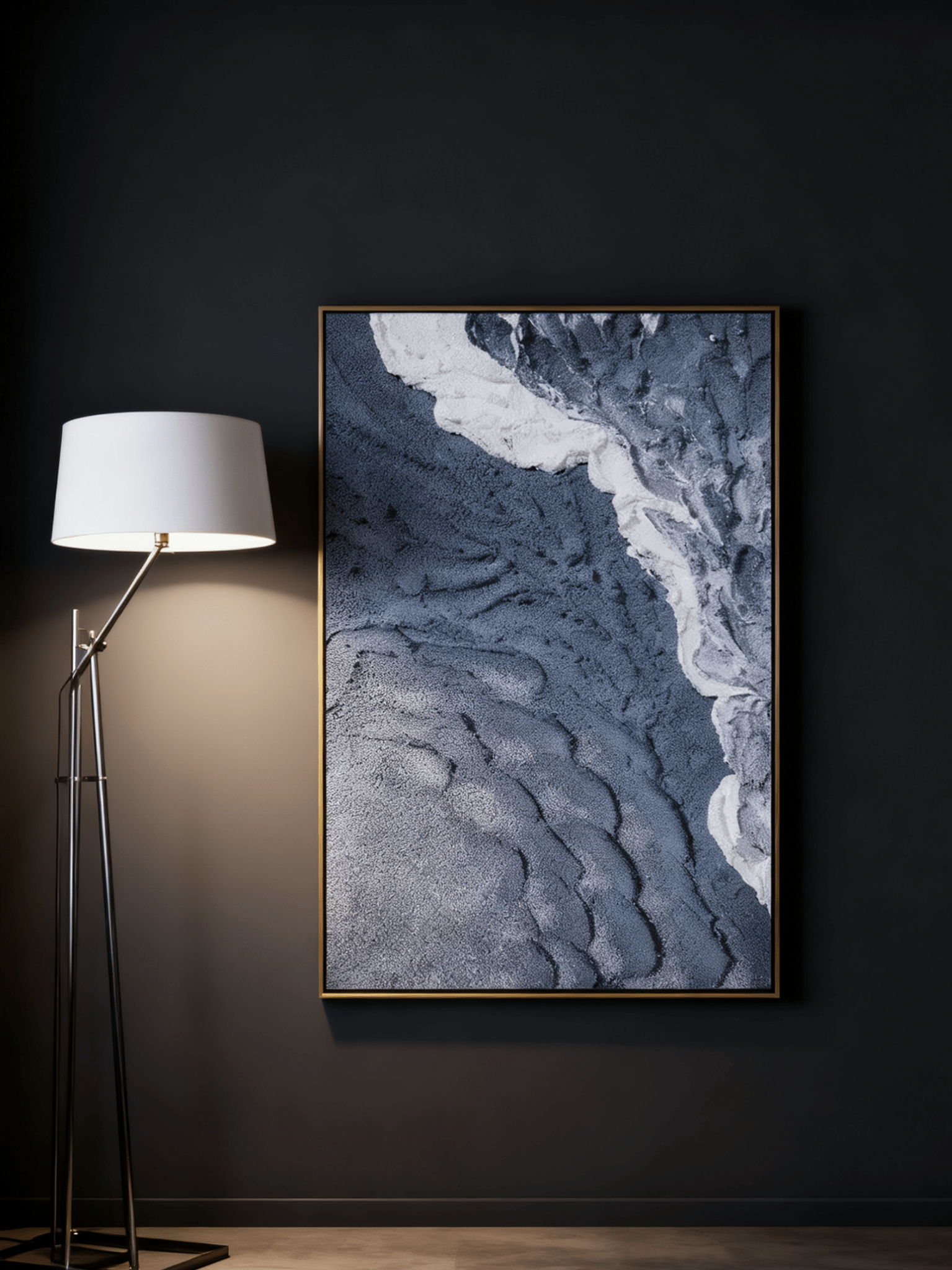
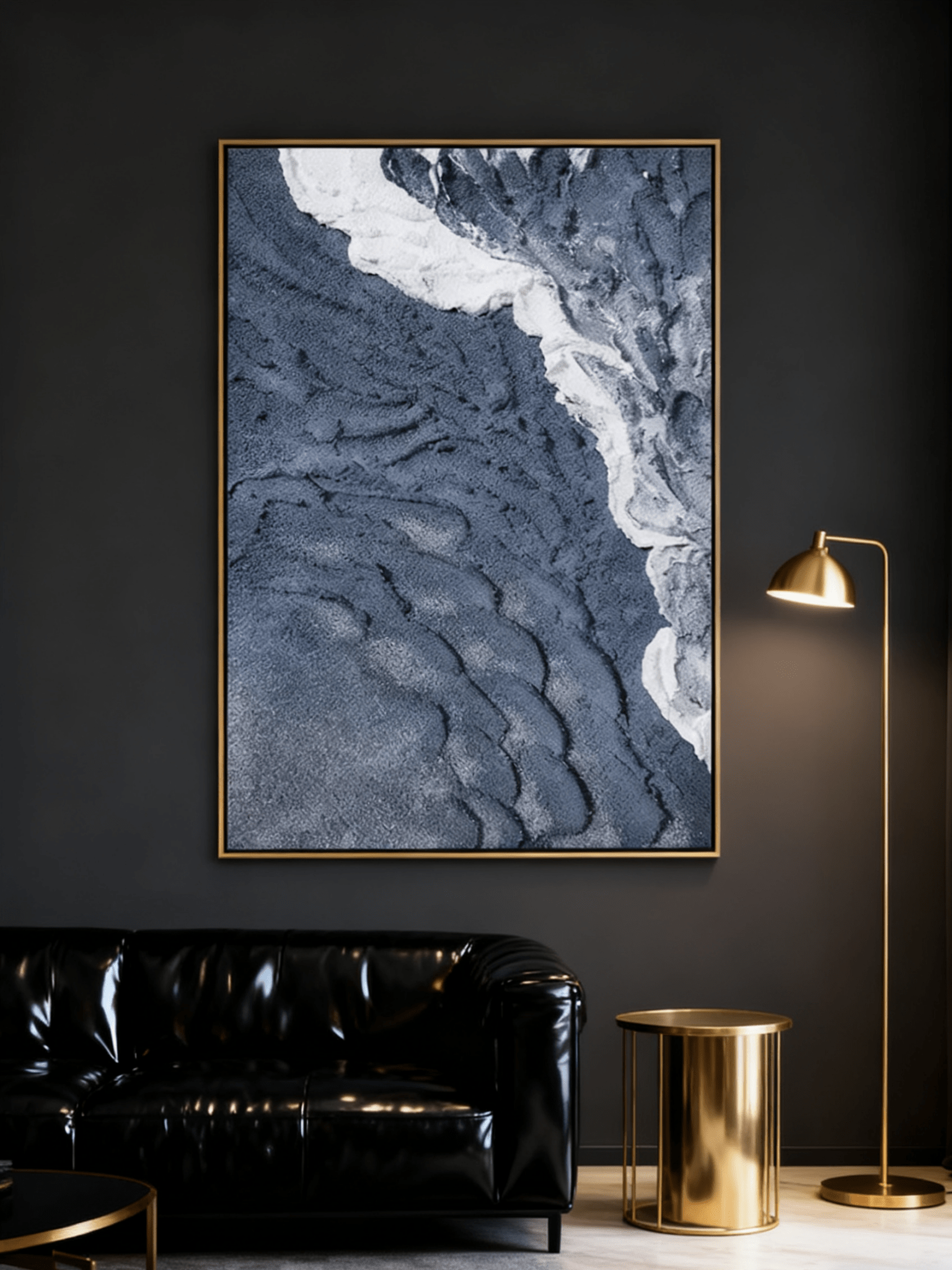
Minimalist Textured Sage Green Beach Wave Wall Art
Bring the quiet beauty of the shoreline into your home with this hand-painted sage green beach wall art by Leo Liang.
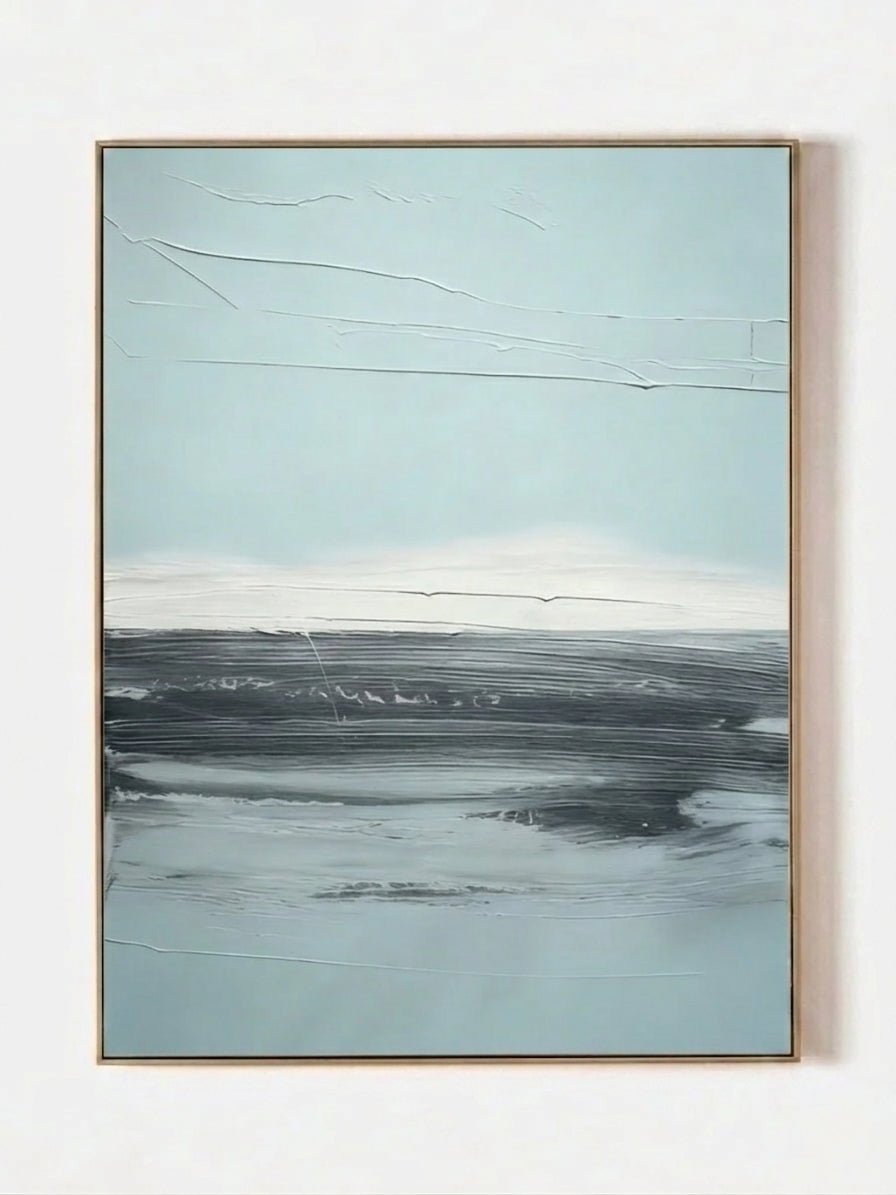
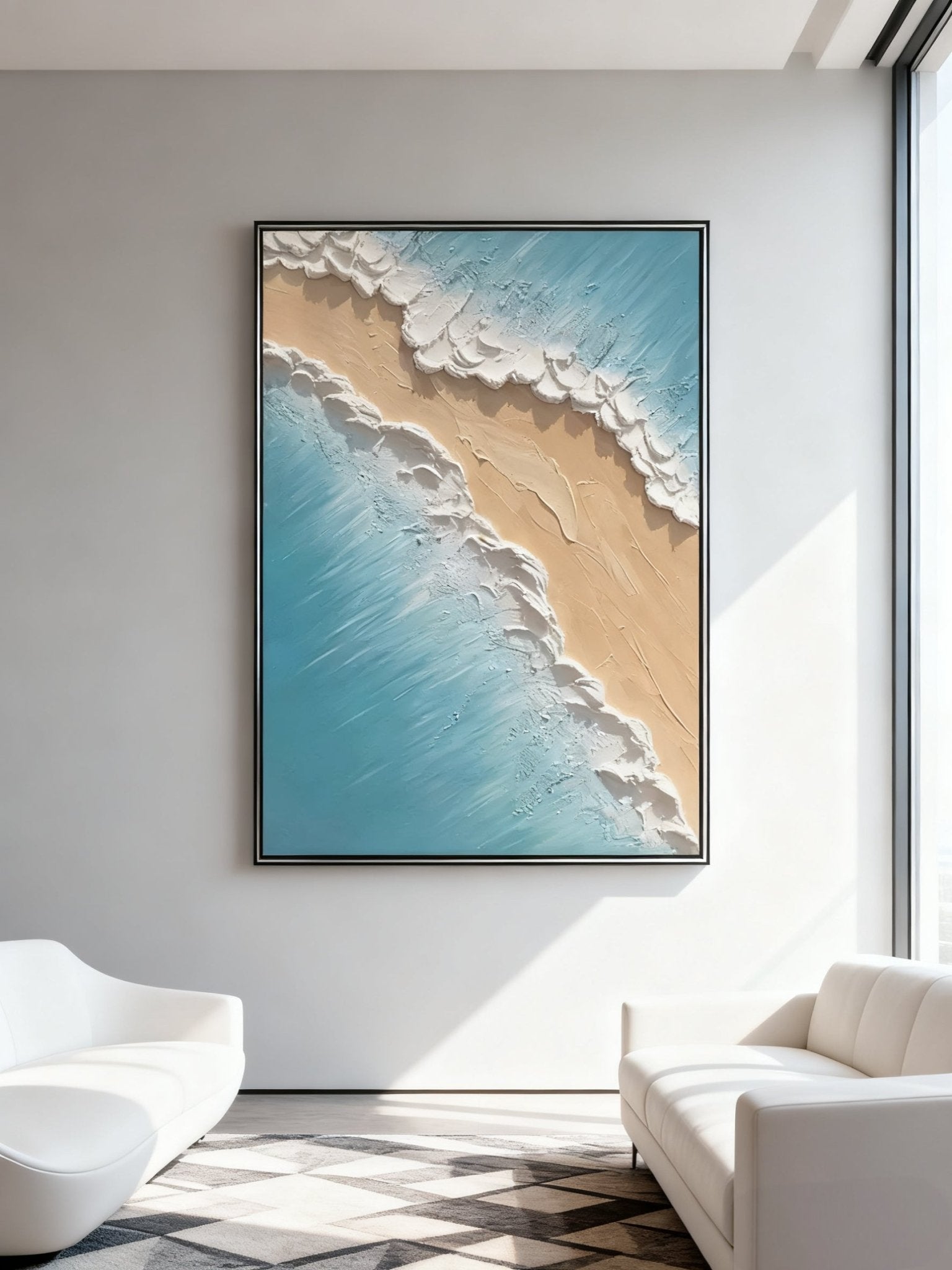
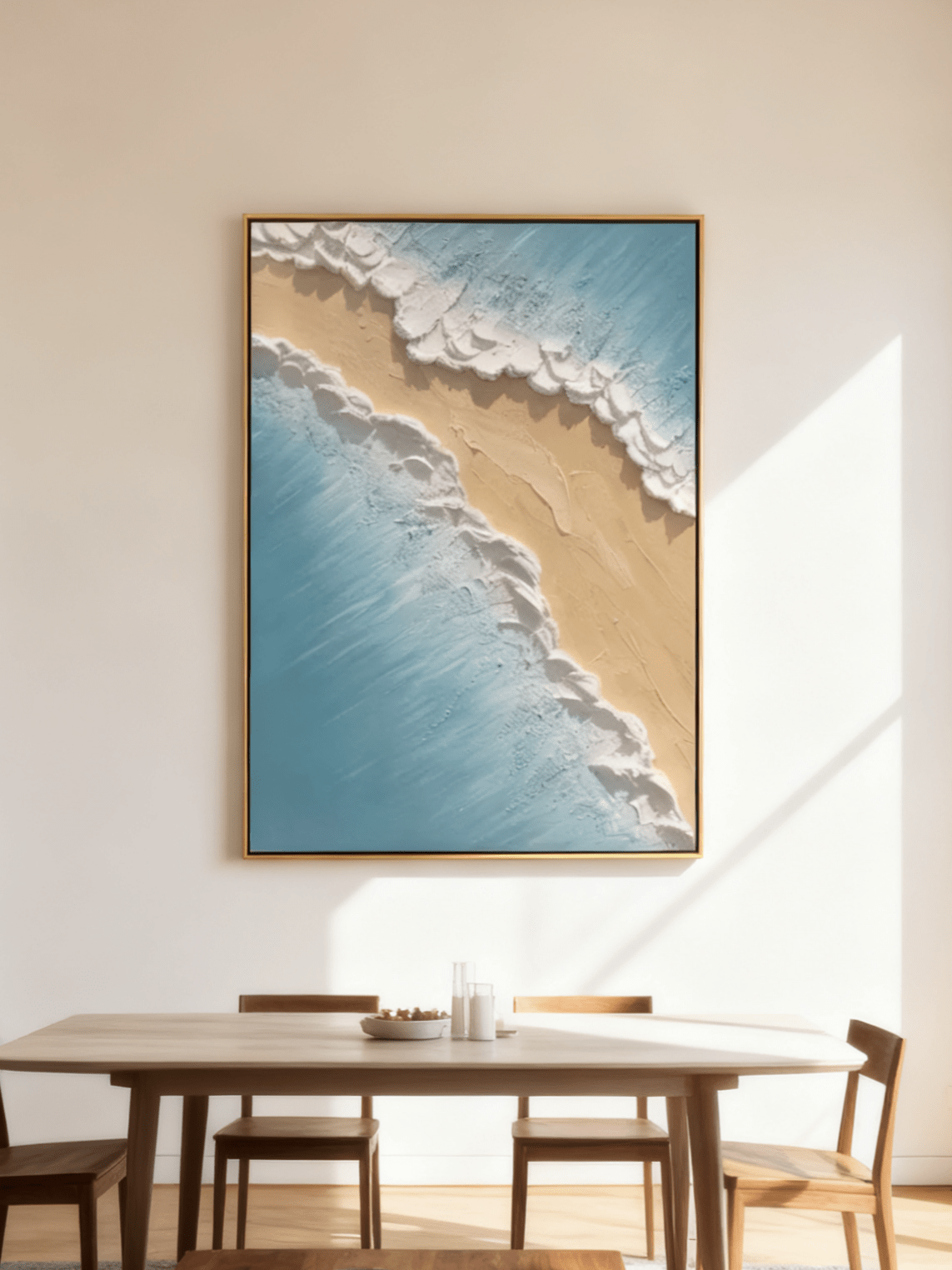
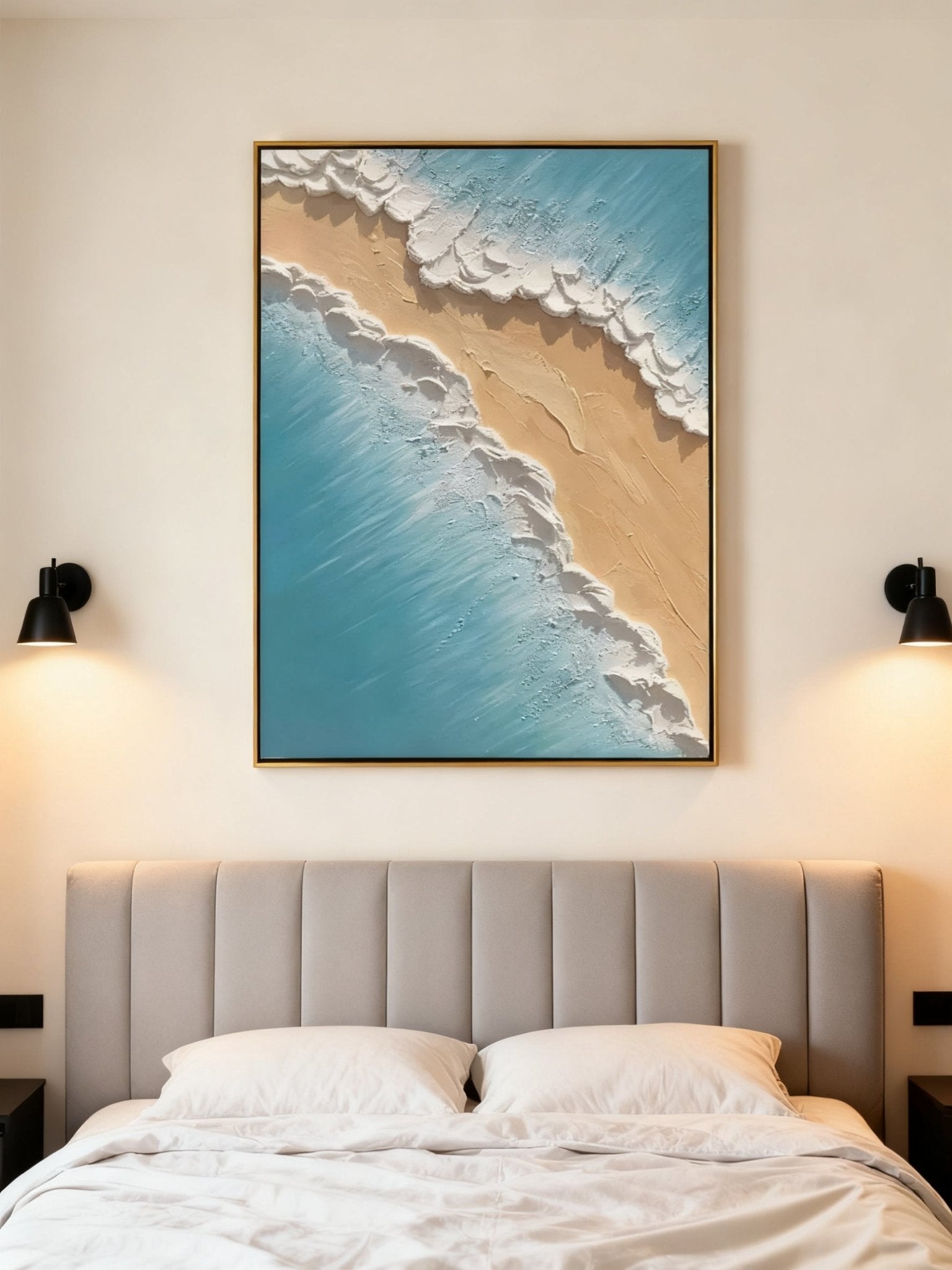
Viewed from above, soft sage-green water rolls toward a warm sandy shore as layers of sculptural white foam sweep diagonally across the composition. Thick, hand-applied texture gives each wave a tactile edge, while the restrained combination of muted green, sand beige, ivory, and white creates a calm coastal palette that feels sophisticated rather than overtly nautical.
Unlike traditional ocean paintings dominated by blue, this artwork uses sage green and warm beige to reinterpret the beach through a softer, more neutral lens.
The result is a peaceful yet dimensional coastal statement piece that works beautifully with organic modern, Wabi-Sabi, Japandi, minimalist, contemporary, neutral, and modern coastal interiors.
The Story Behind the Painting
This painting began with the moment when a wave reaches the sand and briefly changes the shape of the shoreline.
Rather than painting an entire seascape with sky, horizon, and distant scenery, Leo Liang moves closer to the point where water and land meet.
From above, the beach becomes almost abstract.
Warm sand forms one quiet field of color, while muted sage-green water moves toward it from the opposite side. Between them, layers of white foam overlap and break into irregular edges.
The wave does not arrive as one perfect line.
Some sections remain thick and sculptural. Others dissolve into smaller traces before disappearing back into the water.
Leo preserves these irregularities because they are what give the coast its natural rhythm.
The painting is ultimately built around a simple contrast:
warm sand and cool water, stillness and movement, smooth surfaces and raised texture.
It captures the coast not as a destination, but as a repeated moment—the sea arriving, touching the shore, and quietly retreating again.
Where to Display This Artwork
Living Room
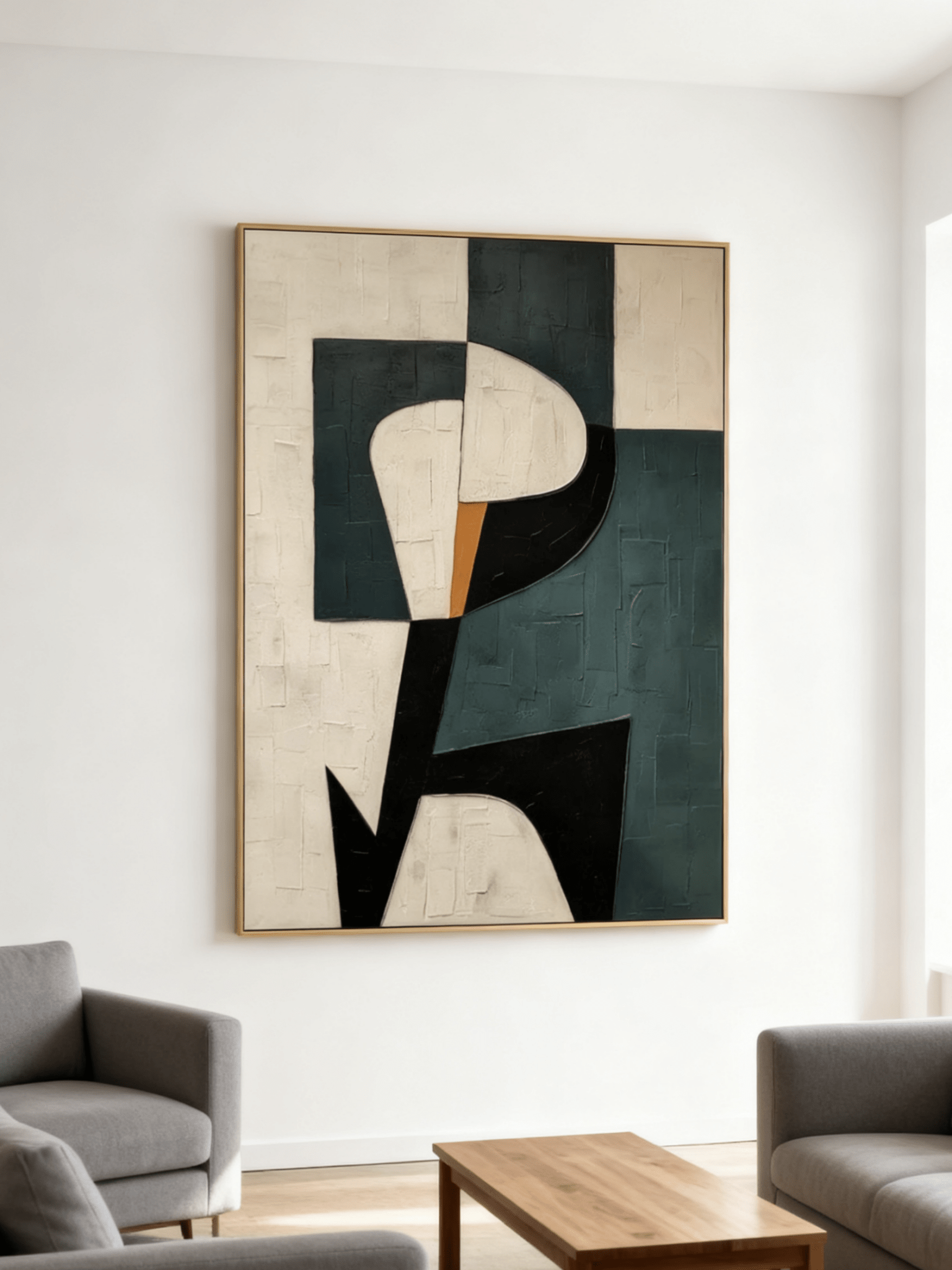
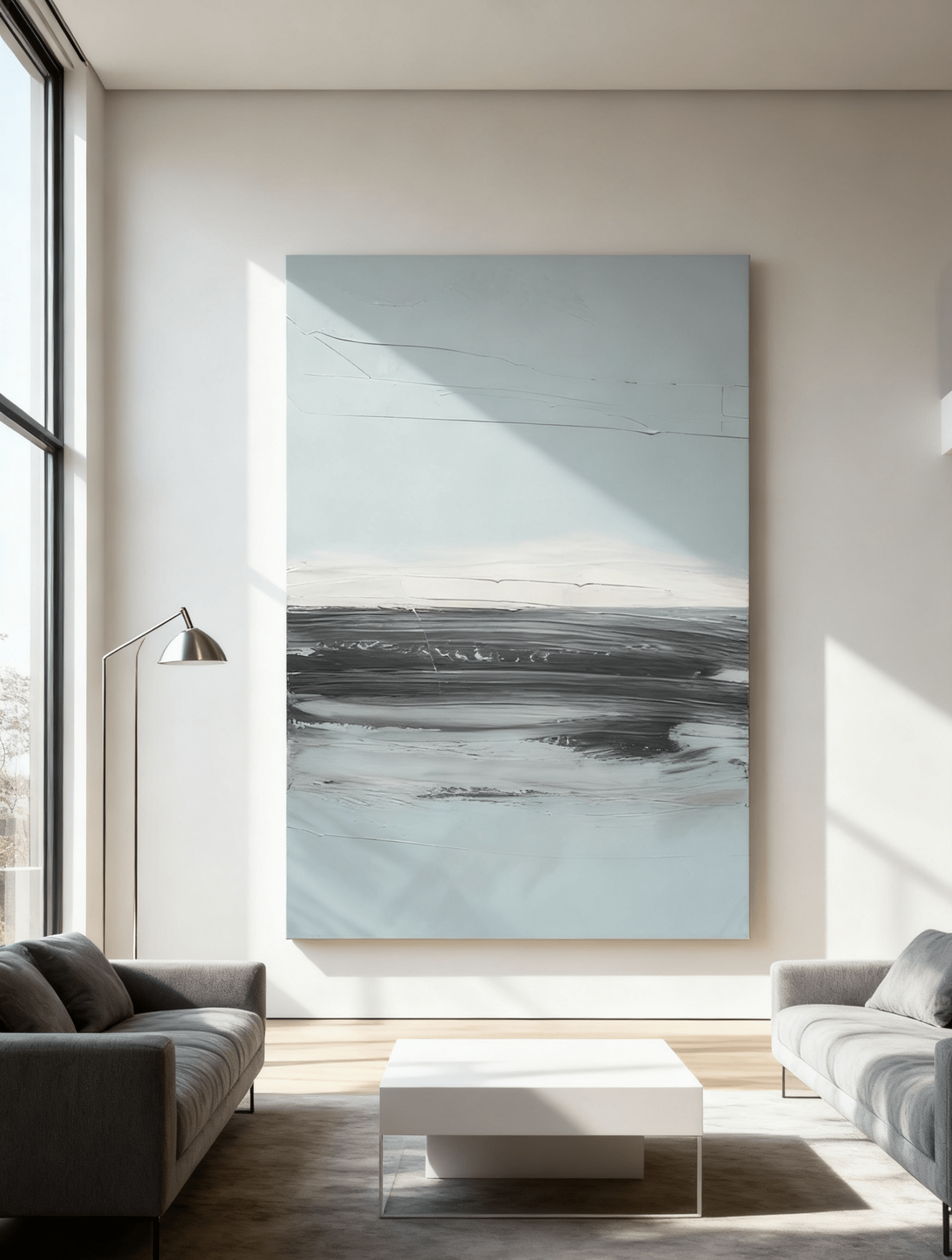
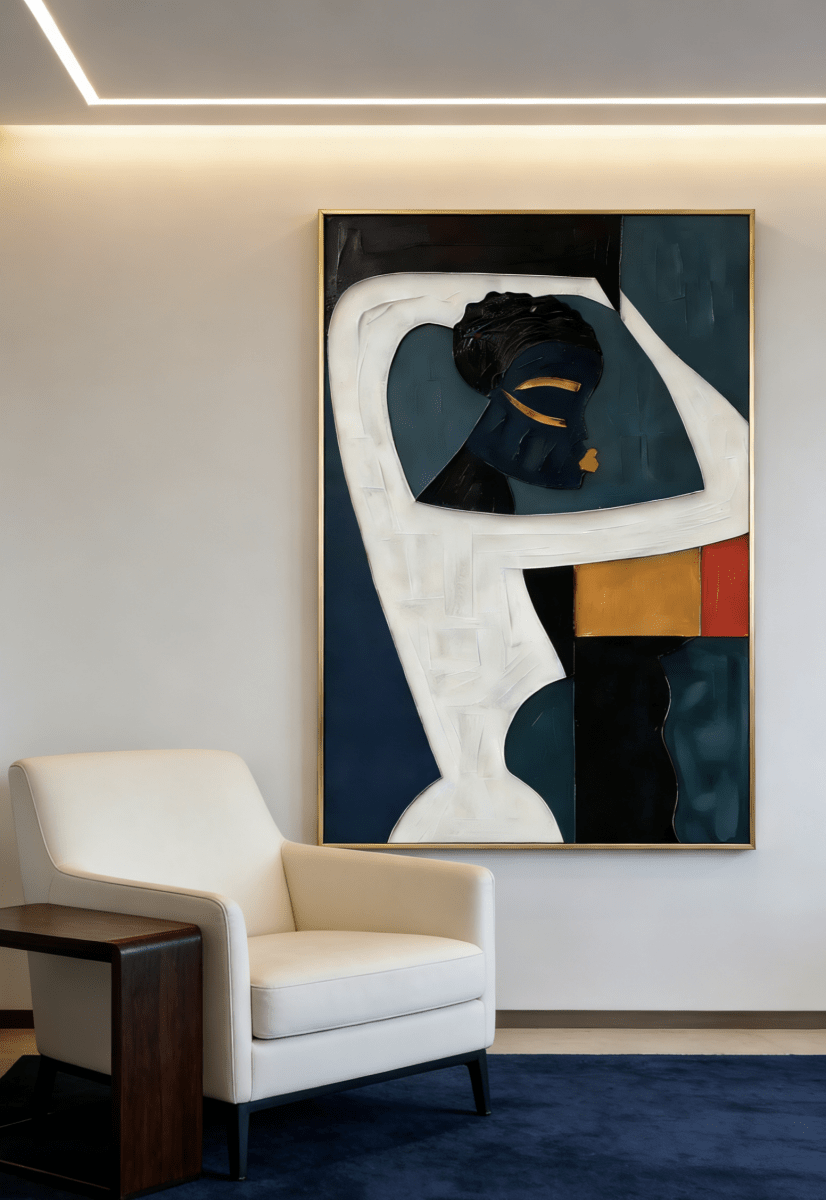
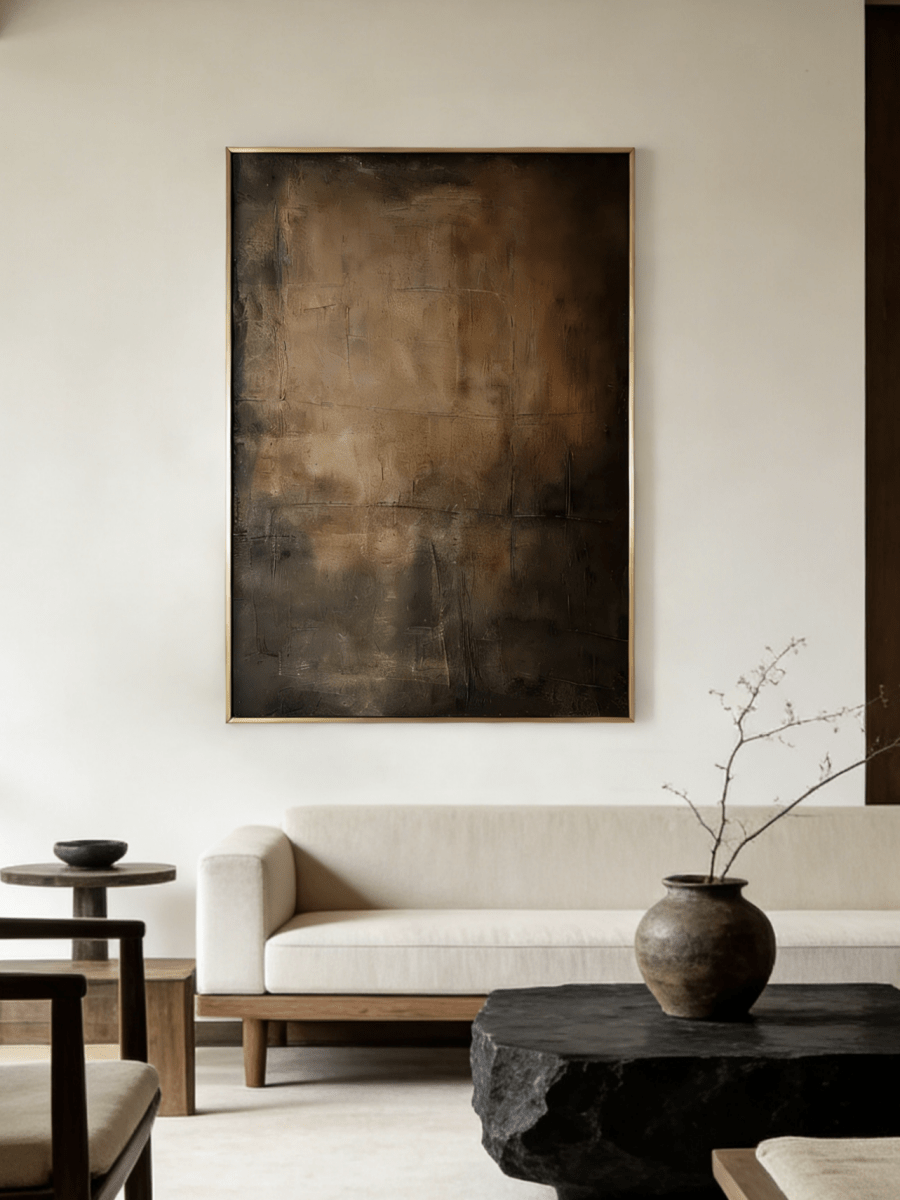
Hang the painting above a cream or beige sofa, beside a fireplace or over a console table. Its sage and olive tones work beautifully with natural wood, linen, stone and neutral upholstery.
Bedroom
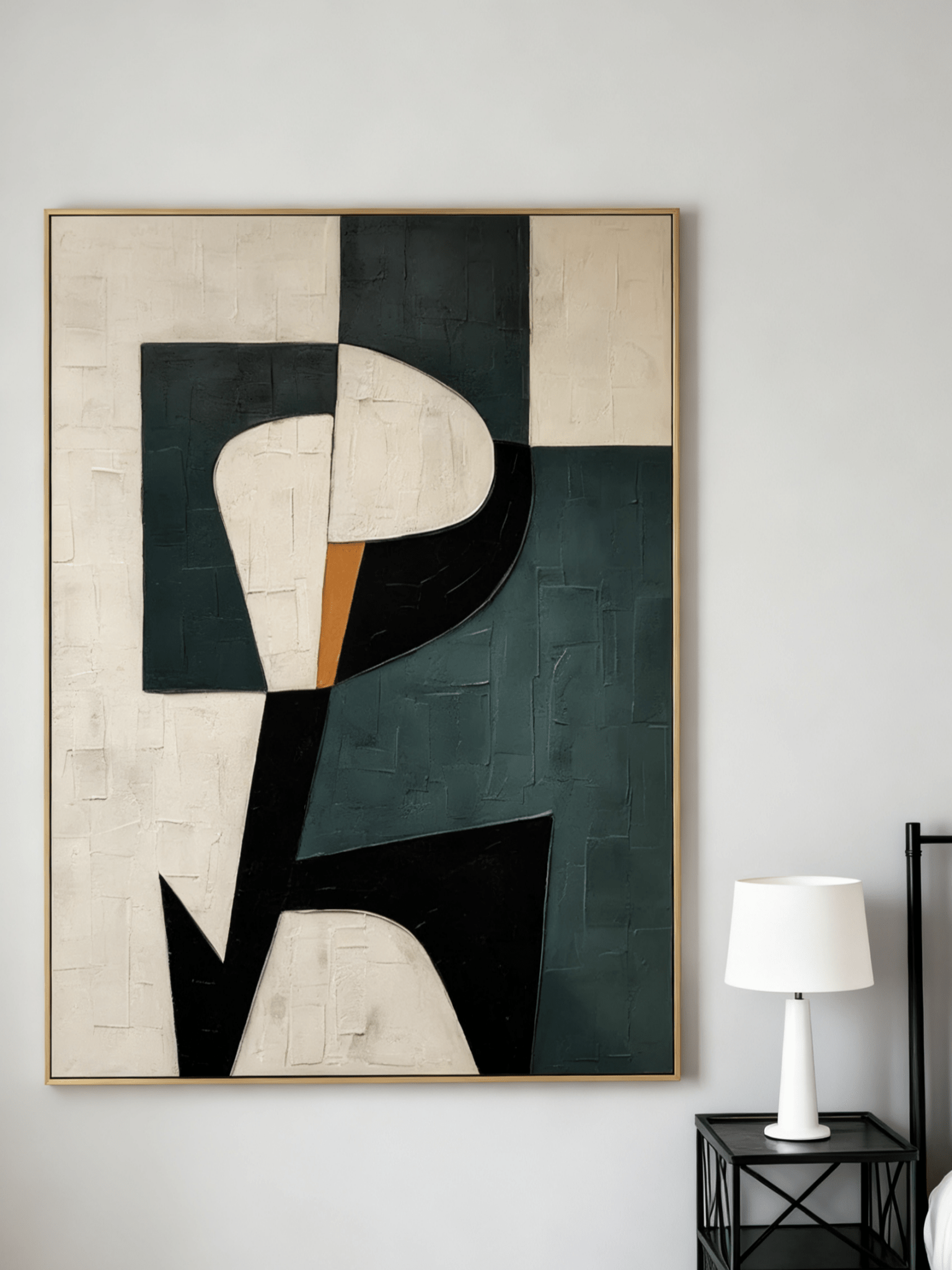
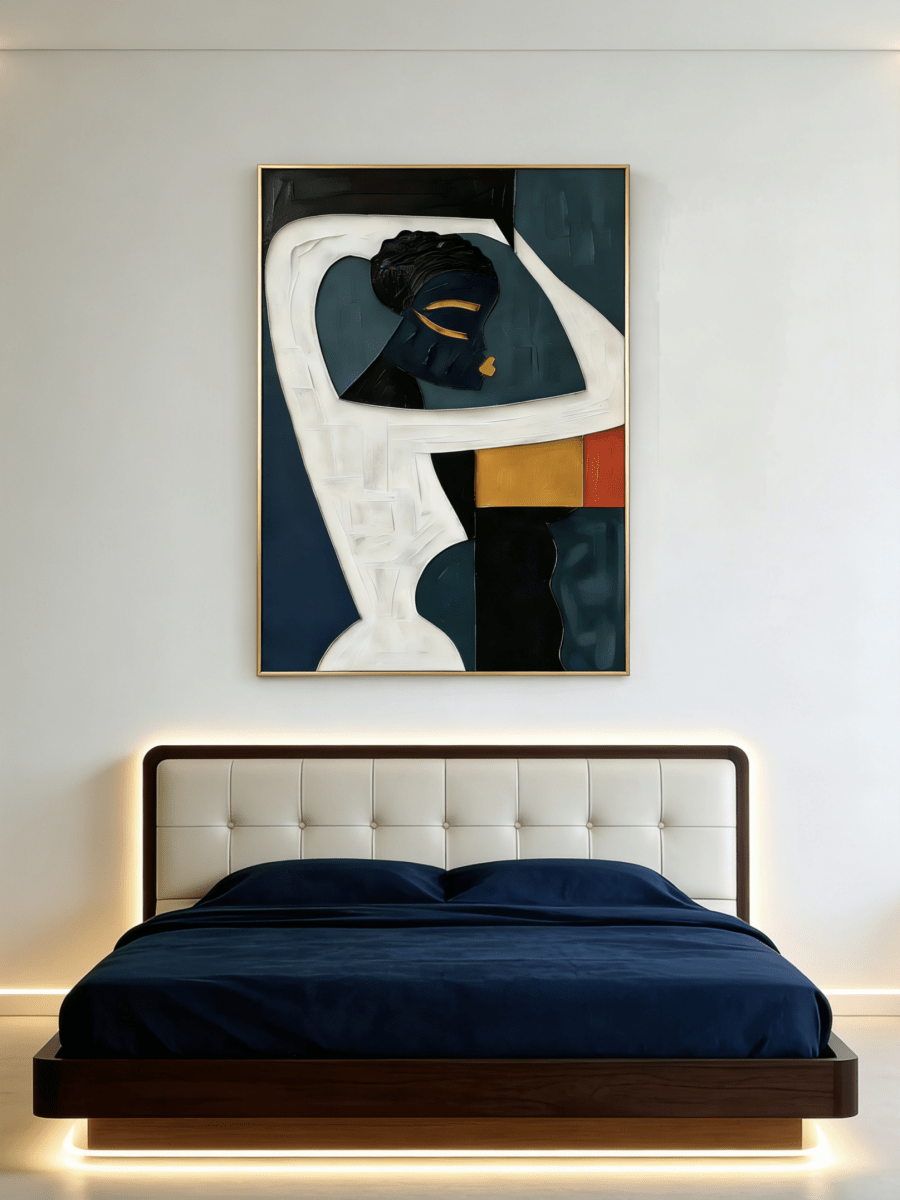
Displayed above the bed or on a side wall, the soft green palette helps create a restful and uncluttered atmosphere. Pair it with white bedding, pale oak furniture and muted green or beige textiles.
Open-Plan Dining Room
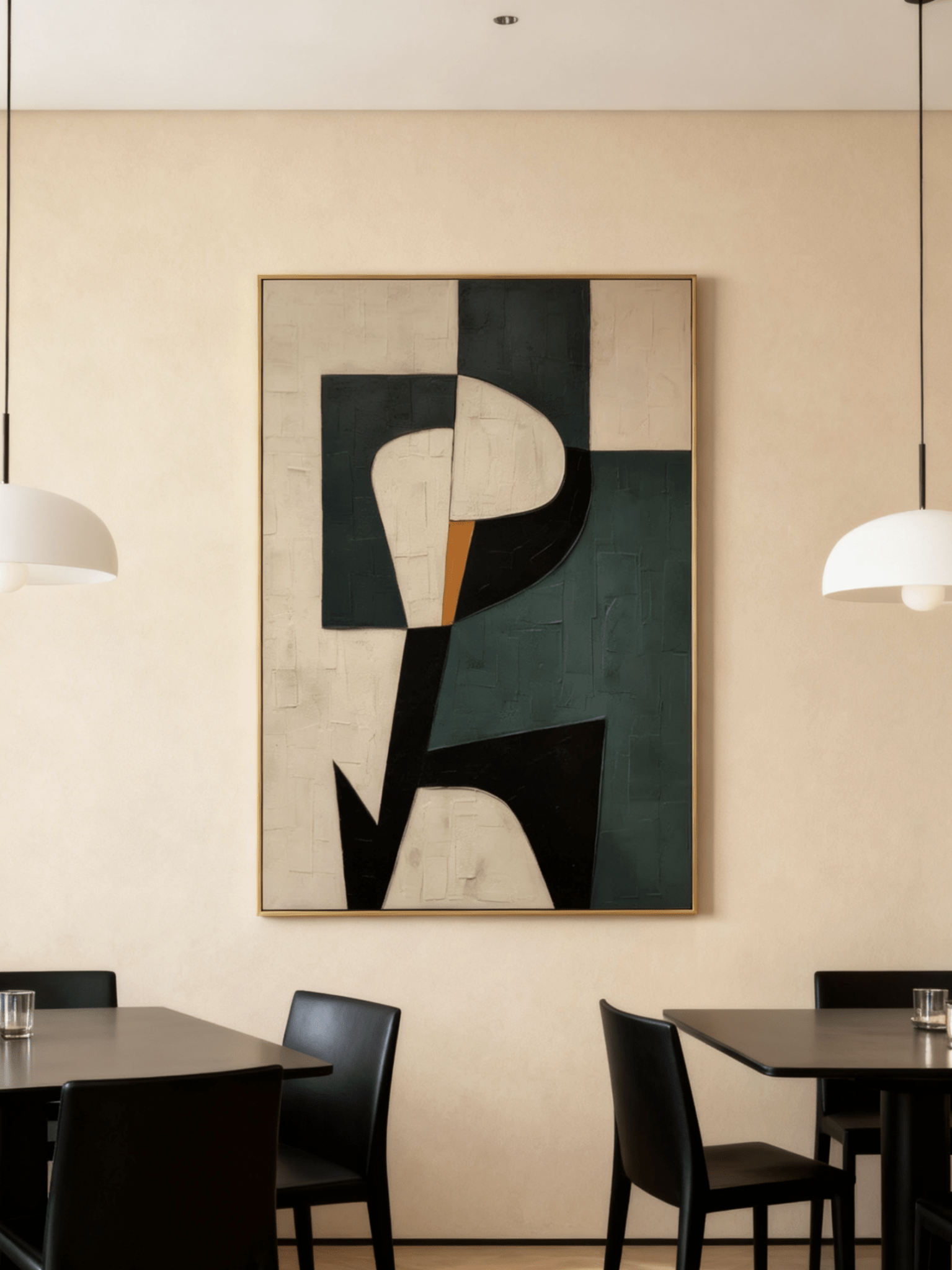
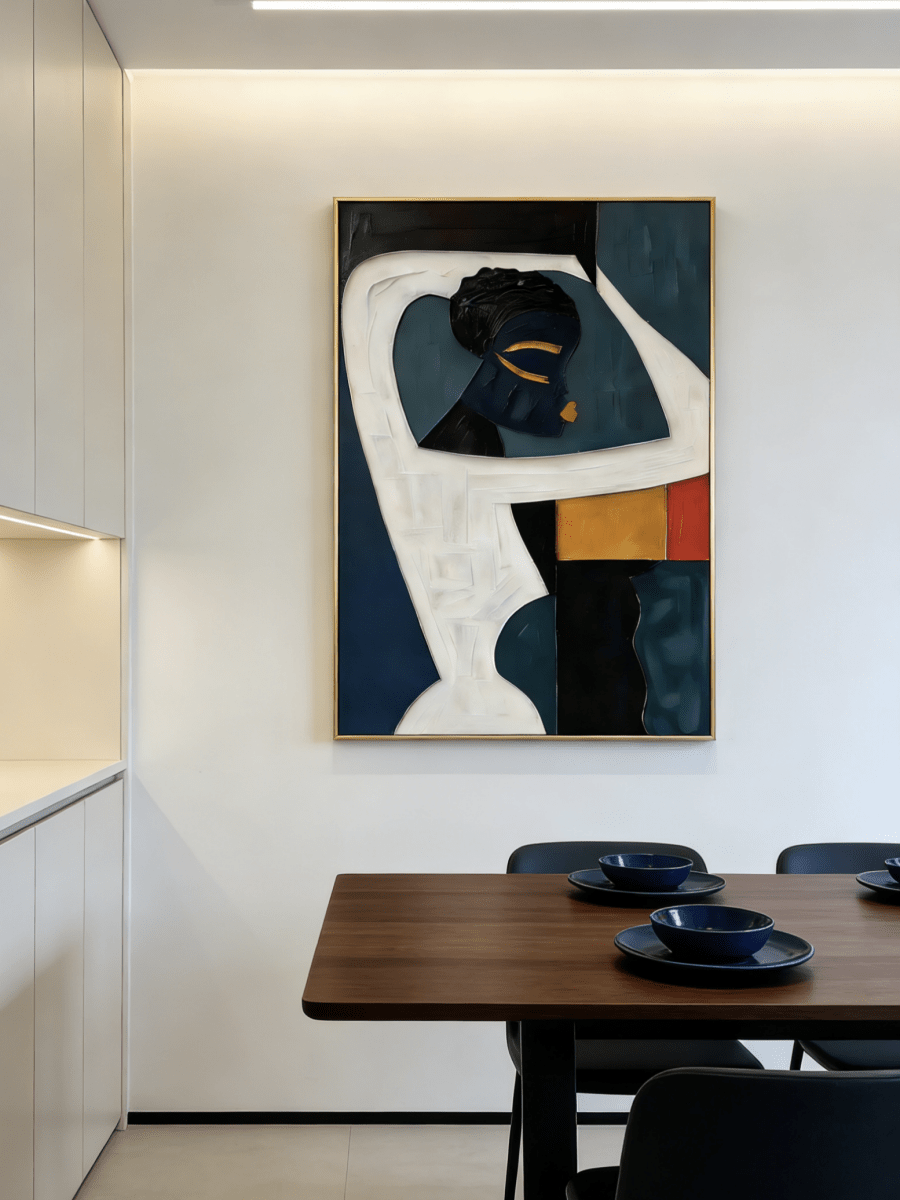
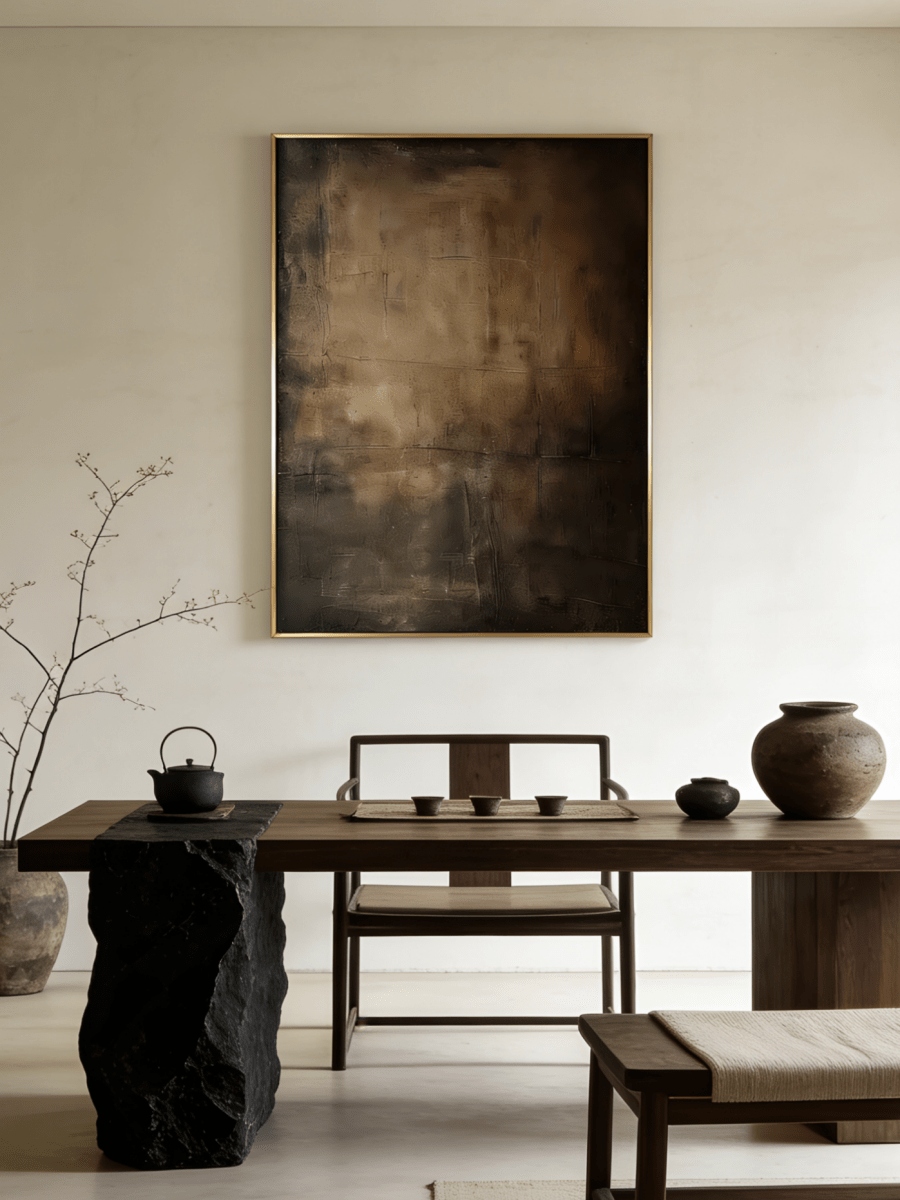
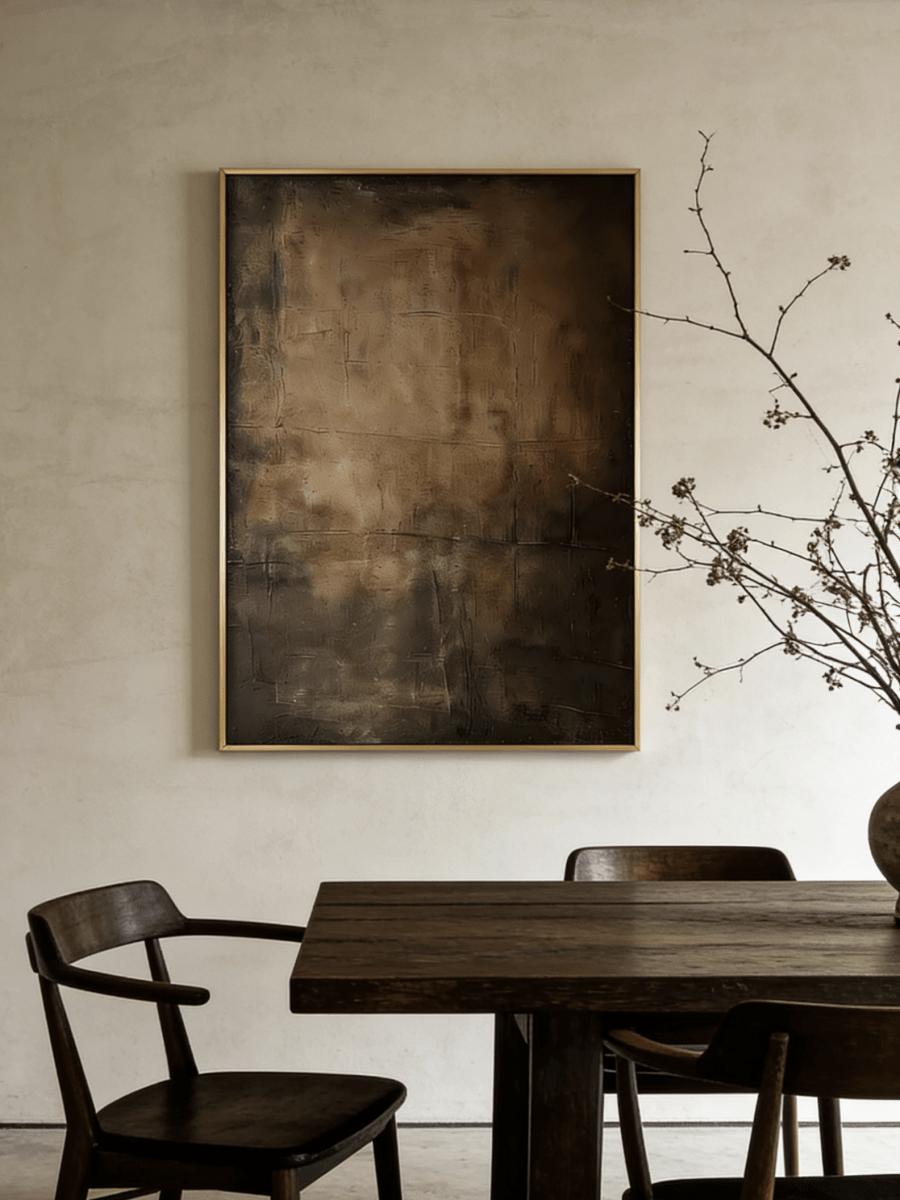
The artwork introduces texture and color without making a dining area feel visually heavy. Its vertical format works well beside a dining table, sideboard or transition wall.
Entryway
Placed above a console table, the painting creates a calm and refreshing first impression. Its simple composition is particularly suitable for narrow foyer walls.
Home Office or Reading Area
The restrained colors provide visual interest without becoming distracting, making the artwork suitable for working, reading and quiet reflection.
Suitable Interior Styles
This artwork complements:
- Organic modern interiors
- Modern coastal homes
- Wabi-sabi spaces
- Japandi interiors
- Minimalist rooms
- Scandinavian-inspired decor
- Contemporary neutral homes
- Biophilic interiors
- Warm modern spaces
Frequently Asked Questions
1. Is this artwork hand painted or printed?
This artwork is hand painted, featuring real paint, visible surface variation, and dimensional wave texture rather than a flat printed reproduction.
2. Does the painting have real raised texture?
Yes. The white sea foam features pronounced raised paint and layered impasto-style texture.
These details become especially visible when natural or artificial light reaches the artwork from the side.
3. What colors are used in this painting?
The primary colors include sage green, seafoam green, soft aqua-gray, sand beige, warm taupe, ivory, cream, and white.
4. Is the water green or blue?
The water is primarily sage green and seafoam green, with subtle gray-aqua undertones.
It is intentionally softer and greener than traditional blue ocean artwork.
5. Is the beige area meant to represent sand?
Yes. The warm beige section represents a simplified sandy shoreline viewed from an aerial-inspired perspective.
Its muted earth tone helps balance the cooler green water.
6. Will my painting look exactly like the product image?
Because each artwork is created by hand, subtle differences in wave texture, brushwork, foam edges, and individual details are natural.
The overall composition, proportions, color palette, and artistic character remain consistent with the artwork shown.
7. What interior styles work best with this artwork?
It works particularly well with:
Organic Modern, Wabi-Sabi, Japandi, Minimalist, Contemporary, Modern Coastal, and Neutral interiors.
8. What room is best for this beach wall art?
This artwork works beautifully in a:
Living room, bedroom, dining room, entryway, hallway, home office, or beach house.
Its vertical format is especially useful for taller or narrower walls.
9. How should I care for textured wall art?
Gently remove surface dust using a clean, soft, dry cloth or soft duster.
Avoid rubbing or pressing against raised paint, and keep the artwork away from excessive moisture, strong heat, and prolonged direct sunlight.
10. How long does production and delivery take?
Each painting requires approximately 1–2 weeks to create.
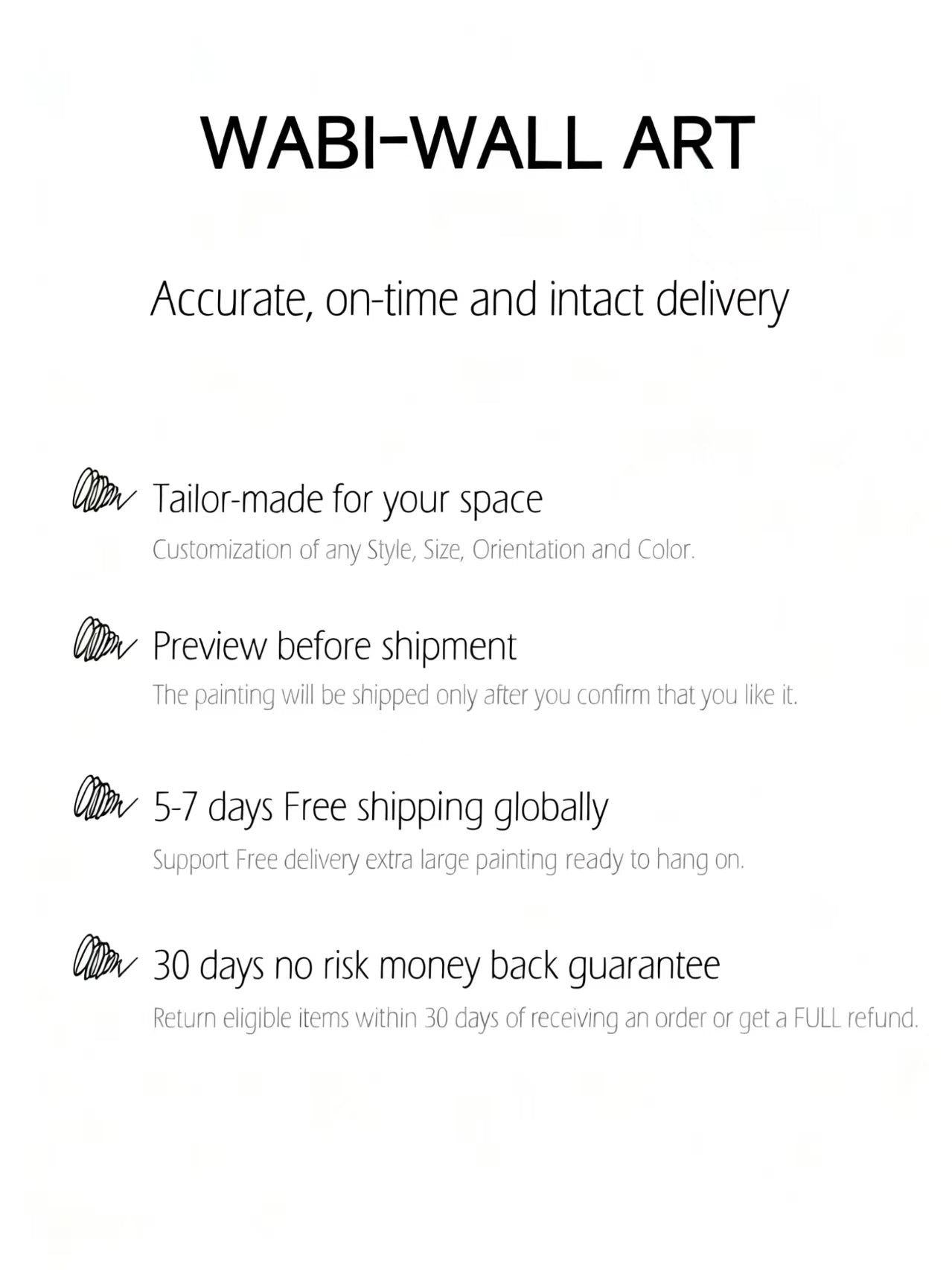
Once completed, it ships via FedEx or DHL, with delivery typically taking approximately 5–7 days.
Worldwide shipping is free, and the artwork is covered by a 30-day return and exchange policy.
• Style: Plaster Art •Artist: Leo Liang
•Orientation:Vertical
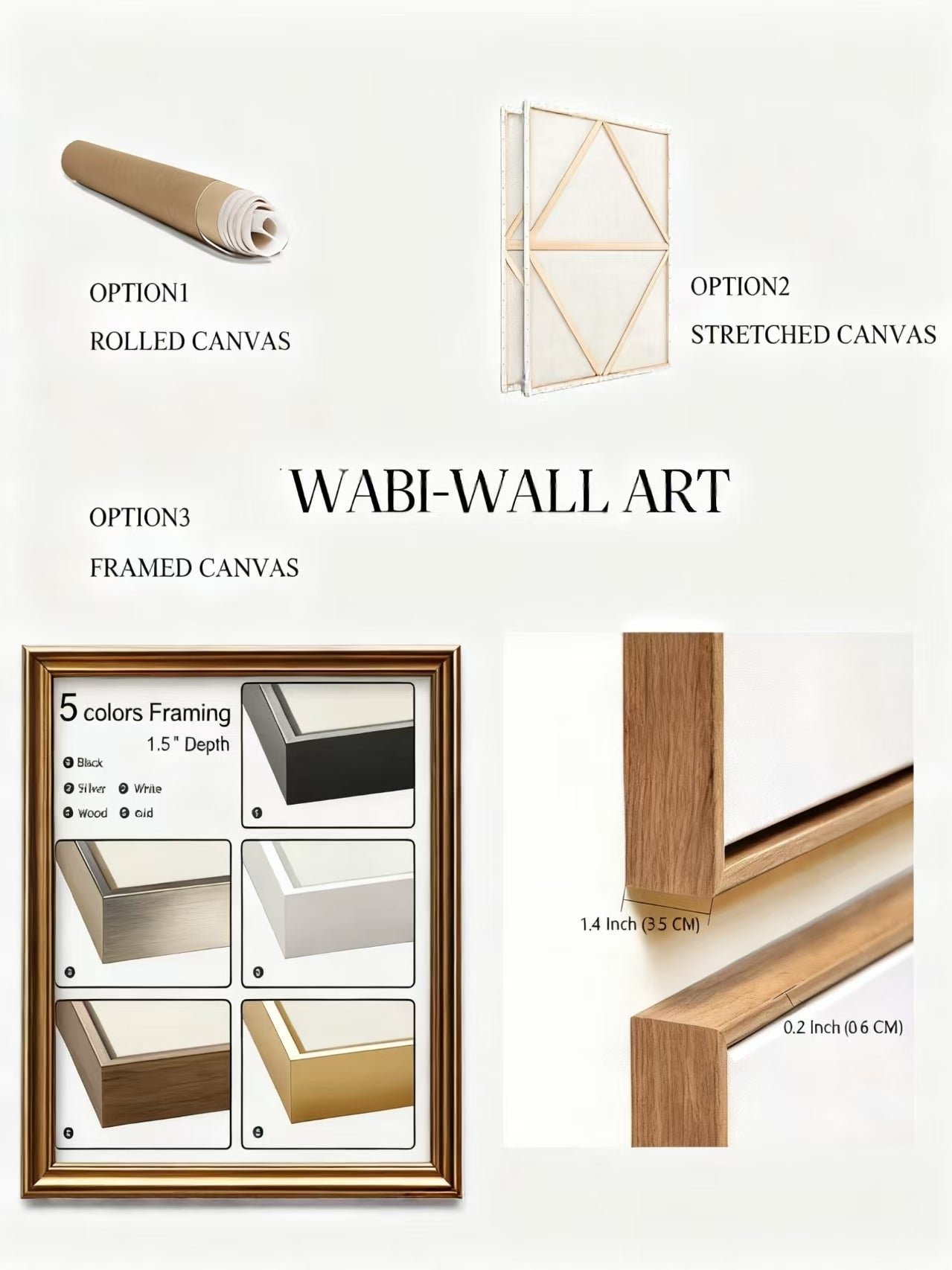
Each artwork is made to order. Creation normally takes 1–2 weeks before dispatch.
After the artwork is completed, delivery normally takes approximately 5–7 business days by DHL or FedEx.
Custom dimensions and palette adjustments may be available. Contact info@wabiwallart.com before ordering to confirm the request.
Find Your Perfect Artwork Size
See how each artwork size fits your space.
Available range: 24–240 inches


About Artist
Leo Liang is a contemporary Chinese artist born in 1986.
His work transcends mere visual representation, using paint itself as a sculptural medium. Through layering, scraping, and polishing, Leo constructs textures on the canvas reminiscent of weathered land, mottled city walls, or surging waves. This powerful tactile experience invites viewers not only to see with their eyes but also to "touch" the time and memories carried by the canvas within their hearts.
By exploring the tension between material and form, Leo Liang continuously questions the grand themes of existence, memory, and the essence of nature.