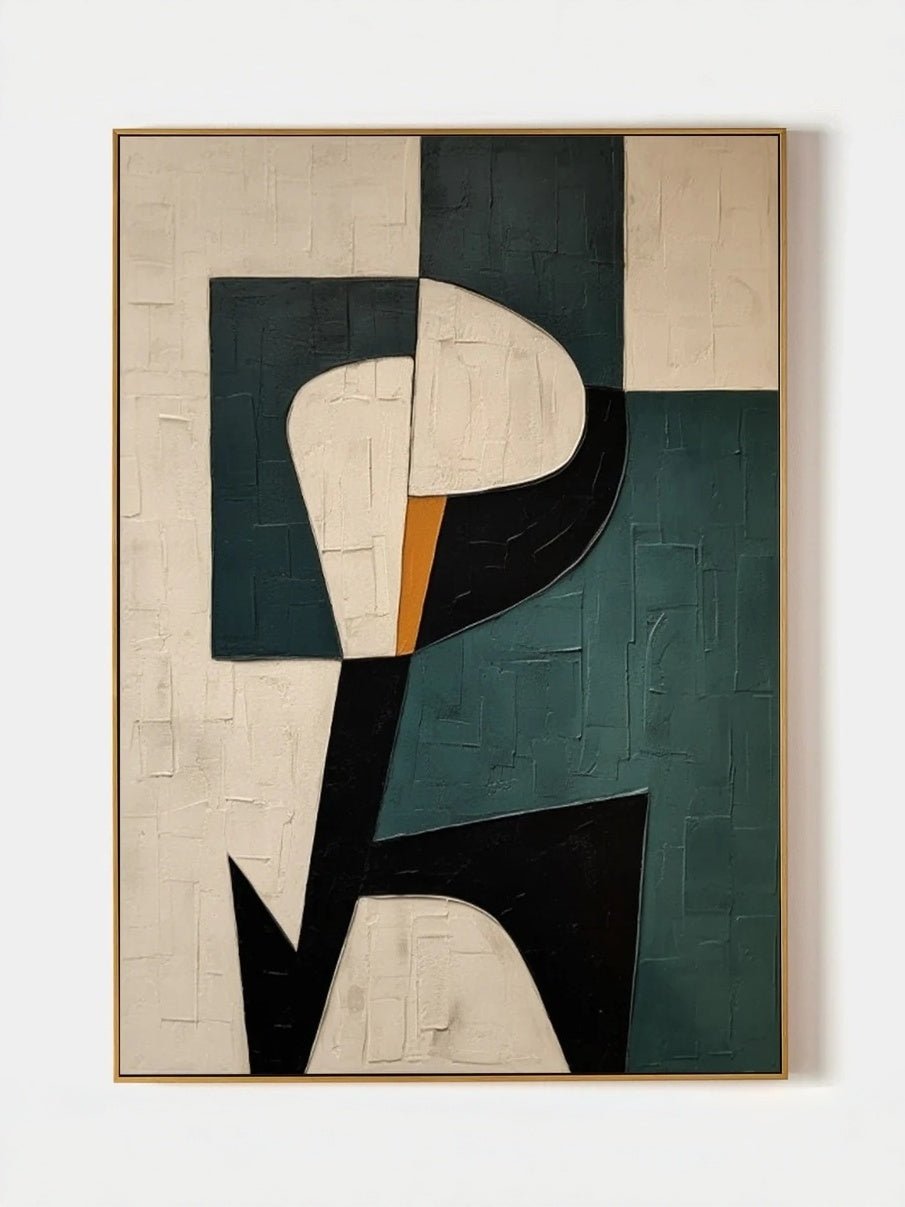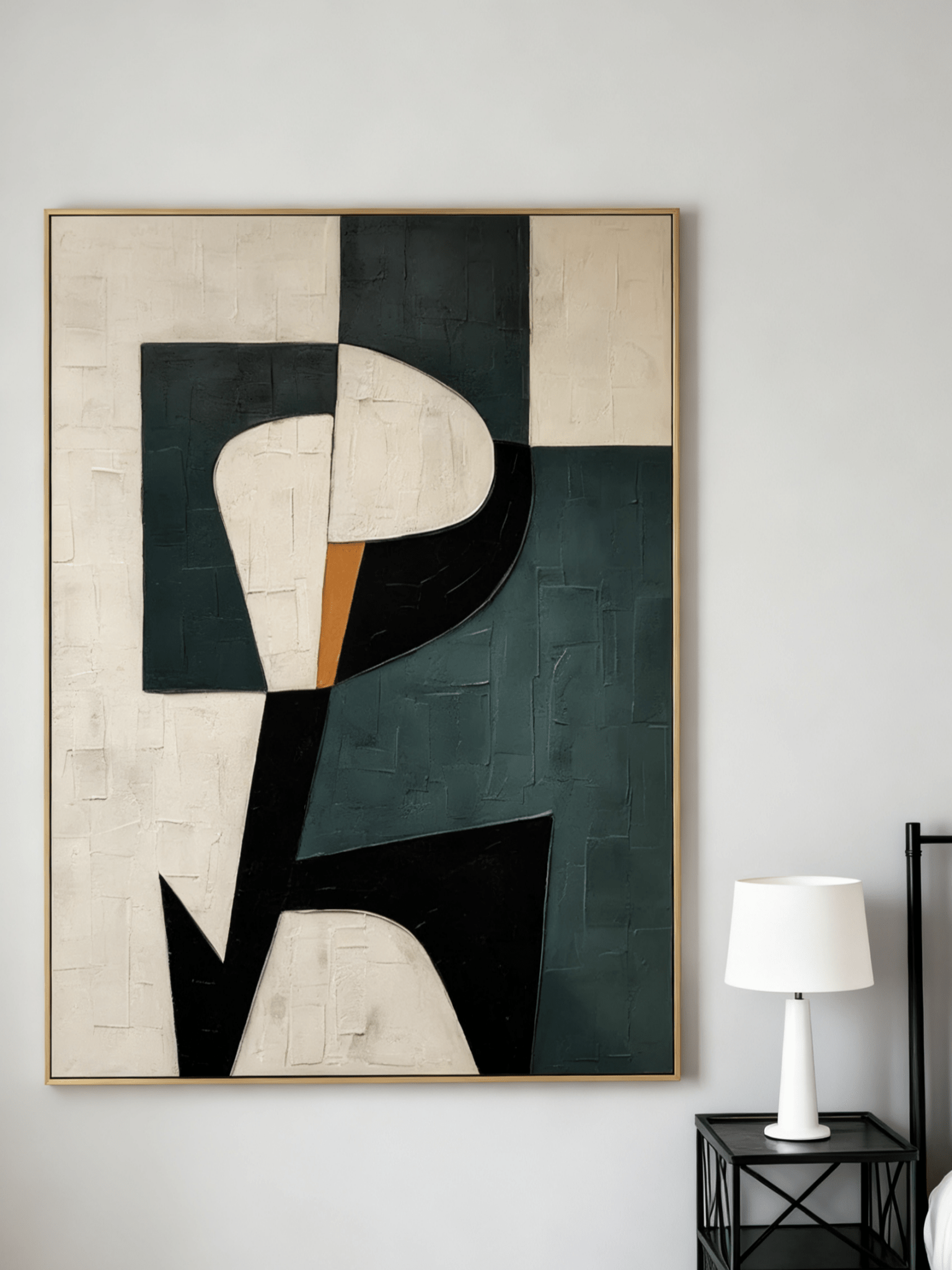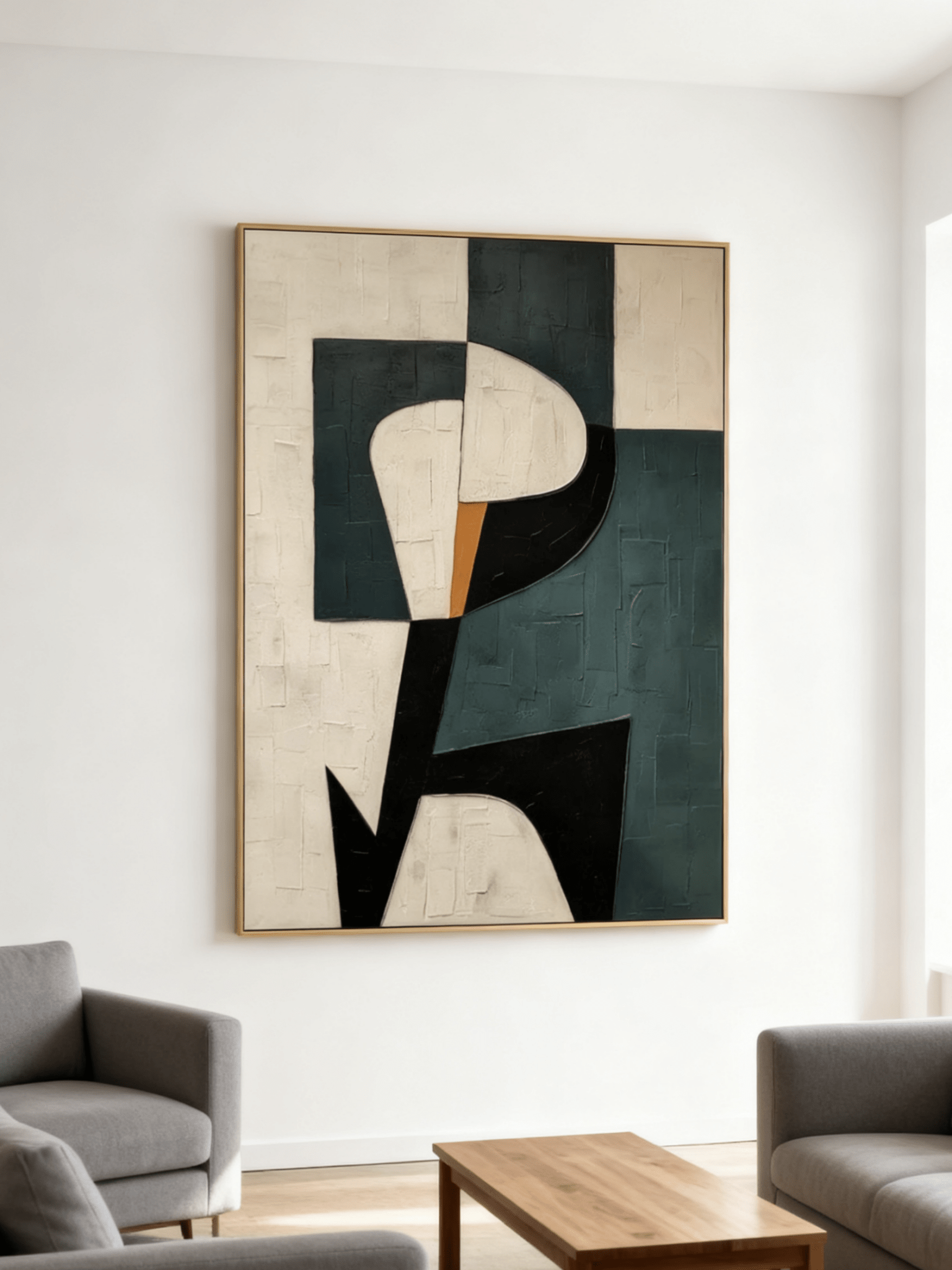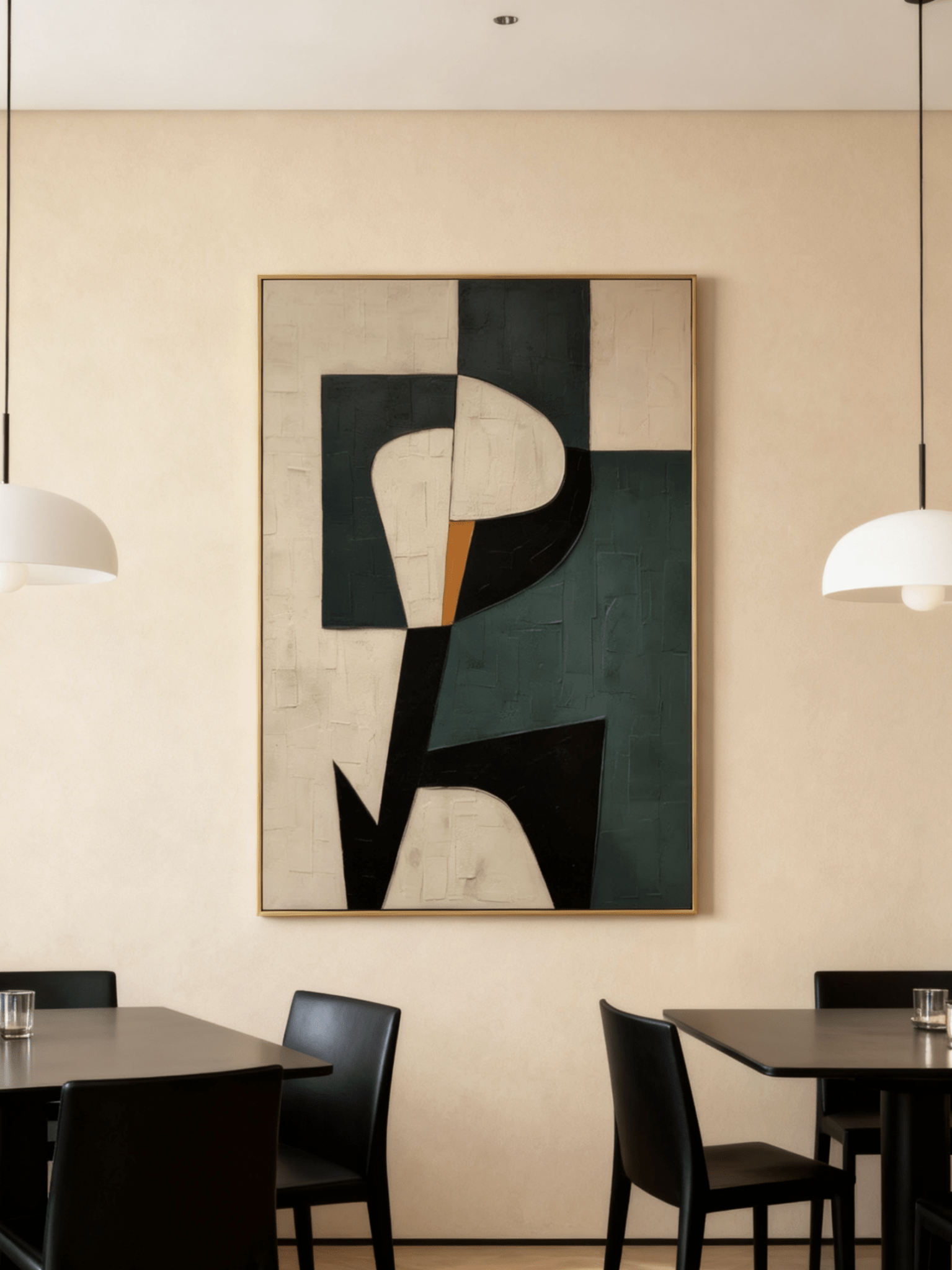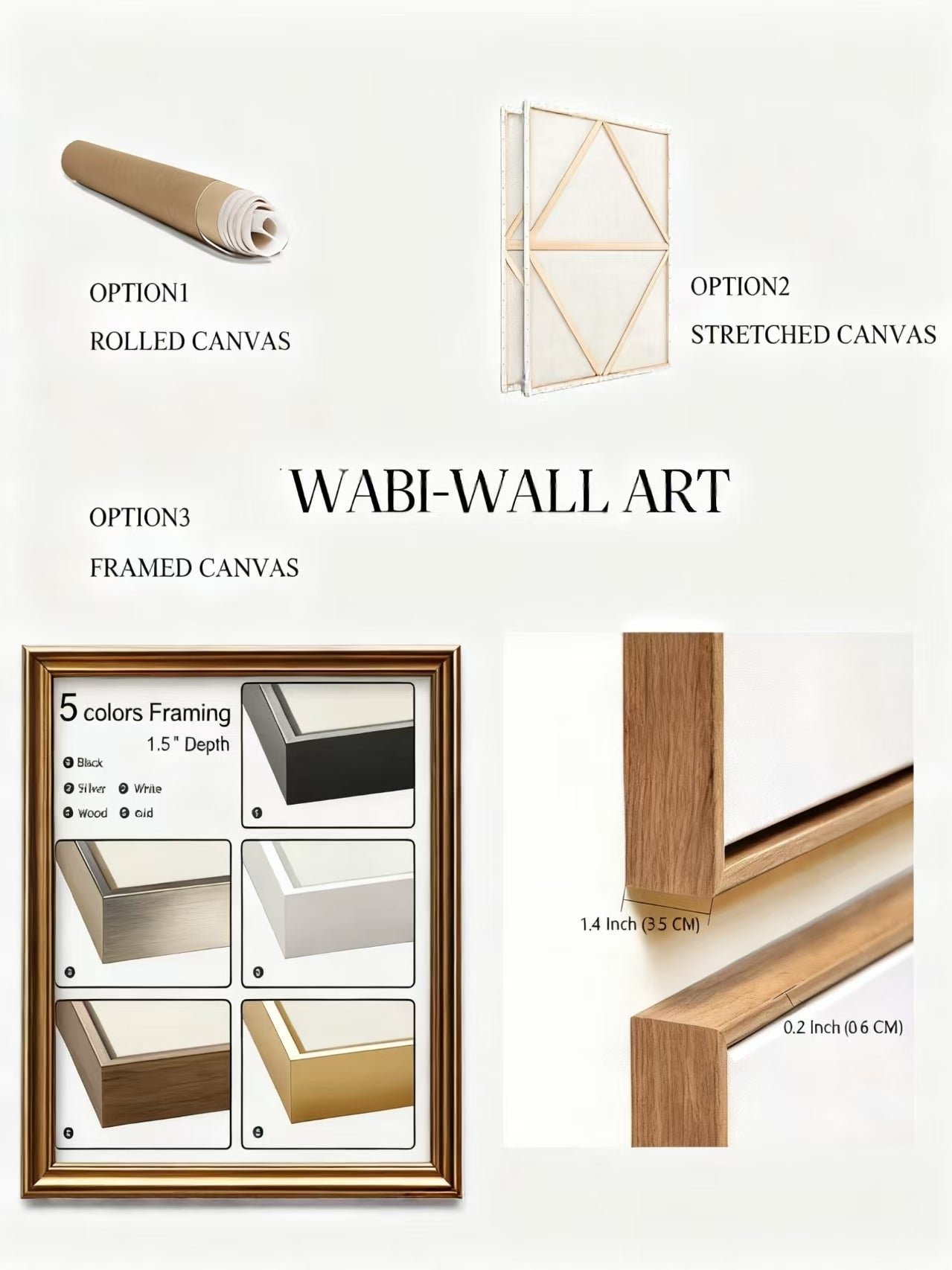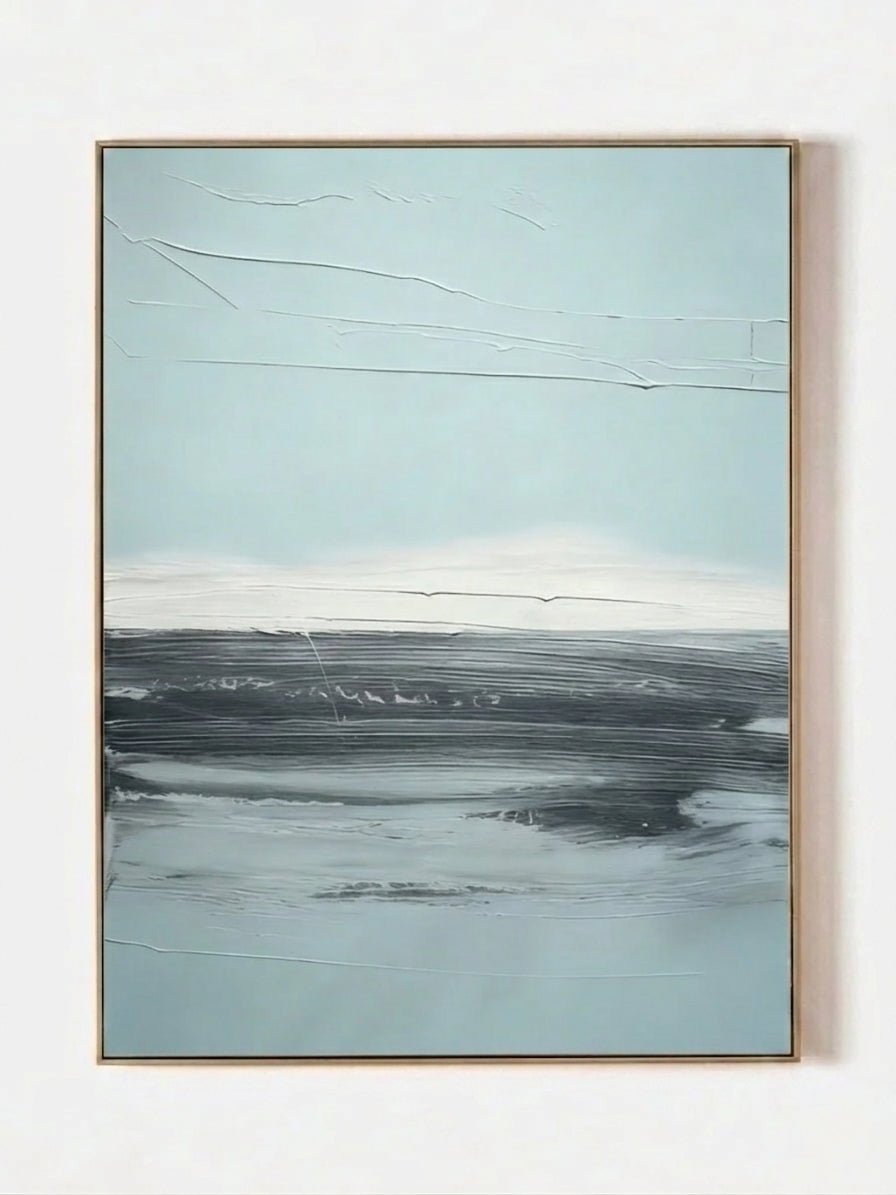


Wabi-Sabi Geometric Dot Grid Painting – EV#0455

Description
Minimalist Geometric Dot Grid Painting
The Beauty of Repetition and Stillness
Created by artist Eliot Vermeer, this hand-painted geometric abstract artwork explores the quiet beauty of repetition, proportion and visual rhythm.
A carefully arranged grid of deep espresso-brown circles unfolds across a warm sand-beige canvas. Each circular form contributes to a larger geometric composition, creating a sense of order and balance through repetition.
Rather than filling the entire surface, the arrangement leaves generous negative space around the grid, allowing the composition to feel open and intentional.
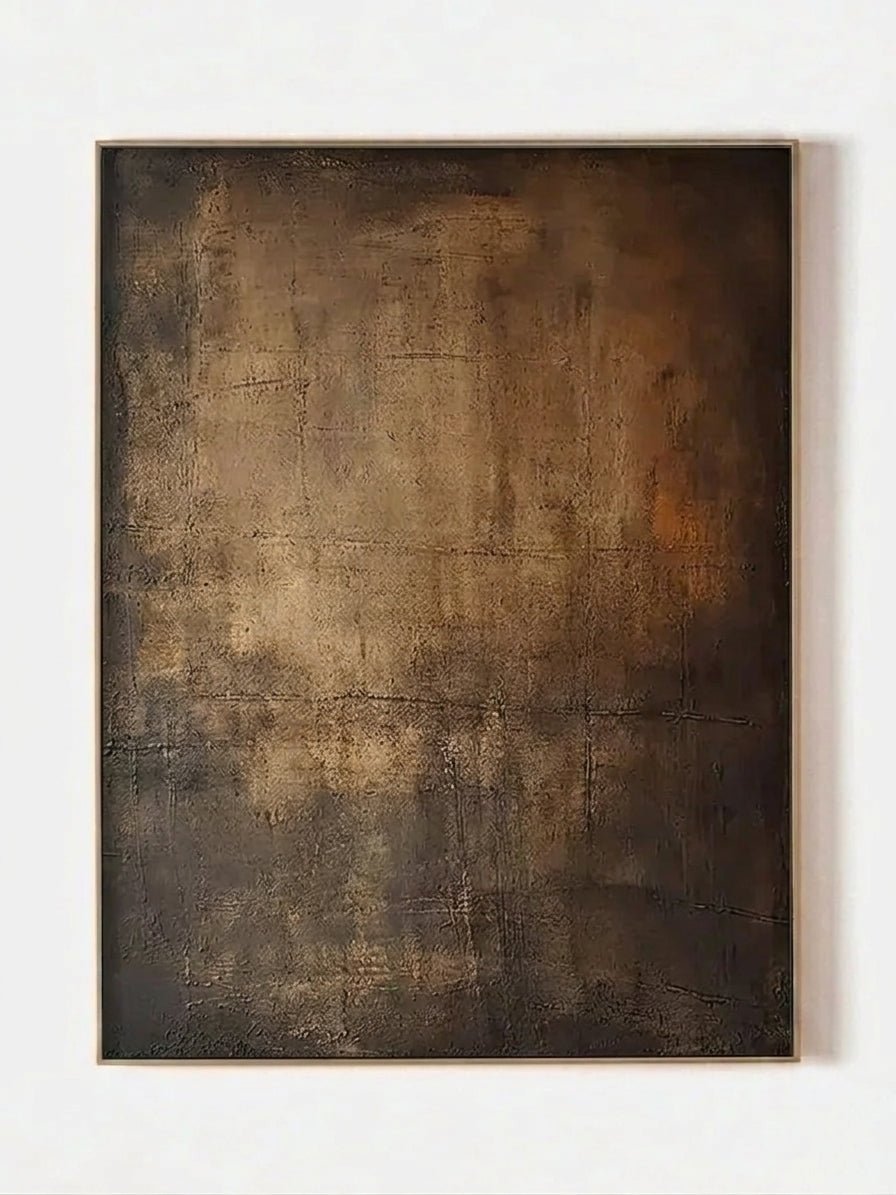
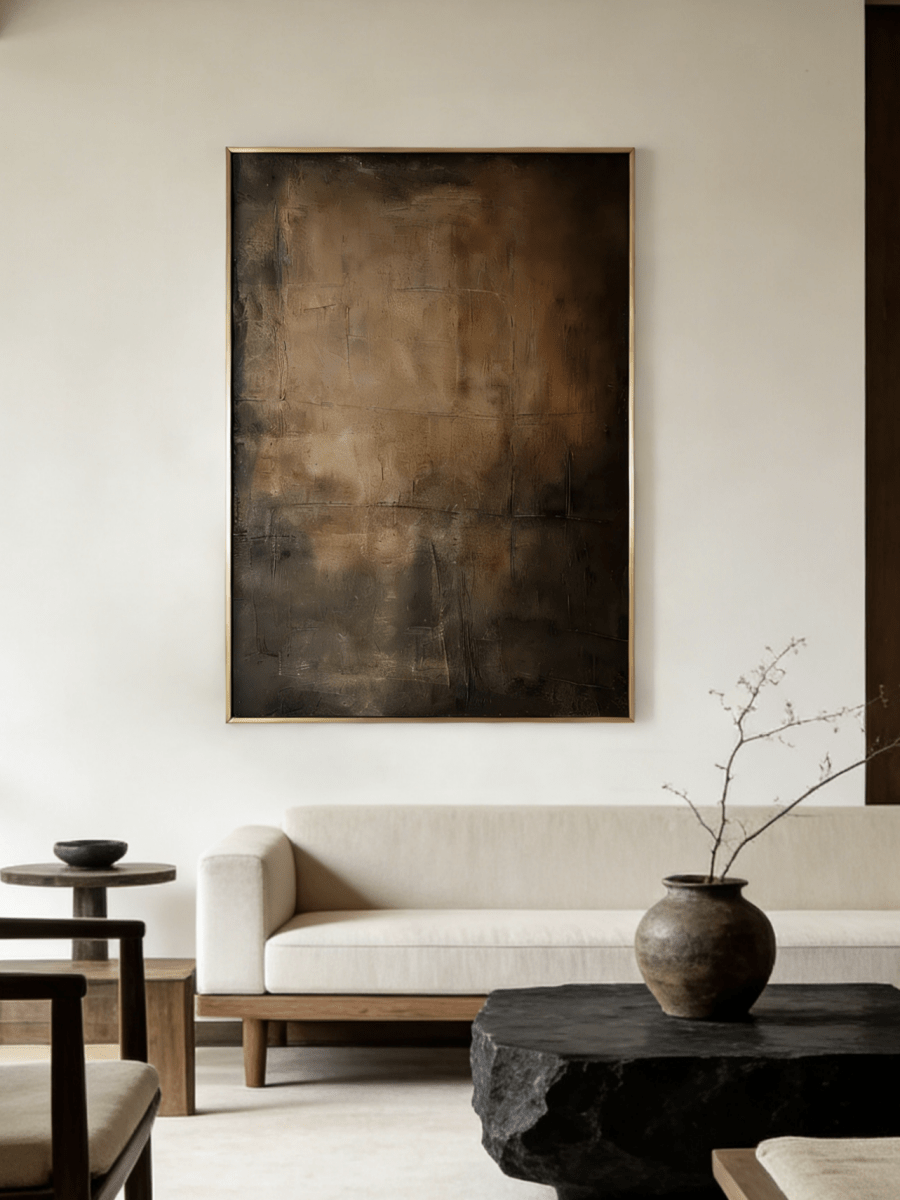
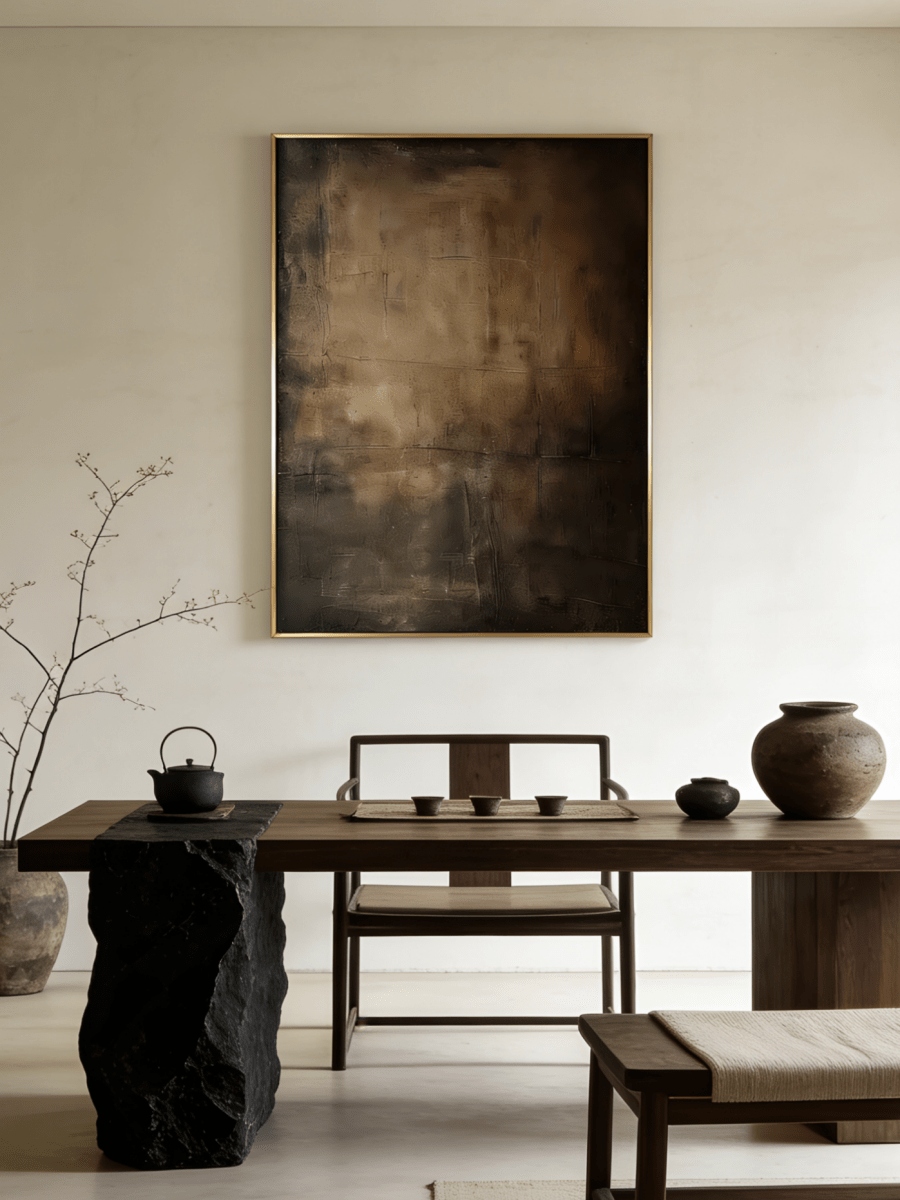
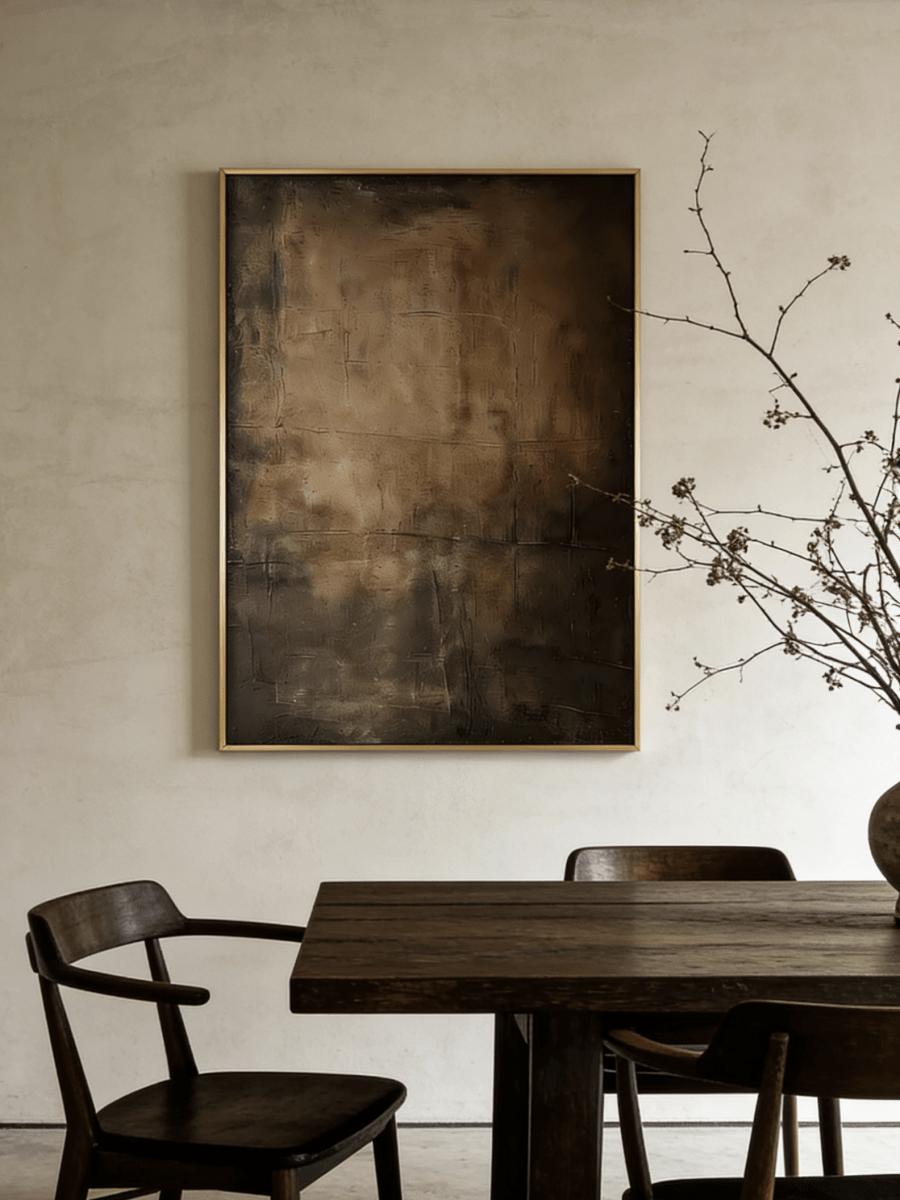
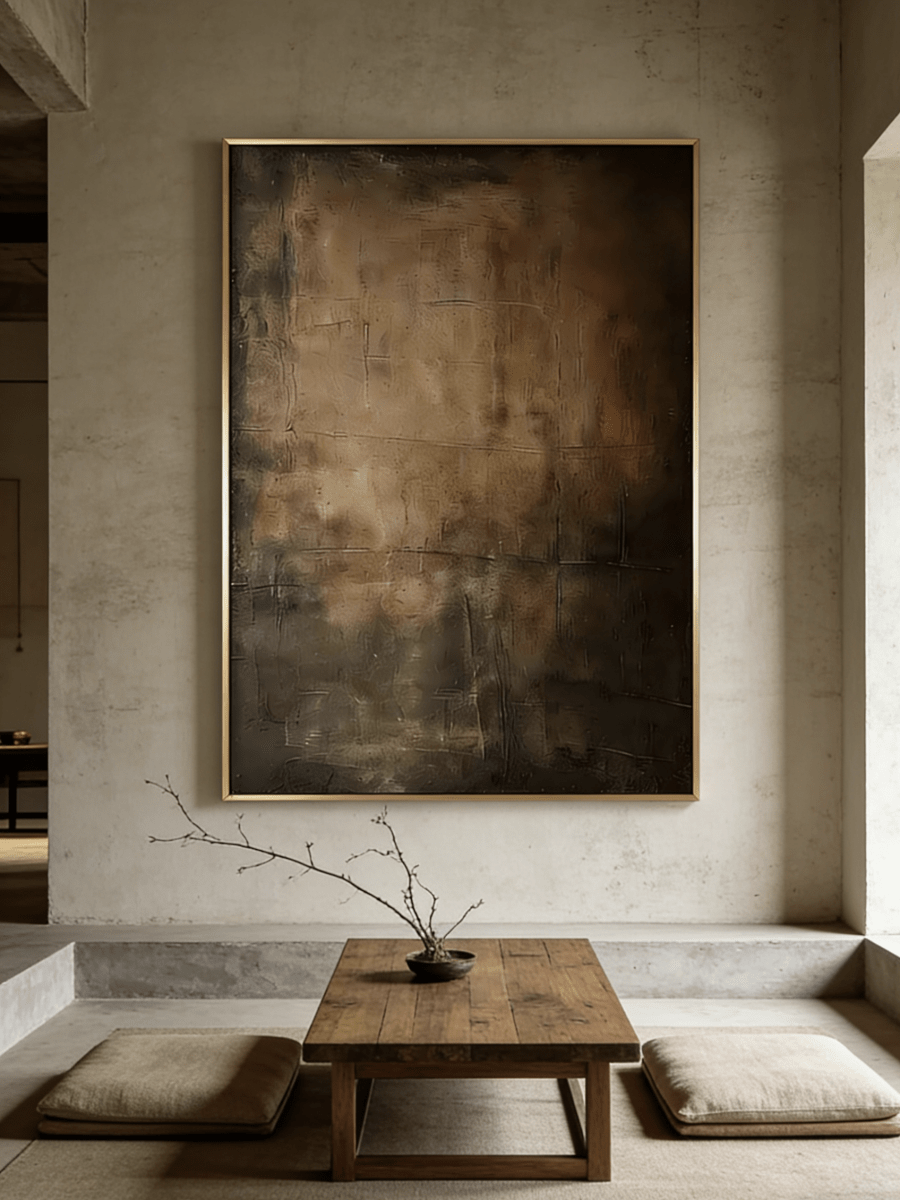
The subtle tonal variations of the background soften the precision of the geometric forms, bringing together the structure of contemporary minimalism and the warmth of natural materials.
From across the room, the painting appears calm and understated. Viewed more closely, the repeating circles create a rhythmic visual experience that draws the eye across the composition.
The result is a minimalist geometric abstract painting that brings quiet sophistication to modern interiors.
A Warm Neutral Color Palette
This artwork features a restrained combination of:
- Sand beige
- Warm greige
- Light taupe
- Espresso brown
- Charcoal brown
The warm beige background creates a soft, natural foundation, while the dark circular forms introduce contrast and structure.
Unlike a traditional black-and-white geometric painting, the brown and beige palette gives this piece a warmer, more organic character.
It pairs beautifully with oak, walnut, travertine, limestone, linen and other natural materials.
Style & Composition
This painting brings together elements of:
Minimalism · Geometric Abstraction · Contemporary Art · Architectural Minimalism · Japandi
The repeated circular forms create a strong sense of visual rhythm, while the generous negative space prevents the composition from becoming overwhelming.
The subtle depth suggested by the dark circular marks adds another dimension to the otherwise restrained design.
The composition is simple but not empty.
Its visual interest comes from the relationship between individual forms and the larger pattern they create together.
This makes the artwork particularly suitable for interiors where understated art, natural colors and architectural balance are valued.
The Story Behind the Painting
Finding Character in Repetition
This composition explores a simple idea: how can one repeated shape create a complete visual language?
Inspired by the quiet order found in architectural grids, patterned surfaces and modular structures, the painting reduces its visual vocabulary to a single circular form.
Repeated across the canvas, the circles become more than individual marks.
They create rhythm, direction and a sense of continuity.
The warm neutral background introduces a softer, more natural element, balancing the precision of the grid with the understated character of a hand-painted surface.
The painting invites the viewer to notice the relationship between repetition and individuality.
Its central idea is simple:
A quiet composition can still have a powerful presence.
Frequently Asked Questions
1. Is this artwork hand painted or printed?
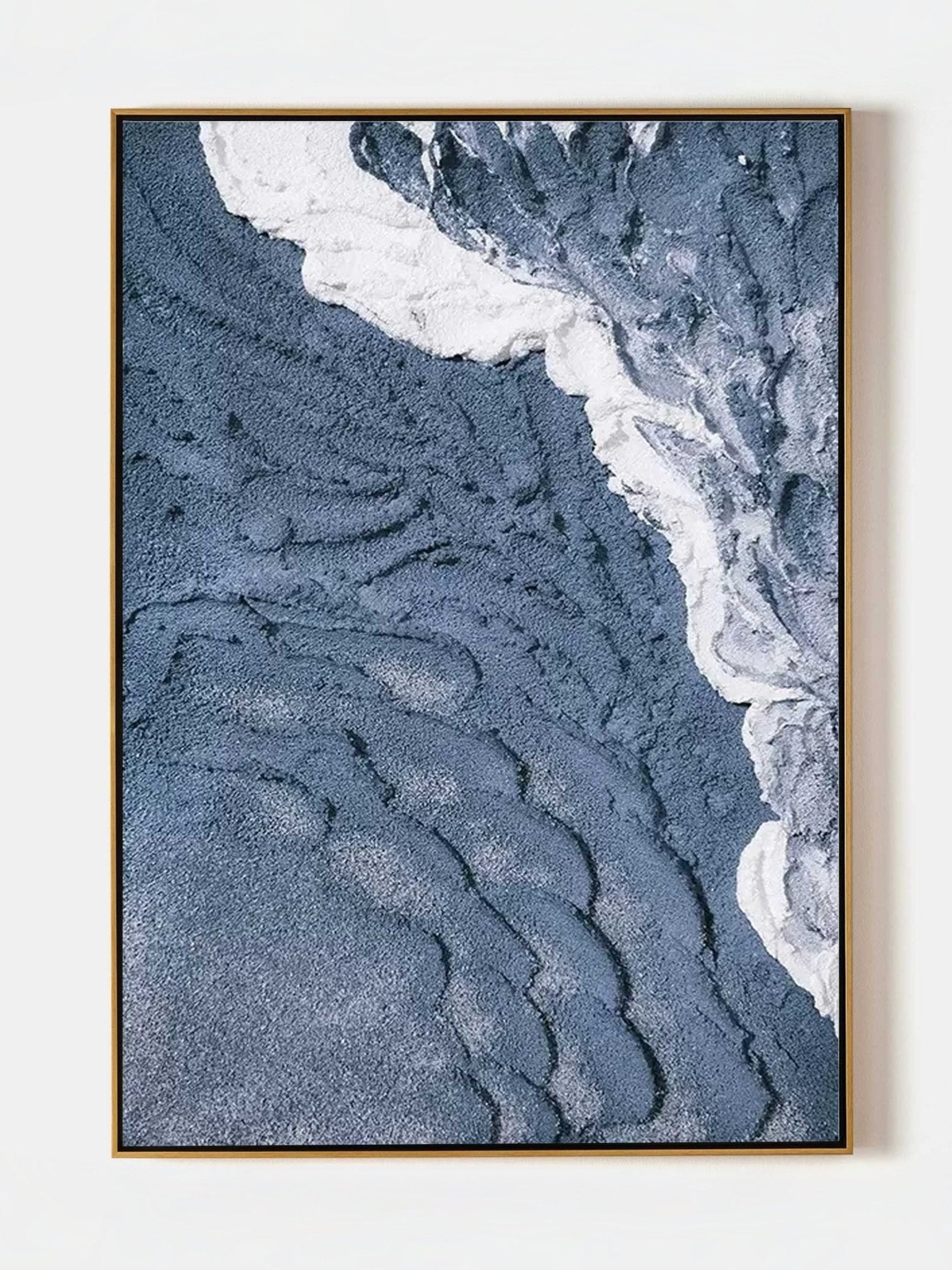
This artwork is hand painted on canvas. It is not a flat print. Each piece is created by hand with layered texture, raised details, and visible surface movement.
2. Does the painting have real 3D texture?
Yes. The artwork features real raised texture, including plaster-like surfaces, sculptural dots, thick brushstrokes, and dimensional geometric details.
3. What room is this textured abstract wall art best for?
This piece works beautifully in living rooms, bedrooms, entryways, dining rooms, hallways, home offices, boutique hotels, studios, and modern commercial spaces.
4. What interior styles does this artwork match?
It pairs well with modern, minimalist, organic modern, wabi-sabi, Japandi, contemporary, industrial, neutral, and luxury interiors.
5. What colors are used in this painting?
The main colors include warm beige, off white, stone gray, charcoal black, deep graphite, taupe brown, ochre gold, and clay brown accents.
6. Is this artwork suitable for a living room?
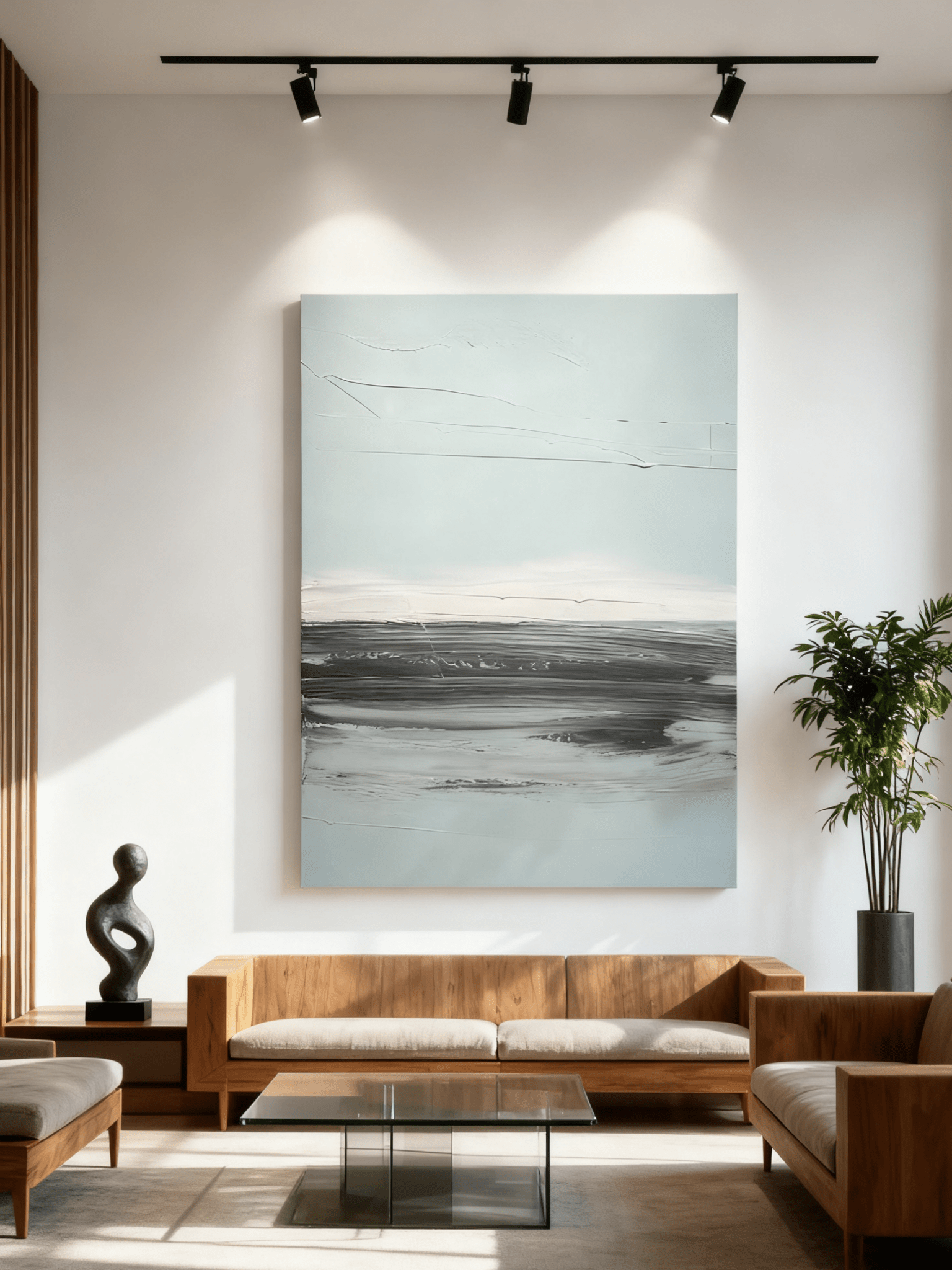
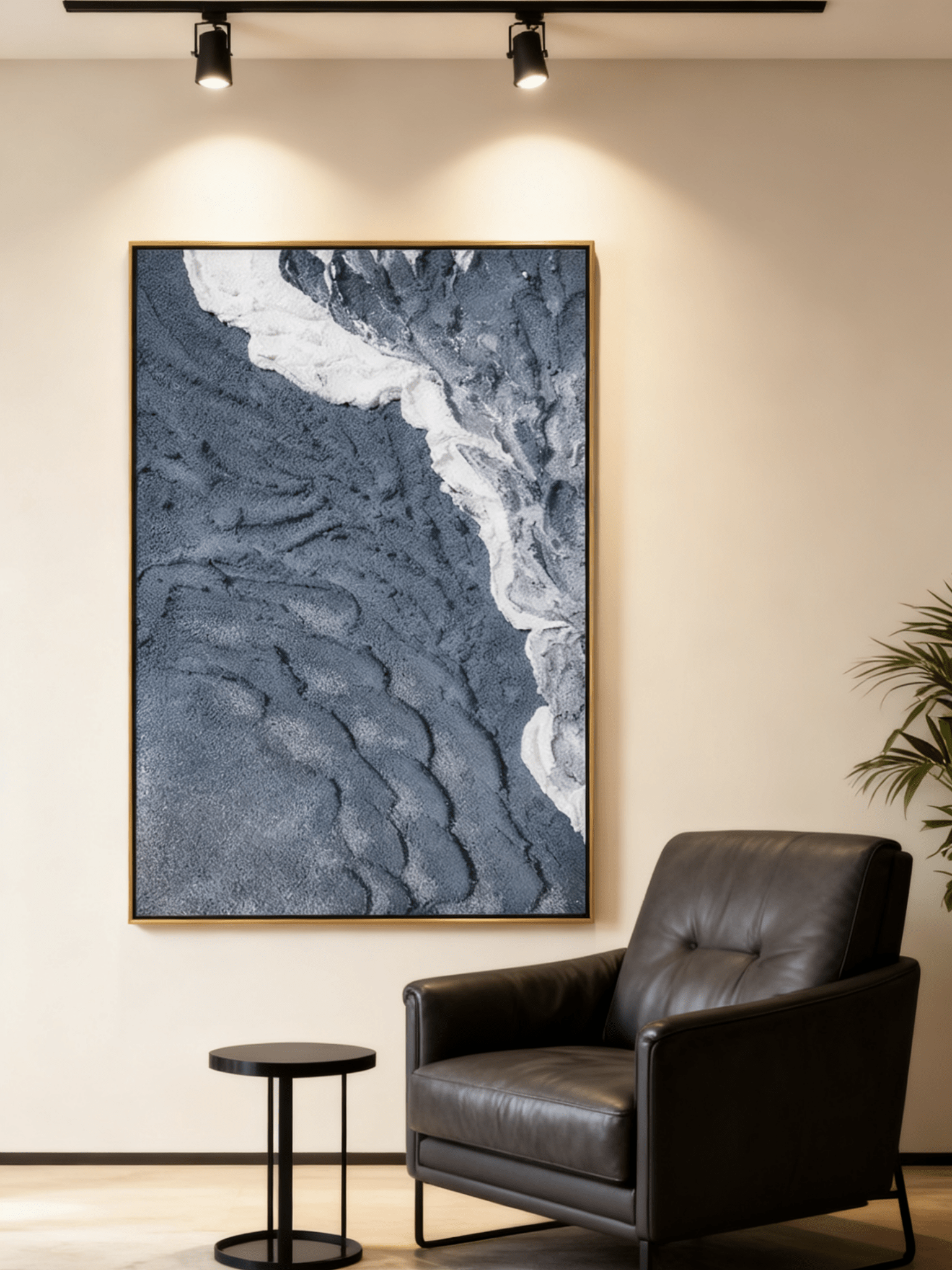
Yes. Its neutral palette and strong geometric texture make it an excellent statement piece above a sofa, fireplace, or console table.
7. Can this painting work in a bedroom?
Yes. The calm earth tones and textured surface create a peaceful, grounded atmosphere, making it ideal for bedroom wall decor.
8. How do I choose the right size for my wall?
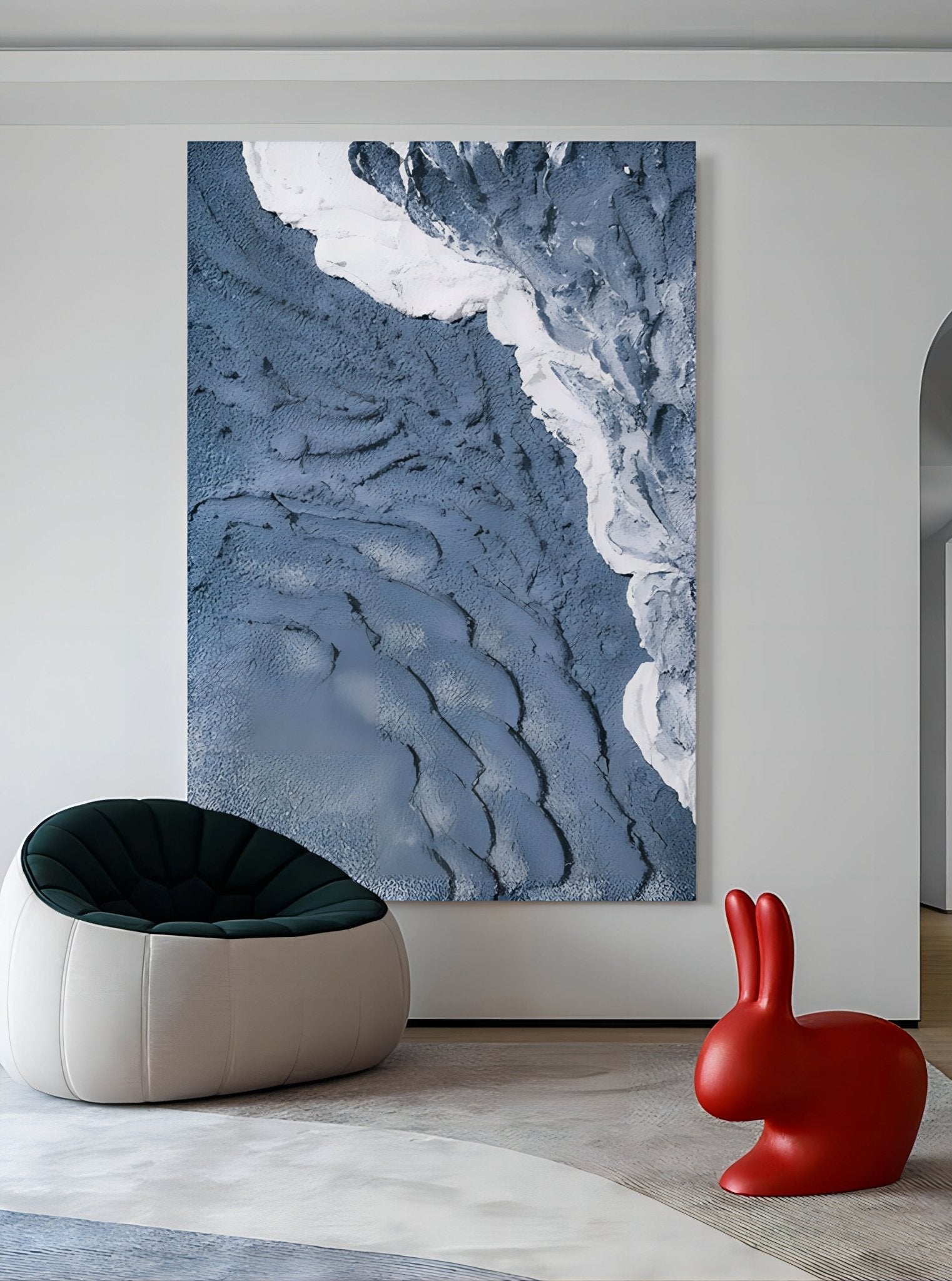
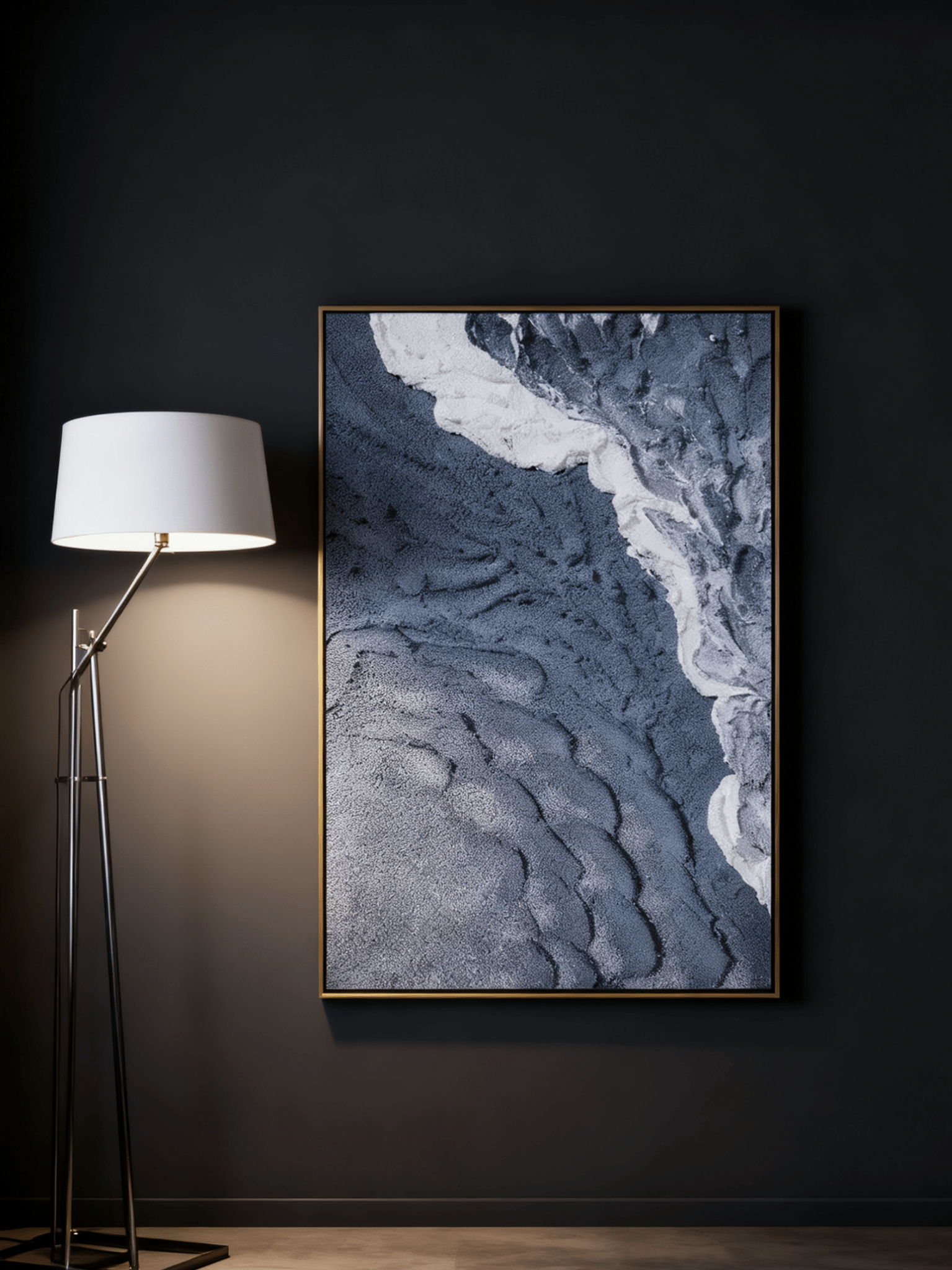
For artwork above a sofa, bed, or console table, choose a size that feels visually balanced with the furniture. Larger sizes are best if you want the painting to become the main focal point.
9. Can this artwork be customized?
Yes, custom sizes may be available. Since each piece is hand painted, slight adjustments can be made while keeping the original neutral palette, texture, and geometric style.
10. How long does it take to receive the painting?
The painting takes 1–2 weeks to create. After shipping, delivery usually takes 5–7 days through FedEx or DHL. Worldwide shipping is free, and we offer a 30-day return and exchange policy.
• Style: Wabi-Sabi Art •Artist: Eliot Vermeer
•Orientation: Vertical
Each artwork is made to order. Creation normally takes 1–2 weeks before dispatch.
After the artwork is completed, delivery normally takes approximately 5–7 business days by DHL or FedEx.
Custom dimensions and palette adjustments may be available. Contact info@wabiwallart.com before ordering to confirm the request.
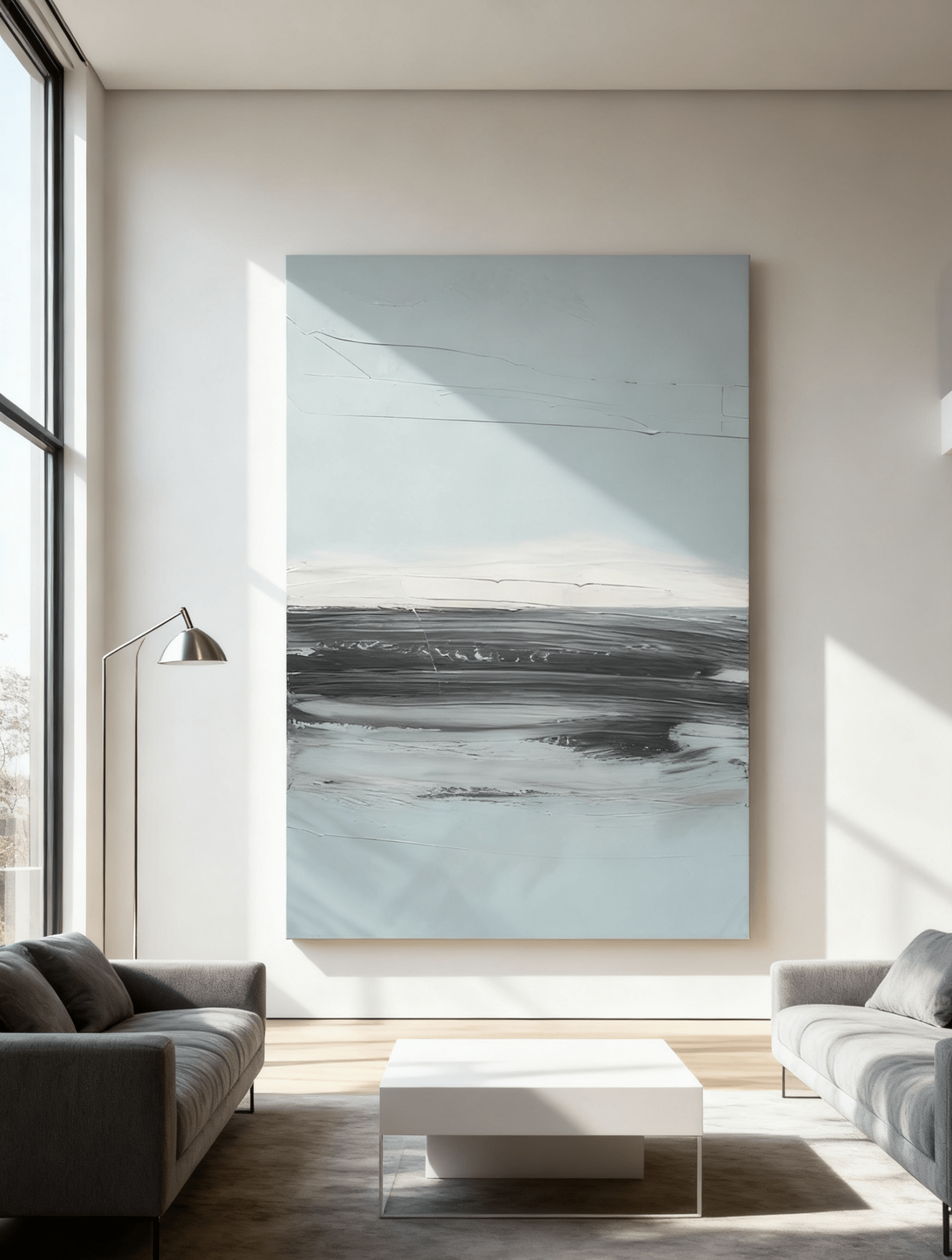
Find Your Perfect Artwork Size
See how each artwork size fits your space.
Available range: 24–240 inches


About Artist
Eliot Vermeer is a contemporary artist born in Xi'an, China in 1987, and currently living and working in Shanghai. With his unique abstract wabi-sabi style, he has established a profound personal connection between Eastern aesthetics and Western expressionism.
His work abandons complex narratives, instead exploring the spirituality of materials, traces, and space themselves. Eliot Vermeer's artistic practice is like a silent retreat, inviting viewers to feel the traces of time's passage and the silent power of all things within his minimalist yet rich canvases.