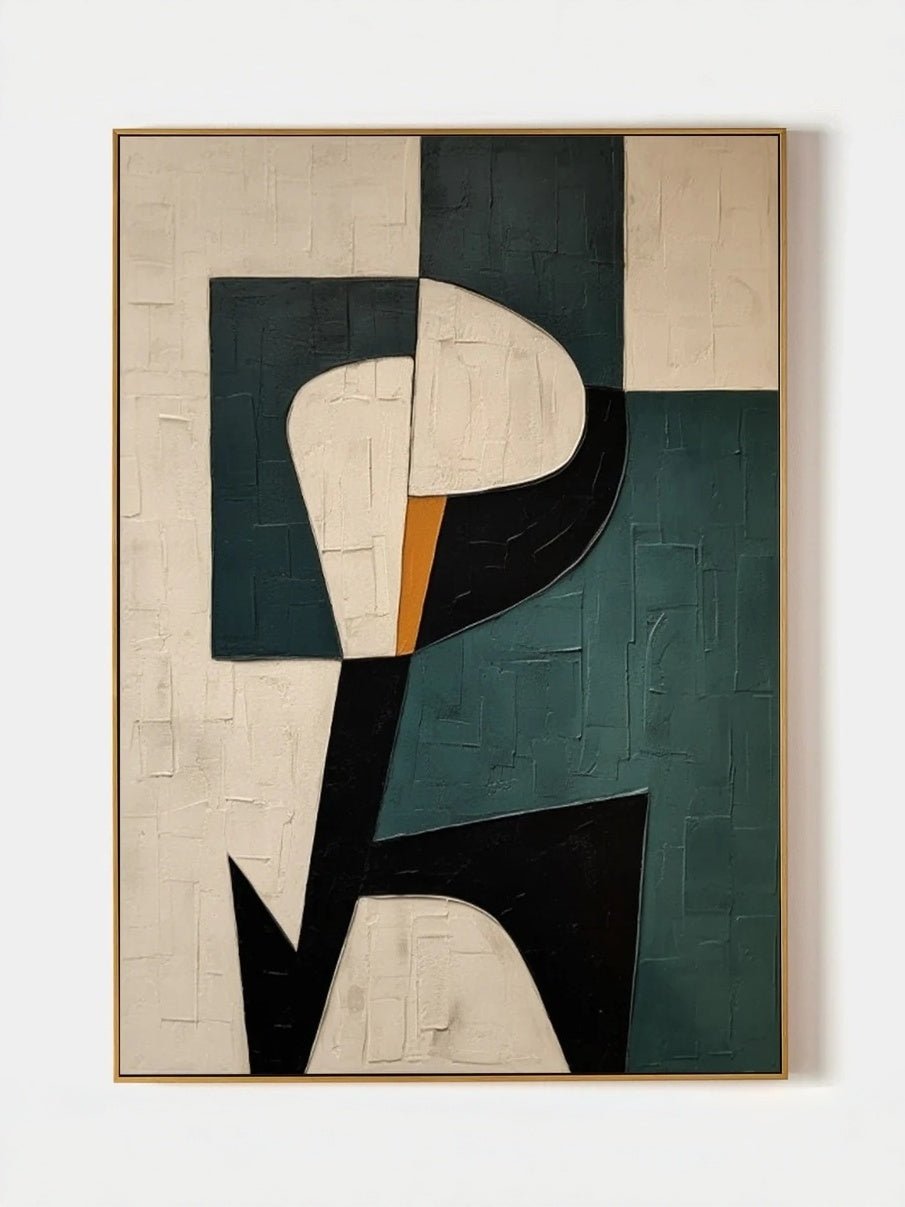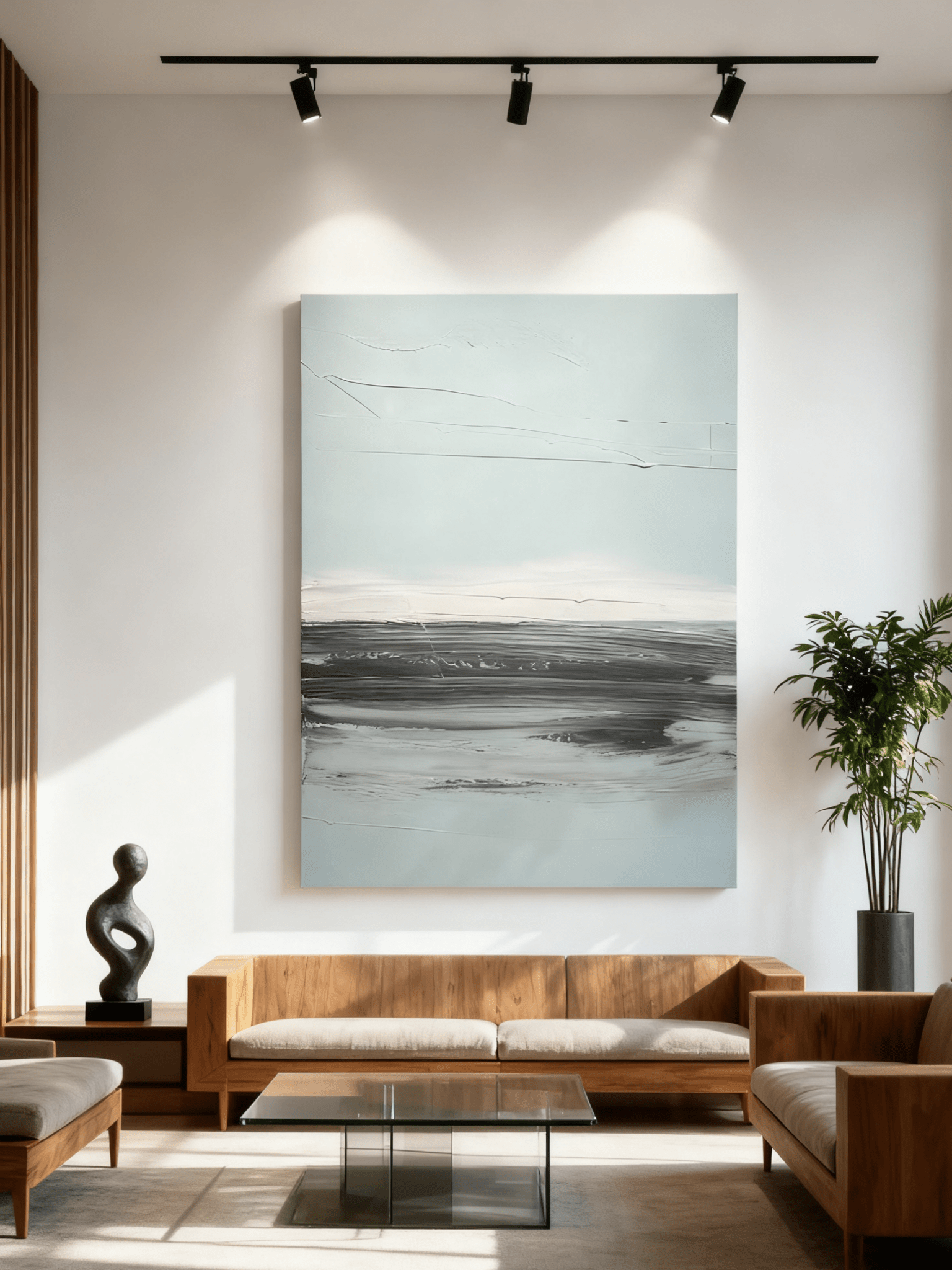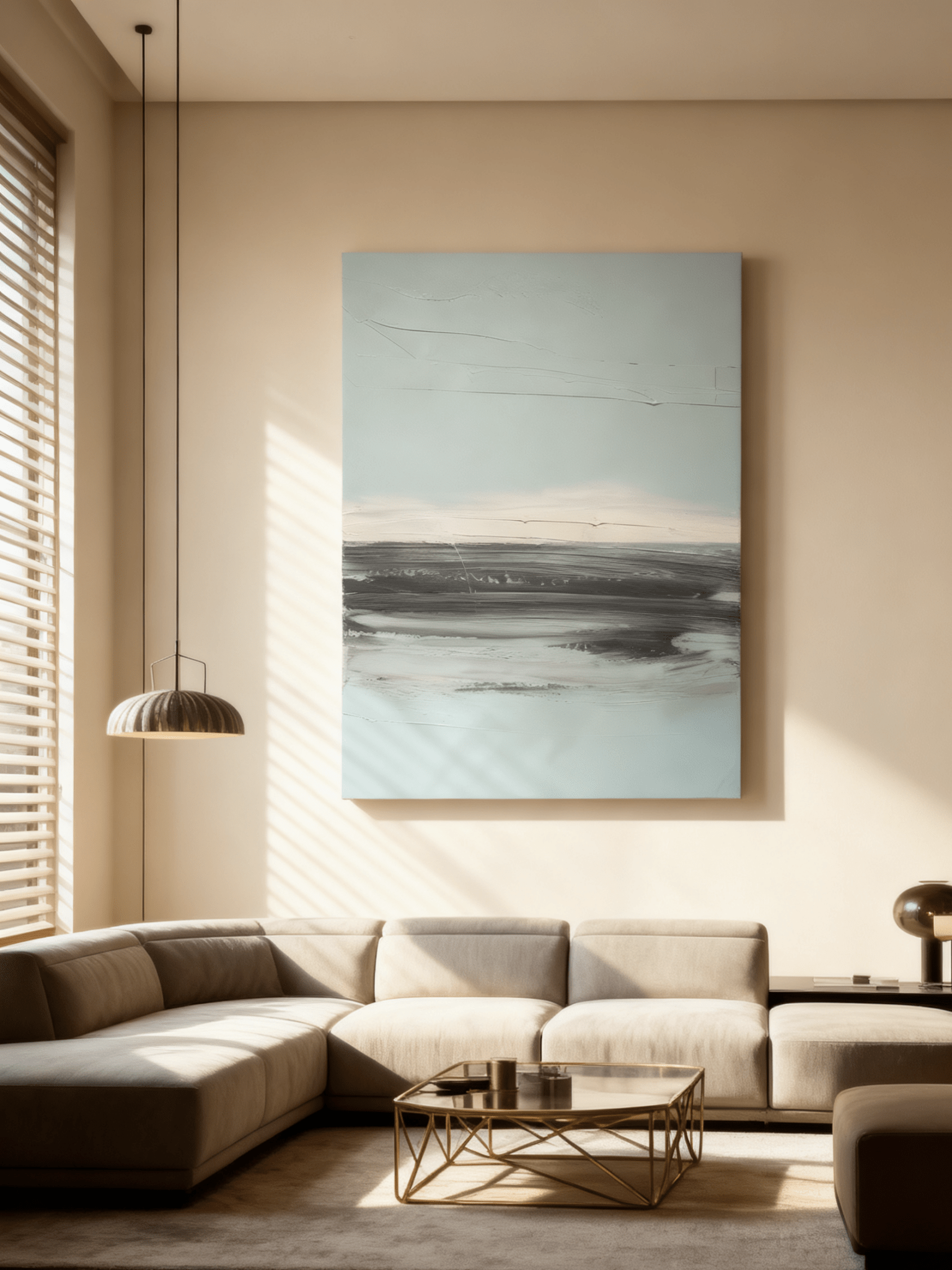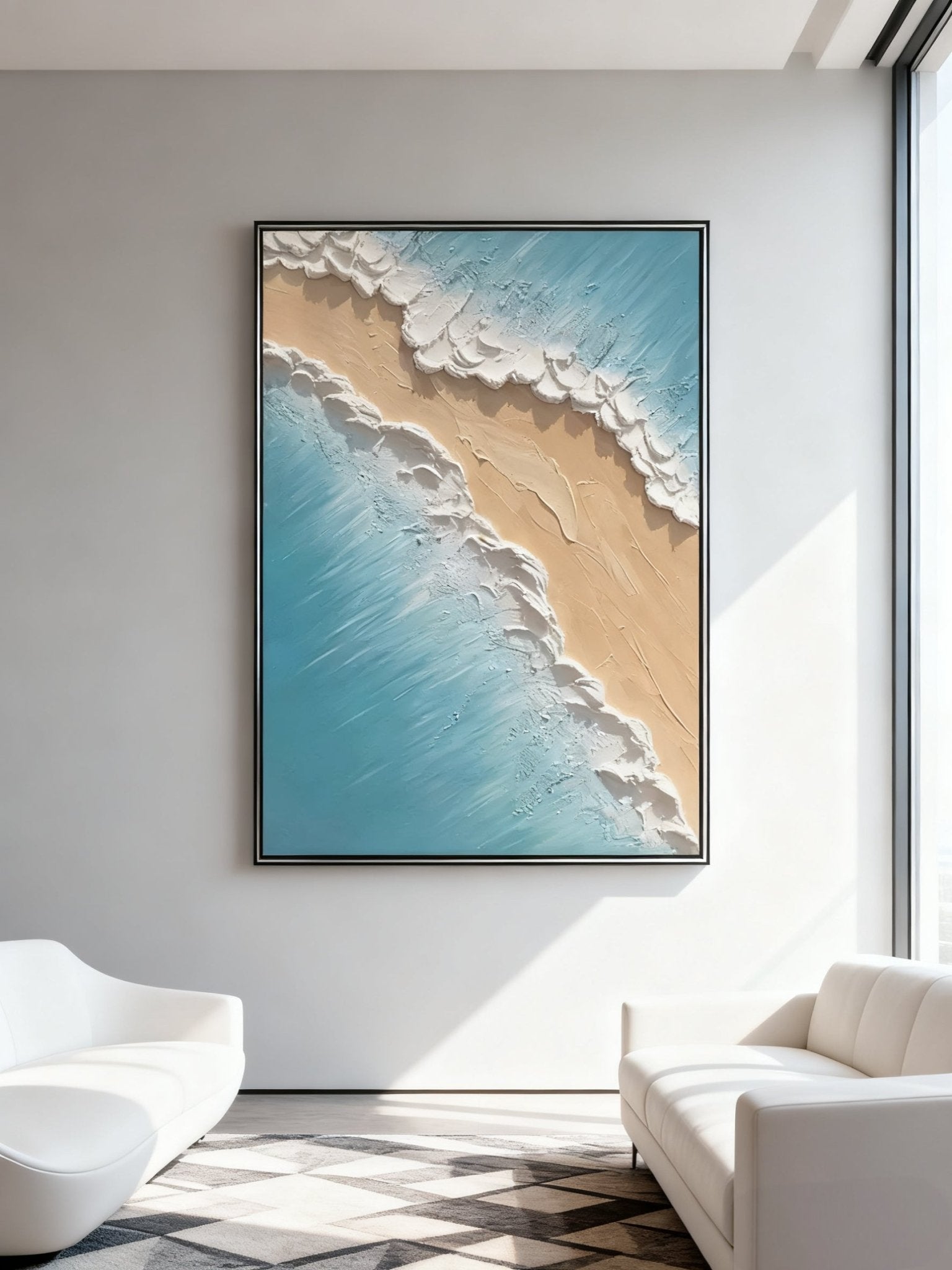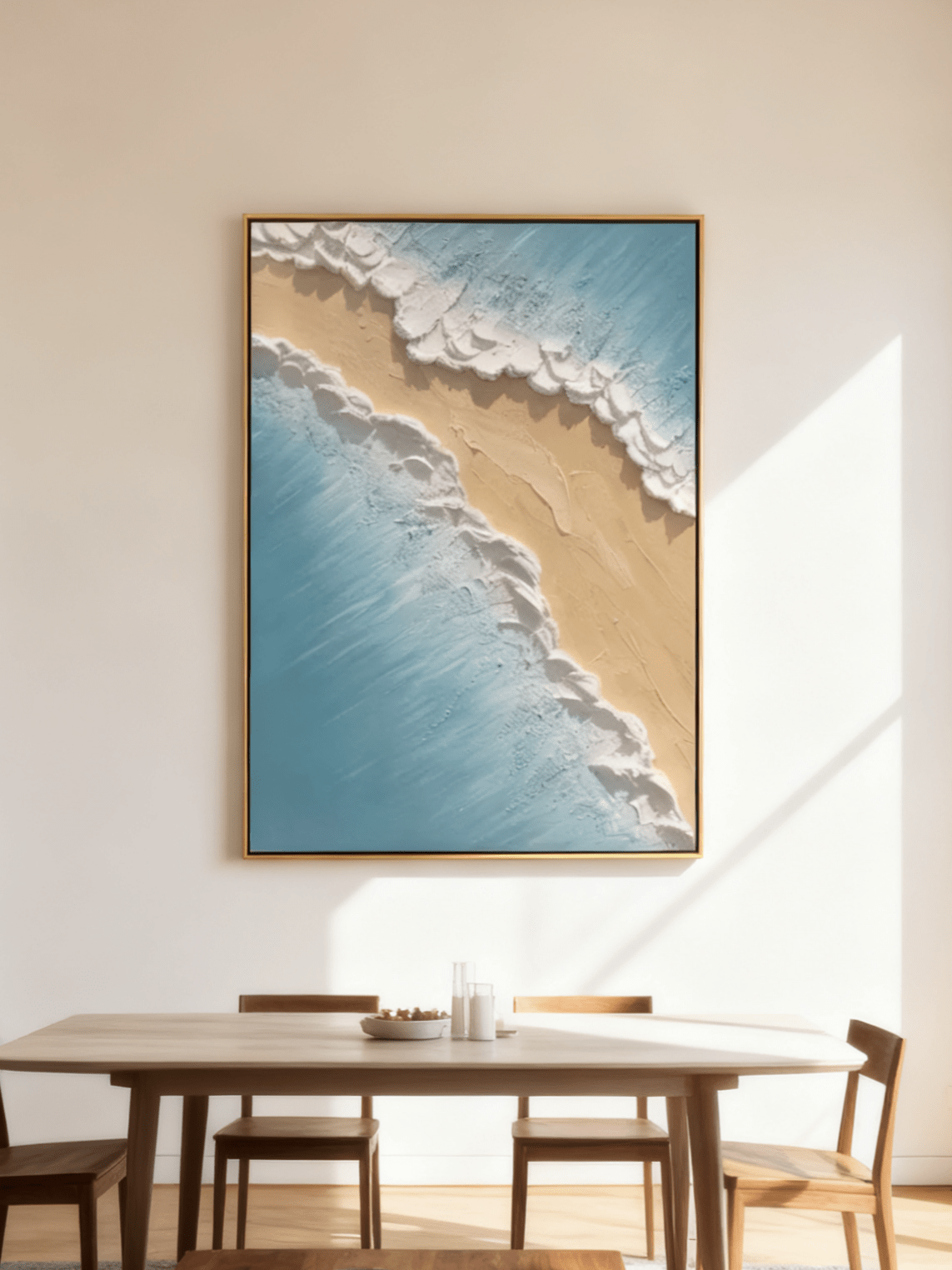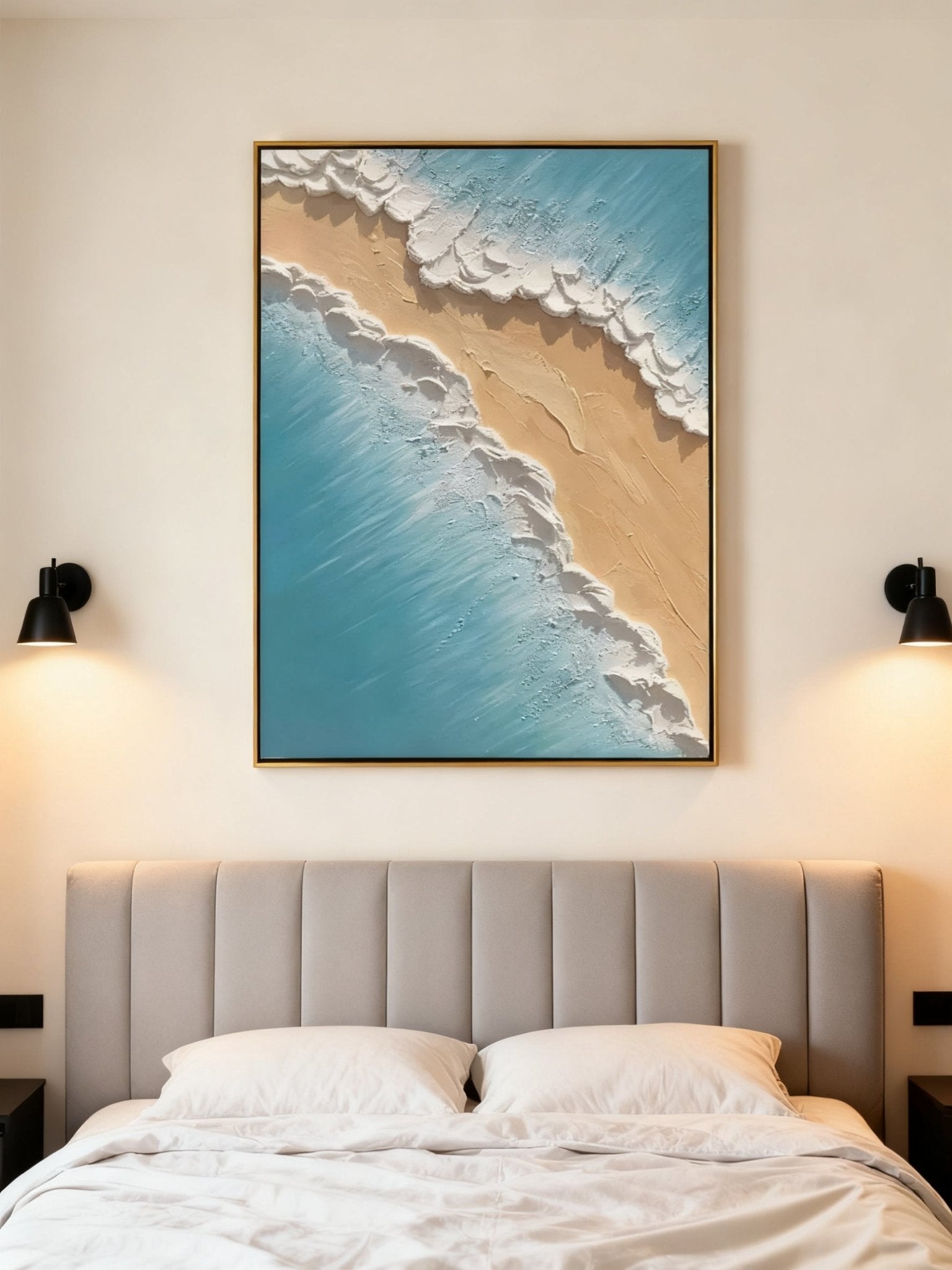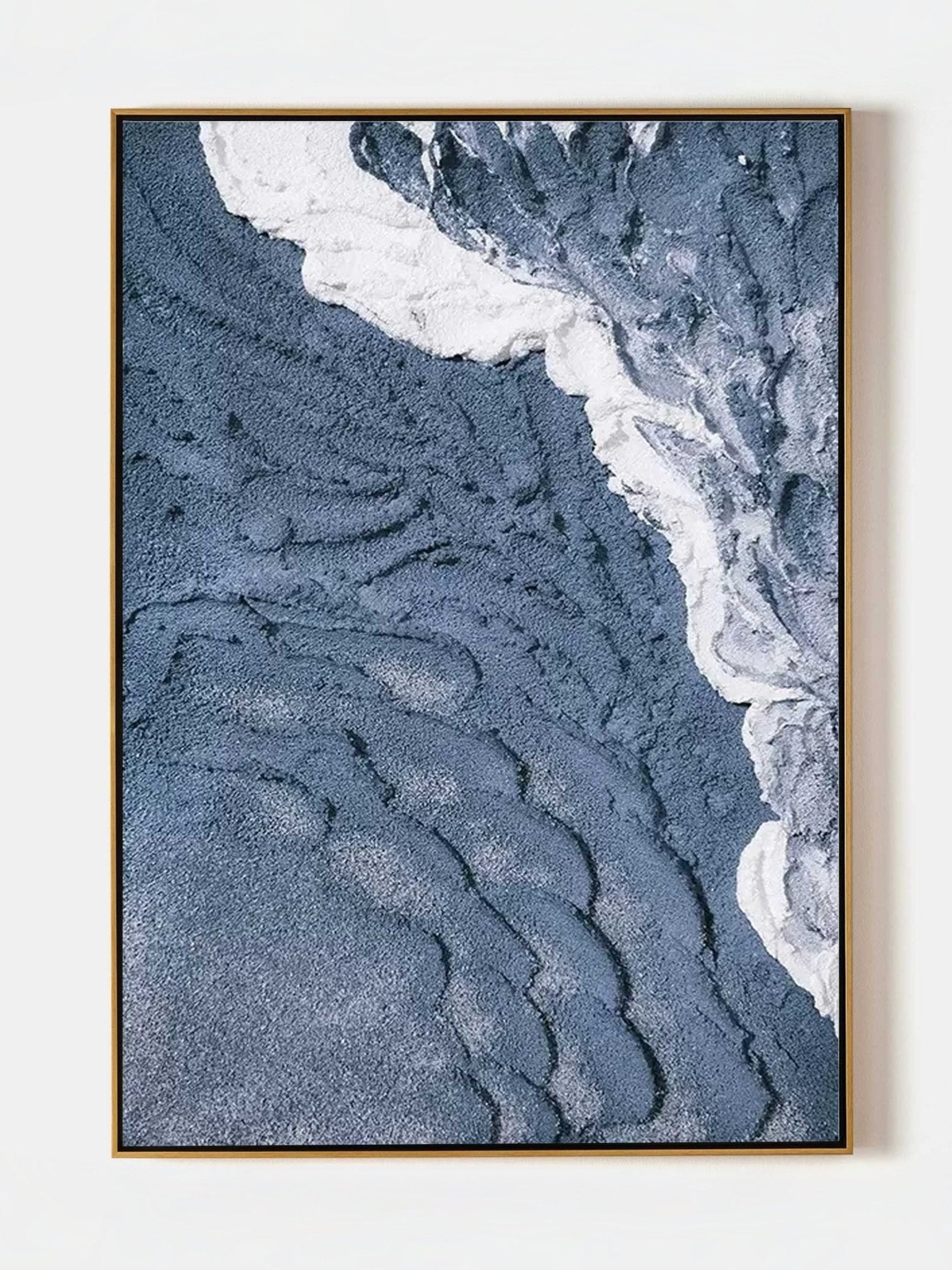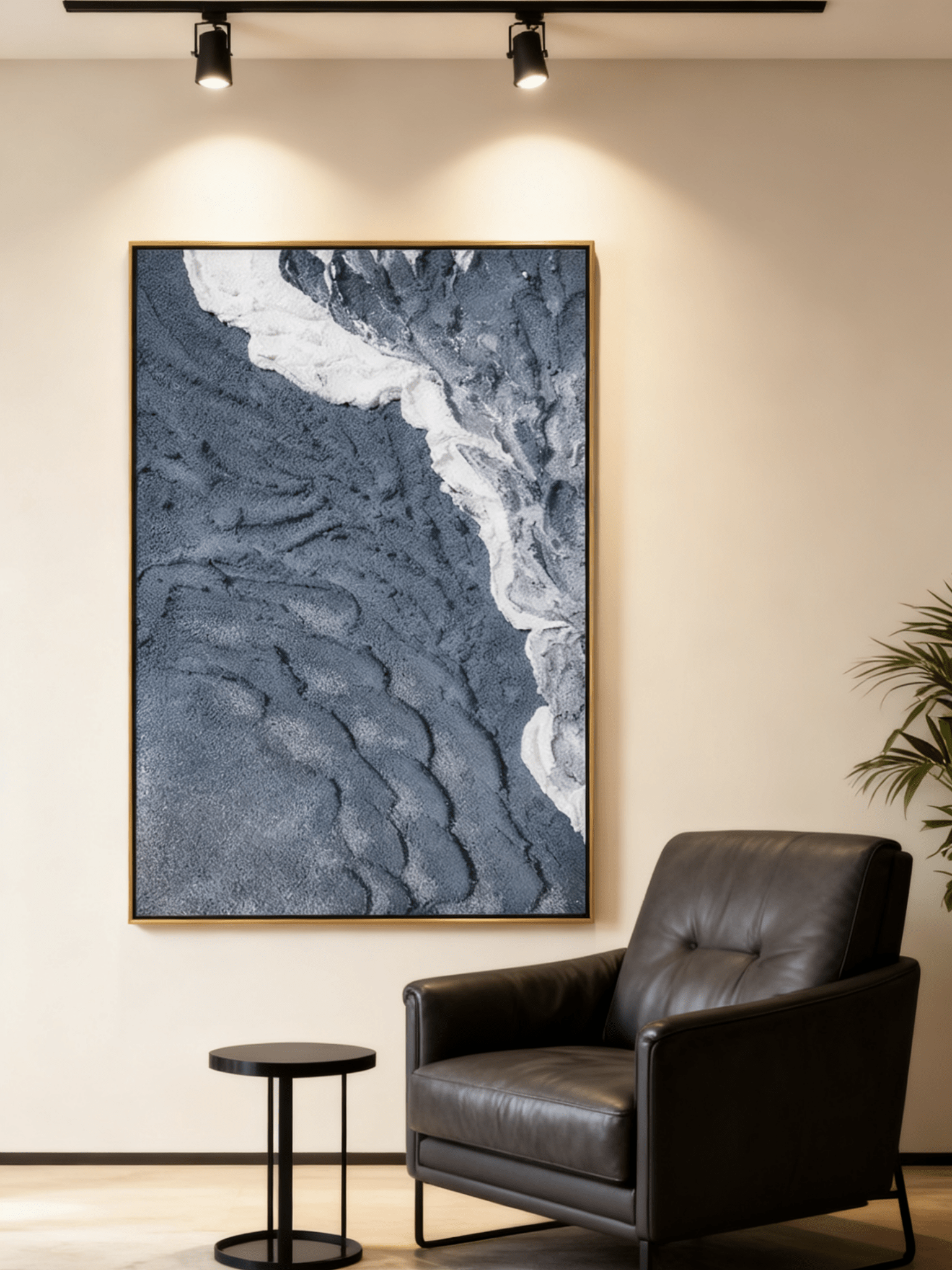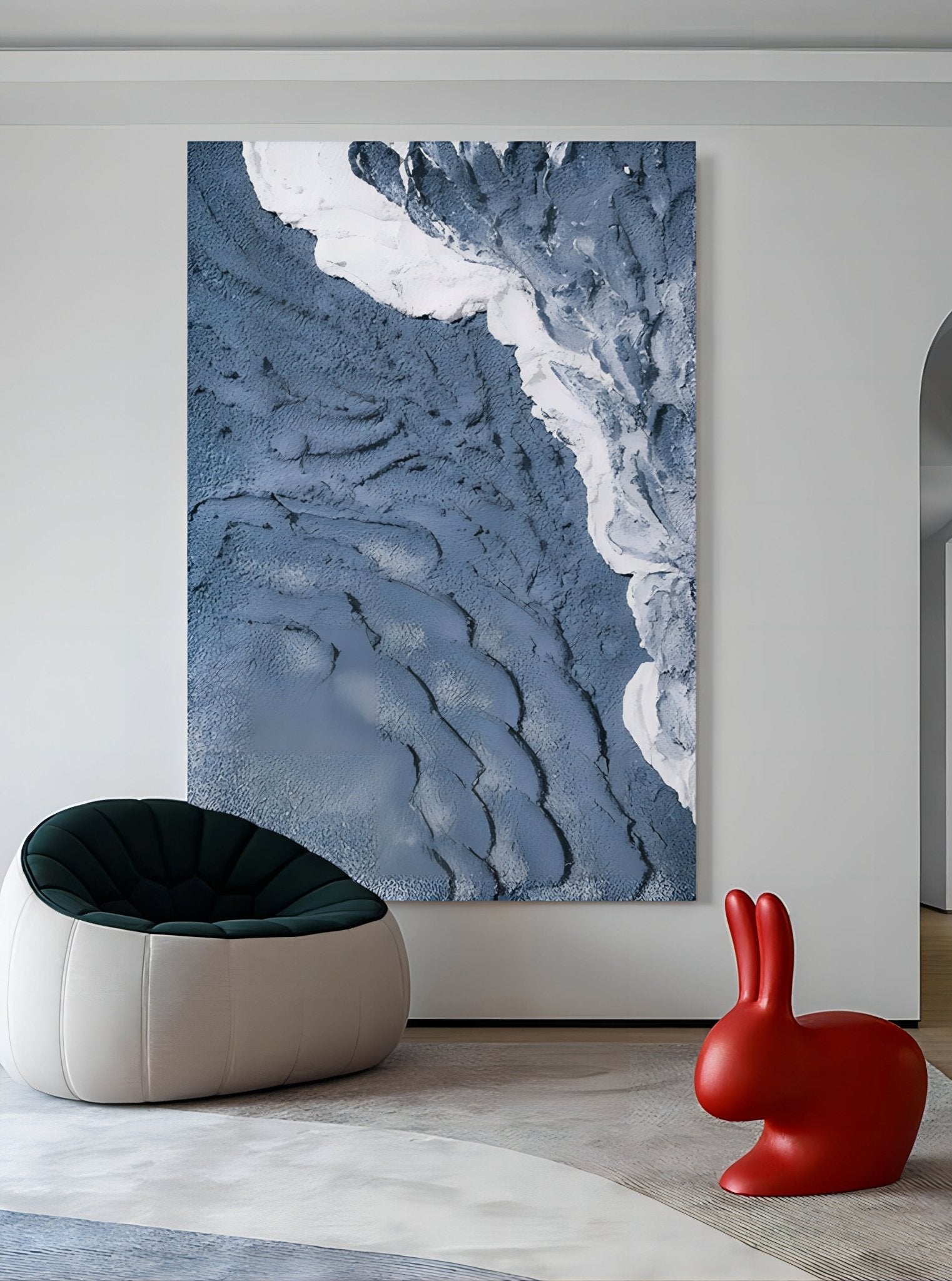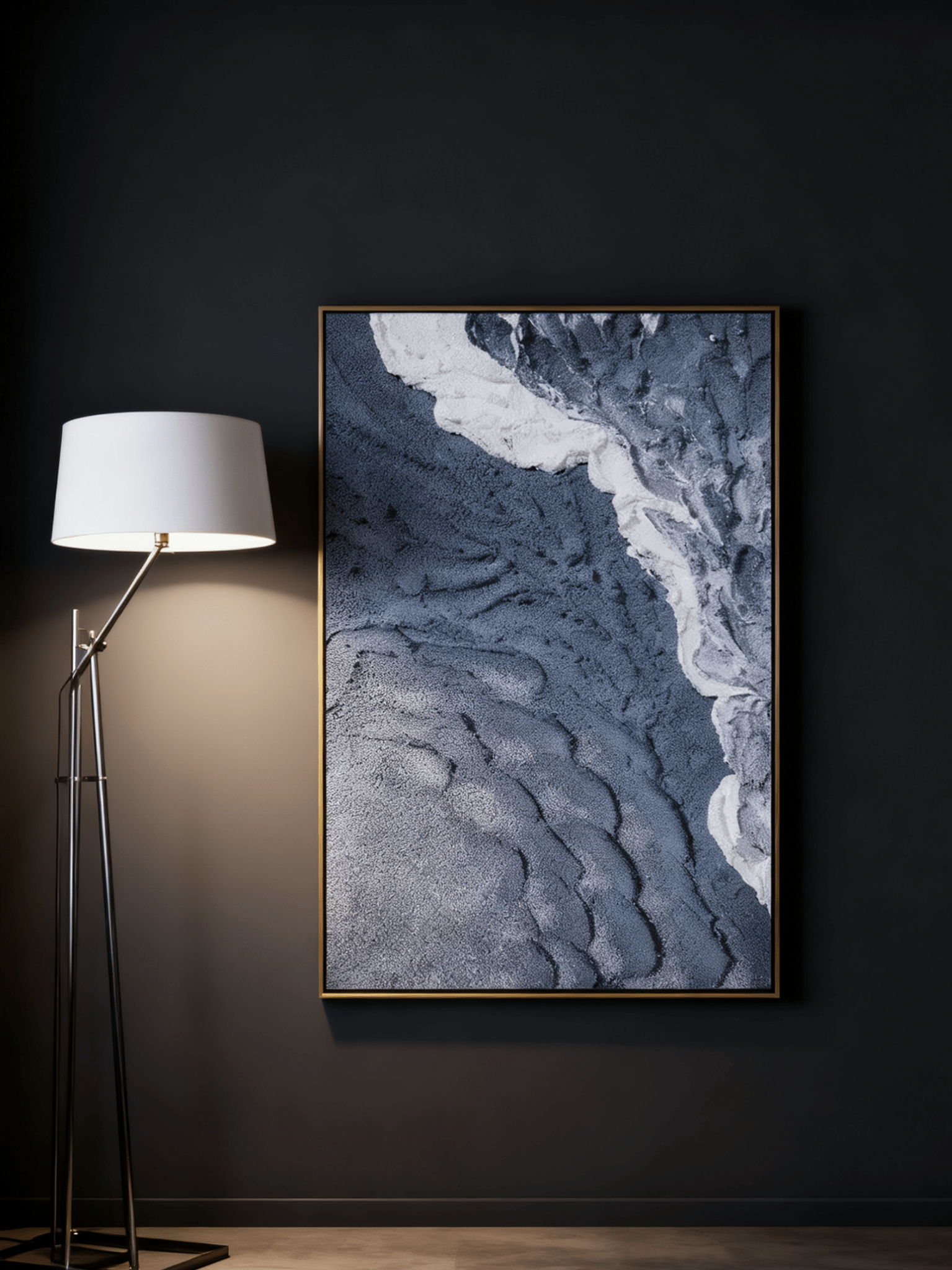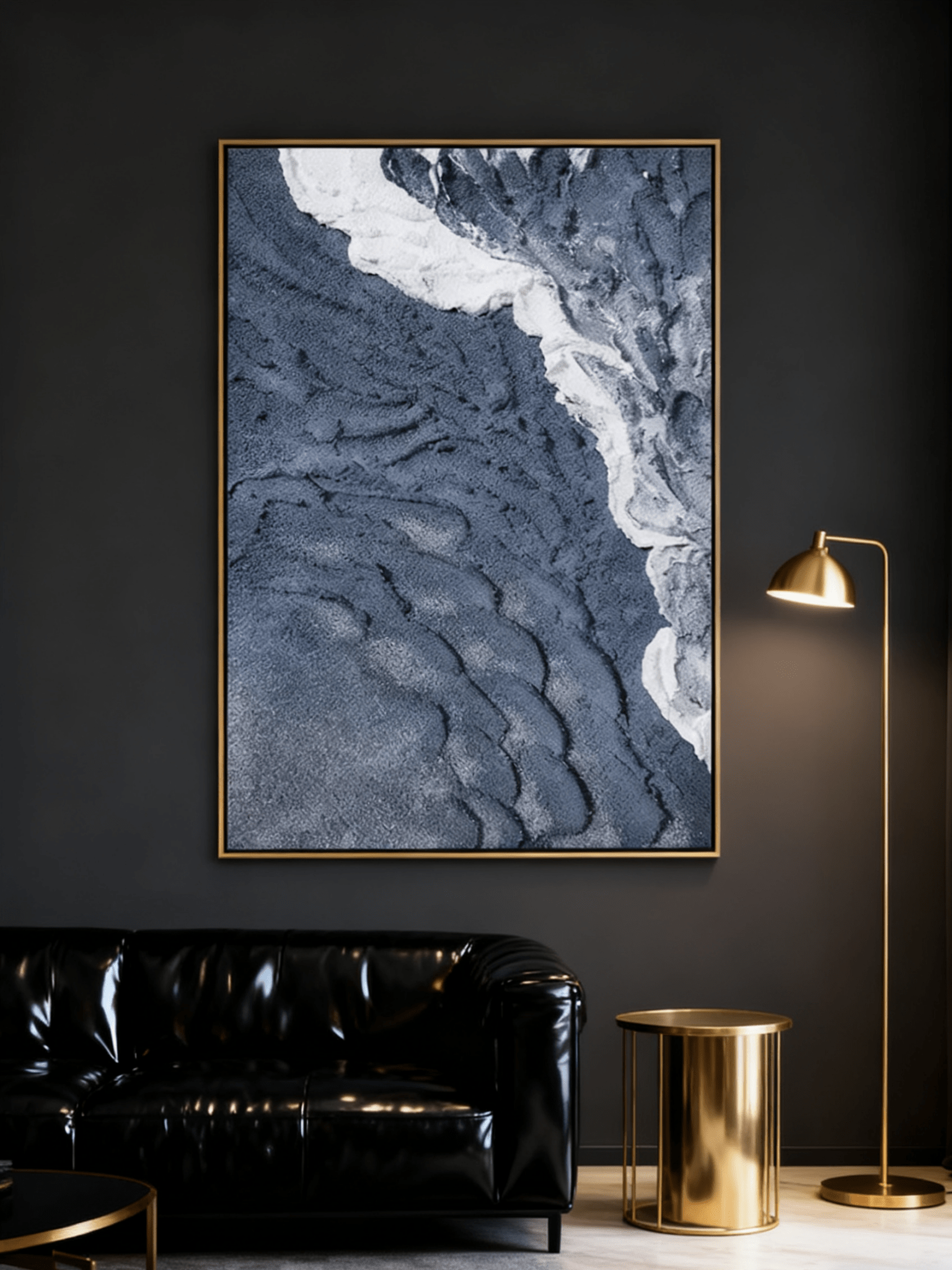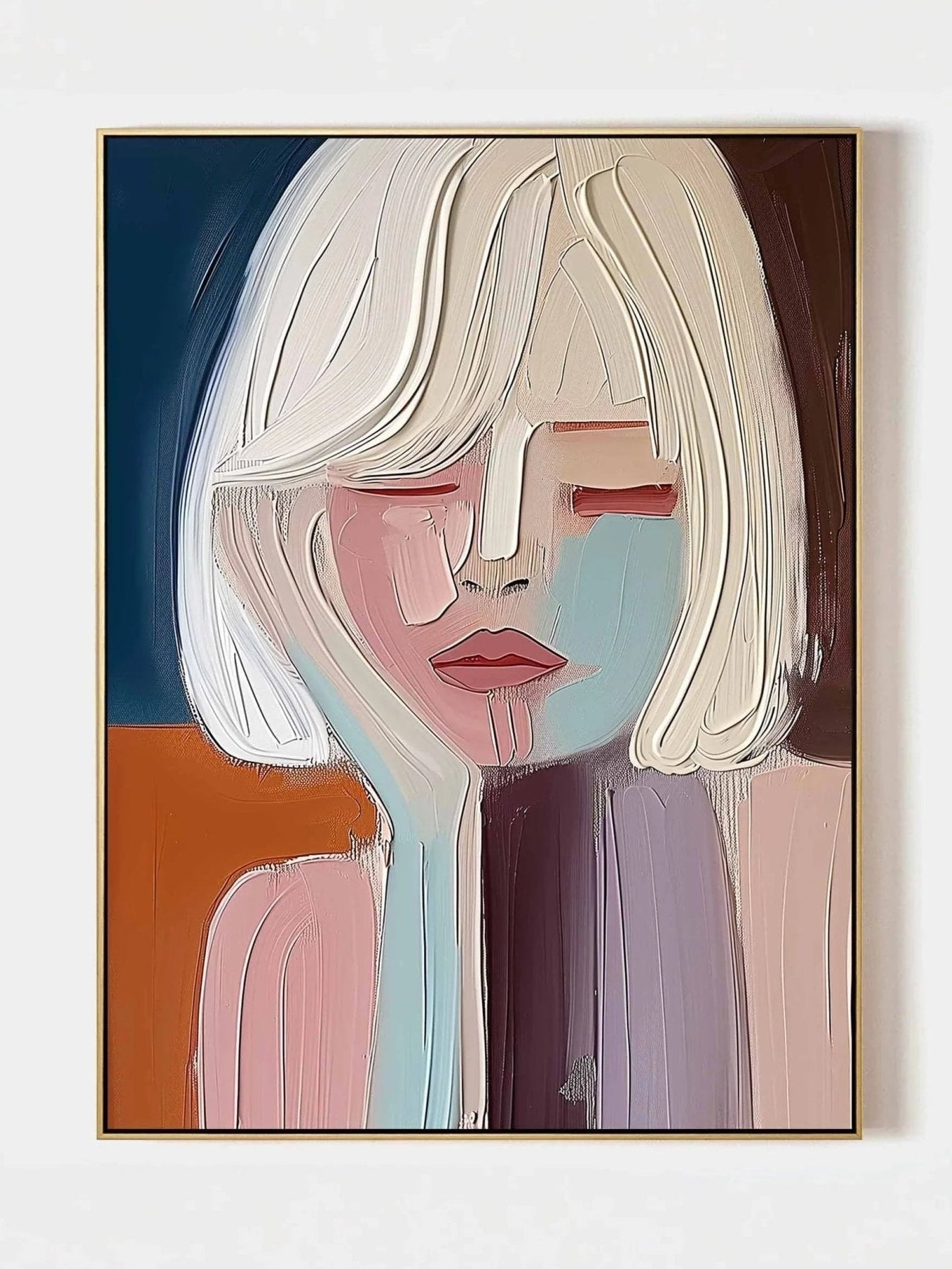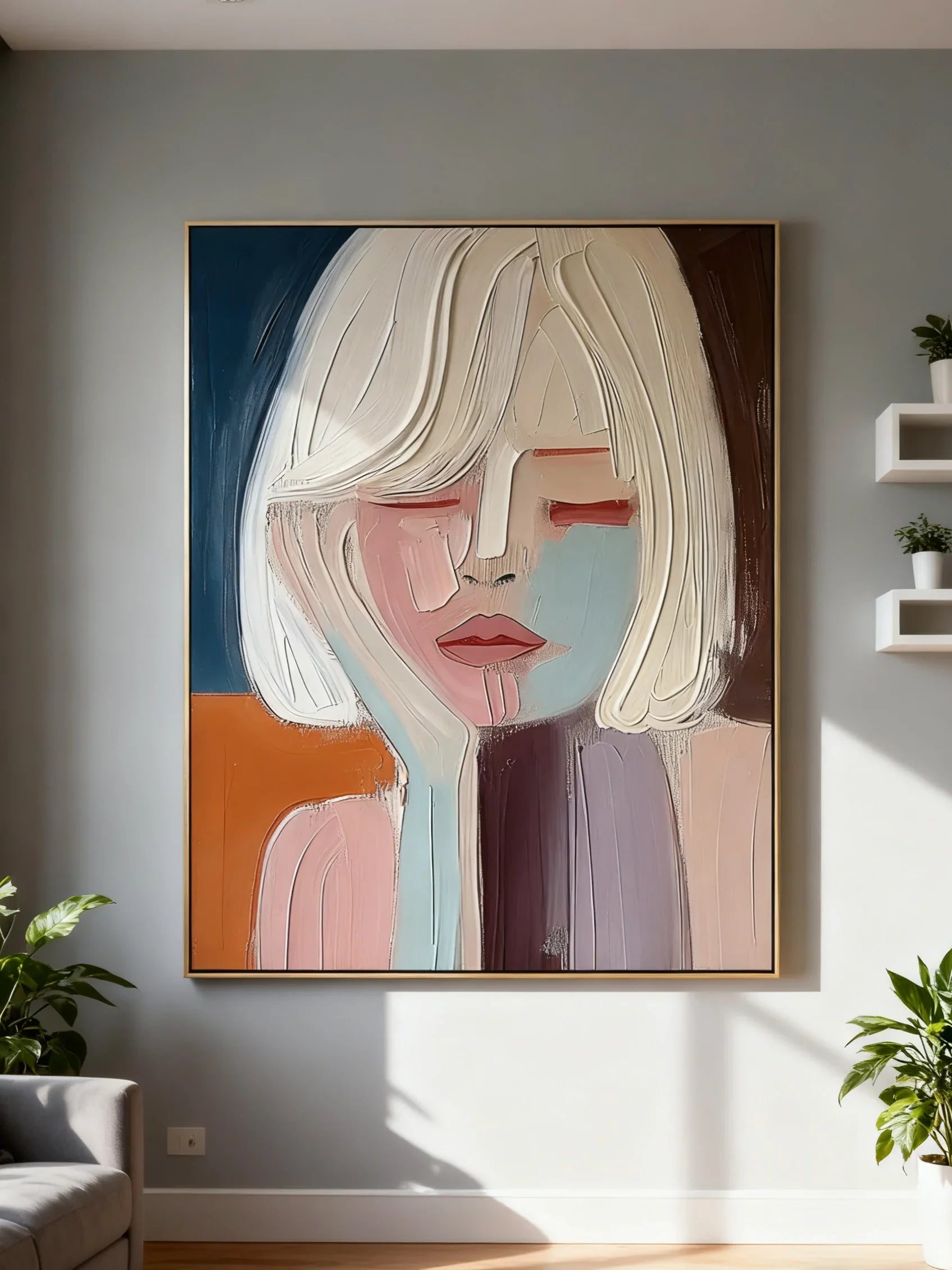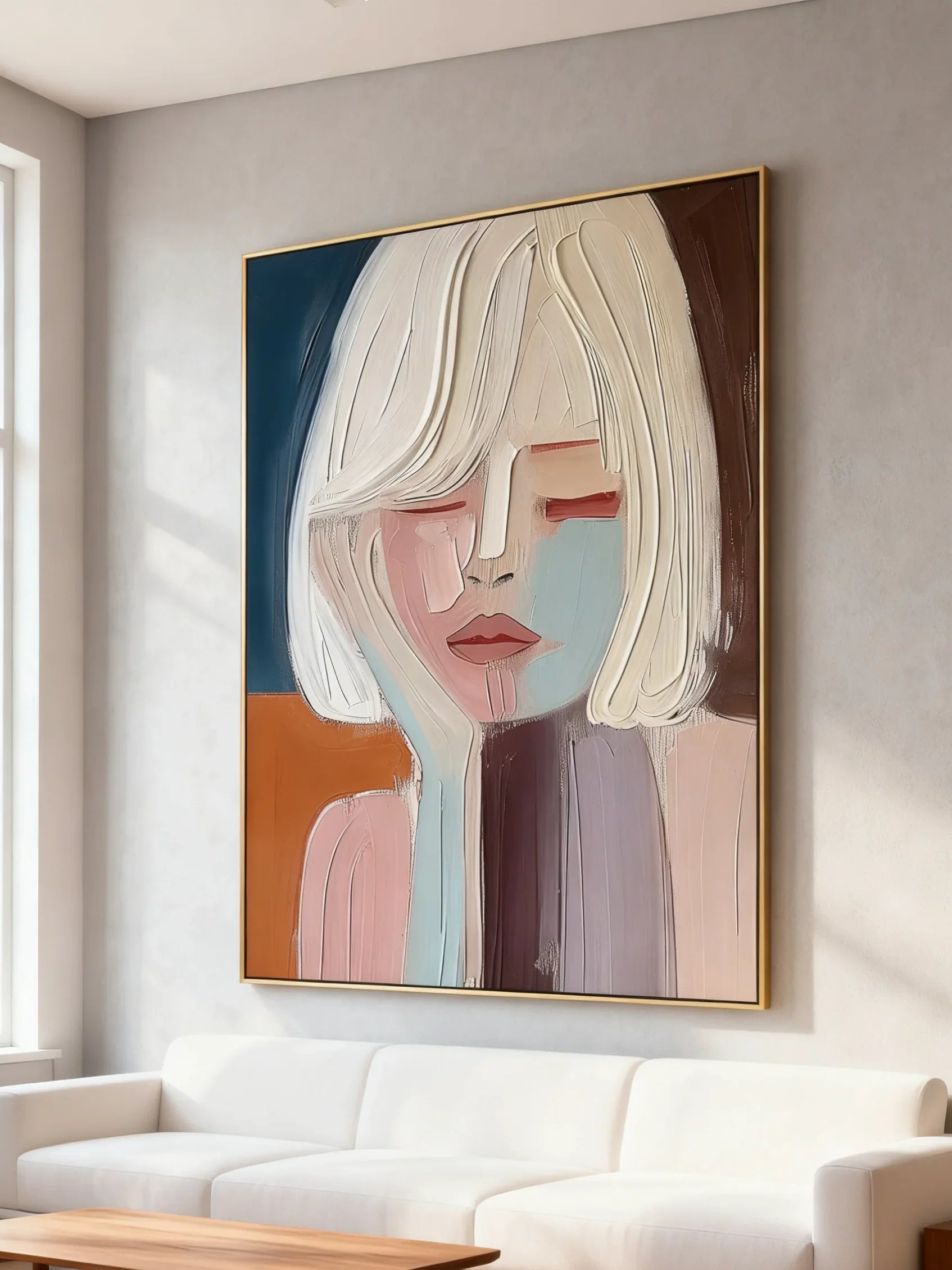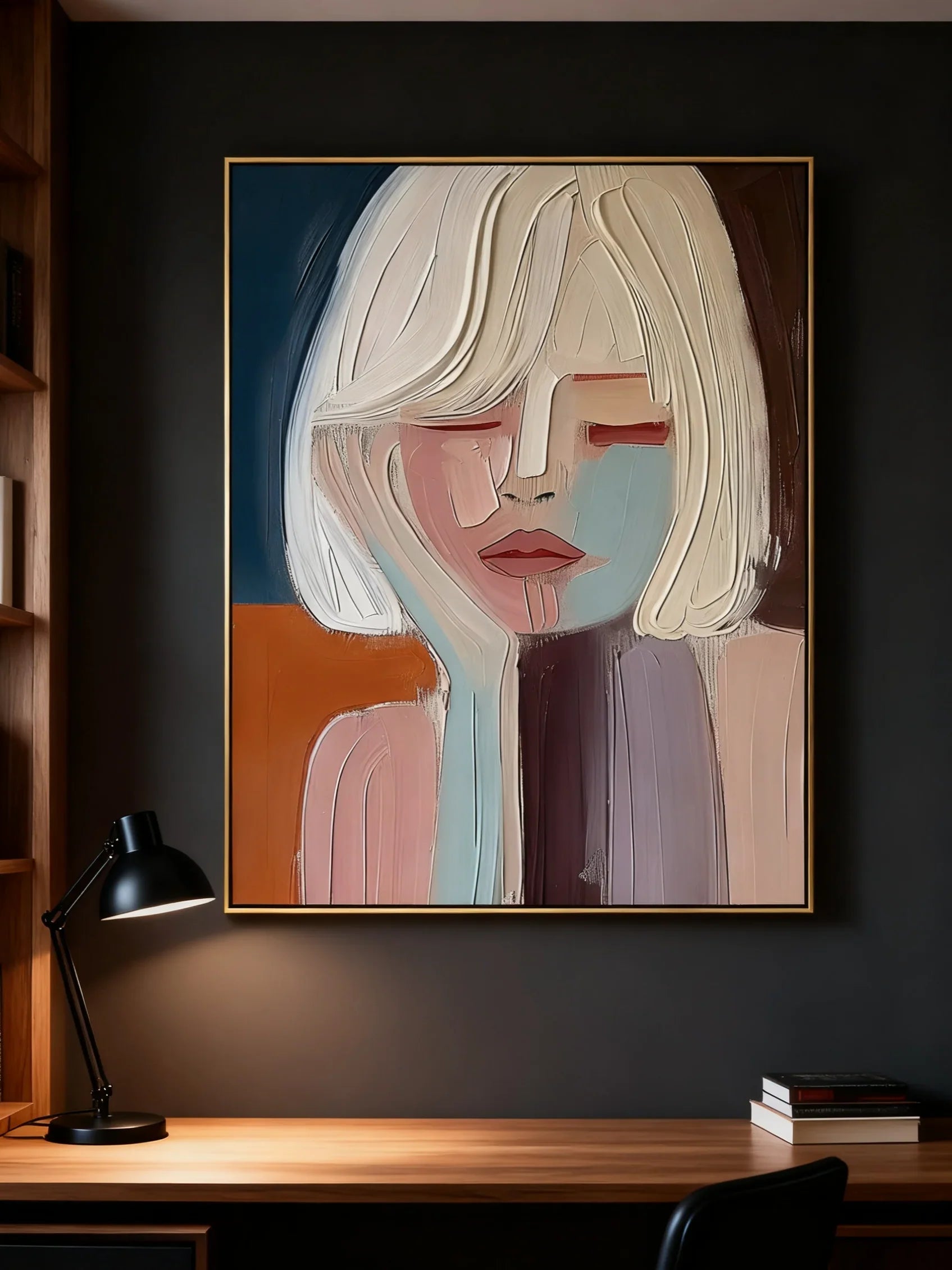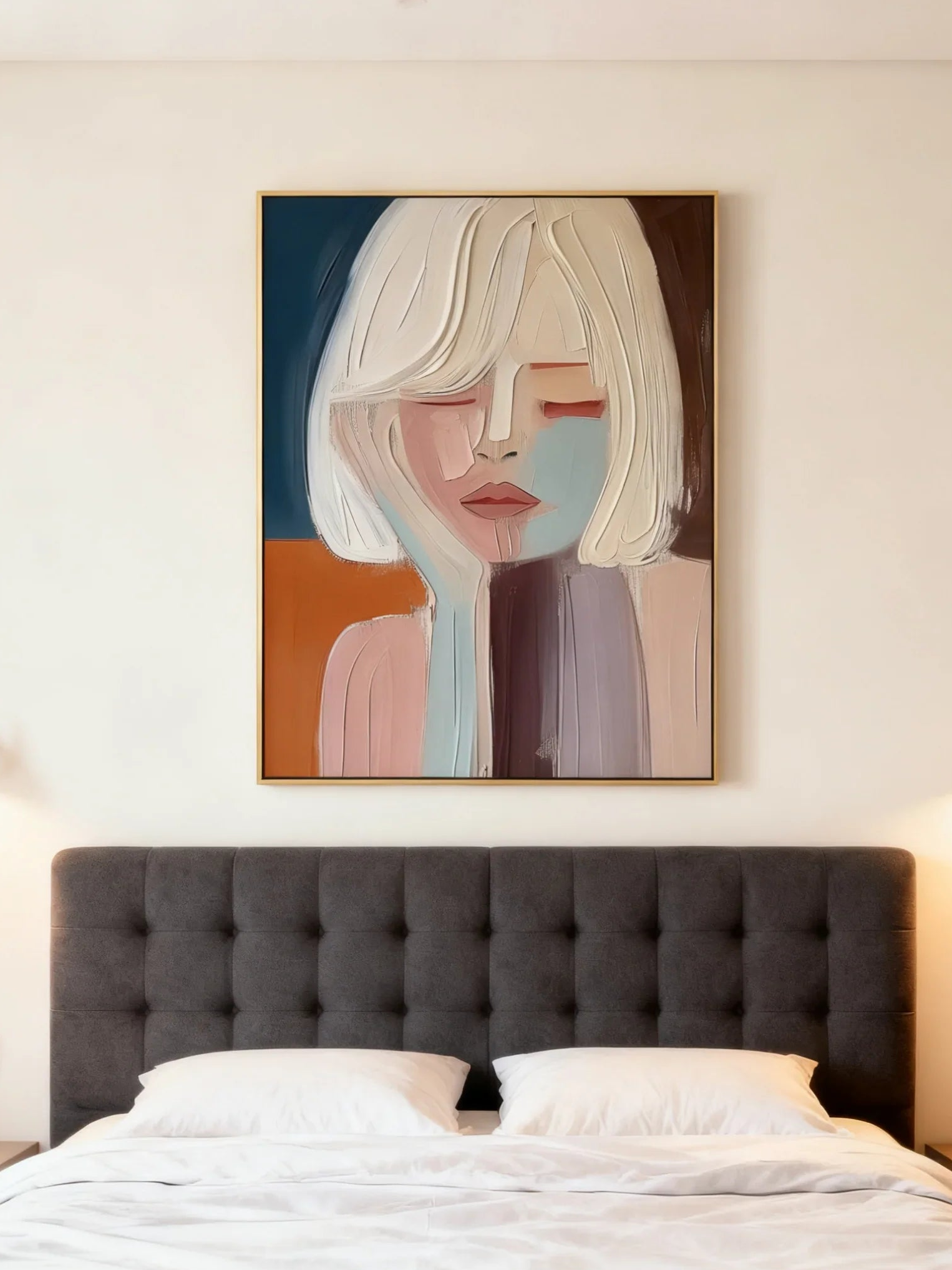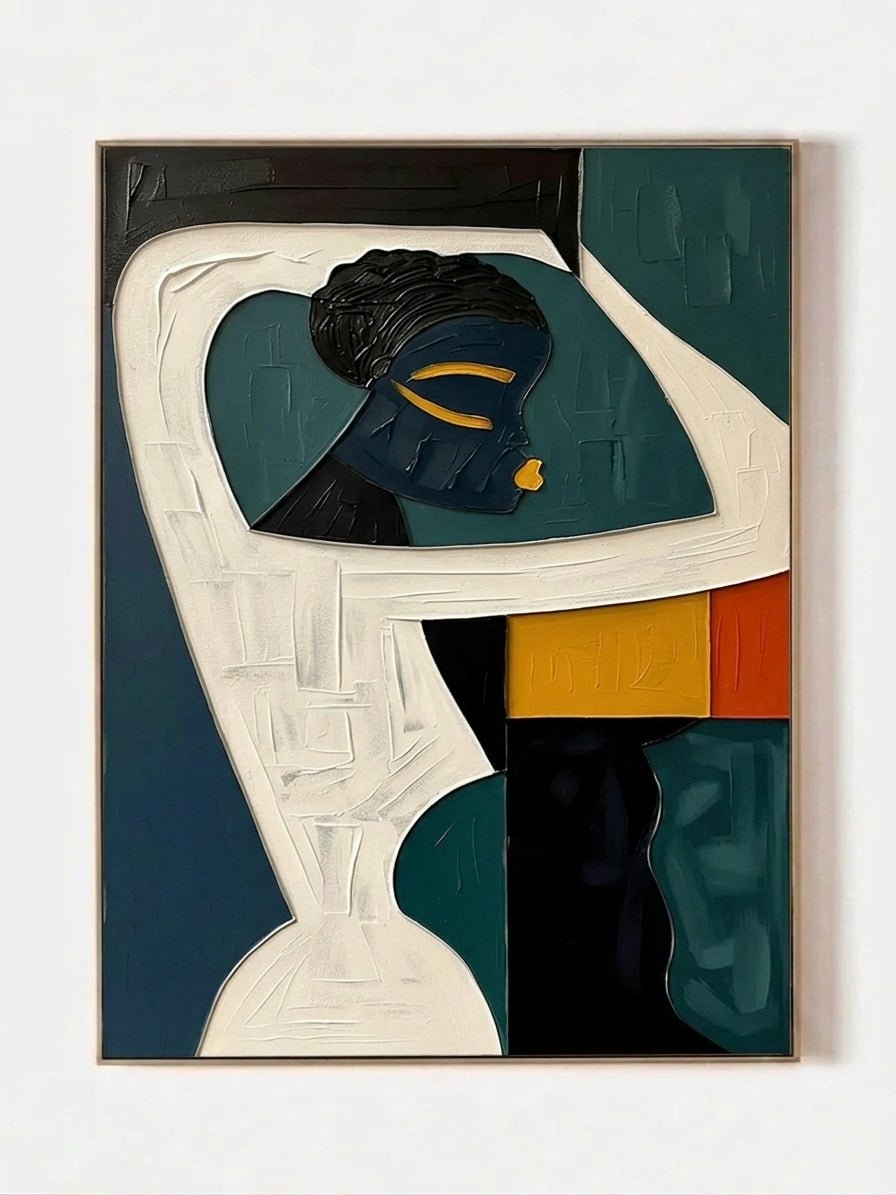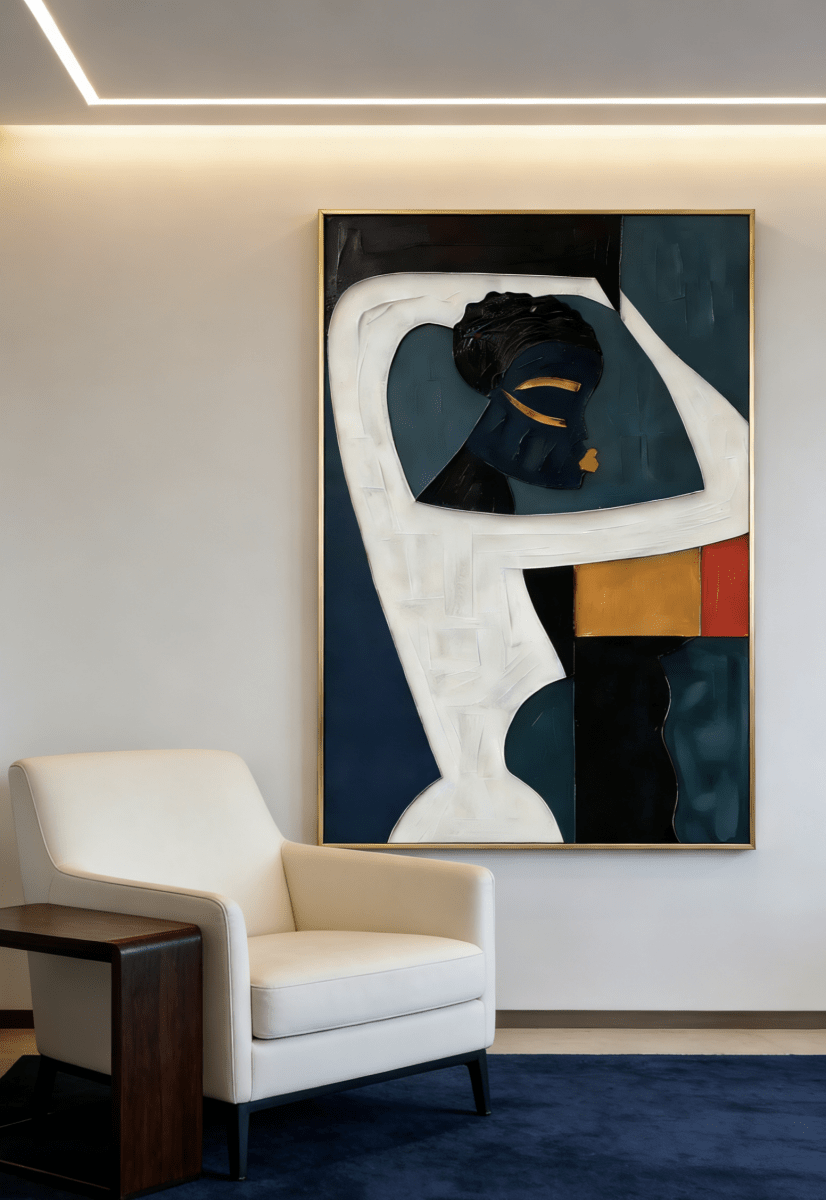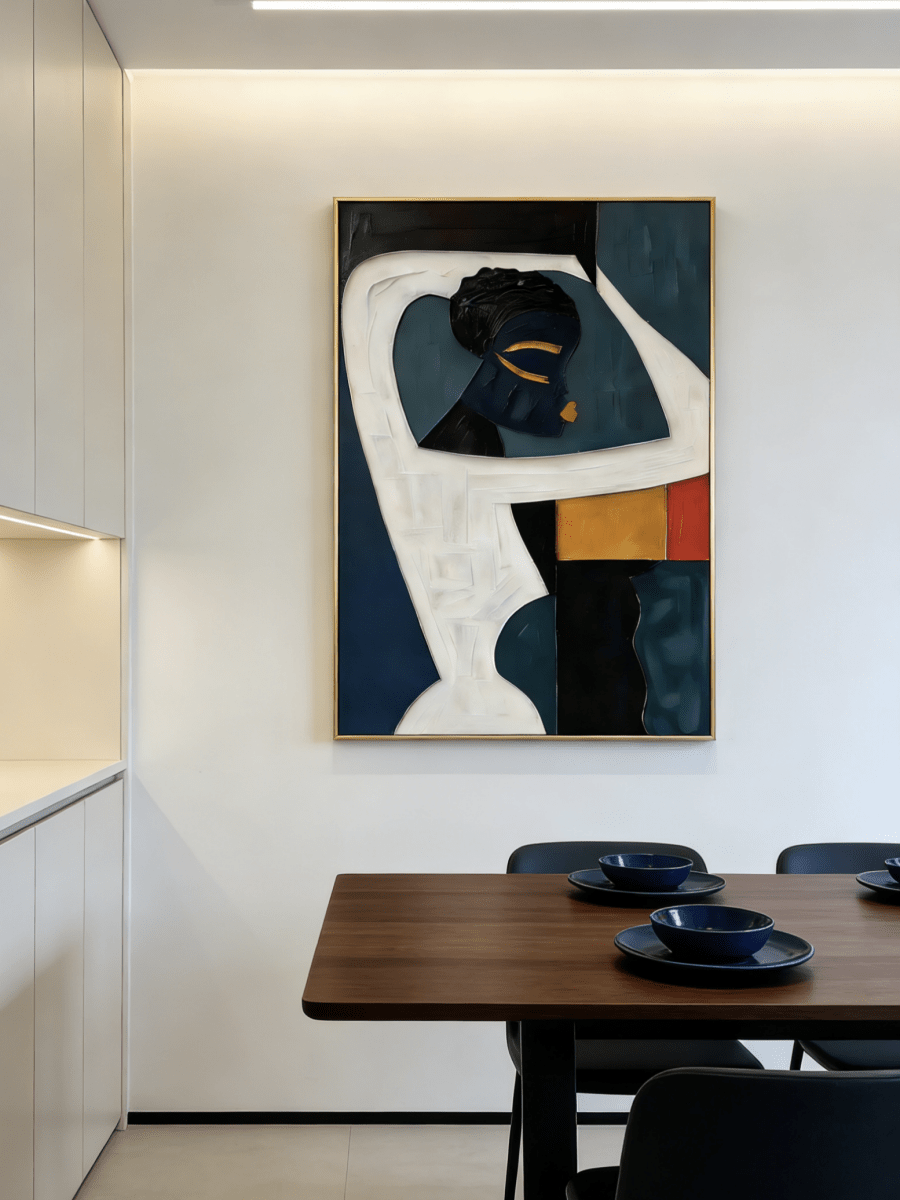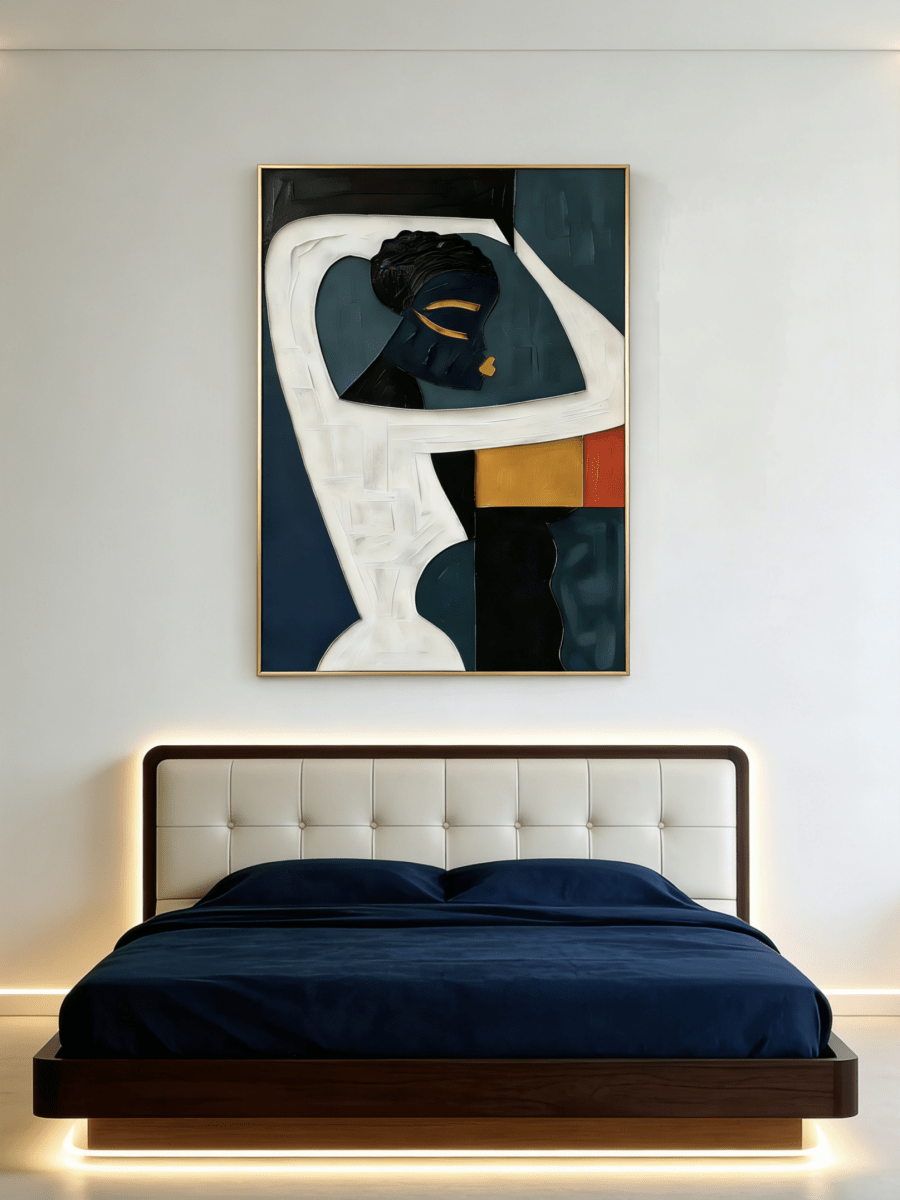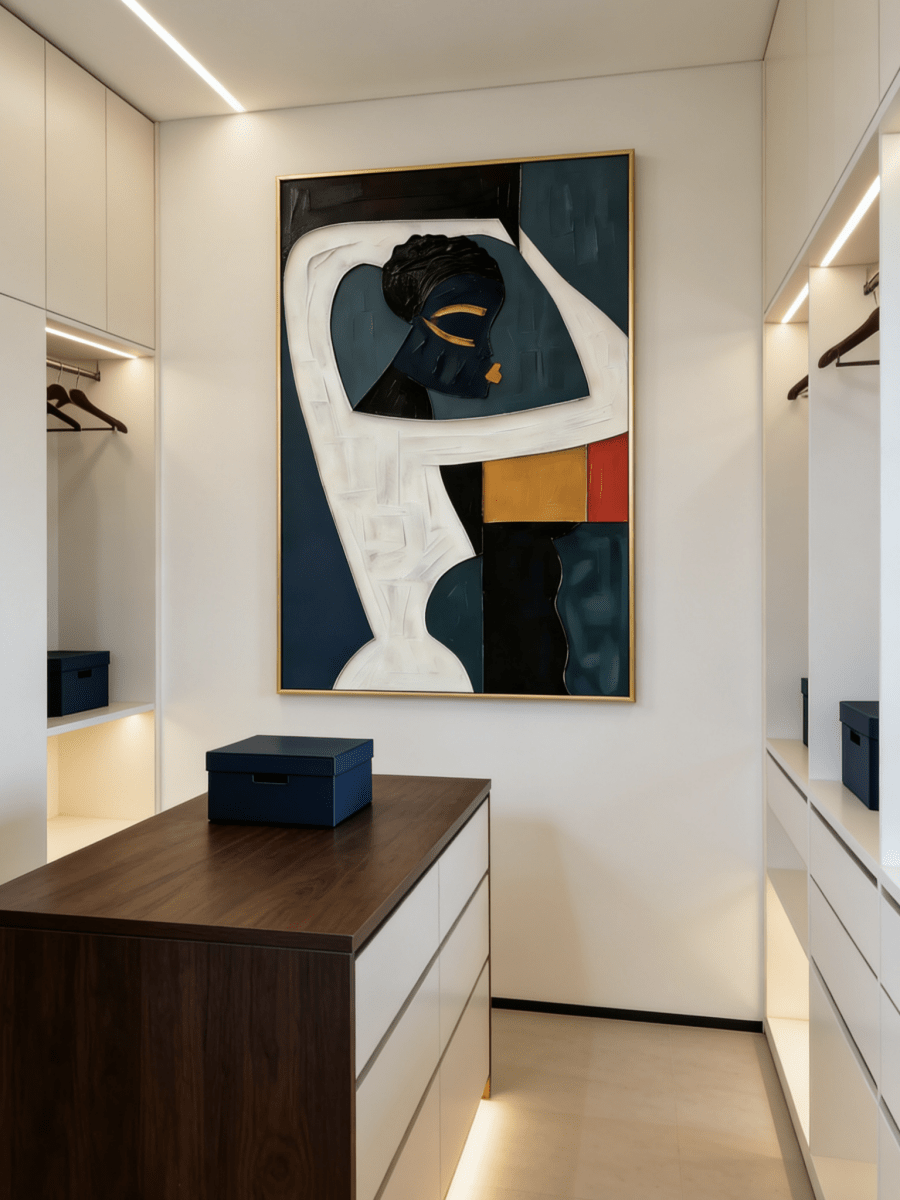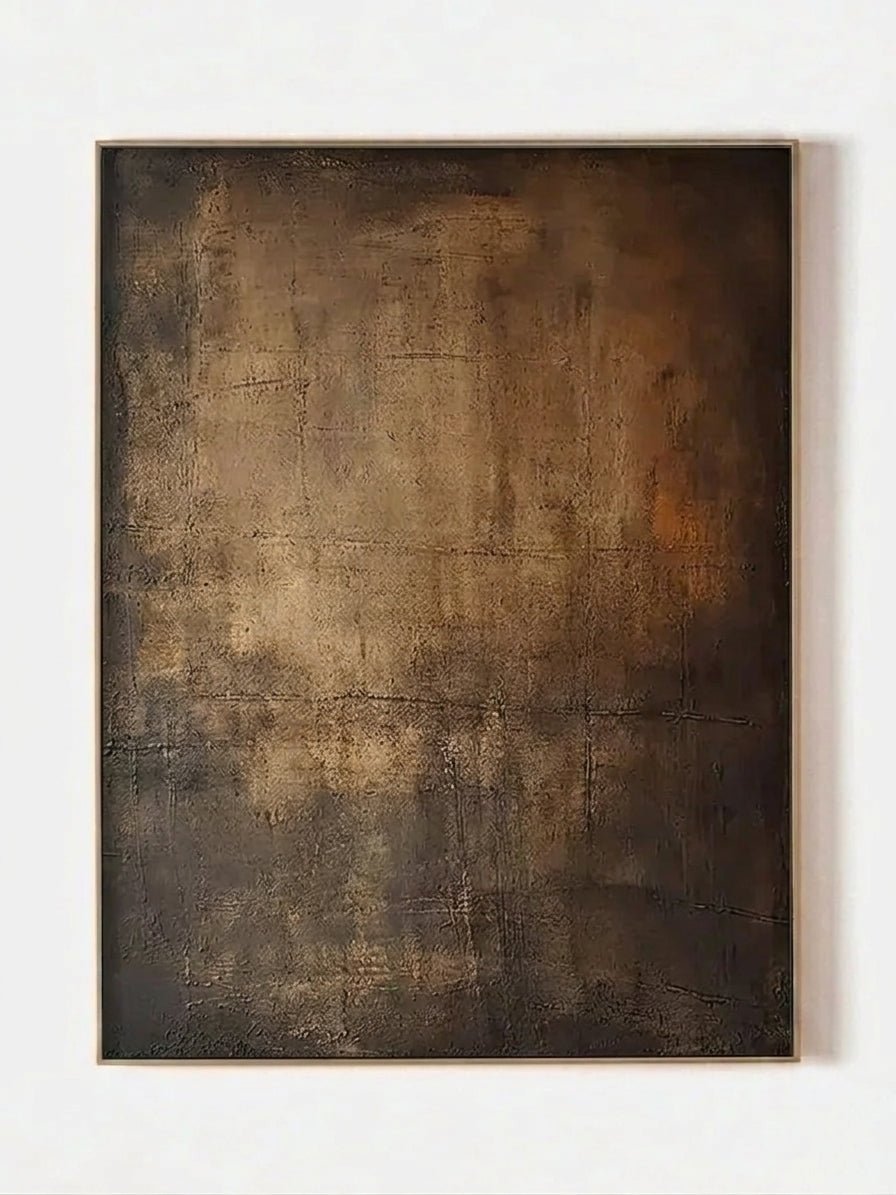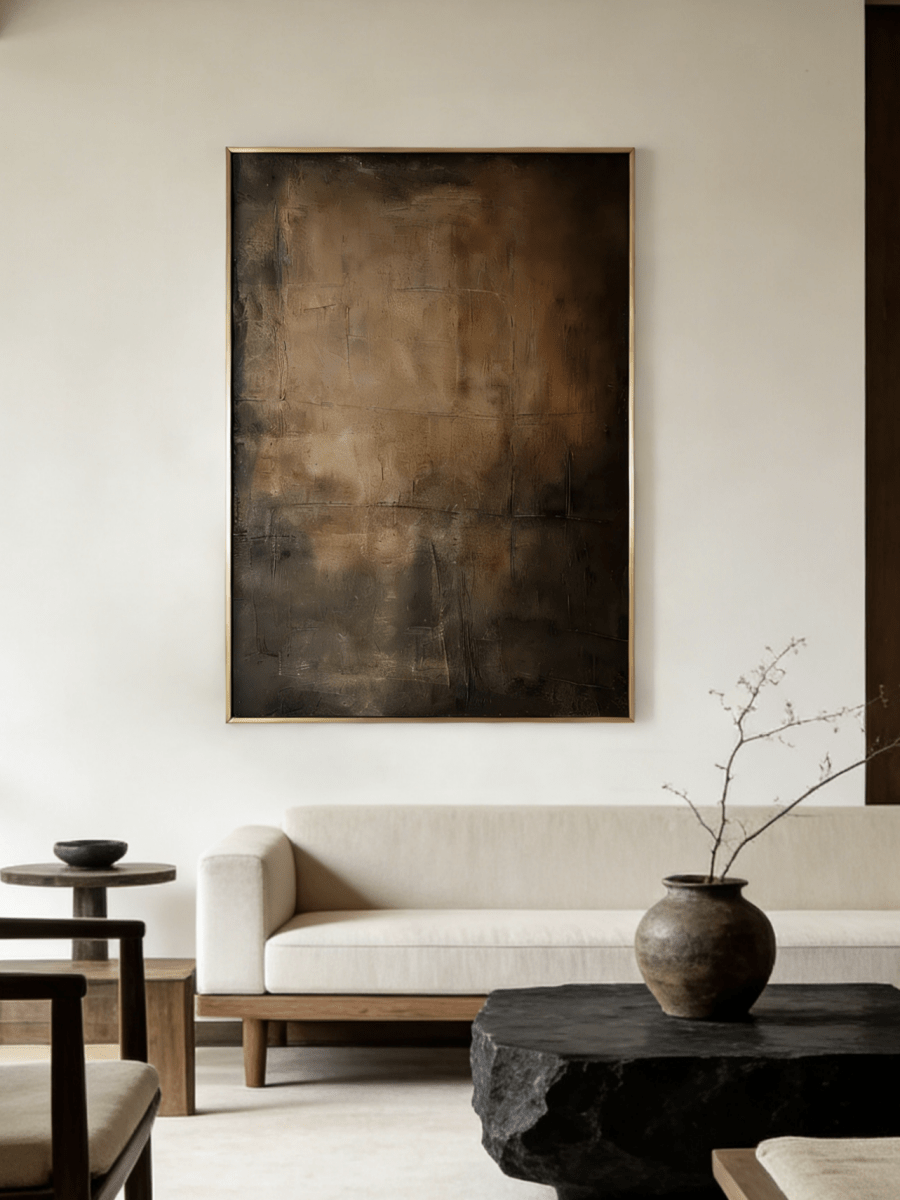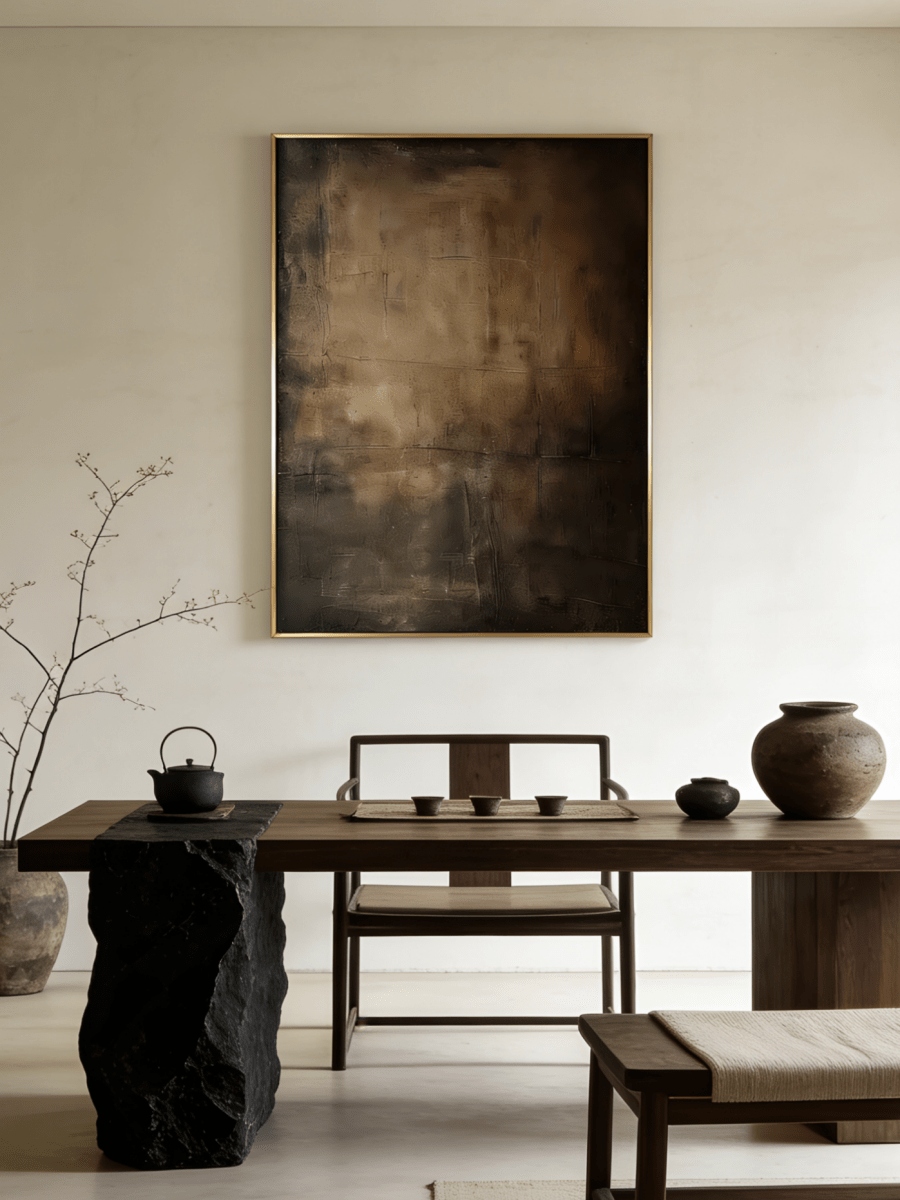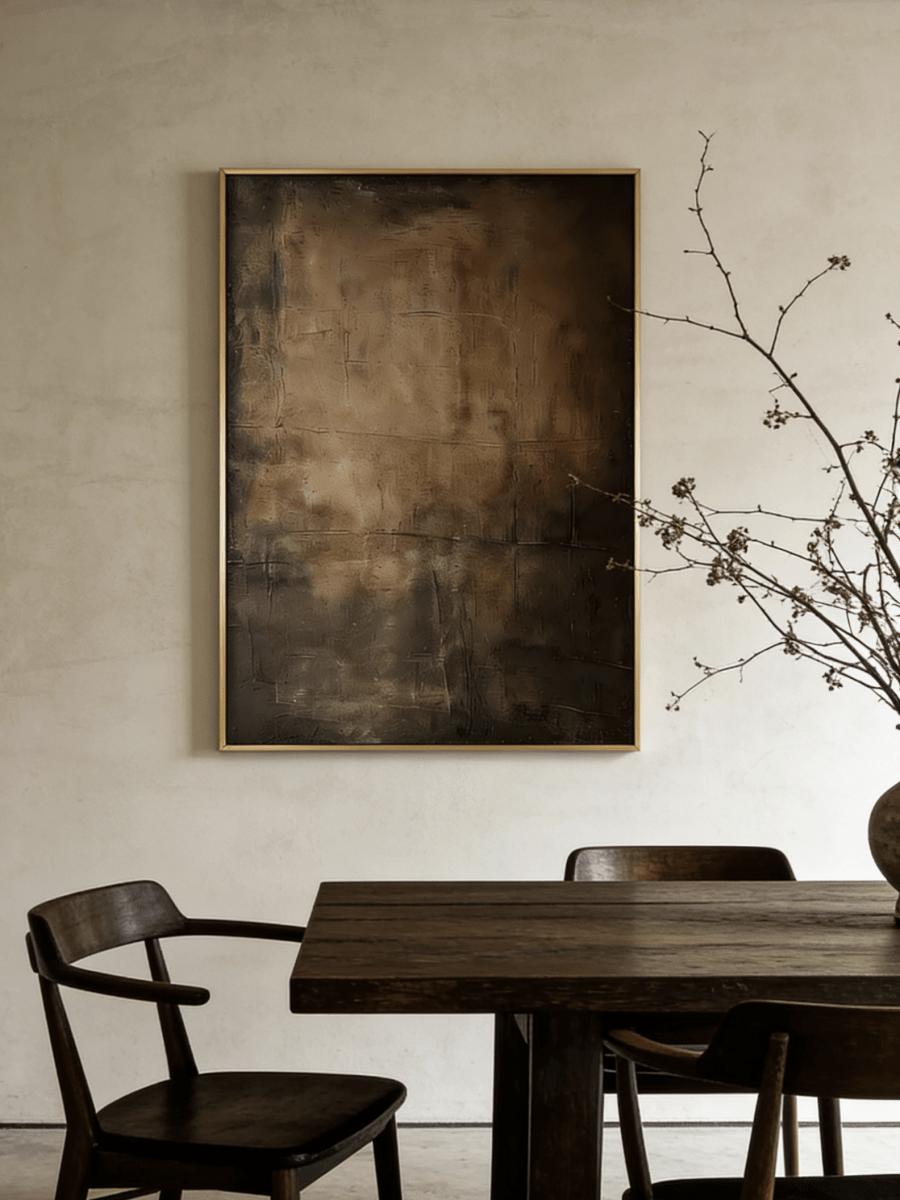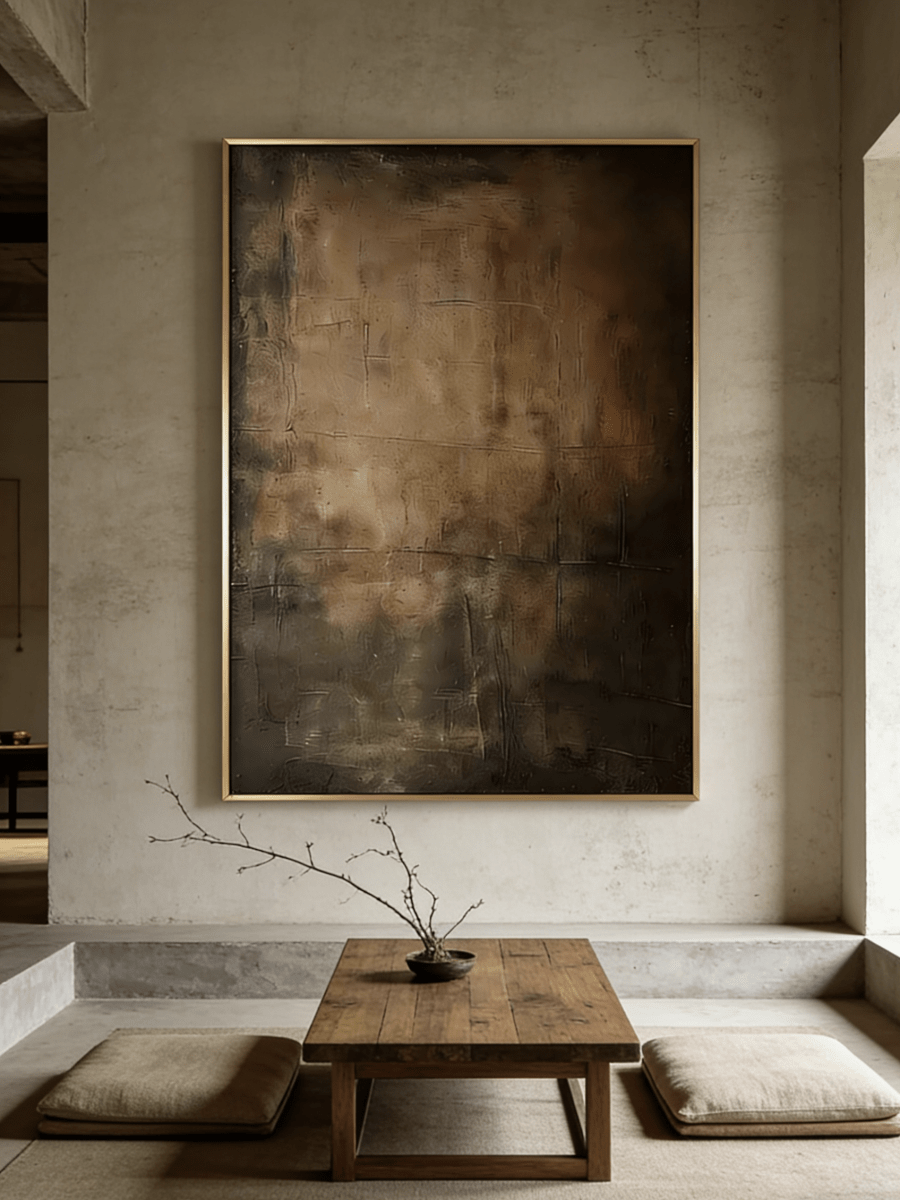


Minimalist 3D Sculptural Abstract Textured Canvas Wall Art – LL#0190

Description
The Essence of Purity: "White Silence"
The Creation Story: Sculpting the Void Artist Leo Liang sought to explore the profound beauty of "emptiness" in this piece. Inspired by the stark, raw edges of Arctic ice shelves and the serene texture of ancient plaster walls, Liang layered specialized heavy-body acrylic polymers. "By removing color, I forced the focus onto the form, the shadow, and the physical presence of the paint," Liang notes. Each ridge is hand-sculpted with a heavy palette knife, ensuring that the artwork captures every subtle change in your room's ambient light.
Artistic Details & Aesthetic
-
Minimalist Sculptural Style: This piece is the ultimate expression of "New Minimalism." It relies on physical depth rather than color to create a sophisticated focal point.
-
Refined Monochrome Palette: A soothing, multi-dimensional All-White and Creamy Alabaster scheme. This neutral palette ensures the art never clashes with your decor, but instead enhances the architectural quality of the space.
-
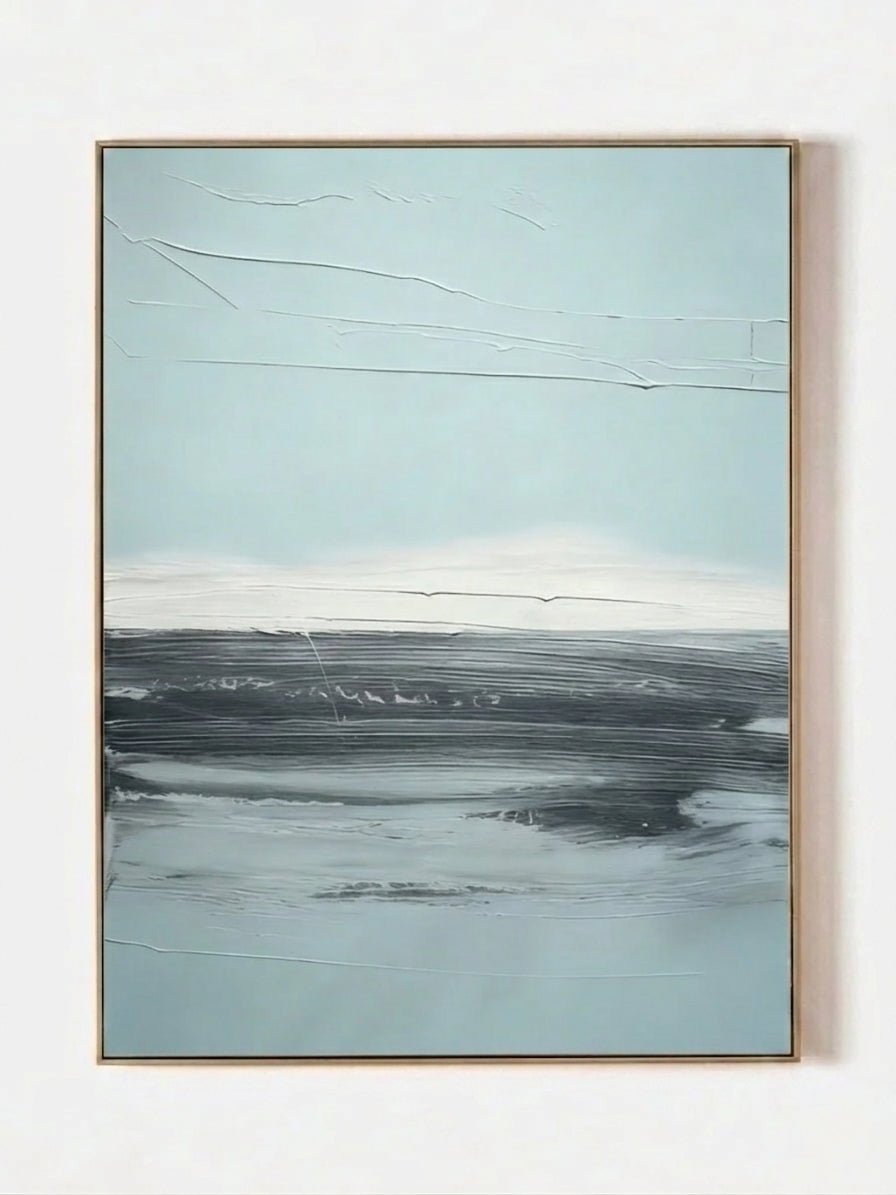
Extra-Heavy 3D Texture: 100% hand-painted. The texture is so pronounced (up to 1 inch thick) that it creates a dynamic play of light and shadow, making the artwork look different from every angle.
Ideal Placement in Your Home
-
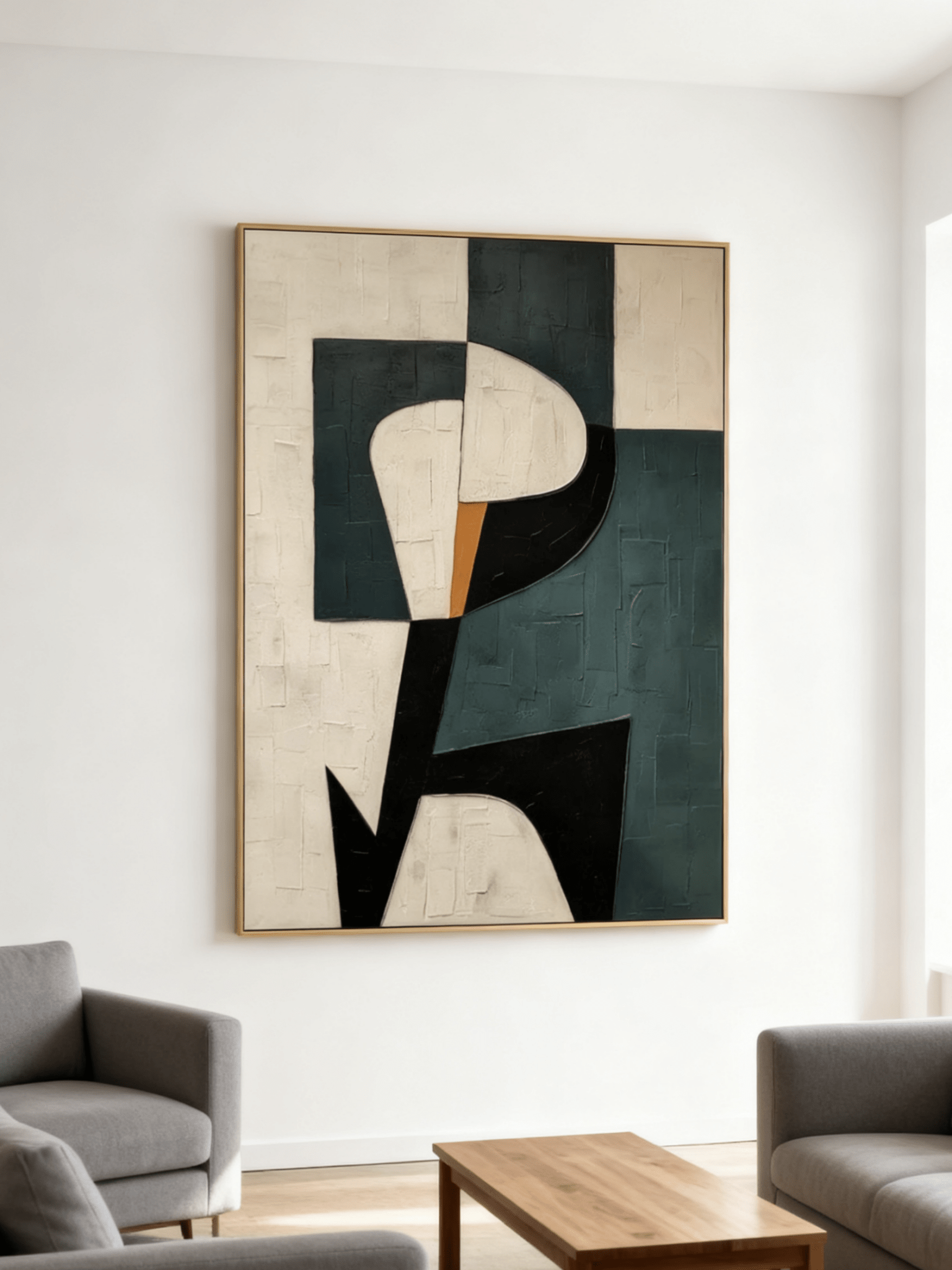
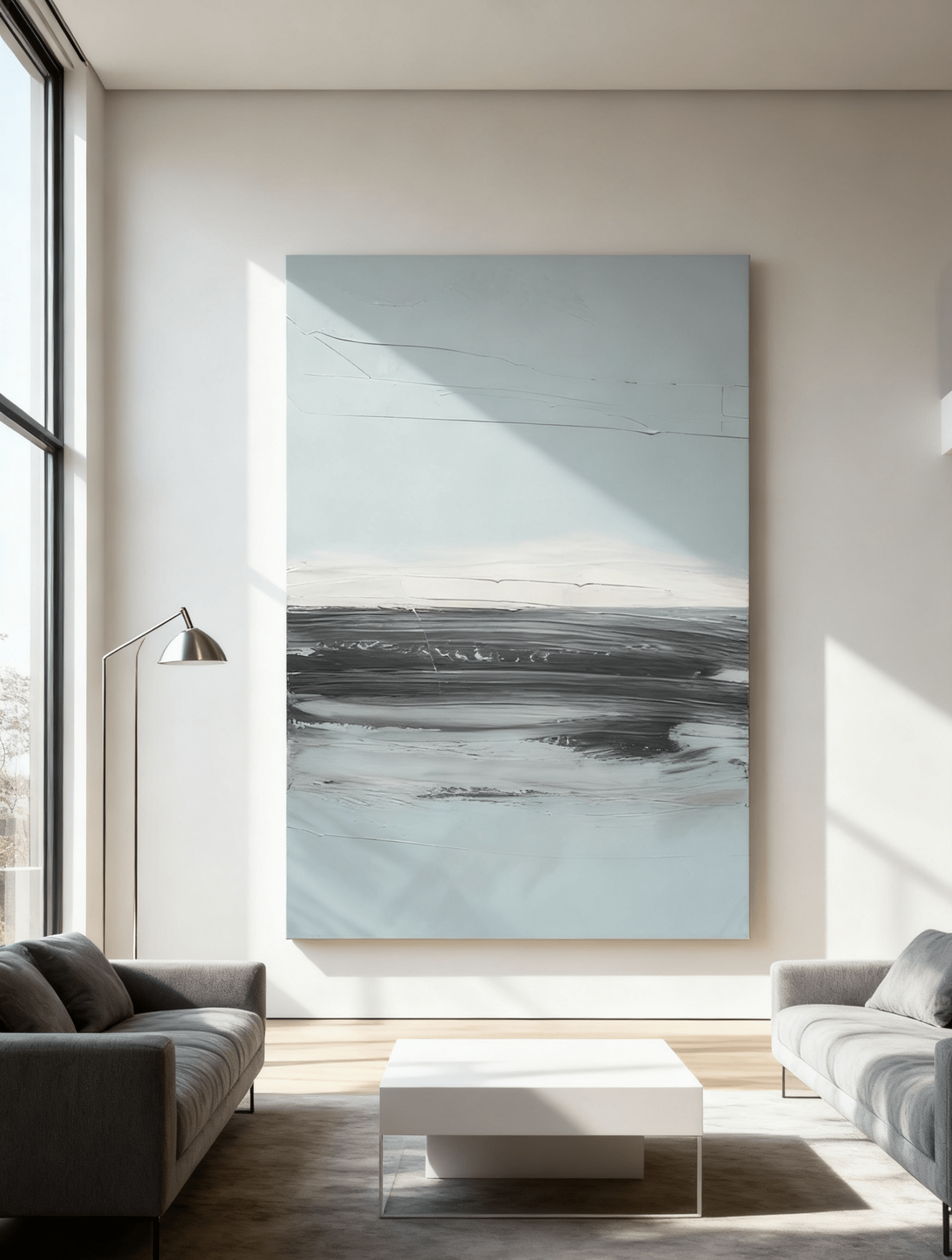
The Living Room: Above a low-profile white or beige sofa to create a high-end, "collector's gallery" vibe.
-
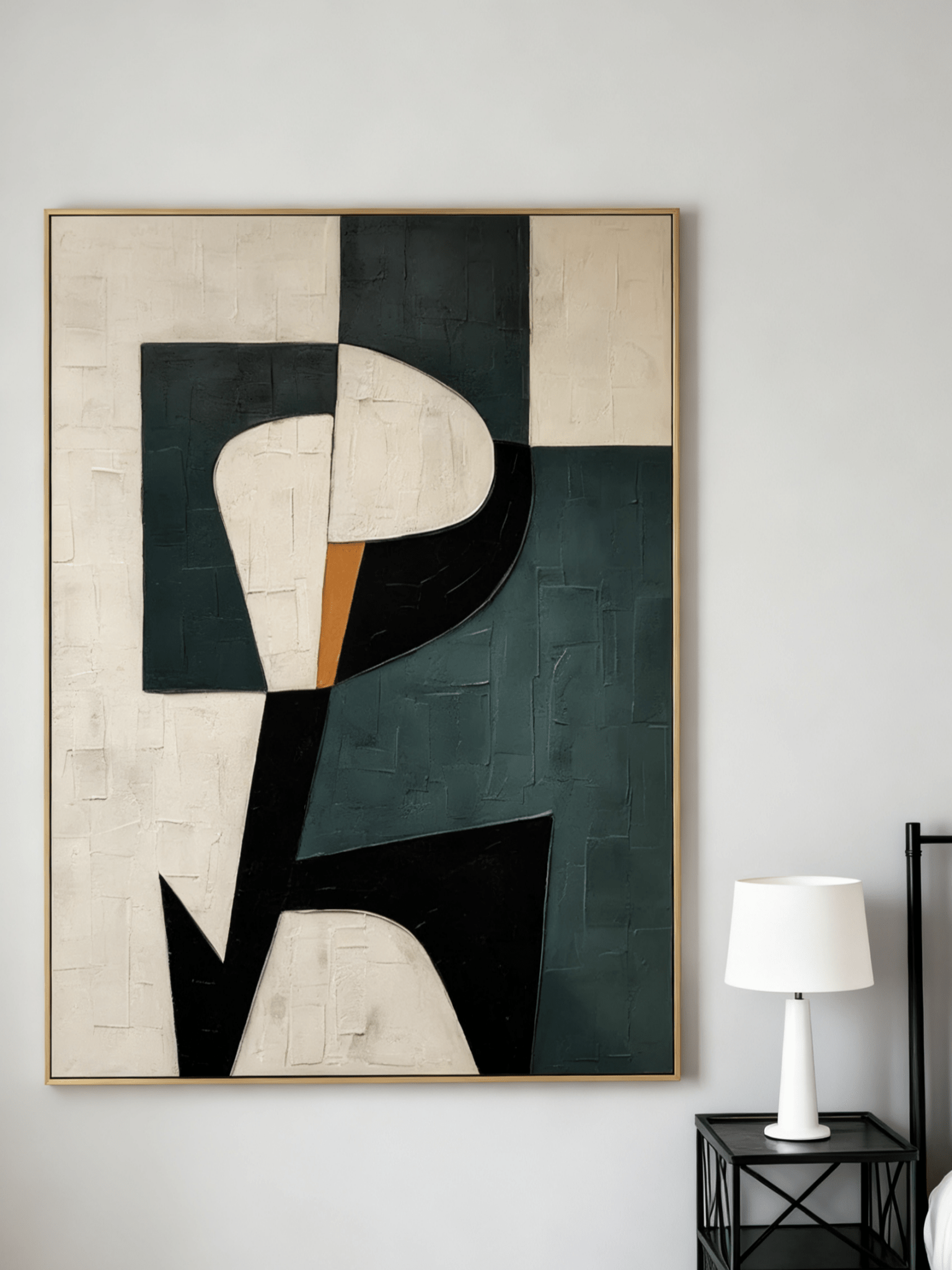
The Master Bedroom: The pure, monochromatic tones promote a sense of deep peace and mental clarity.
-
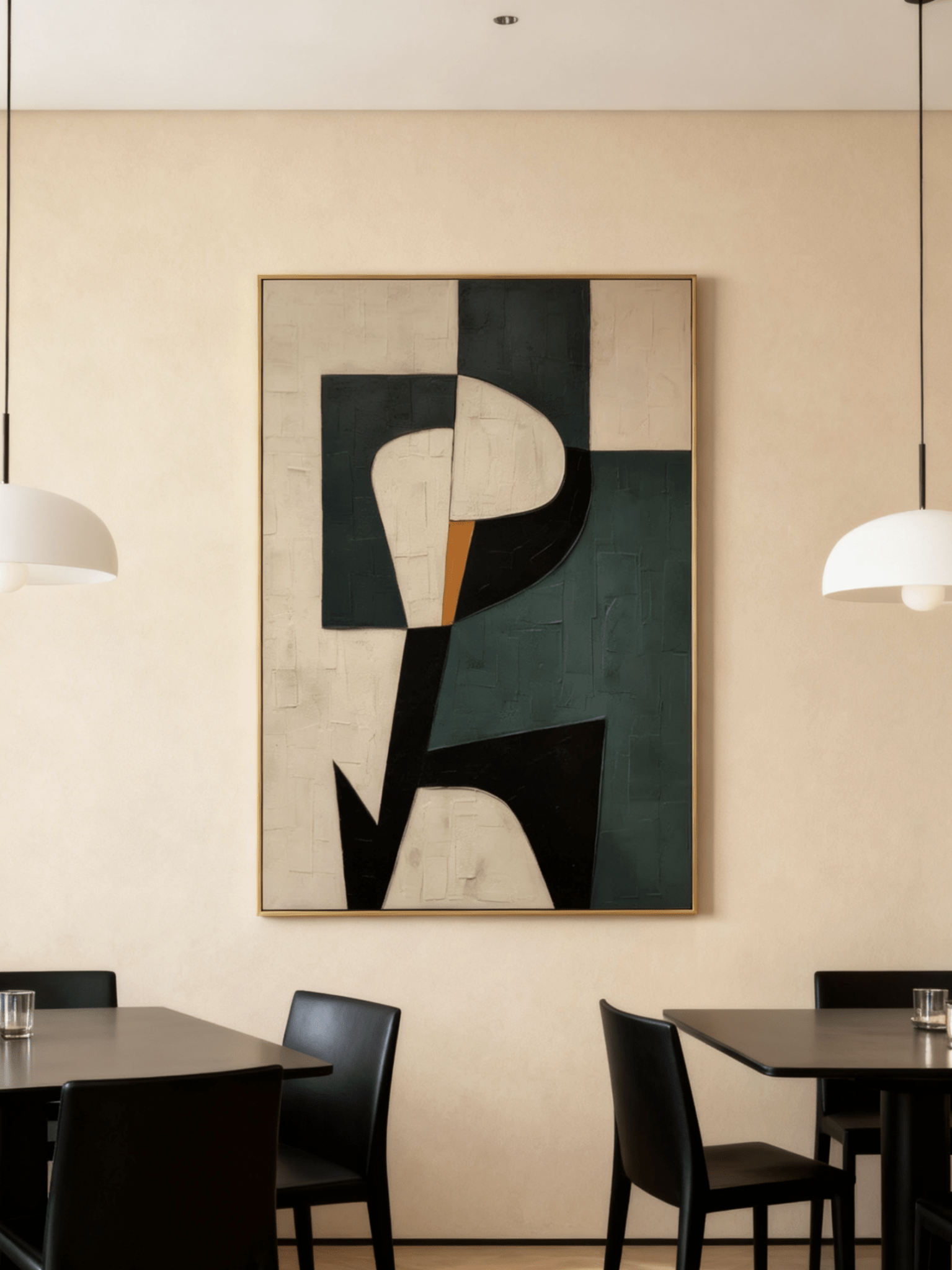
Modern Office: Adds a layer of creative sophistication without being distracting.
💡 Expert Decorating FAQ:
Q1: Is this a 3D print or a real painting?
A: This is 100% hand-painted by Leo Liang. Each textural ridge is manually sculpted; it is an original artistic creation, not a machine-made print.
Q2: How do I clean a white textured painting?
A: Because the paint is high-quality acrylic, it is surprisingly durable. Simply use a clean, dry, soft-bristled brush (like a makeup brush) to gently whisk away dust from the ridges.
Q3: Does it come with a frame?
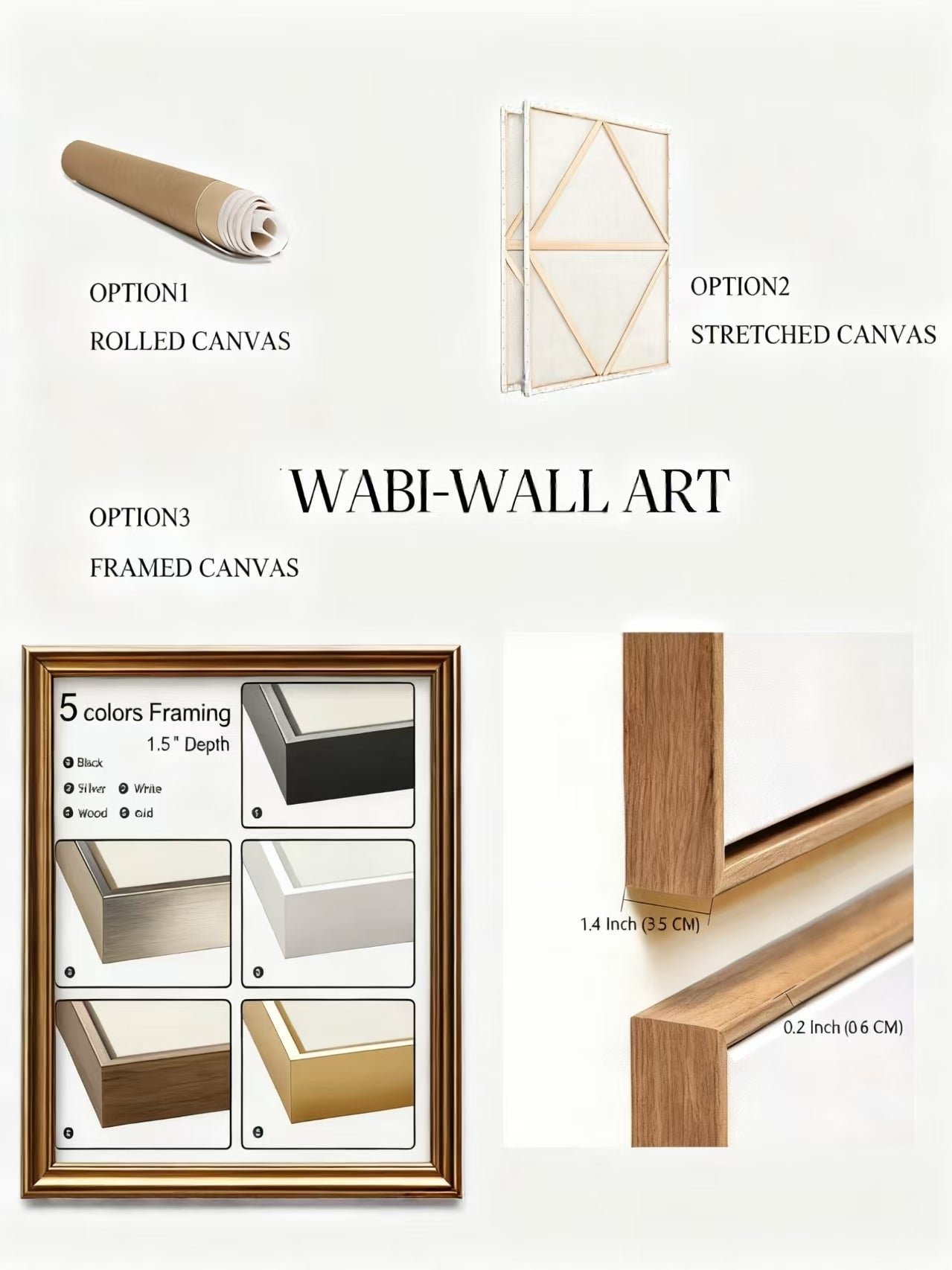
A: The artwork is gallery-wrapped on a 1.5" deep wood frame. For a "White-on-White" minimalist look, we recommend our Floating Frame in Matte White or Natural Oak.
For care, avoid prolonged direct sunlight and remove dust gently with a clean, dry, soft brush or cloth.
Q5: What is the best lighting to show the texture?
A: Side-angled lighting or ceiling spotlights are best. The light will hit the impasto ridges and create dramatic shadows that emphasize the 3D effect.
Q6: Can I get this in an extra-large size?
A: Yes! We offer sizes from 24"x18" up to a massive 80"x60". Large scales are particularly effective for this sculptural style.
Q7: Is the texture fragile?
A: While it looks delicate like foam, the impasto medium is very strong once cured. It will not crack or flake under normal indoor conditions.
Q8: Does the painting look exactly like the website photo?
A: As each piece is hand-sculpted, minor variations in the ridge patterns occur, making your specific painting a unique "1 of 1" original.
Q9: Will this match a "Japandi" style home?
A: Absolutely. This piece is a staple of Japandi and Wabi-Sabi design, emphasizing organic shapes and a neutral, calm palette.
Q10: How do I hang such a large canvas?
A: We provide heavy-duty hanging hardware. Despite the heavy texture, the canvas remains relatively lightweight and can be safely hung on most standard walls.
• Style: Plaster Art •Artist: Leo Liang
•Orientation:Vertical
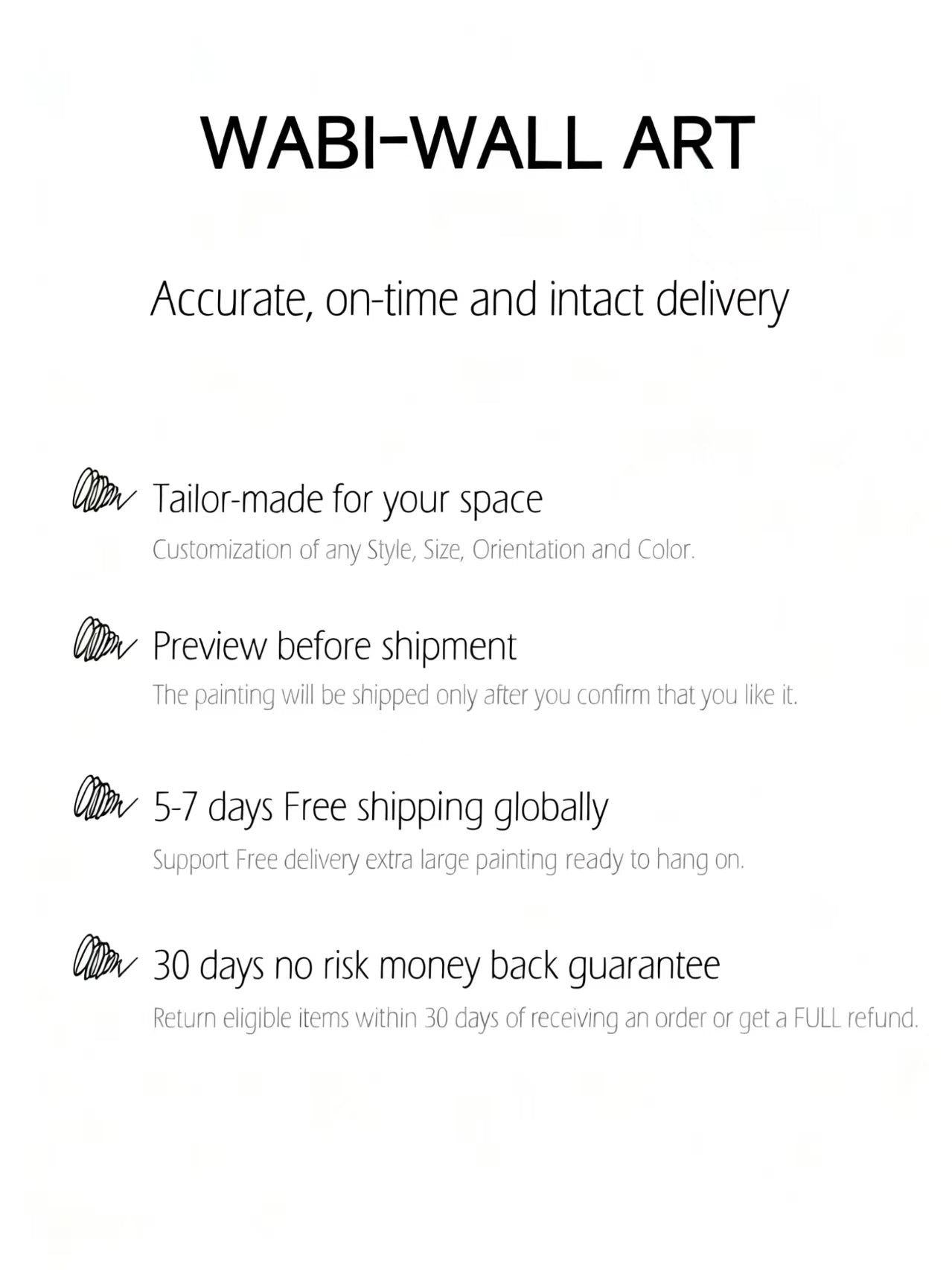
Each artwork is made to order. Creation normally takes 1–2 weeks before dispatch.
After the artwork is completed, delivery normally takes approximately 5–7 business days by DHL or FedEx.
Custom dimensions and palette adjustments may be available. Contact info@wabiwallart.com before ordering to confirm the request.
Find Your Perfect Artwork Size
See how each artwork size fits your space.
Available range: 24–240 inches


About Artist
Leo Liang is a contemporary Chinese artist born in 1986.
His work transcends mere visual representation, using paint itself as a sculptural medium. Through layering, scraping, and polishing, Leo constructs textures on the canvas reminiscent of weathered land, mottled city walls, or surging waves. This powerful tactile experience invites viewers not only to see with their eyes but also to "touch" the time and memories carried by the canvas within their hearts.
By exploring the tension between material and form, Leo Liang continuously questions the grand themes of existence, memory, and the essence of nature.