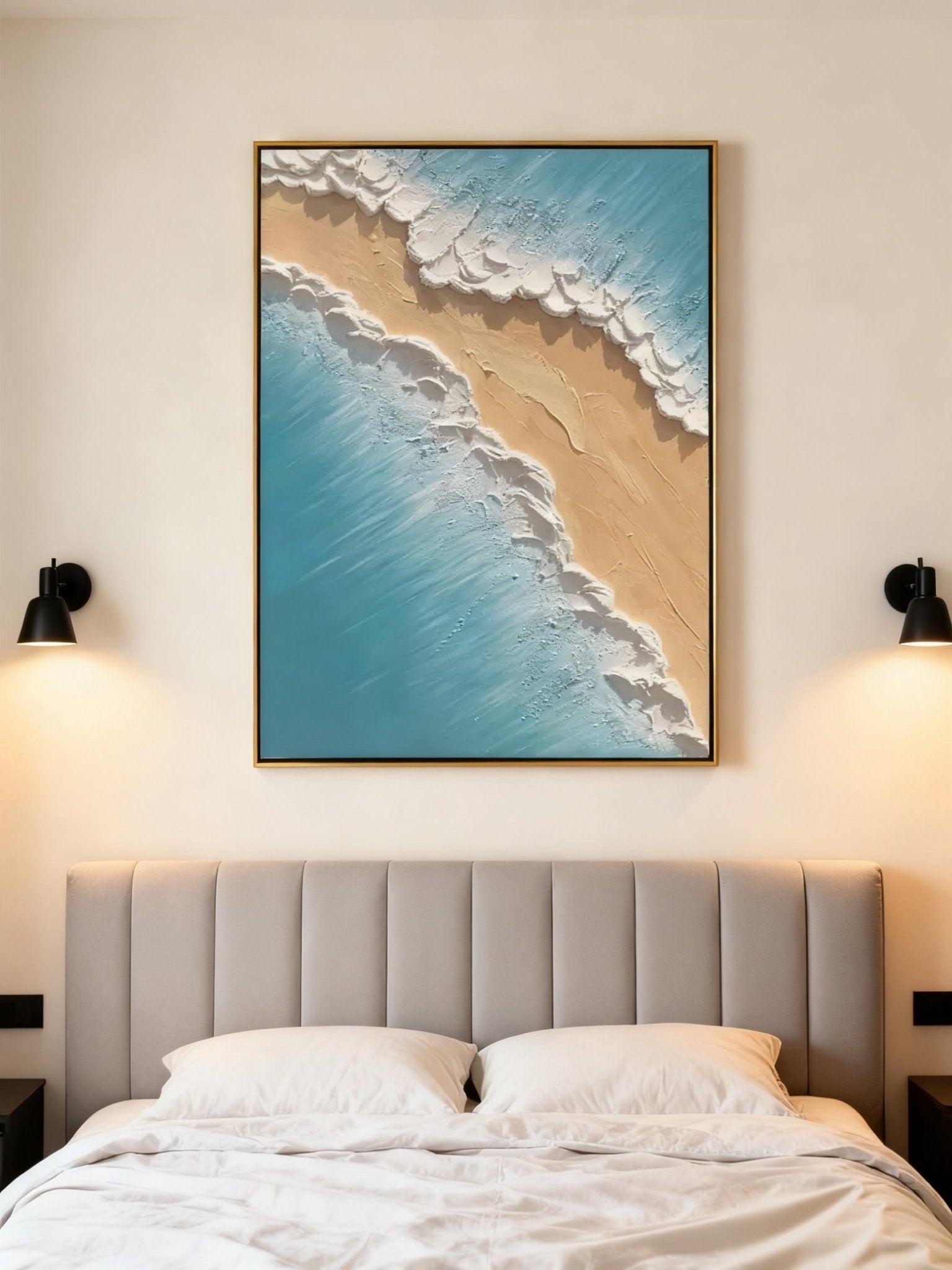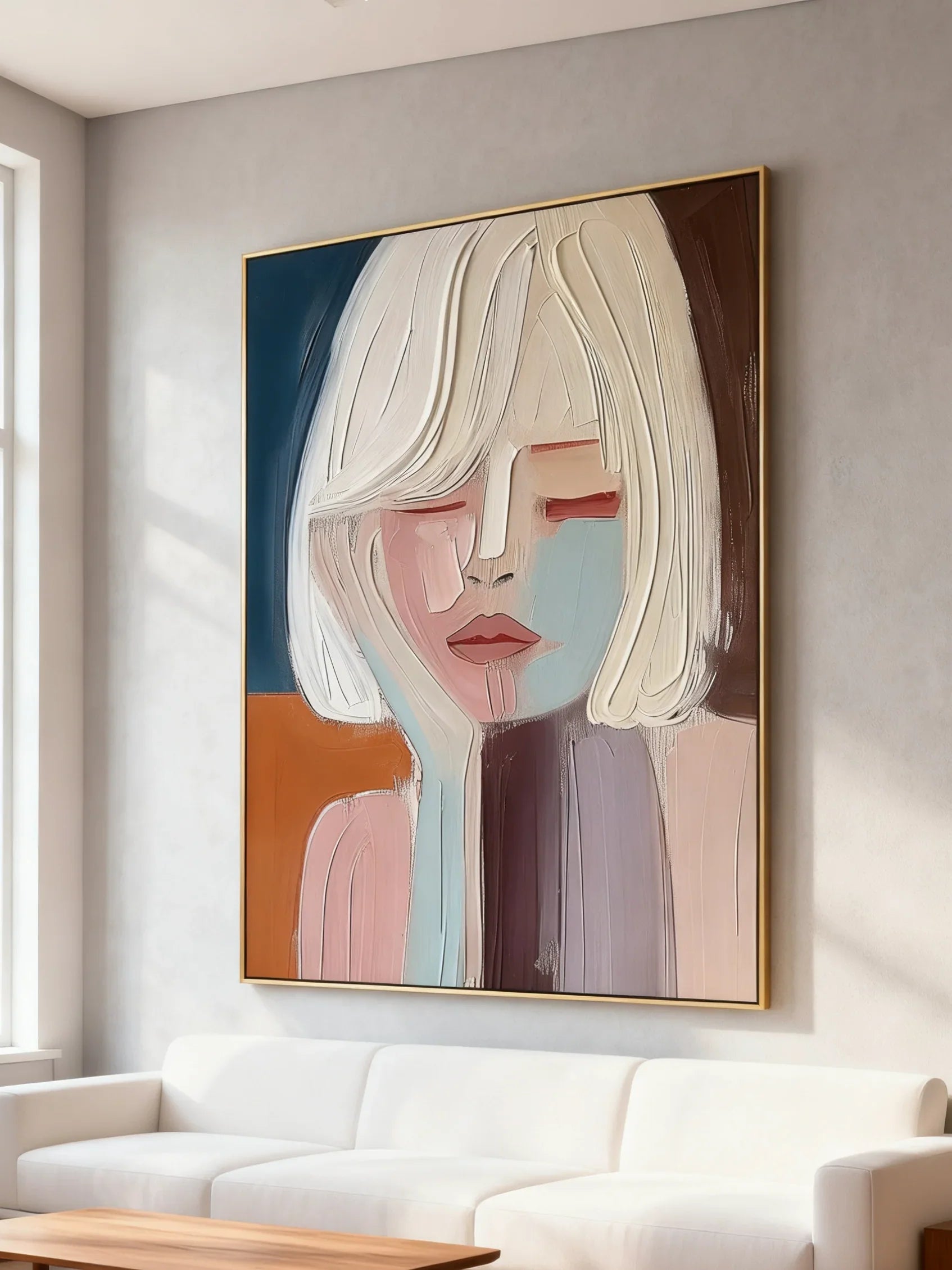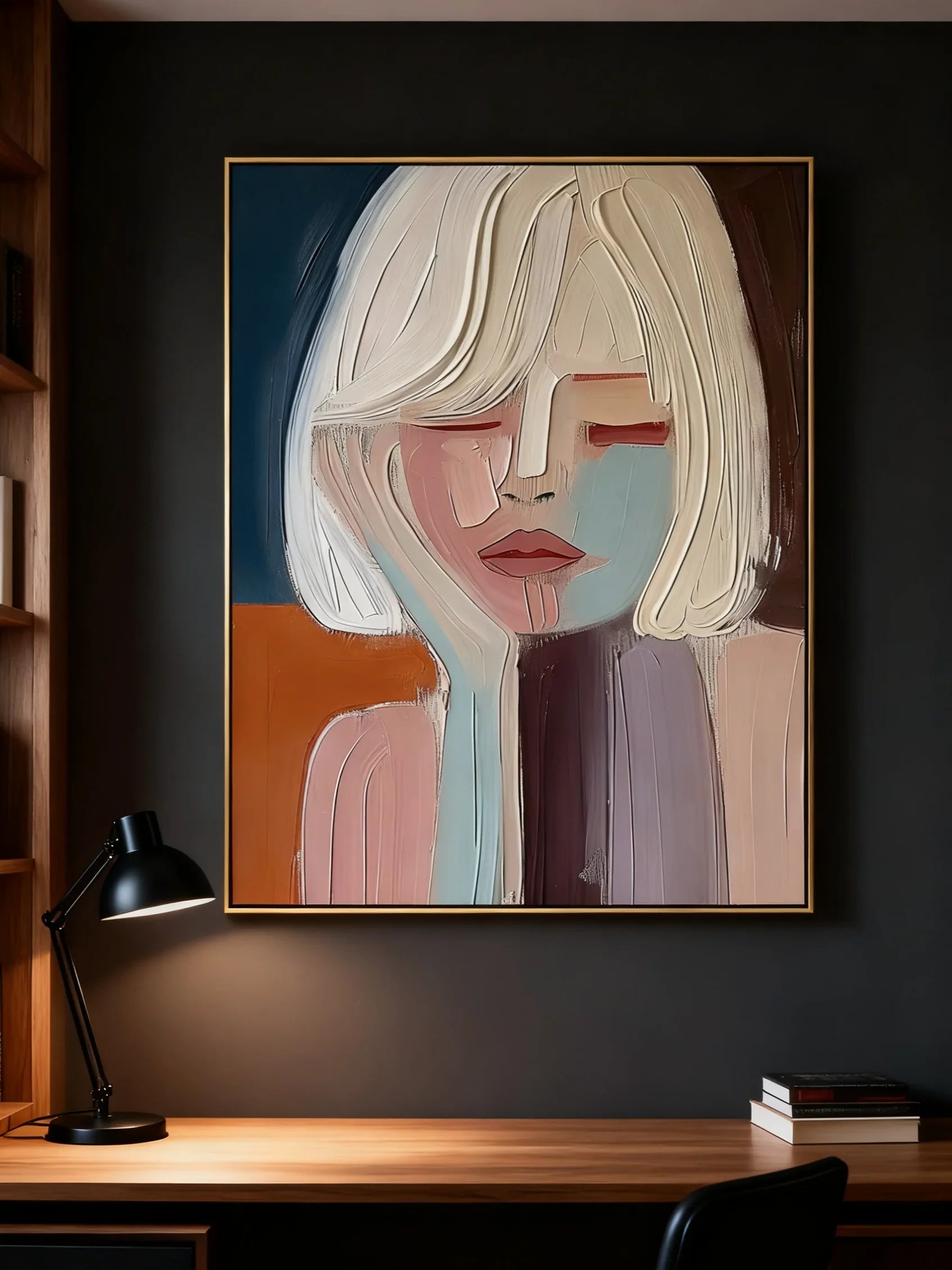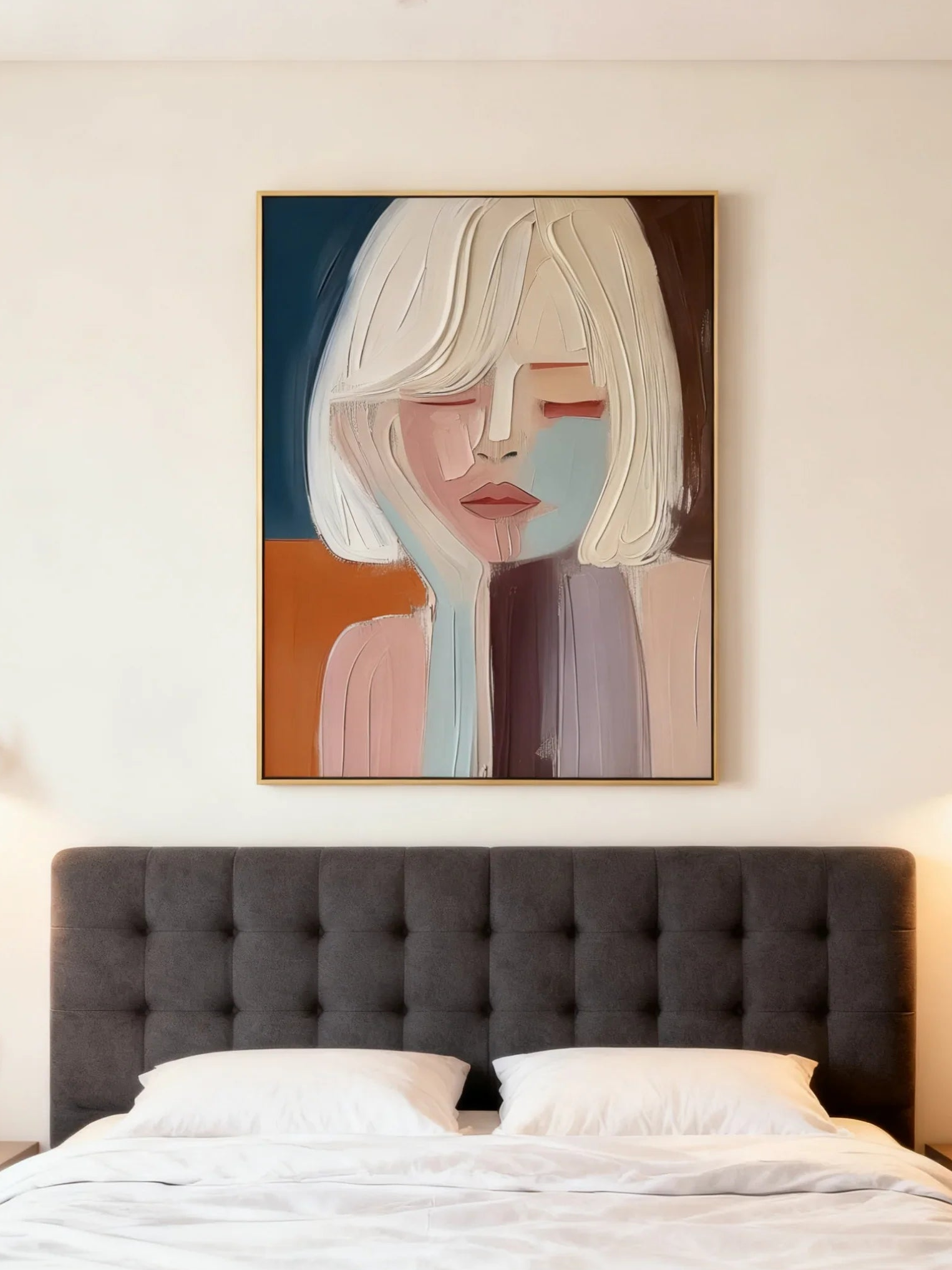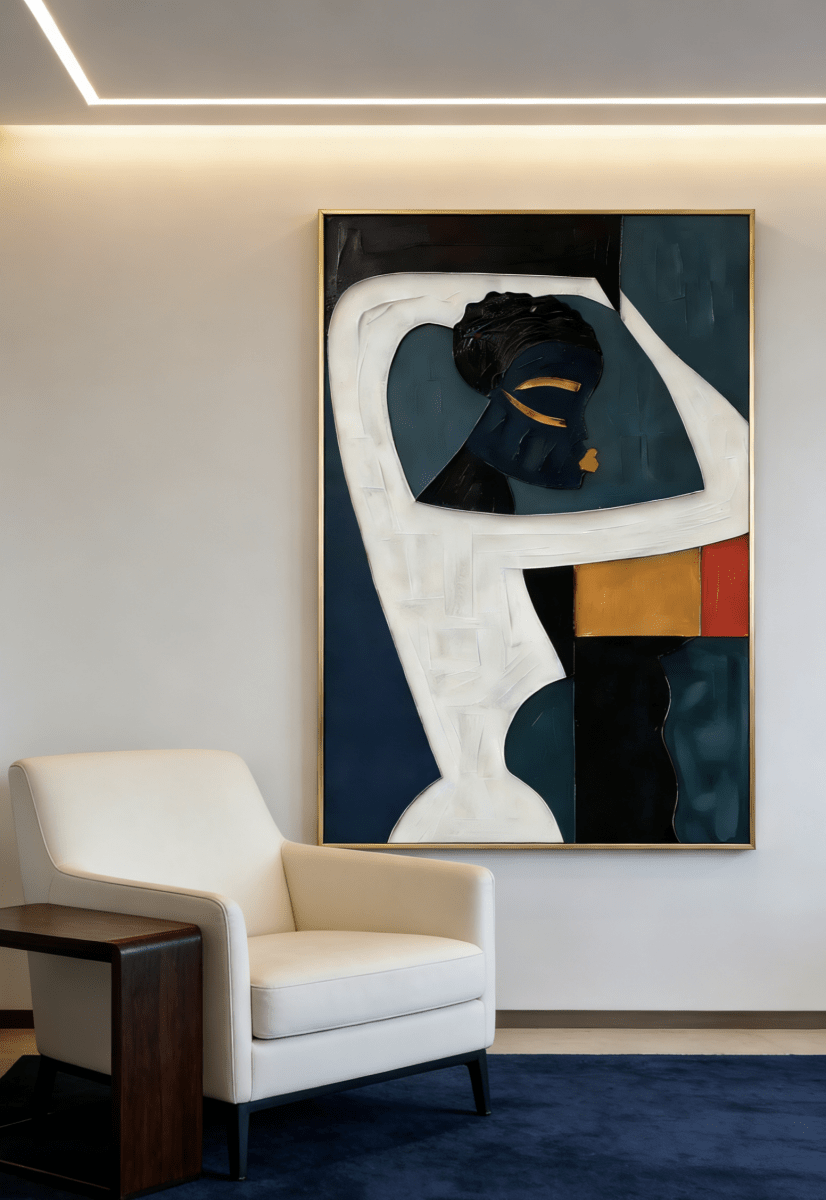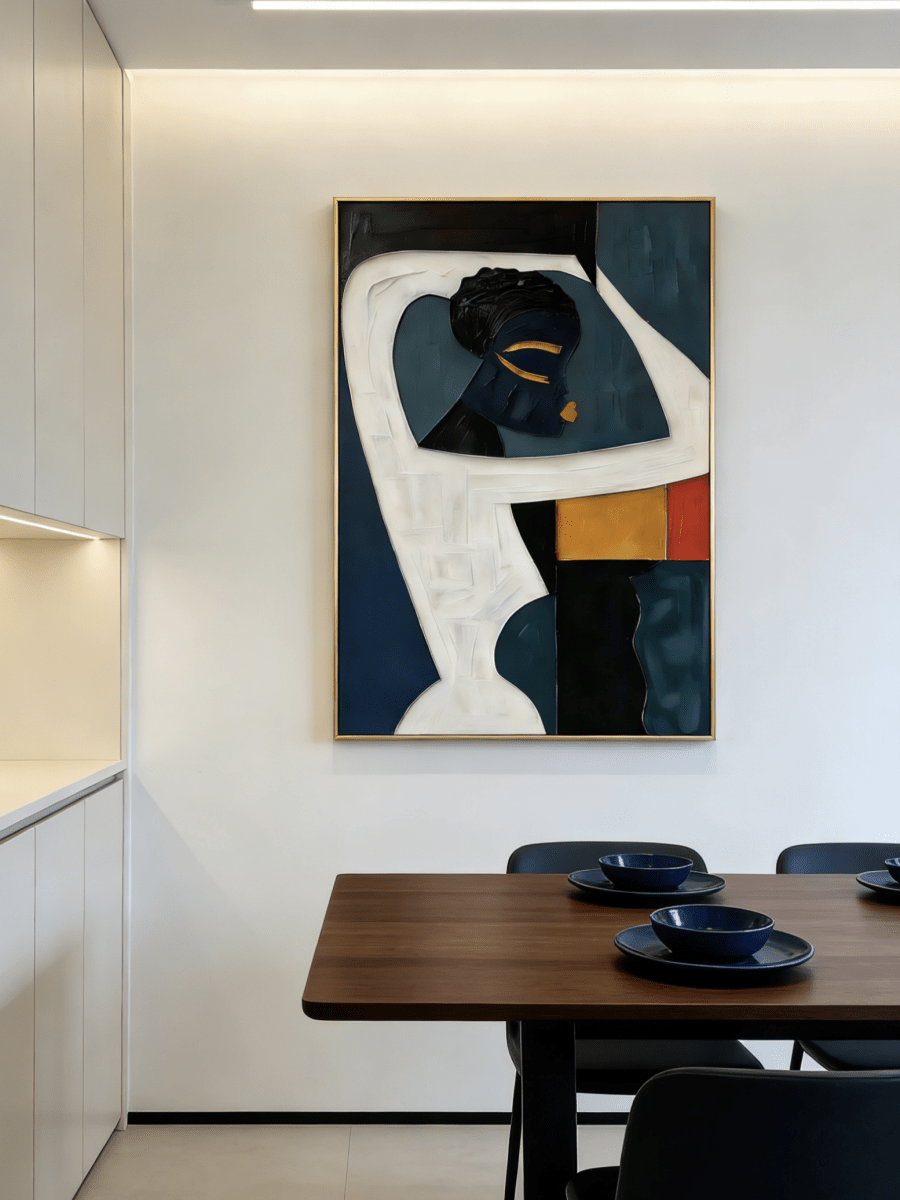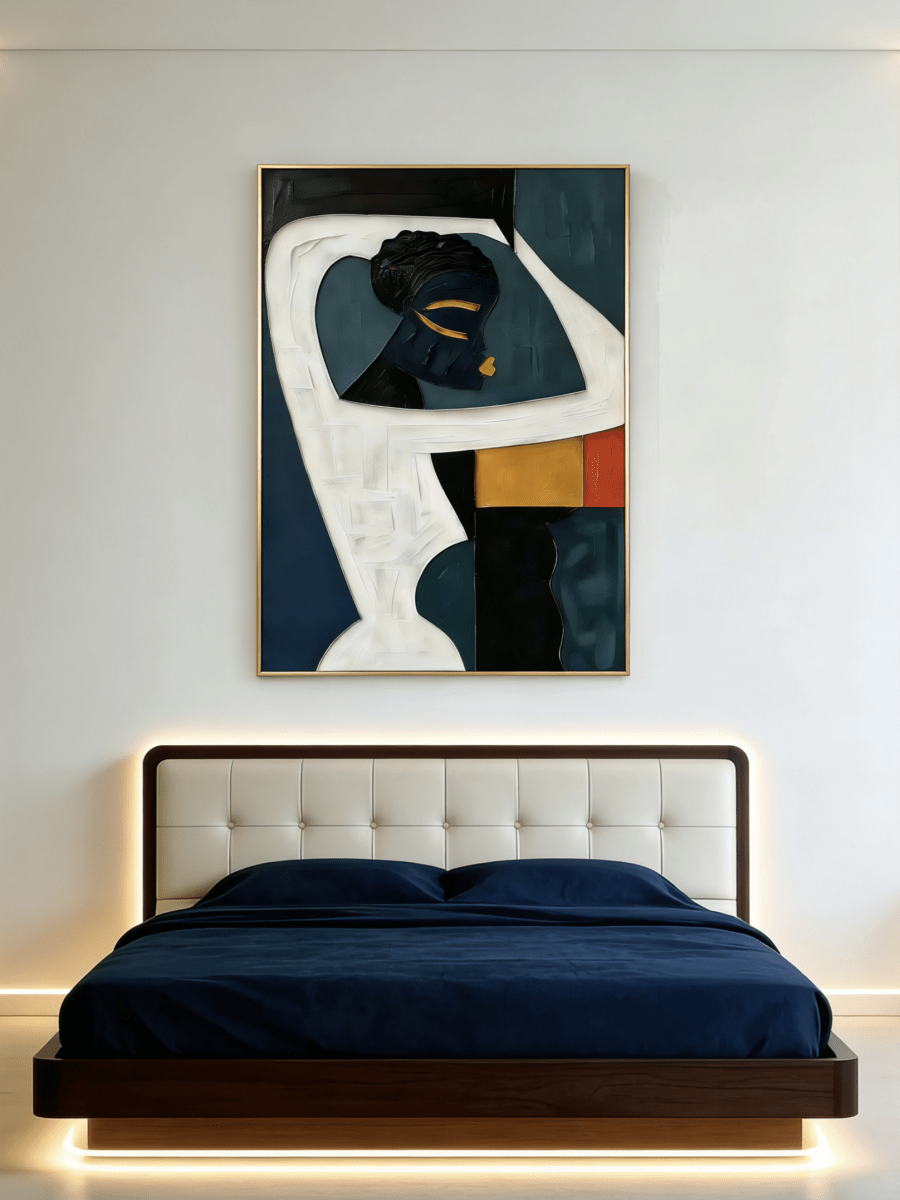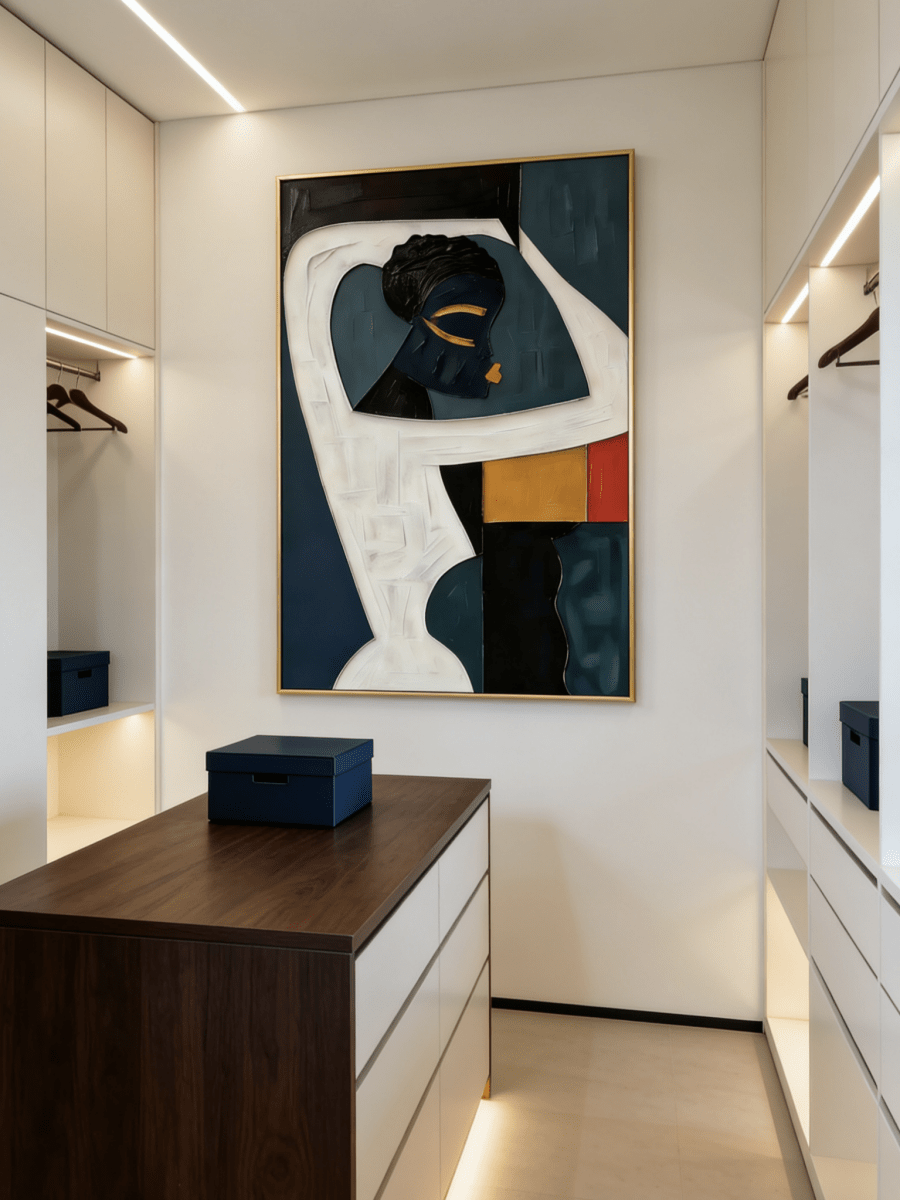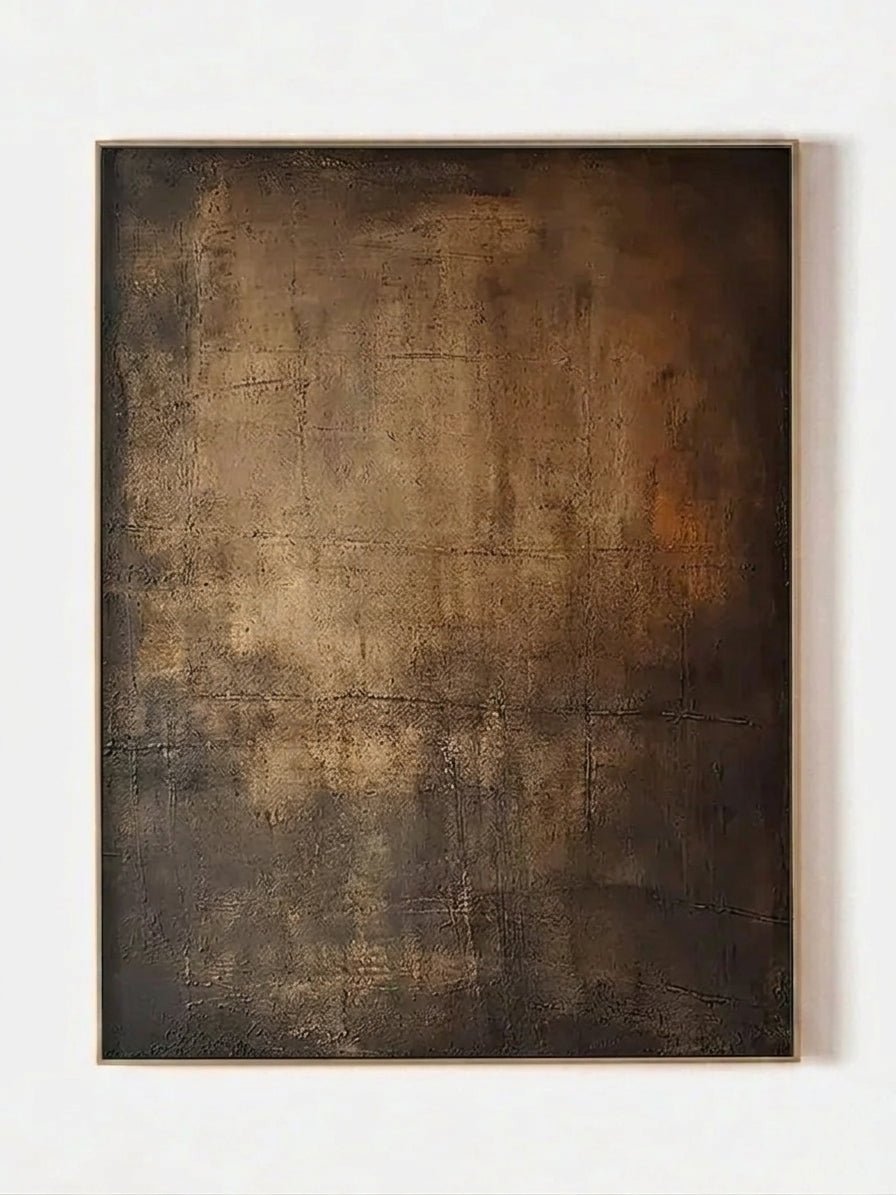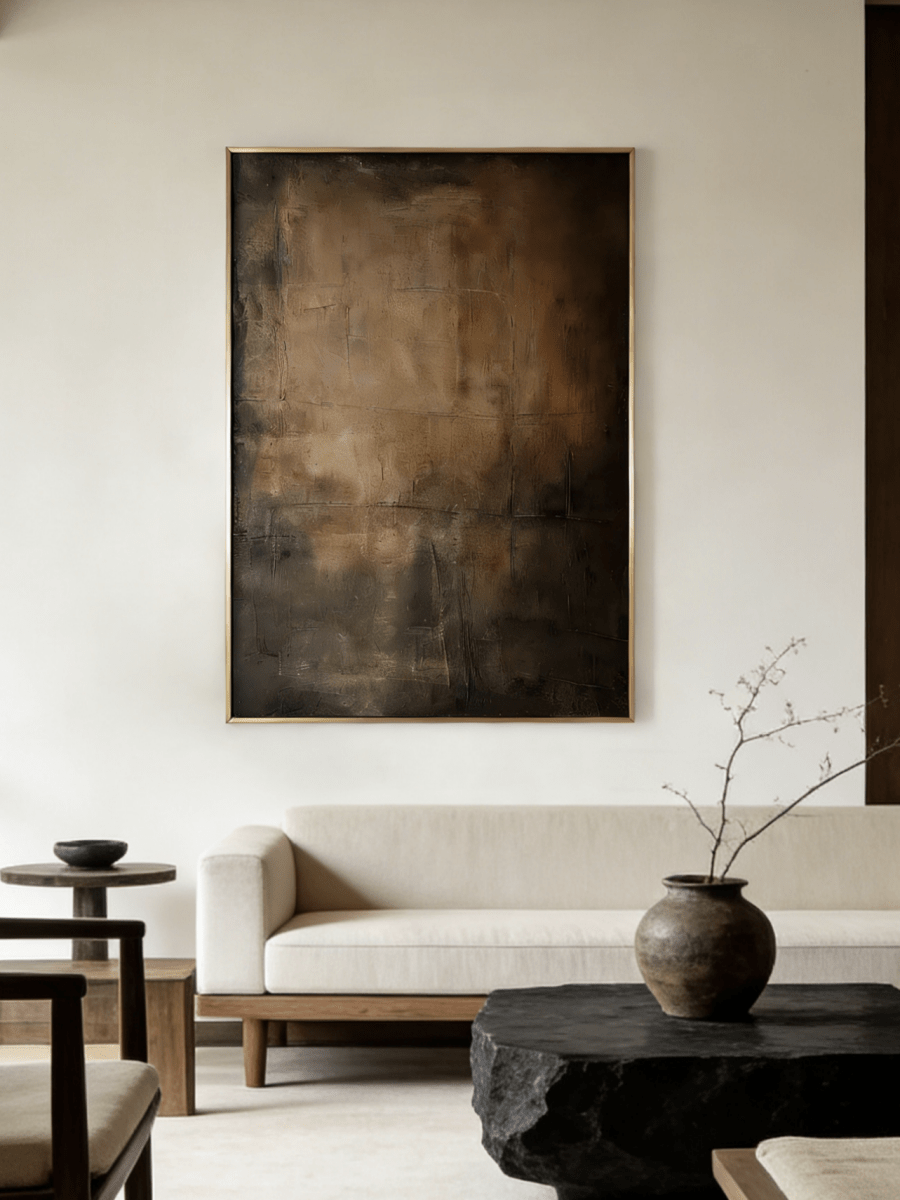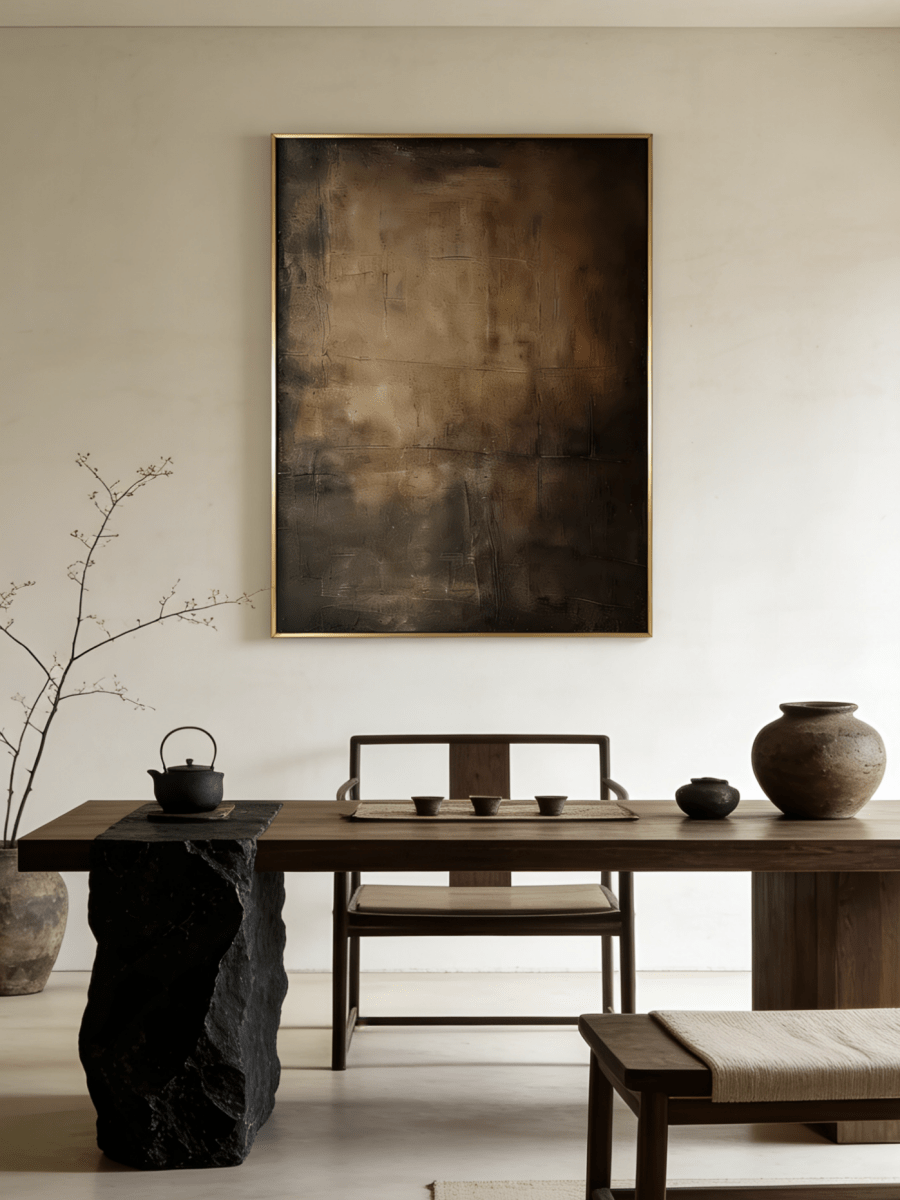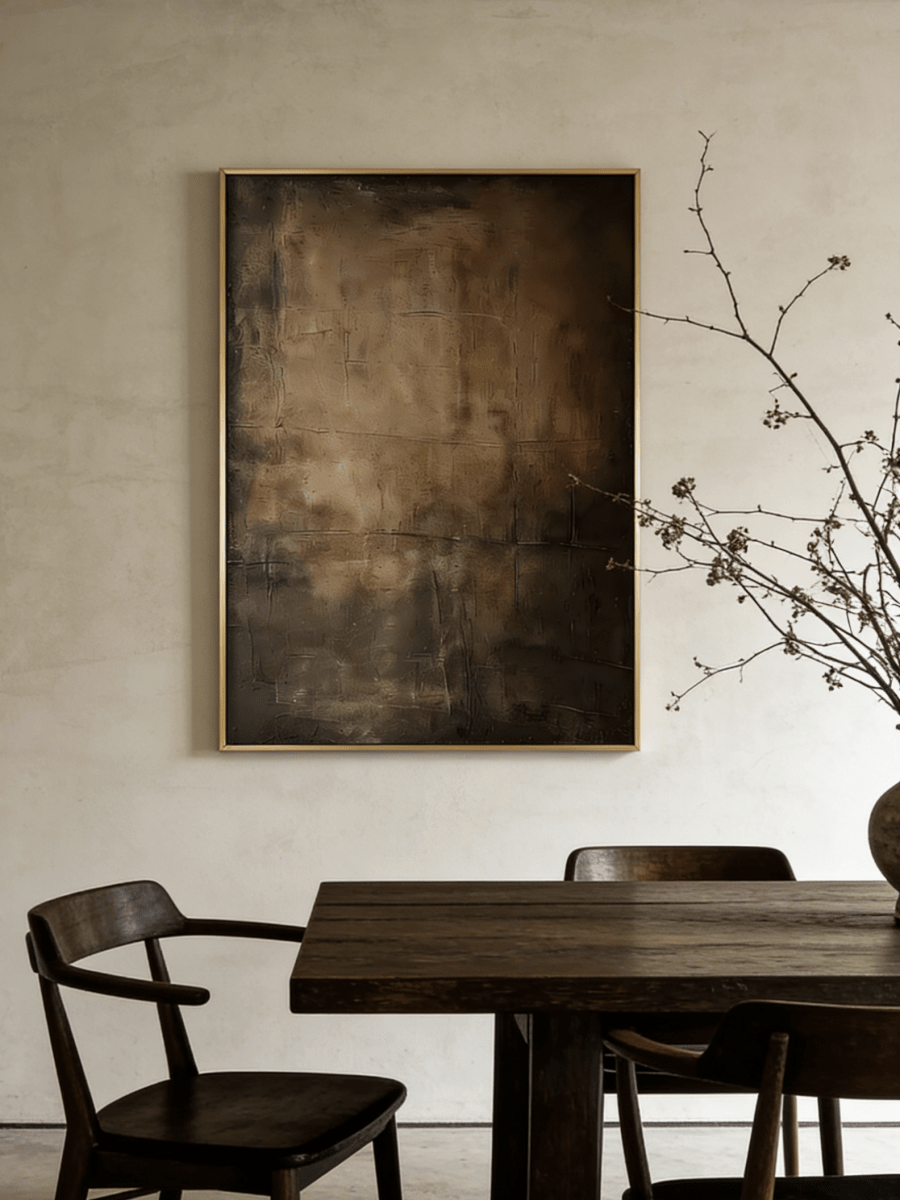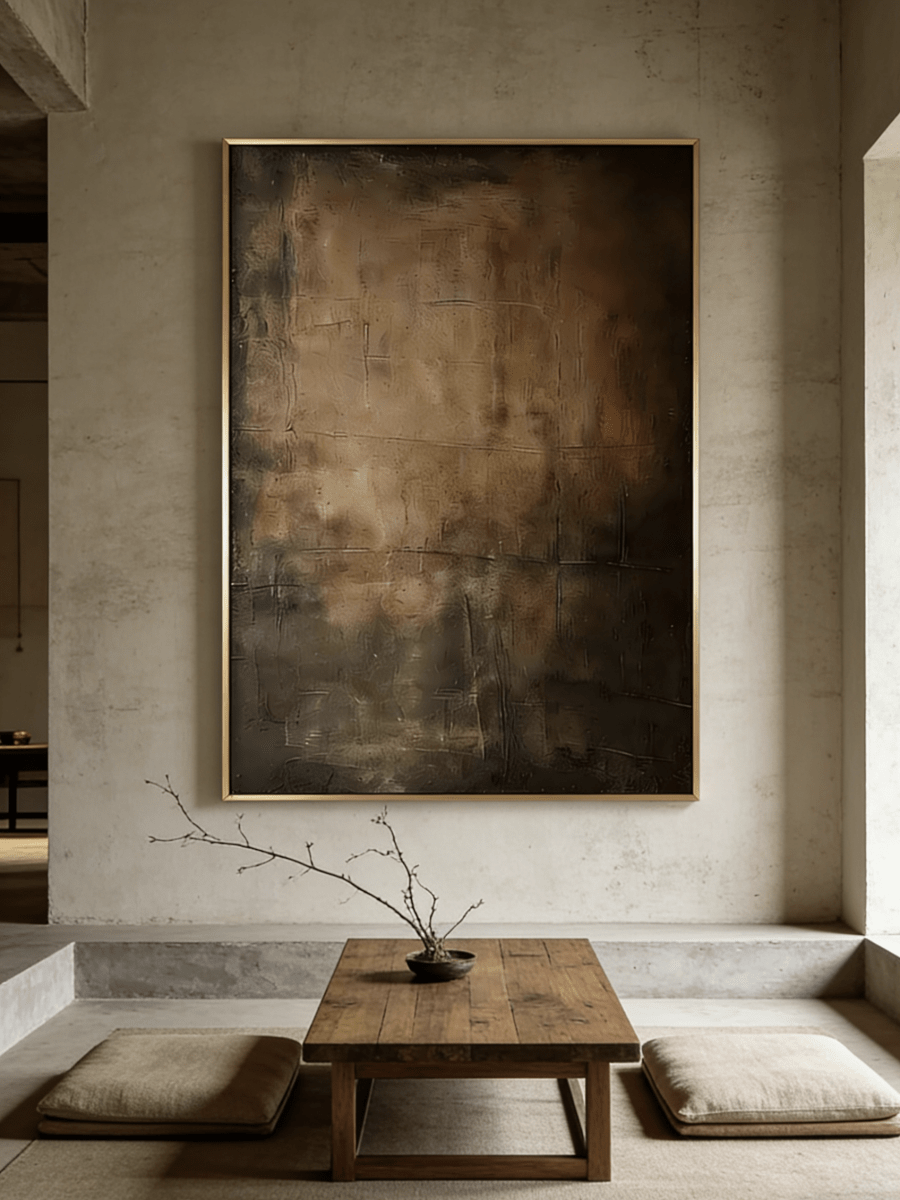


I love this painting! It compliments our foyer. The simplicity of the color and texture. It makes our home elegant and brighter. Cannot wait to show this to my family.


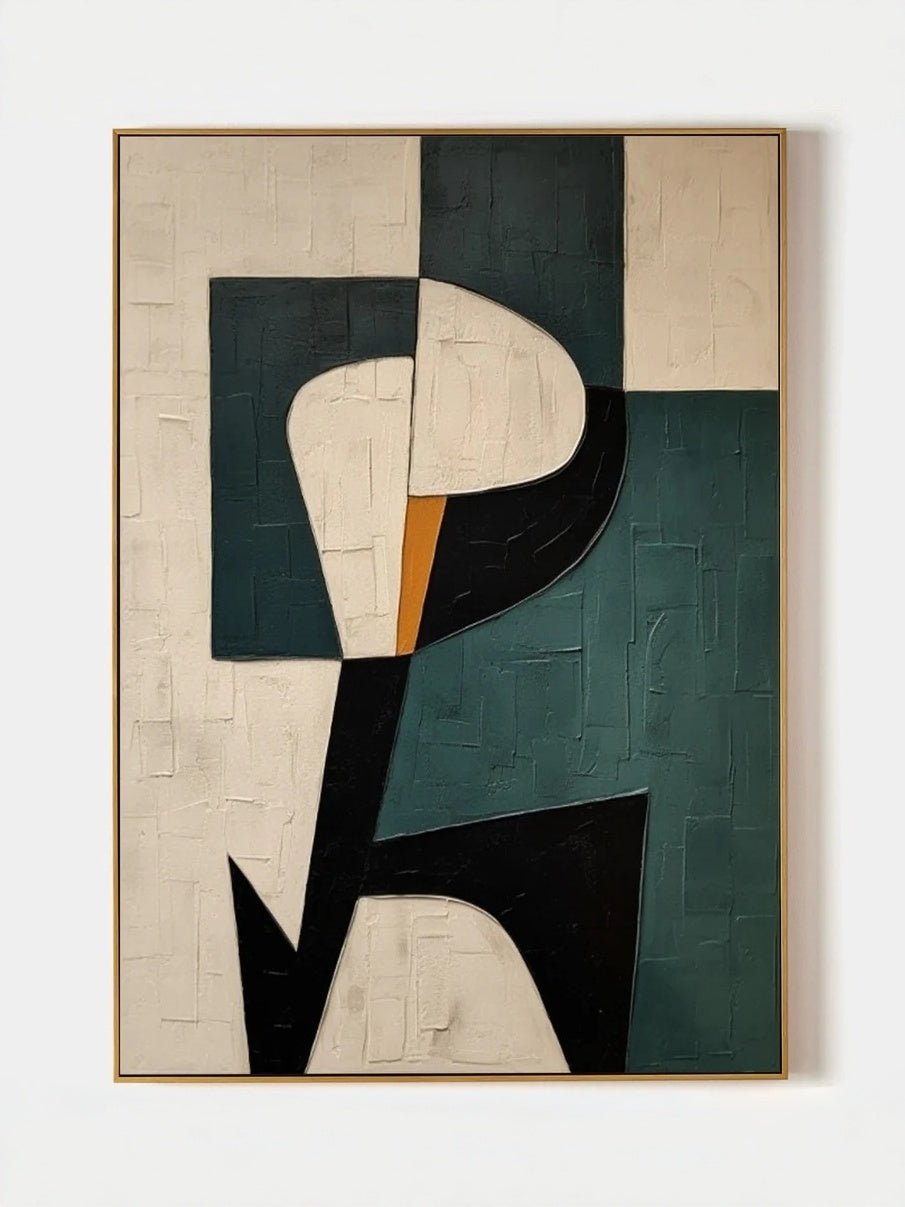
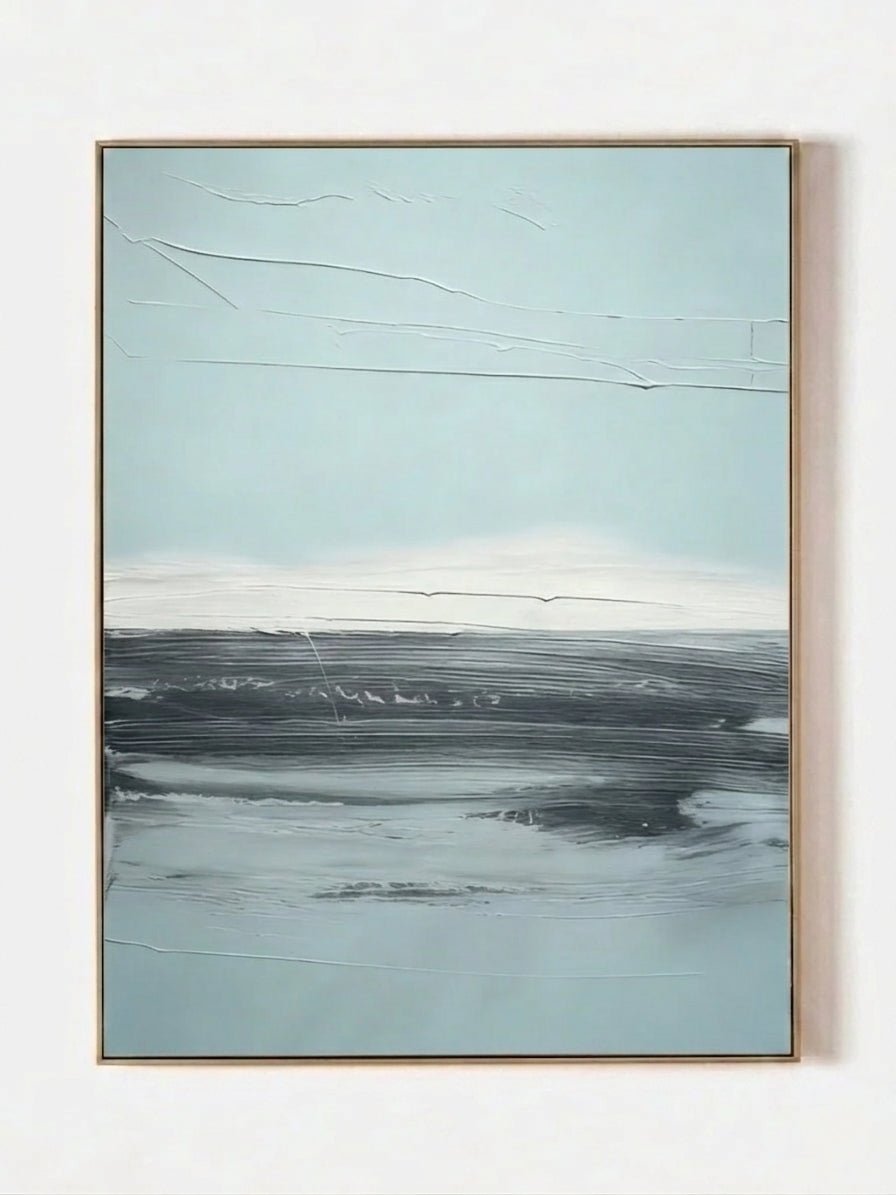
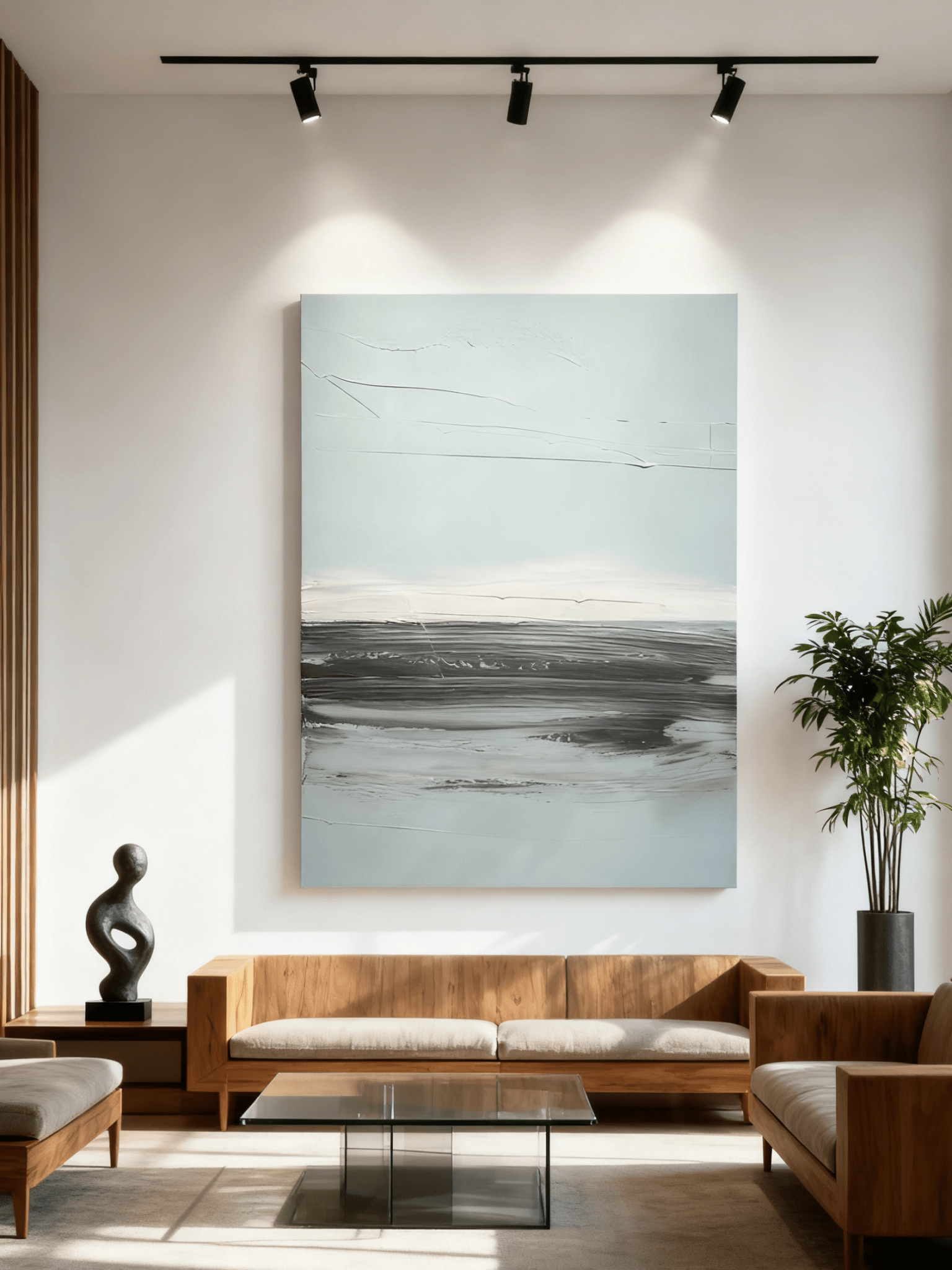
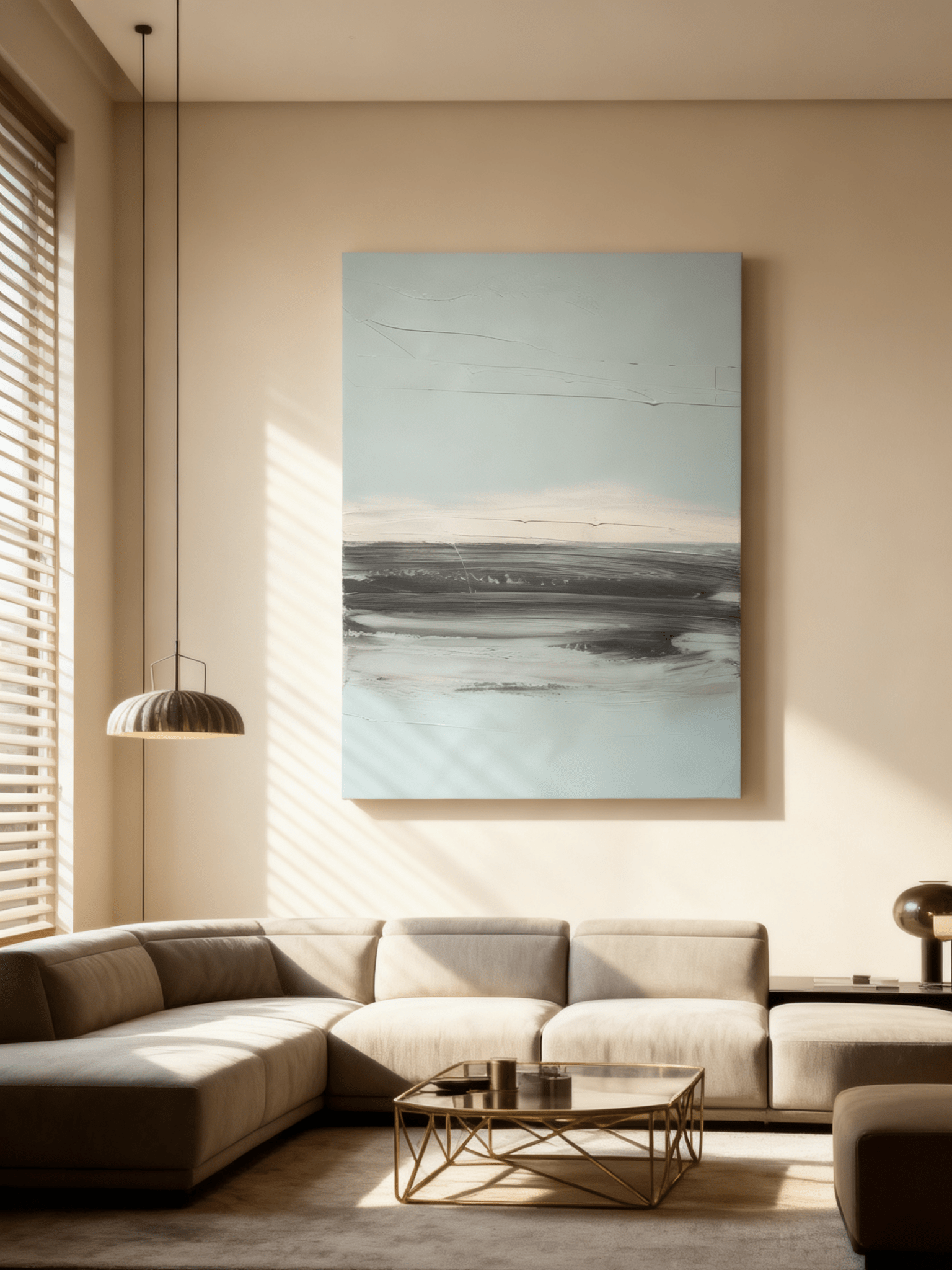
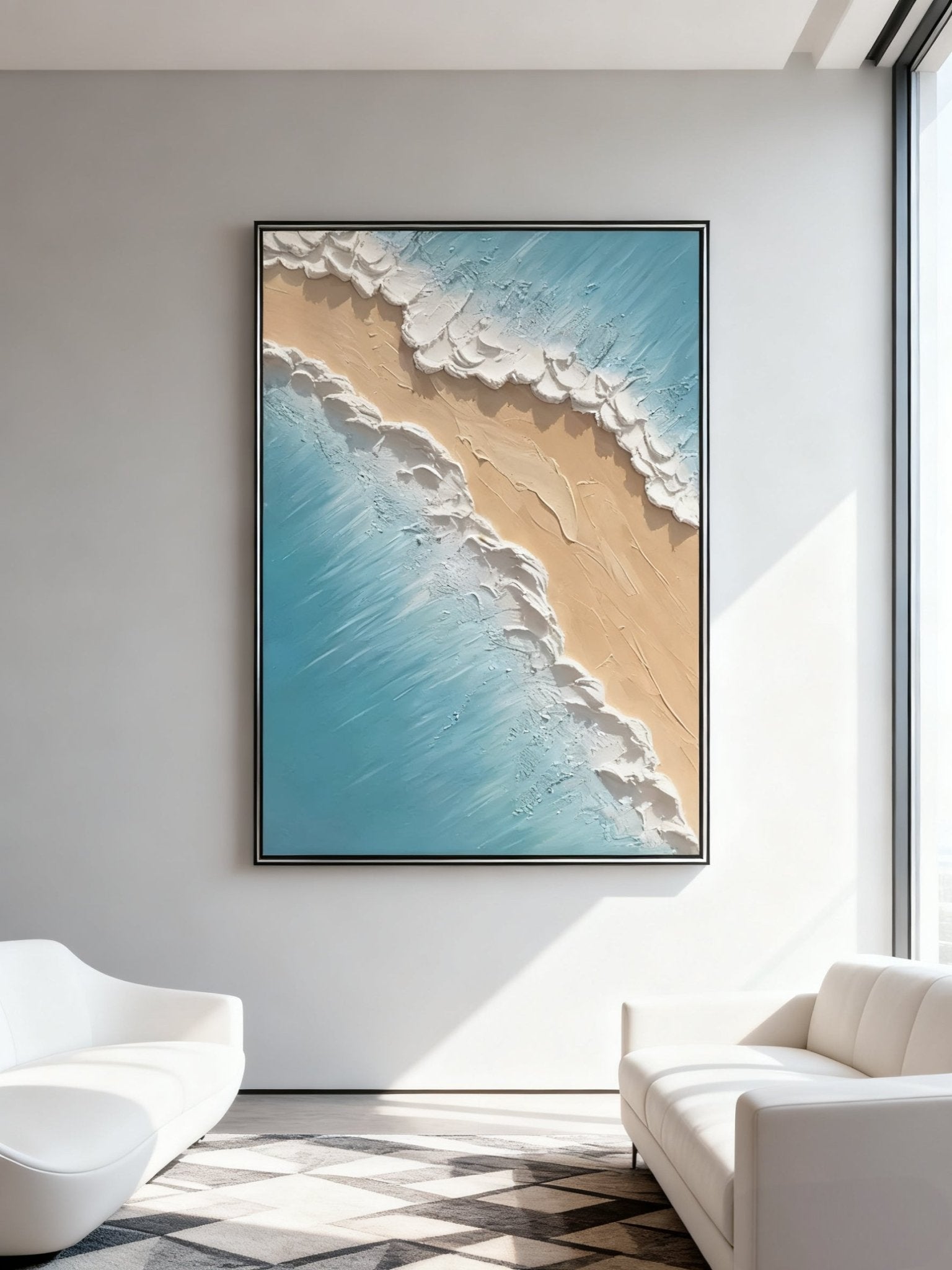
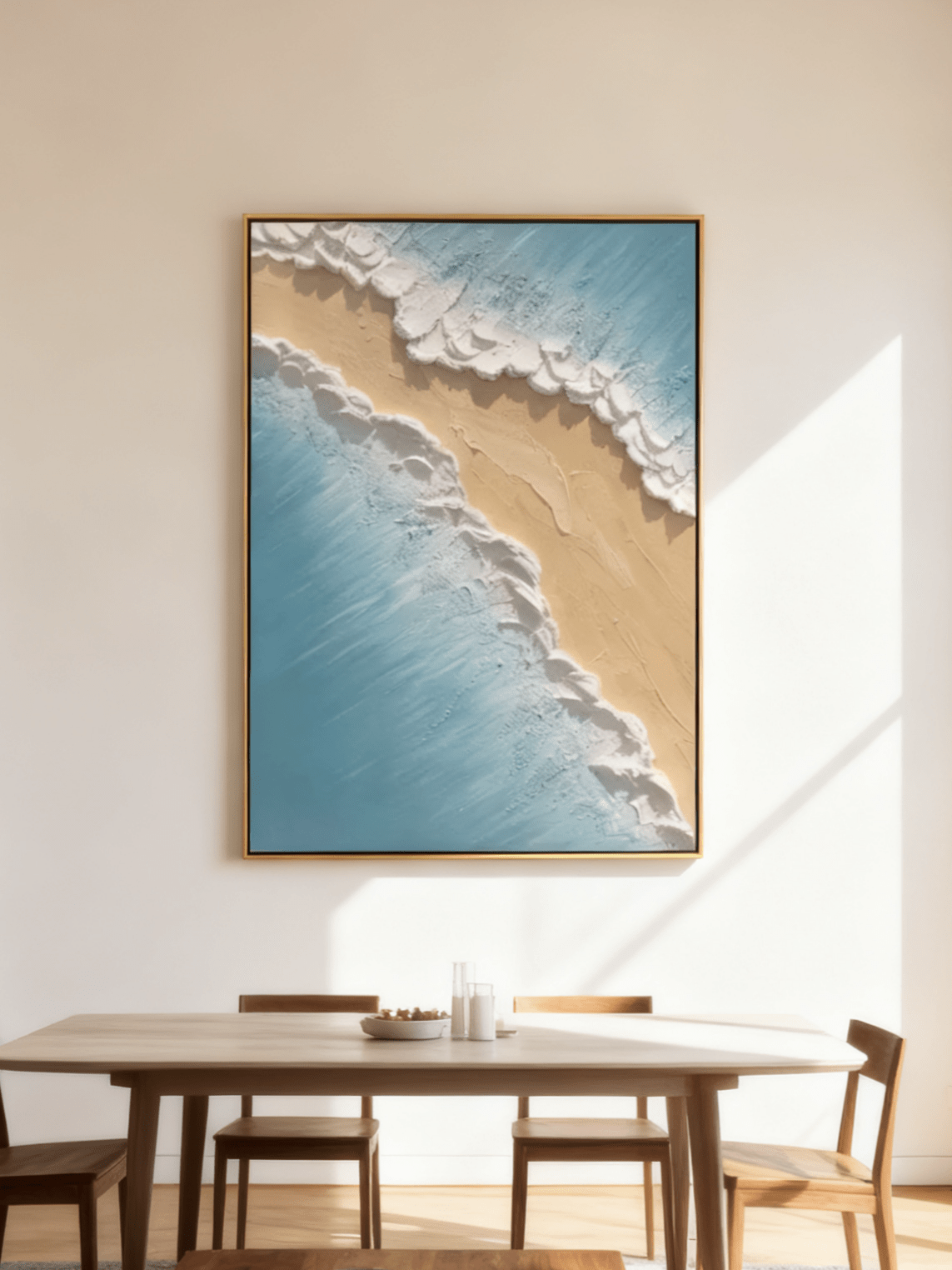
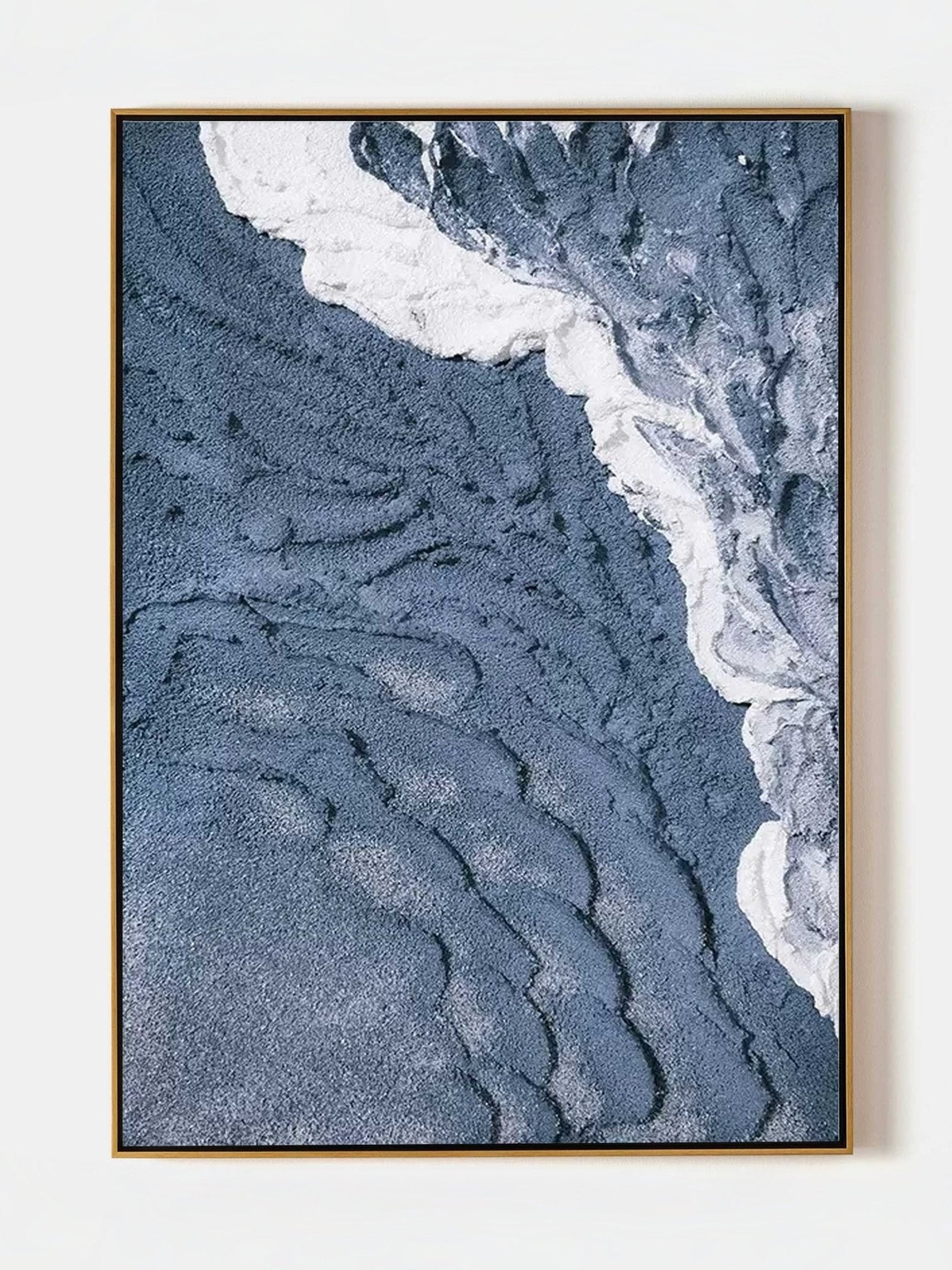
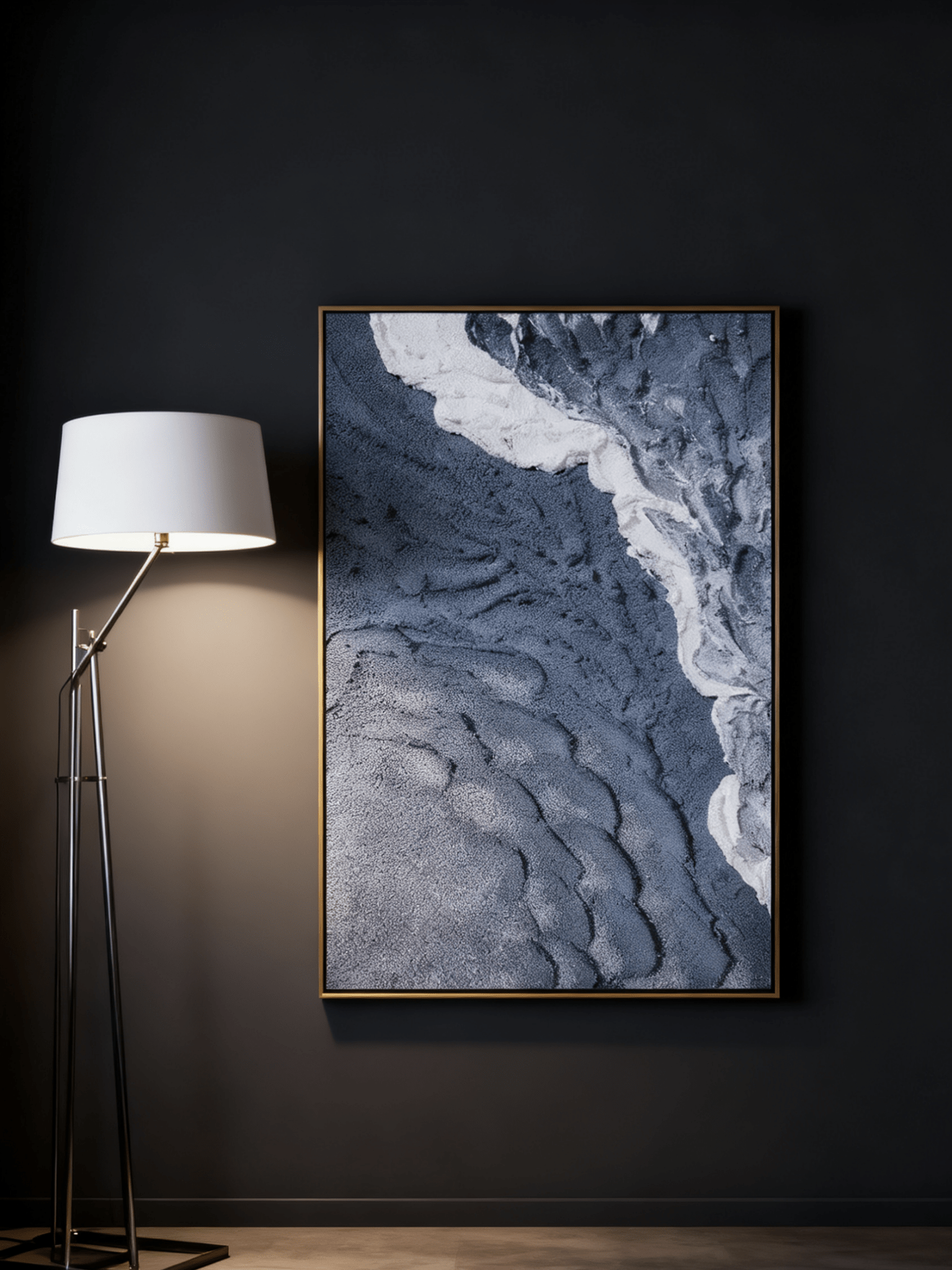
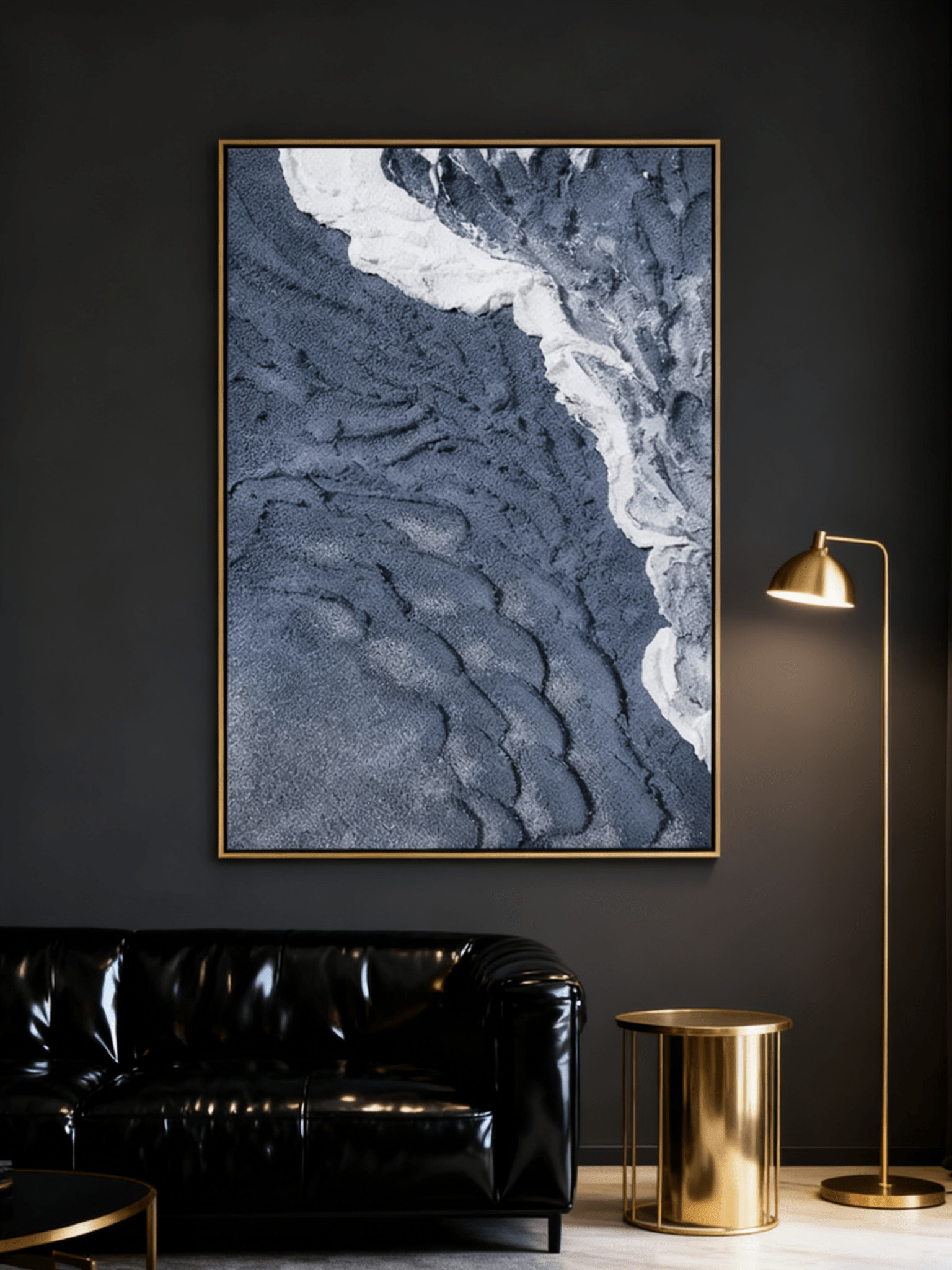
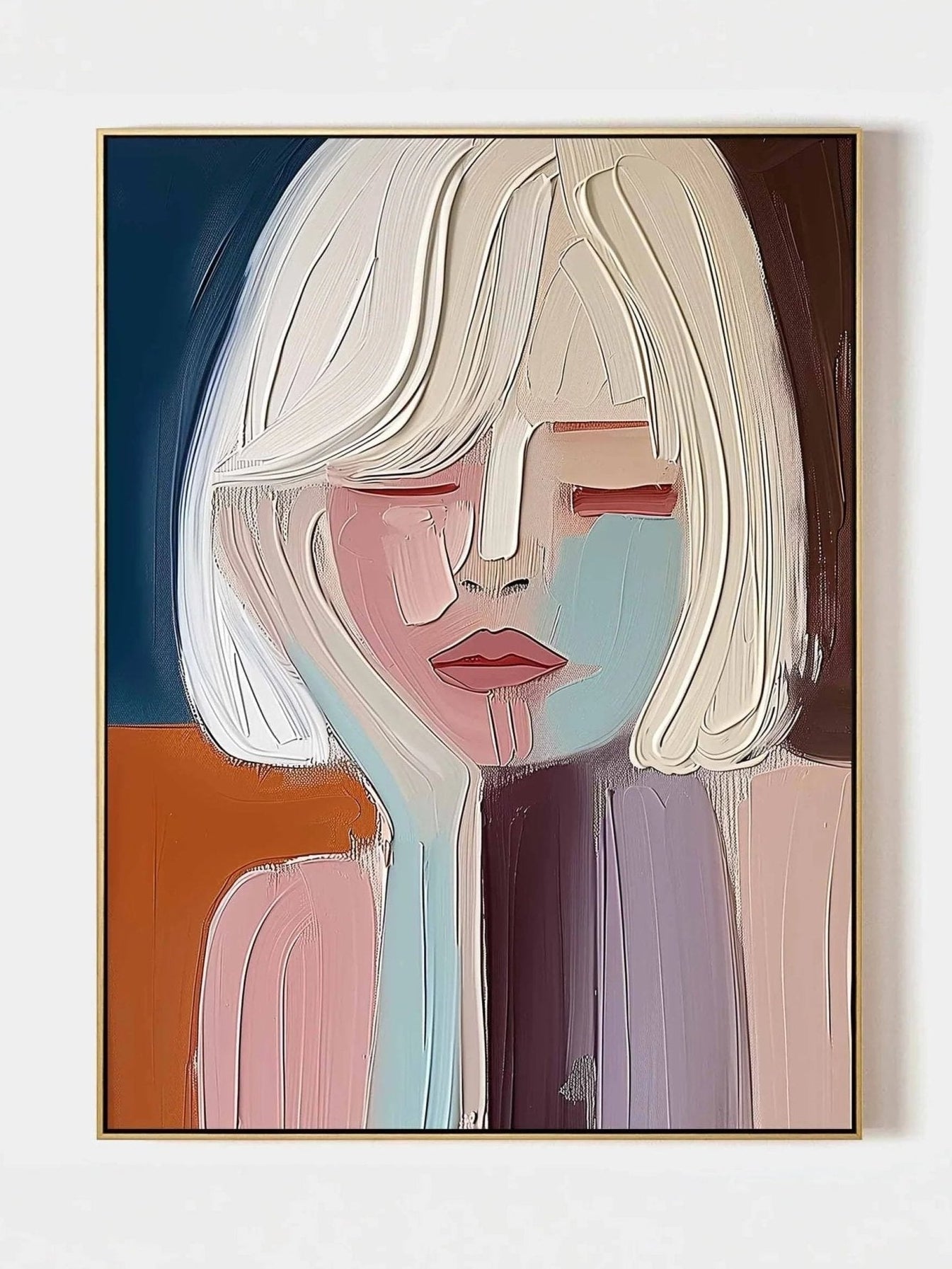
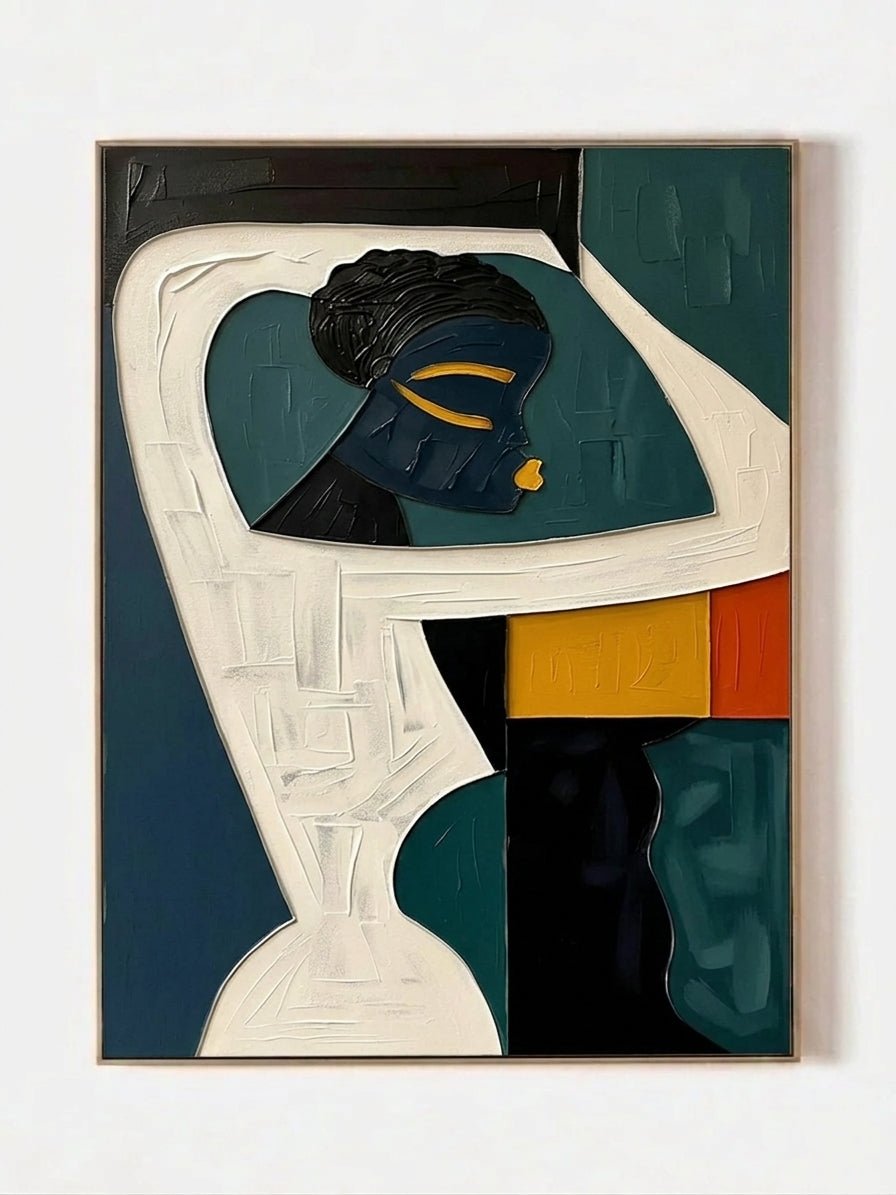
Wabi-Sabi Textured Neutral Abstract Wall Art – LL#0261 centers on an abstract composition that balances color, texture, and open space. A palette of cream and beige gives the artwork a quiet and grounded character. Its square layout, combined with bold impasto with pronounced raised texture, creates clear movement and depth without unnecessary detail.
This original canvas painting combines the presence of hand painted wall art with the versatility of modern wall art. It works as unique artwork and luxury home decor for wabi-sabi, Japandi, organic-modern, and warm-minimalist rooms, adding material interest while keeping the room visually balanced.
Leo Liang draws inspiration from the relationship between material, rhythm, and balanced form. The composition reduces that idea to its essential shapes, colors, and gestures, allowing the image to feel direct, contemporary, and emotionally clear.
The artist develops the surface through bold impasto with pronounced raised texture, adjusting the edges and color relationships by hand. Every artwork is individually handcrafted by artists, so subtle variations in brushwork and texture give each finished canvas its own character.
Yes. This is hand painted wall art rather than a printed reproduction. Each canvas is individually created by artists using layered paint and hand-worked details.
This wabi-sabi art piece suits wabi-sabi, Japandi, organic-modern, and warm-minimalist rooms. Its palette and handmade surface also pair naturally with wood, linen, stone, and simple modern furniture.
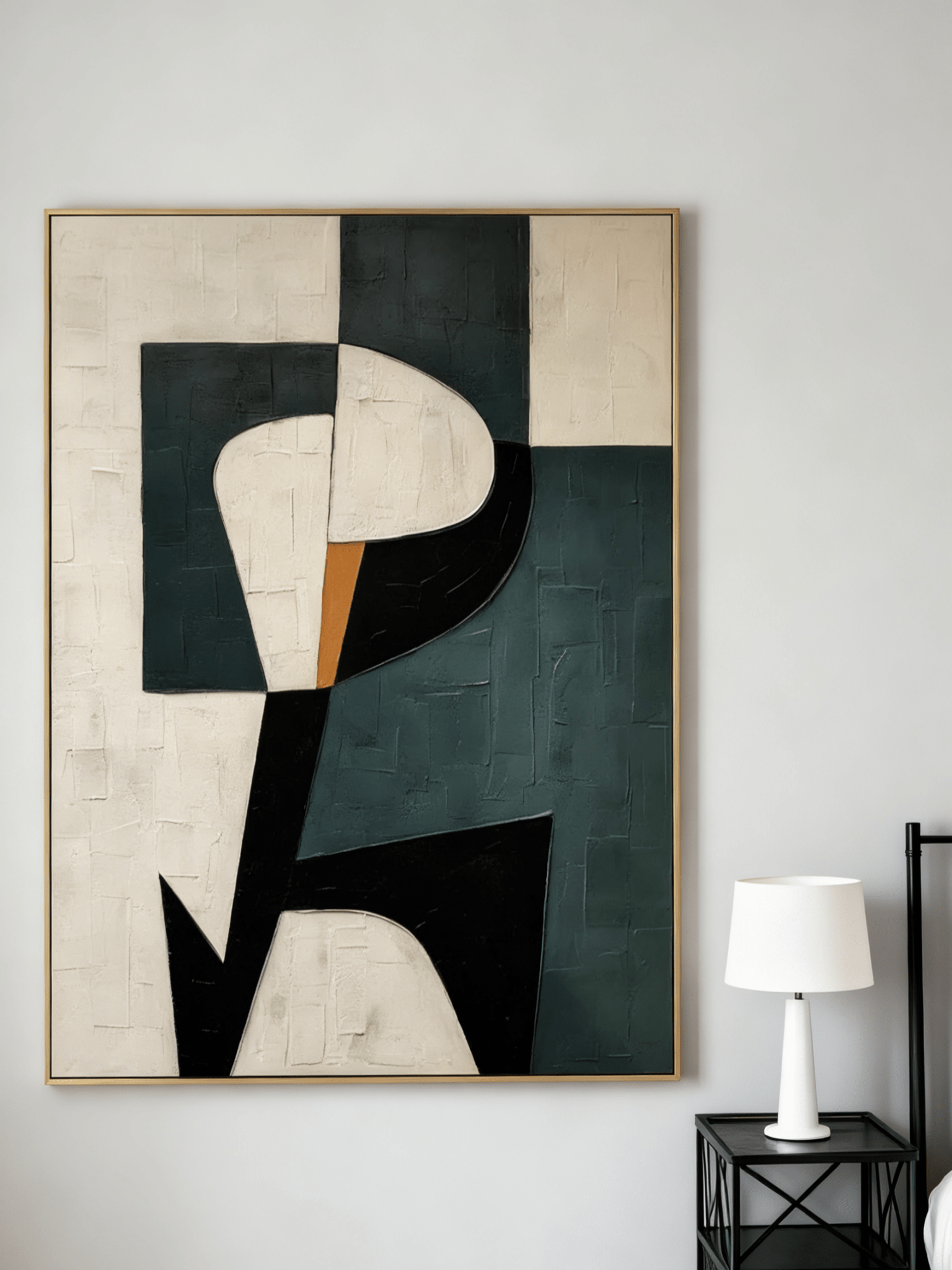
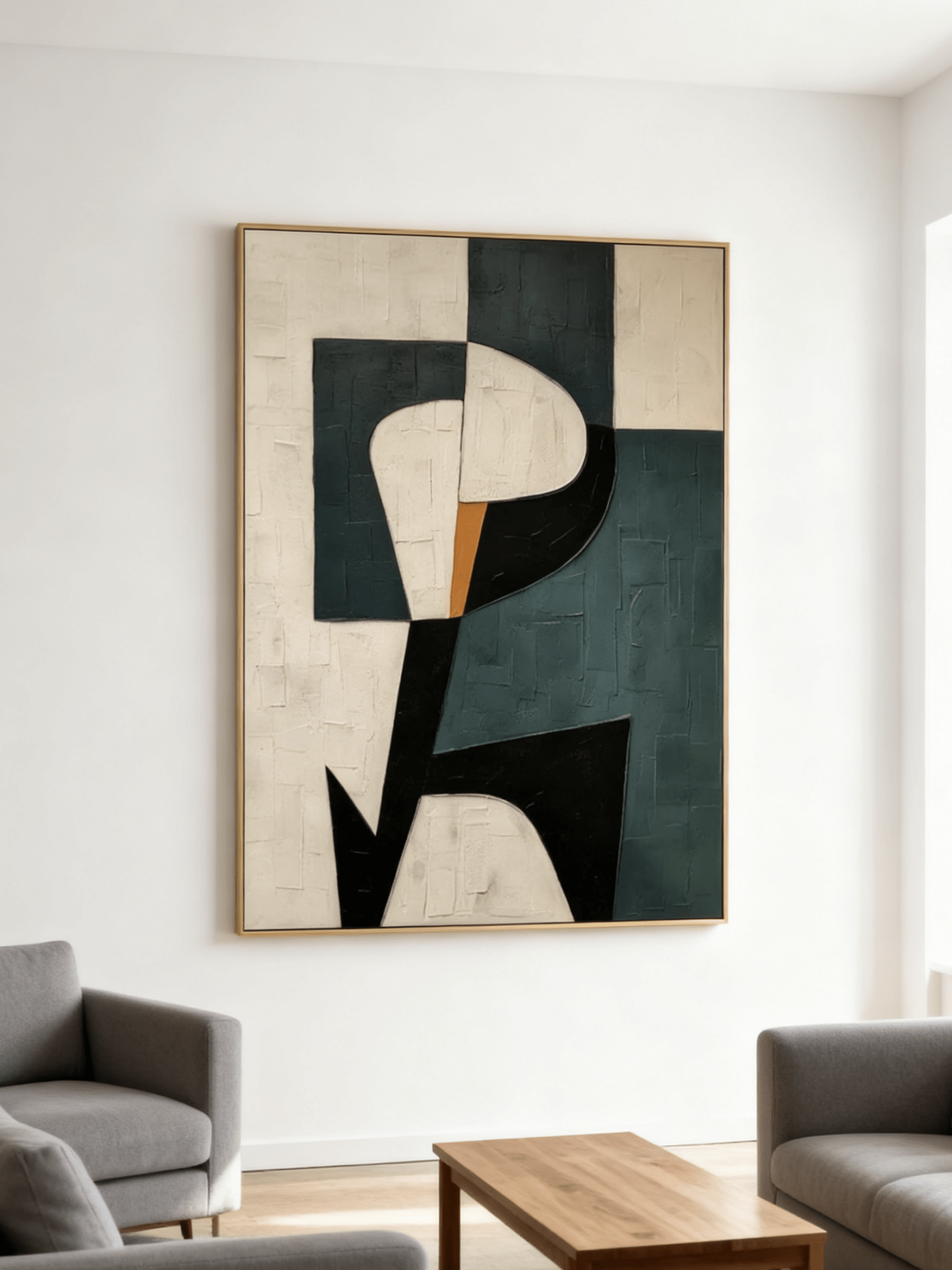
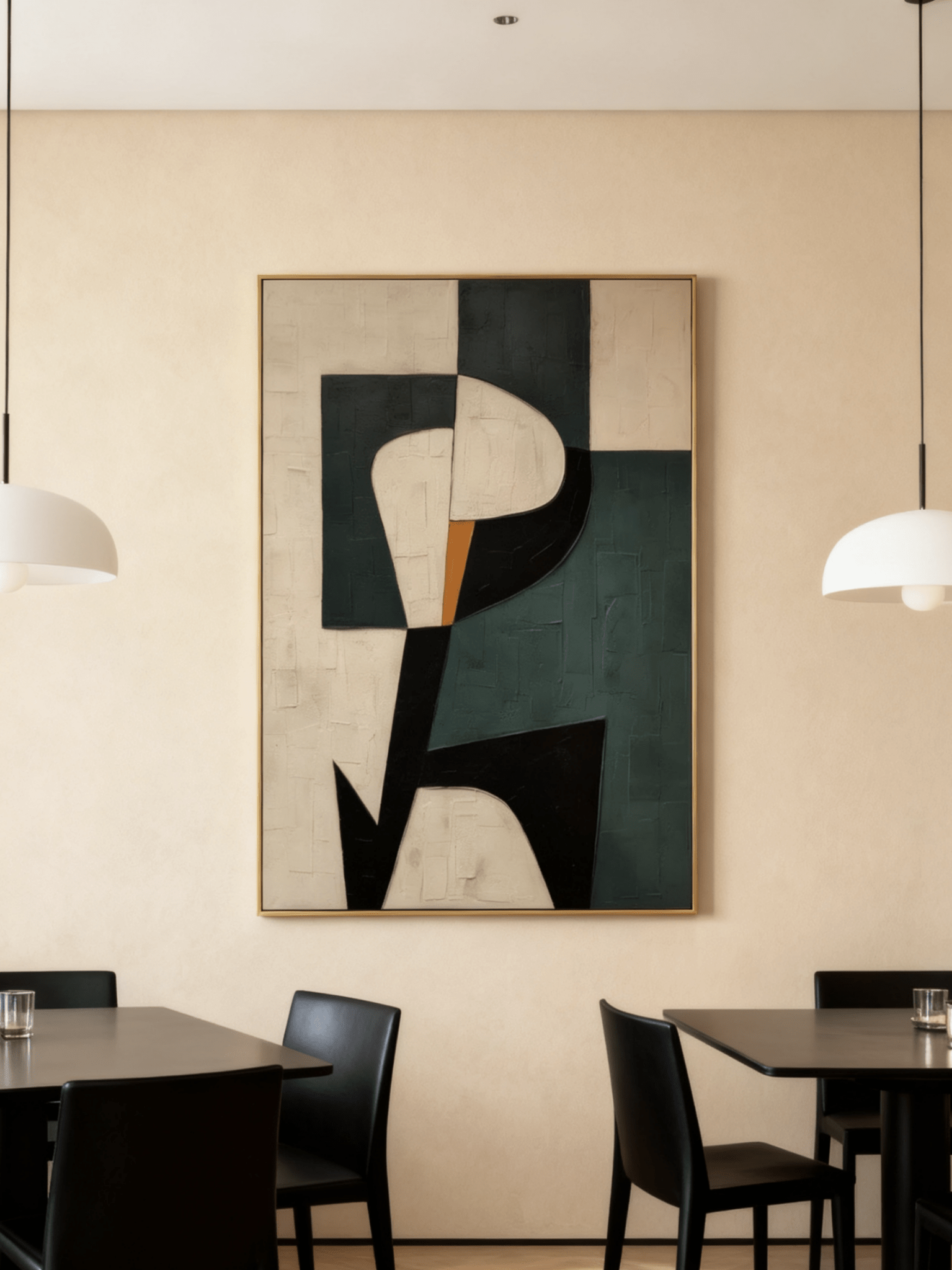
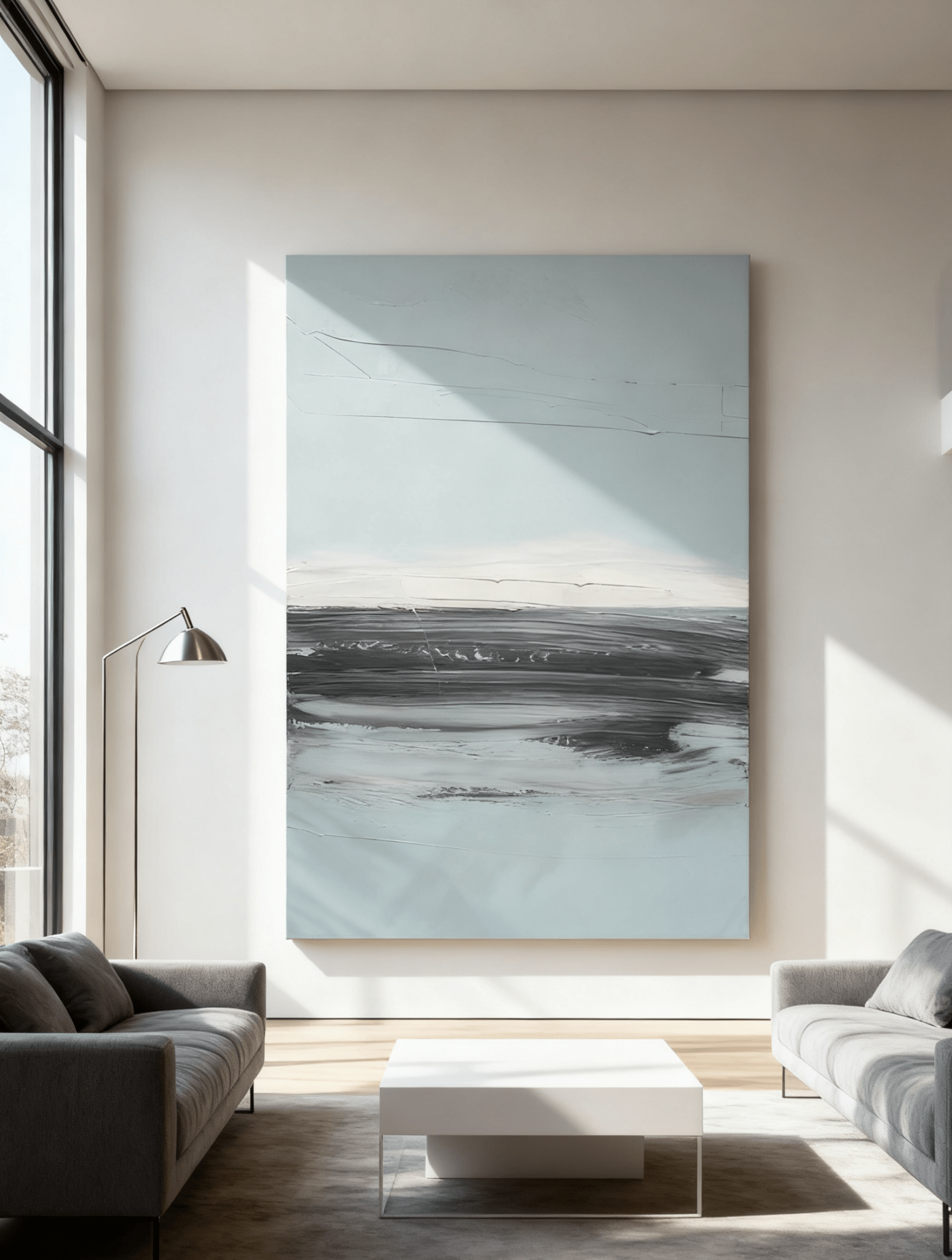
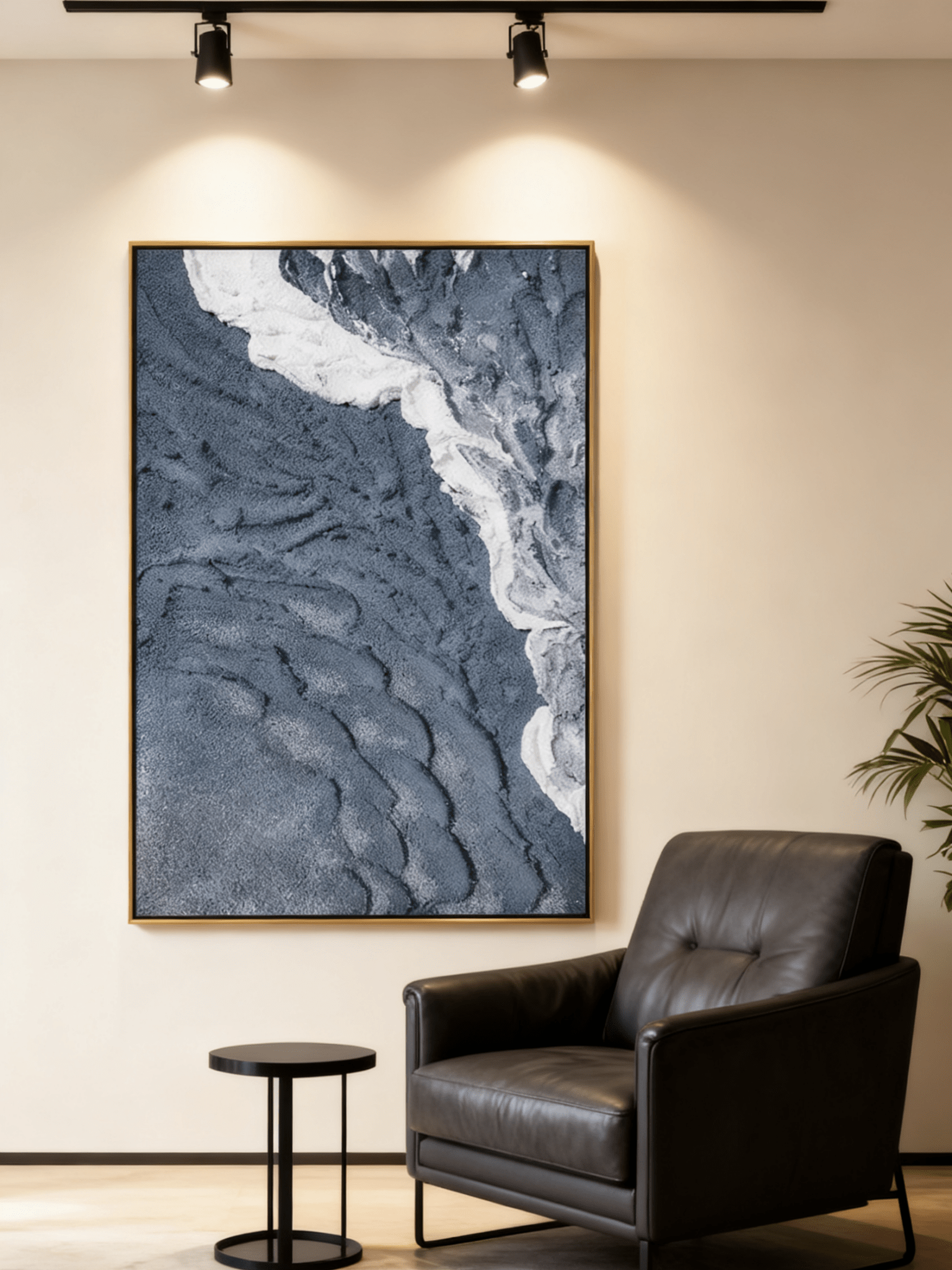
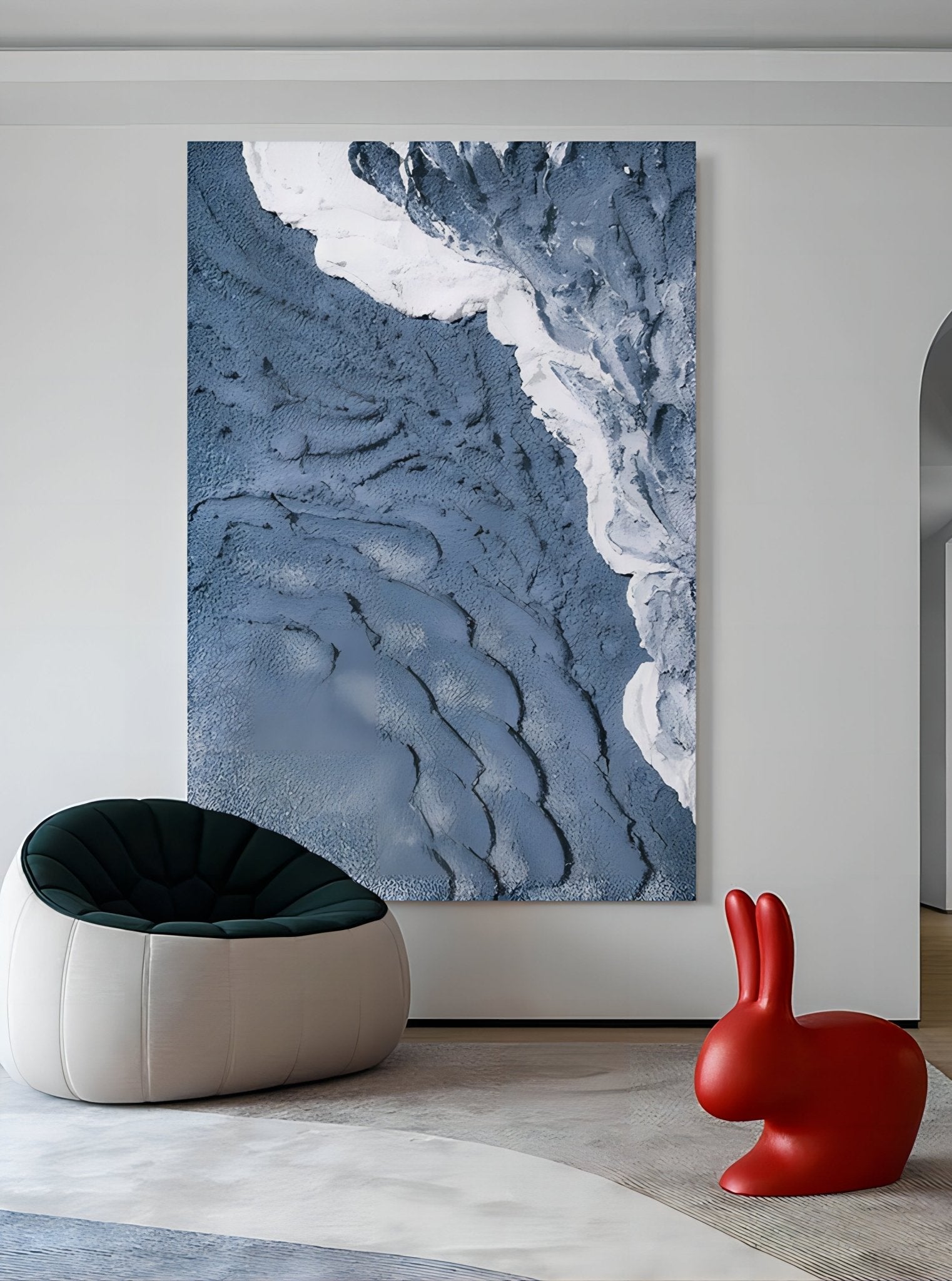
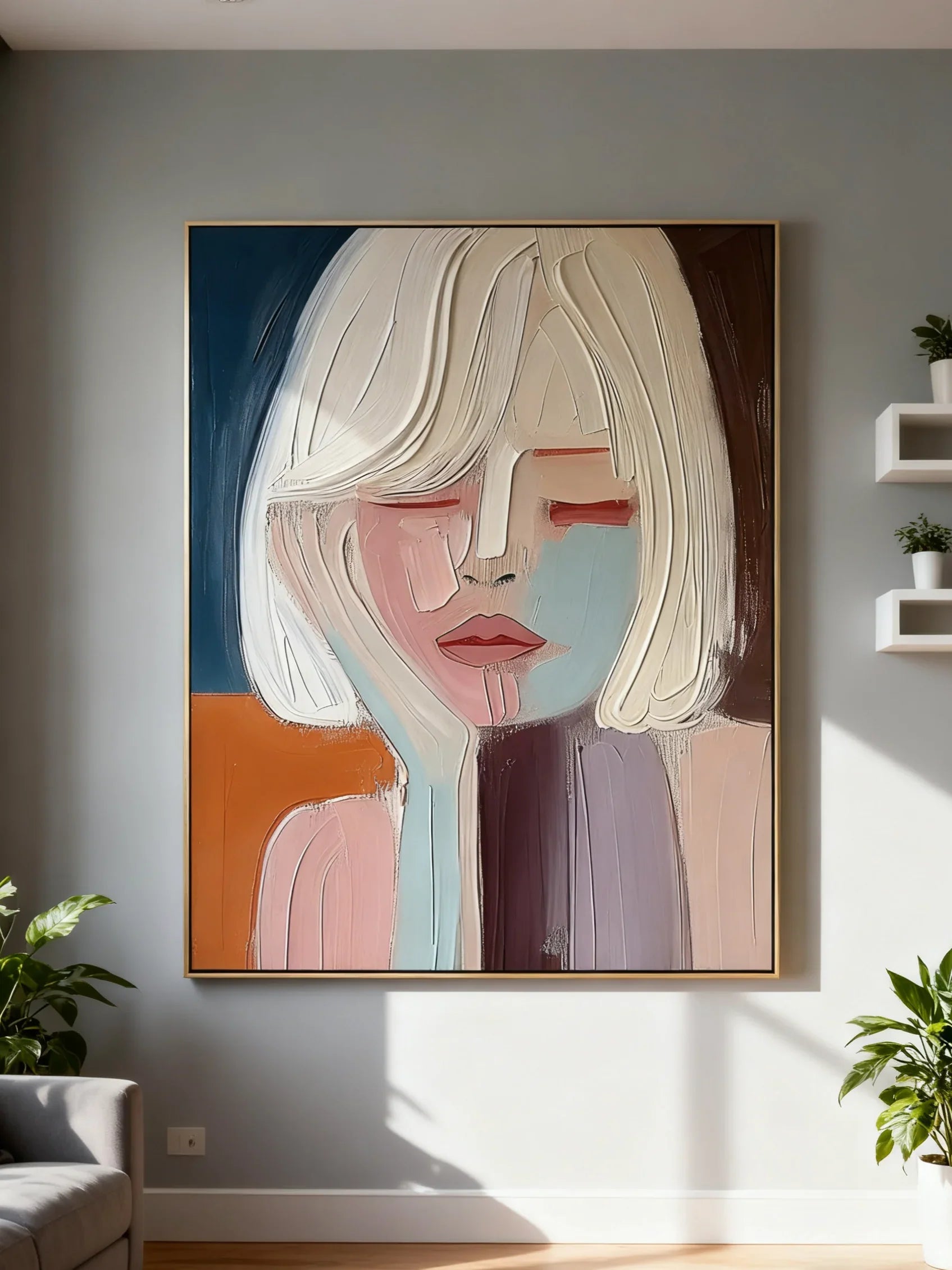
It works well in a living room, bedroom, dining room, entryway, home office, or luxury apartment. Position it where natural or side lighting can reveal the brushwork and texture.
For placement above furniture, choose large canvas wall art measuring roughly two-thirds to three-quarters of the furniture width. Use painter's tape to preview the selected dimensions before ordering.
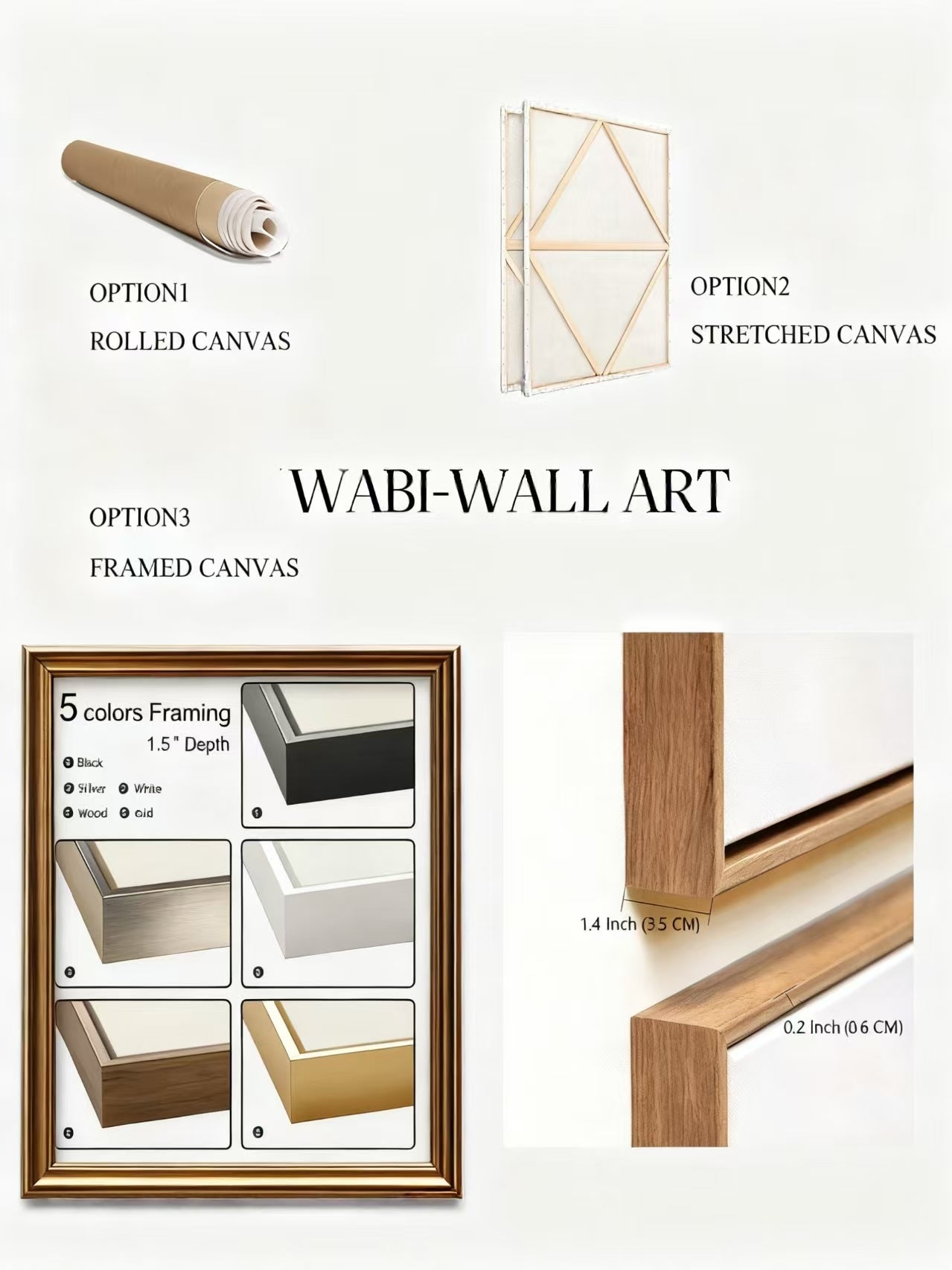
Rolled canvas is supplied unstretched. Stretched-canvas and framed options are finished display formats; review the configuration selected on the product page before checkout.
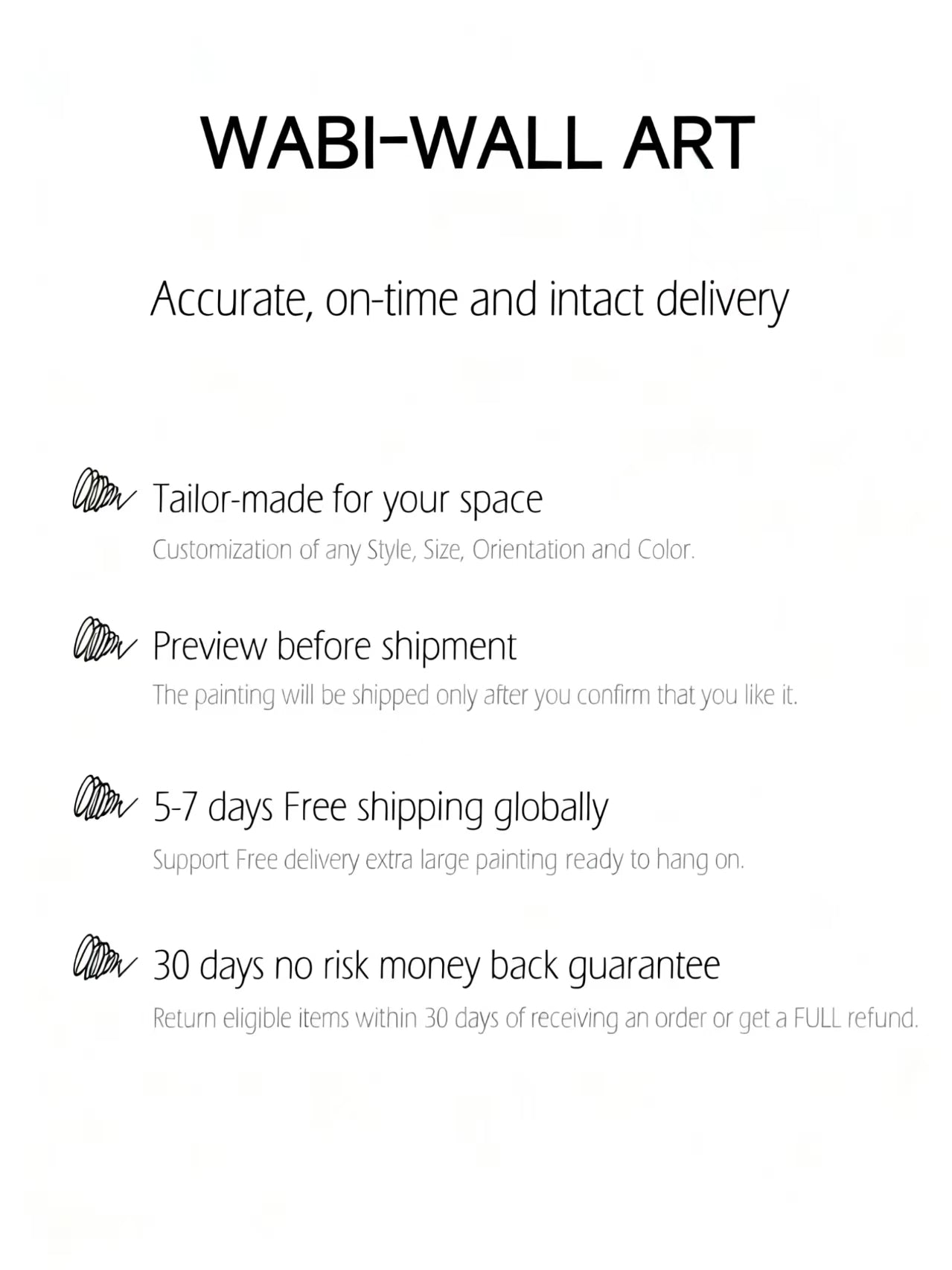
Each original canvas painting is made to order, so production time varies with size, framing, and customization. Refer to the current ordering estimate or contact WABI Wall Art for timing.
The artwork is carefully protected and packed for transit. Shipping time depends on the destination, size, and selected format; the latest delivery information is shown during ordering.
Custom dimensions may be available. Contact the WABI Wall Art team before ordering to confirm the size, orientation, color direction, and framing options possible for this design.
Dust gently with a clean, soft, dry cloth or soft brush. Avoid water, chemical cleaners, prolonged direct sunlight, and high humidity, and handle the artwork by its edges or frame.
Yes. Small variations in brush movement, color blending, and surface texture are natural features of a handmade painting and make every finished piece unique.
Artwork Style: Wabi-Sabi Art
Artwork Theme: Abstract
Artist: Leo Liang
Each artwork is made to order. Creation normally takes 1–2 weeks before dispatch.
After the artwork is completed, delivery normally takes approximately 5–7 business days by DHL or FedEx.
Custom dimensions and palette adjustments may be available. Contact info@wabiwallart.com before ordering to confirm the request.
See how each artwork size fits your space.
Available range: 24–240 inches
Overall rating: 5.0 / 5 from 4 reviews.
I love this painting! It compliments our foyer. The simplicity of the color and texture. It makes our home elegant and brighter. Cannot wait to show this to my family.

Great experience with the purchase!
I love love love this wall arr. I will post pictures soon!!
Very beautiful artwork. The craftsmanship is extraordinary. The hand painting complements the decor of our home extremely well.


Leo Liang is a contemporary Chinese artist born in 1986.
His work transcends mere visual representation, using paint itself as a sculptural medium. Through layering, scraping, and polishing, Leo constructs textures on the canvas reminiscent of weathered land, mottled city walls, or surging waves. This powerful tactile experience invites viewers not only to see with their eyes but also to "touch" the time and memories carried by the canvas within their hearts.
By exploring the tension between material and form, Leo Liang continuously questions the grand themes of existence, memory, and the essence of nature.