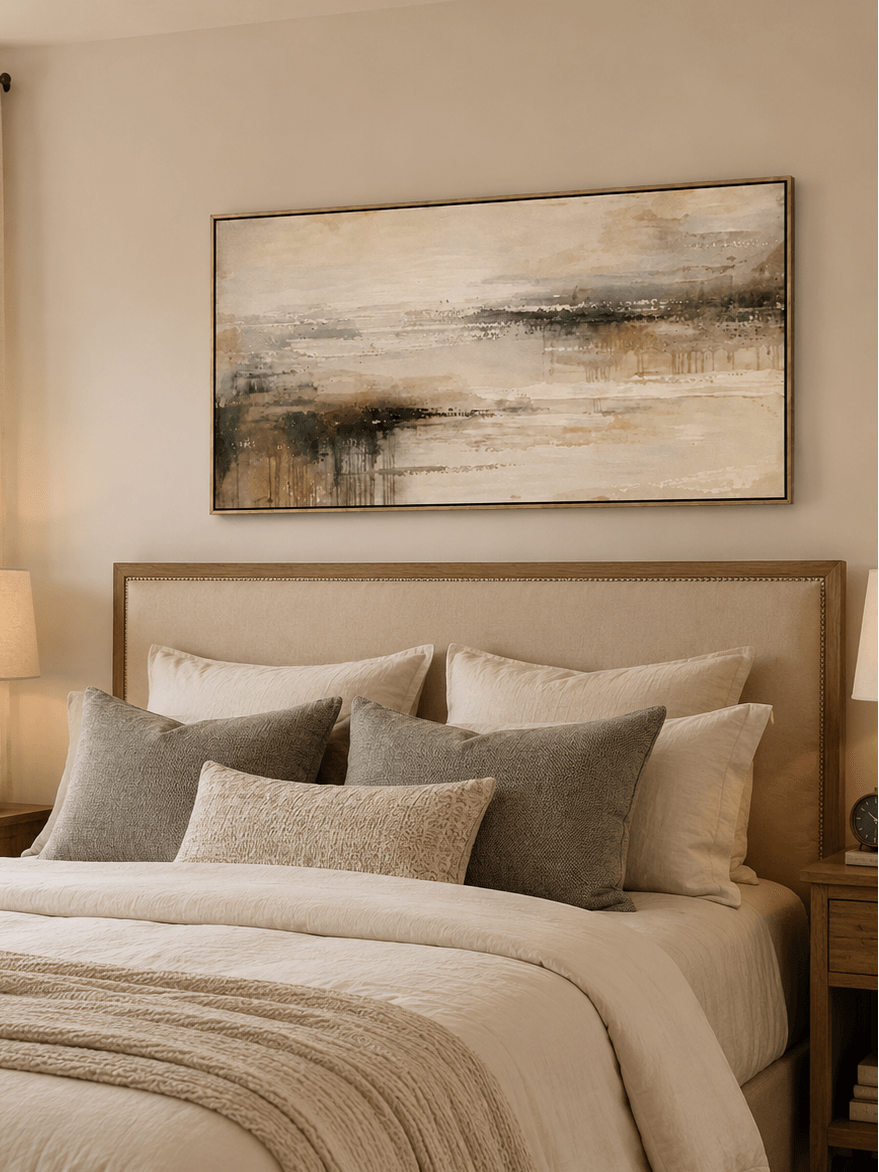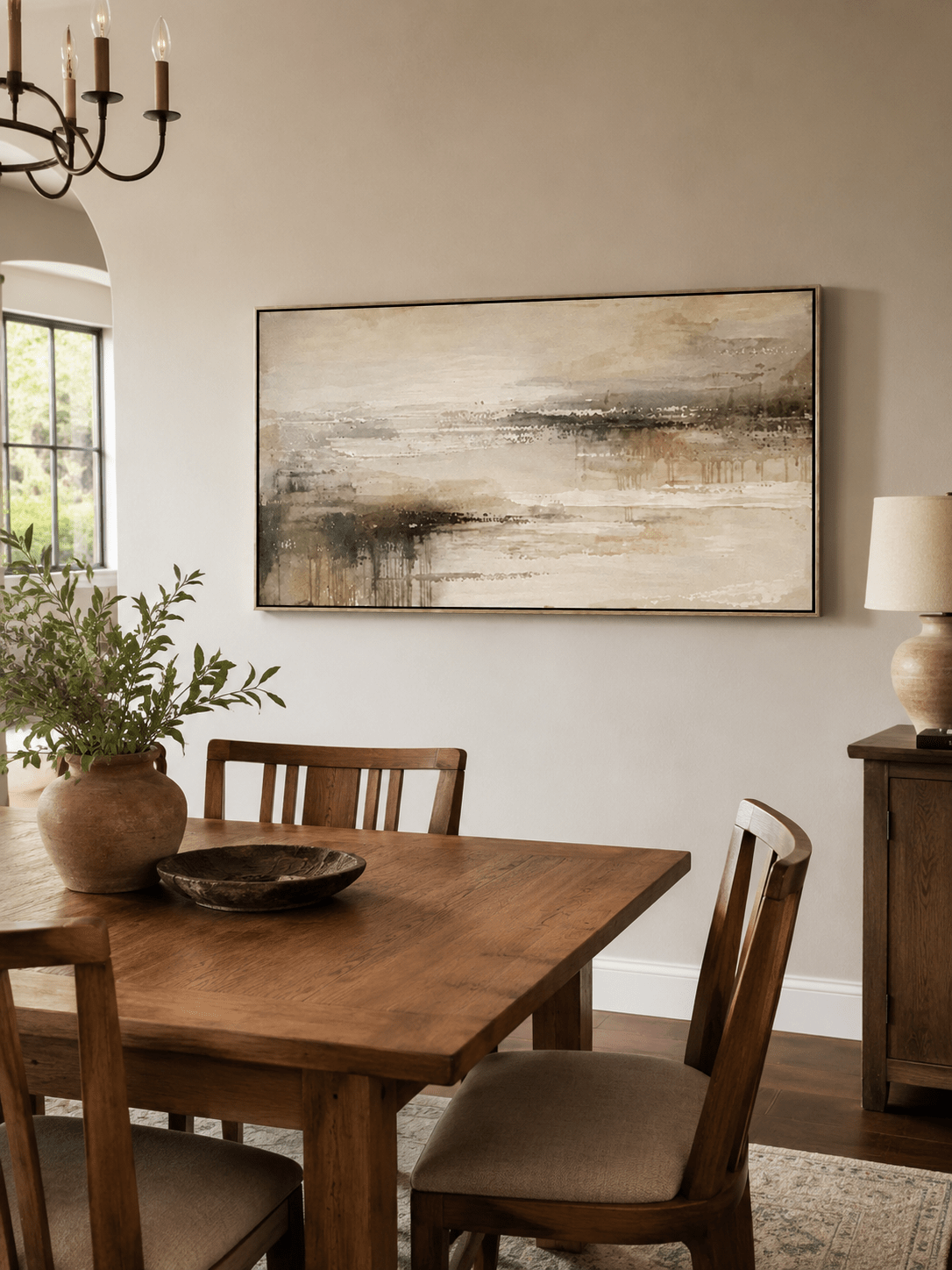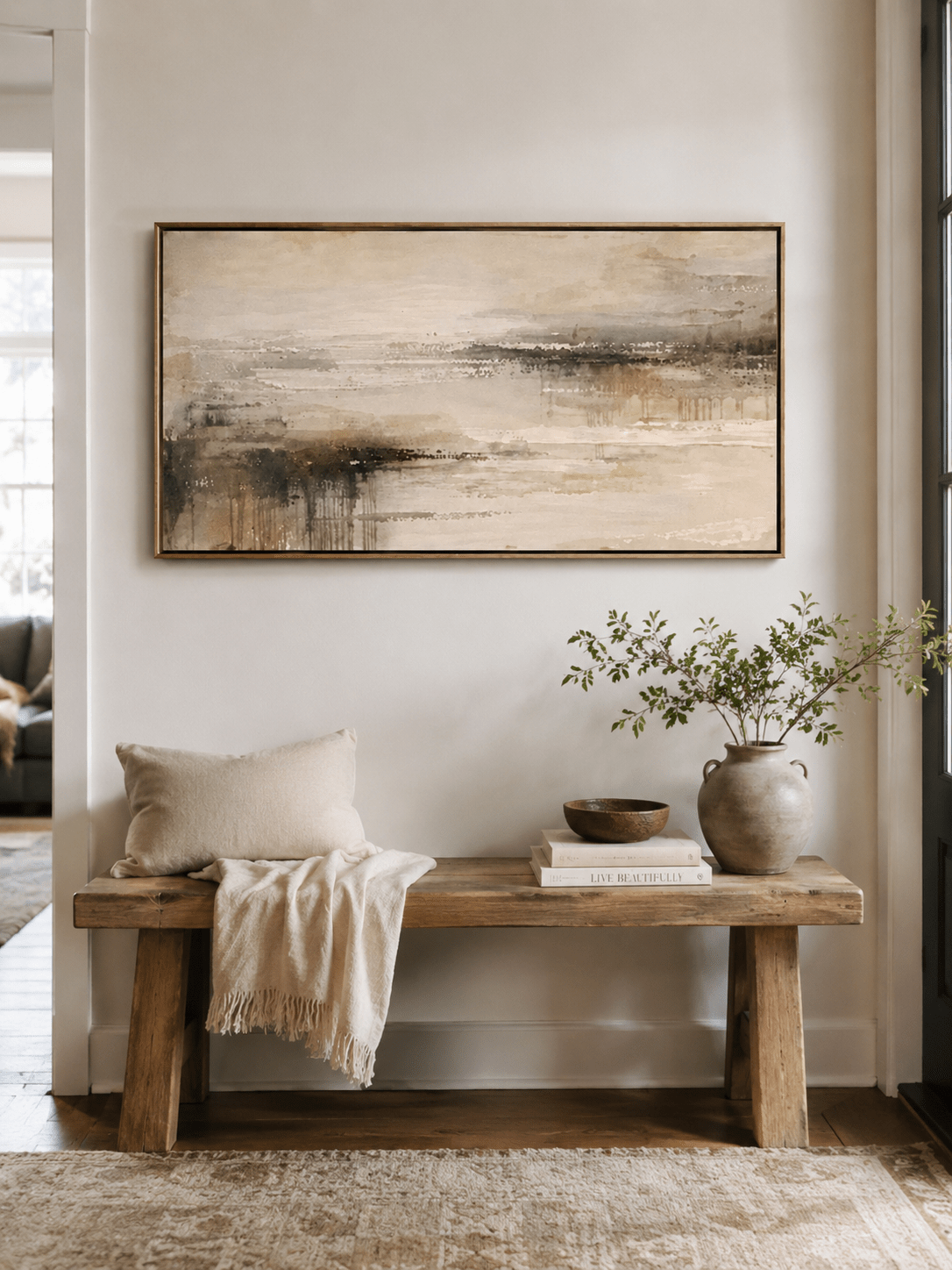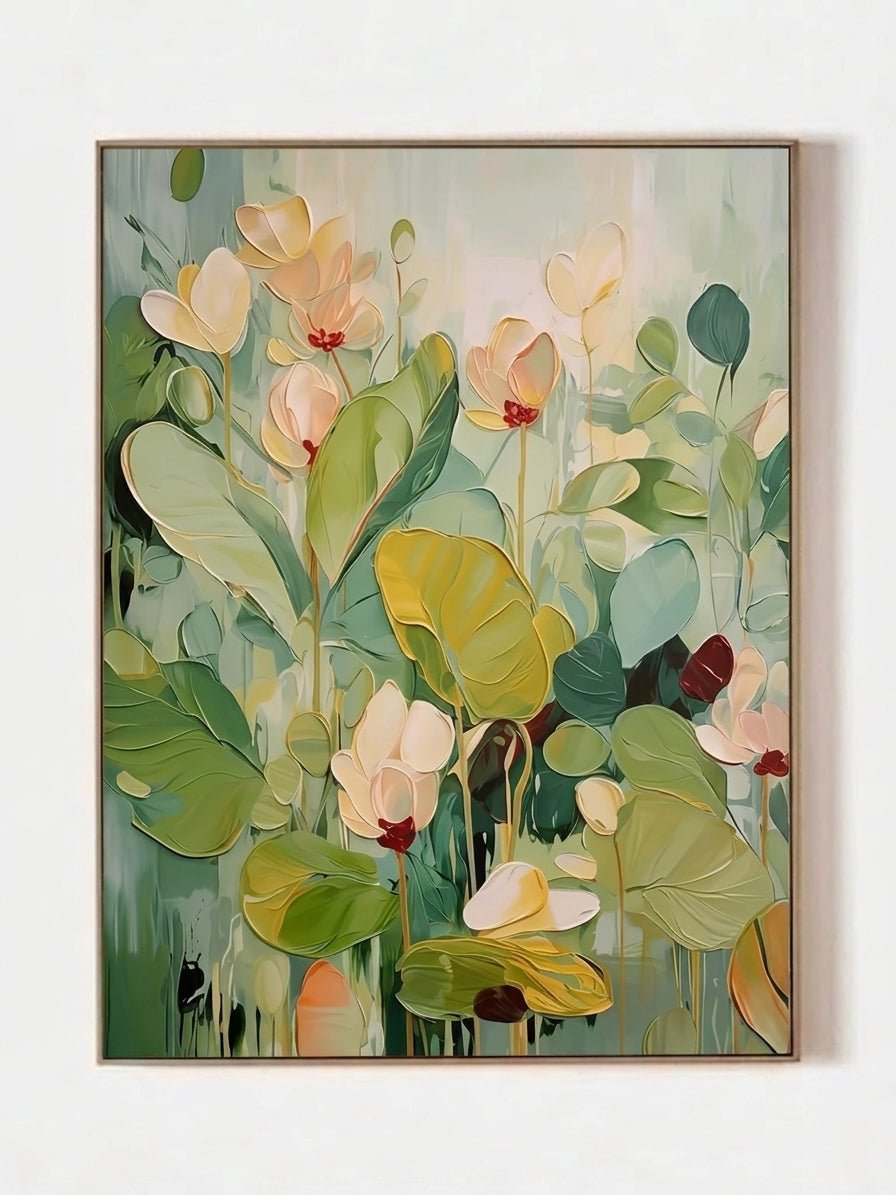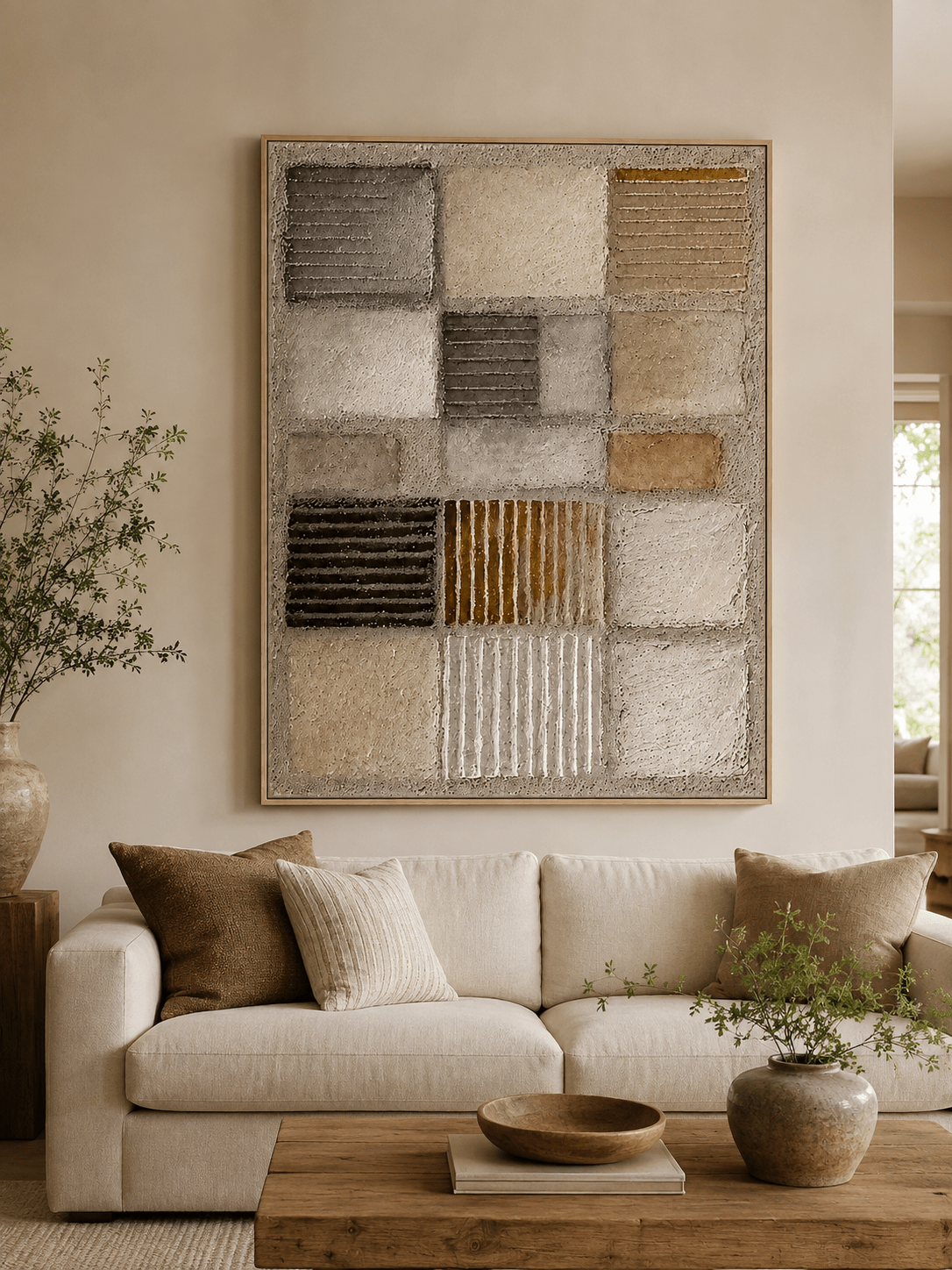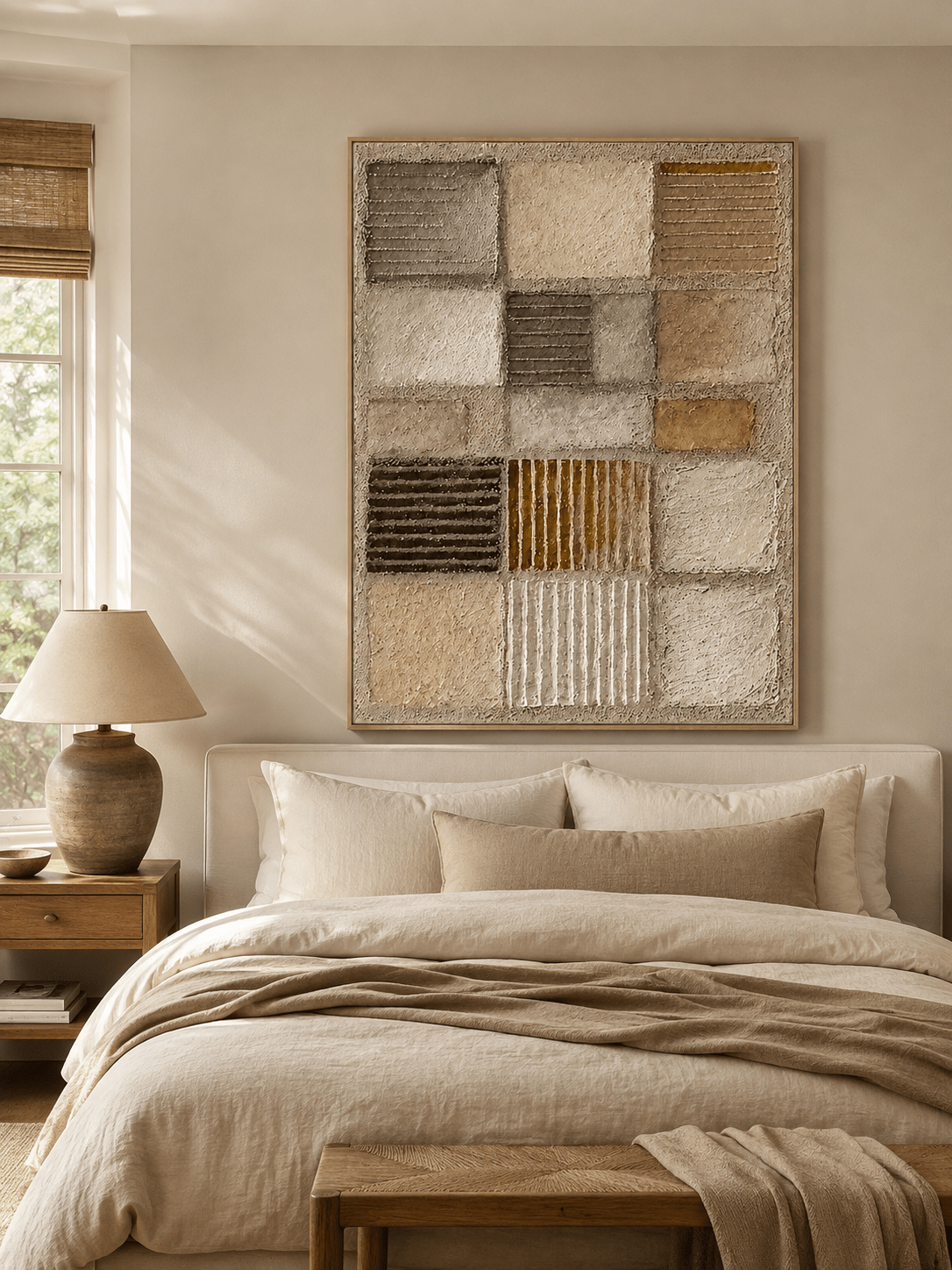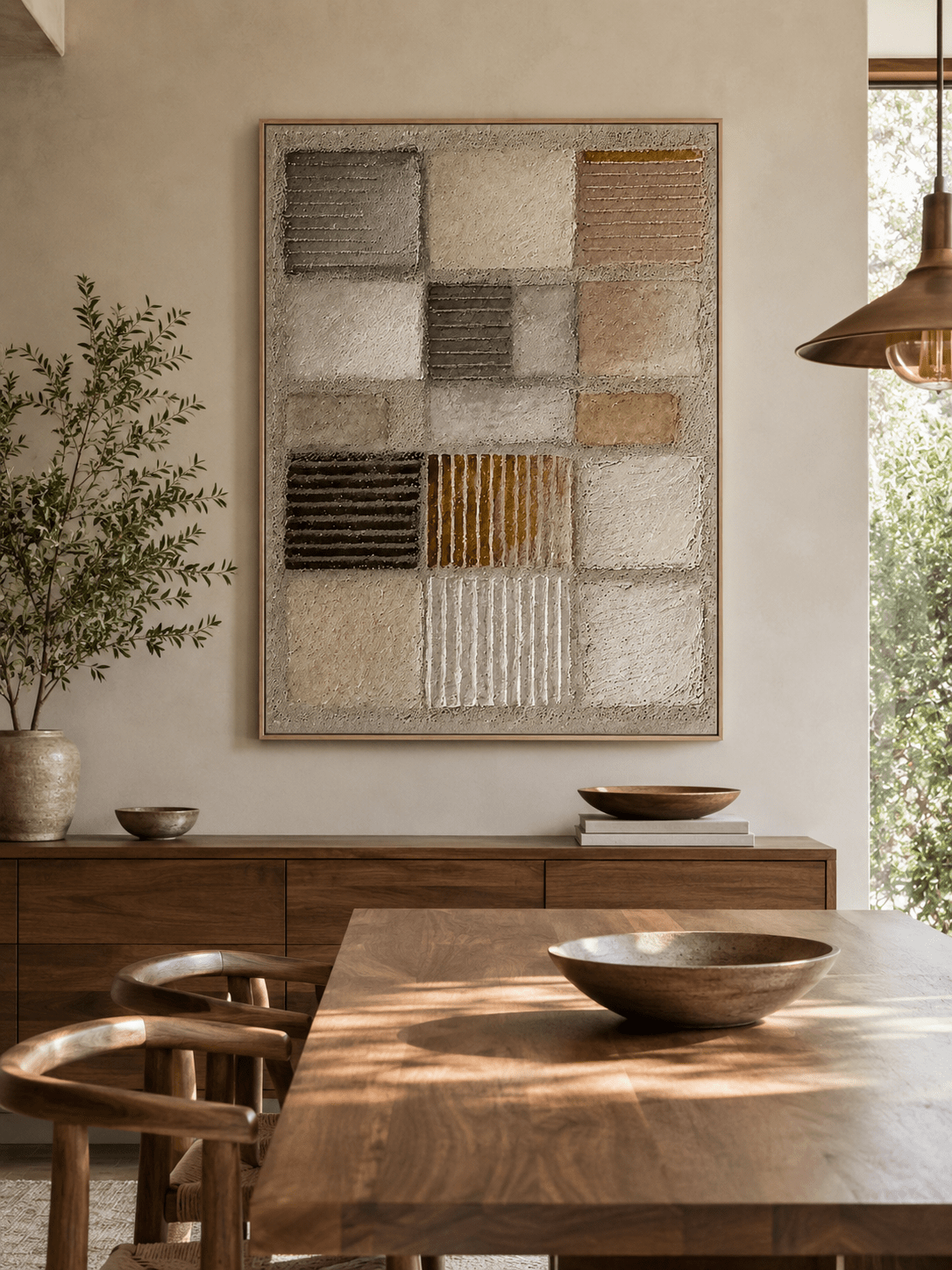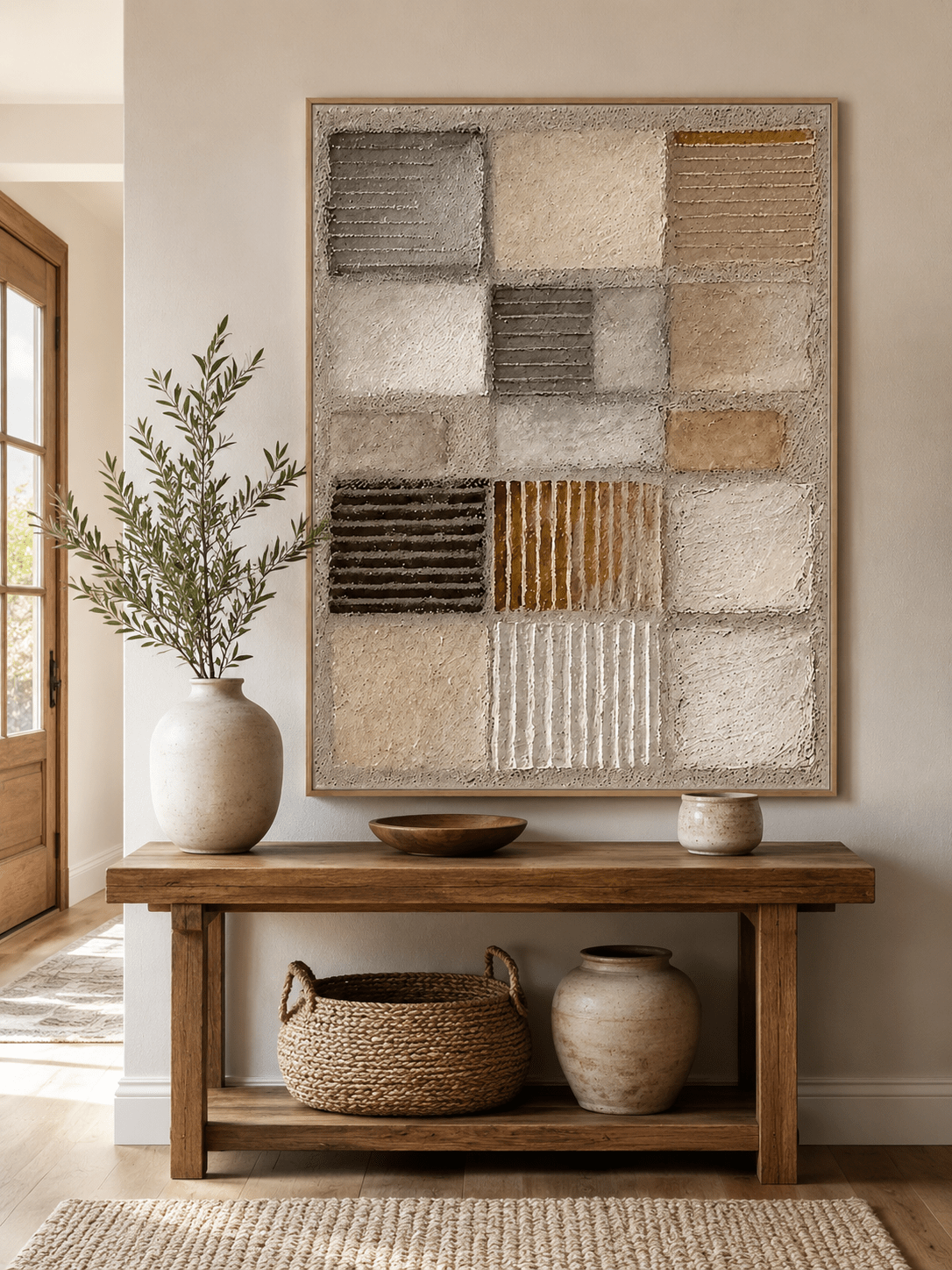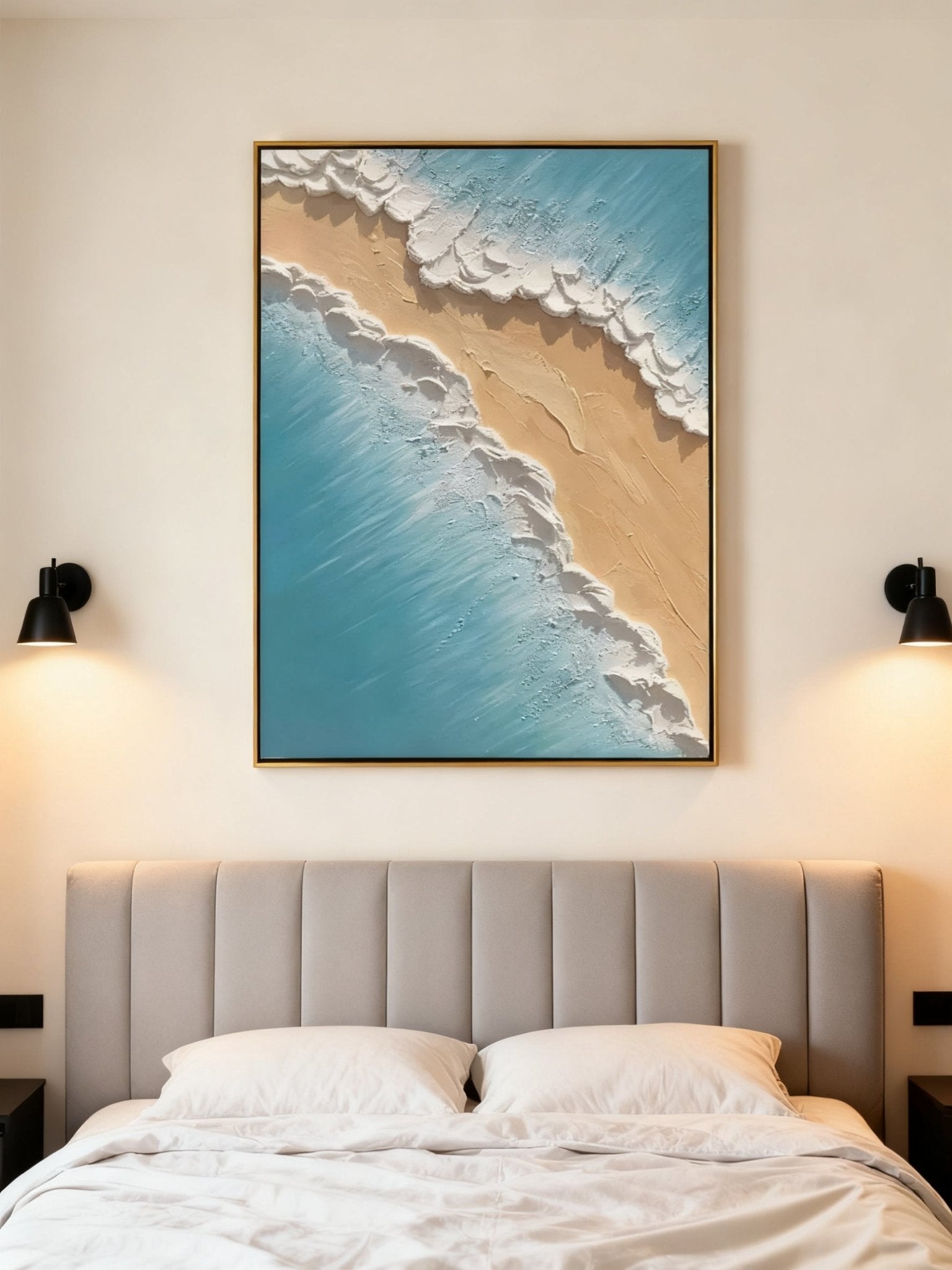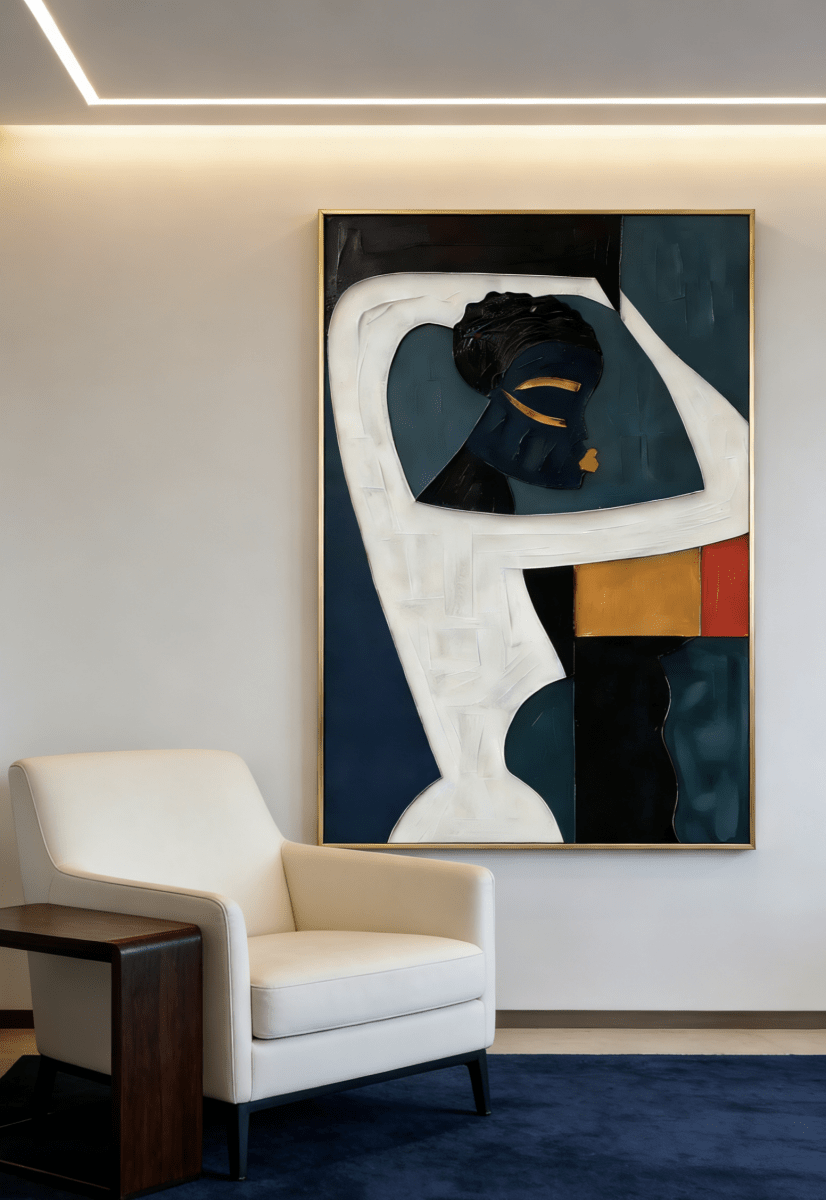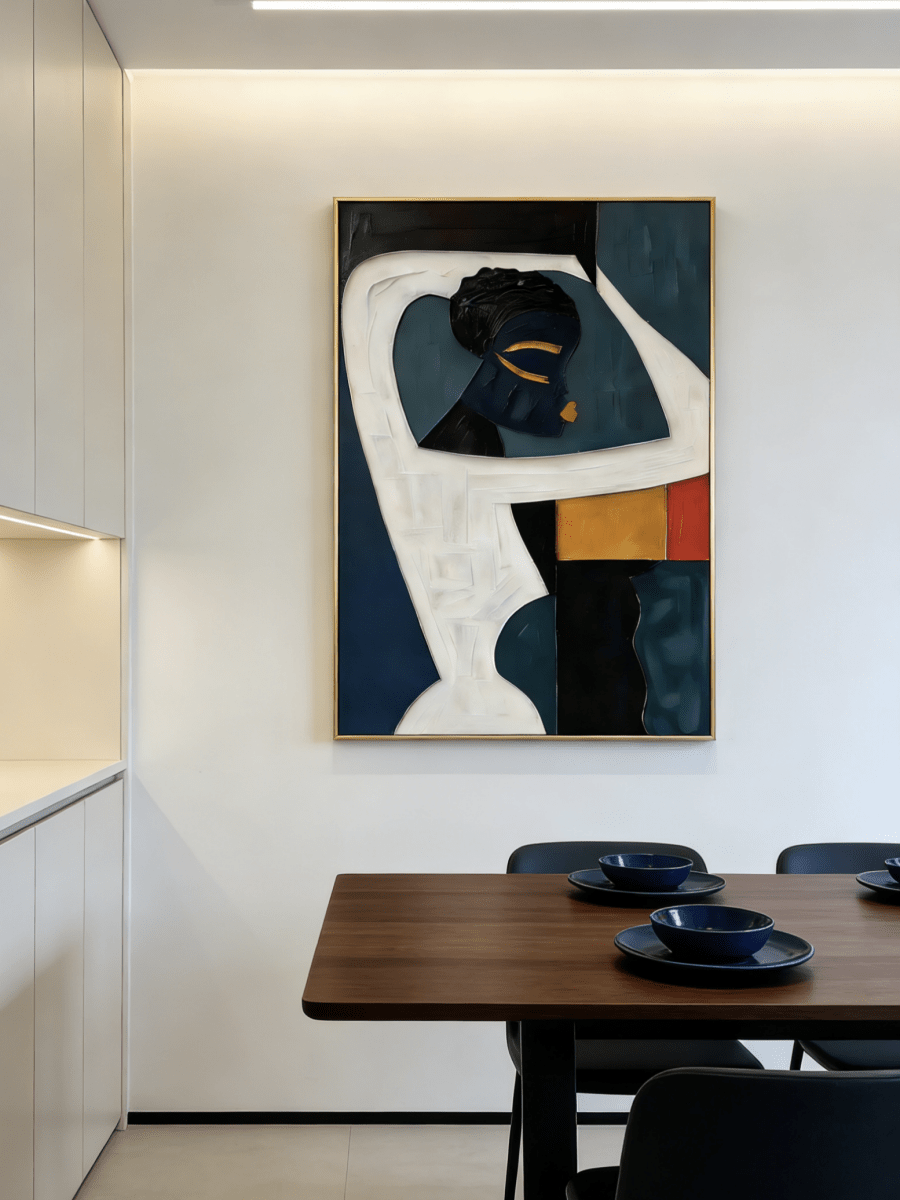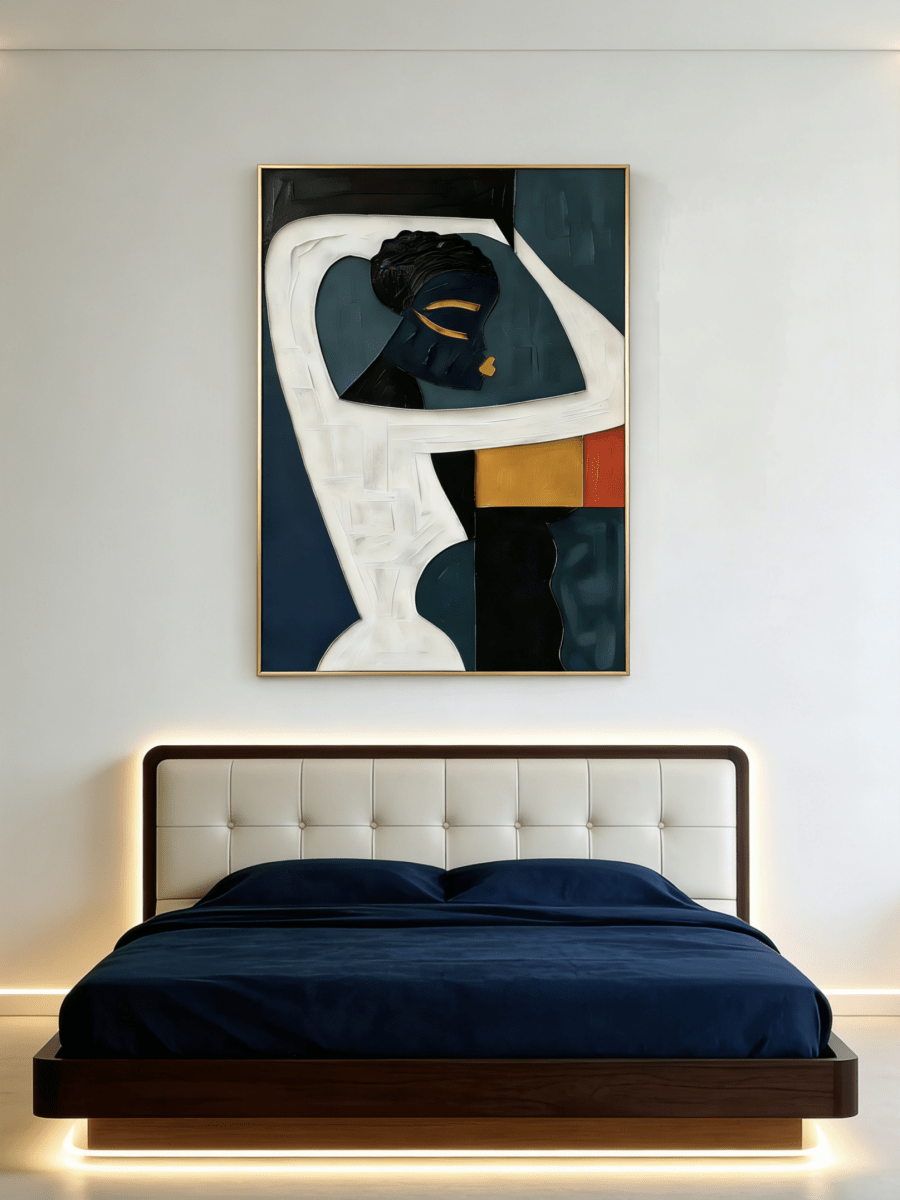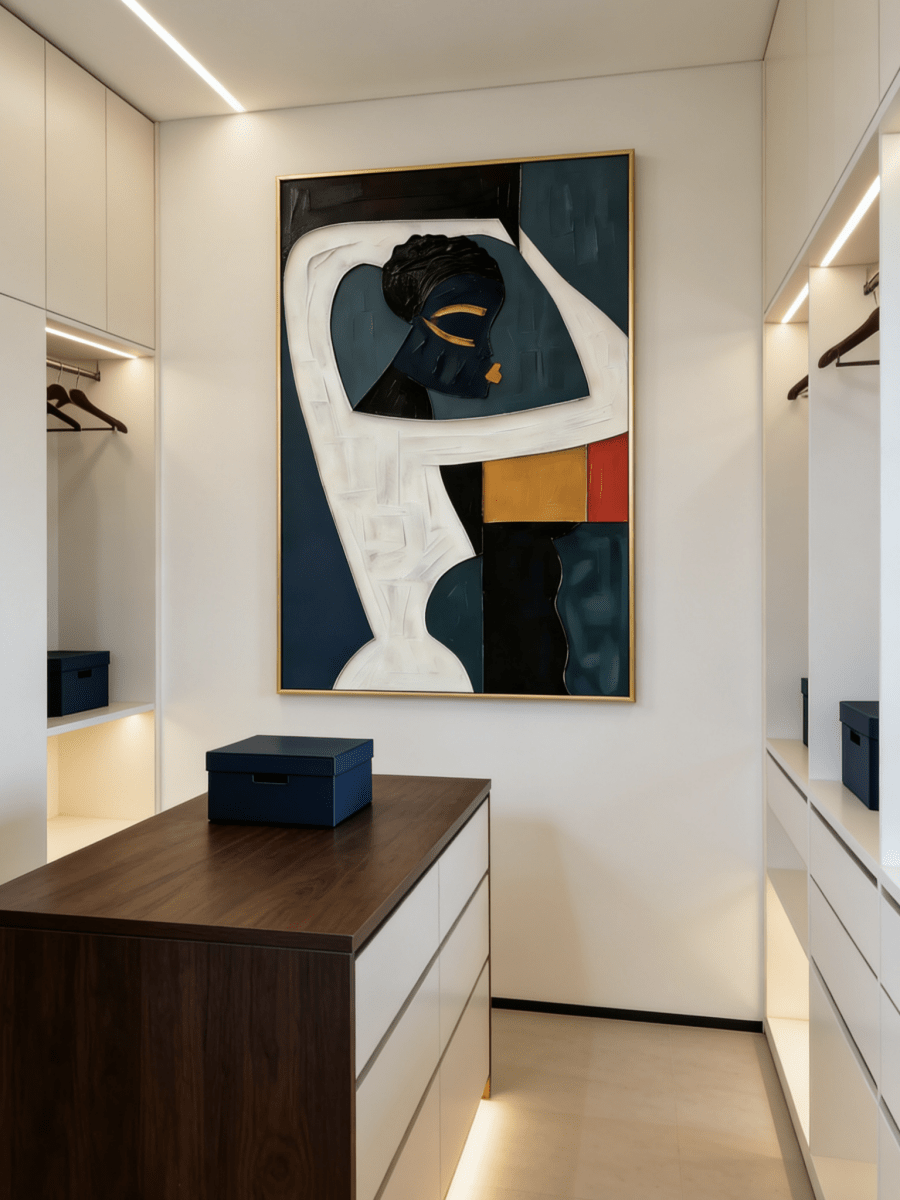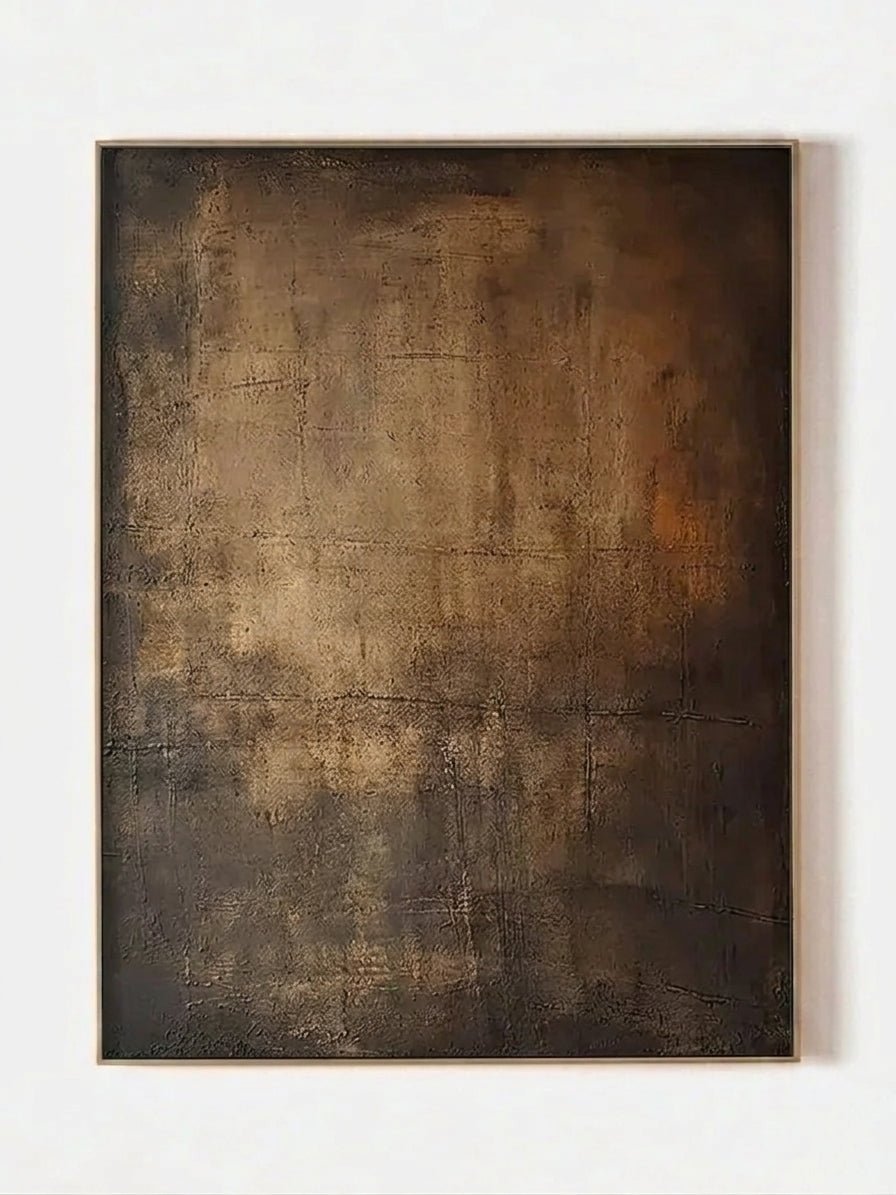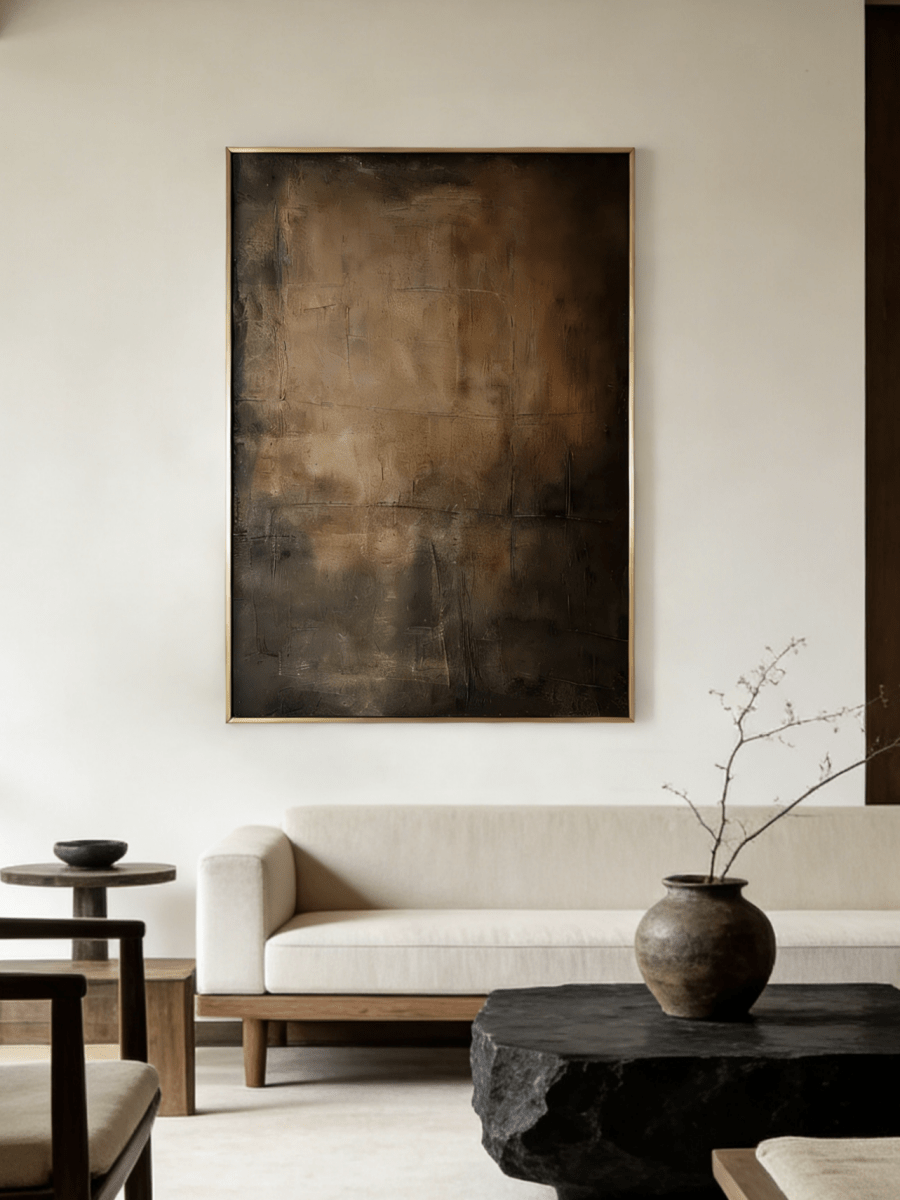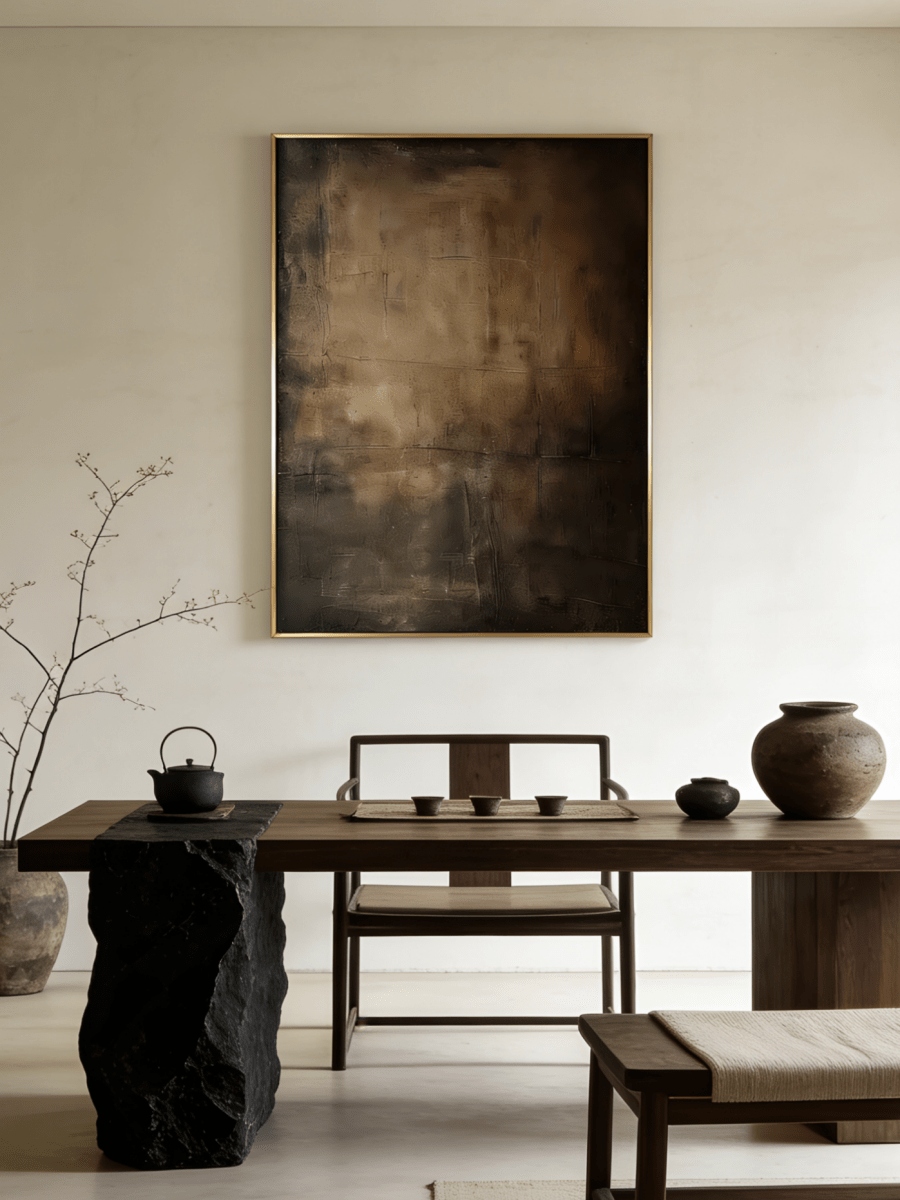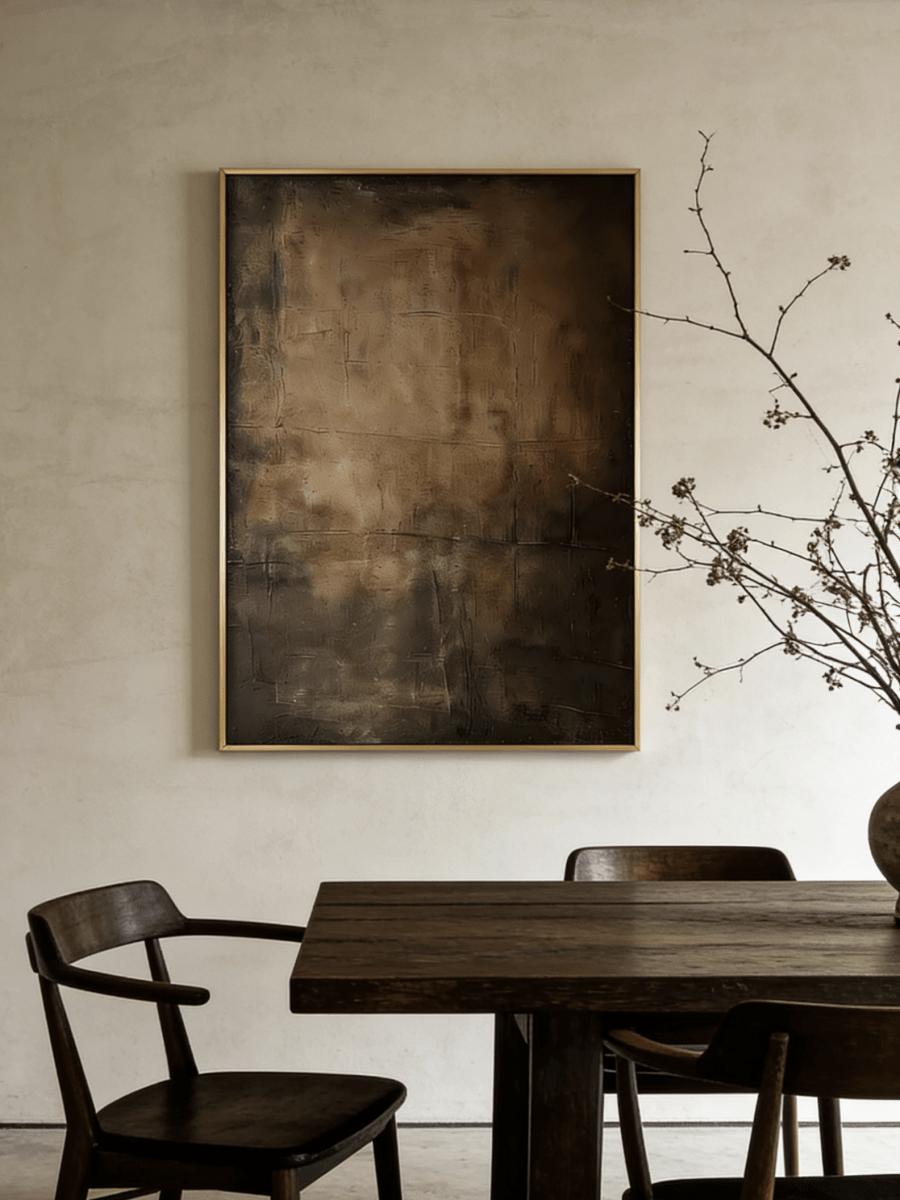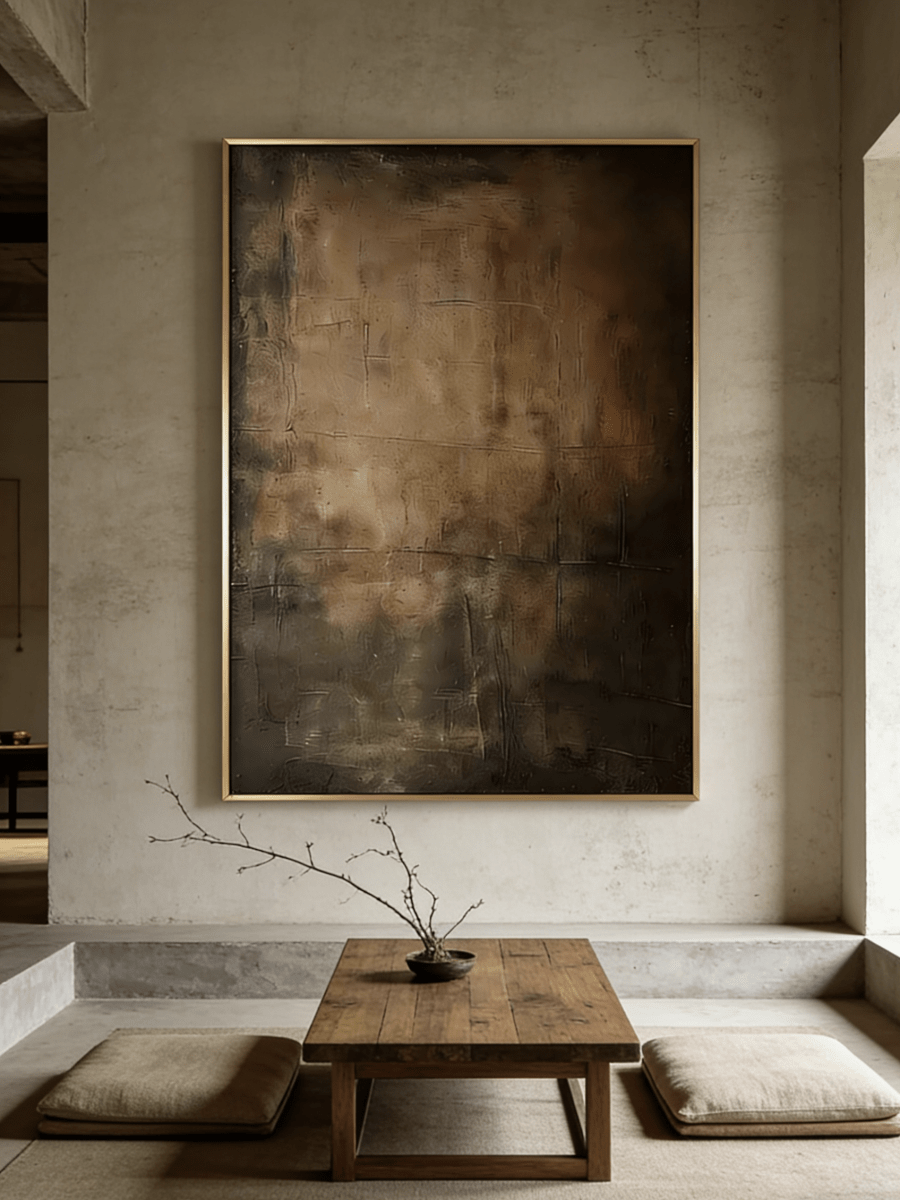

"A painting in a room is like a thought hanging in the air." — Joshua Reynolds
A well-chosen decorative painting is far more than just wall coverings. It's a visual anchor for a space, the soul that sets the atmosphere and guides emotions. When people enter a space, their eyes are naturally drawn to the artwork on the wall. Its shape, color, and brushstrokes silently define the space's style.
In 2025, home decoration will increasingly lean towards personalization and emotional expression. Without altering the existing layout, using art paintings to elevate the space's level and character is undoubtedly the smartest and most economical approach. This guide will take you step-by-step through the process, unlocking all the secrets to choosing that "destined" hand-painted artwork.

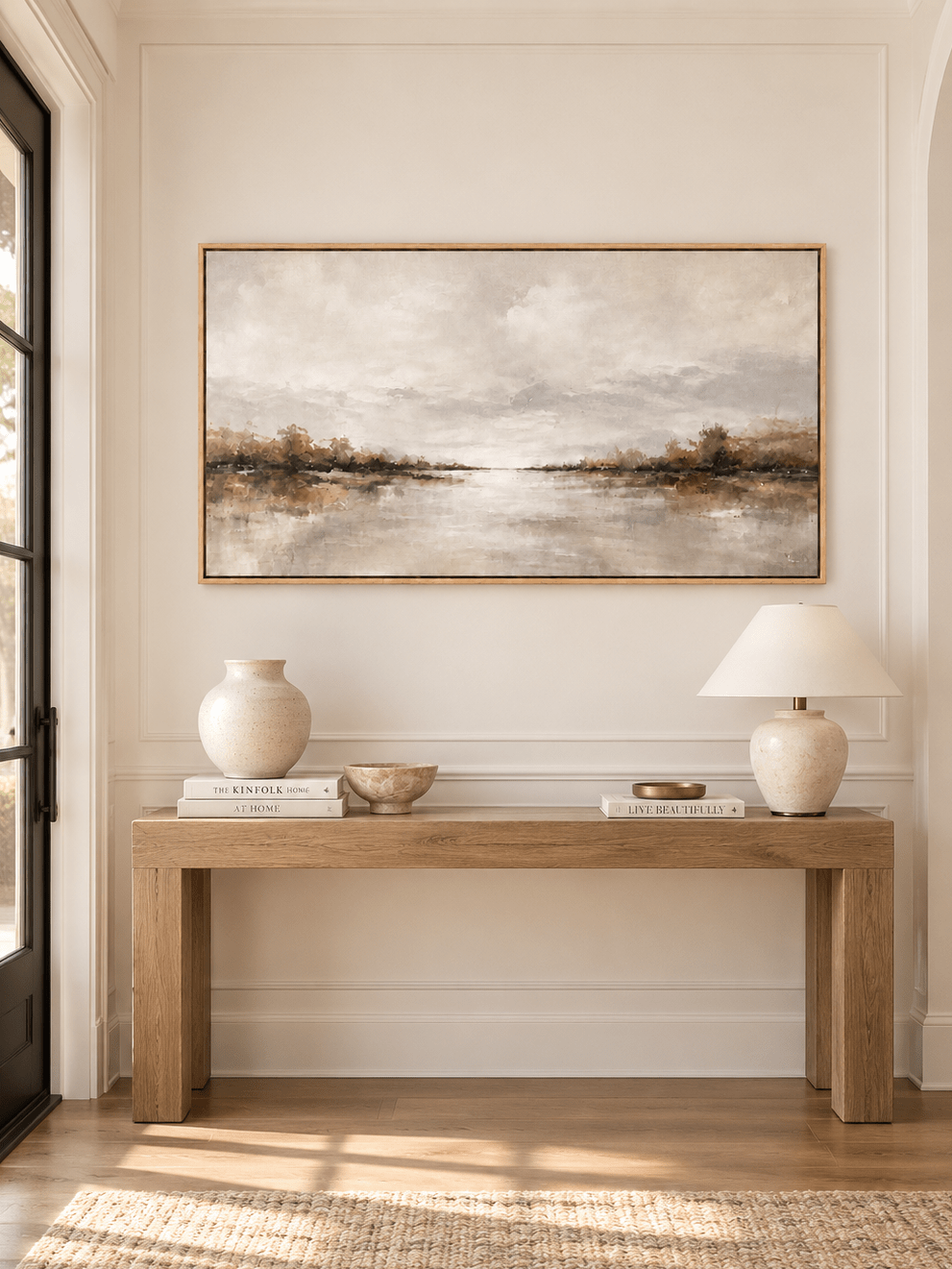
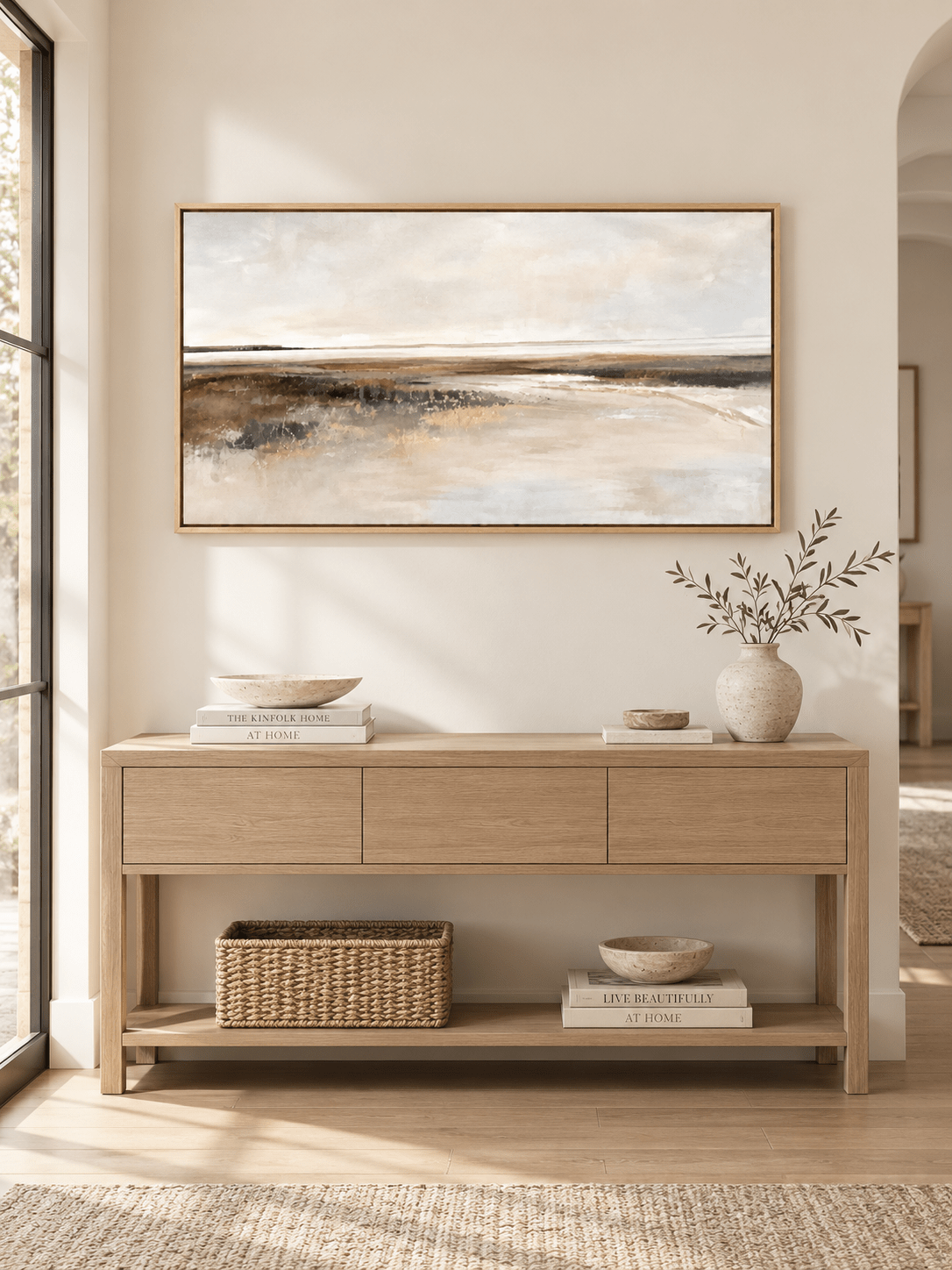
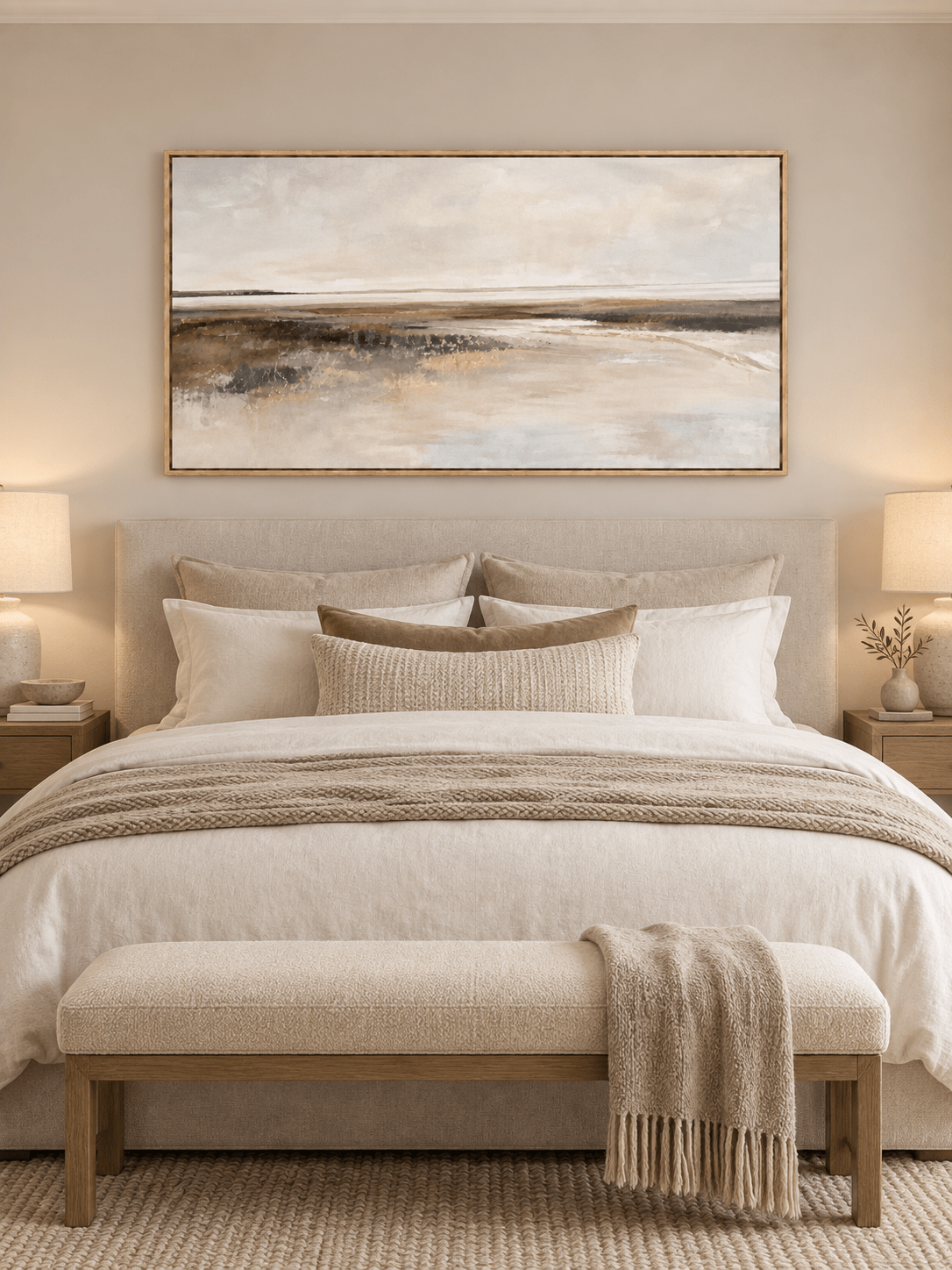
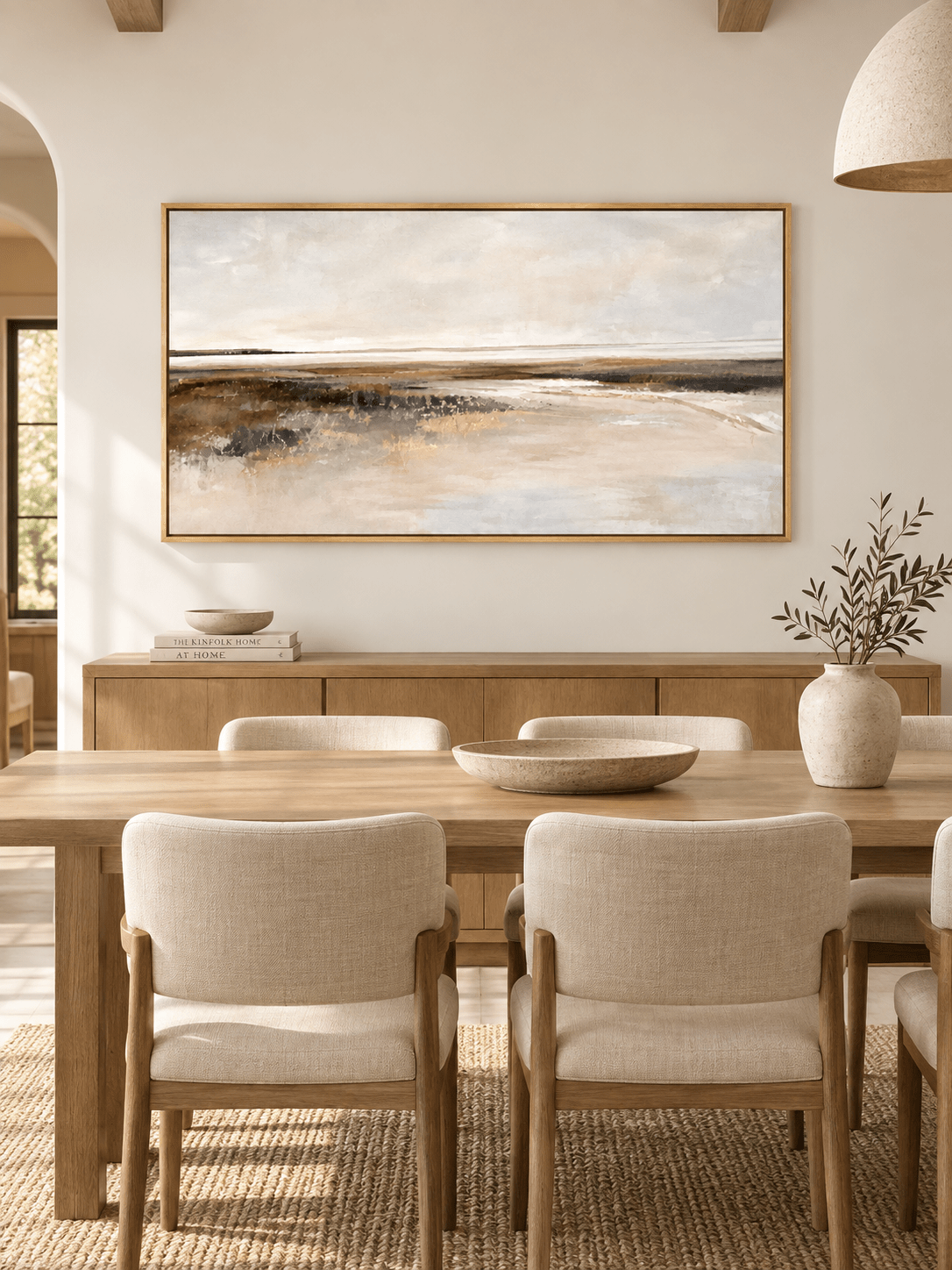
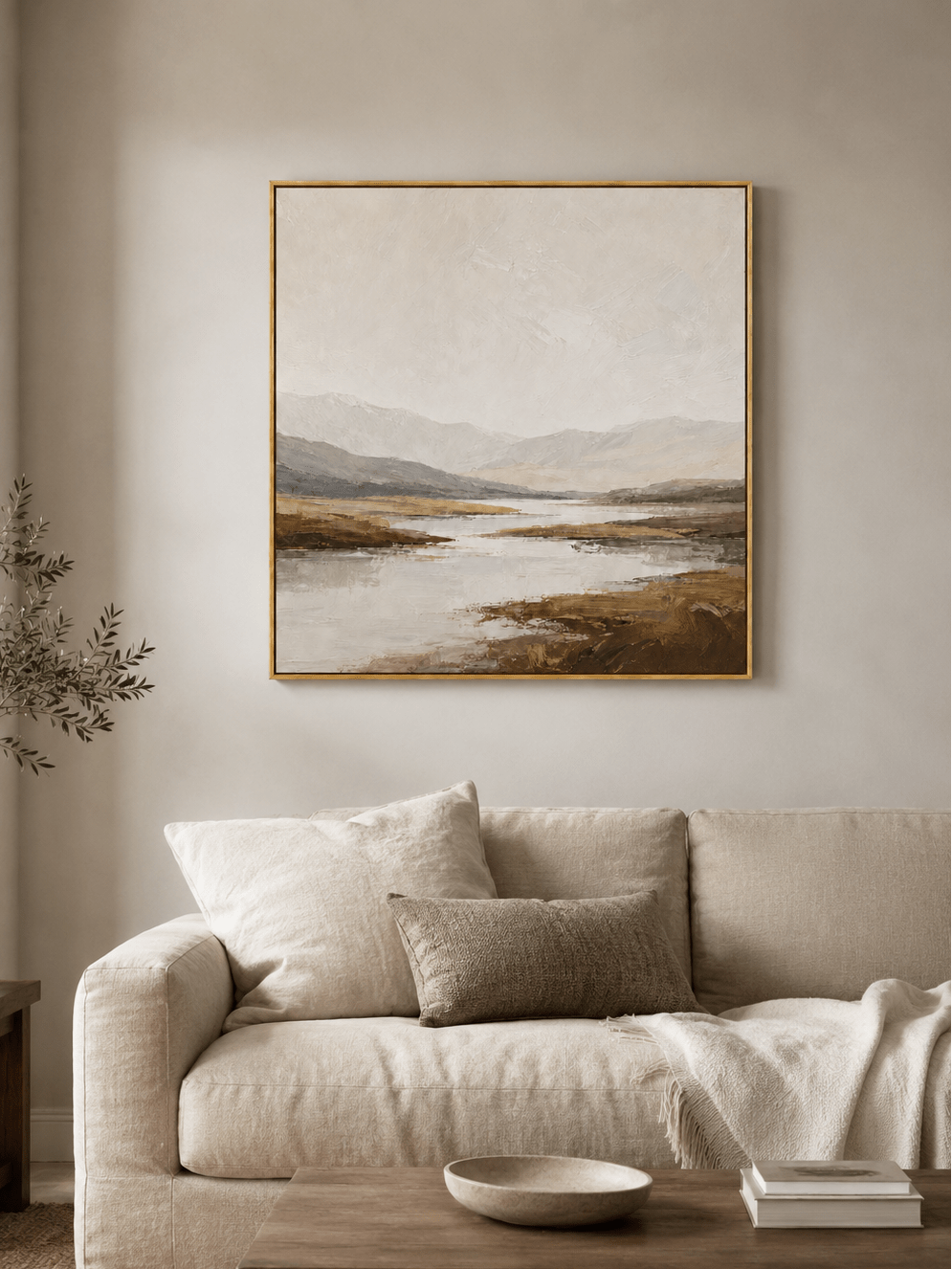
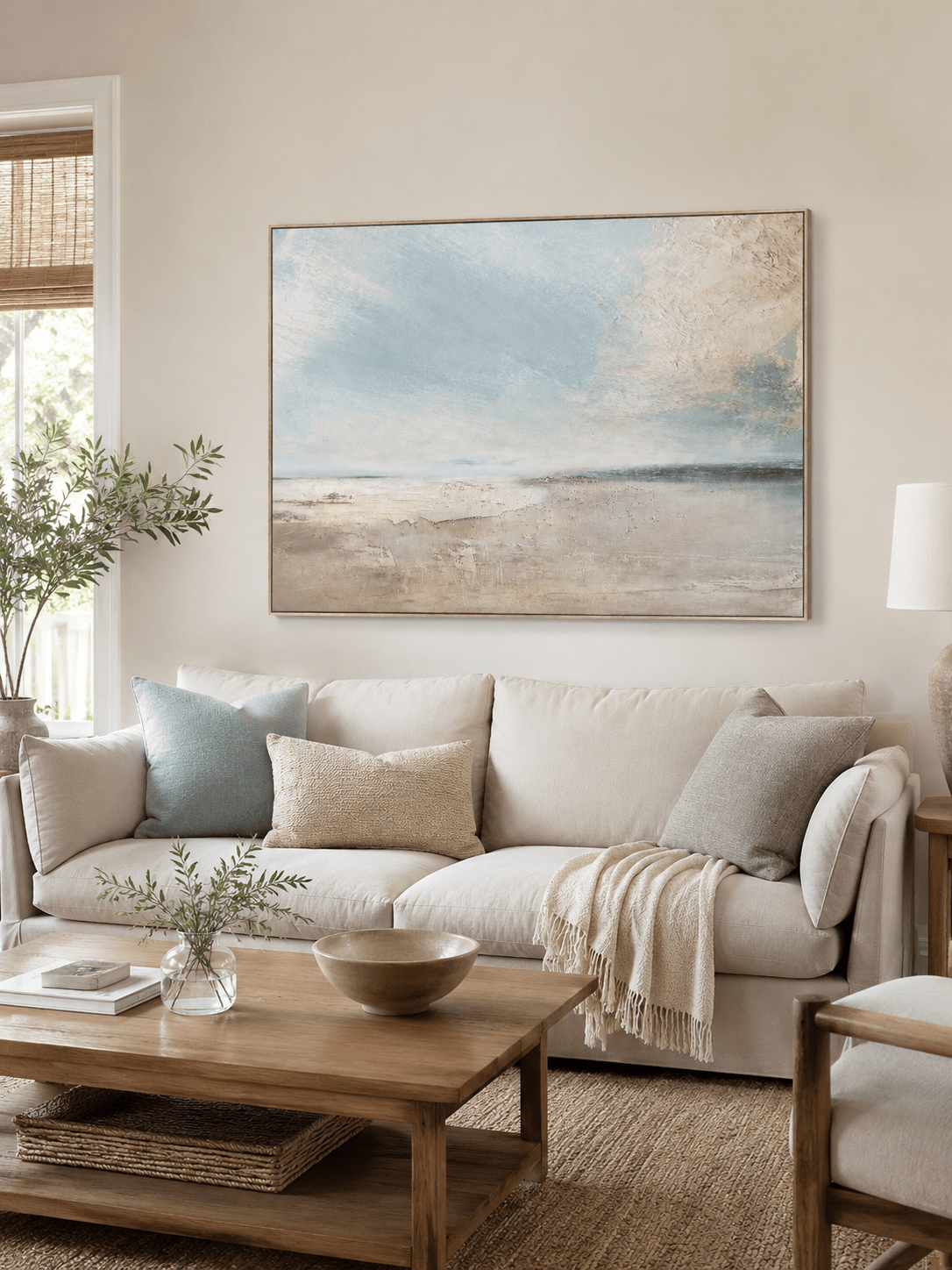
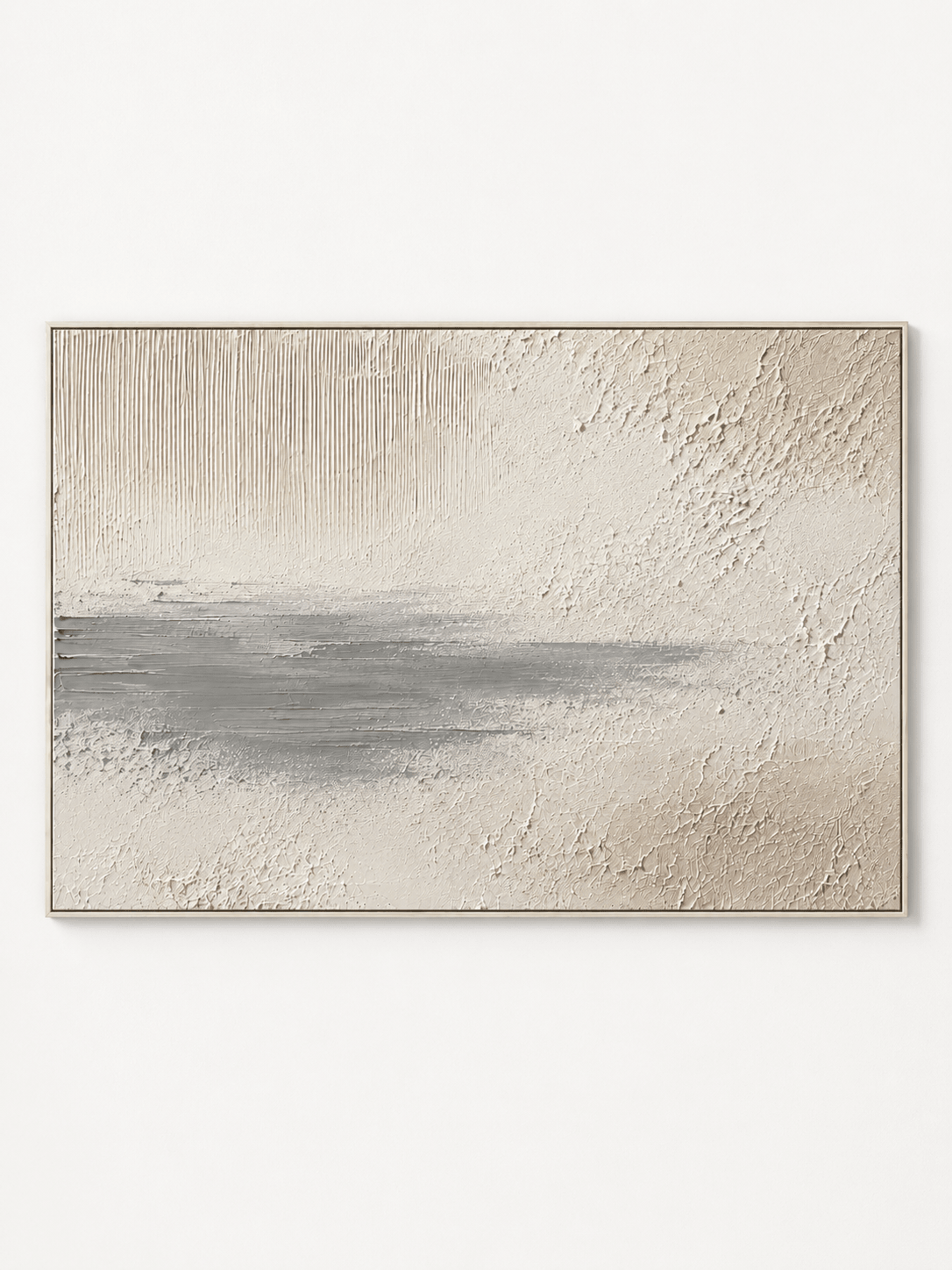
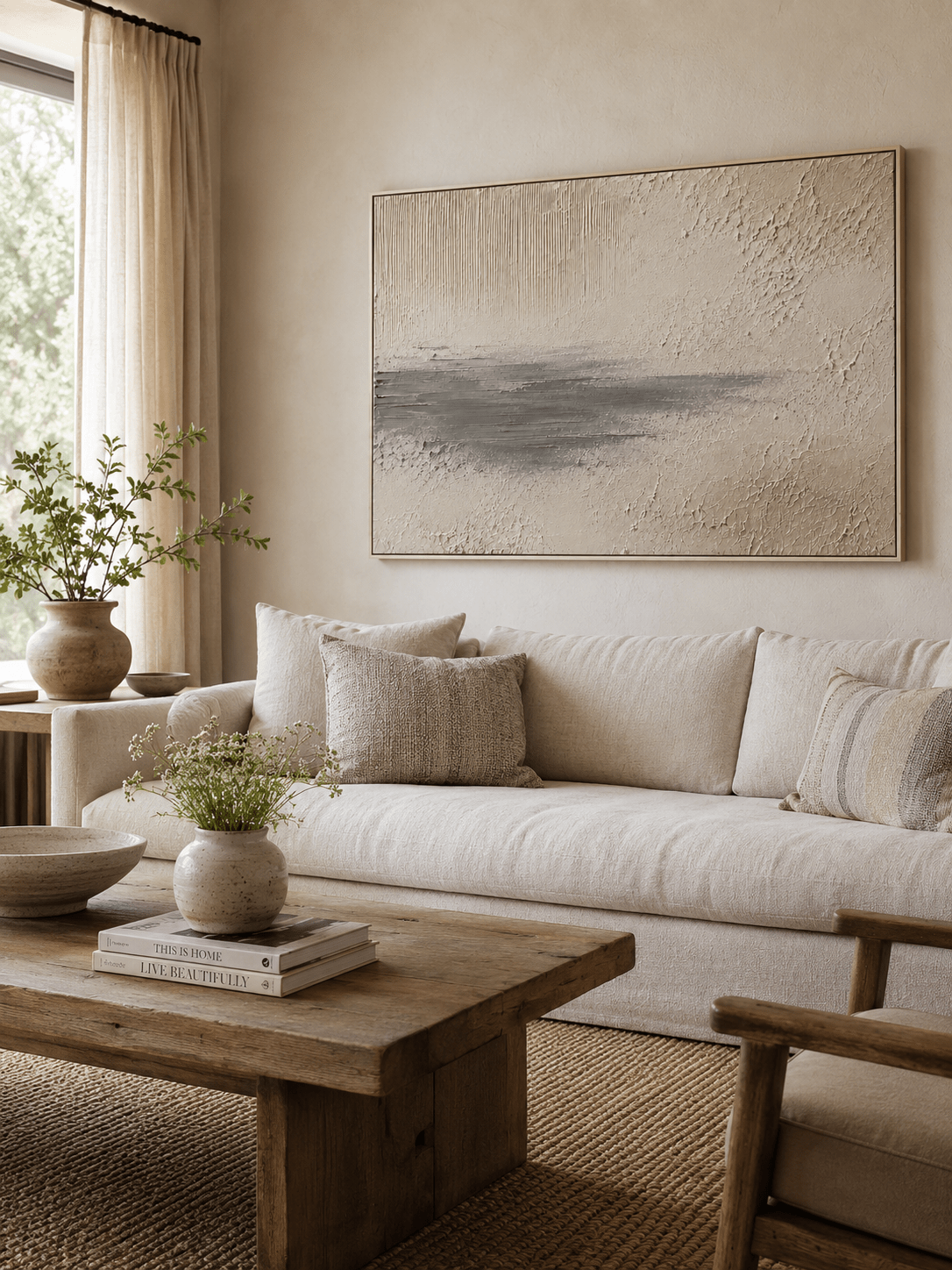
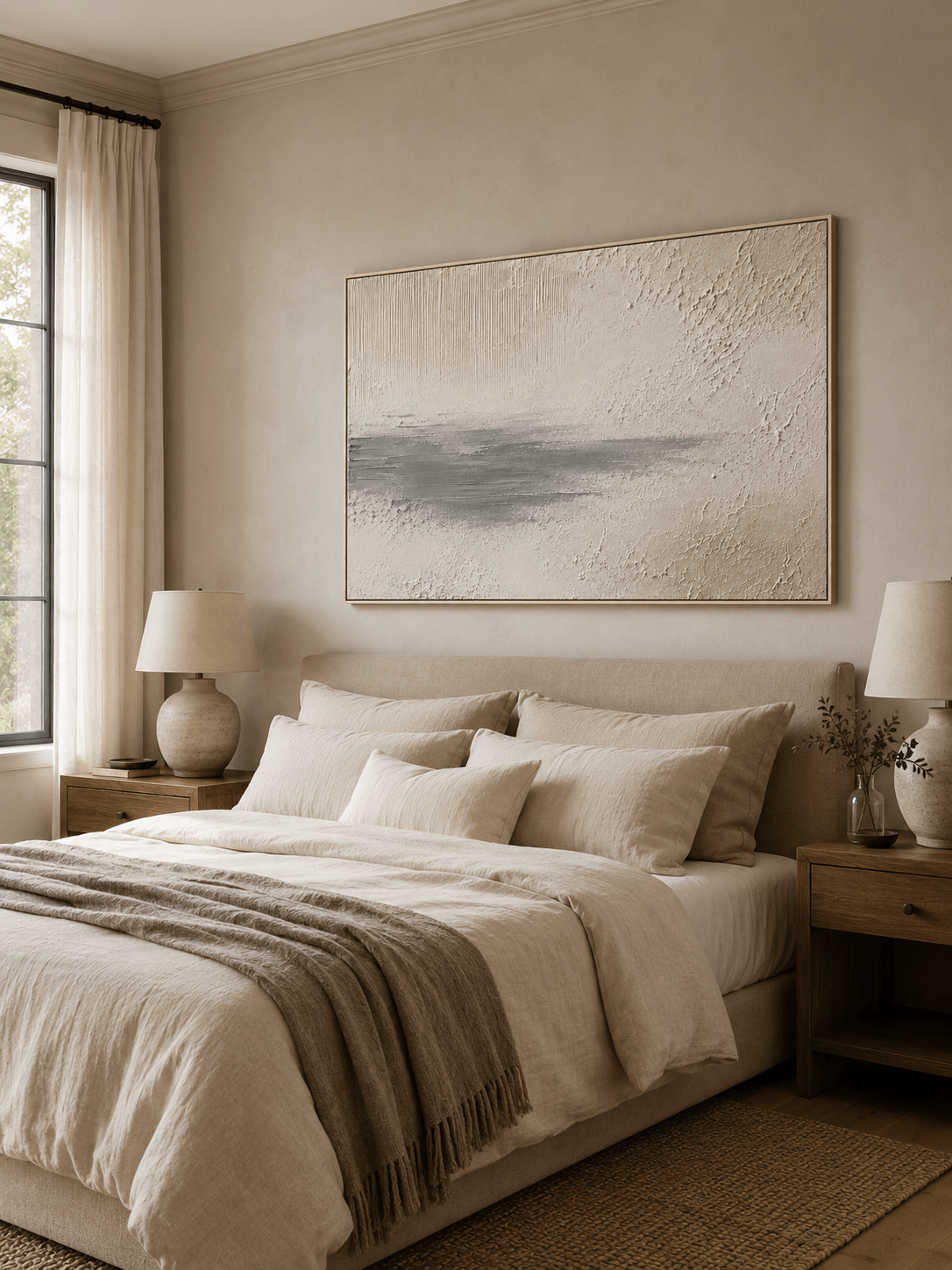
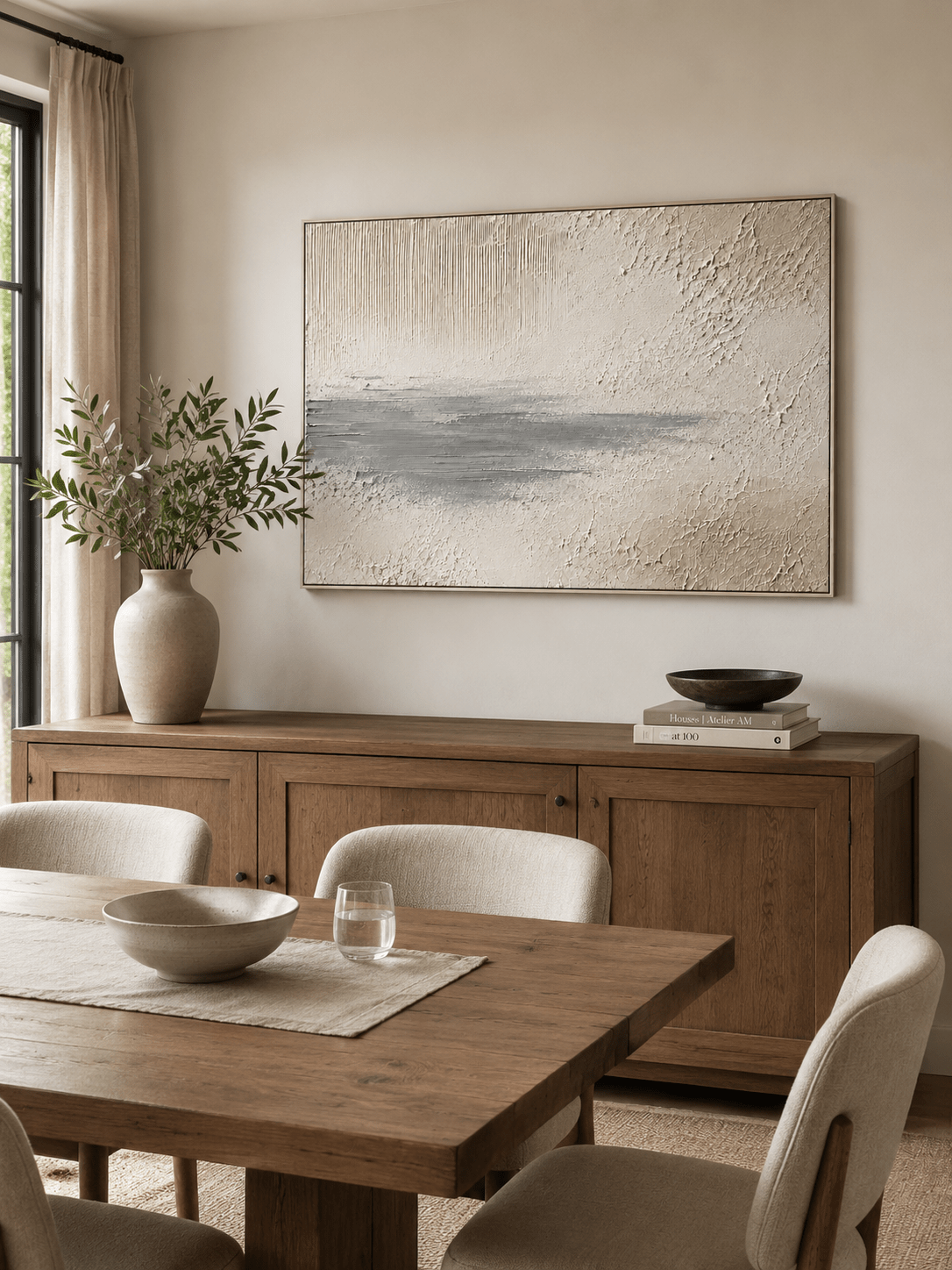
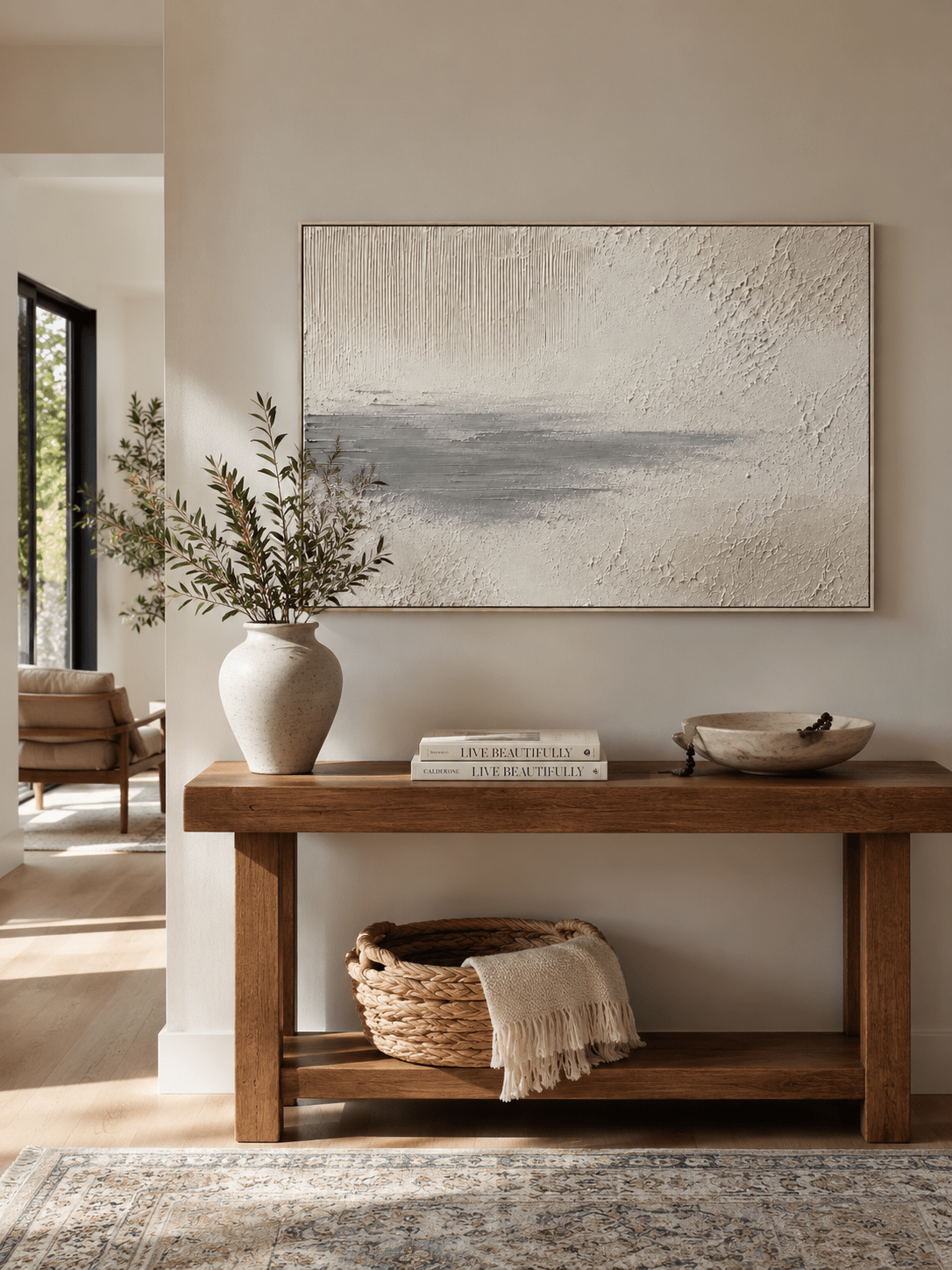
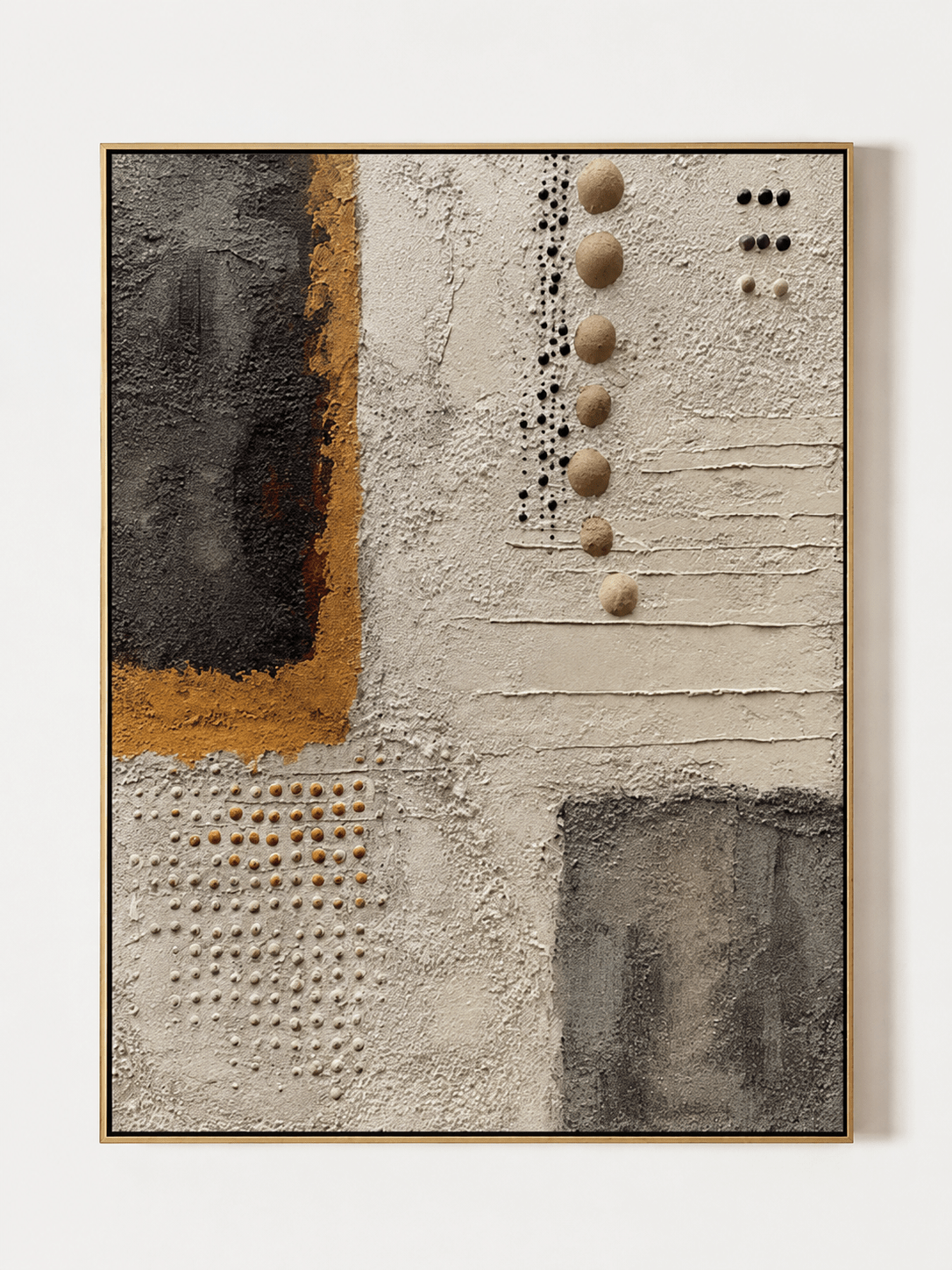
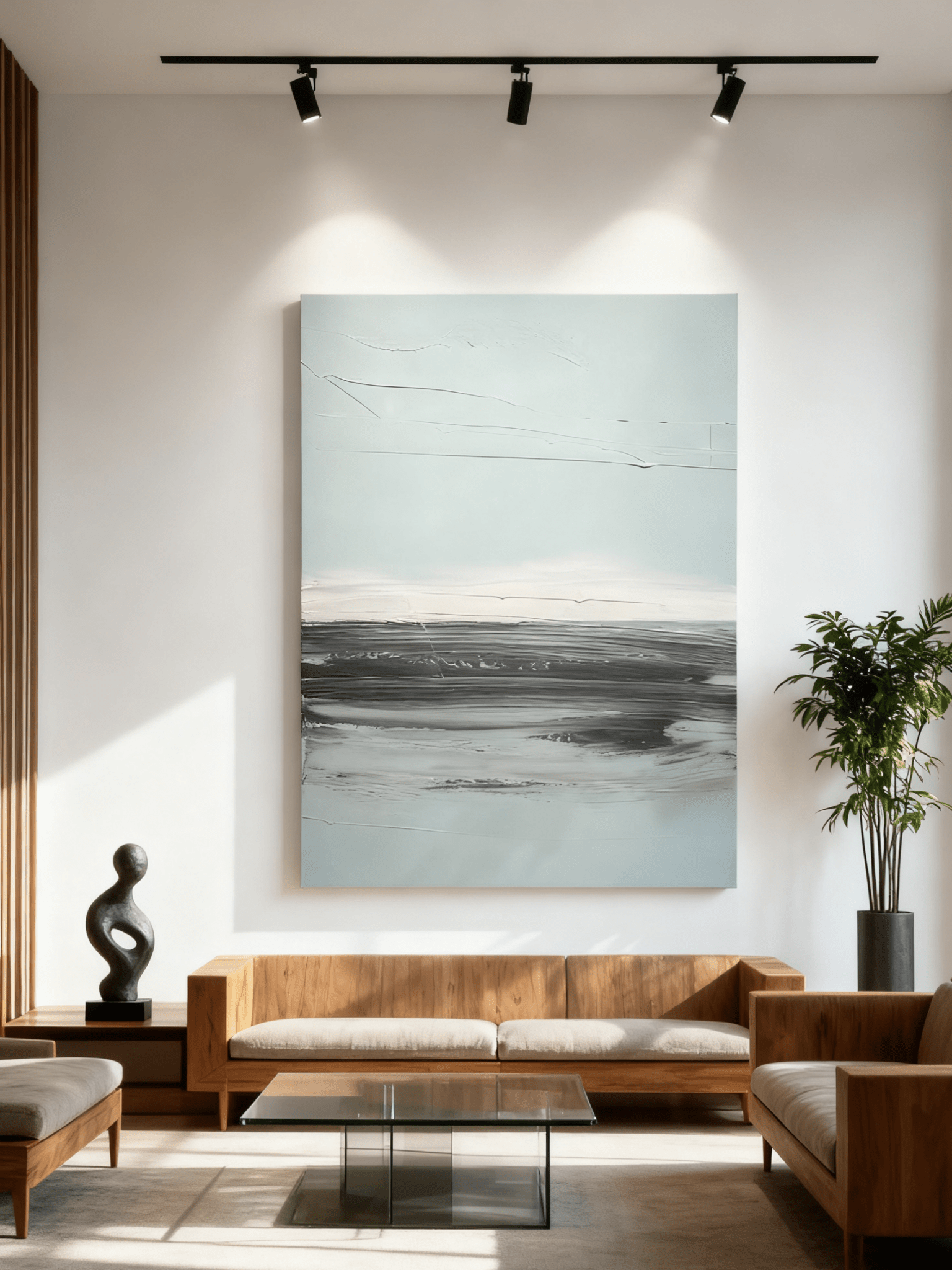
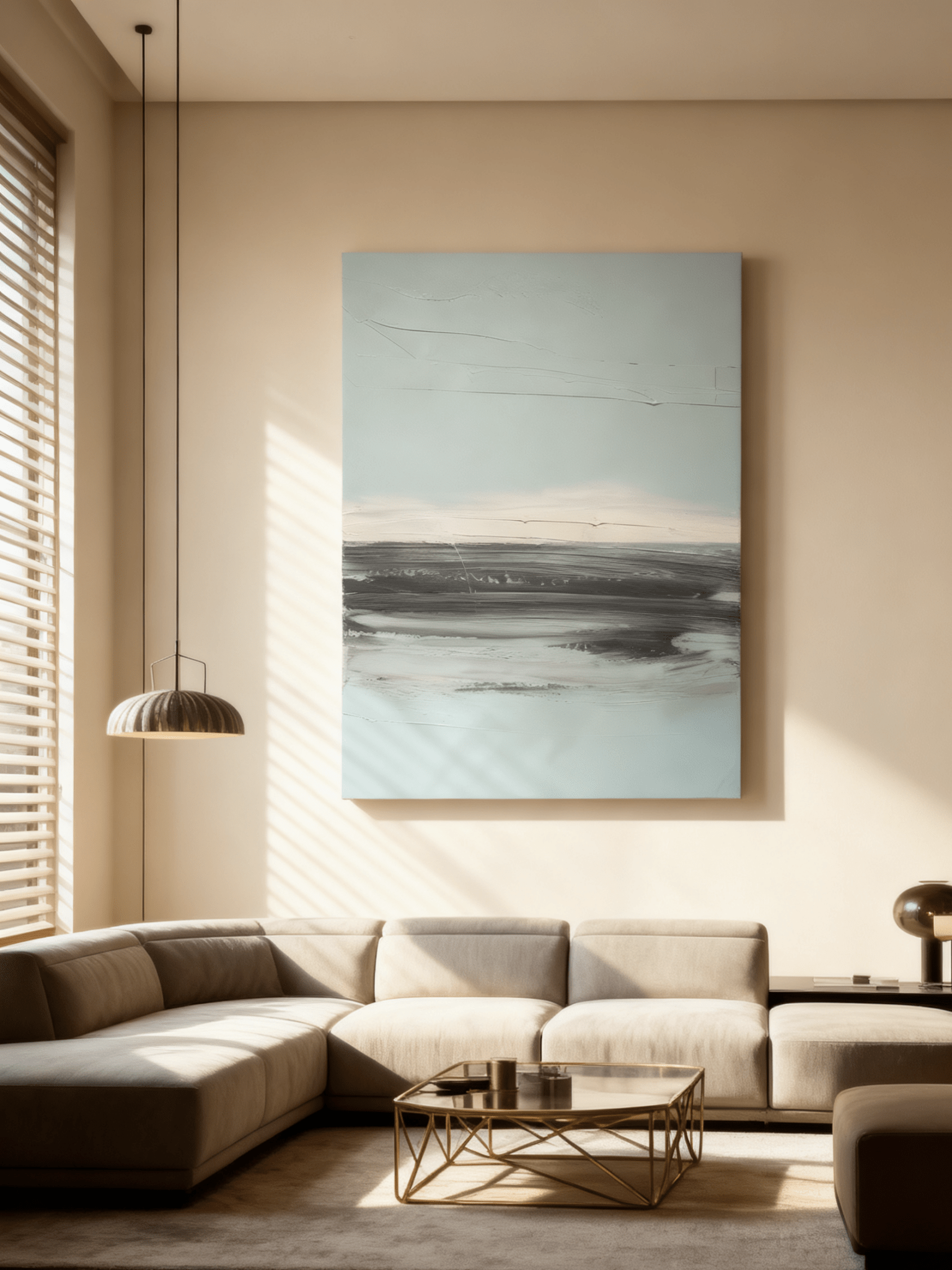
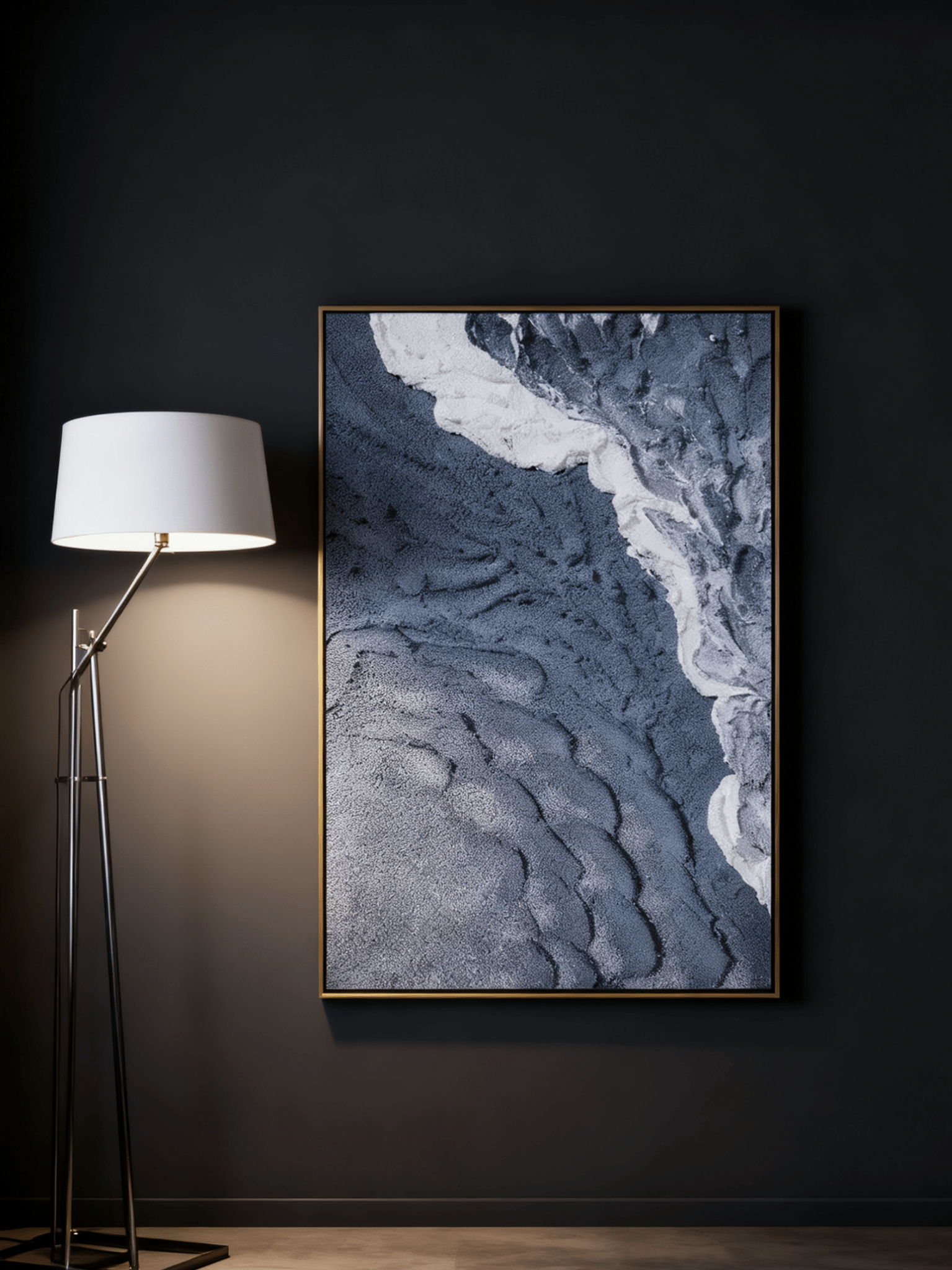
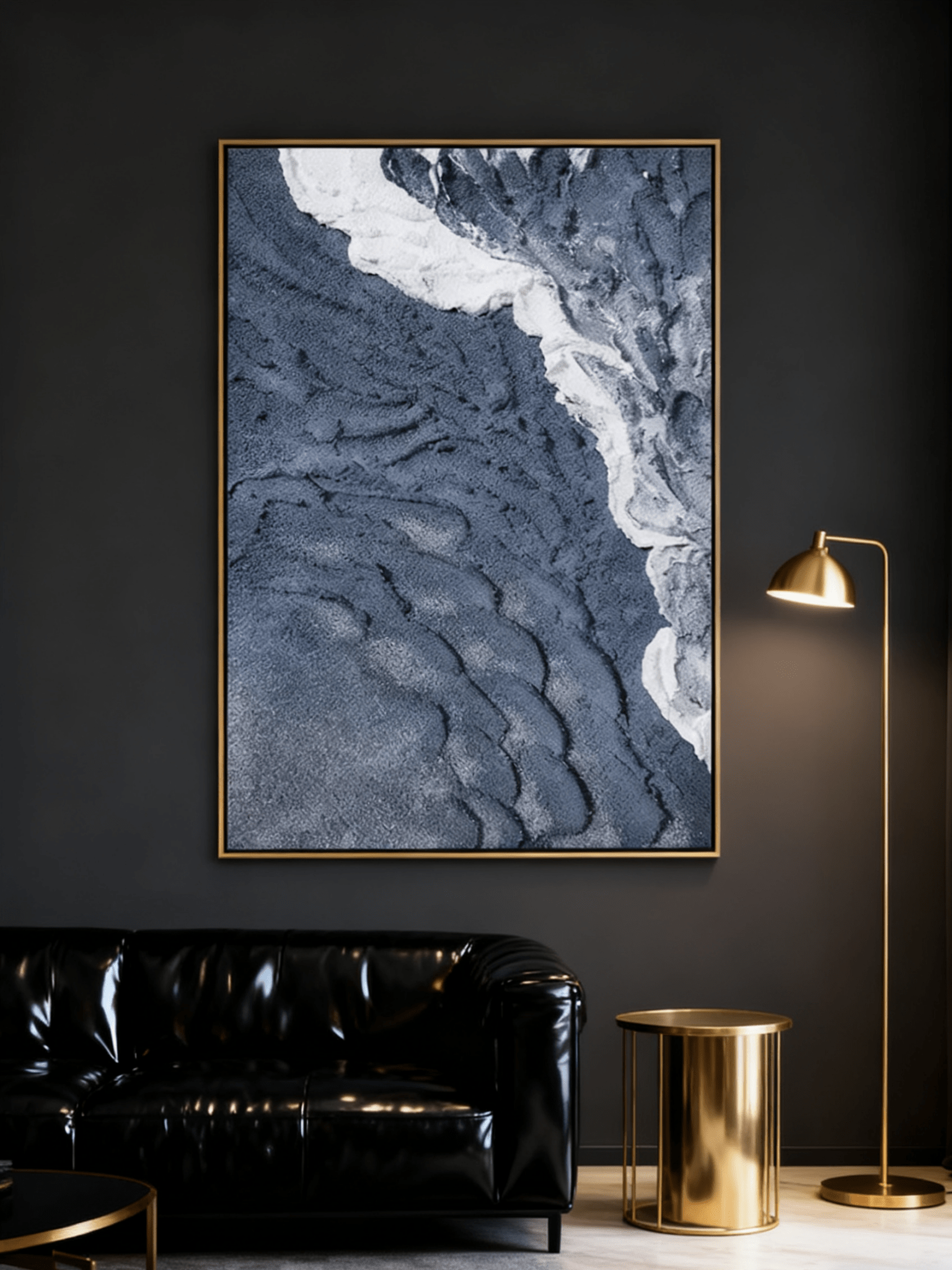
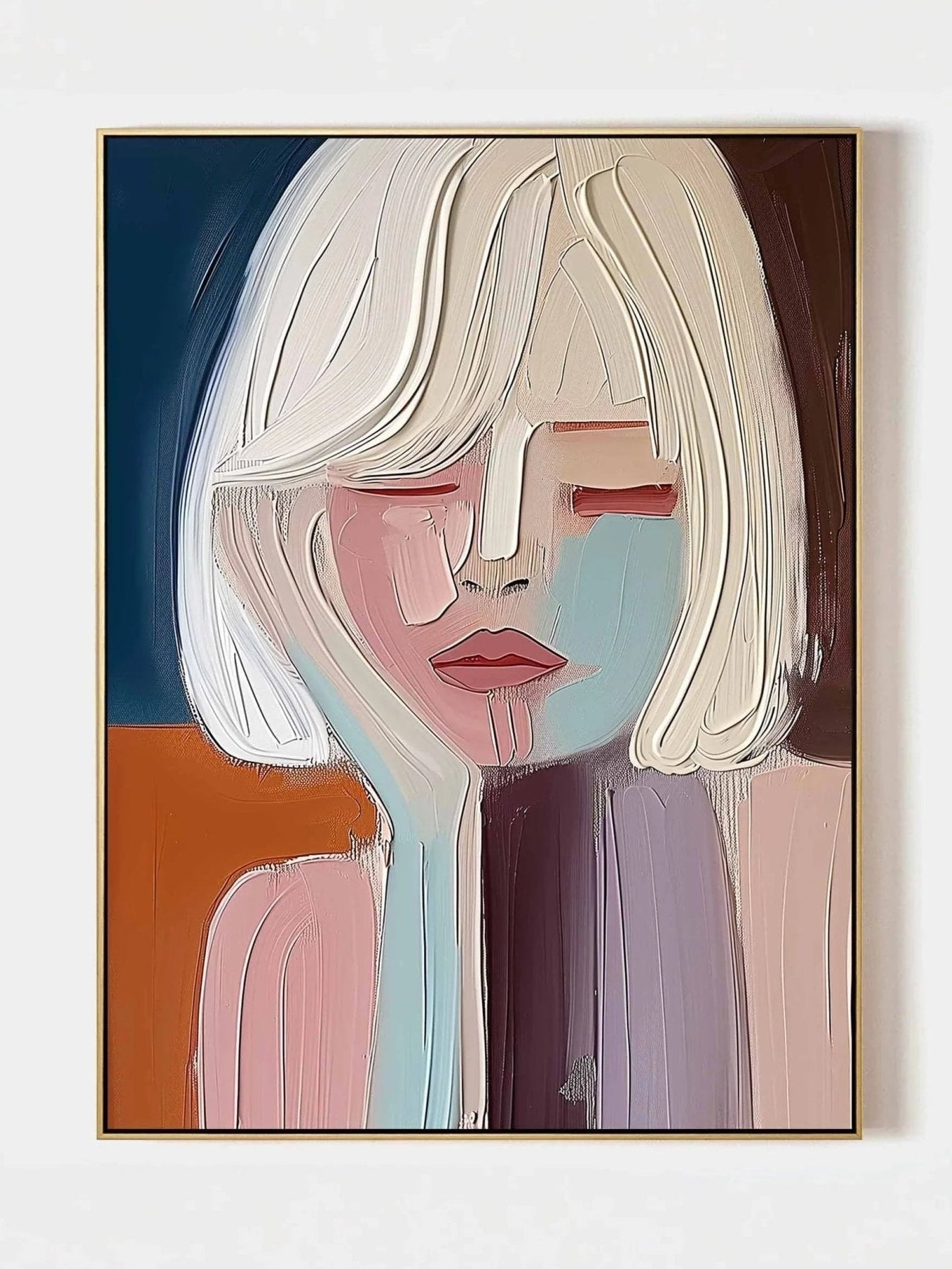
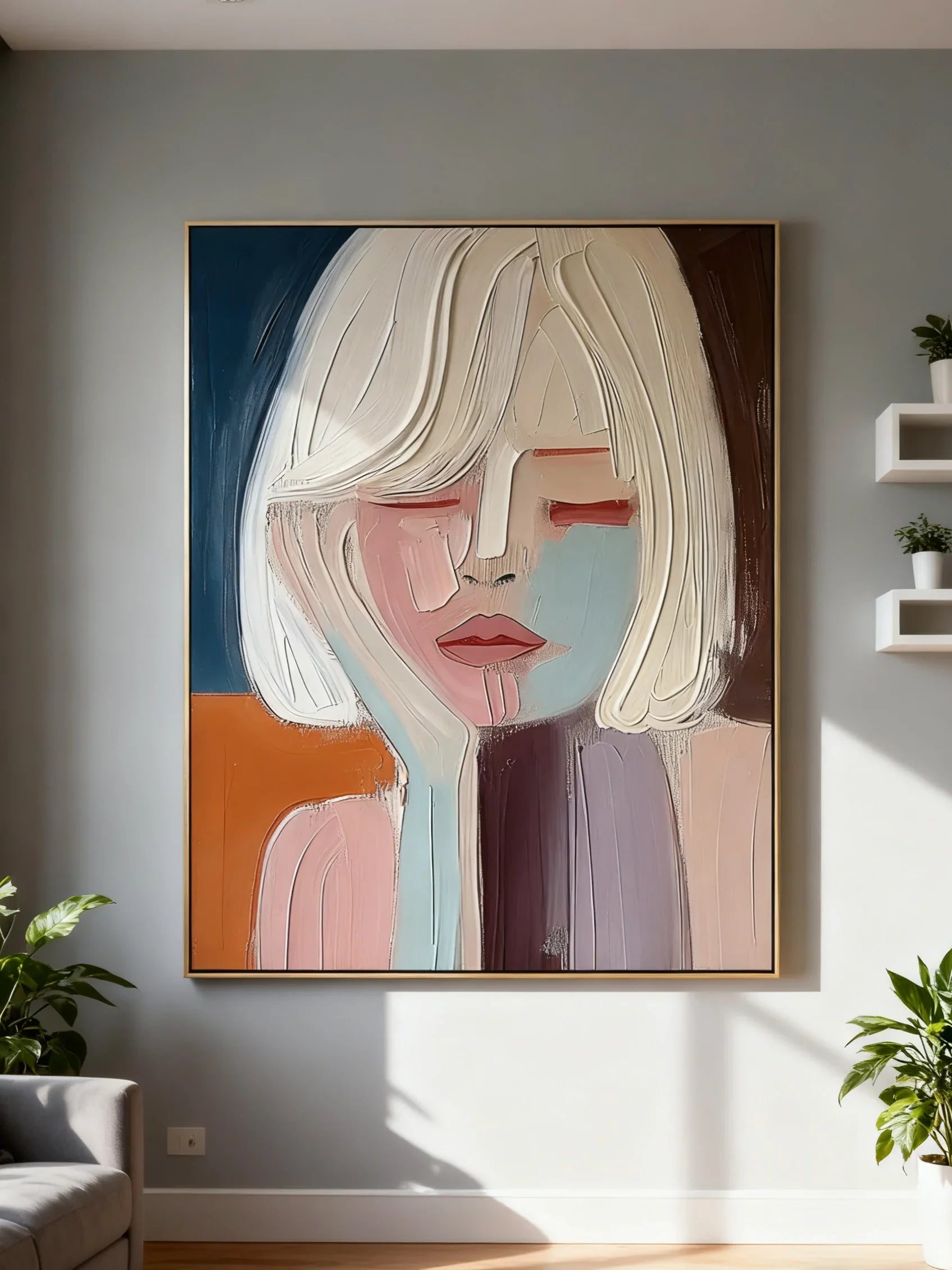
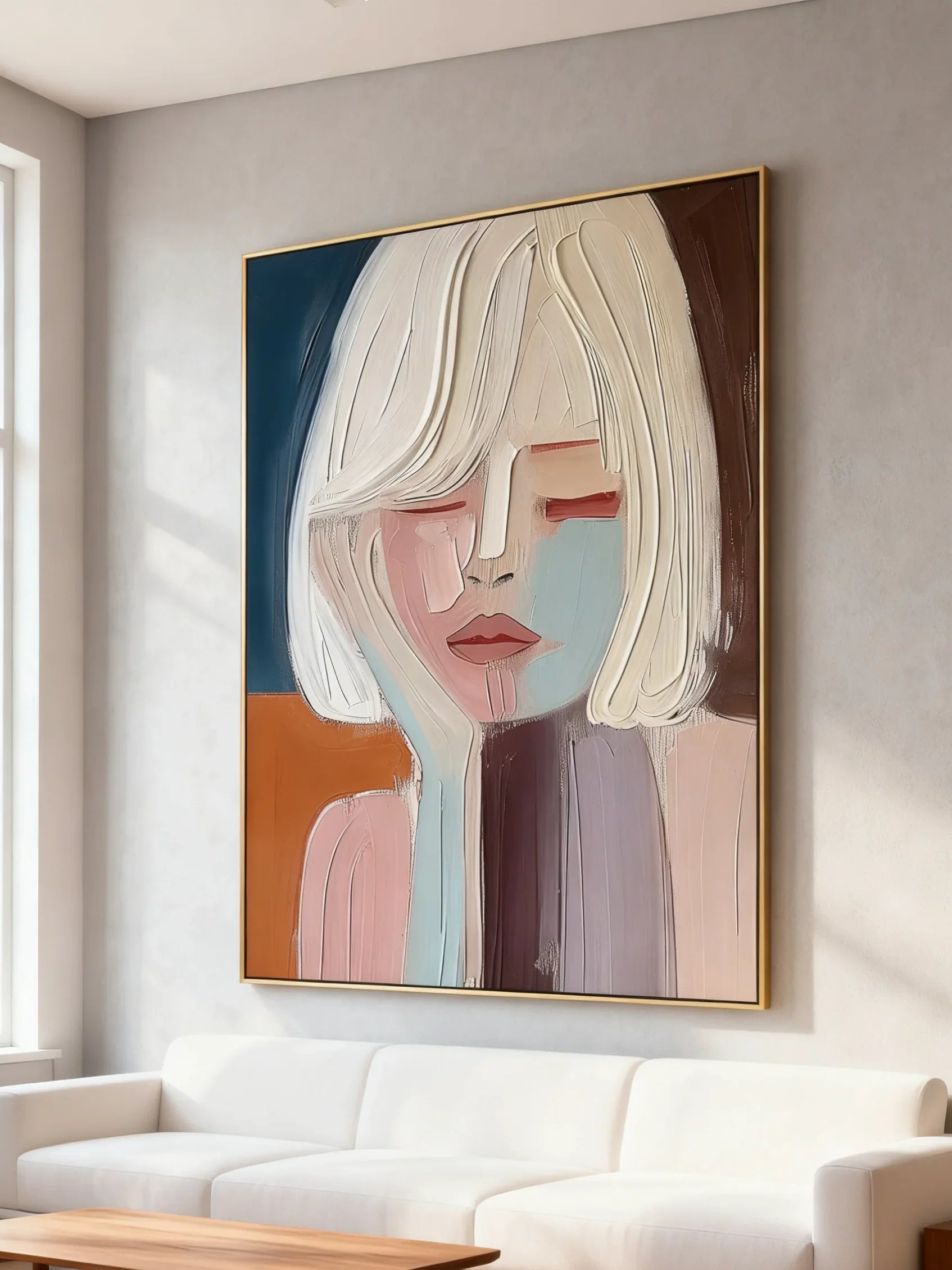
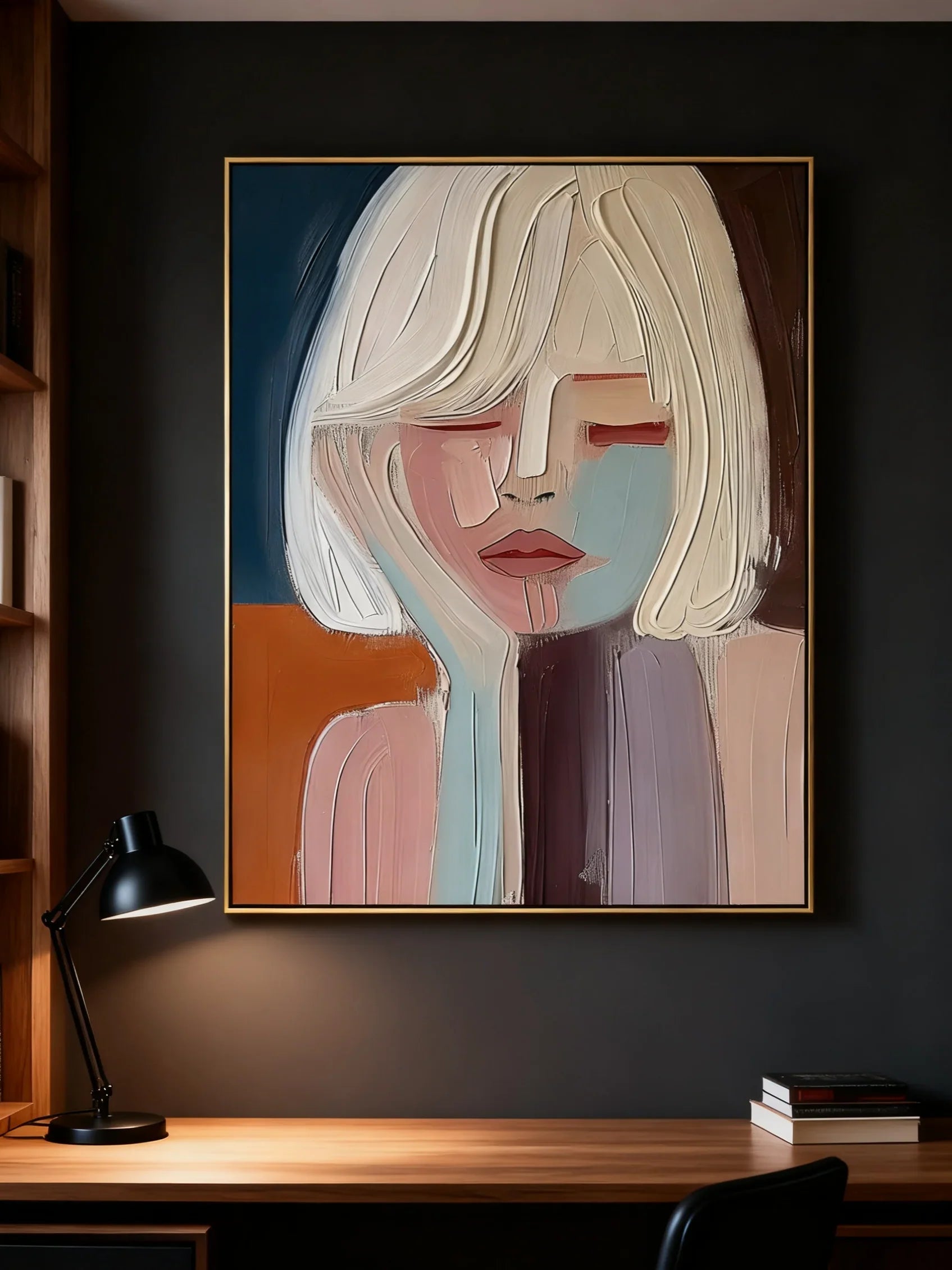
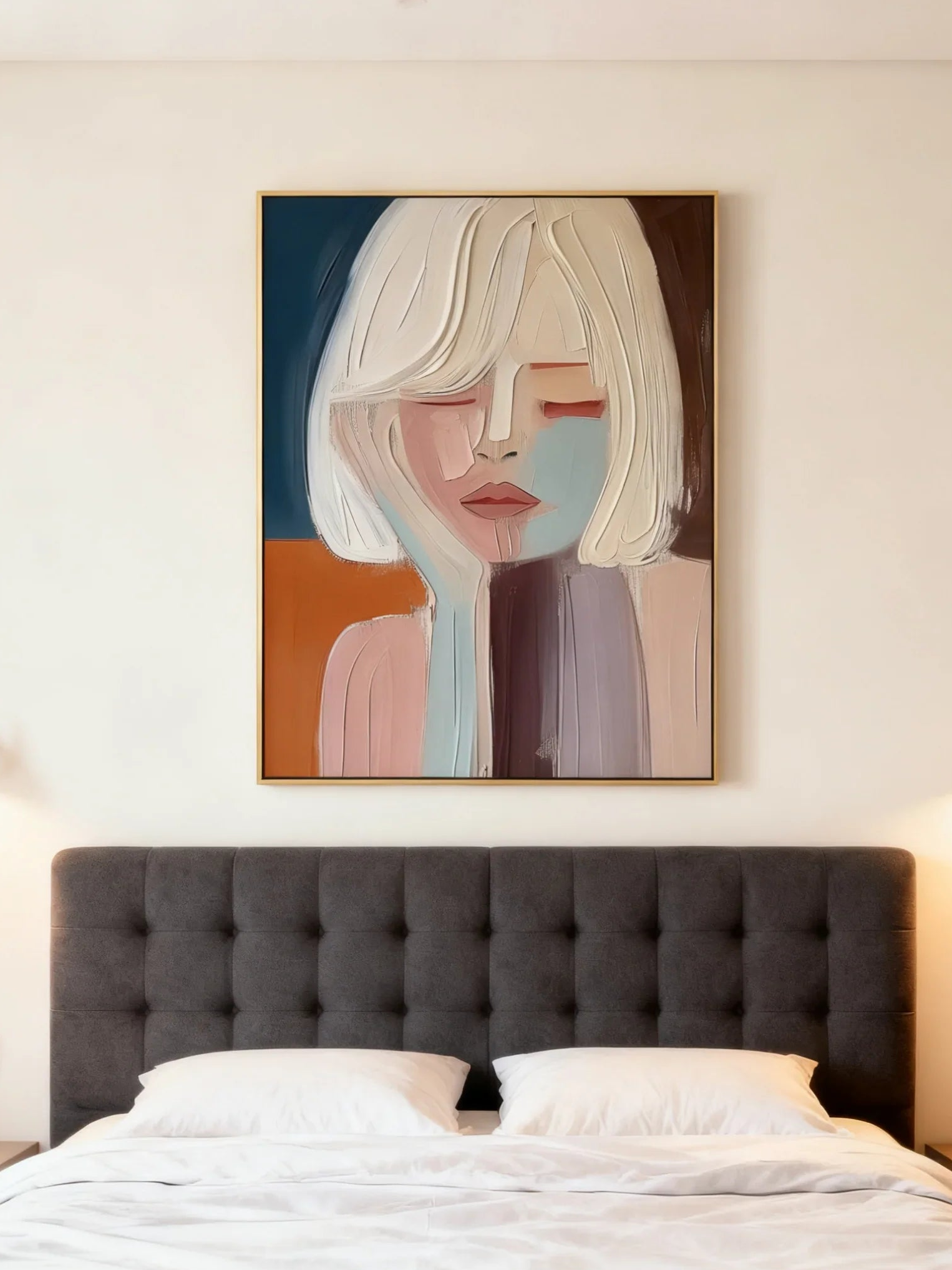
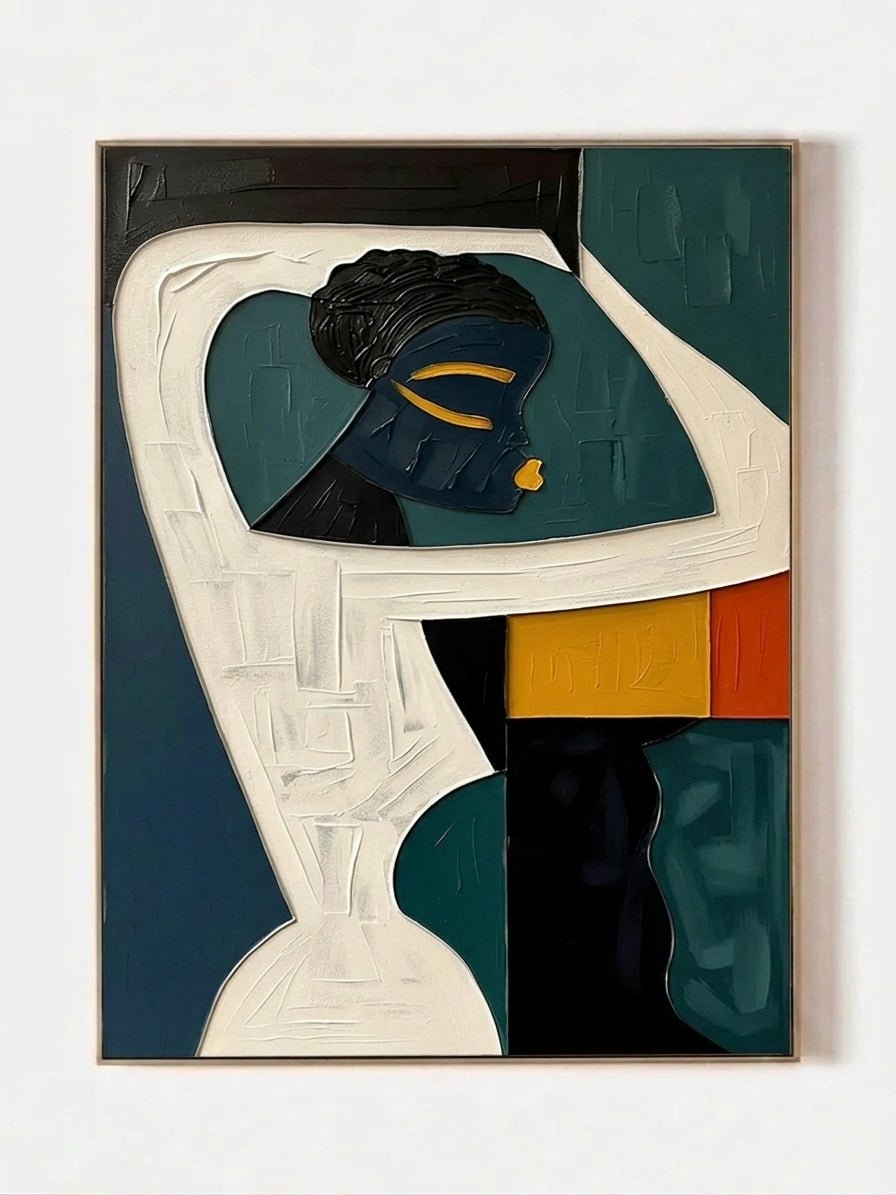
[Click on the image to purchase the same product]
Chapter 1: Defining the Style — A Dialogue Between Artwork and Space The style of the artwork sets the tone for the space and must resonate harmoniously with the overall home decor.
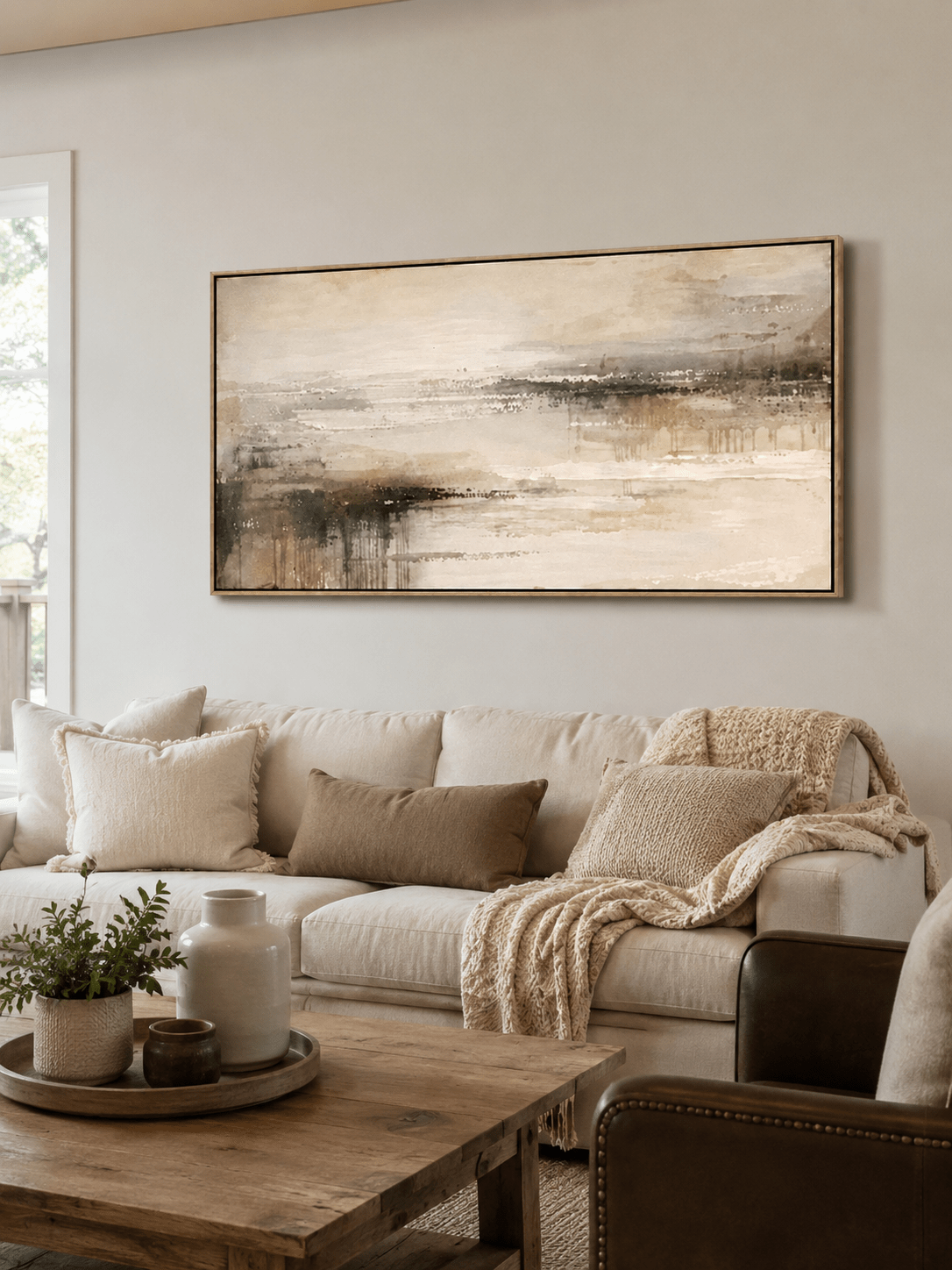
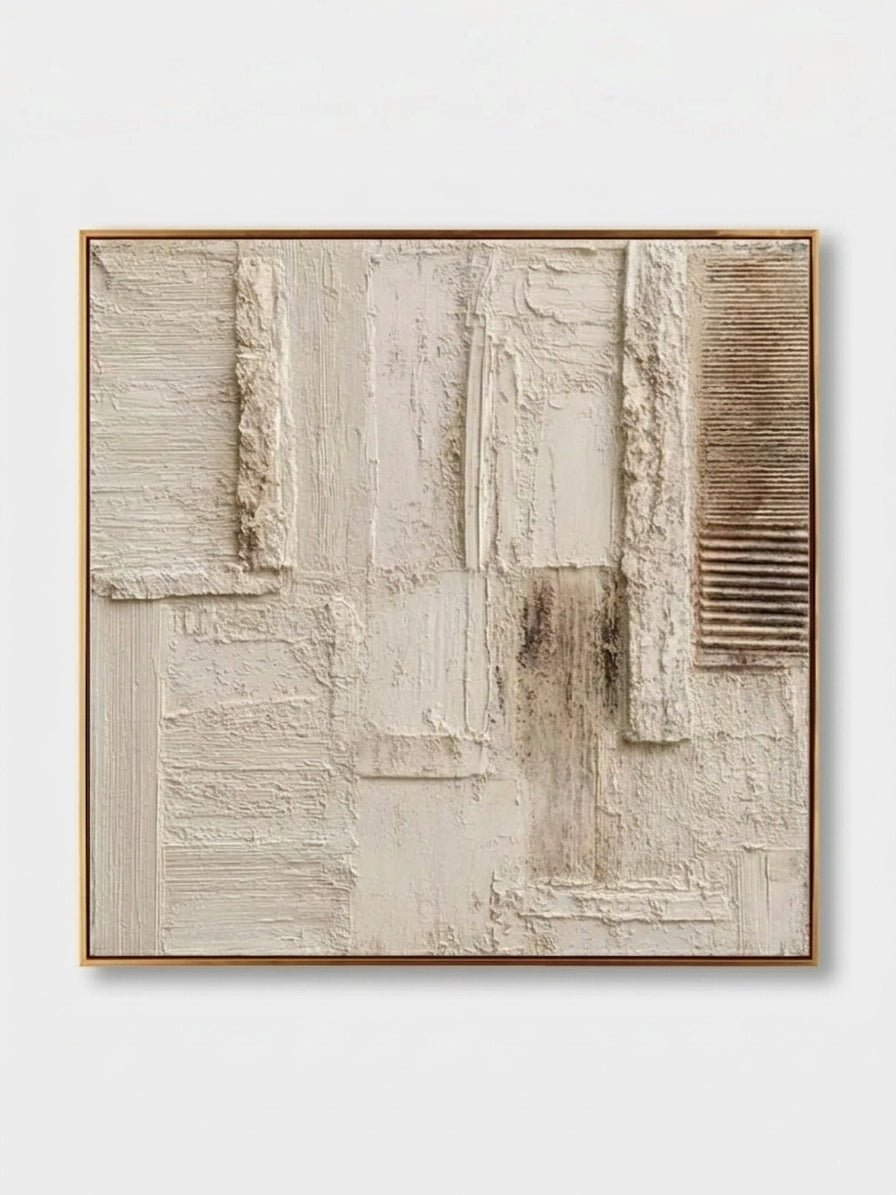
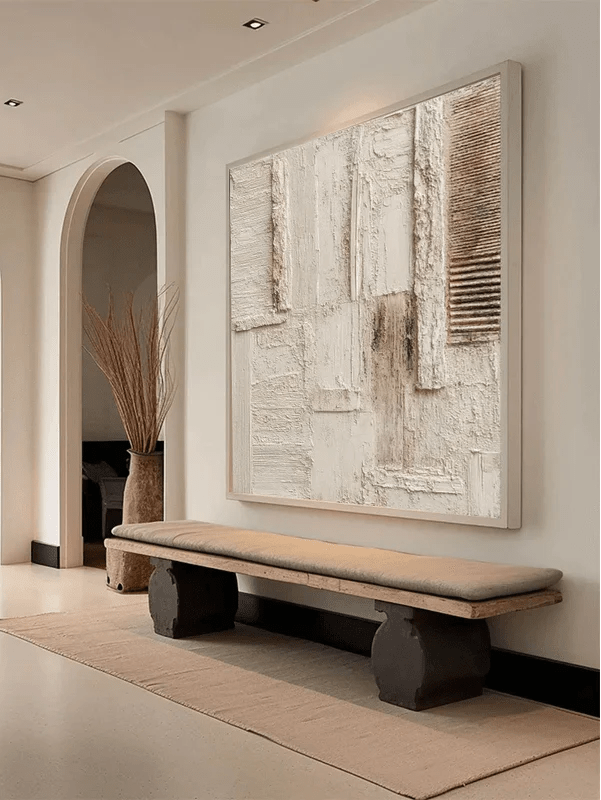
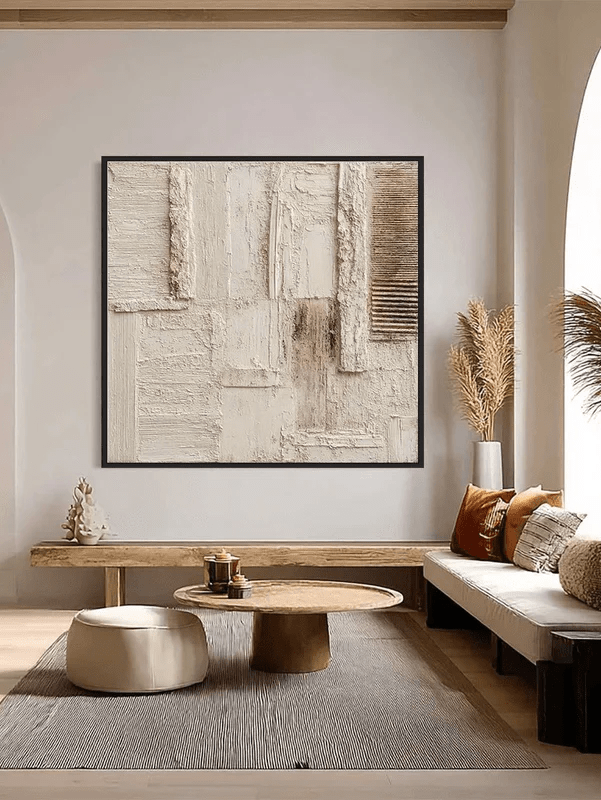
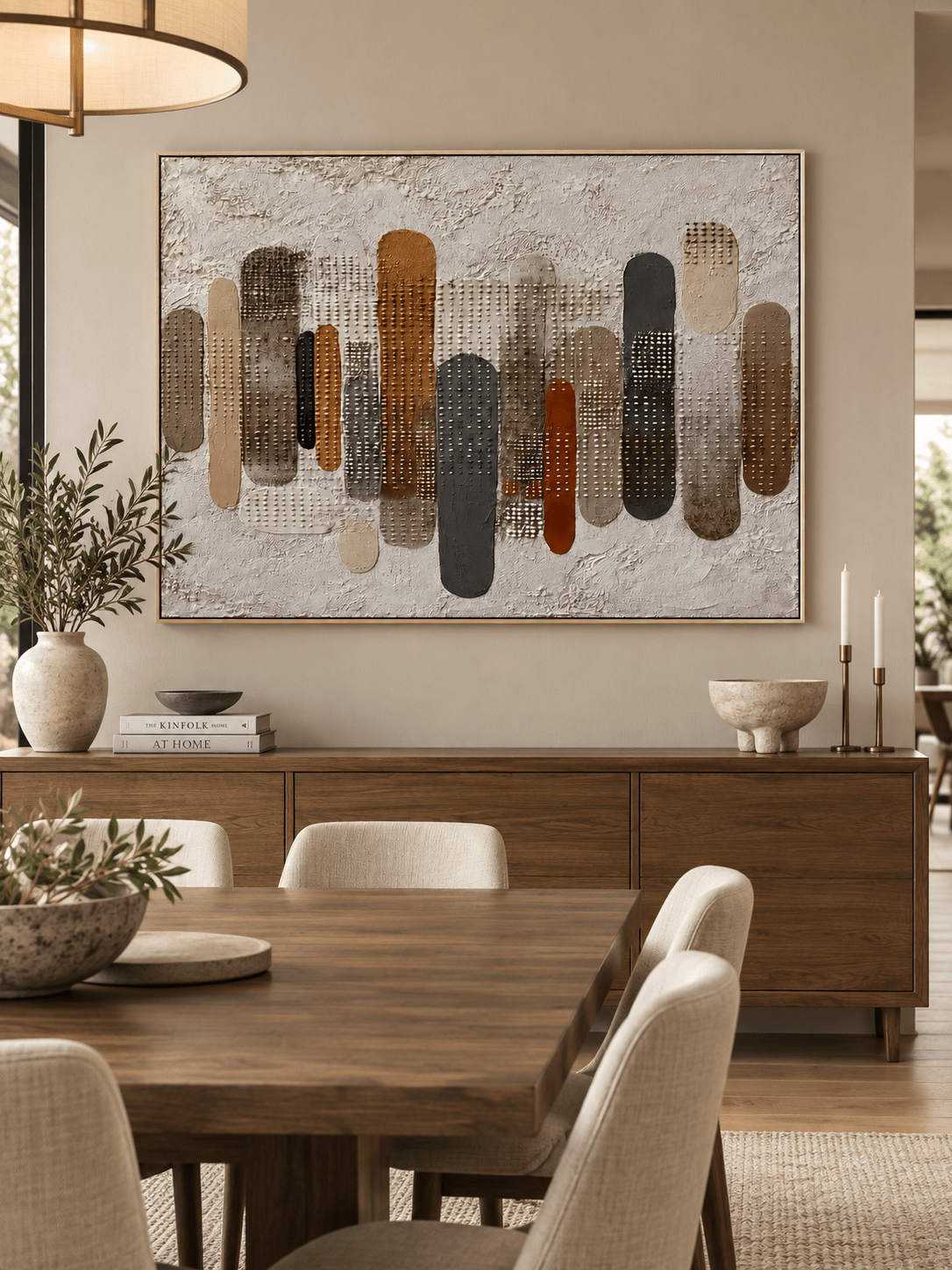
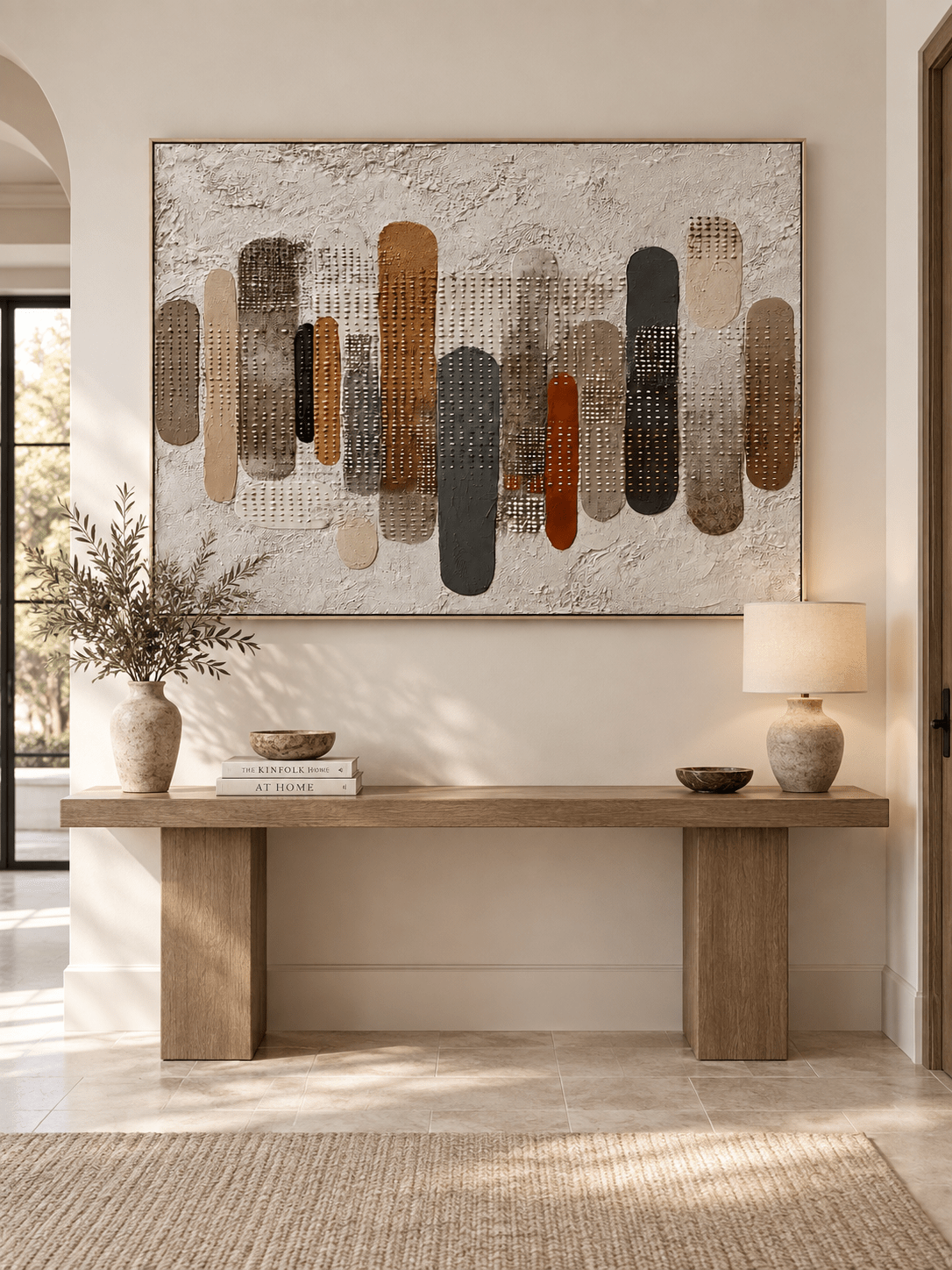
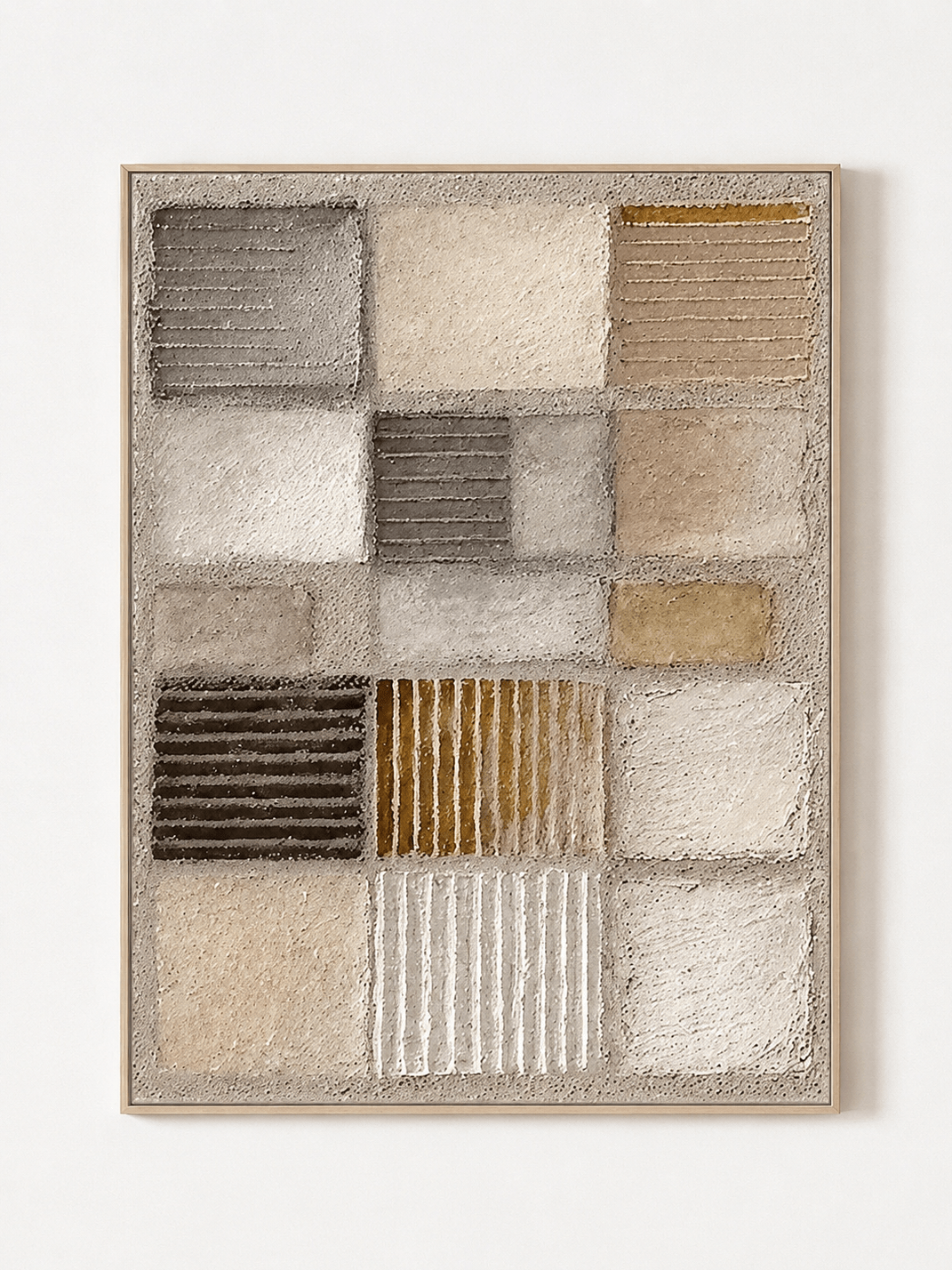
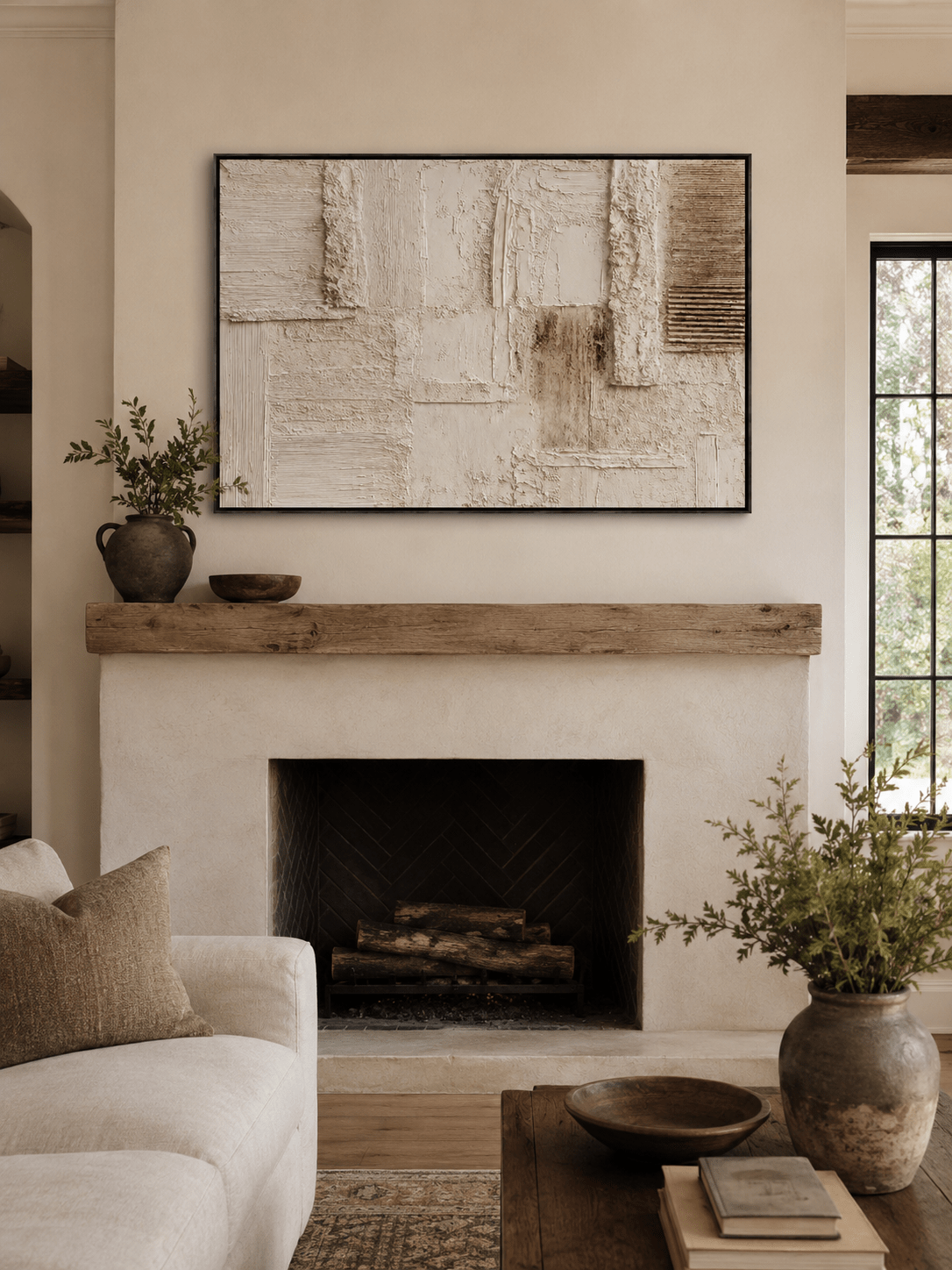
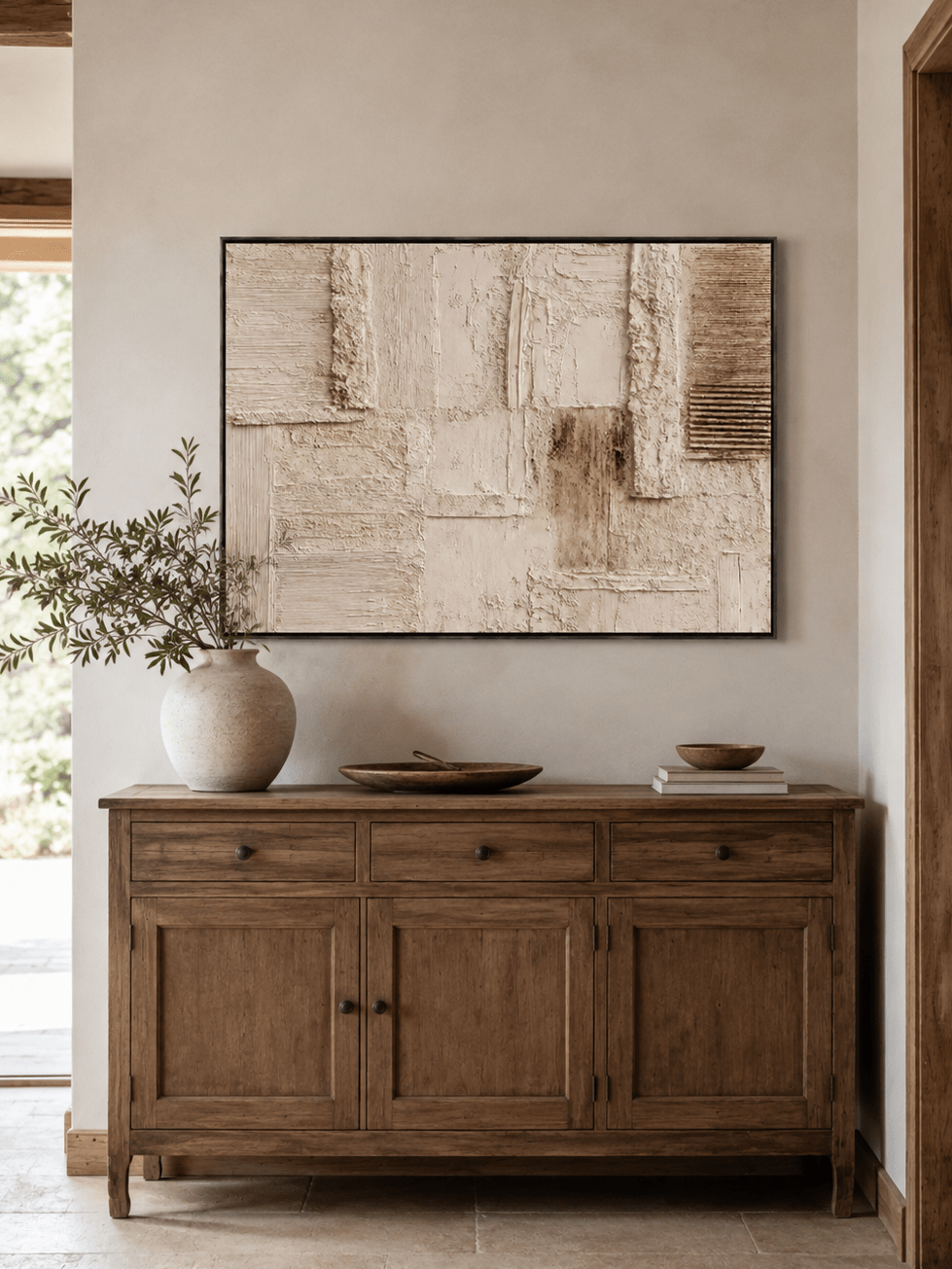
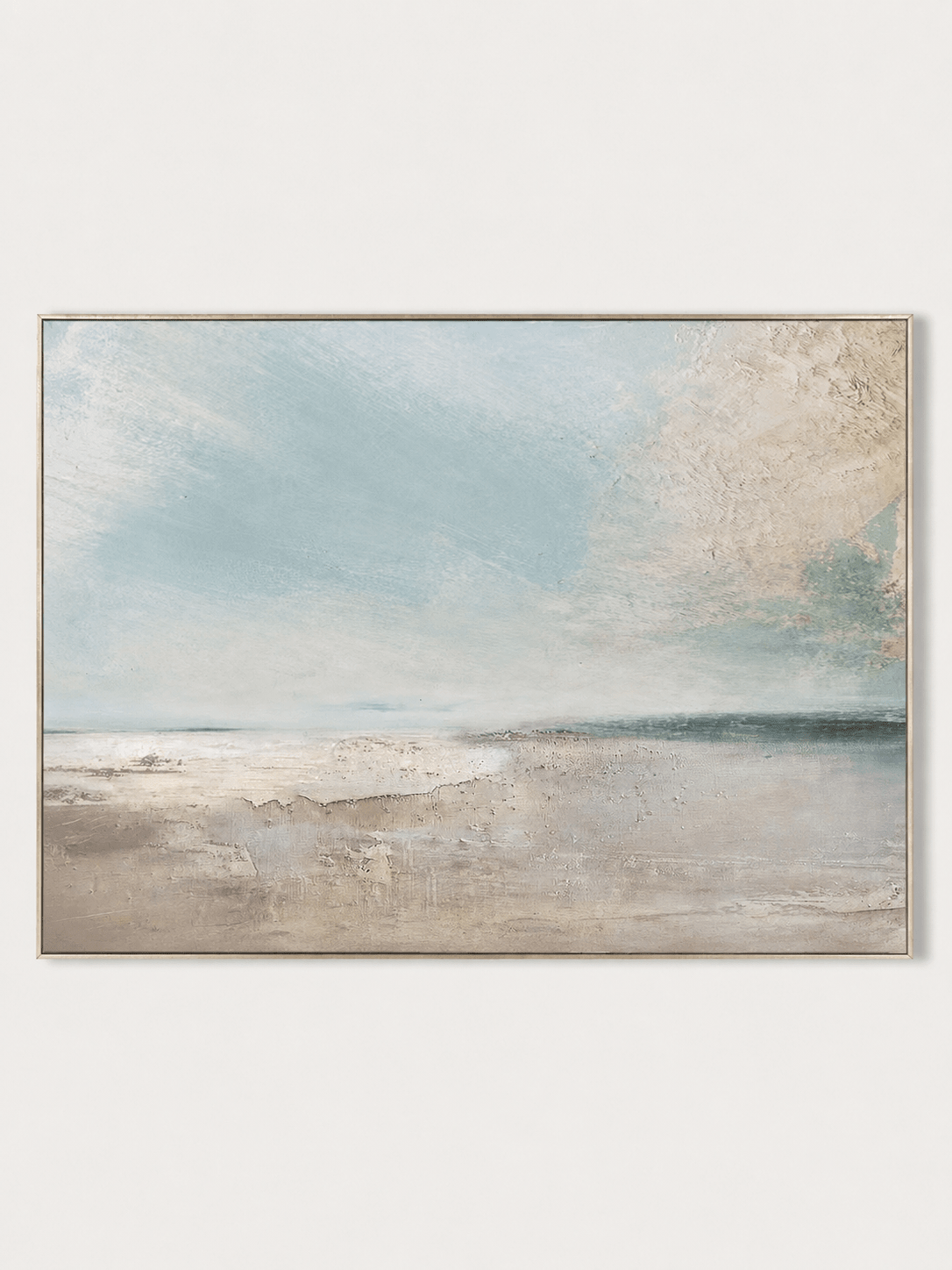
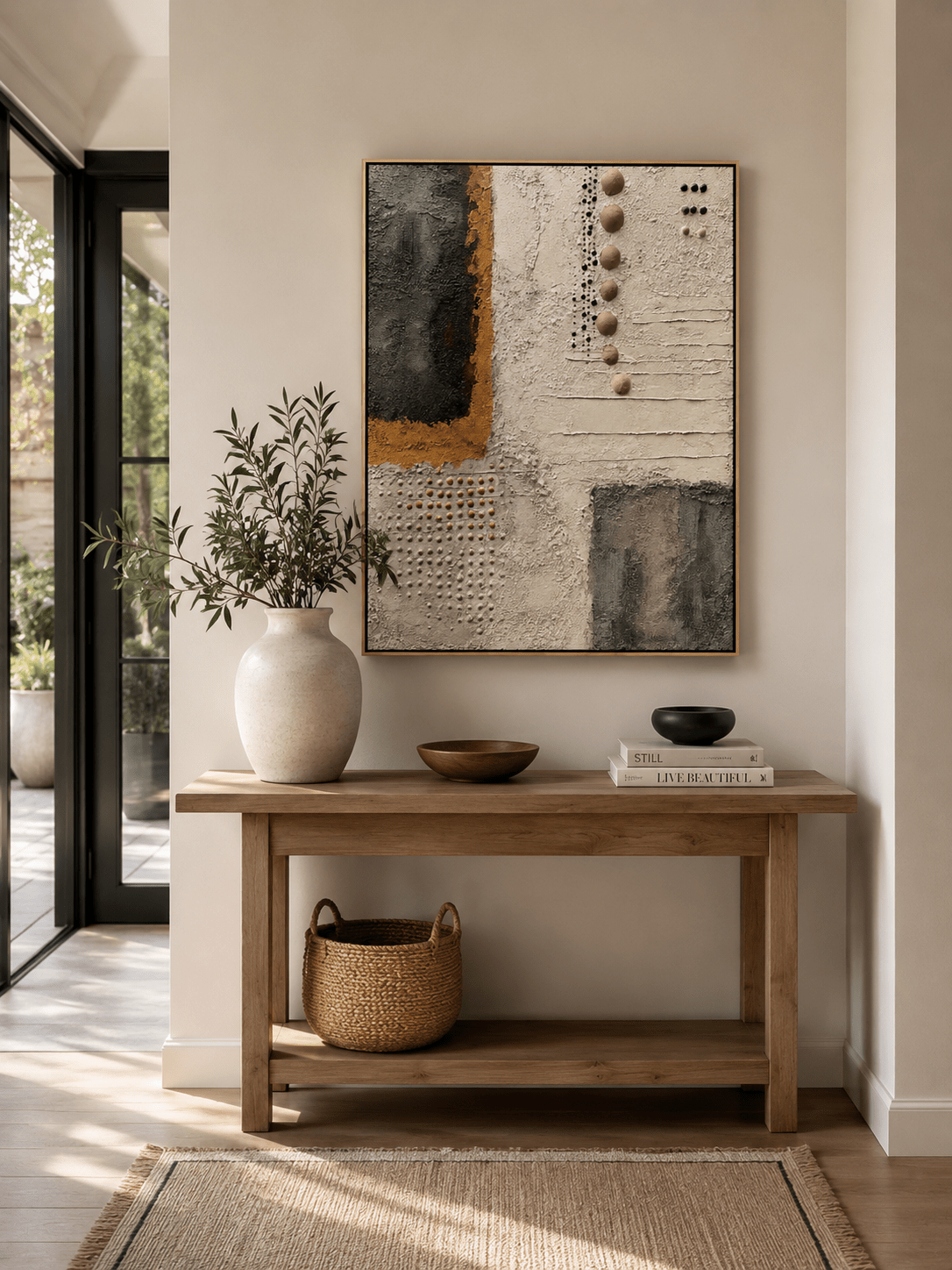
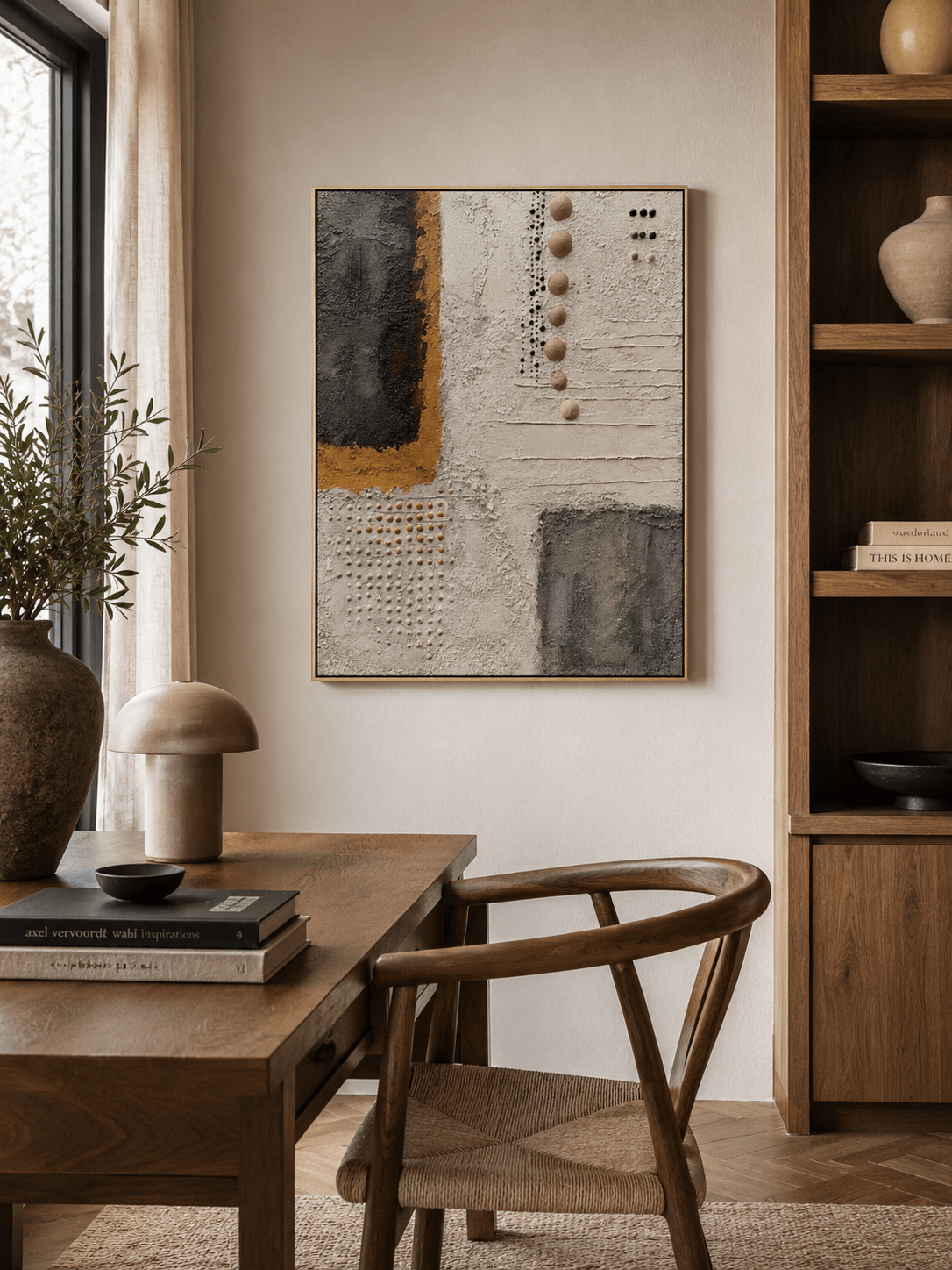
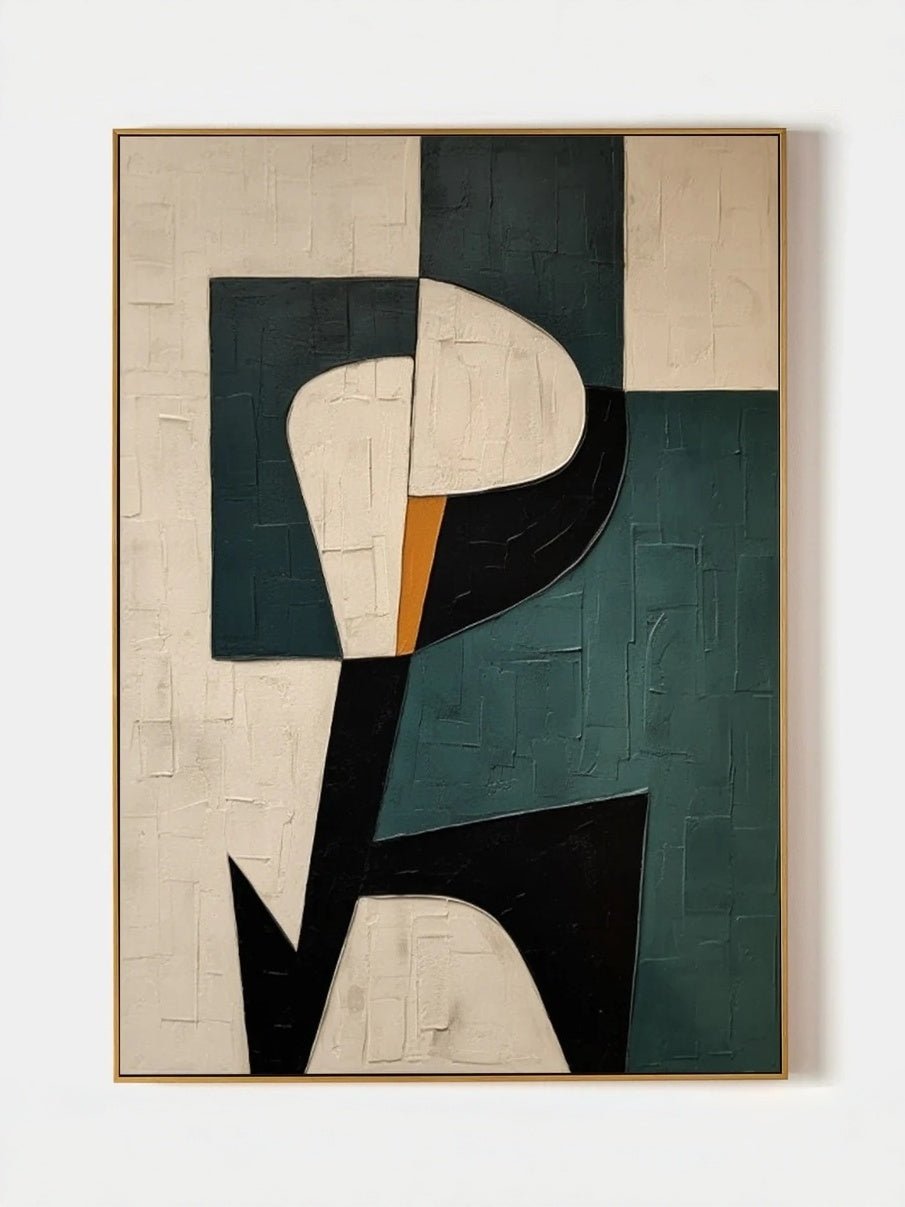
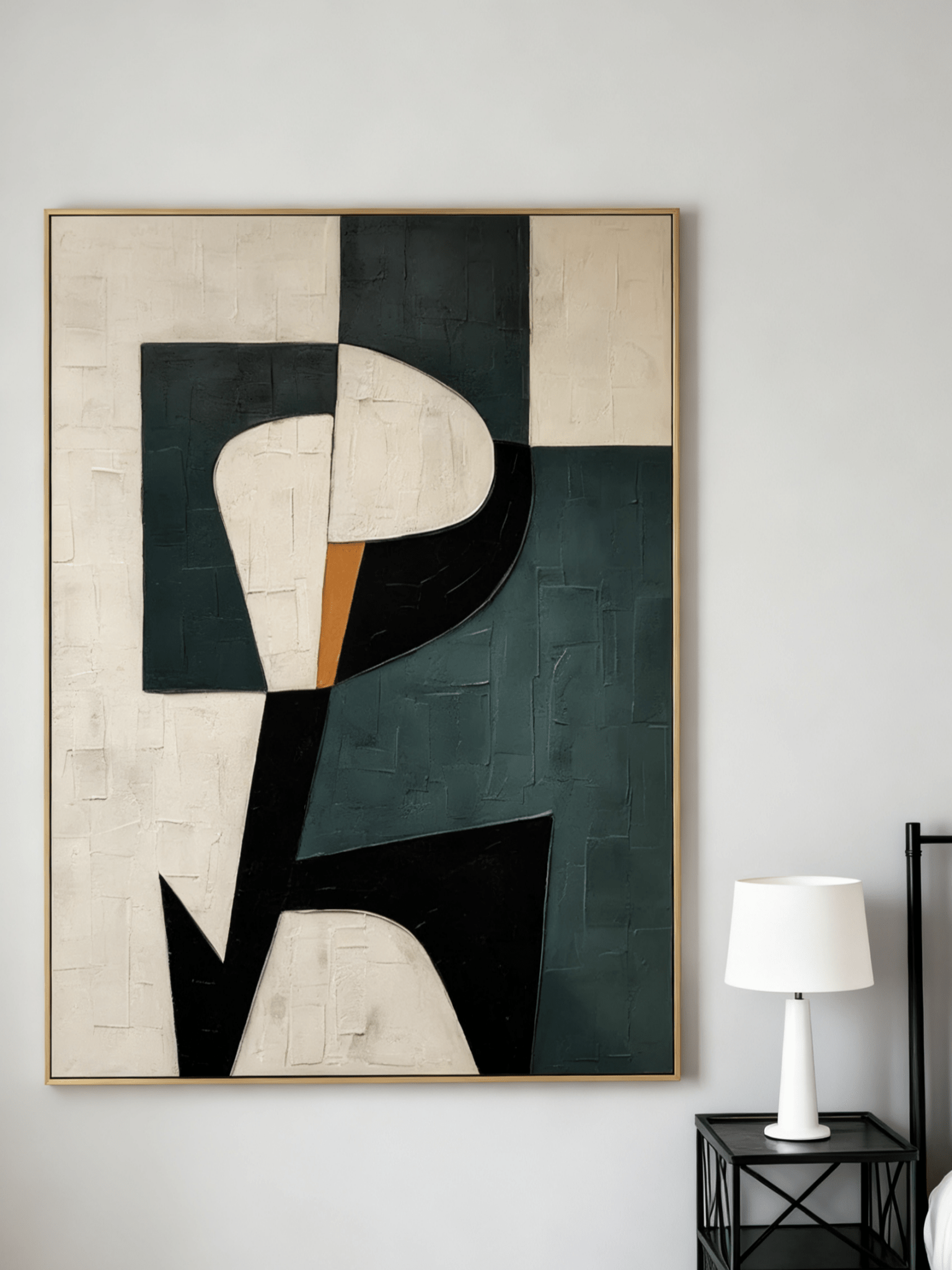
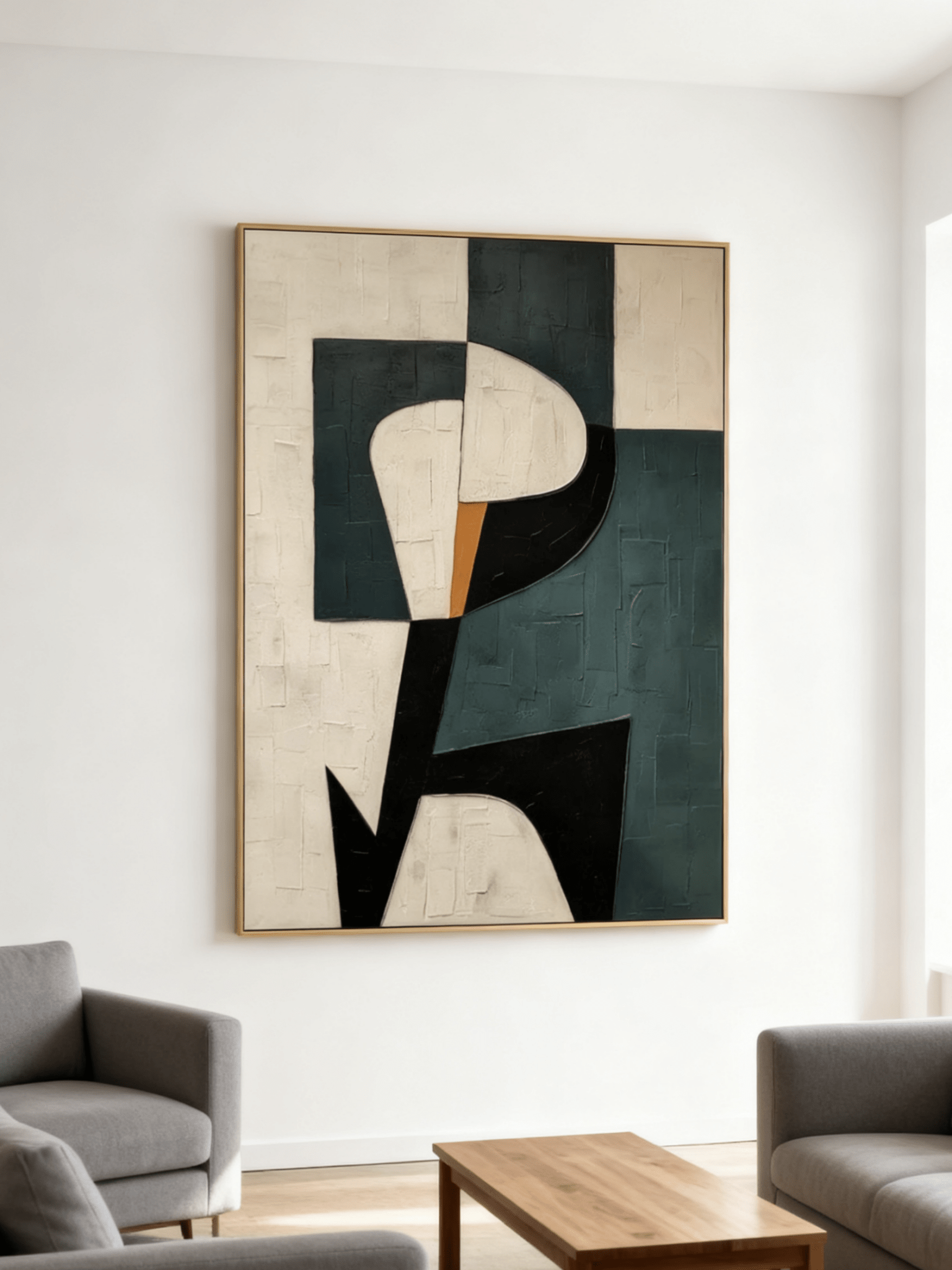
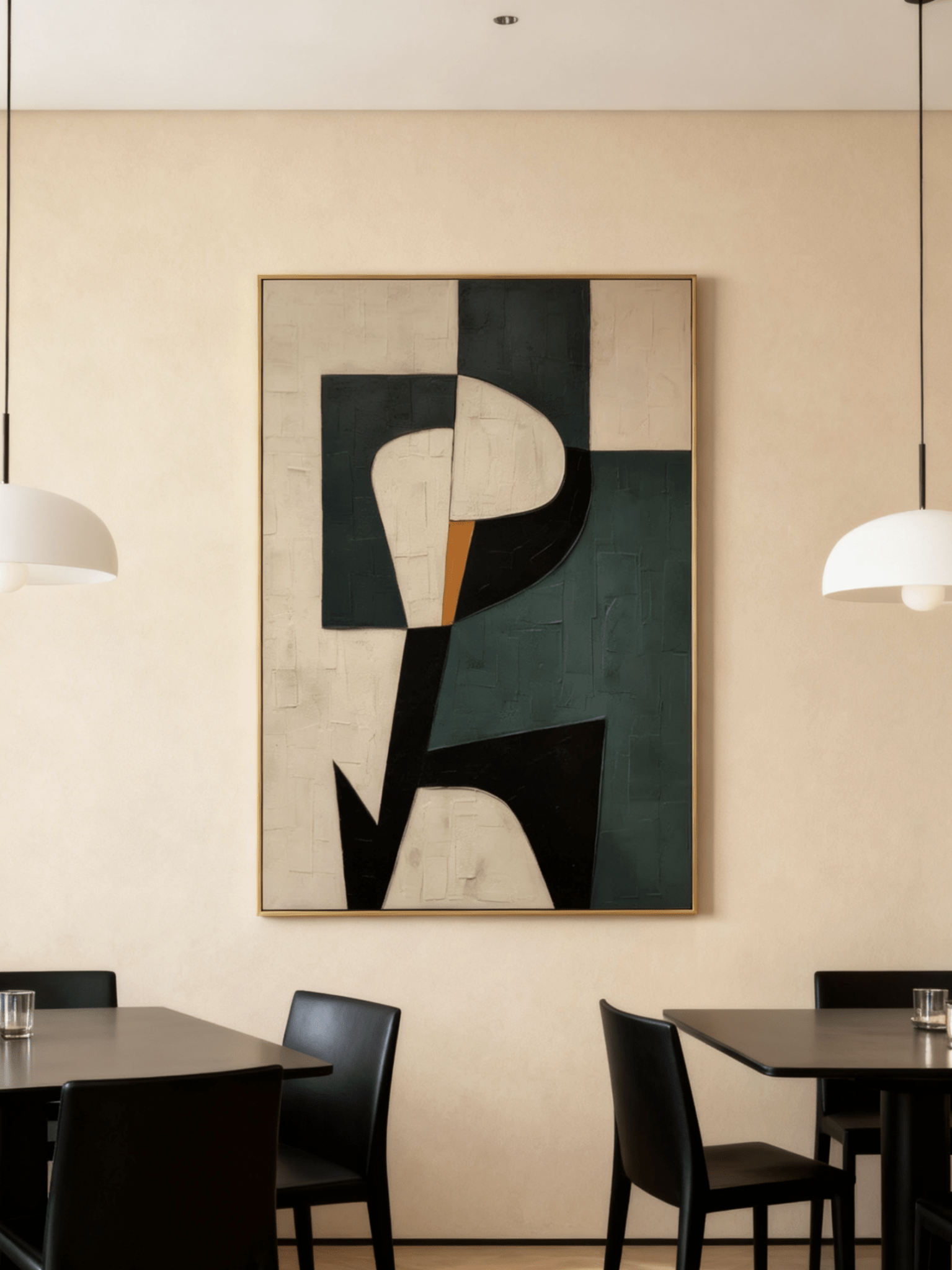
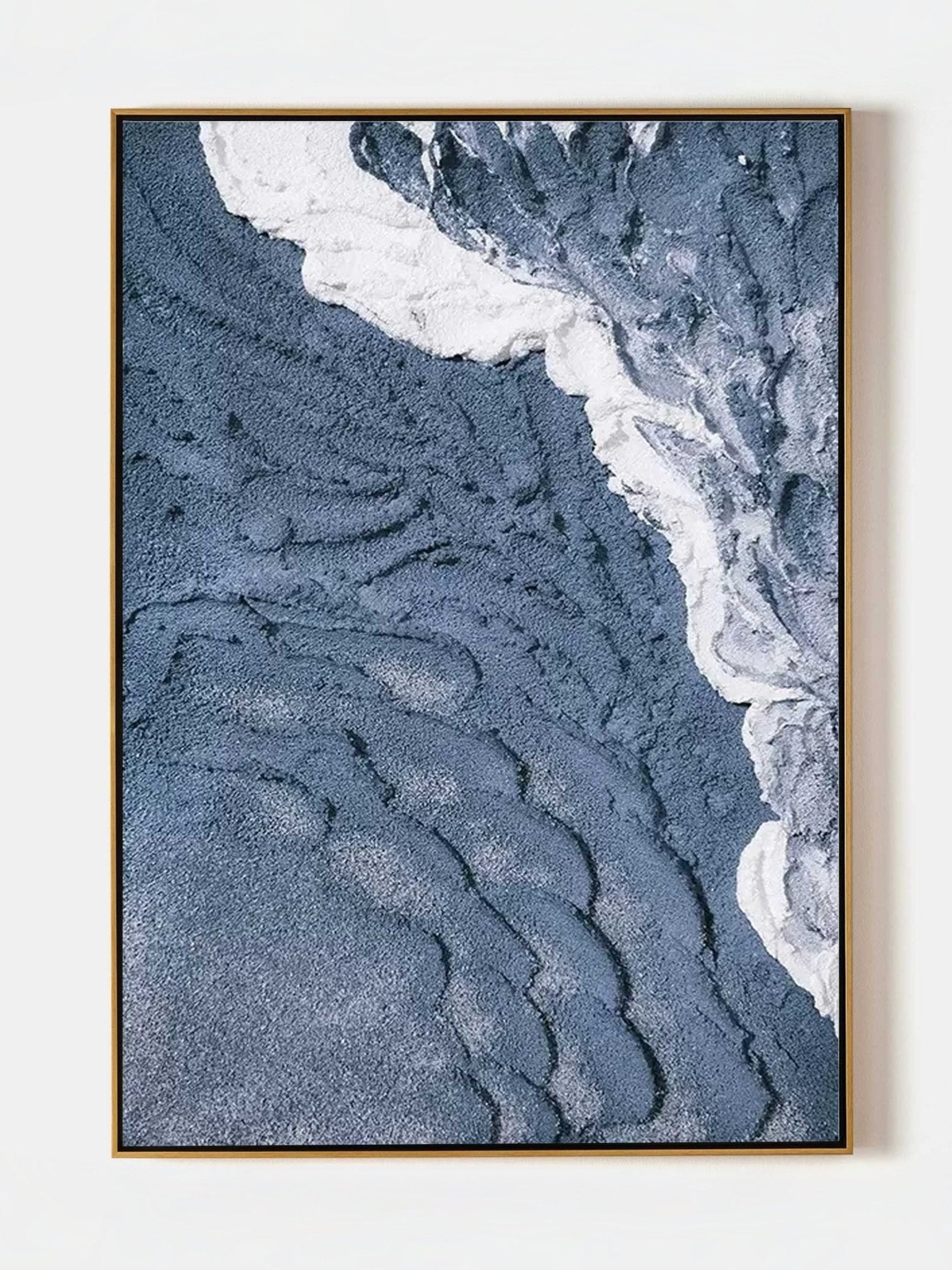
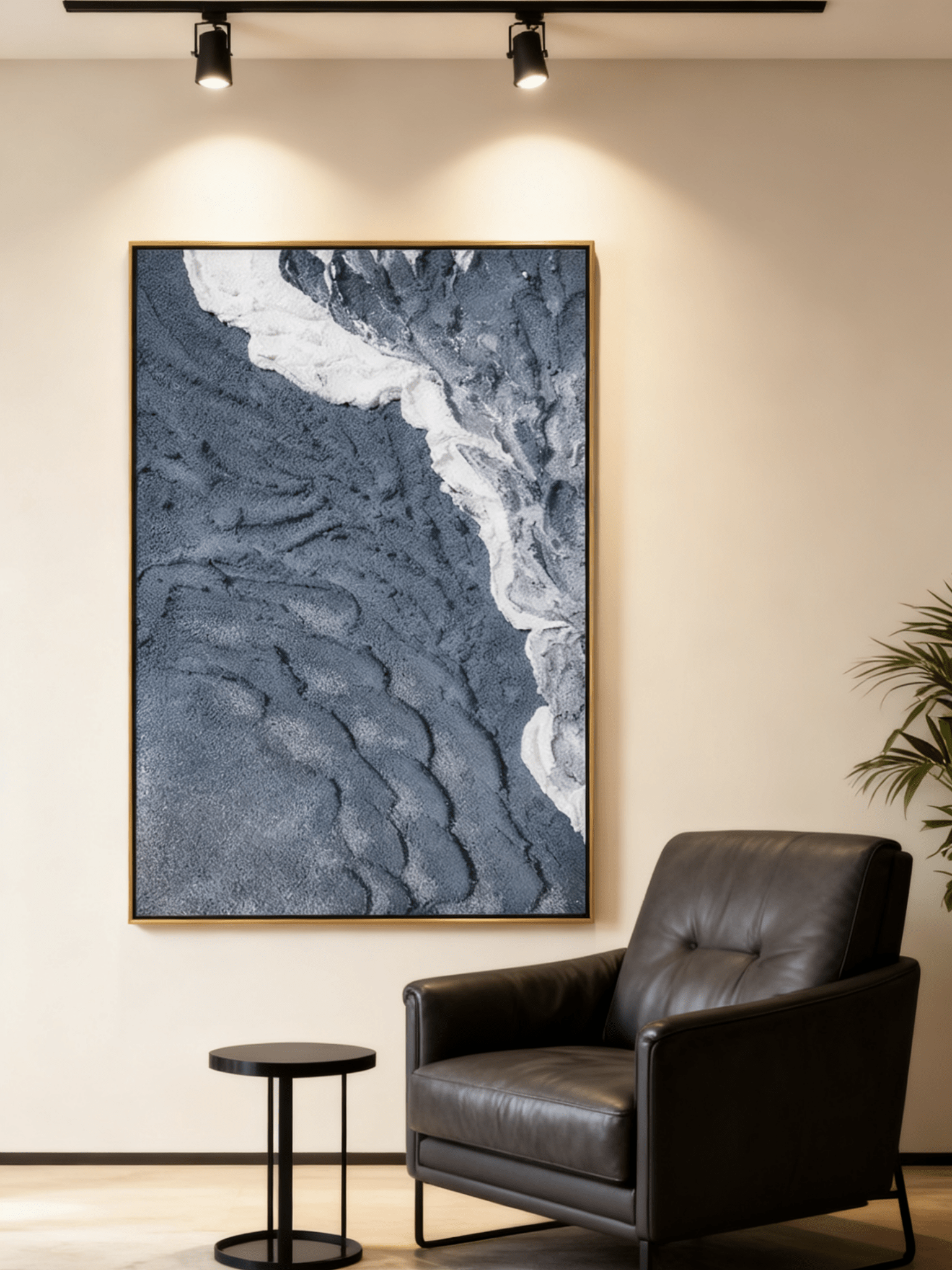
Modern Minimalist/Nordic Style: The core principle is "less is more." We recommend choosing hand-drawn works with abstract themes, emphasizing lines, color contrast, and the art of negative space. Black and white tones possess great tension, and hand-drawn originals with subtle textures can infuse a minimalist space with soul, avoiding coldness.

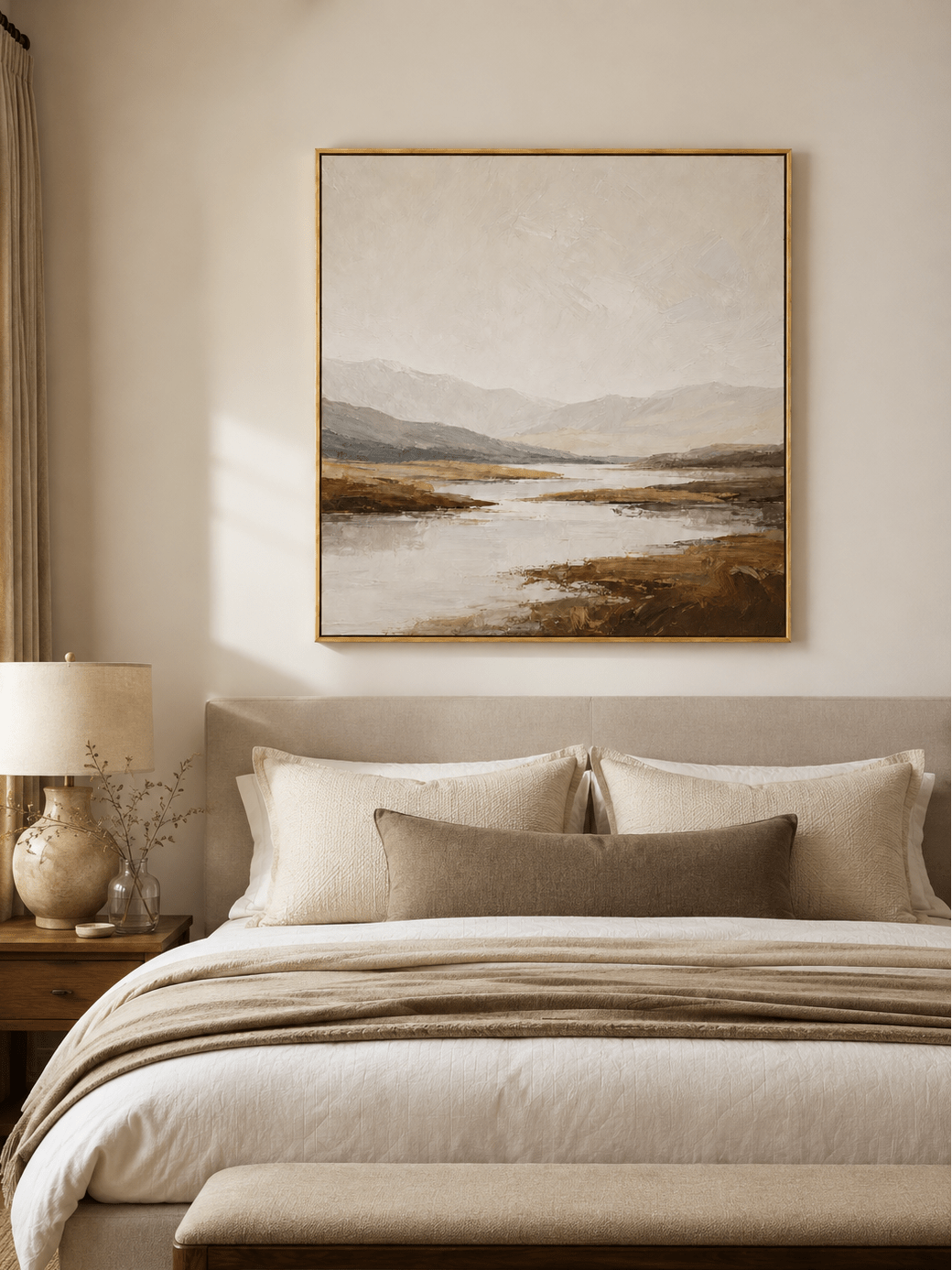
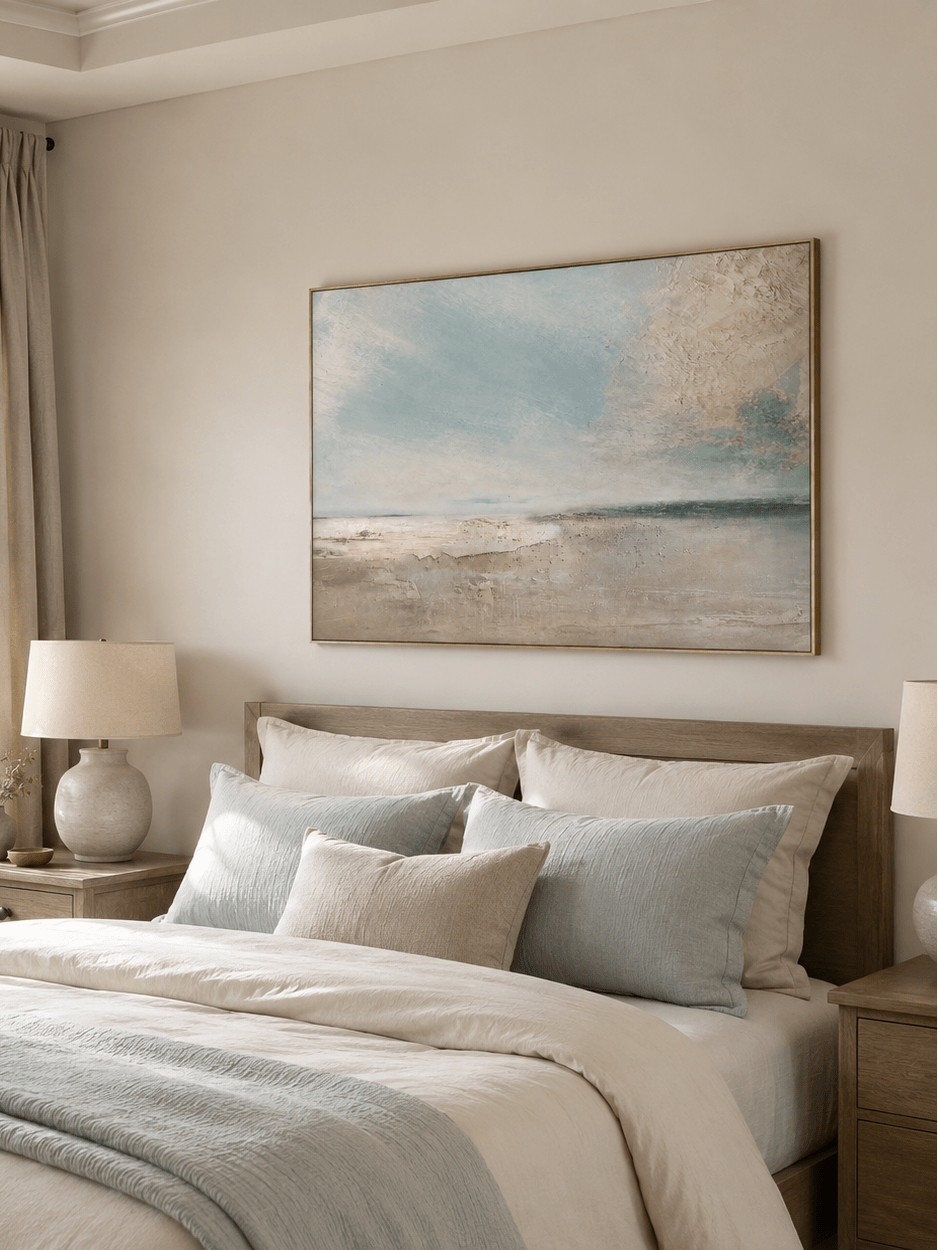
[Click on the image to purchase the same product]
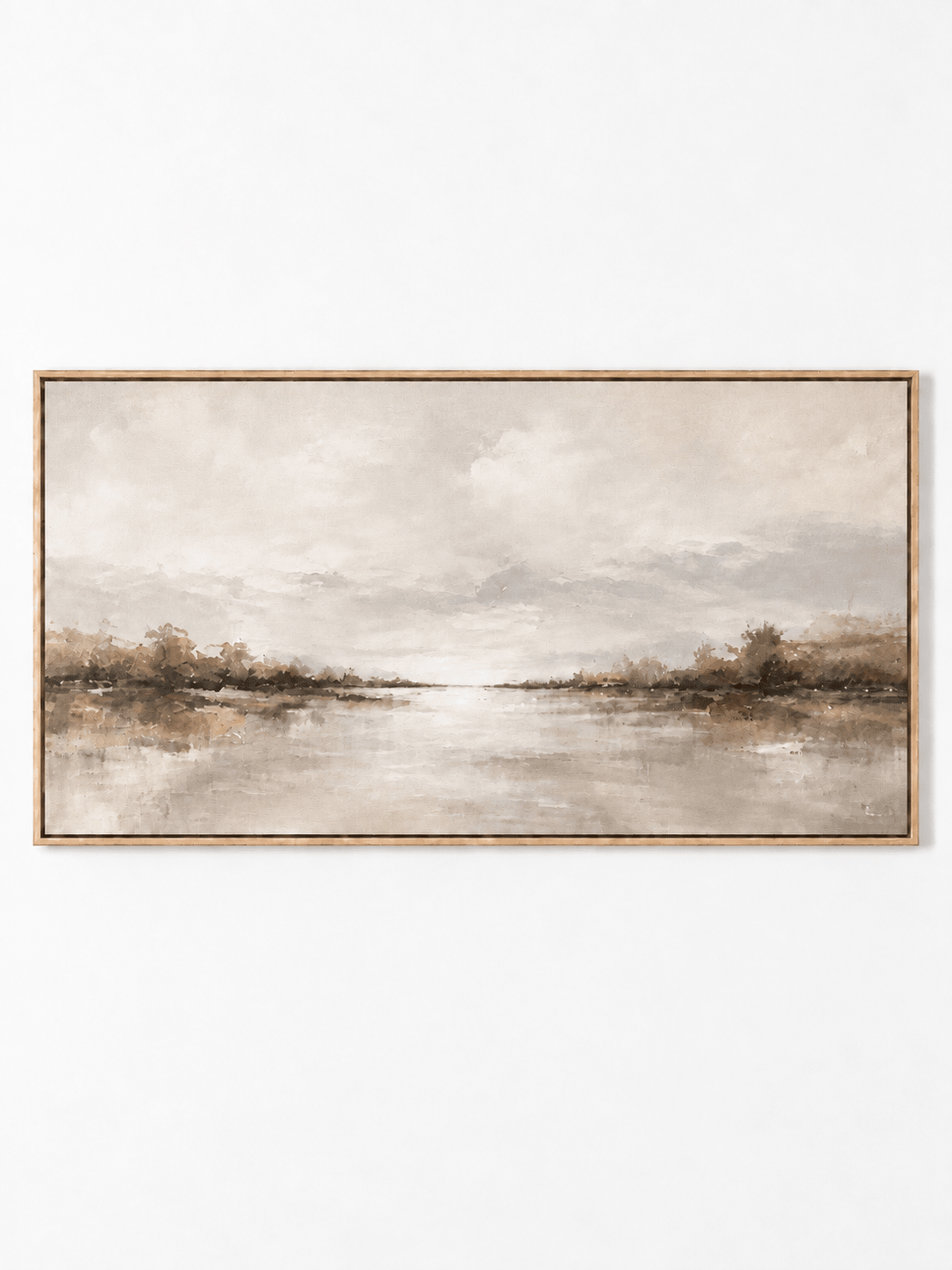
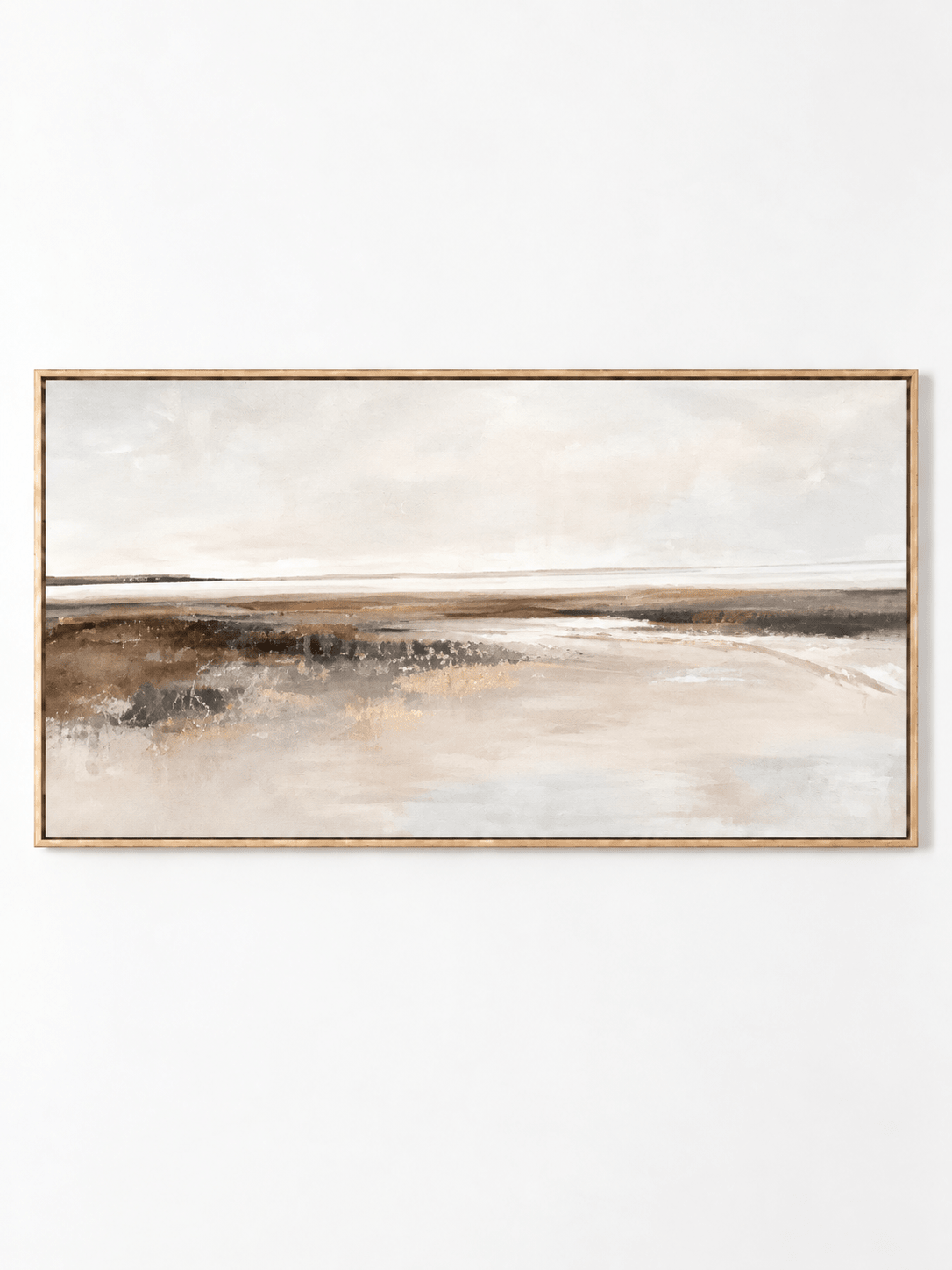
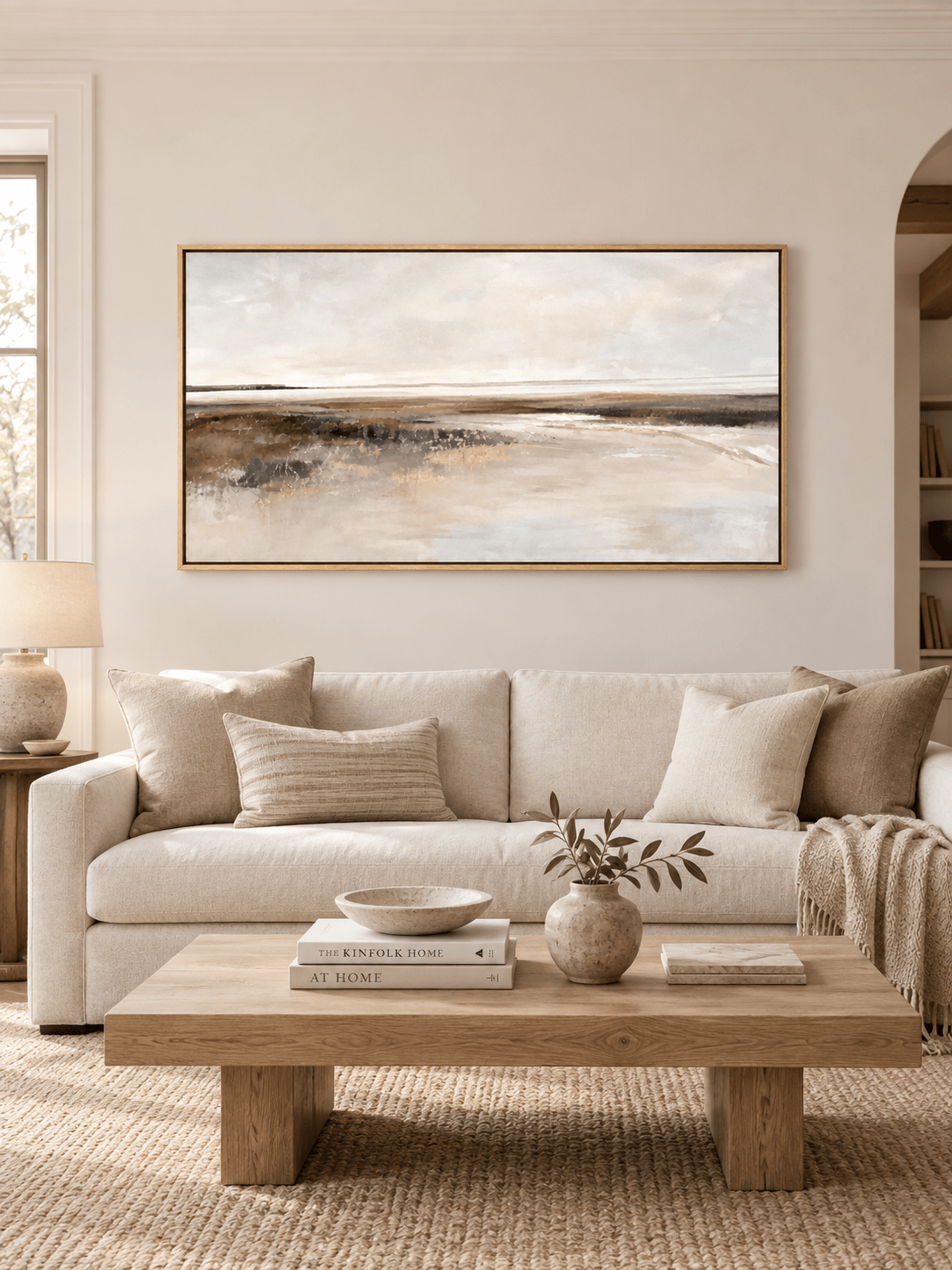
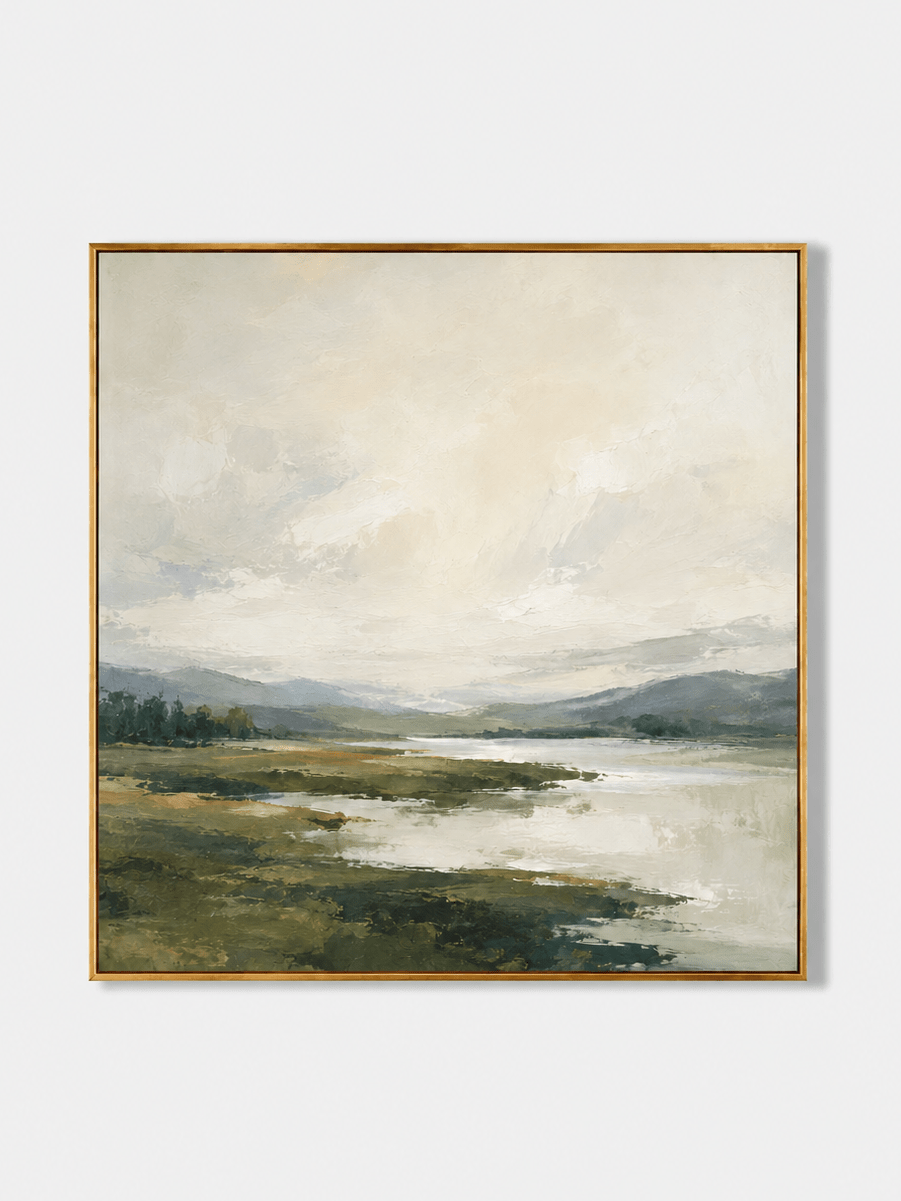
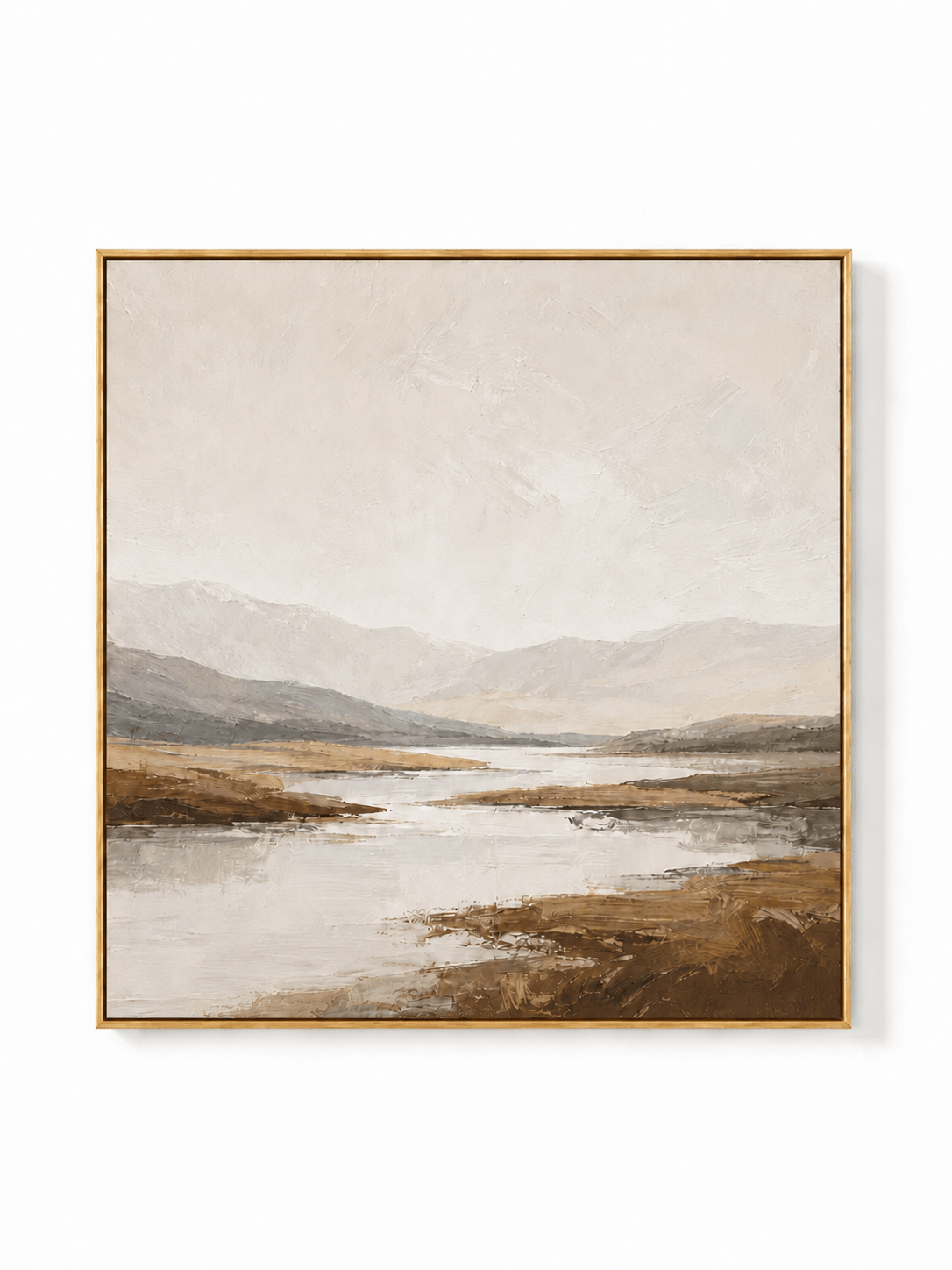
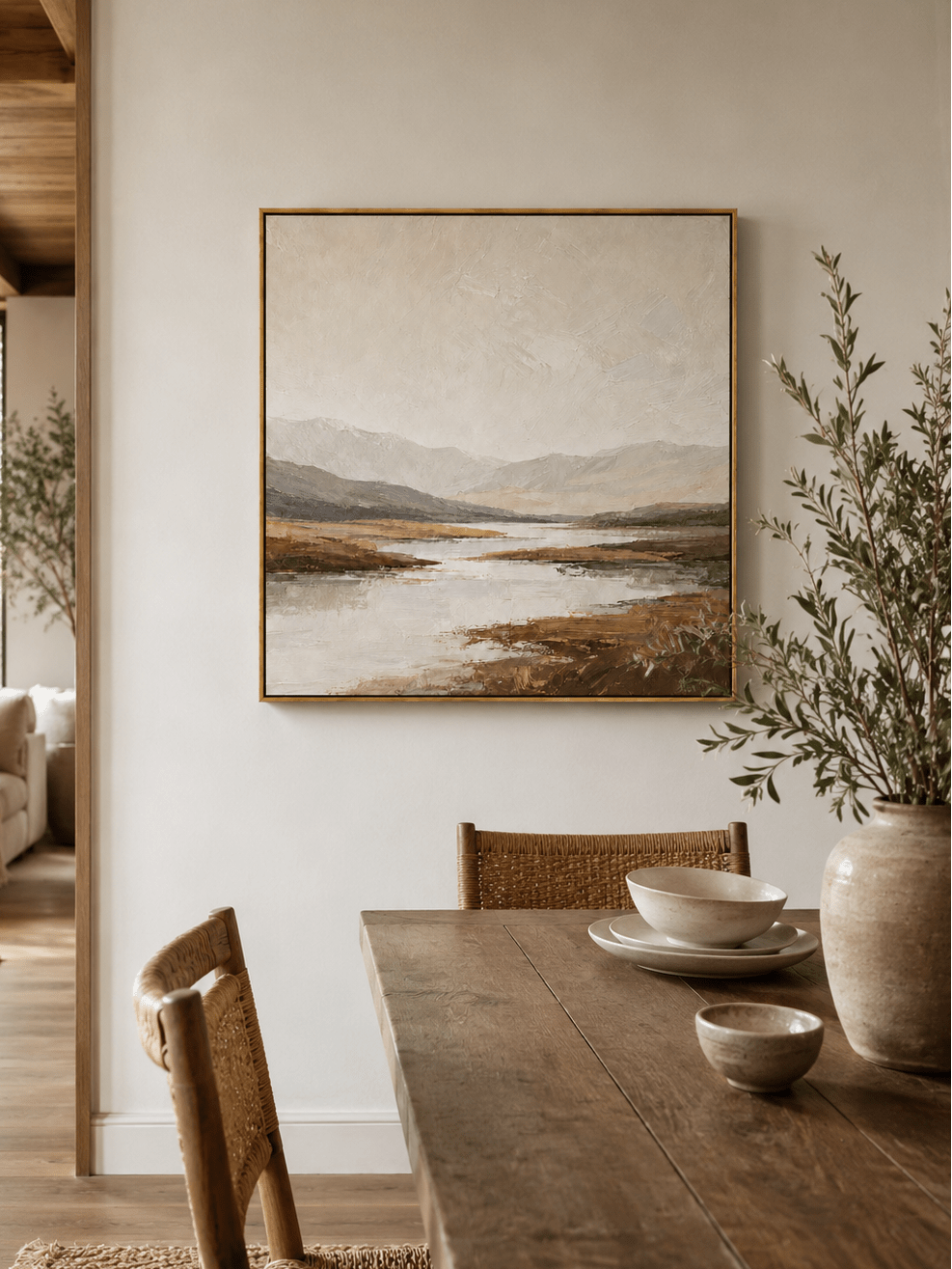
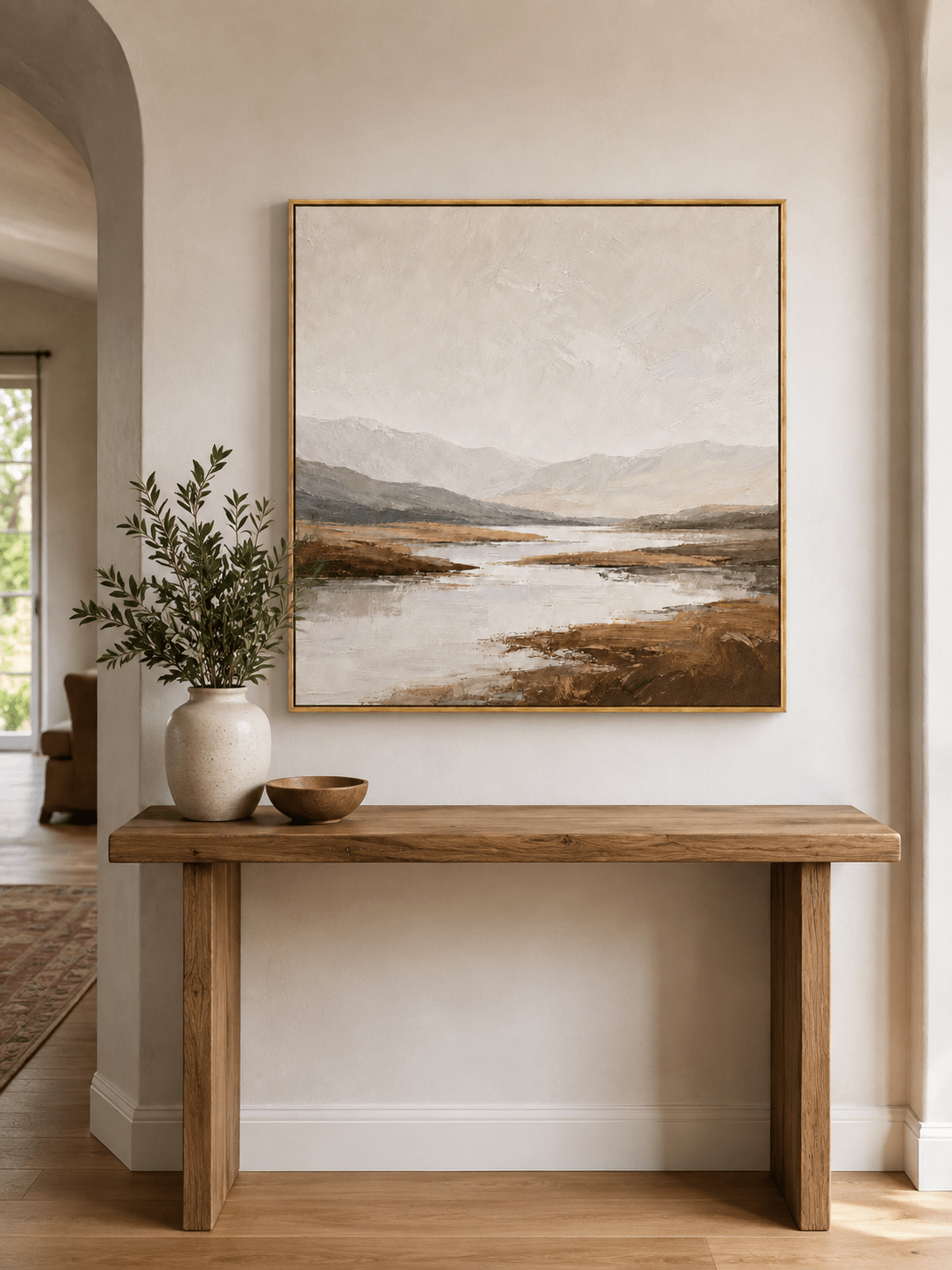
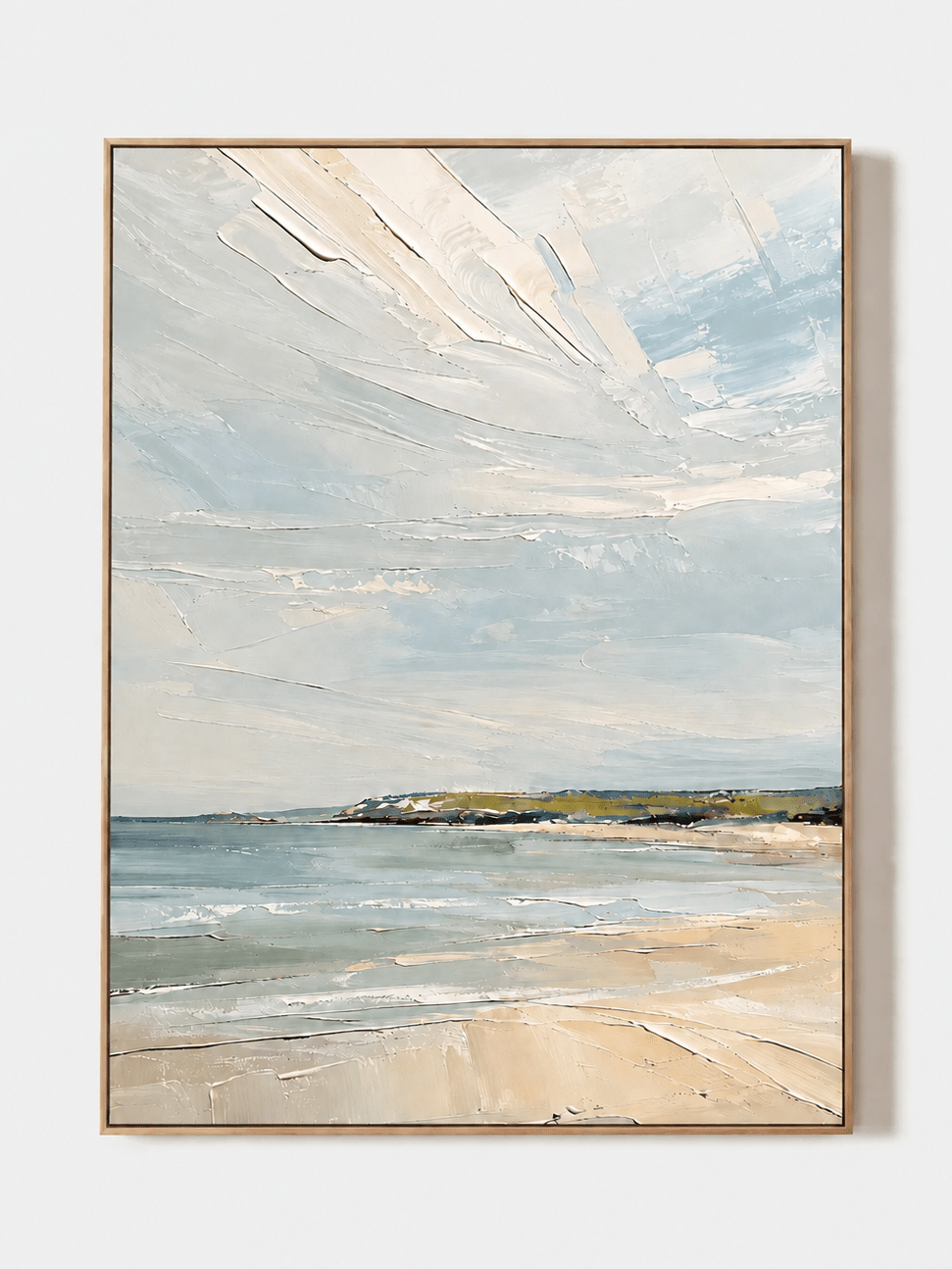
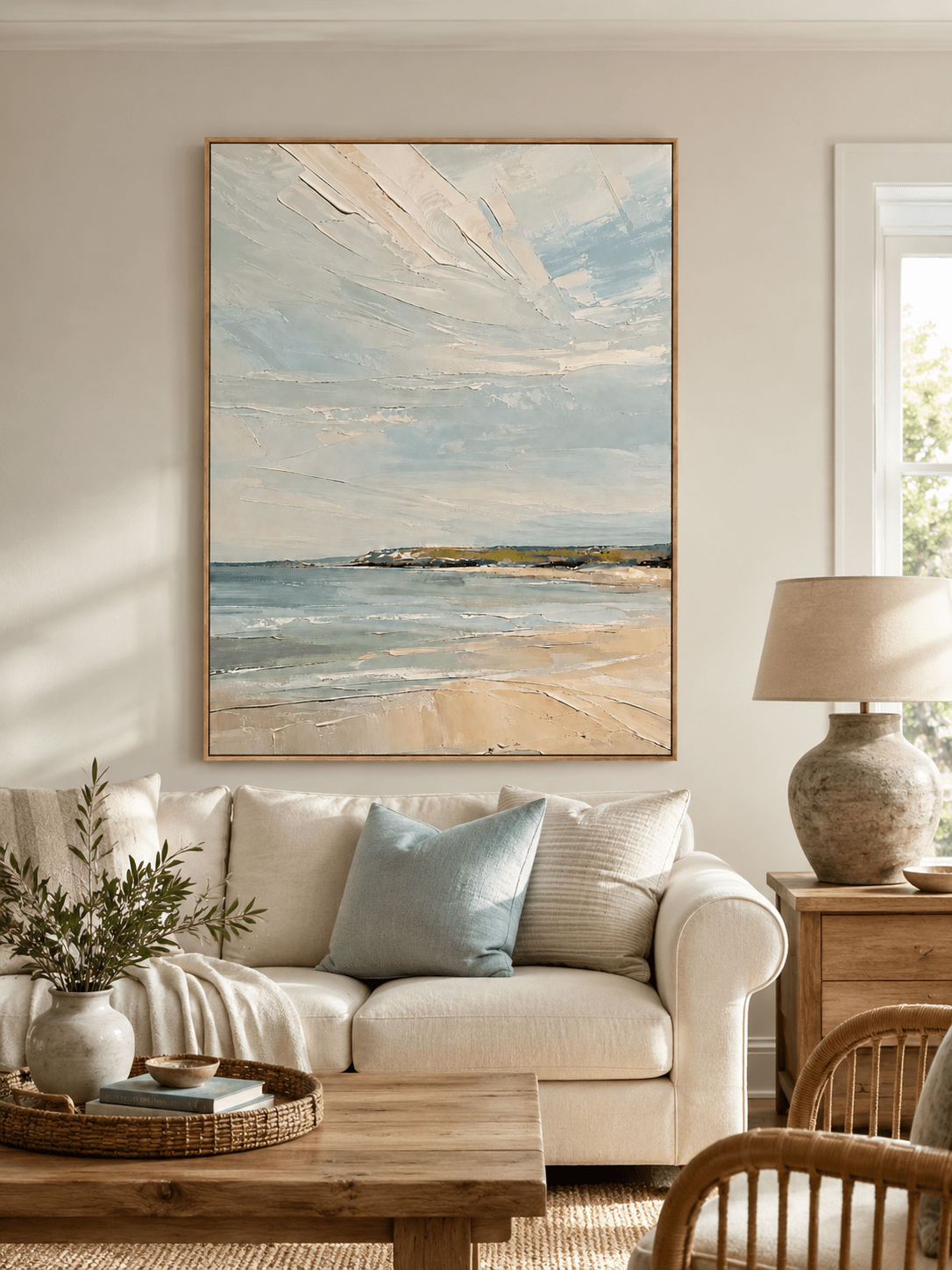
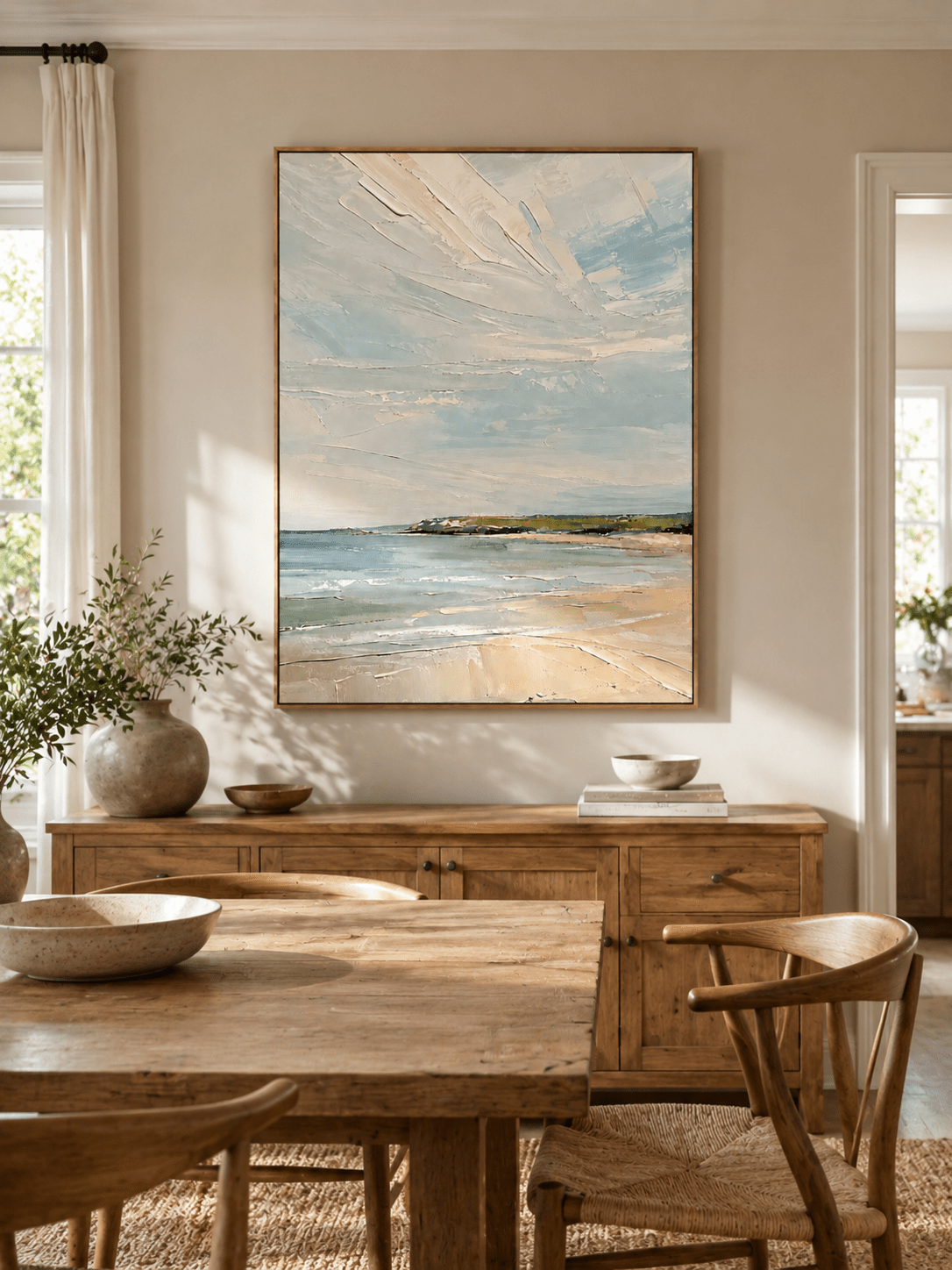
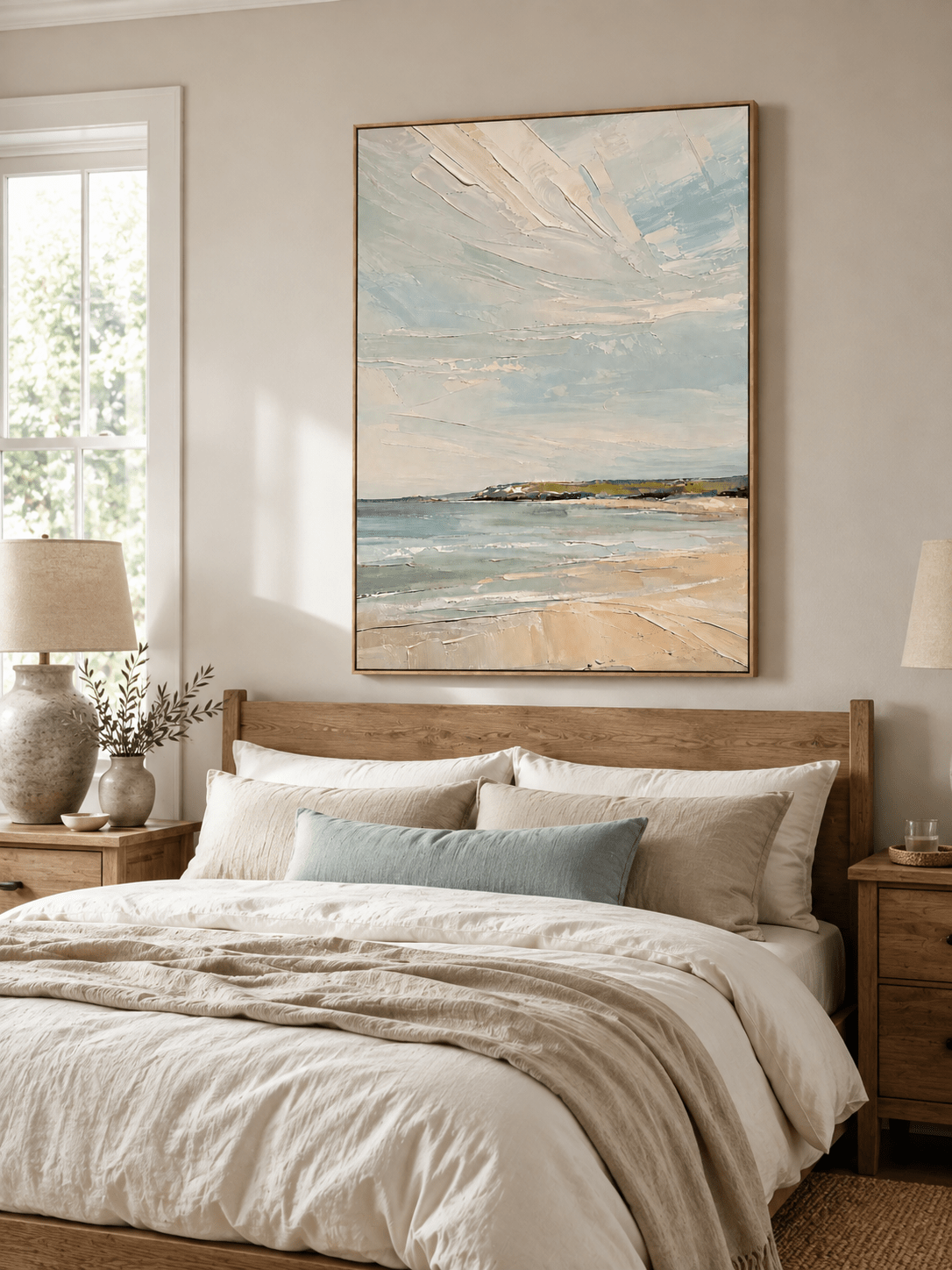
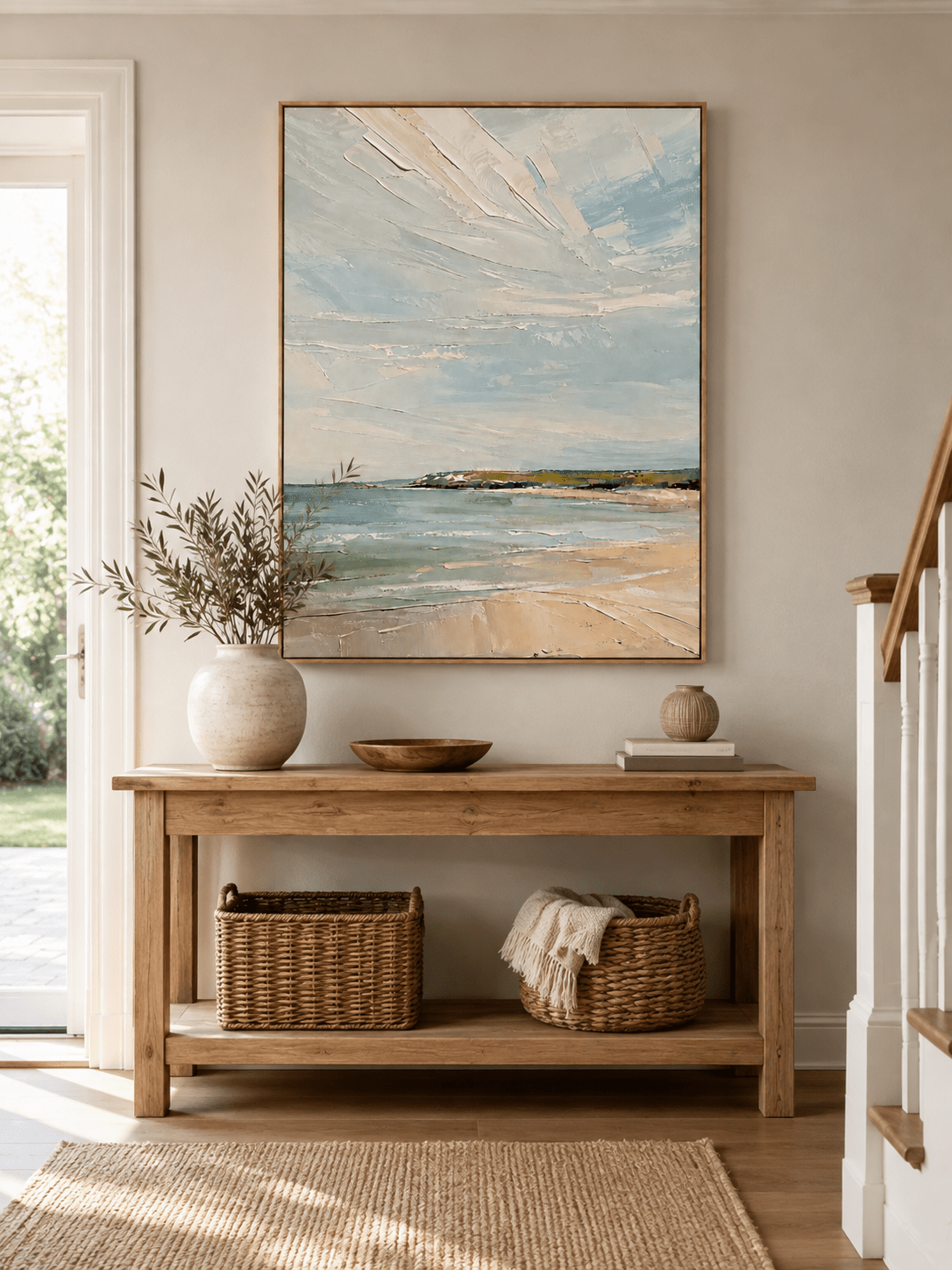
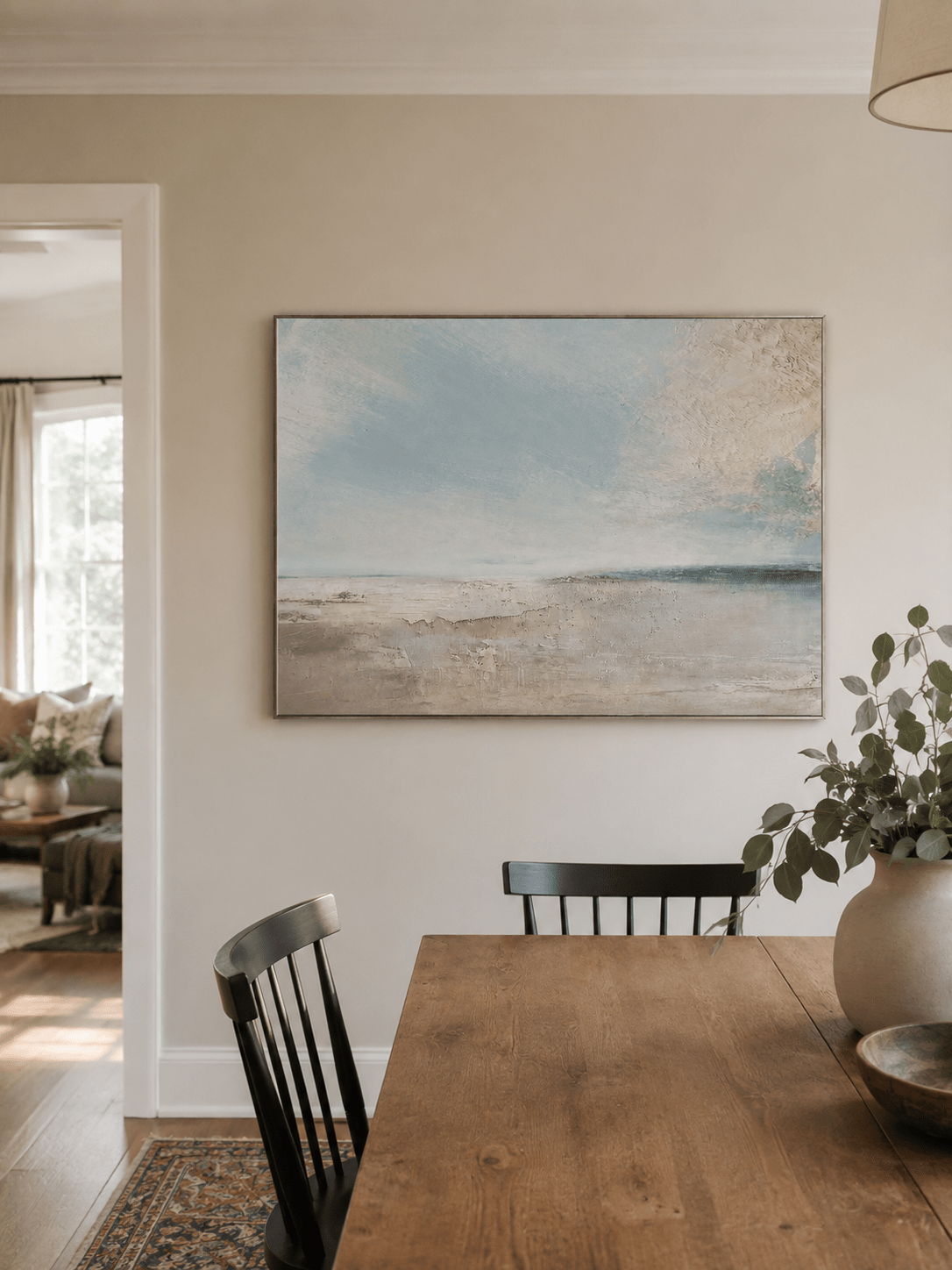
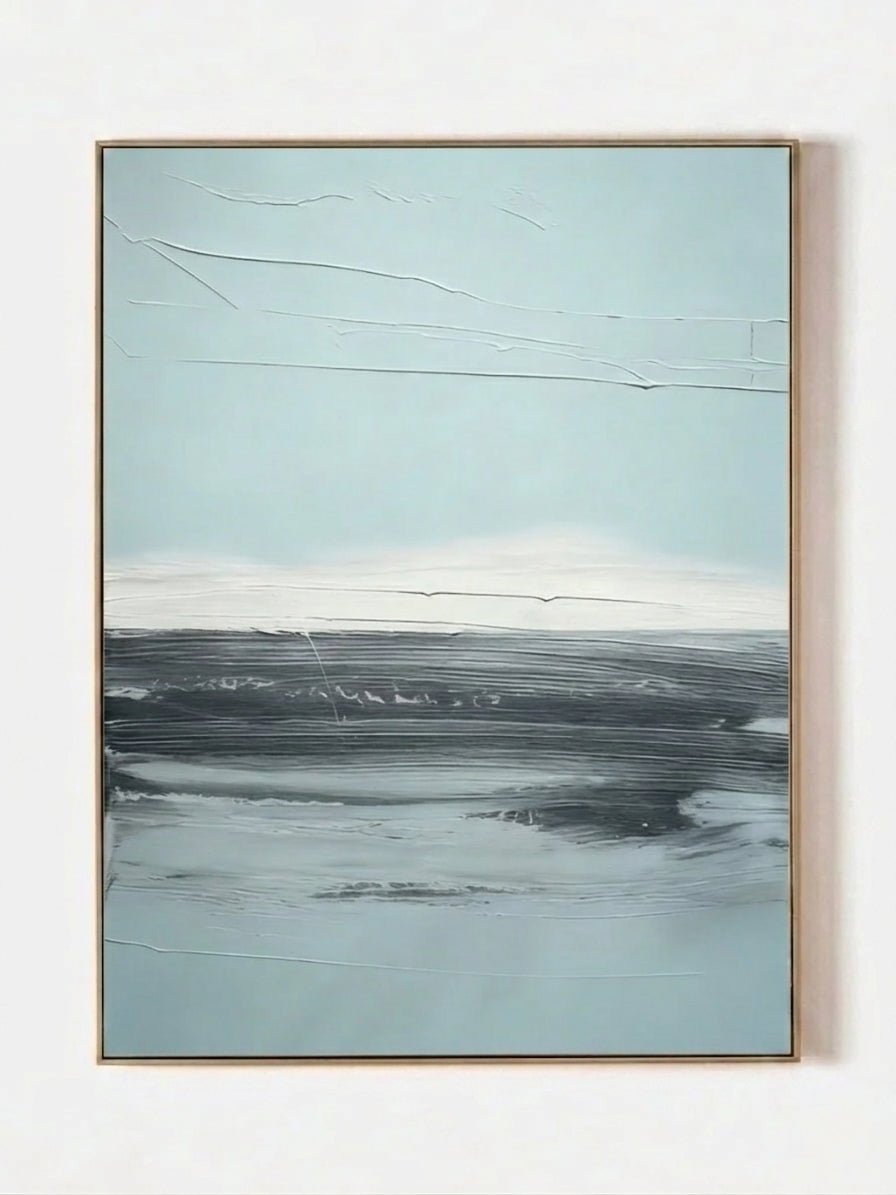
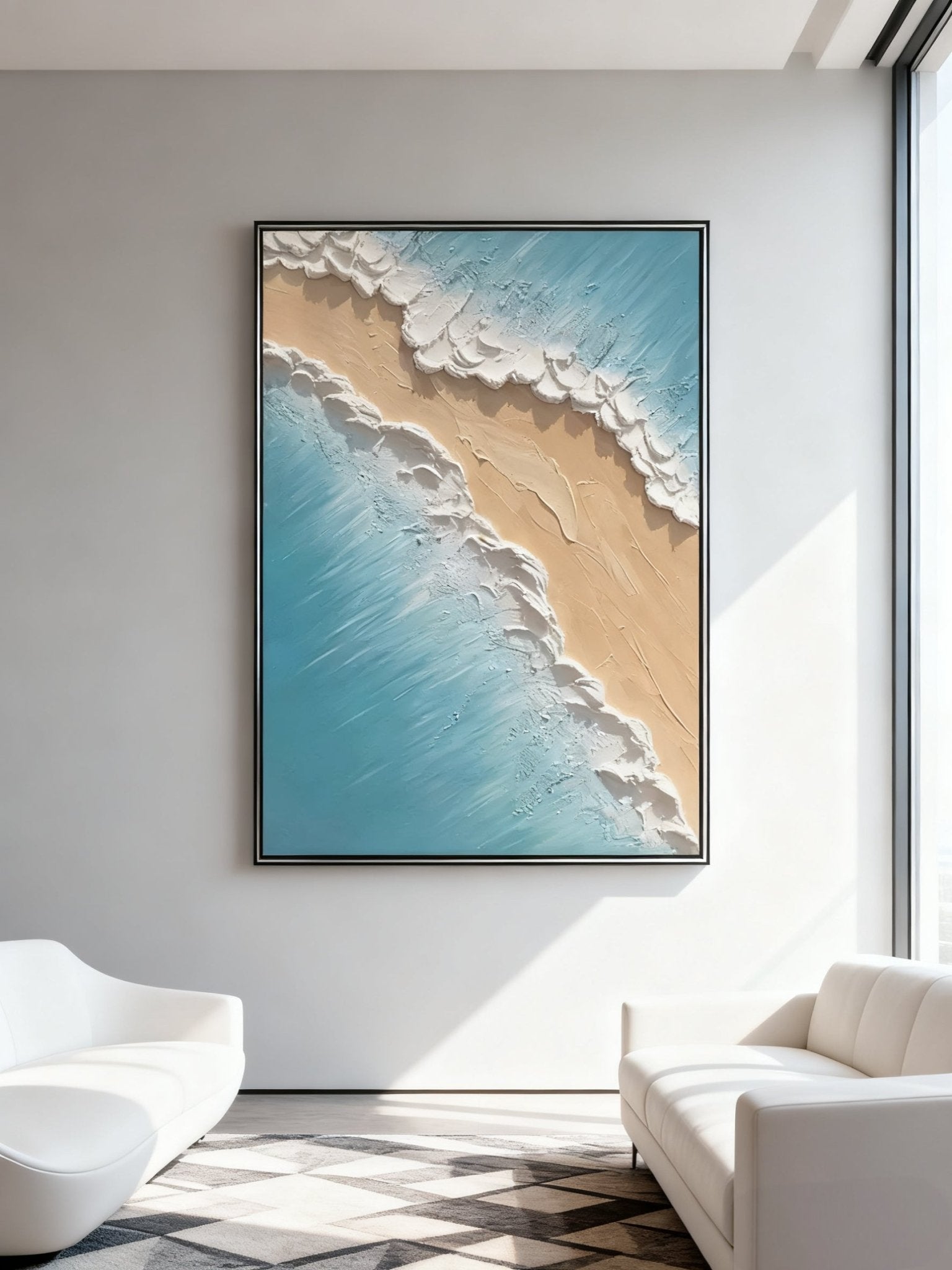
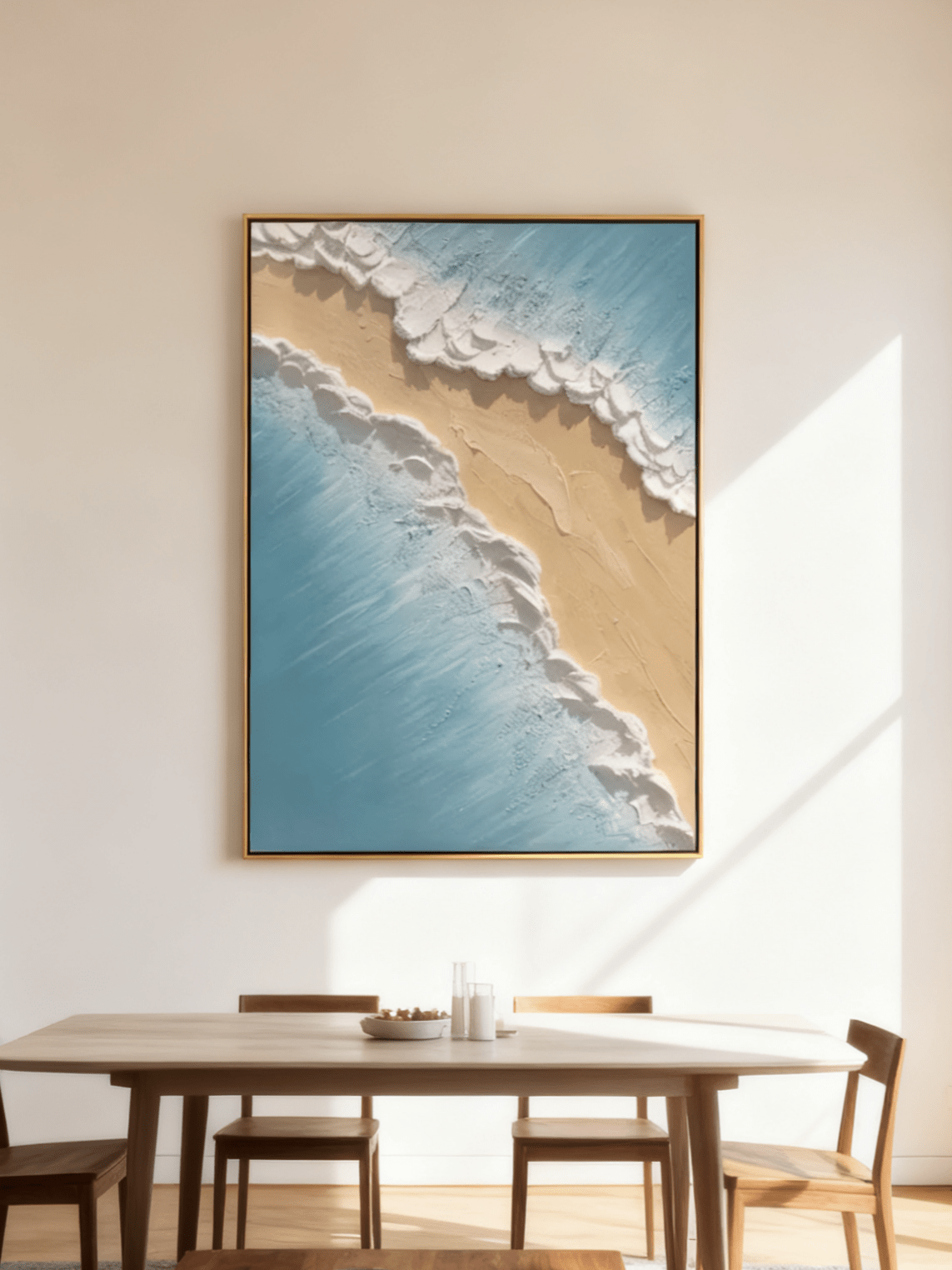
Pastoral/Natural Style: Look for flower, plant, or landscape paintings with a hand-drawn feel. Avoid overly realistic prints; choose originals with natural brushstrokes and soft colors to create a relaxing and healing atmosphere.

[Click on the image to purchase the same product]
Traditional American/European Classical: Group paintings (multiple paintings in a set) are a classic choice. You can choose hand-drawn landscapes or still lifes with a vintage, distressed feel, or beautifully bound old maps or prints. European classical style complements hand-drawn reproductions of Western classical oil paintings perfectly.

Eclectic/Personalized Style: This is the stage to showcase your unique taste. Choose hand-drawn works with a more personal artistic style to assert your aesthetic sovereignty.
WABI Wall Art Tip: When multiple paintings appear in your field of vision at the same time, try to maintain a unified style. For example, at WABI Wall Art, you can easily find hand-painted works belonging to the same art series, effortlessly creating a harmonious yet varied gallery wall.
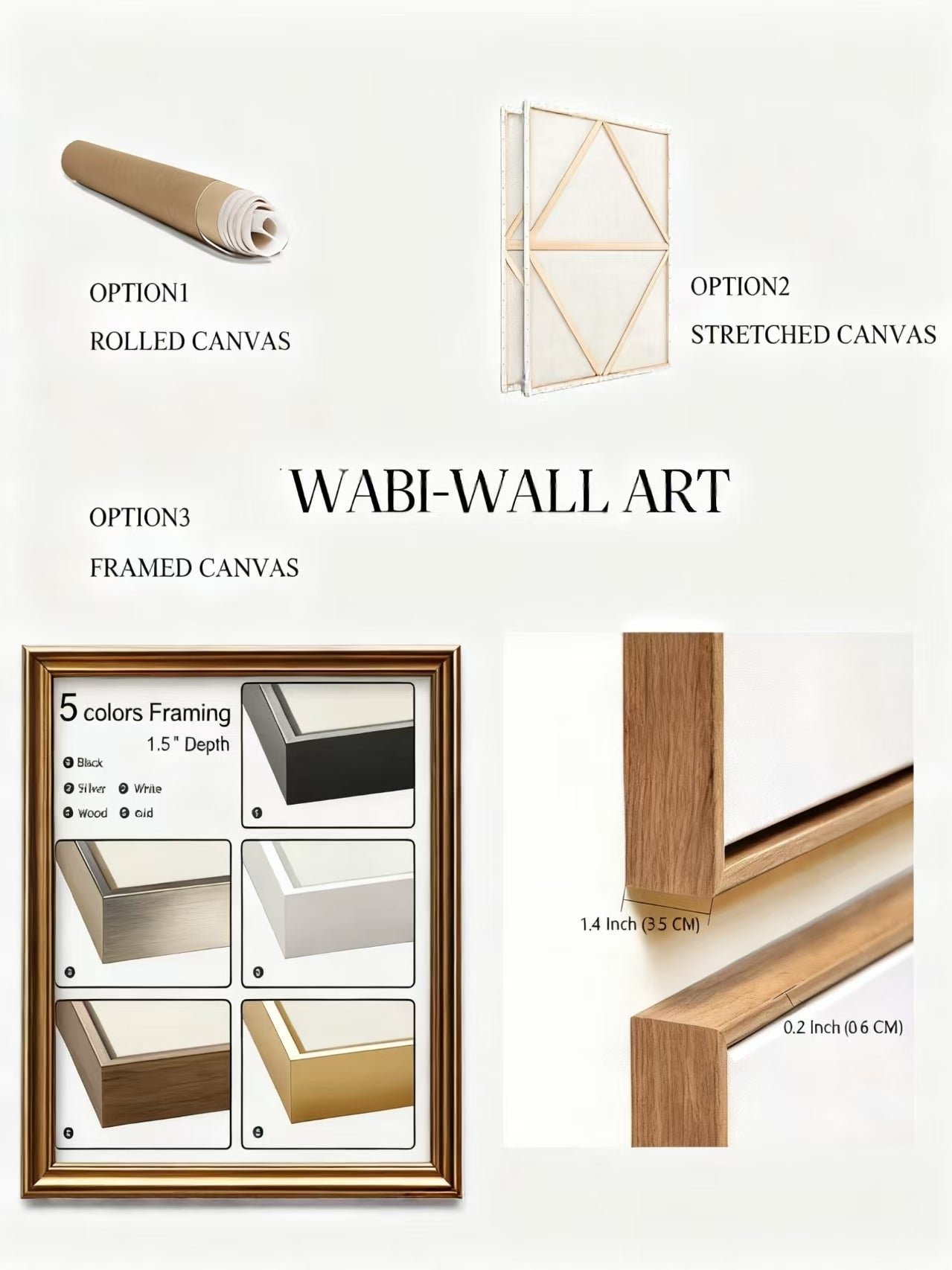
Chapter Two: Choosing a Frame – Details Matter
The frame is the "clothing" of the painting, and also the bridge connecting the artwork to its environment.
Material Determines Style:
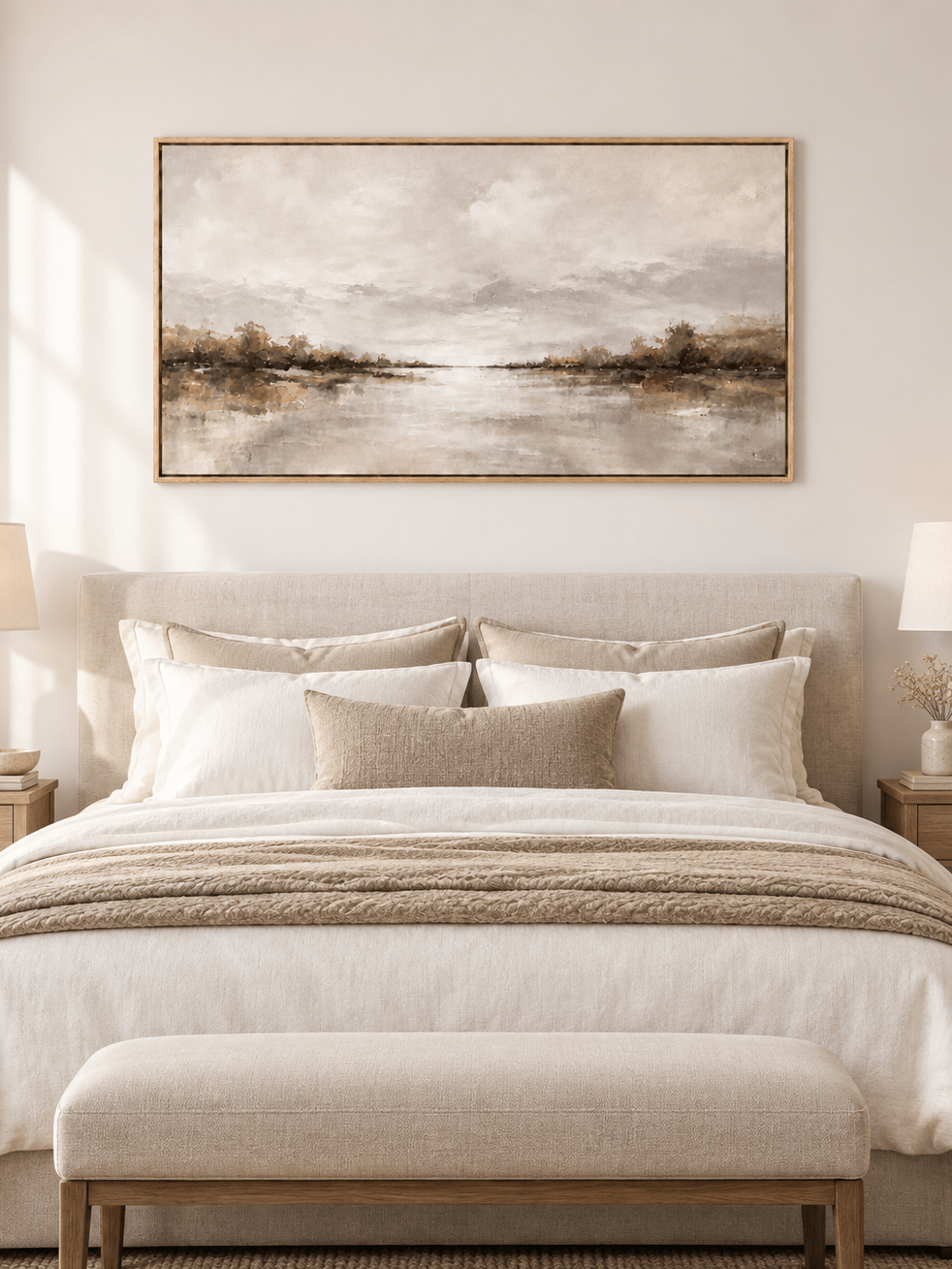
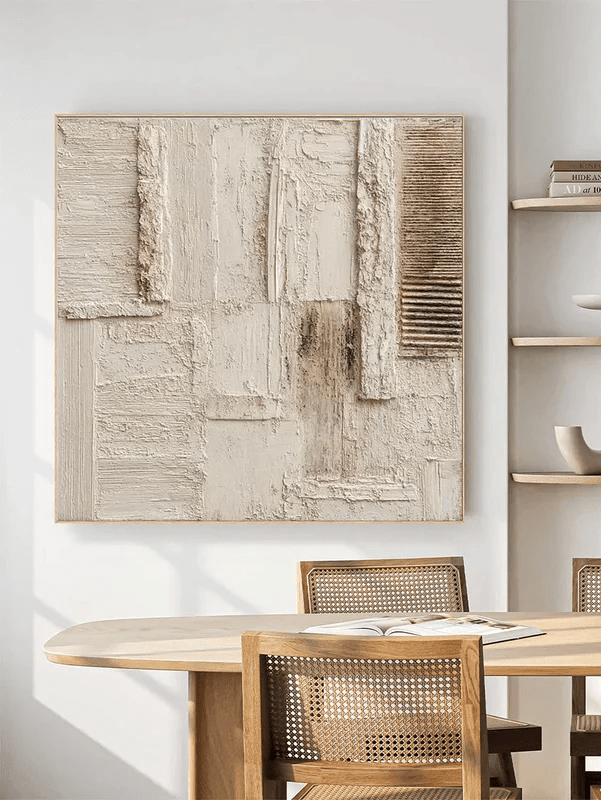
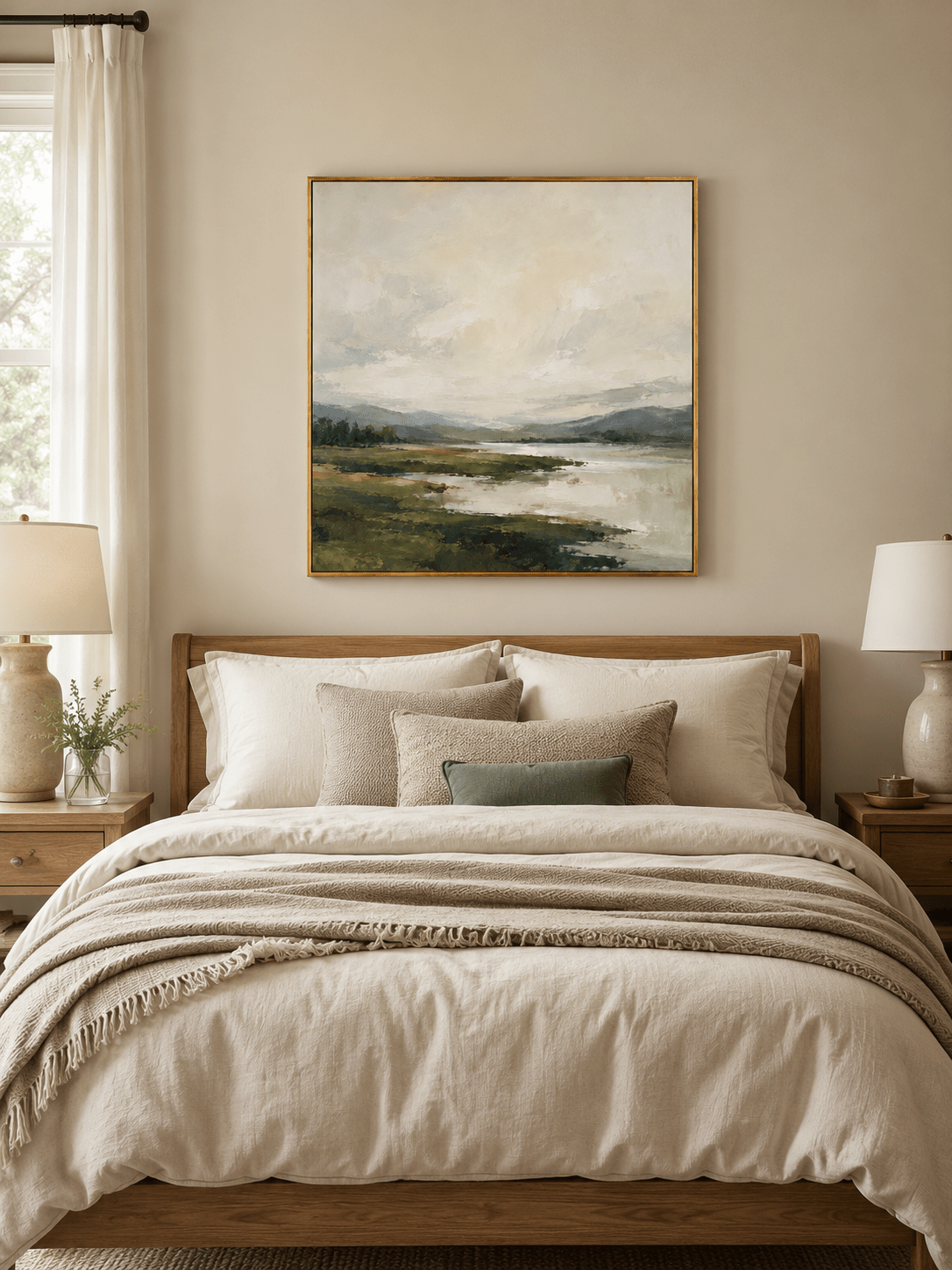
Wooden Frames: Natural and warm, suitable for Chinese, Japanese, Nordic, and pastoral styles.
Metal Frames (Matte Black/Gilded): Minimalist narrow metal frames are suitable for modern and light luxury styles; gilded frames with carvings add a retro feel to French and classic styles.
Frameless/Acrylic: The most contemporary, making the artwork itself the absolute focus, suitable for modern minimalist spaces.
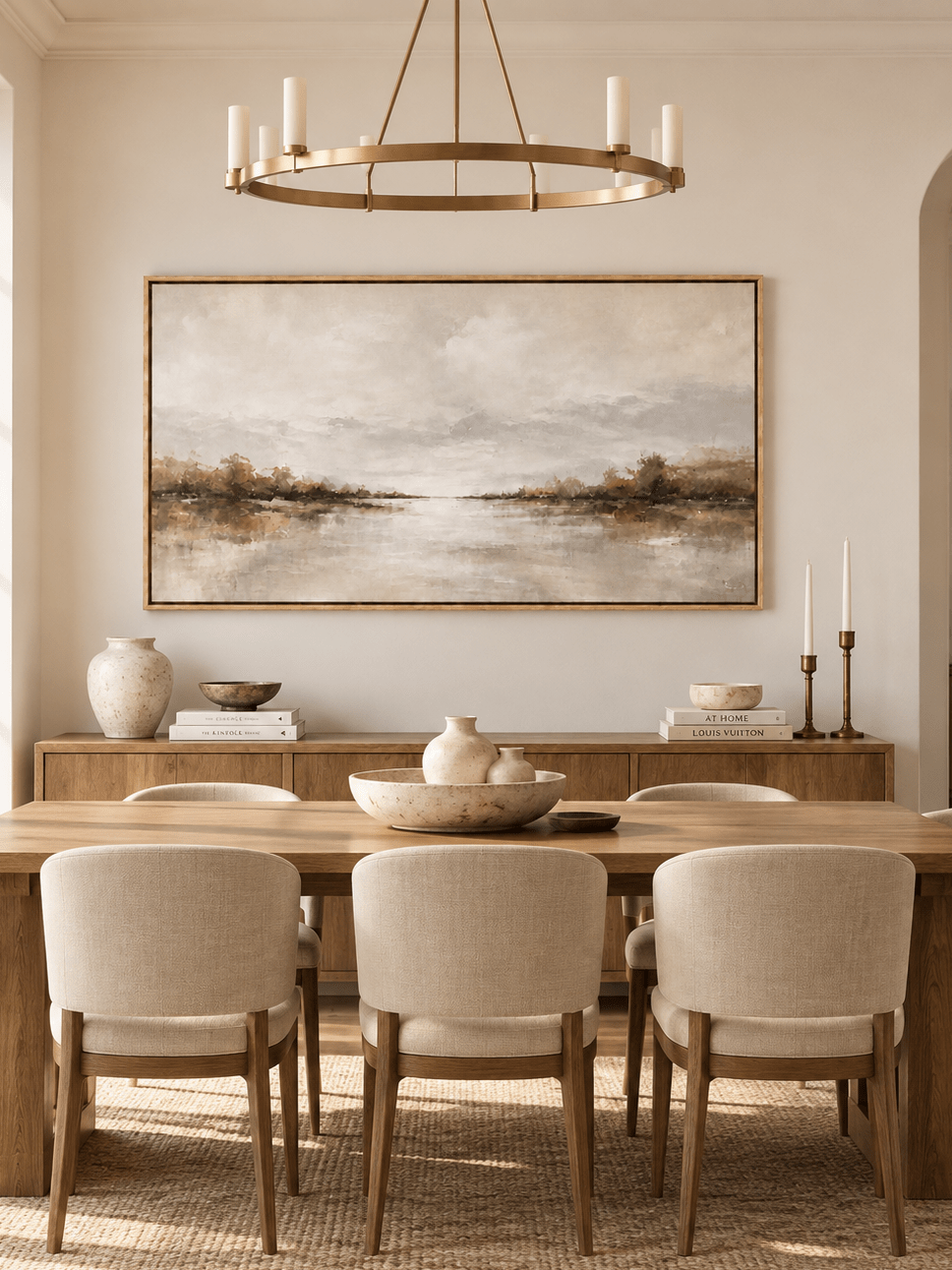
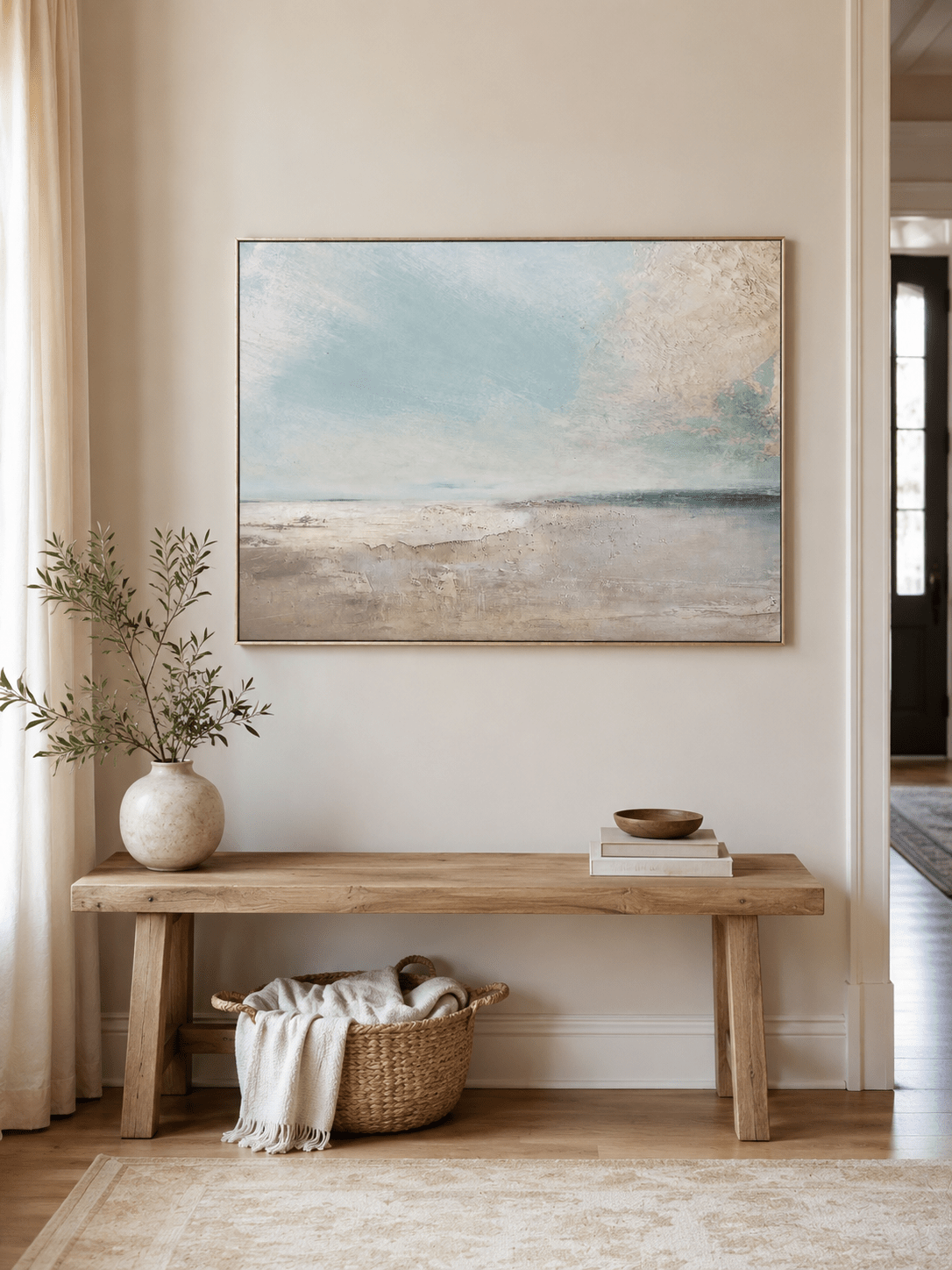
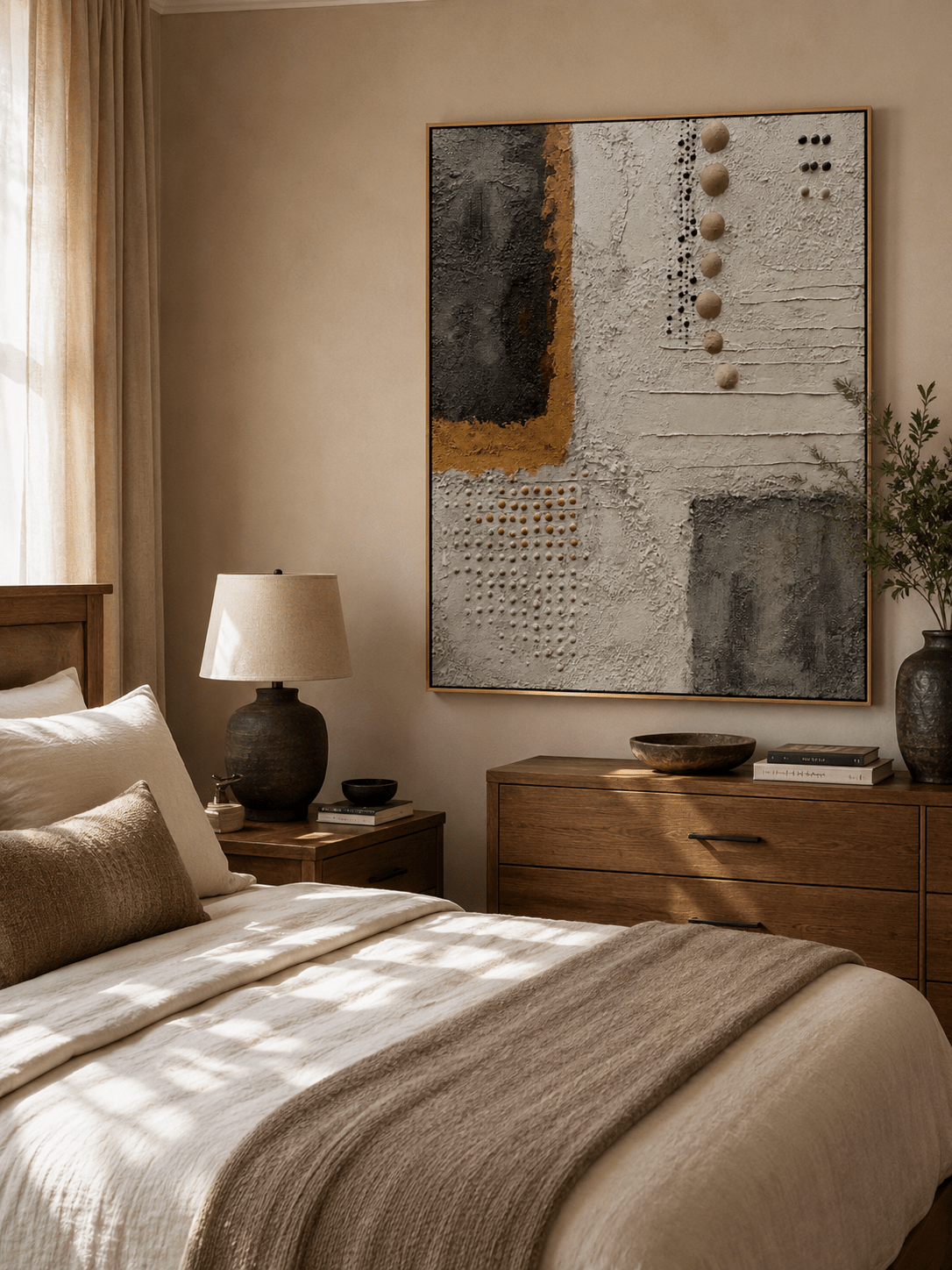
Color Enhances Artistry: Avoid matching the frame color to the main color of the painting. Gold, silver, white, black, and natural wood tones are the most versatile and foolproof choices. Ideally, the frame color should echo the materials of other metal pieces or furniture in the space.

[Click on the image to purchase the same product]
Chapter 3: Color Matching – Creating Visual Magic
The choice of colors determines whether a painting "integrates" or "stands out."
Method 1: Unified Tone, Harmonious Integration (Safe Option)
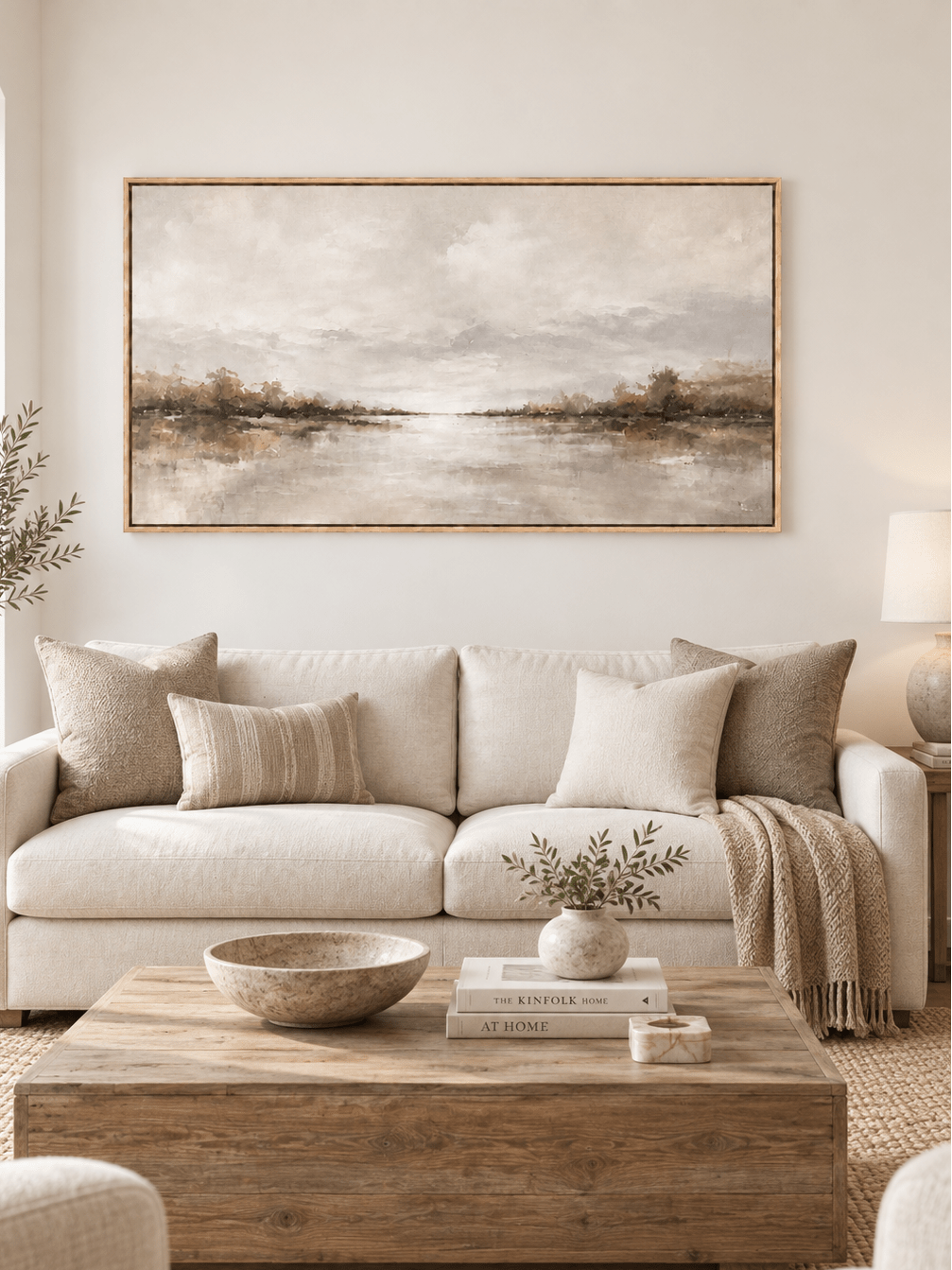
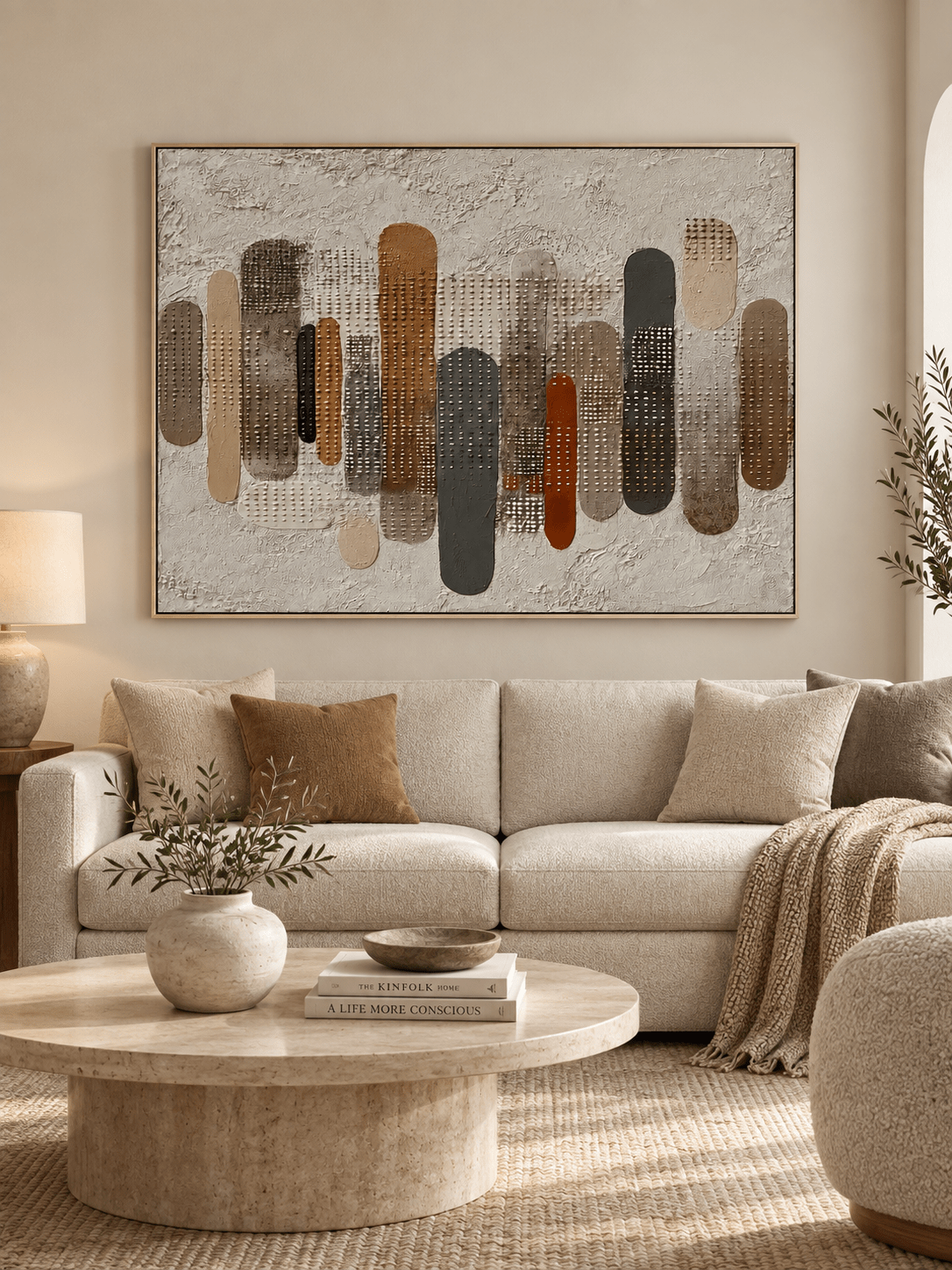
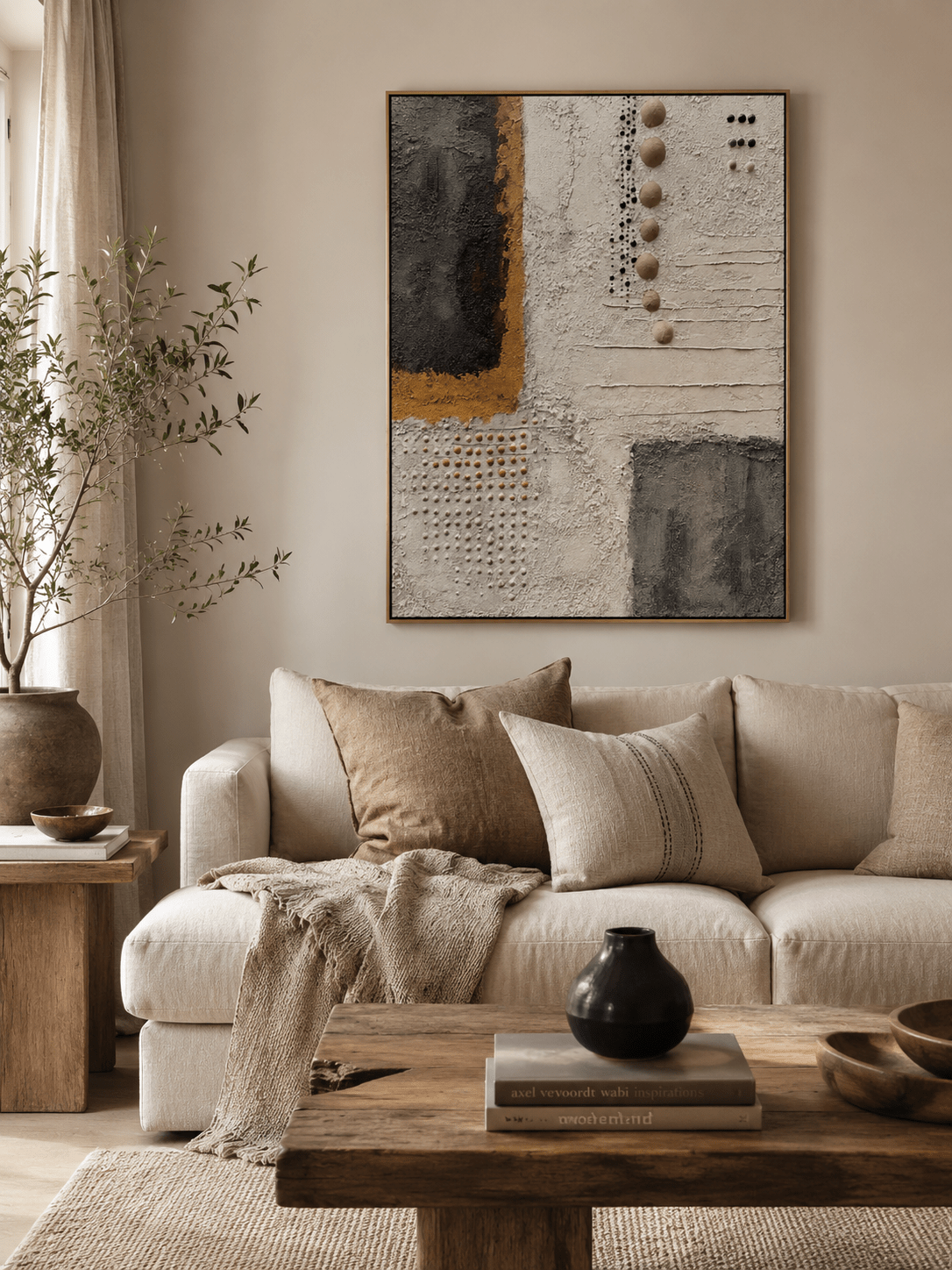
Extract a secondary color from the furniture, curtains, or carpet in the space as the main color for the painting. This allows the painting to naturally become part of the space, creating a strong sense of unity and a tranquil, soothing atmosphere.

[Click on the image to purchase the same product]
Method 2: Complementary Color Contrast, Emphasizing the Focal Point (Advanced Option)
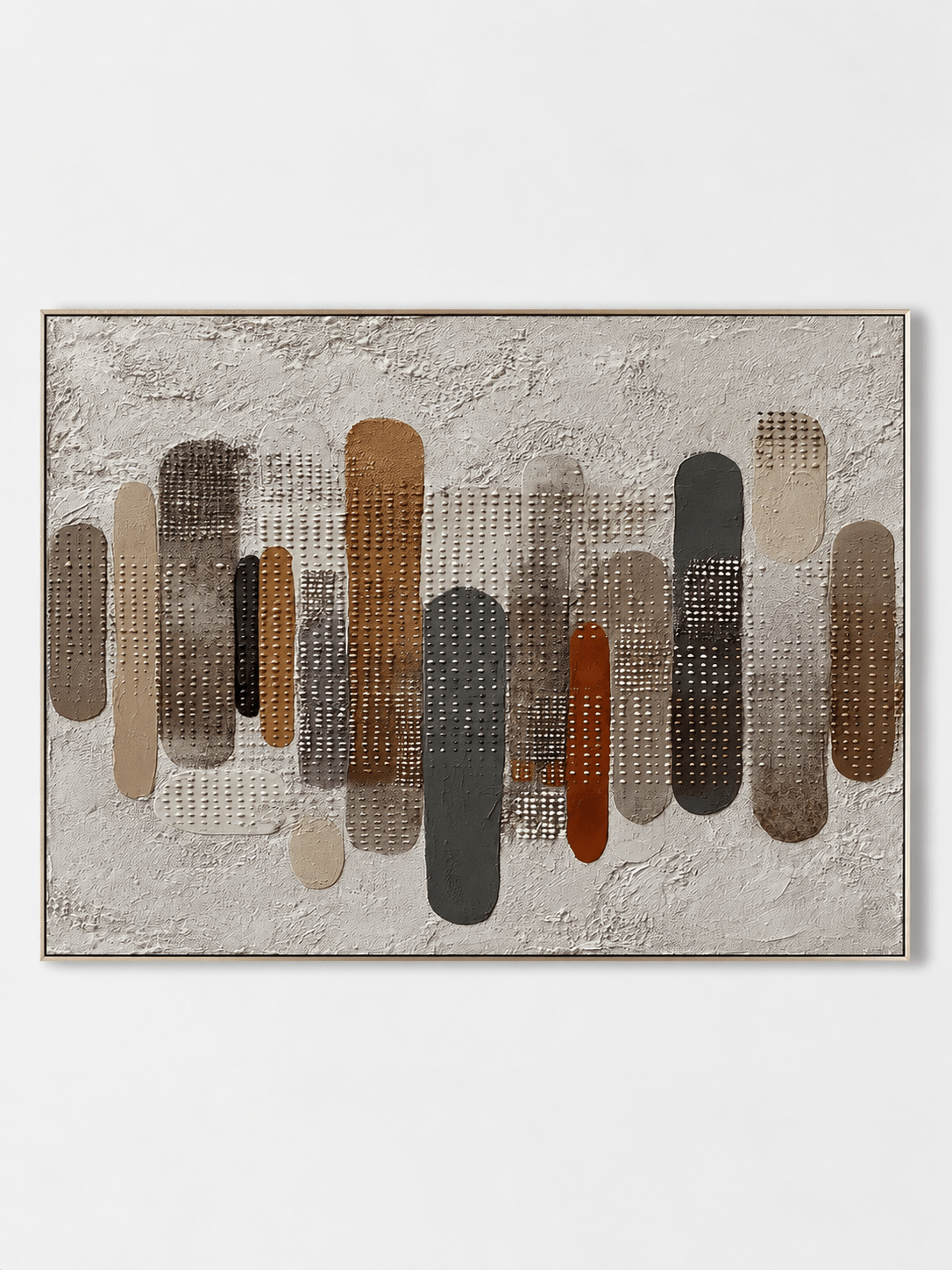
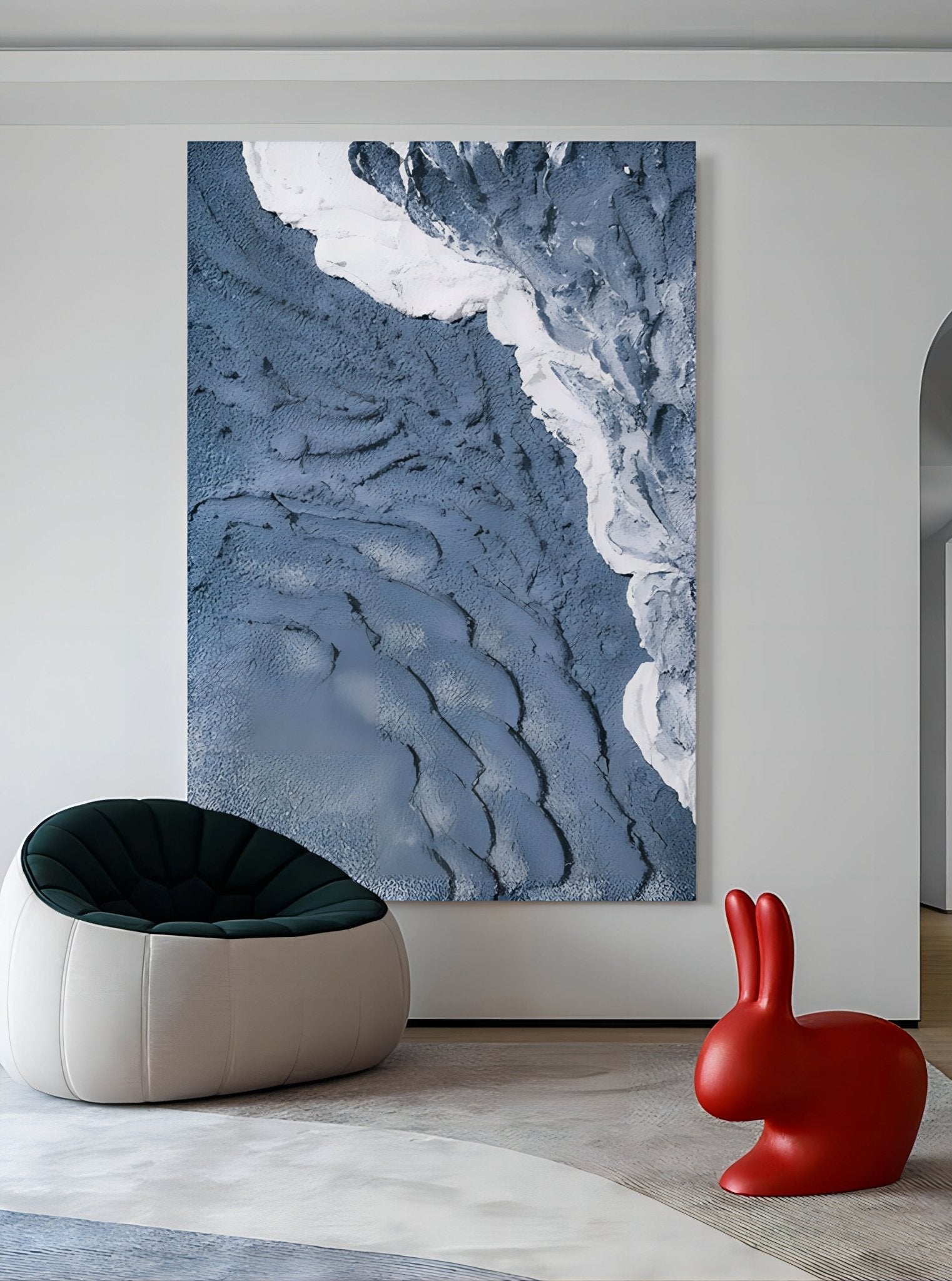
If you want your hand-painted artwork to become the visual focal point of the space, try using the principle of complementary colors. Let the main color of the painting create a diagonal contrast with the main color of the wall or sofa on the color wheel (such as blue and orange, green and red). This strong contrast can instantly make your hand-painted artwork the absolute centerpiece of the space, full of vitality and drama.

[Click on the image to purchase the same product]
Chapter 4: Determining Place and Size – A Balance of Science and Aesthetics
The placement and size of the artwork are the final step that determines its success or failure.
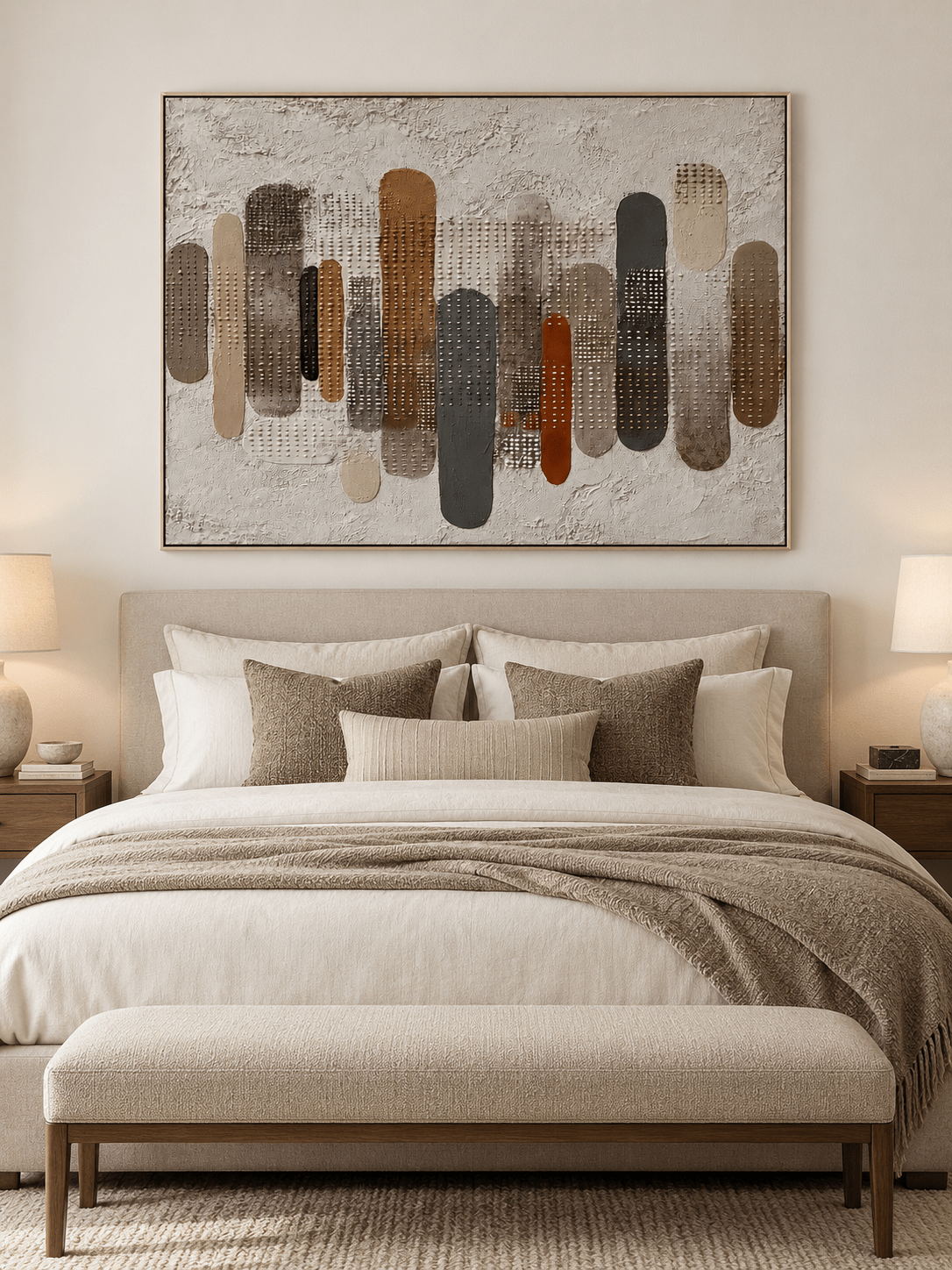
Optimal Location: Find the "first point of focus"—the wall that first catches your eye upon entering the space. Avoid dark corners and direct sunlight. Places that need to be concealed, such as electrical boxes, are ideal locations to hang a carefully selected medium-sized hand-painted artwork.
Golden Height (Most Comfortable):
Core Rule: The center of the painting should be slightly above eye level, approximately 1.6 meters, or slightly adjusted according to the homeowner's height.
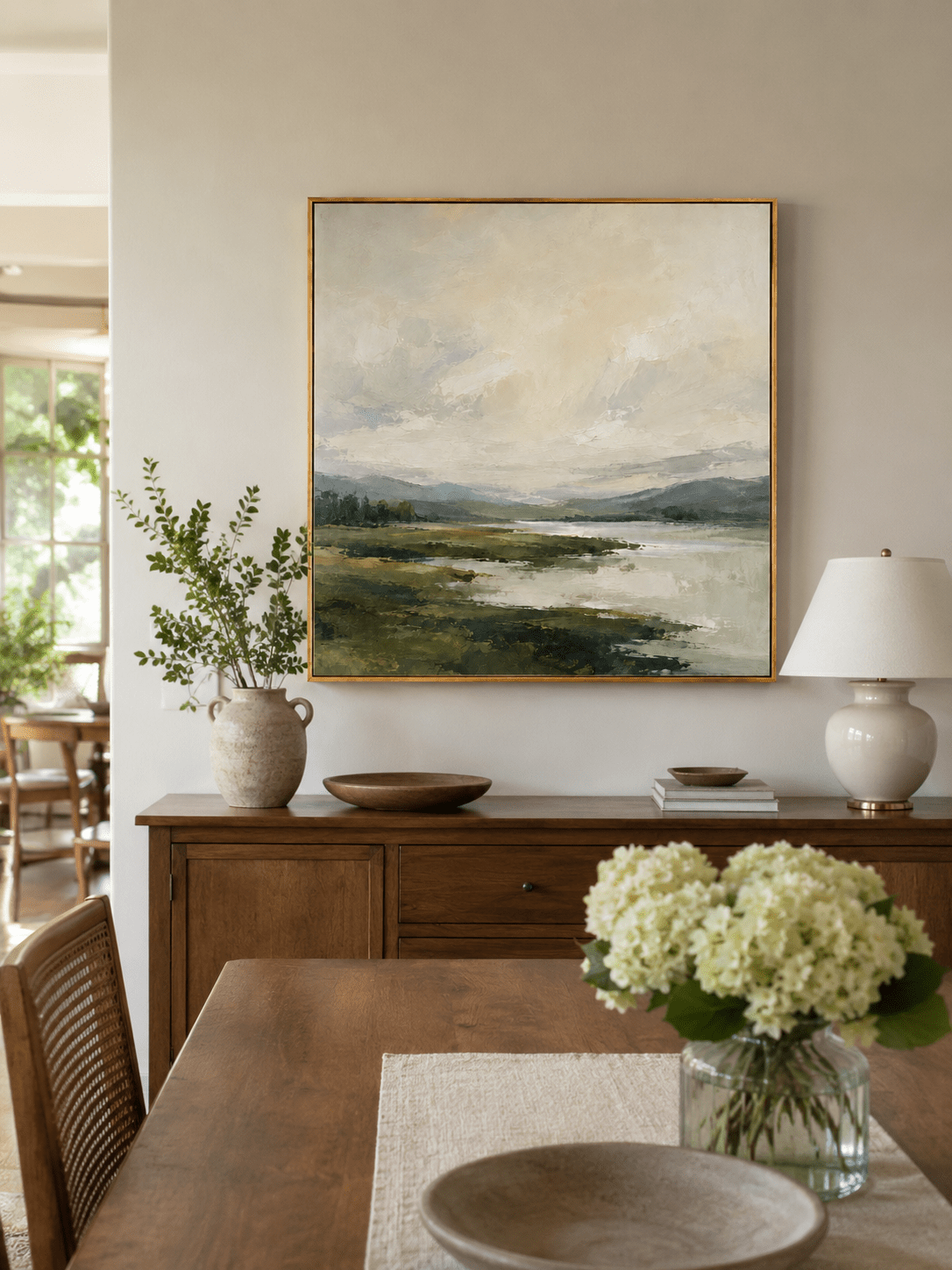
Furniture Below the Painting: The bottom frame of the painting should be 15-20 centimeters higher than the furniture (such as sofas or cabinets). If hung too high, use vases, lamps, or other decorative items below to connect the height, but these should not exceed one-third of the painting's height and should not obscure the core elements of the artwork.

Precise Width (Key to Aura):
Horizontal or Composite Paintings: Total width = Furniture length × (0.8 ~ 1). A spacing of 5-10 centimeters is recommended for composite paintings to create a sense of unity.
Single vertical painting: Width ≈ 1/3 of furniture length. Does not need to be centered; placing it to one side creates a more dynamic feel.

Single square painting: Width ≈ Furniture length × 0.4. Suitable for centered hanging, creating a sense of stability.

Chapter 5: Learning Hanging Techniques – Letting the Wall Narrate
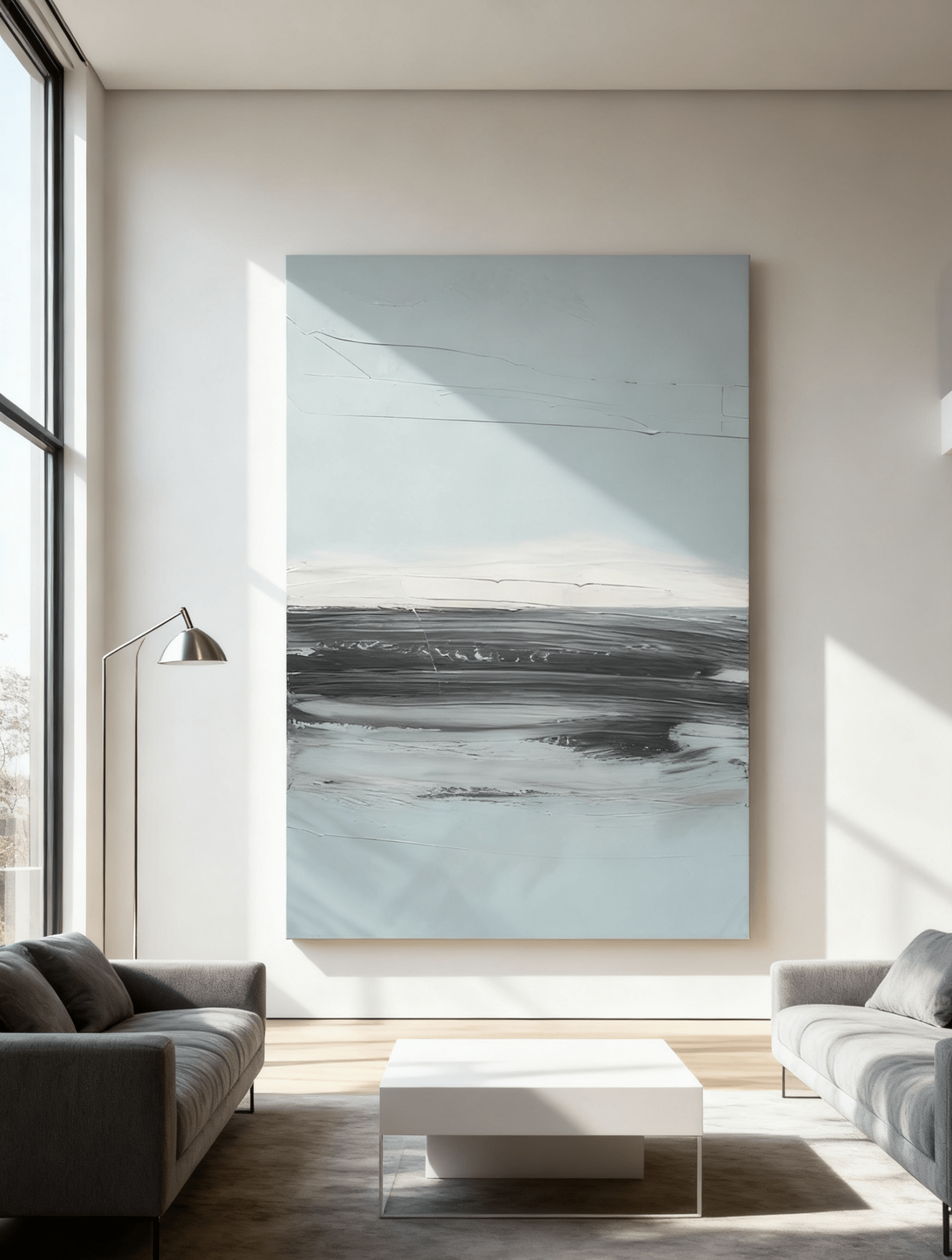
Single Painting: Aim for a striking visual impact. Hang a sufficiently captivating hand-painted artwork at the first point of visual focus, leaving ample white space to inspire imagination. Single vertical paintings do not need to be centered, while square paintings are suitable for centered hanging.
Symmetrical Hanging: Simple, classic, and orderly. Choose hand-painted works from the same series and color scheme, arranging them symmetrically horizontally or vertically.
Balanced Hanging: A more modern and advanced approach. The total width of multiple paintings is slightly narrower than the decorated object, and they are evenly distributed on the wall to maintain visual balance.

Why choose WABI Wall Art hand-painted decorative paintings in 2025?
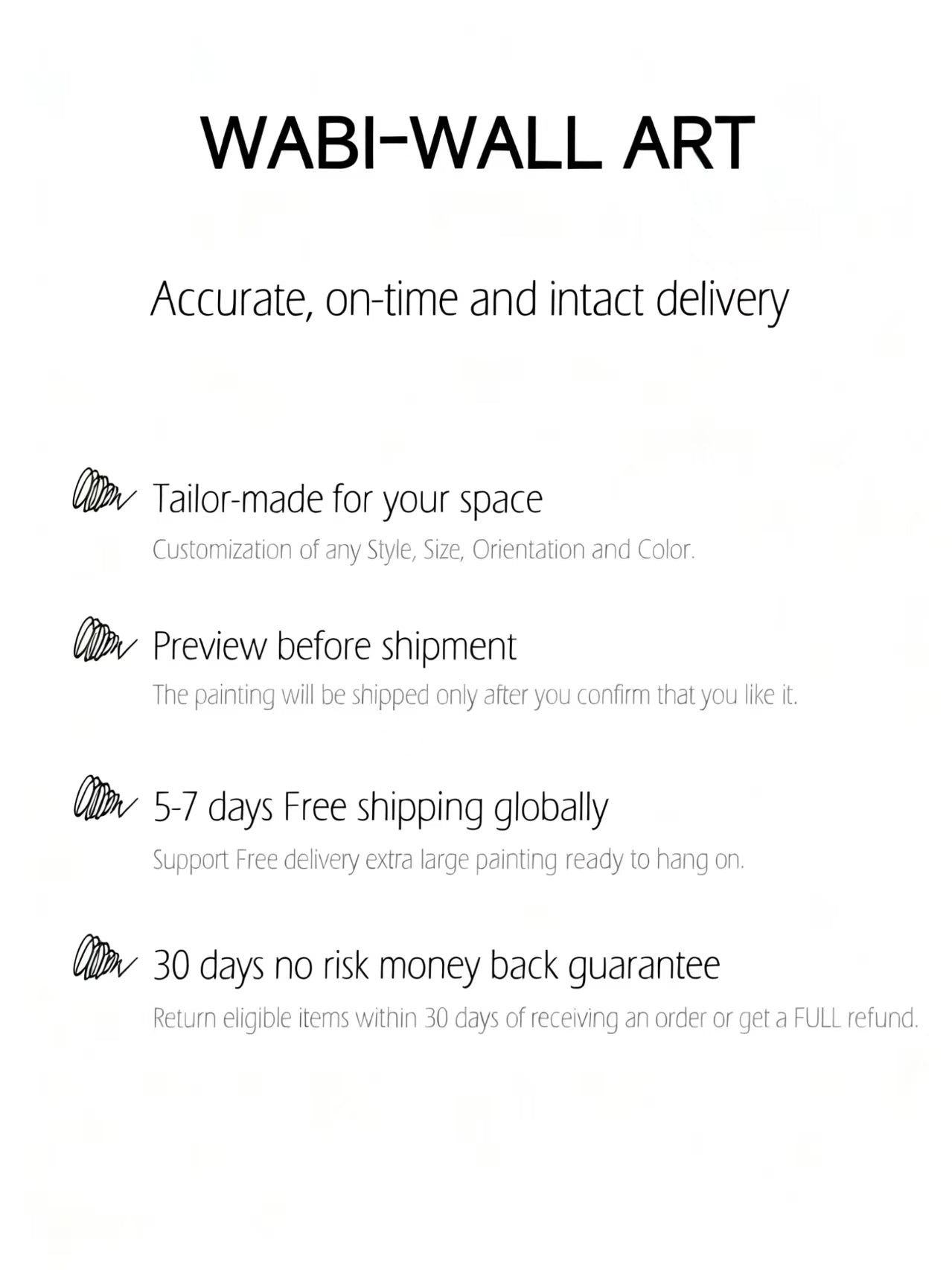
While online shopping platforms bombard you with generic, machine-printed paintings, WABI Wall Art insists on providing you with unique, original hand-painted artworks.
While online shopping platforms bombard you with generic, machine-printed paintings, WABI Wall Art insists on providing you with unique, original hand-painted artworks.
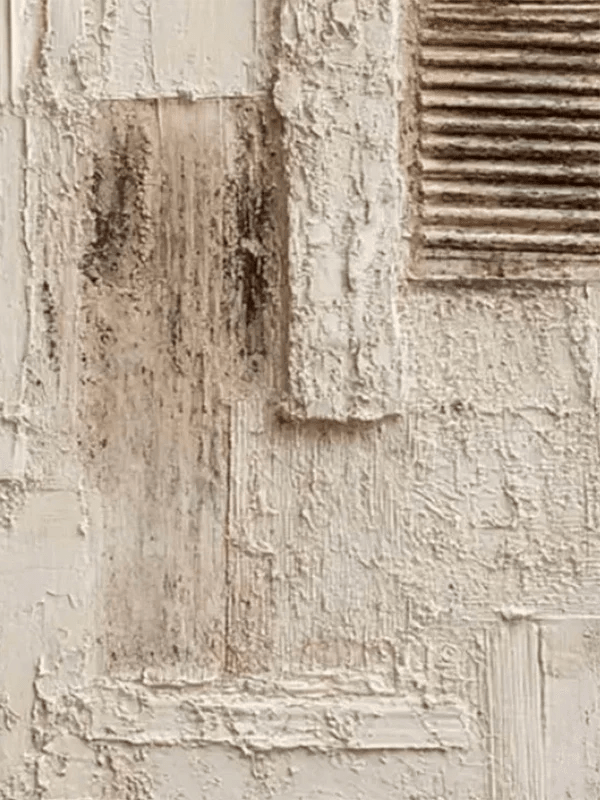
In 2025, the individuality and emotional value of a home have reached unprecedented heights. A true hand-painted artwork, with its unique brushstrokes, subtle color variations, and raw textures, is irreplaceable by any print. It carries not only an idea, but also a vibrant artistic life.
Choosing WABI Wall Art means choosing:
A forward-thinking aesthetic: Our work closely follows, and even leads, the home aesthetic trends of 2025, particularly abstract, minimalist, and naturalistic styles.
Absolute uniqueness: Every painting is hand-painted by the artist, ensuring your home is unlike anyone else's.
Practical matching guidance: compare palette, scale, orientation, and visible texture with the room before ordering.
Explore the [WABI Wall Art 2025 New Hand-Painted Decorative Painting Series] and choose a true "soulmate" for your home's walls.